Afrodita sits on Prievidzská street in Čereňany, a small village in the Trenčín Region that sees far fewer foreign visitors than Slovakia's better-known dining towns. Details on format, cuisine, and pricing are limited in current records, which makes advance research worthwhile before making the drive from Prievidza or Partizánske.
Pearl is the En Primeur Club membership app — saves, bookings, and concierge access live there. Same editors, same standards.
- Address
- Prievidzská 406/30, 972 46 Čereňany, Slovakia
- Phone
- +421905354538
- Website
- restauraciaafrodita.sk
- Directions
- Get directions
 Saves & bookings on Pearl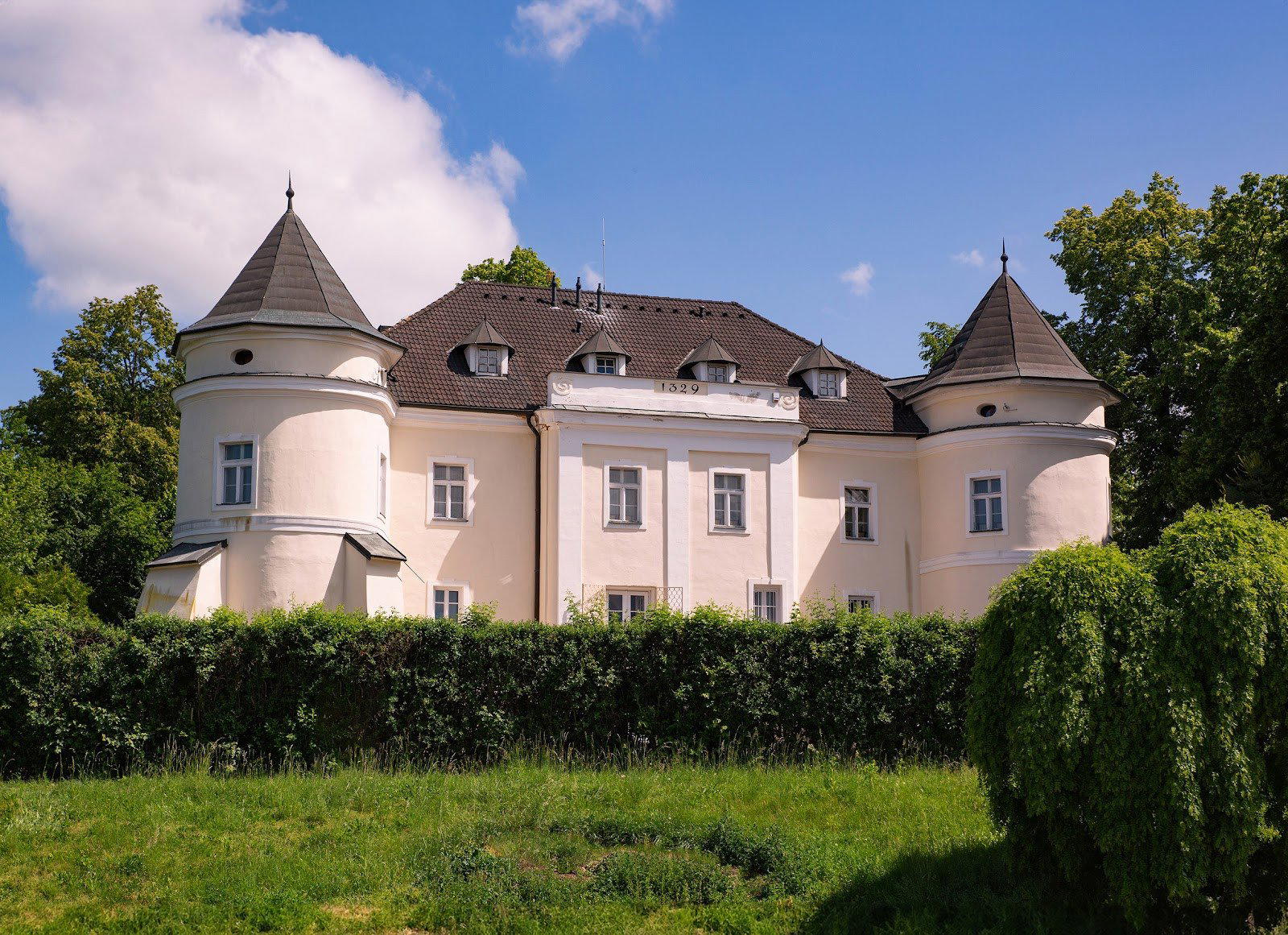
Dining in the Trenčín Region's Quieter Villages
Afrodita is a restaurant in Čereňany, Slovakia, with. Slovakia's restaurant scene has, over the past decade, concentrated its critical attention on Bratislava, Košice, and a handful of spa towns. The villages of the Trenčín Region operate in a different register entirely: smaller, less documented, and shaped more by local demand than by tourism economics. Čereňany, a settlement of a few hundred residents near the Nitra River basin, sits within this quieter corridor. Afrodita, on Prievidzská street, is part of that local fabric. Visitors arriving from nearby Prievidza, roughly ten kilometres to the north, or from Partizánske to the south, will find a setting that reflects the region's working character rather than its tourist-facing one.
Where Ingredient Sourcing Defines Small-Town Slovak Kitchens
Rural Slovak restaurants at this latitude, between the Strážovské Hills and the Upper Nitra basin, have traditionally relied on proximity as their primary supply logic. What the surrounding agricultural land produces, local kitchens use: root vegetables, freshwater fish from regional streams, pork in its many processed and fresh forms, and dairy from the region's small-scale farms. This is not a market philosophy adopted from trend cycles but rather a structural reality that predates the farm-to-table vocabulary imported from Western European cities.
The Trenčín Region's villages have long produced smoked meats and aged cheeses that travel poorly but taste well at source. In small establishments like those found in Čereňany, supply chains are short by necessity rather than by design. A kitchen sourcing from farms within thirty kilometres does not need a procurement philosophy; it simply has access. This geographic immediacy tends to produce food that, at its leading, carries the seasonal specificity that larger urban restaurants spend considerable effort trying to replicate. The regional pattern is well-established across comparable village establishments in the Trenčín, Nitra, and Banská Bystrica regions.
For contrast, establishments operating at greater scale and with more documented sourcing programs include Fatrabeef in Lubochňa, which has built its identity around regional beef, and Granárium in Jablonov nad Turňou, which works within a grain-focused heritage framework. Both represent the more visible end of Slovakia's regional sourcing conversation.
The Village Restaurant's Position in the Slovak Dining Hierarchy
Slovak dining at the village level occupies a tier that rarely intersects with the award circuits tracked by Michelin or the World's 50 Best. Afrodita has no listed awards, which places it in the same bracket as the majority of Slovak establishments outside the major cities. That absence is not, on its own, a meaningful indicator of quality in either direction. Many of Slovakia's most locally valued kitchens operate entirely below the threshold of international critical attention.
What distinguishes the village tier from its urban counterparts is function. Restaurants in small Slovak settlements typically serve as community anchors, absorbing both daily lunch trade and occasional celebration dining, rather than positioning within a competitive comparable set. The pricing and format that follow from this dual function tend to be more accessible than their urban equivalents. For comparison, the documented pricing and format at Cafe Sissi in Trenčín and Alej Bojnice in Bojnice offer a more detailed picture of what mid-tier Slovak regional restaurants deliver in nearby towns.
At the other end of the Slovak spectrum, UFO in Bratislava and ARTE in Svätý Jur represent the modernist and fine-casual tier where documentation, sourcing narratives, and chef credentials are actively published and tracked.
Getting There and Practical Considerations
Čereňany is not a destination with established visitor infrastructure. The village sits off route 64 in the Upper Nitra corridor, accessible by car from Prievidza in under fifteen minutes and from Partizánske in a comparable drive. Public transport connections exist via regional bus services operating along the Nitra valley routes, though frequency is limited by rural schedules. There is no high-speed rail access directly to the village.
Prospective visitors should treat this as a walk-in situation or seek current contact details through local Slovak directories or Google Maps listings before travelling specifically for a meal. Hours are Monday to Thursday from 11 AM to 10 PM, Friday and Saturday from 11 AM to 11 PM, and Sunday closed. Arriving midday on a weekday, when Slovak village restaurants typically run their busiest lunch service, is one reliable approach if contact details cannot be confirmed in advance.
Visitors combining a trip to the Upper Nitra region with broader Slovak itineraries might also consider Origin in Lučenec for a contrast in documented format, or Allora Fresh Pasta in Nitra as a nearby urban alternative with a clearer published profile. Those moving through central Slovakia with interest in traditional formats should note Gašperov Mlyn in Batizovce and Holotéch víška in Košariská as regional comparators with more established documentation. For those using the visit as part of a longer Slovak loop, Focus Restaurant in Žilina, Seven Restaurant Café in Košice, Bakoš Bistro in Košice, Dublin Cafe in the Prešov District, and Grand Restaurant in Štrbské Pleso each represent distinct regional formats worth anchoring an itinerary around. For reference points at the international level, Le Bernardin in New York City and Lazy Bear in San Francisco illustrate the documented, award-tracked tier against which Slovak village dining occupies a deliberately different position.
Quick Comparison
Comparable venues nearby, for context on price, style, and recognition.
| Venue | Cuisine | Price | Notes |
|---|---|---|---|
| AfroditaThis venue — the venue you are viewing | Modern French Fine Dining with Molecular Gastronomy | $$$$ | Not listed |
| Palffy restaurant | Modern French with Local Slovak Influences | $$$$ | Pezinok |
| TOP Restaurant | French-Slovak Fusion Fine Dining | $$$$ | Solinky |
| D.STEAKHOUSE | Premium Steakhouse | $$$$ | Staré Mesto |
| Reštaurácia FŐNIX | Slovak Seasonal Cuisine | $$$ | Pevnosť |
| Cafe Sissi | Modern Central European | $$$ | City Center |
Continue exploring
More in Cerenany
Restaurants in Cerenany
Browse all →

At a Glance
- Elegant
- Romantic
- Sophisticated
- Intimate
- Date Night
- Special Occasion
- Celebration
- Business Dinner
- Historic Building
- Garden
- Private Dining
- Terrace
- Extensive Wine List
- Sommelier Led
- Garden
Current opening hours
- Monday
- 11 AM–10 PM
- Tuesday
- 11 AM–10 PM
- Wednesday
- 11 AM–10 PM
- Thursday
- 11 AM–10 PM
- Friday
- 11 AM–11 PM
- Saturday
- 11 AM–11 PM
- Sunday
- Closed
Hours can change for holidays and private events. Last verified .
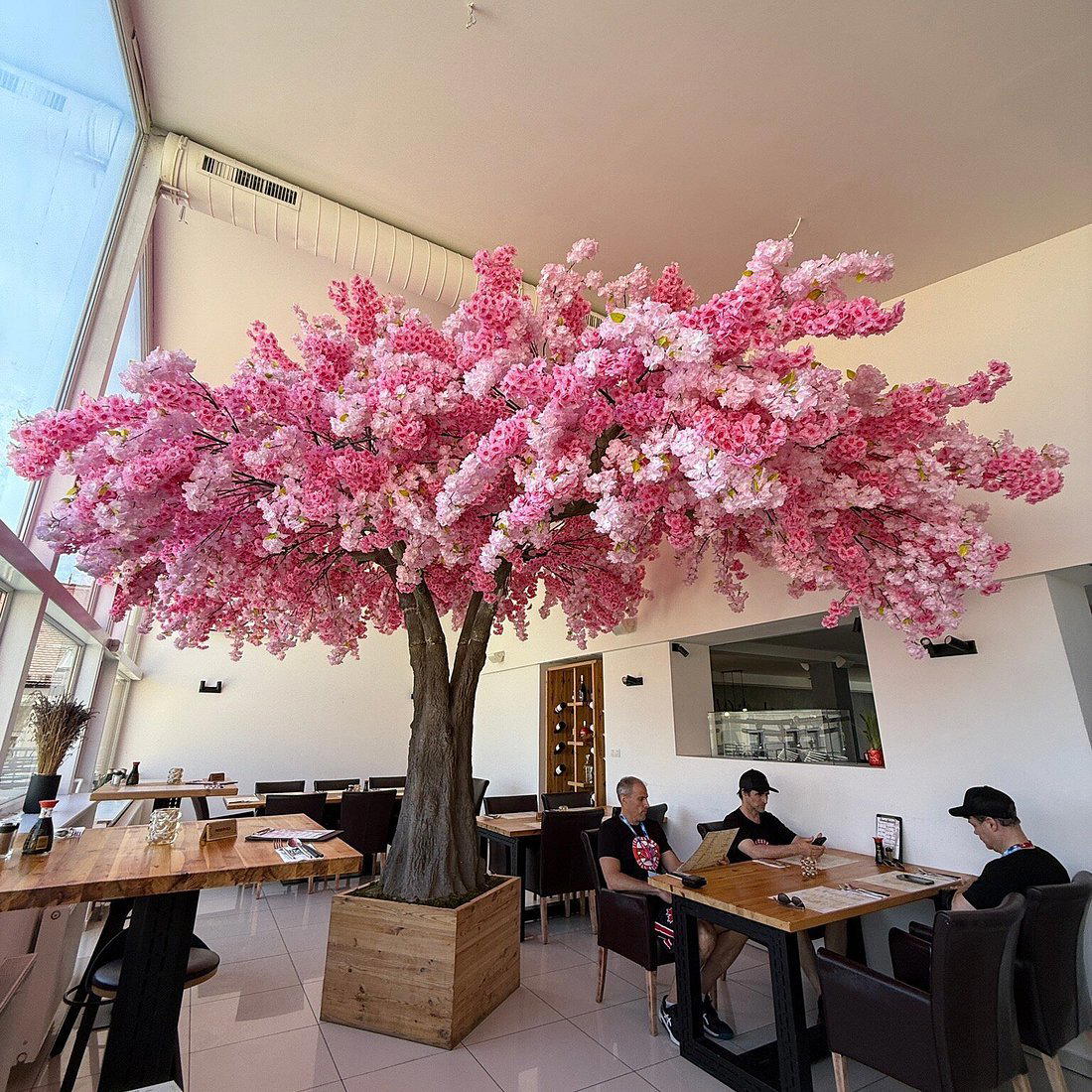
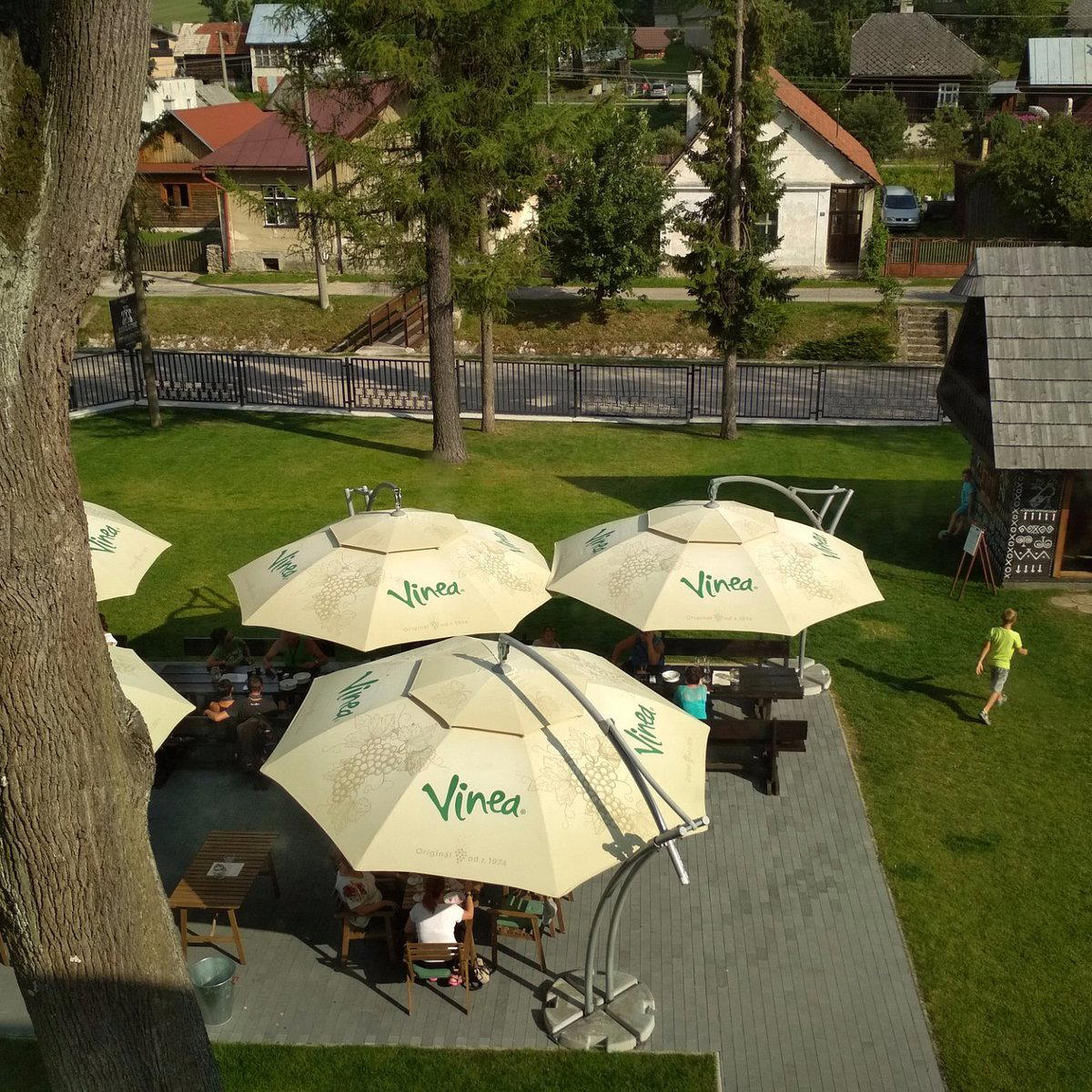
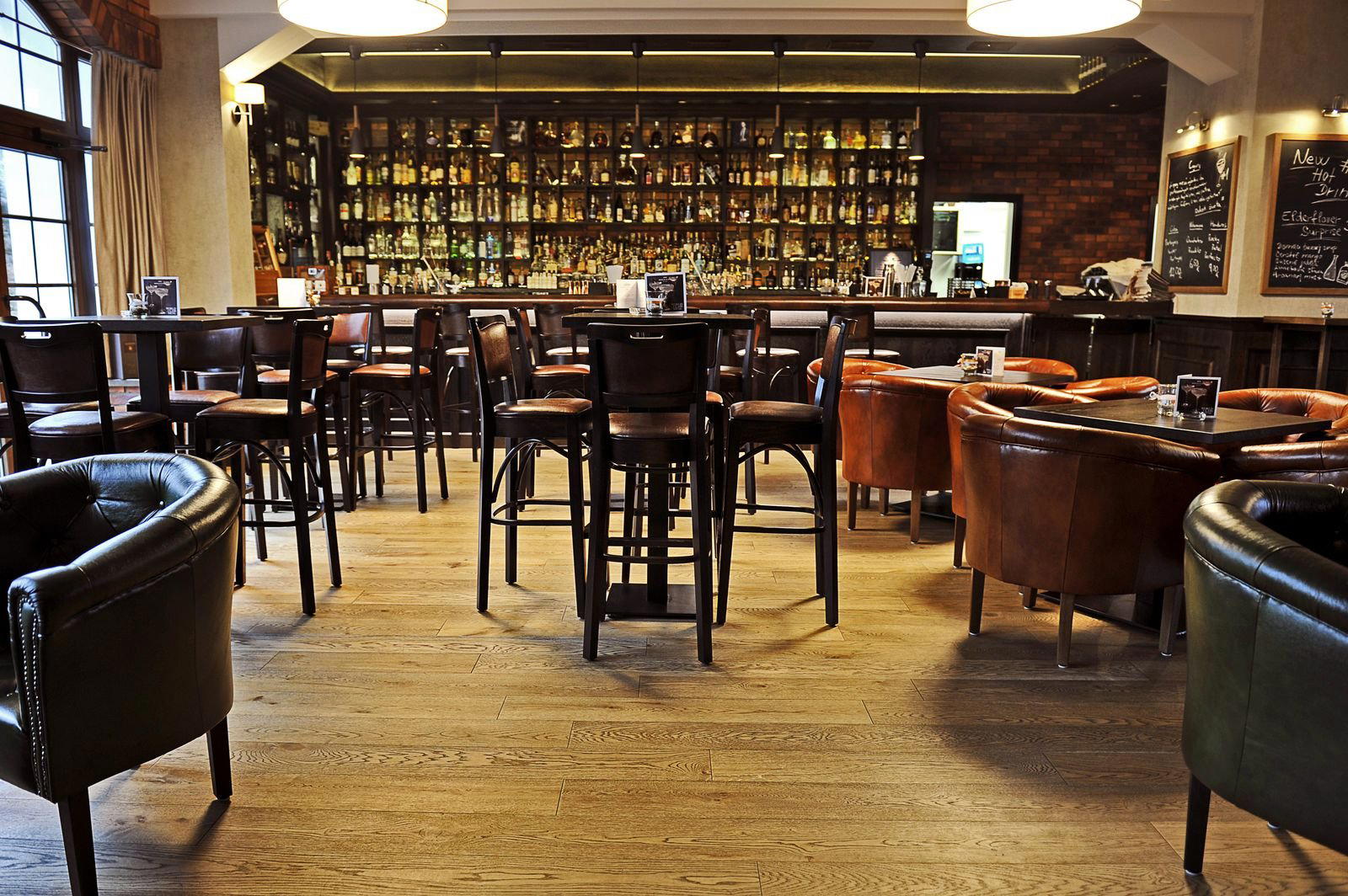
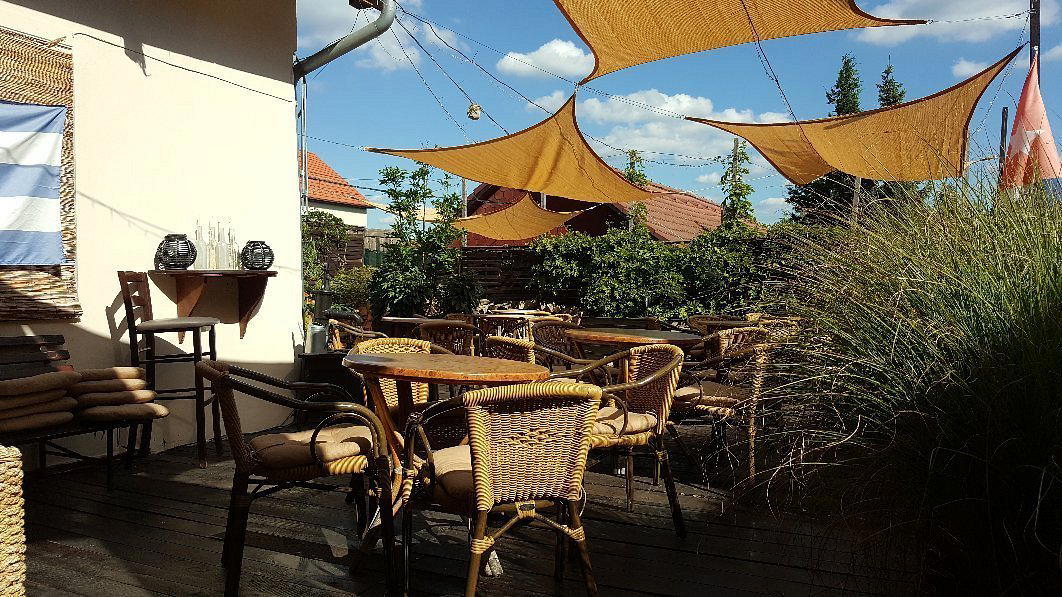
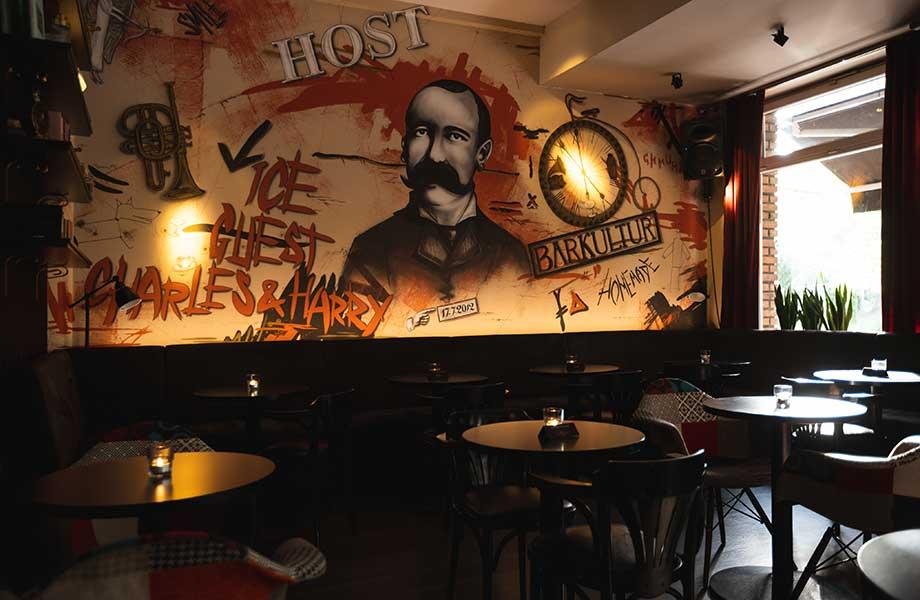
Refined and romantic atmosphere within a historic château with elegant interiors, candlelit dining, and flambéed dishes creating a theatrical, upscale culinary experience.