APOLKA Restaurant
APOLKA Restaurant occupies a compact address on Súkennícka in Bratislava's inner city, placing it within a dining corridor that has quietly grown in ambition over the past decade. The space and its position in the local dining scene make it a point of reference for visitors trying to orient themselves among the city's mid-tier and upper-tier tables. For a broader read on the Bratislava restaurant circuit, the full EP Club city guide provides essential context.
Pearl is the En Primeur Club membership app — saves, bookings, and concierge access live there. Same editors, same standards.
- Address
- Súkennícka 1388/4, 821 09 Bratislava, Slovakia
- Phone
- +421948303130
- Website
- apolka.sk
- Directions
- Get directions
 Saves & bookings on Pearl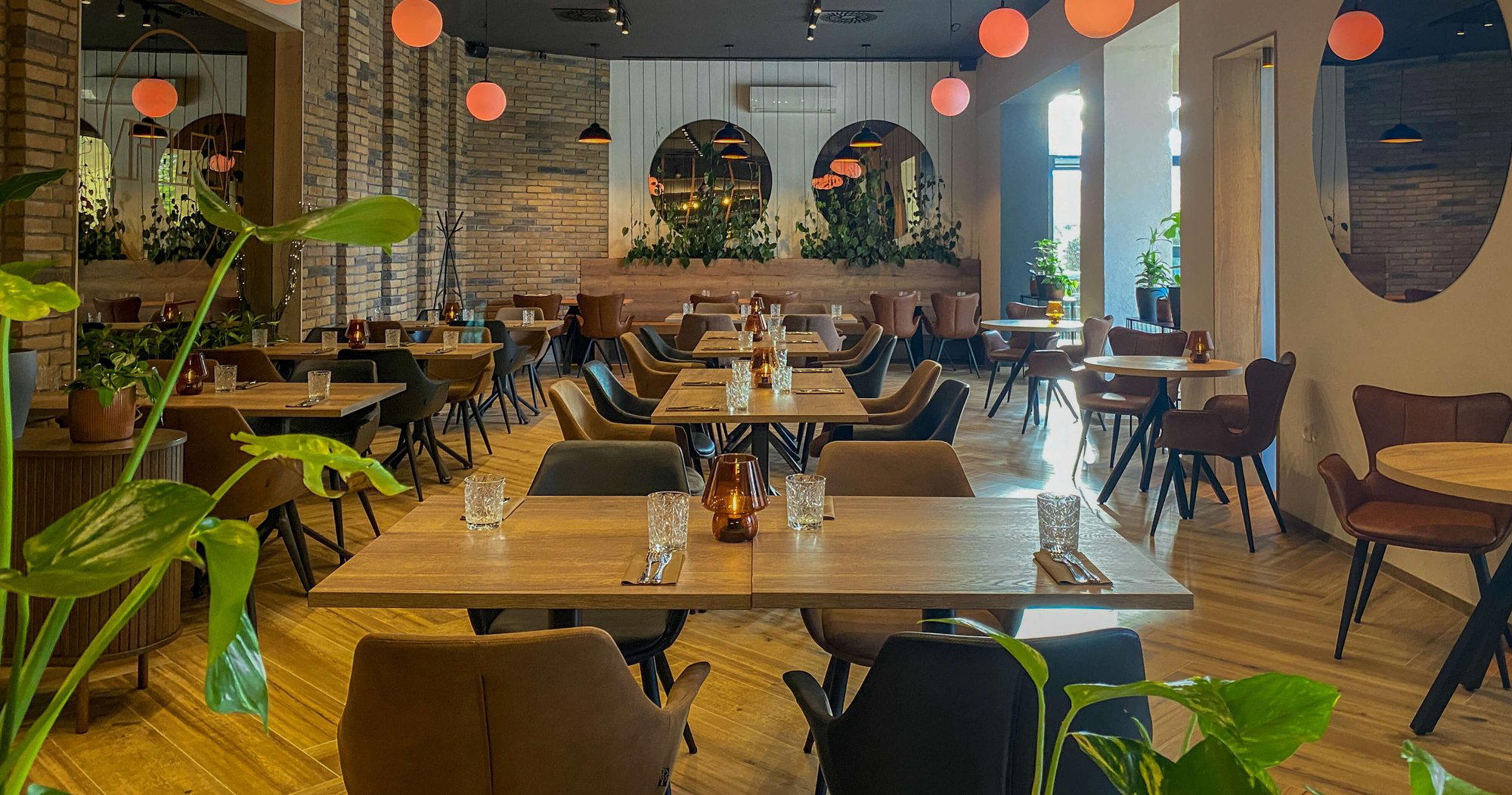
A Street, a Space, and What Bratislava's Dining Scene Asks of Both
Súkennícka is not one of Bratislava's postcard streets. It sits just east of the old town's most trafficked pedestrian zones, close enough to benefit from the foot traffic that animates the centre but far enough that the restaurants and venues along it tend to attract people who have decided in advance to be there. That distinction matters. In a city where tourism has reshaped the dining offer along the main historical axis, venues a few minutes' walk removed from that axis often operate with a different set of priorities, serving a local and repeat clientele rather than the tourist table-turning that defines so many old-town covers. APOLKA Restaurant, at Súkennícka 1388/4, sits within that context.
Bratislava's restaurant scene has undergone a significant structural shift since around 2015. The city's entry into mainstream European short-break itineraries brought demand, and demand brought capital, and capital brought a wave of openings that ranged from serious Slovak-rooted cooking to concept restaurants chasing a more international profile. By the early 2020s, the scene had stratified: a handful of addresses pursuing regional fine dining credentials, a larger cohort of mid-range tables offering modern Central European cooking at accessible price points, and the remaining old-school establishments that have survived by being genuinely local. APOLKA's address places it within this field, though the the restaurant sits in Bratislava's mid-range price tier, at about $30 per person.
The Physical Address as Editorial Signal
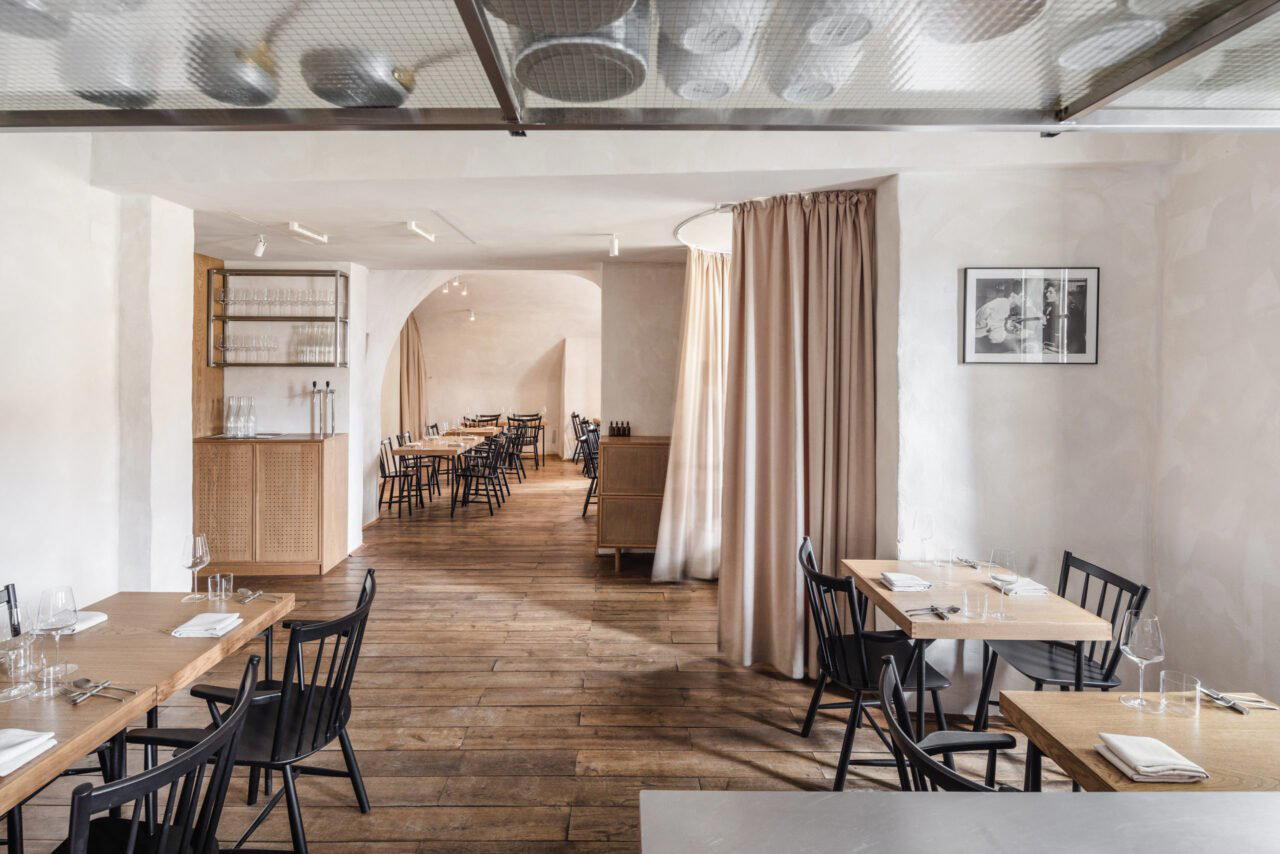
Interior architecture in Bratislava's smaller restaurants tends to fall into recognisable categories. The first is the vaulted-cellar aesthetic, which the city's medieval street plan makes structurally available to dozens of venues and which communicates a kind of inherited character that newer openings cannot manufacture. The second is the stripped-back contemporary interior, where exposed concrete or light timber signals a deliberate break from the region's heavier decorative traditions. The third, and increasingly common as rents have pushed restaurateurs into narrower and older premises, is the adapted historic room, where the container is nineteenth or early twentieth century and the fit-out is contemporary but respectful of what was already there.
Súkennícka's building stock leans toward that third category. Properties along this stretch tend to be solid, medium-scale structures from the late Habsburg period, with ground-floor units that reward careful interior attention. How APOLKA uses that physical container is the question that a first visit would answer. The name itself, a reference to the traditional Slovak folk character Apolka, suggests an orientation toward cultural continuity rather than cosmopolitan neutrality, a signal that the space likely carries some visual reference to that same tradition, whether through folk textile motifs, earthenware, or the kind of warm material palette associated with Central European village interiors reinterpreted for an urban setting.
That design register has become a considered choice in Bratislava dining, not a default. The city's more internationally positioned restaurants have largely moved away from folk-referencing interiors, ceding that territory to venues making an explicit argument about Slovak cultural identity. If APOLKA is making that argument through its name and its positioning on a non-tourist street, the interior design is likely part of a coherent statement rather than an afterthought.
Where APOLKA Sits in the Bratislava comparable set
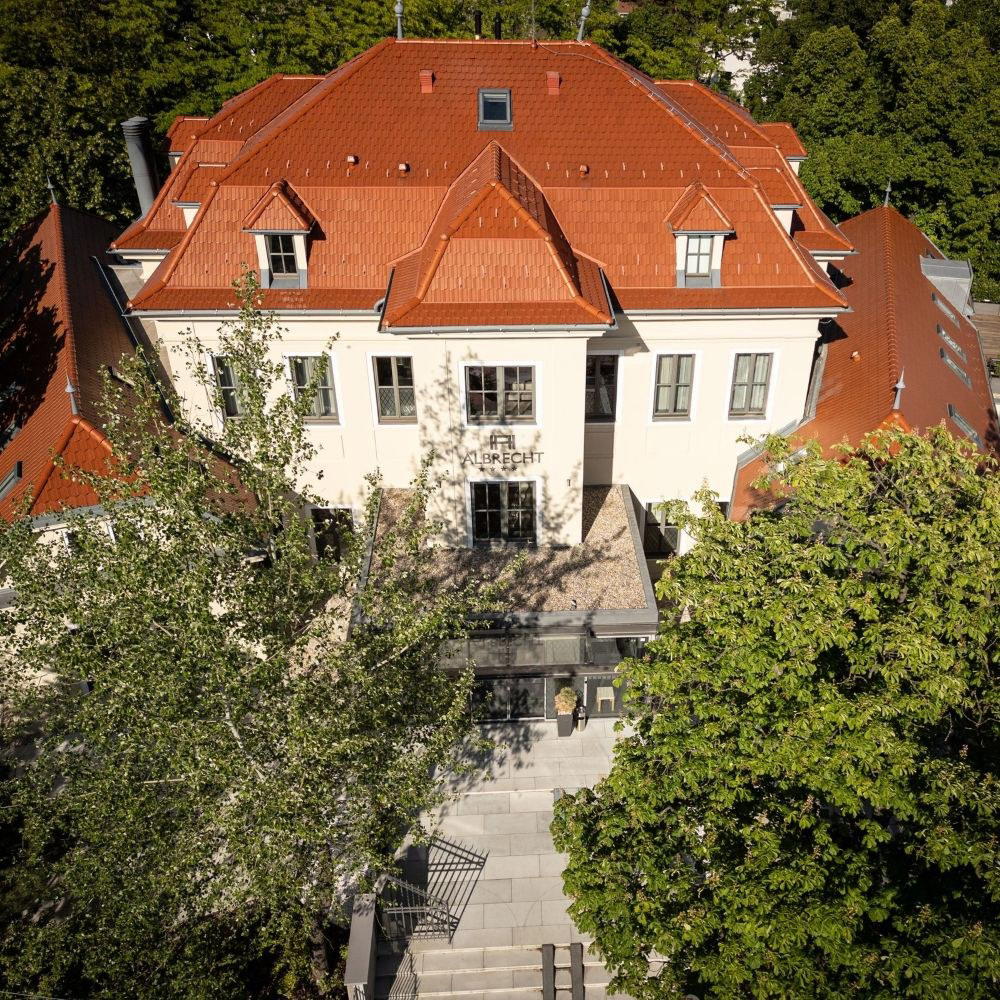
Bratislava has a distinct cluster of restaurants that operate in a similar register: locally rooted, non-chain, occupying premises with some architectural character, and serving a clientele that includes both residents and visitors seeking something other than the tourist-optimised old-town offer. Within our coverage of the city, venues like Ako doma and Al Faro represent different points on that spectrum. Albrecht Restaurant sits at the more formal end, while Arabeska bistro and Antica Toscana illustrate how the city's mid-tier has diversified beyond Slovak and Central European cooking into Mediterranean and Middle Eastern registers.
APOLKA's name positions it closer to the Slovak-identity end of this range. That segment of the Bratislava market has become increasingly competitive, with restaurants at multiple price points making claims on traditional Slovak cooking, from the rustic koliba format common across the wider Slovak countryside (examples include KOLIBA na Vršku in Bytca and Koliba Patria in Strbske Pleso) to more refined urban interpretations. The urban version of this argument is the more demanding one: it requires a kitchen that can translate familiar Slovak flavours, sheep's milk cheese, bryndzové halušky's base of potato dumplings, game from Slovak forests, river fish, into a setting and presentation that justifies a city restaurant price point without alienating the diners who come specifically for cultural comfort.
Slovakia's restaurant scene beyond Bratislava also offers useful context for understanding what the capital's better addresses are working against and with. Venues like Fatrabeef in Lubochna and Holotéch víška in Kosariska demonstrate the range of approaches to Slovak regional cooking across the country, while Focus Restaurant in Zilina and Kaštieľ Čičmany in Cicmany show how heritage settings outside the capital are being used to frame dining experiences with a strong sense of place. Against that national backdrop, a Bratislava restaurant invoking Slovak folk tradition through its name is operating in a scene that takes those references seriously.
For comparison at the global scale, the gap between a Bratislava Slovak dining table and the multi-starred rooms of cities like New York, where Le Bernardin and Atomix represent different versions of what sustained investment and international critical attention can produce, is a reminder of how much dining culture is shaped by the market it operates within. Bratislava's leading tables are not competing in that register, and the more interesting ones have stopped trying to. They are making an argument about what Central European cooking can be on its own terms.
Planning a Visit
APOLKA Restaurant is located at Súkennícka 1388/4 in Bratislava's inner city, accessible on foot from the old town in under ten minutes. Reservations are recommended. The surrounding neighbourhood is compact and well-served by public transport from Bratislava's main station.
Cuisine-First Comparison
Comparable venues nearby, for context on price, style, and recognition.
| Venue | Cuisine | Price | Notes |
|---|---|---|---|
| APOLKA RestaurantThis venue — the venue you are viewing | Modern Central European (Prešporská) | $$$ | Not listed |
| Bubbles Restaurant | Modern European Fine Dining | $$$ | Staré Mesto |
| Restaurant Parlament | Modern Slovak with Mediterranean influences | $$$ | Staré Mesto |
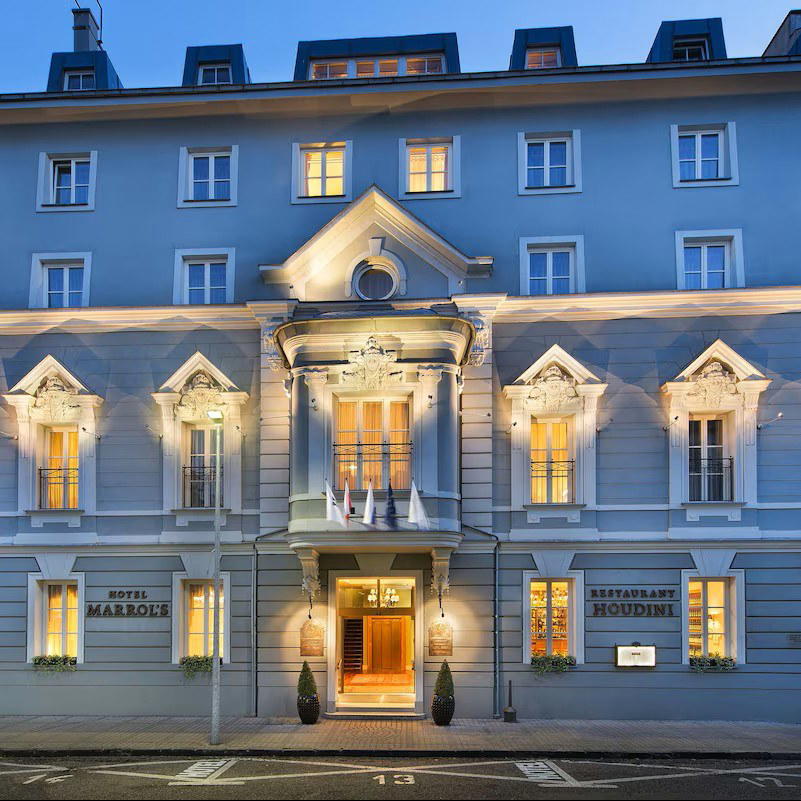
| Houdini Restaurant | Modern Slovak & Central European | $$$ | Staré Mesto |
| FACH | Modern European Bistro & Fine Dining | $$$ | Staré Mesto |
| Da Andrea | Authentic Italian with Sardinian influences | $$$ | Staré Mesto |
Continue exploring
More in Bratislava
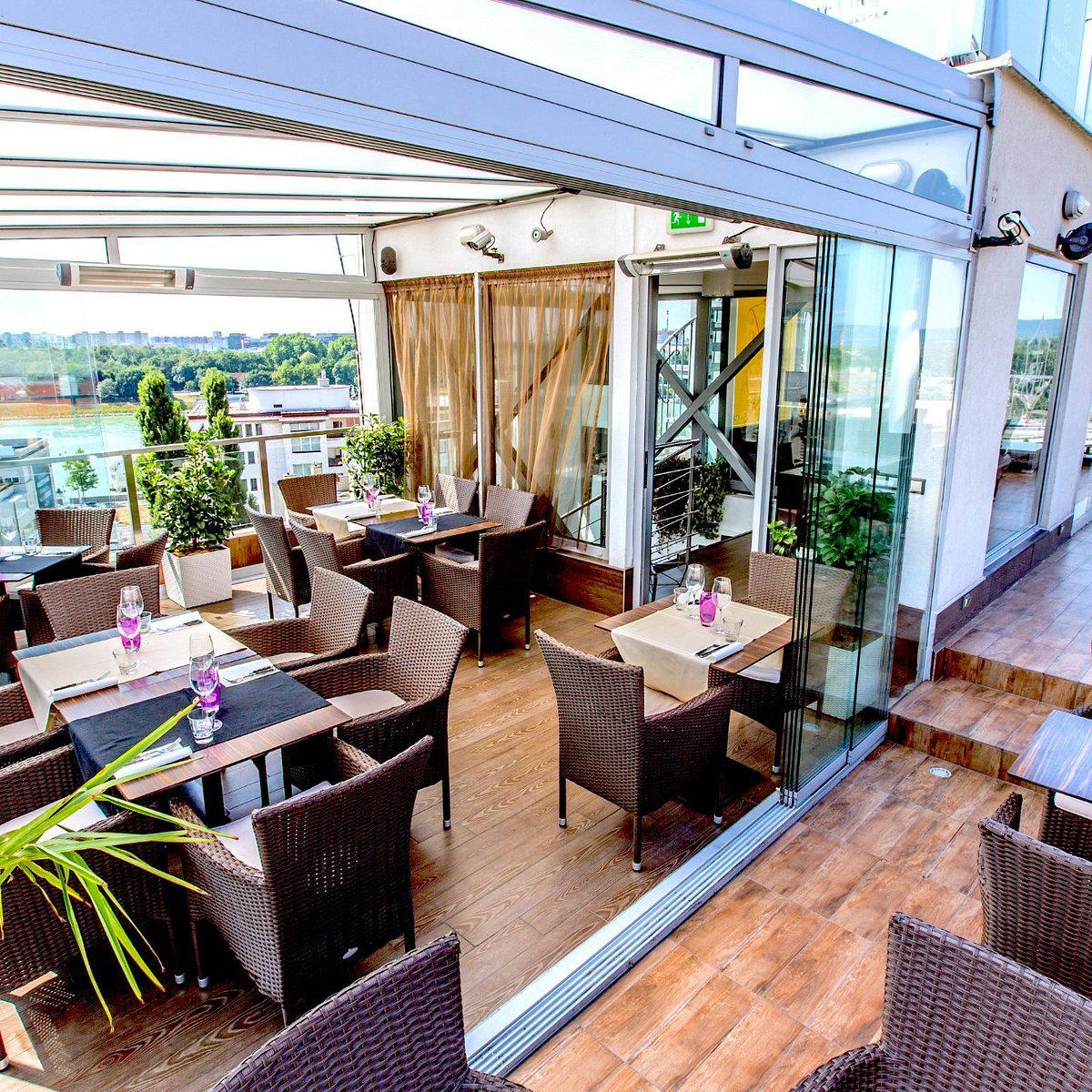
Restaurants in Bratislava
Browse all →
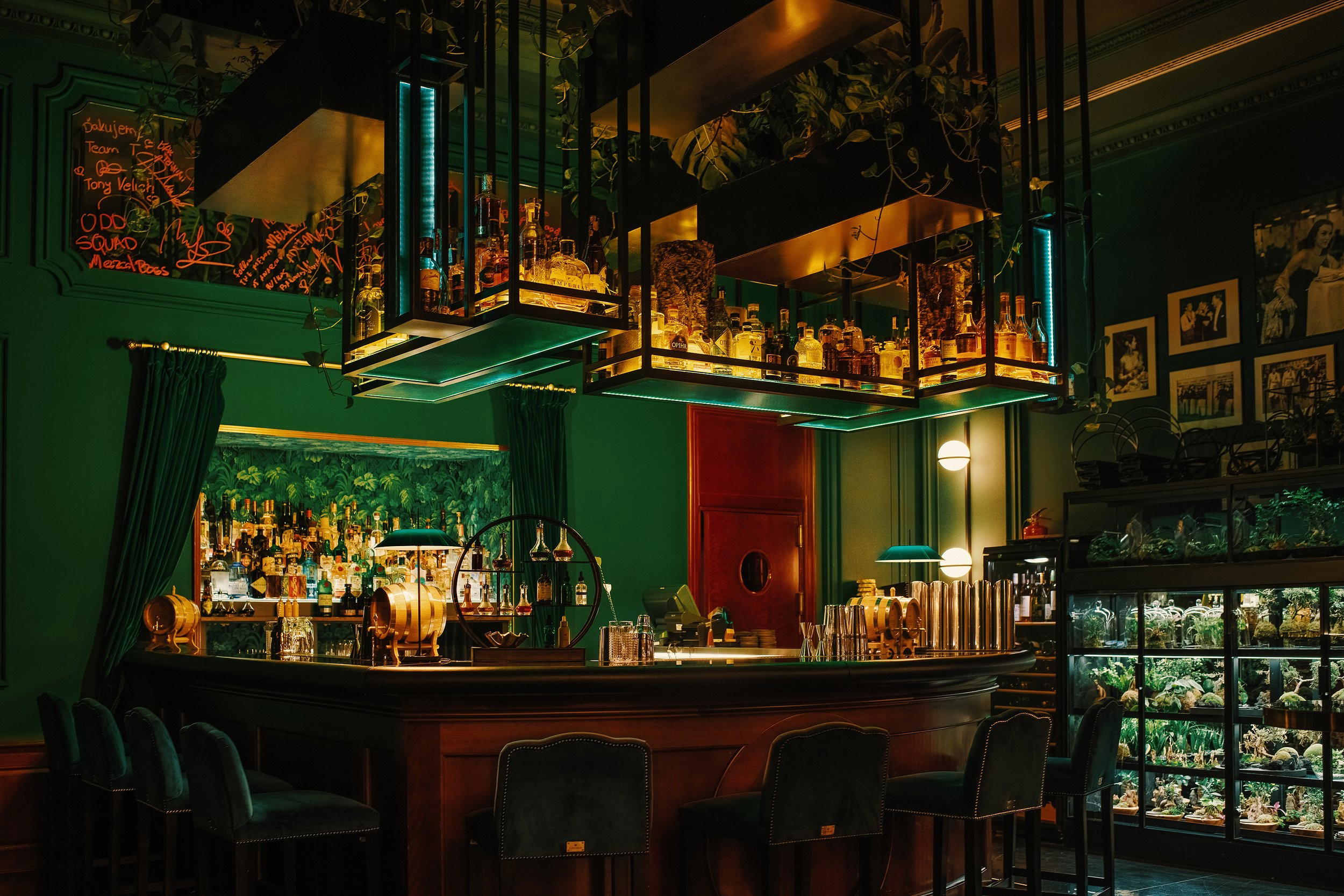
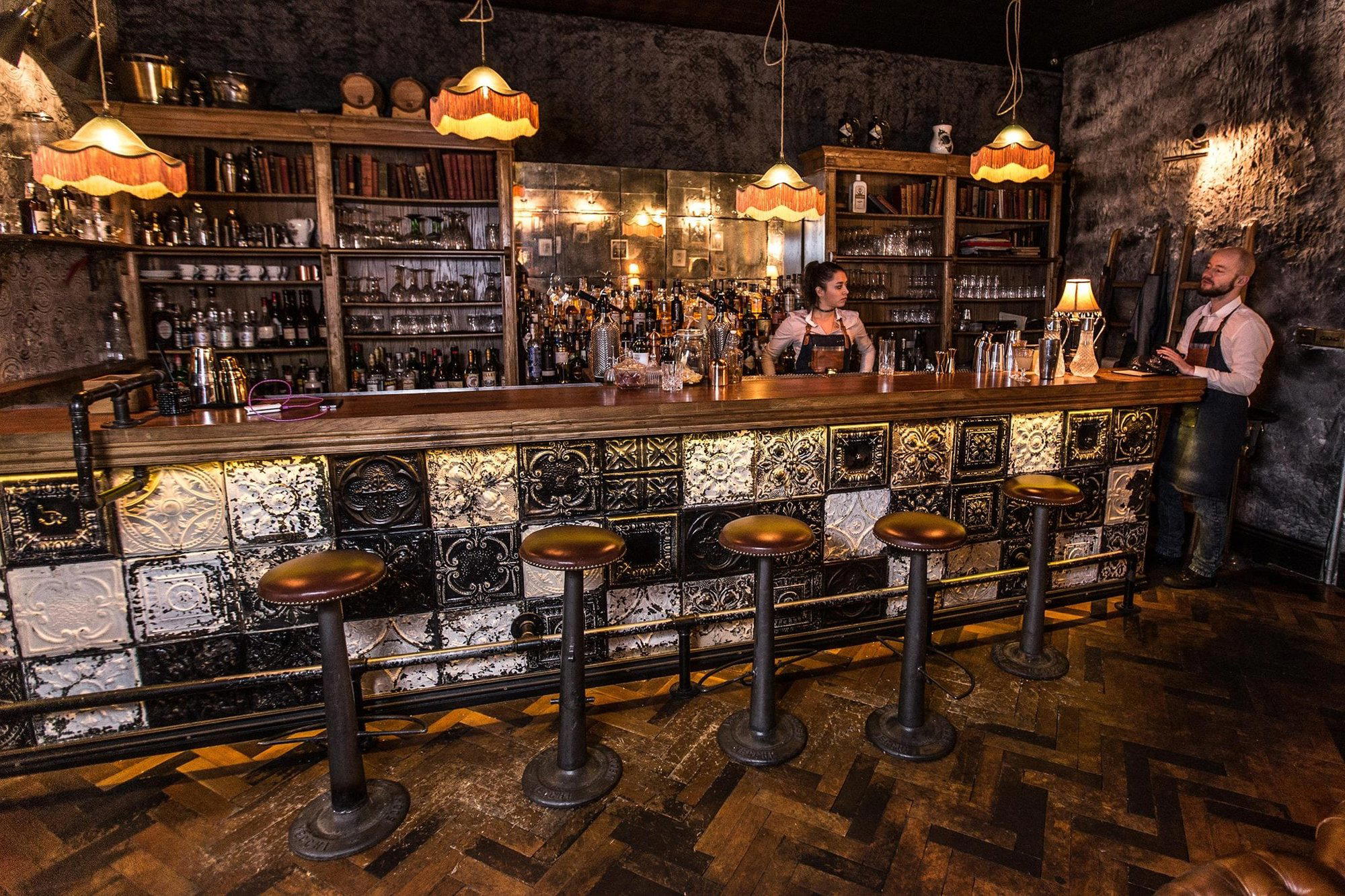
Bars in Bratislava
Browse all →
Hotels in Bratislava
Browse all →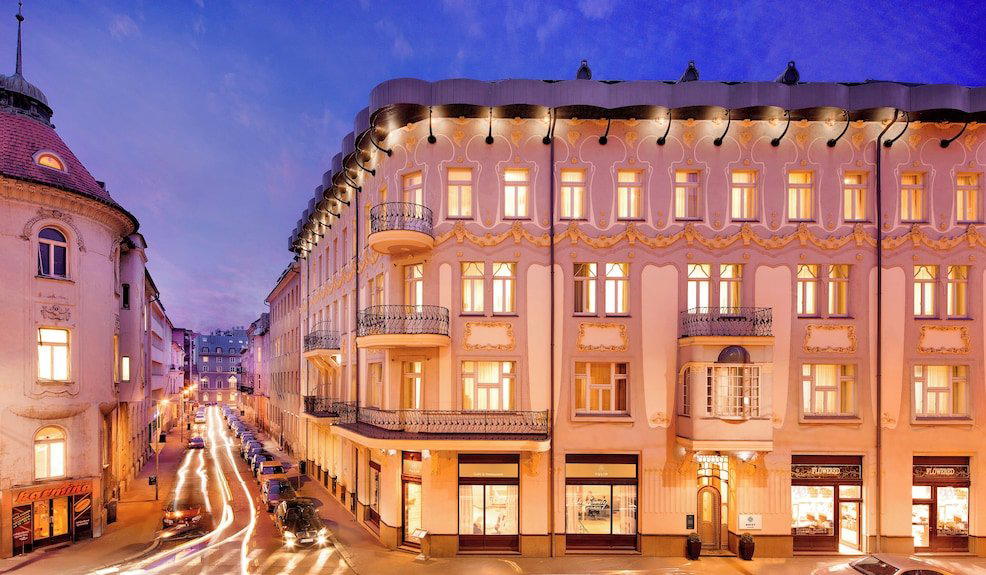
At a Glance
- Cozy
- Elegant
- Modern
- Industrial
- Business Dinner
- Family
- Date Night
- Terrace
- Garden
- Open Kitchen
- Beer Program
- Local Sourcing
- Garden
Current opening hours
- Monday
- Closed
- Tuesday
- 11 AM–10 PM
- Wednesday
- 11 AM–10 PM
- Thursday
- 11 AM–10 PM
- Friday
- 11 AM–11 PM
- Saturday
- 11 AM–11 PM
- Sunday
- 11 AM–4:30 PM
Hours can change for holidays and private events. Last verified .
Warm lighting, exposed brick walls, lush greenery creating a cozy yet refined industrial-modern atmosphere.