Edomae Sushi Matsuki

Edomae Sushi Matsuki brings a disciplined Japanese sushi counter to Ventúrska Street in Bratislava's Old Town, earning consecutive La Liste recognition with 81.5 points in 2025 and 77 points in 2026. Its. For a city more closely associated with Slovak and Central European cooking, this is a serious outlier.
Pearl is the En Primeur Club membership app — saves, bookings, and concierge access live there. Same editors, same standards.
- Address
- Ventúrska 18, 811 01 Bratislava, Slovakia
- Phone
- +421 948 917 097
- Website
- edomae-matsuki.sk
- Directions
- Get directions
 Saves & bookings on Pearl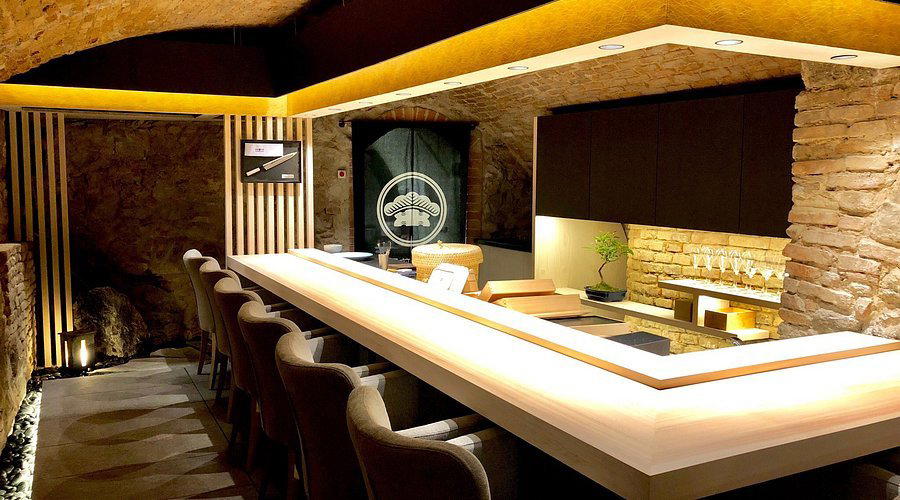
A Counter in the Old Town
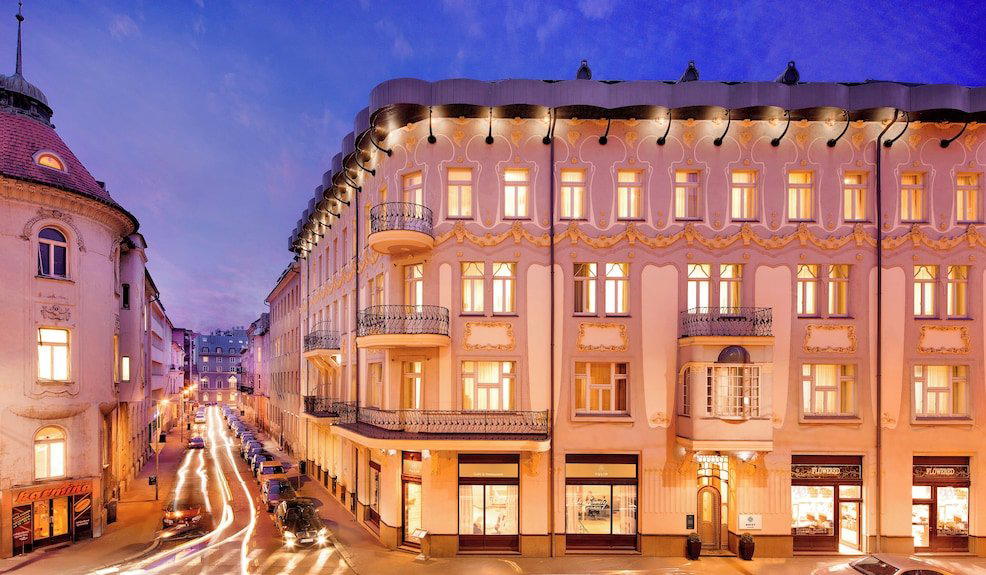
Ventúrska Street runs through one of Bratislava's oldest residential corridors, where Baroque facades press close and the foot traffic shifts between tourists moving toward the castle and locals heading to long-established neighbourhood addresses. Number 18 makes no grand announcement from the street. The entrance is measured, the interior signalling intent through restraint rather than theatre. This is a configuration familiar to anyone who has spent time around serious sushi counters in Tokyo, Osaka, or Kyoto: the room is the frame, and the food is the argument.
That architectural discipline reflects something deeper about how edomae sushi operates as a tradition. The style, which developed in Edo-period Tokyo around preserved and seasoned fish prepared in front of a diner, imposes its own logic on space. The counter is the stage; excess decoration competes with the central act. At Ventúrska 18, that logic appears to hold. What makes Edomae Sushi Matsuki worth examining is the way it translates edomae sushi to Bratislava with notable consistency.
What La Liste Recognition Means in Practice
The restaurant has. Both scores place the restaurant within the La Liste Leading Restaurants selection, a cohort that in Central Europe is dominated by capitals with longer fine-dining infrastructure: Prague, Vienna, Budapest. Bratislava appears in that grouping less frequently, which makes consecutive appearances a meaningful signal rather than a one-cycle anomaly.
The slight score reduction between cycles is worth noting without over-reading. La Liste methodology blends multiple data streams, and year-on-year variance at this scale reflects the aggregation process as much as any change in kitchen output.
For comparative context, La Liste-recognized sushi restaurants in other markets include operations like Sushi Sakai in Fukuoka, where edomae technique meets the local Kyushu seafood supply, and Minamishima in Richmond, which brought Osaka counter discipline to Australia. The common thread across that cohort is an adherence to format over adaptation, the technique does not bend to local preference so much as create a local audience for an imported standard. Edomae Sushi Matsuki appears to be running the same calculation in Slovakia.
Edomae Tradition and the Seasonal Aesthetic
Edomae sushi shares more with kaiseki philosophy than is often acknowledged in Western discussions of Japanese cuisine. Both traditions are governed by seasonality, restraint, and a sequencing logic that treats each course or piece as a note in a longer composition. Kaiseki, which emerged from Kyoto's tea ceremony culture, structures a meal as a progression through textures, temperatures, and flavours calibrated to the moment in the calendar year. Edomae sushi, while built around a different product set, operates on a similar axis: what is available, how it is prepared to honour its condition, and in what order it arrives.
A serious edomae counter does not offer the same experience in February and in August. The rice temperature, the fish selection, the degree of curing or marination, all of these shift with the season. This is why the format resists the kind of menu fixity that works for a brasserie or a trattoria. The sequence is a live document. For a diner familiar with omakase formats in Tokyo or cities like Los Angeles or through the newer West Coast counter generation, this will read as standard. For Bratislava, where the dominant dining idiom runs through Slovak traditions at places like ECK Restaurant or the contemporary Slovak approach at UFO, it represents a genuinely different register.
The edomae method also places unusual demands on supply chains. Premium tuna, sea urchin, and clams sourced to the standards the tradition requires do not move easily into Central European distribution networks. That Matsuki has maintained recognition across two consecutive cycles suggests those supply questions have been addressed with some durability.
Bratislava's Fine Dining Context
Bratislava's restaurant scene has developed unevenly. The Old Town holds most of the city's serious dining addresses, and the range runs from Central European classics to Italian, Sapori Italiani U Taliana being one established option, to the specialised Japanese register that Matsuki occupies. Irin, which focuses on unagi, represents another node of Japanese specificity in the city, though it operates in a different sub-category. The broader picture is a small city with a concentrated fine-dining tier, where individual operators carry disproportionate weight in defining what the category means locally.
Internationally, the comparison set for Japanese sushi at this recognition level includes SaSa in San Francisco and the sustained critical presence of addresses like Le Bernardin in New York in the La Liste upper tiers, venues where technical precision and supply-chain discipline combine to produce a consistent critical case. Matsuki operates in a smaller city with a smaller audience, but the scoring methodology treats quality signals the same regardless of geography.
For visitors spending time in Slovakia more broadly, the country's fine-dining spread extends beyond the capital. ARTE in Svätý Jur, just outside Bratislava, and Gašperov Mlyn in Batizovce and Origin in Lučenec indicate a fine-dining infrastructure that is more distributed than the capital's profile alone would suggest. Full guides to Bratislava's restaurant scene, hotels, bars, wineries, and experiences are available through EP Club's Bratislava section.
Planning a Visit
Edomae Sushi Matsuki is located at Ventúrska 18, 811 01 Bratislava, in the Old Town district, within walking distance of the main pedestrian zone and the castle quarter. Reservations are essential, and the price is about $150 per person. Hours are Monday, Tuesday, Thursday, and Friday from 6 to 10 PM, Saturday from 4 to 10 PM, and Sunday from 5 to 9 PM; Wednesday is closed.
In Context: Similar Options
Comparable venues nearby, for context on price, style, and recognition.
| Venue | Cuisine | Price | Notes |
|---|---|---|---|
| Edomae Sushi MatsukiThis venue — the venue you are viewing | Traditional Edomae Sushi Omakase | $$$$ | Not listed |
| CLOUD Restaurant | Modern European Fine Dining | $$$$ | Nové Mesto |
| Kinka Ramen | Authentic Japanese Ramen | $$ | Staré Mesto |
| Bistronomy | Modern Slovak Bistro | $$$ | Staré Mesto |
| MOOZI | Creative Asian Fusion | $$$ | Staré Mesto |
| Da Andrea | Authentic Italian with Sardinian influences | $$$ | Staré Mesto |
Recognition history
Dated appearances from independent guides and award organizations, with the underlying list record or original source where available.
La Liste Top Restaurants
La Liste
La Liste Top Restaurants
La Liste
Continue exploring
More in Bratislava
Restaurants in Bratislava
Browse all →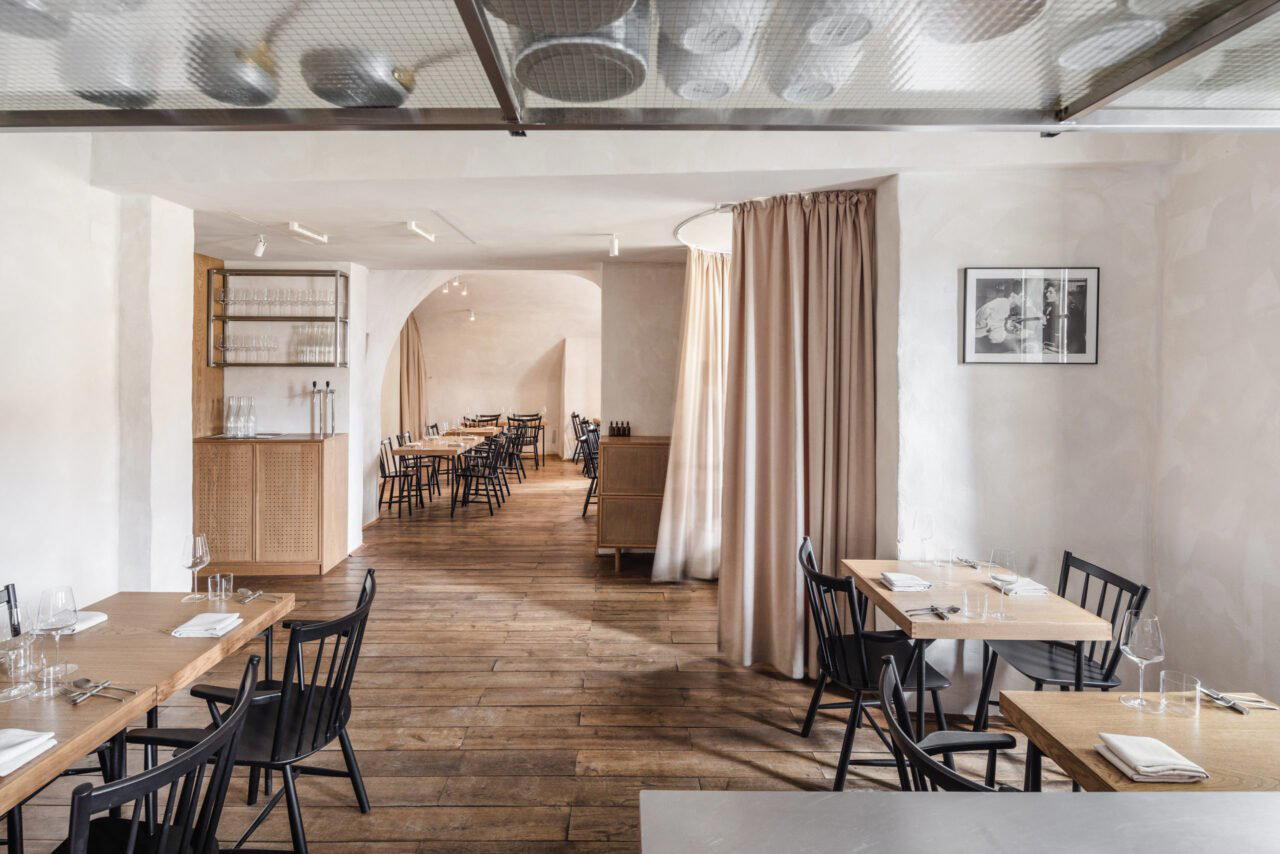
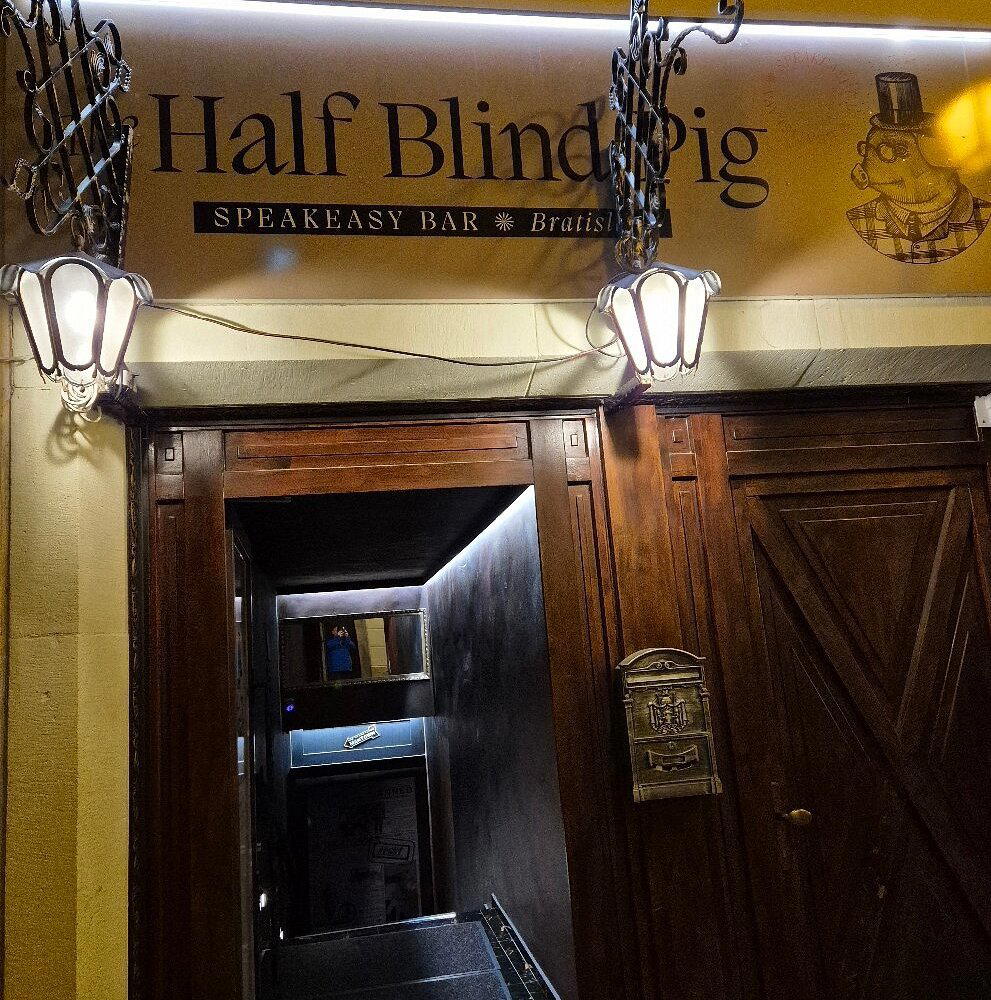
Bars in Bratislava
Browse all →
Hotels in Bratislava
Browse all →
At a Glance
- Intimate
- Cozy
- Elegant
- Sophisticated
- Date Night
- Special Occasion
- Chefs Counter
- Sake Program
- Sustainable Seafood
Current opening hours
- Monday
- 6–10 PM
- Tuesday
- 6–10 PM
- Wednesday
- Closed
- Thursday
- 6–10 PM
- Friday
- 6–10 PM
- Saturday
- 4–10 PM
- Sunday
- 5–9 PM
Hours can change for holidays and private events. Last verified .
Cozy, welcoming hideaway in a historic wine cellar blended with Japanese garden elements, offering a homely and sophisticated atmosphere.