In the hills above Bytča, KOLIBA na Vršku follows the koliba tradition that has shaped mountain dining across Slovakia for generations, open fires, locally sourced ingredients, and the kind of cooking that references landscape directly. It is the sort of place where the food arrives with a clear sense of provenance, and where the setting does as much work as the kitchen.
Pearl is the En Primeur Club membership app — saves, bookings, and concierge access live there. Same editors, same standards.
- Address
- Kolárovská 1603, Bytča - sever, 014 01 Bytča, Slovakia
- Phone
- +421910529909
- Website
- navrsku.sk
- Directions
- Get directions
 Saves & bookings on Pearl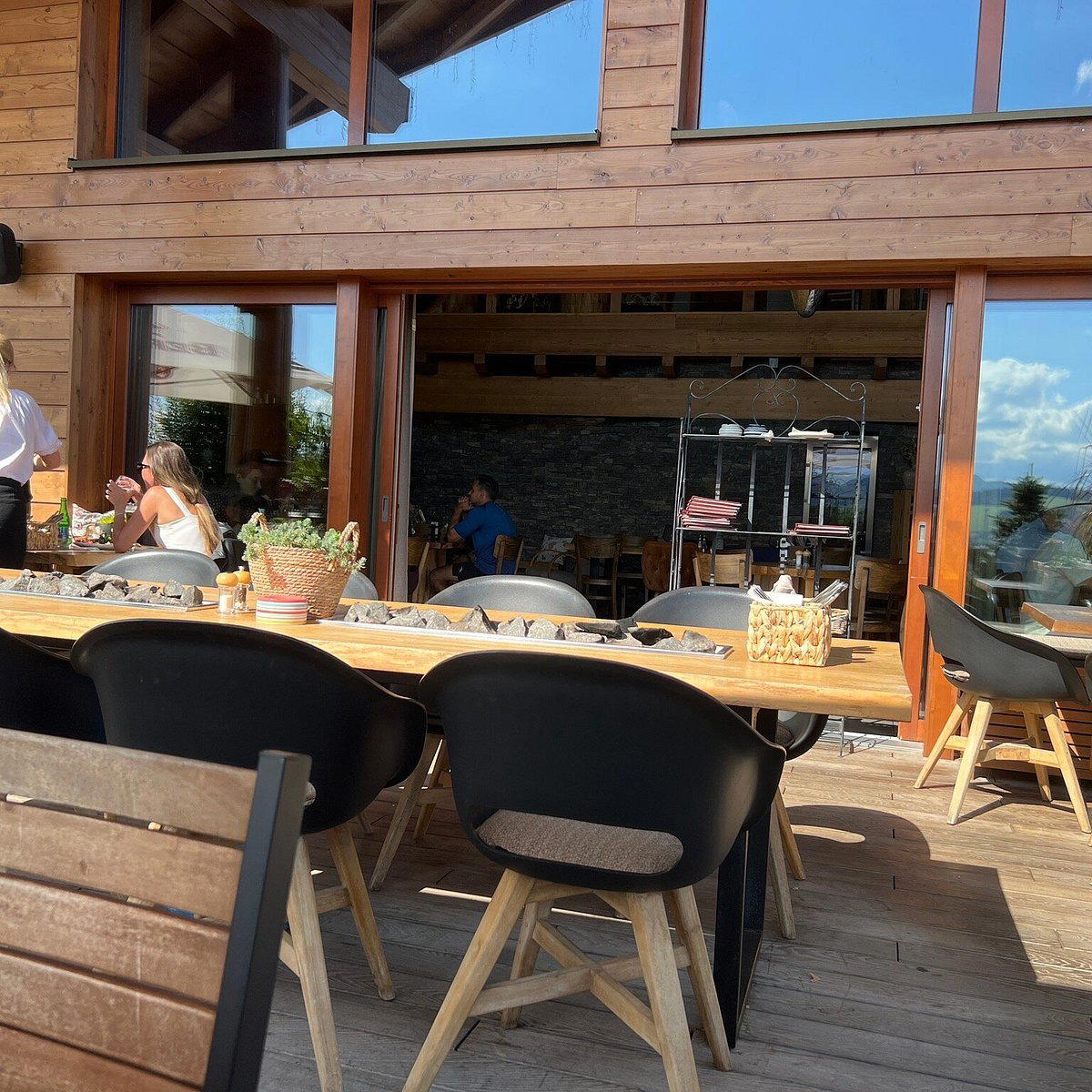
The koliba format is one of Slovakia's most durable dining institutions. Originally the shelters used by Carpathian shepherds during summer grazing seasons, kolibas evolved into a distinct hospitality category: timber construction, hearth-centred cooking, and a menu rooted in what the surrounding land produces. Across the Kysuce and Považie regions, the format has proved resilient precisely because it is specific, it does not attempt to be anything other than what it is.
KOLIBA na Vršku is a restaurant in Bytča, Slovakia, serving Modern Slovak Traditional cuisine at a casual, reservation-recommended price point of about $20 per person. KOLIBA na Vršku, on Kolárovská street in Bytča's northern quarter, occupies that tradition directly. The name itself is a signal: na vršku means "on the hill," and the elevation above town is part of what the koliba format promises, remove yourself slightly from the valley floor, arrive somewhere that feels earned, and eat accordingly. For anyone tracing the dining character of northwestern Slovakia, the koliba format is not peripheral; it is foundational, and this address is one of the town's key representatives of it.
Ingredient Sourcing and the Koliba Kitchen
The koliba tradition is, at its core, an argument about provenance. The original mountain shelters cooked what was at hand: sheep's milk products, smoked meats, foraged herbs, dark bread. Modern kolibas across Slovakia maintain this logic to varying degrees, but the better ones keep the sourcing local enough that the menu reads as a seasonal document rather than a fixed catalogue.
In the Bytča area, that means drawing from the agricultural belt of the Váh river valley and the forested slopes of the Beskydy foothills. Bryndza, the sharp, spreadable sheep's milk cheese that appears in some form on nearly every koliba table, is one of Slovakia's protected regional products, and its presence here is not decorative. It is a genuine connection to a pastoral economy that still operates in the hills above town. The same applies to klobása (smoked sausage) and kapustnica (sauerkraut-based soup), both of which depend on curing and fermentation traditions that are geographically specific to this part of Central Europe.
What distinguishes the better koliba kitchens from the merely adequate ones is the fidelity of those sourcing chains. When the smoked products come from nearby producers rather than a regional wholesaler, the difference registers in the depth of flavour. Visitors coming from Bratislava or from further afield, after exploring Don Saro Cucina Siciliana in Bratislava or Allora Fresh Pasta in Nitra, will find that northwestern Slovakia's koliba cooking operates from a completely different set of assumptions about what a meal should taste like and where its components should originate.
The Setting as Context
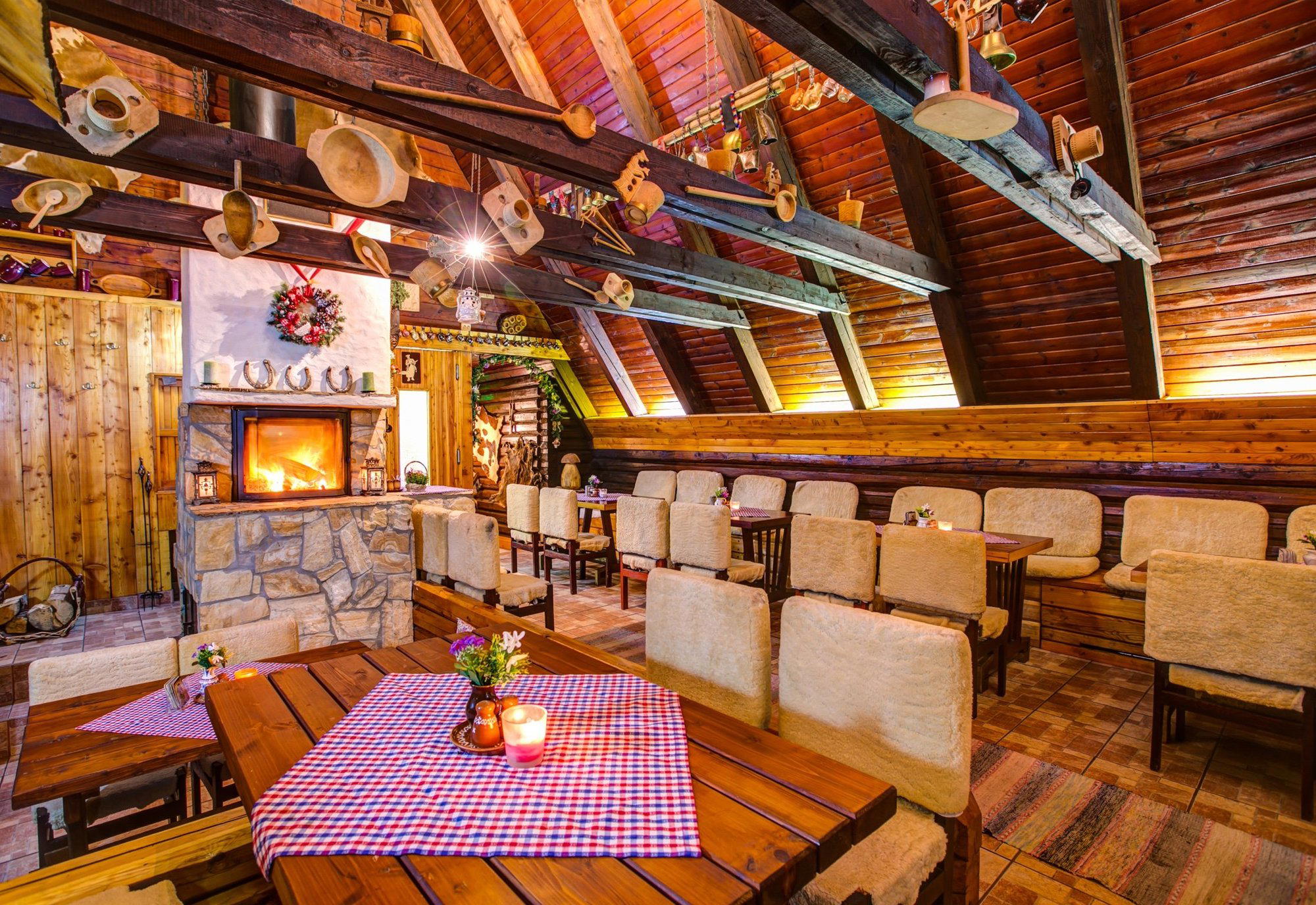
The physical environment of a koliba is not incidental to the meal. Timber interiors, low lighting, and the presence of fire or its architectural memory (the stone hearth, the chimney breast) are load-bearing elements of the format. They communicate that what follows is calibrated to the place, not extracted from it for presentation elsewhere.
KOLIBA na Vršku sits at an address that positions it above the town centre, which is standard for the format. The approach itself is part of the meal's framing, arriving at a koliba involves some small act of travel, even if modest, and that separation from the town grid is deliberate. It is the same spatial logic that governs mountain refuges and rural guesthouses across the Carpathian arc: the distance from ordinary life is the point.
For a sense of how this compares across Slovakia's dining register, consider that Koliba Patria in Štrbské Pleso operates at High Tatras elevation with a corresponding drama of setting, while Holotéch víška in Košariská represents the lowland variation of the same rural-Slovak tradition. The restaurant falls in the middle register: a hillside address in a mid-sized town, without the Tatras theatrics, but with a geographic specificity that is entirely its own. Our full Bytca restaurants guide maps how this fits within the town's wider dining options.
Bytča and the Northwestern Slovak Table
Bytča sits in the Kysuce district, roughly between Žilina to the east and the Czech border to the northwest. It is not a tourist town in the conventional sense, no major ski resort, no World Heritage monument drawing coachloads. What it has is a functioning small-city food culture shaped by proximity to both Slovak and Moravian culinary traditions, and by the agricultural rhythms of the Váh valley.
That position has kept the cooking here grounded. While Žilina, thirty kilometres east, has developed a broader restaurant scene, see Focus Restaurant in Žilina for how that city's dining has moved, Bytča has retained a character defined more by local regulars than by passing visitors. The koliba format thrives in that context. It does not need an international audience to justify itself; it is already embedded in how the community eats.
Elsewhere in the region, venues like Kaštieľ Čičmany in Čičmany and Hotel & Restaurant Gino Park Palace in Považská Bystrica operate within the same broadly traditional Slovak register, though with different formats. Fatrabeef in Ľubochňa takes a more produce-specific angle, centred on regional beef. The restaurant, by contrast, holds to the generalist koliba model: a table that covers the range of Slovak highland cooking rather than specialising in a single product category.
Planning a Visit
Bytča is accessible by rail on the main Bratislava-Žilina-Košice corridor, and the town is a workable stop between Žilina and the Czech border crossing at Mosty u Jablunkova. The restaurant's address on Kolárovská 1603 in the northern part of town places it a short drive or taxi ride from the main train station. As with most kolibas operating in smaller Slovak towns, visiting outside peak summer and Christmas-market periods tends to mean a quieter room and a more relaxed pace. Weekday evenings are generally the calmest window.
Dress code is casual.
In Context: Similar Options
Comparable venues nearby, for context on price, style, and recognition.
| Venue | Cuisine | Price | Notes |
|---|---|---|---|
| KOLIBA na VrškuThis venue — the venue you are viewing | Modern Slovak Traditional | $$ | Not listed |
| Camelot | Central European Medieval Gastropub | $$ | Old Town |
| Remys | American Steakhouse & Burgers | $$ | Sídlisko Juh |
| Reštaurácia Furkotka | Traditional Slovak & Central European | $$ | Strbske Pleso |
| Hotel and Restaurant Drak | Modern Central European | $$ | Demanova |
| Four 4in | Italian & Slovak Comfort Food | $$ | Ružinov |
At a Glance
- Rustic
- Cozy
- Modern
- Family
- Casual Hangout
- Garden
- Terrace
- Local Sourcing
- Garden
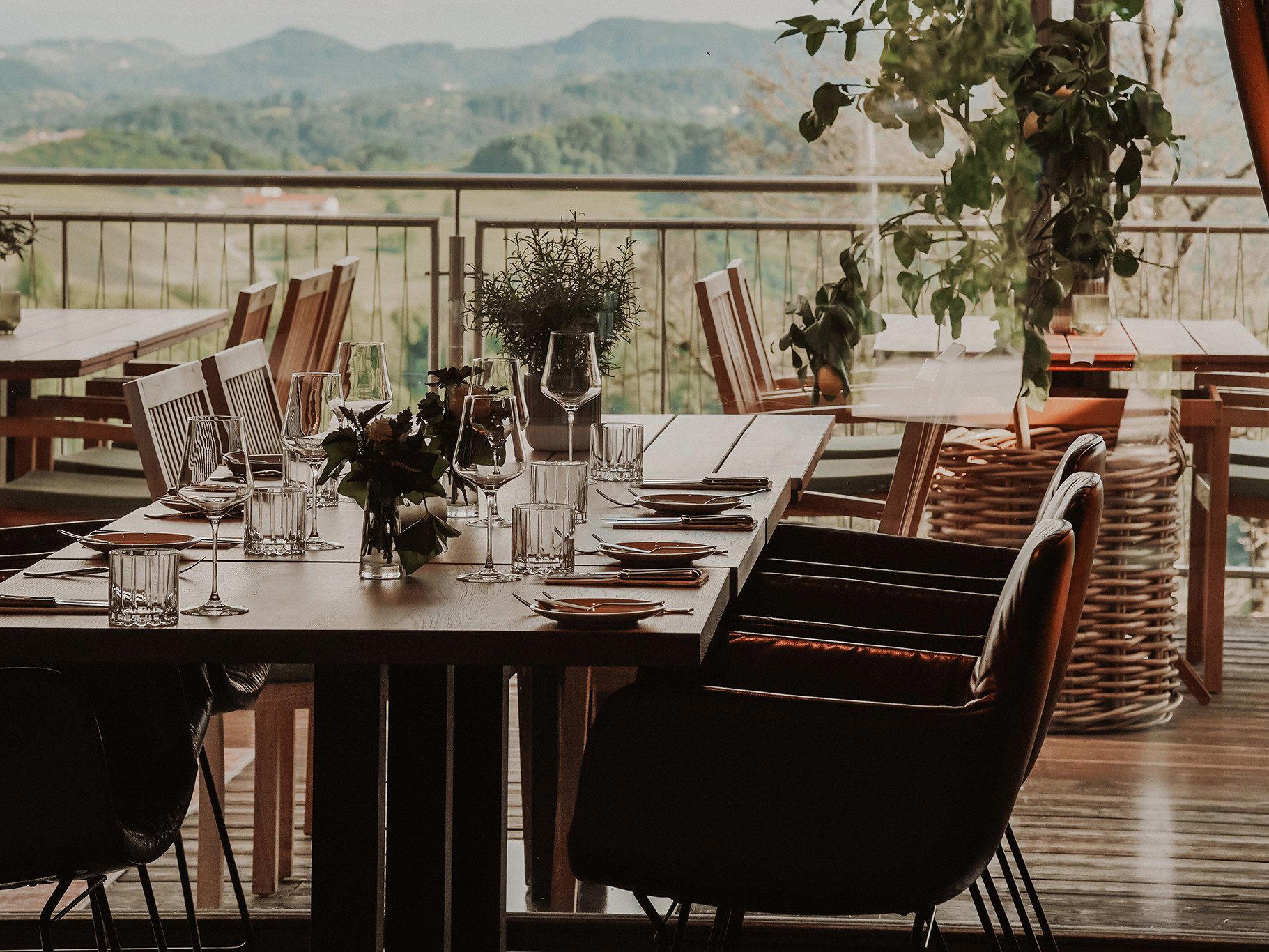
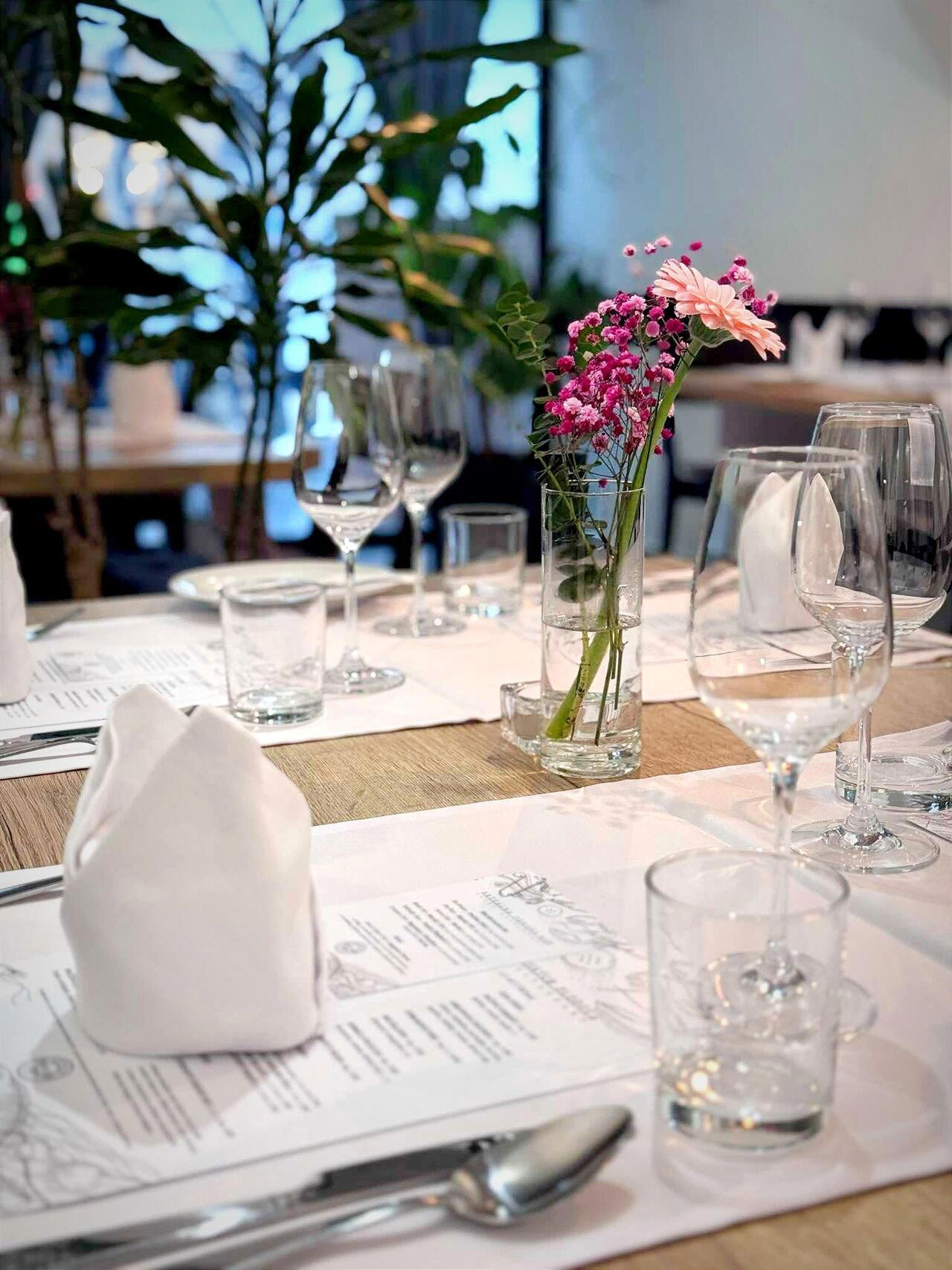
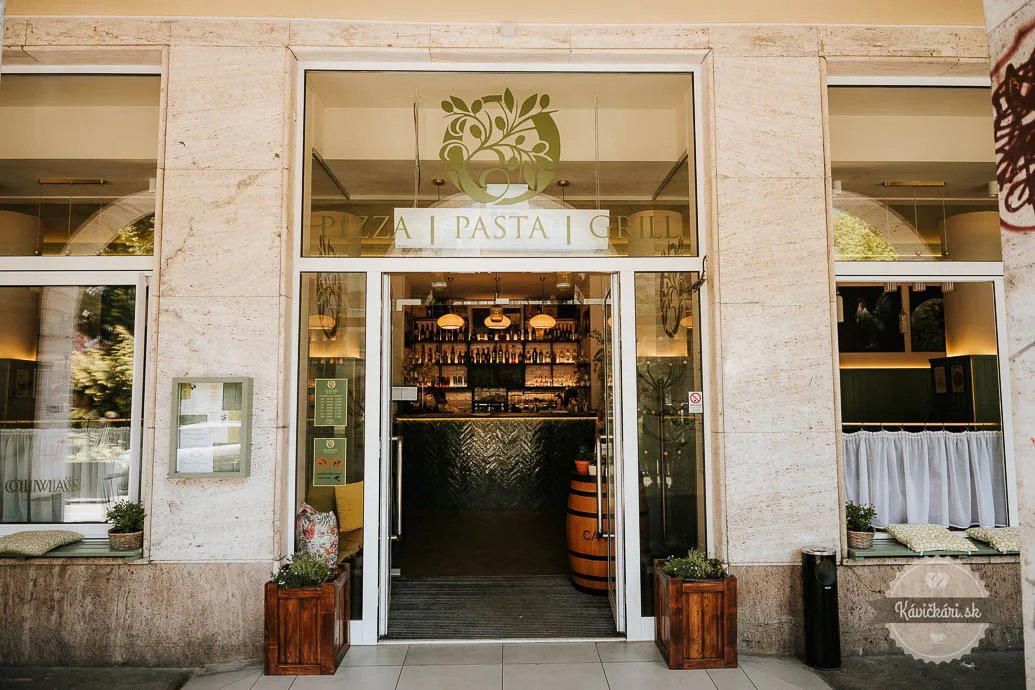
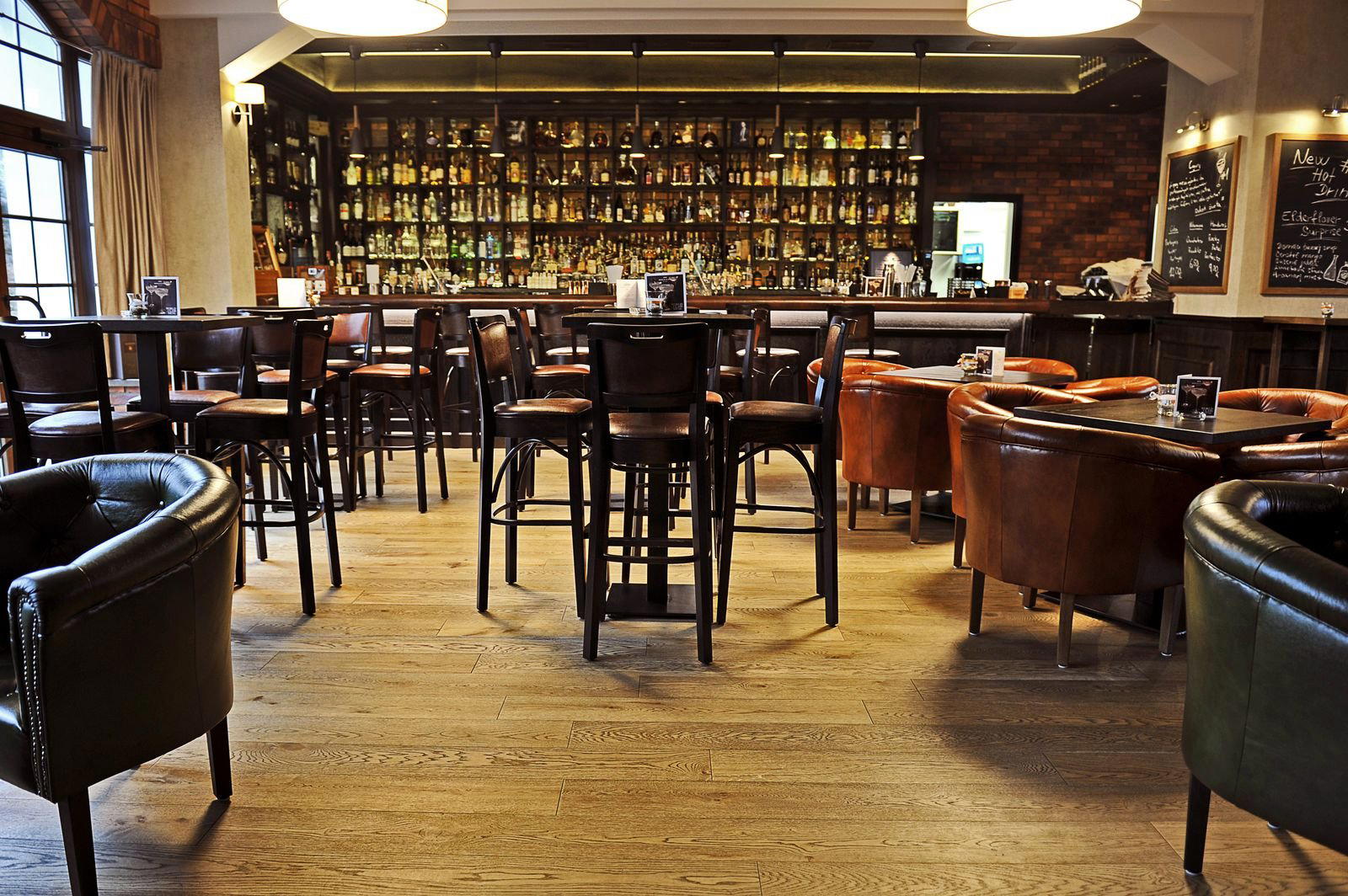
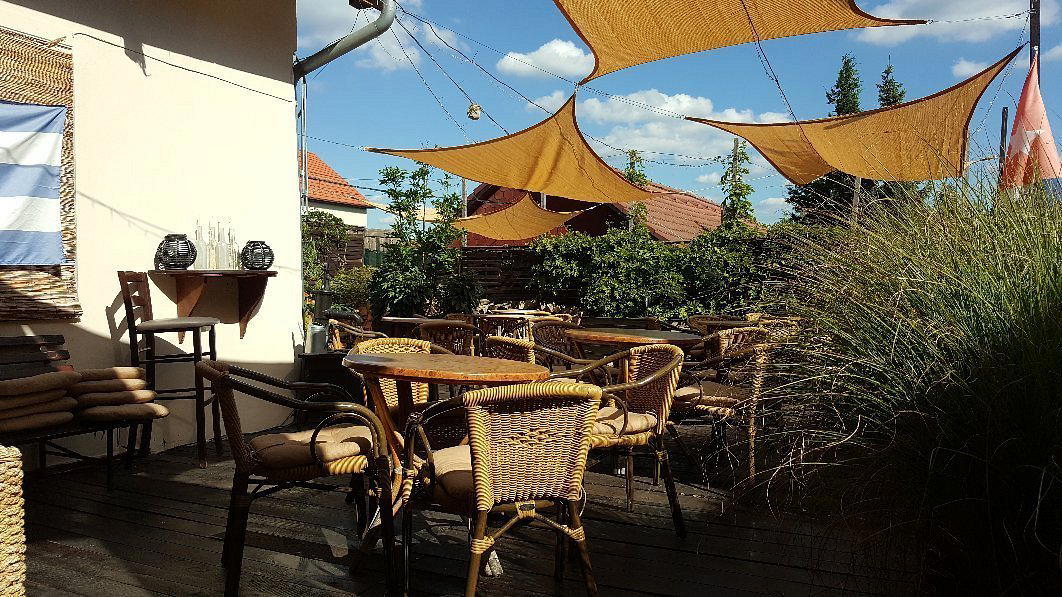
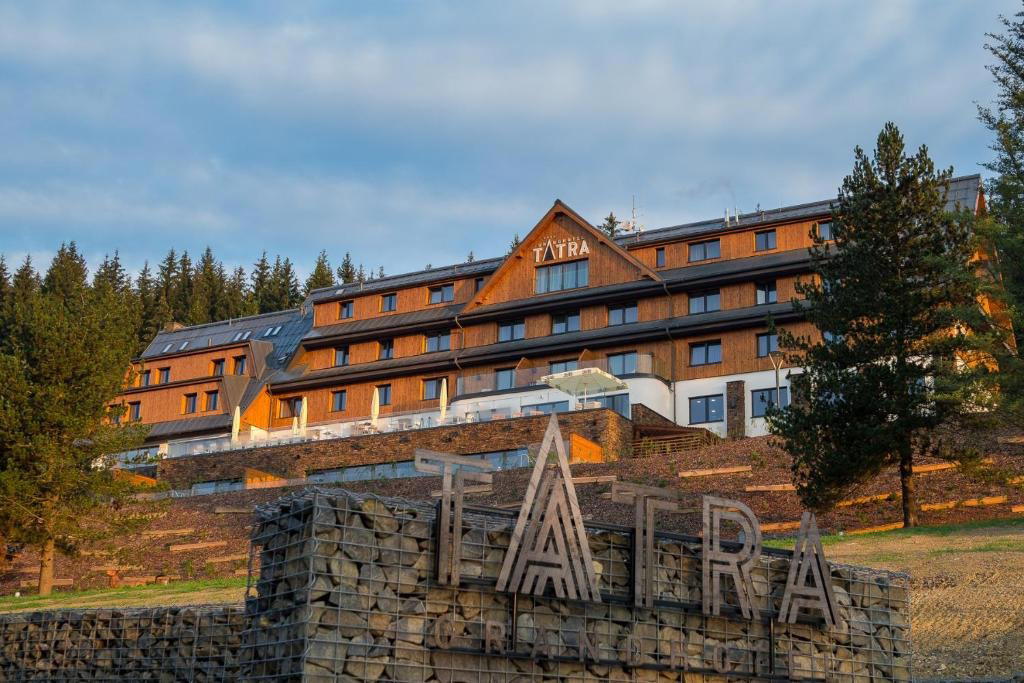
Cozy and welcoming atmosphere combining rustic Slovak koliba style with contemporary design.