Weingut Walter Glatzer

Weingut Franz Glatzer operates from the heart of Göttlesbrunn, a village whose limestone and loess soils have quietly shaped one of Lower Austria's more compelling red wine addresses. For visitors tracing Austria's Blaufränkisch and Zweigelt traditions, this is a purposeful stop.
Pearl is the En Primeur Club membership app — saves, bookings, and concierge access live there. Same editors, same standards.
- Address
- Rosenbergstraße 5, 2464 Göttlesbrunn
- Phone
- +43 2162 8486
- Website
- weingutglatzer.at
- Directions
- Get directions
 Saves & bookings on Pearl
Limestone, Loess, and the Göttlesbrunn Argument
The village of Göttlesbrunn sits roughly 35 kilometres southeast of Vienna, far enough from the capital's orbit to develop its own winemaking logic. The soils here are the story: a mix of limestone subsoil and loess-rich topsoil that gives red varieties an unusual combination of structural tension and aromatic lift. In a country still working out how to position its reds on the international stage, Göttlesbrunn has become one of the more credible test cases. Weingut Franz Glatzer, located at Rosenbergstraße 5, works within that argument and contributes to it.
That rating matters less as a trophy than as a navigation tool: it signals the kind of precision and consistency that separates serious estate work from volume production. In a village where several estates are pursuing similar ambitions, the Glatzer name holds a clear position.
The Carnuntum Context
Göttlesbrunn falls within the Carnuntum wine region, one of Austria's smaller DAC designations but one with a sharper red wine identity than many of its neighbours. The region takes its name from the Roman settlement of Carnuntum, and the soils retain a stony, mineral character that resists easy ripeness. Blaufränkisch and Zweigelt are the dominant varieties, and the leading producers in the area coax from them a profile that reads darker and more structured than the lighter expressions found further north along the Danube.
This is not Wachau country, where Grüner Veltliner and Riesling define the conversation. Carnuntum's producers, including Glatzer and peers like Weingut Gerhard Markowitsch, Weingut Netzl, and Weingut Philipp Grassl, are making the case for a distinctly regional red wine identity. That case rests on terroir specificity, not marketing. The village's compact geography means differences between estates often come down to plot selection, vine age, and how assertively each producer allows the limestone character to express itself in the finished wine.
Terroir in Practice
Limestone-driven wines from this part of Lower Austria tend to show a particular tension: there is ripeness, but it is held in check by a mineral thread that prevents the wines from falling into the broad, warm-climate red register. The loess component in Göttlesbrunn's soils adds texture and a certain softness to the palate, while the underlying stone keeps acidity present and the finish clean. For Blaufränkisch in particular, this soil combination tends to produce wines with dark fruit, a violet-edged aromatic register, and a tannin structure that rewards patience in the cellar.
Austrian red wine has spent the past two decades finding its footing internationally, and Carnuntum has played a quiet but consistent role in that development. Comparisons with other regional Austrian producers are instructive: Weingut Pittnauer in Gols (Burgenland) pursues a more biodynamic-leaning approach across the Neusiedlersee, while Weingut Kracher in Illmitz occupies a completely different register with its focus on Trockenbeerenauslese and late-harvest production. Carnuntum's reds, by contrast, are dry, structured, and built for the table.
Further west in Austria, the Kamptal and Wachau operations, including Weingut Bründlmayer in Langenlois and Weingut Emmerich Knoll in Dürnstein, define Austrian wine excellence through a white wine lens.
The Village as a Wine Destination
Göttlesbrunn rewards visitors who approach it as a producer cluster rather than a single destination. The concentration of serious estates within a small geographic area makes it possible to spend a half-day or full day moving between cellars, comparing expressions from similar soils and the same growing season. That kind of direct comparison is genuinely instructive in a way that tasting notes and scores cannot replicate.
The village sits close enough to Vienna for a day visit but far enough to feel removed from the capital's pace. Arriving by car gives greater flexibility, both for moving between estates and for carrying wine back. Those planning a broader Niederösterreich itinerary might combine Göttlesbrunn with a stop at Weingut Heinrich Hartl in Oberwaltersdorf, which sits within reasonable driving distance and offers a different soil and varietal profile. For a fuller picture of Austrian wine, Weingut Wohlmuth in Kitzeck (Styria) and Weingut Scheiblhofer Distillery in Andau represent the country's geographic and stylistic range beyond the Carnuntum core.
Where Glatzer Sits in the comparable set
Within the Göttlesbrunn cluster, that places it alongside Markowitsch, Netzl, and Grassl as part of a small group of producers doing genuinely differentiated work from the same postcode.
The comparison with international red wine regions is worth making explicitly. Carnuntum does not produce wines that chase Barolo or Bordeaux structures. The regional identity is its own: leaner, more mineral-threaded, with an acidity profile that is Austrian rather than Mediterranean. Producers who respect that identity rather than trying to soften it into a more internationally familiar register tend to make particularly compelling wines from this terroir.
For those building broader context around Austrian or European estate wine, Accendo Cellars in St. Helena offers an instructive contrast as a Napa Cabernet producer operating at the opposite end of the climate and soil spectrum, while Aberlour in Speyside illustrates how differently terroir expresses itself in a distilled spirit context. The Austrian red wine tradition, at its leading, makes no apologies for its specificity.
Planning a Visit
Weingut Franz Glatzer is located at Rosenbergstraße 5, 2464 Göttlesbrunn. The estate recommends reservations. Reservations are recommended before visiting.
Göttlesbrunn's position in the Carnuntum region means one informative visiting period tends to fall between late spring and early autumn, when vineyards are accessible and cellar activity reflects the current vintage direction. Post-harvest visits in October and November can also be worthwhile, when producers have early impressions of the new vintage to share alongside library releases. For context on other Austrian and international estates worth pairing with a Glatzer visit, both 1310 Spirit of the Country Distillery in Sierning and 1404 Manufacturing Distillery in Sankt Peter-Freienstein represent the broader Austrian artisan producer ecosystem for those whose interests extend beyond wine.
Fast Comparison
Comparable venues nearby, for context on price, style, and recognition.
| Venue | Cuisine | Price | Notes |
|---|---|---|---|
| Weingut Franz GlatzerThis venue — the venue you are viewing | Zweigelt, Blaufränkisch | $$ | Not listed |
| Weingut Netzl | Zweigelt, St. Laurent | $$ | Göttlesbrunn |
| Weingut Philipp Grassl | Zweigelt, St. Laurent | $$$ | Göttlesbrunn |
| Weingut Gerhard Markowitsch | Zweigelt, Merlot | $$$$ | Göttlesbrunn |
| Brennerei Durigon | Winery | Not listed | Lienz |
| Grüneis Distillery | Winery | Not listed | Stanz im Landeck |
Recognition history
Dated appearances from independent guides and award organizations, with the underlying list record or original source where available.
Falstaff Winery - 4 Stars
Falstaff
Continue exploring
More in Göttlesbrunn
Wineries in Göttlesbrunn
Browse all →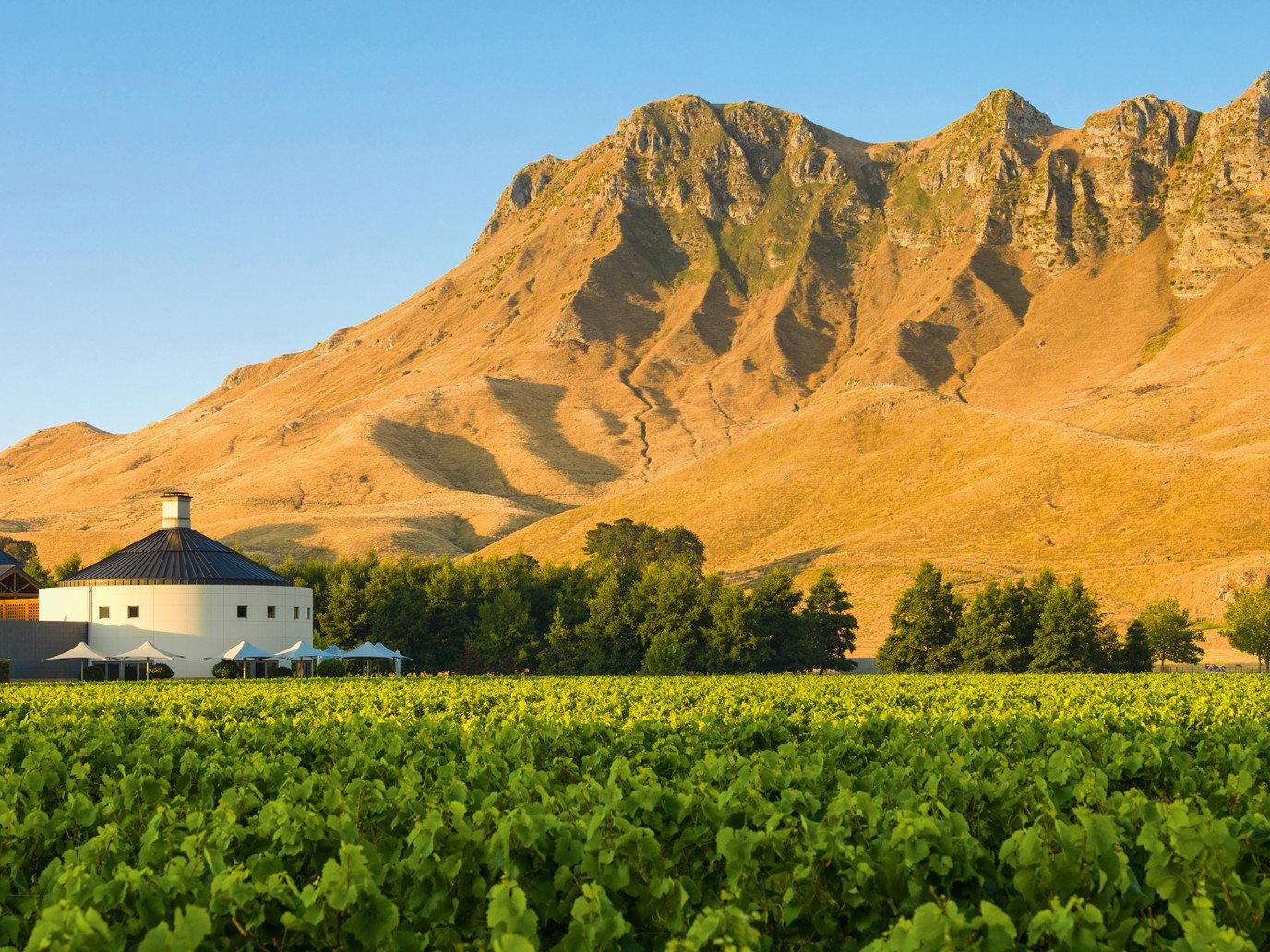
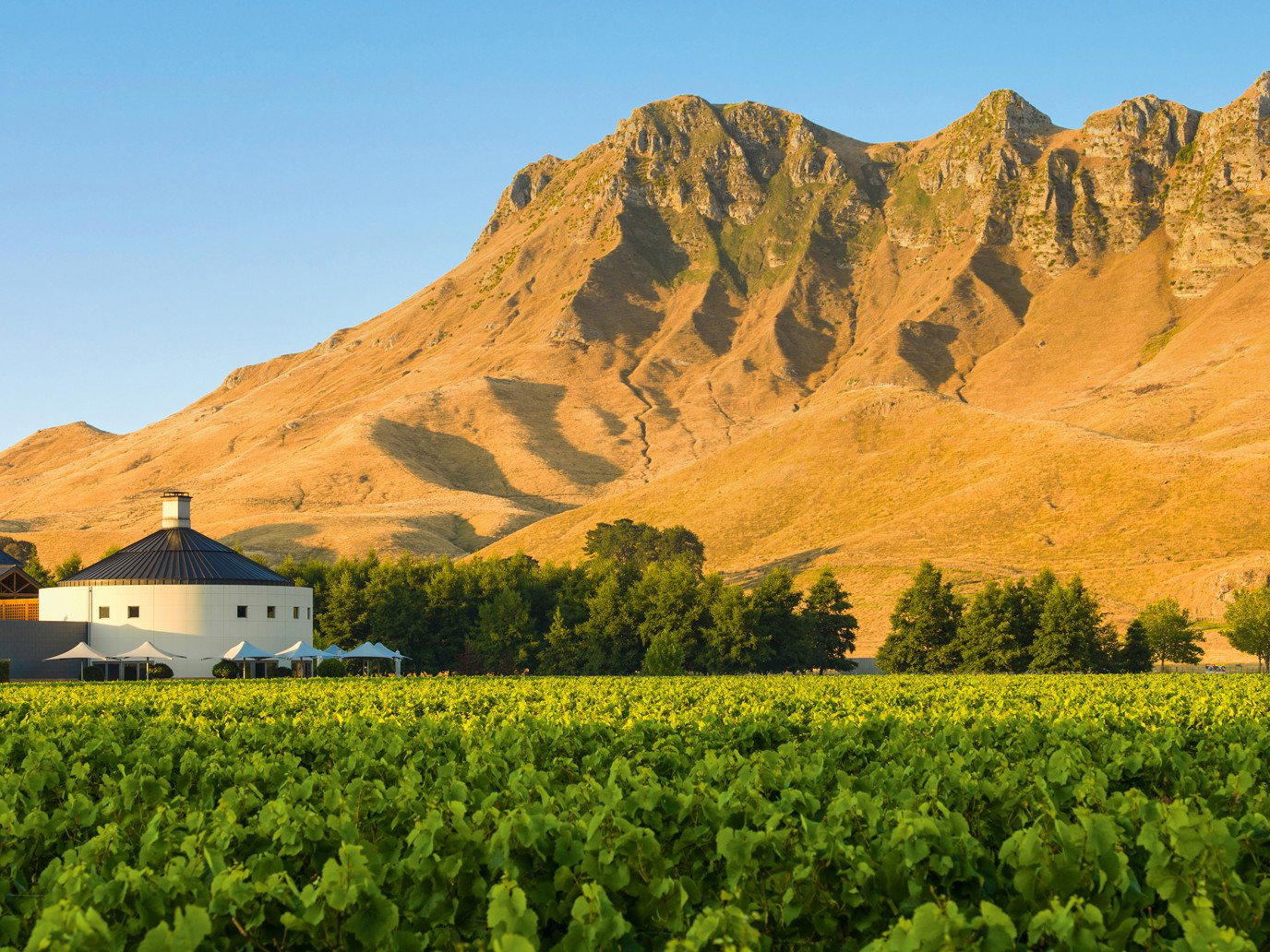
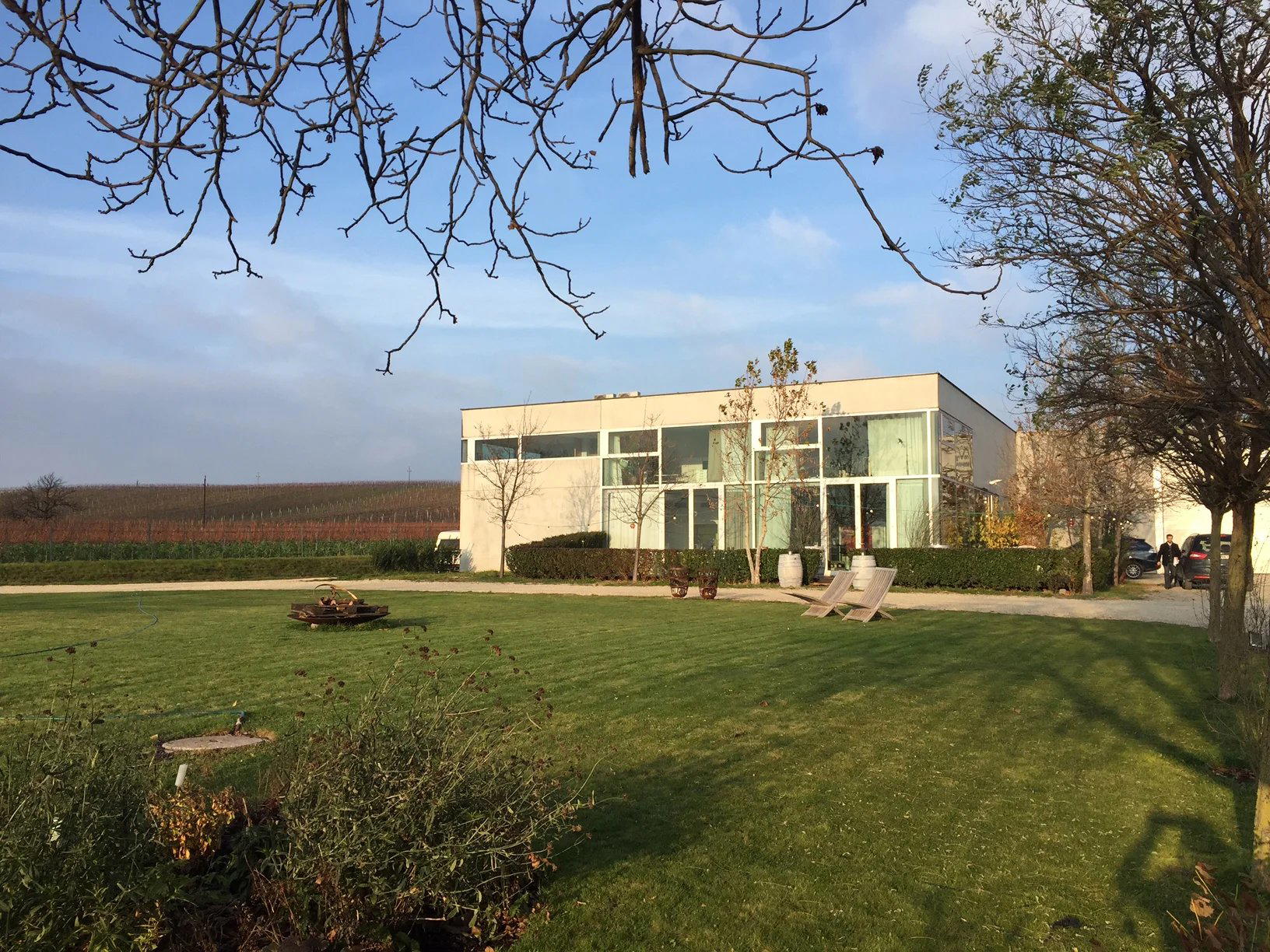
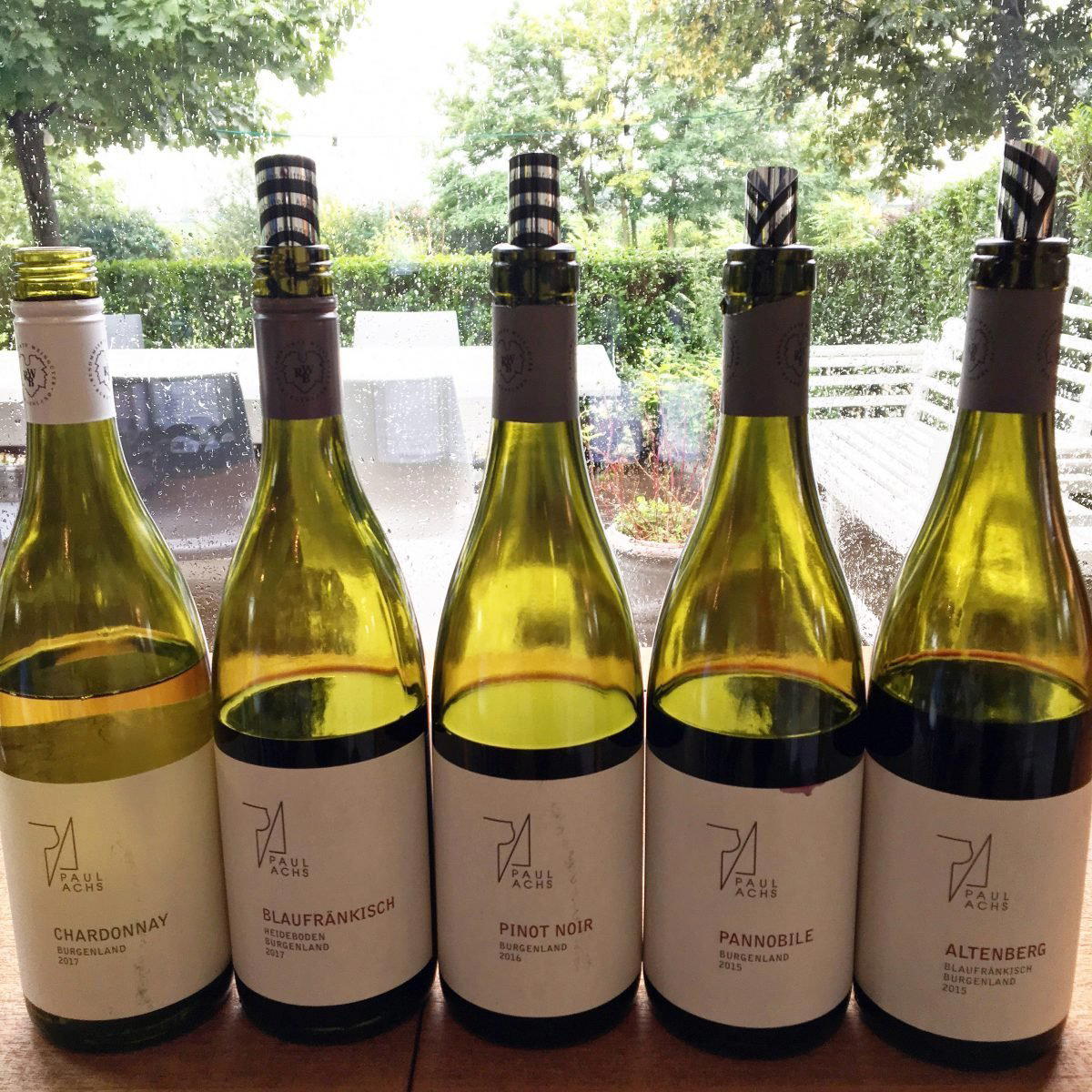
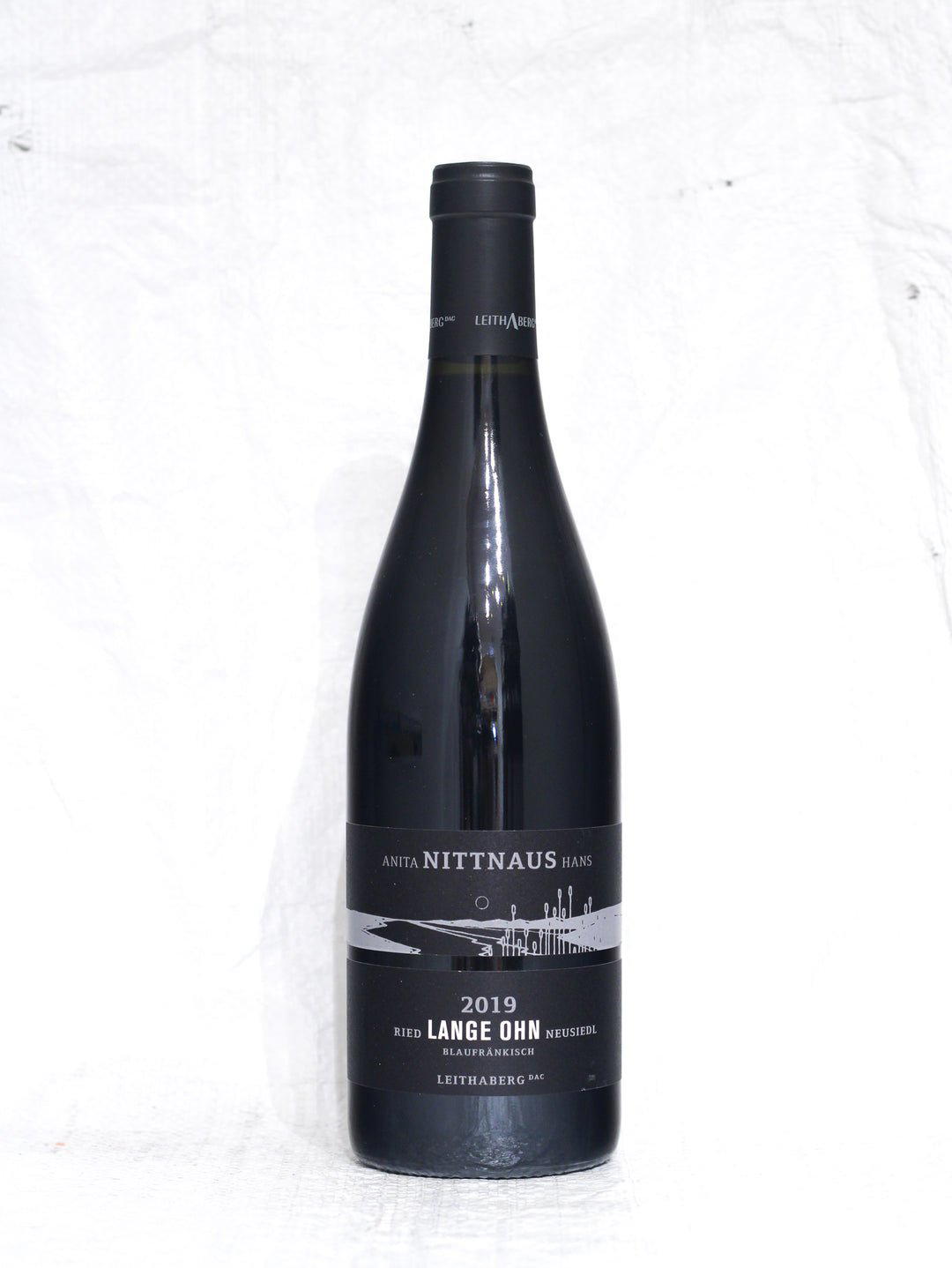
Bars in Göttlesbrunn
Browse all →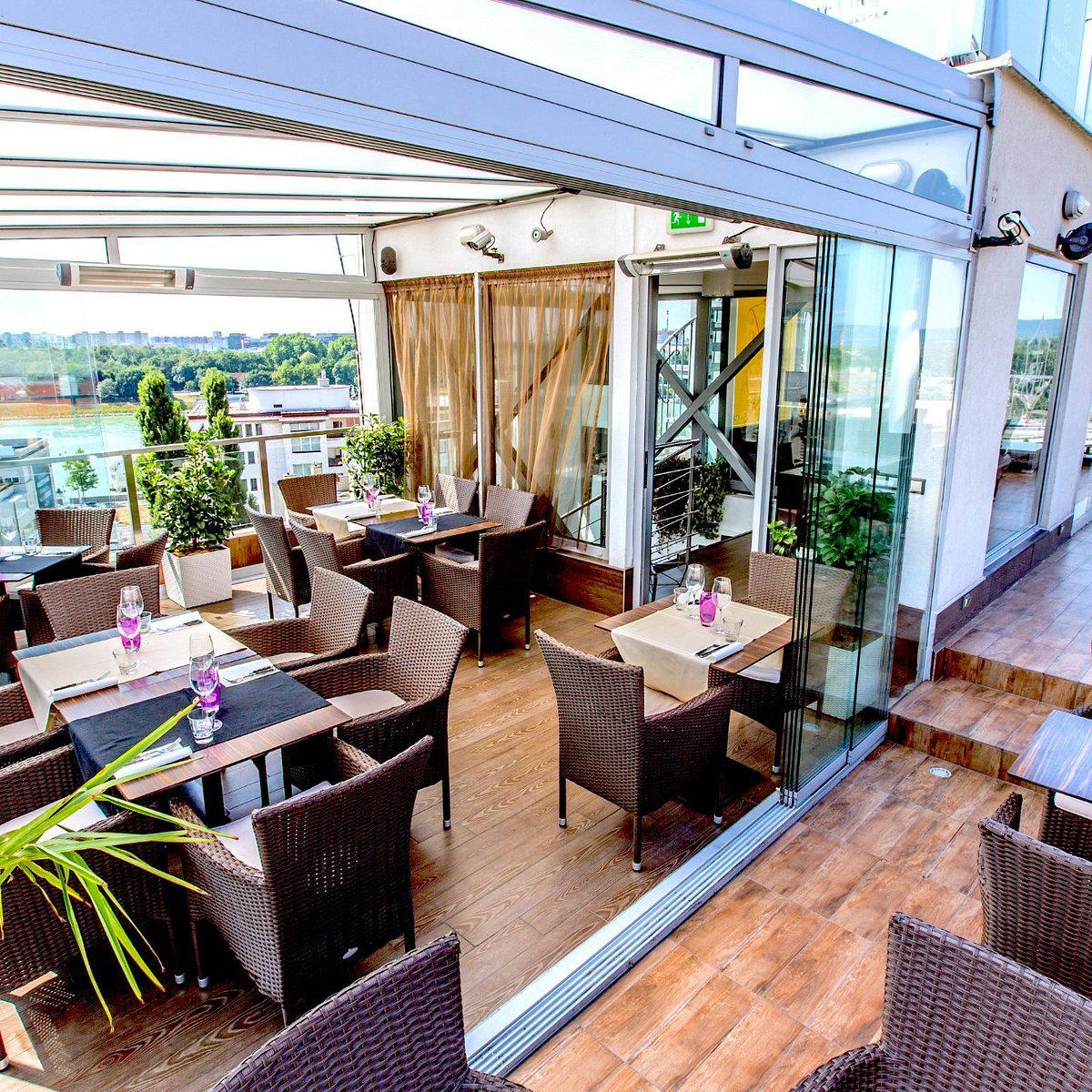
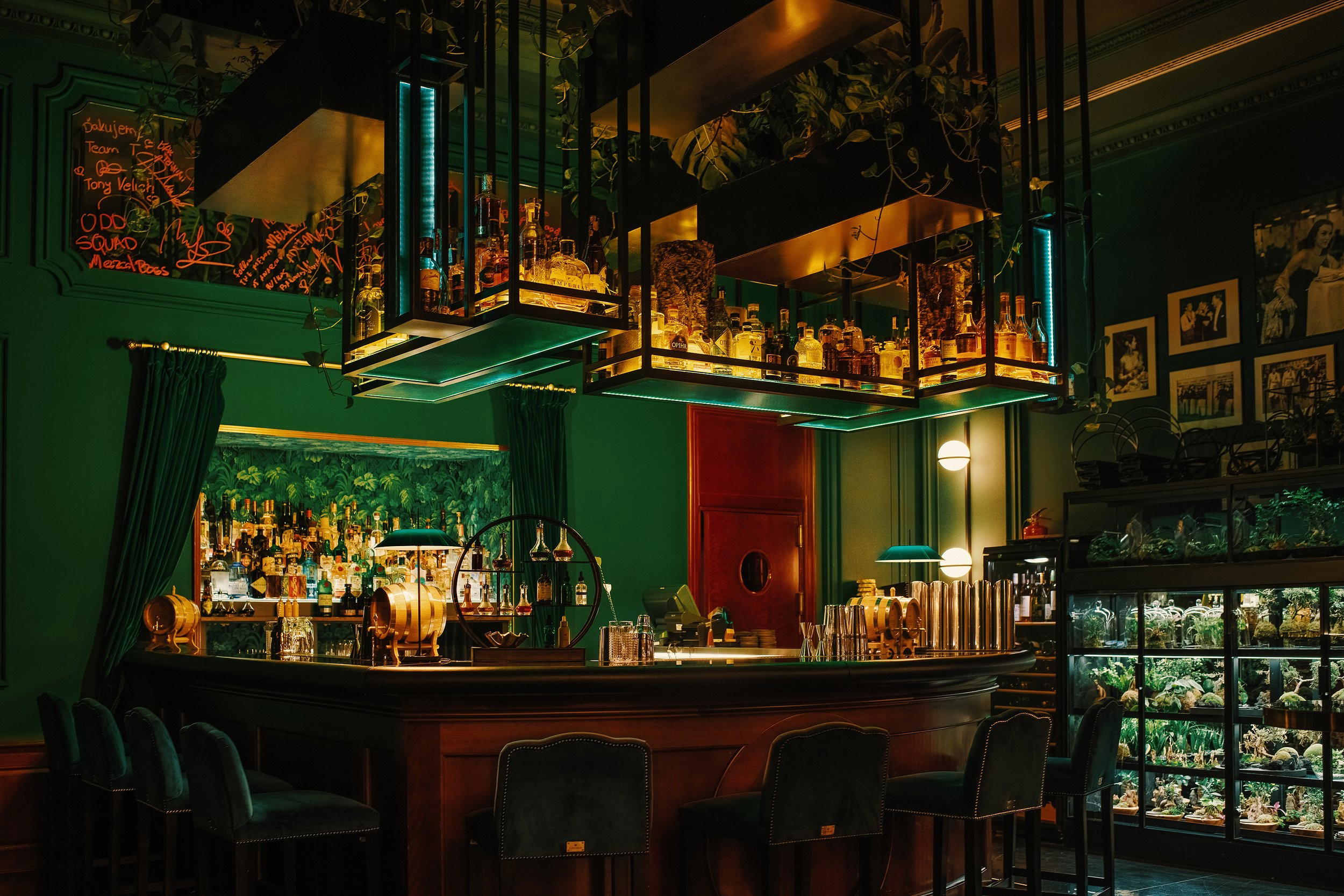
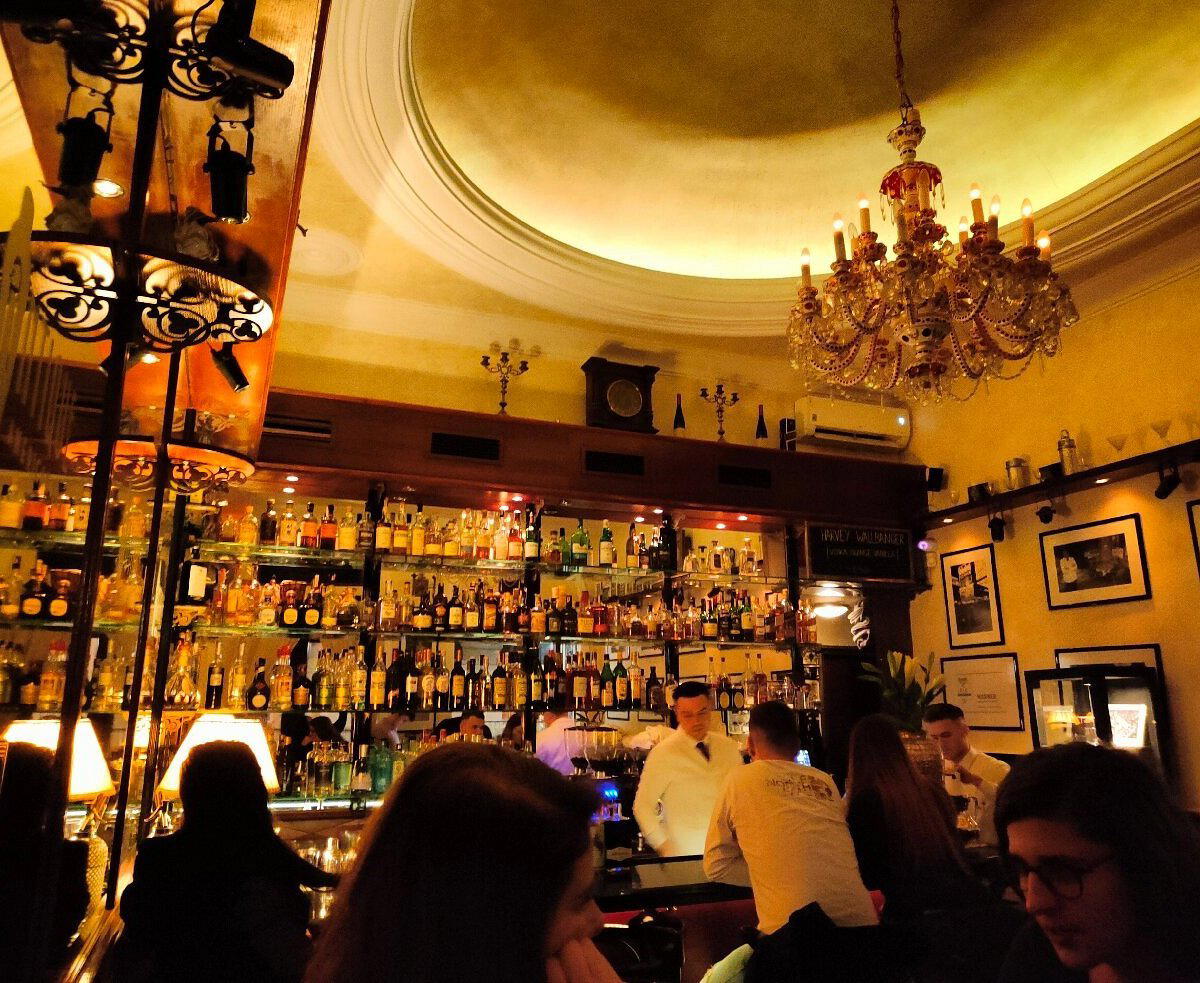

Restaurants in Göttlesbrunn
Browse all →



At a Glance
- Rustic
- Classic
- Wine Education
- Vineyard Tour
- Estate Grounds
- Organic
- Vineyard
- Carnuntum
- Zweigelt
- Blaufränkisch
- Sankt Laurent
- Still Red
- Cave Tasting
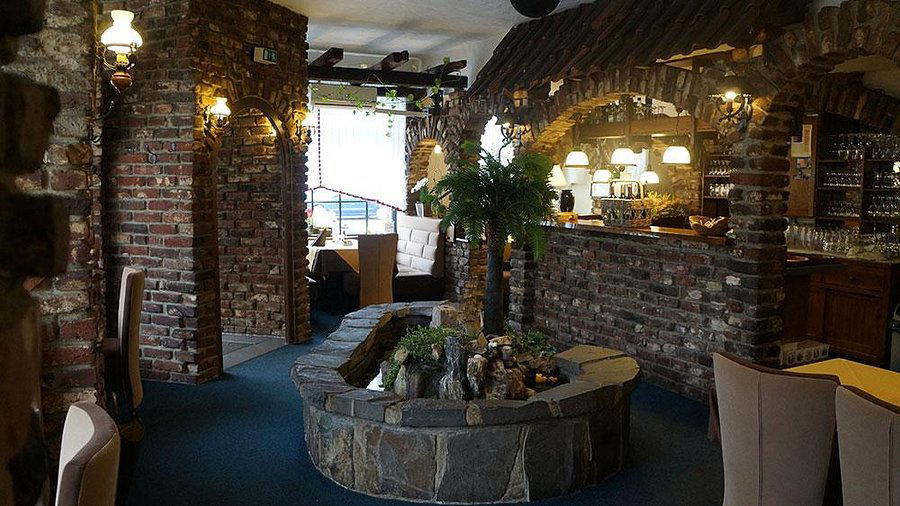
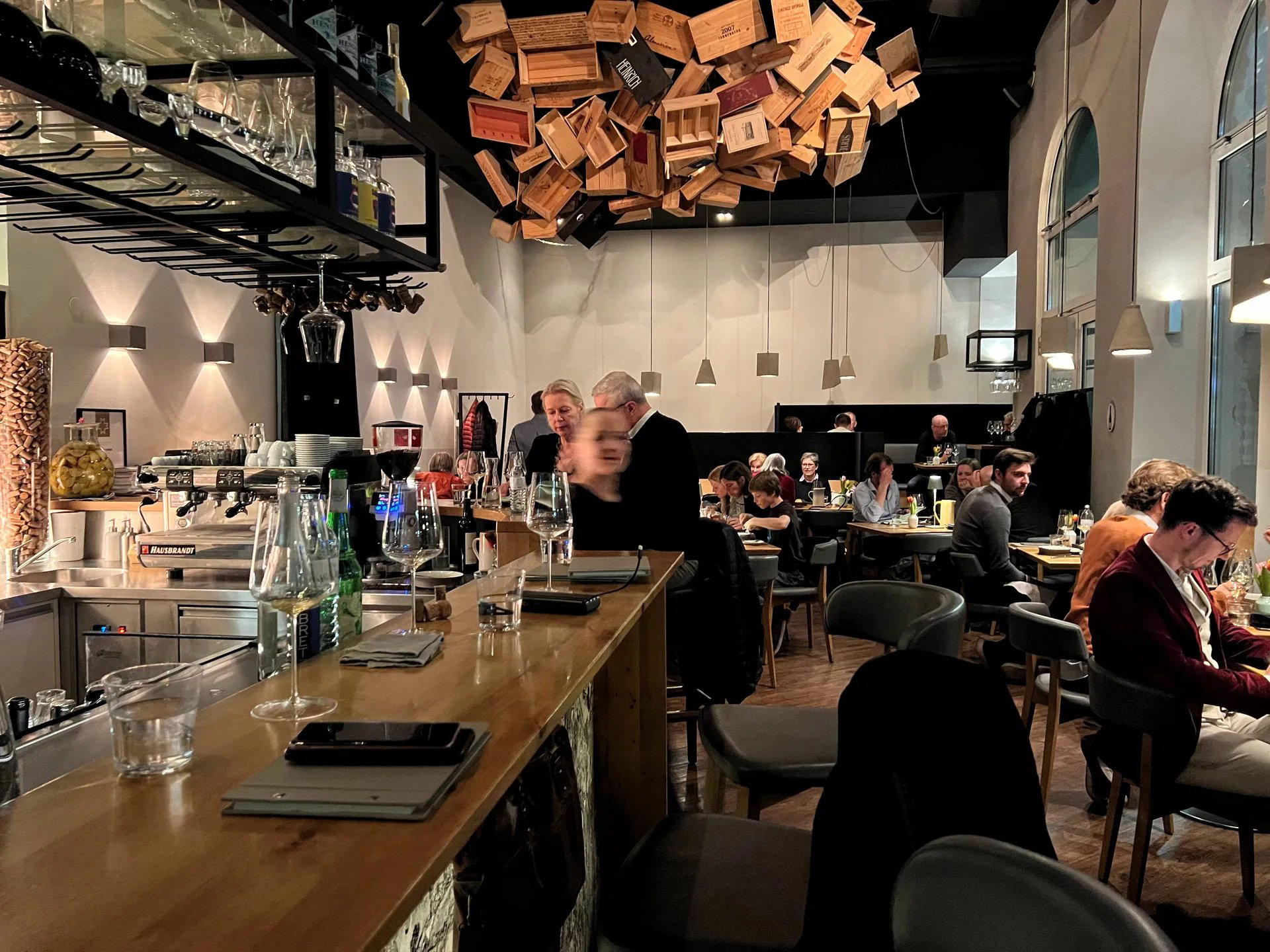
Rustic and classic winery atmosphere focused on terroir-driven wines.