Holotéch víška sits in the Small Carpathian village of Košariská, a setting that places it squarely within western Slovakia's tradition of rural koliba-style hospitality. The surrounding agricultural terrain shapes what ends up on the table, and the address alone, deep in vine-growing and forested countryside, tells you something about the sourcing logic before you walk through the door. For visitors working through our full Kosariska restaurants guide, it is a reference point worth understanding.
Pearl is the En Primeur Club membership app — saves, bookings, and concierge access live there. Same editors, same standards.
- Address
- Dolné Košariská 24, 906 15 Košariská, Slovakia
- Phone
- +421 951 677 828
- Website
- holotechviska.sk
- Directions
- Get directions
 Saves & bookings on Pearl
Where the Countryside Defines the Kitchen
The Small Carpathian arc running southwest of Bratislava is one of Slovakia's more quietly productive food regions. Villages like Košariská sit at the edge of vine-growing terrain, with forest, pasture, and orchard land forming the practical backdrop for whatever local cooking survives here. Holotéch víška, at Dolné Košariská 24, occupies that rural environment directly. The address places the venue in a hamlet where the sourcing geography is walking distance rather than supply-chain distance, and that proximity is the defining feature of this category of Slovak country cooking.
Rural Slovak dining in the western regions has historically operated on a short-chain logic that predates any contemporary farm-to-table framing. Pork, game, fresh dairy, foraged mushrooms, and stone-fruit preserves move from land to kitchen because the land is immediately present. The koliba tradition, rough-hewn interiors, wood smoke, roasted meats, unpretentious portions, developed in mountain and foothill settings precisely because the surrounding terrain dictated what was available. Holotéch víška operates in that broader tradition, in a part of Slovakia where the landscape is softer than the Tatra highlands but the cooking logic is recognisably similar. For a comparison point further into the mountain register, Koliba Patria in Štrbské Pleso occupies the higher-altitude end of the same culinary lineage.
Ingredient Geography in Western Slovakia
The area around Košariská falls within the broader Small Carpathian wine region, which means the agricultural character here is dual: viticulture on the slopes, mixed farming and forestry in the lower ground. That combination produces a specific larder. Game from the surrounding forests, lamb and pork from local smallholders, wild mushrooms and berries in season, and orchard produce that feeds both the kitchen and the regional distilling tradition, this is the material that Slovak country cooking in the western foothills has always worked with.
What distinguishes this type of sourcing from urban Slovak restaurants is the proximity rather than the philosophy. In Bratislava, restaurants like Don Saro Cucina Siciliana operate within a city food economy where ingredient origin is a conscious curatorial choice. In a village setting like Košariská, short-chain sourcing is more often structural: the suppliers are local because there are no other practical suppliers. That structural fact tends to produce more consistent provenance, even if it goes unmarked on any menu. It also means the cooking is inseparable from the season and the immediate terrain in ways that urban kitchens rarely achieve without deliberate effort.
For a sense of how ingredient geography shapes rural Slovak menus differently across the country's regions, Fatrabeef in Ľubochňa offers a useful northern contrast, built around Fatra mountain beef with a sourcing story that is explicit and documented. Wild Kitchen Modra, in the vine-growing town of Modra a short drive from Košariská, works closer terrain with a similarly forage-aware approach. Both sit in the same regional food tradition, operating at different points along the formality spectrum.
The Rural Foothill Dining Context
Slovakia's small-village dining category occupies a different competitive tier from its urban counterparts. Where Bratislava has developed a recognisable contemporary Slovak restaurant scene, see Focus Restaurant in Žilina for a mid-western Slovak example of the more polished register, rural venues like Holotéch víška operate outside those market pressures. Pricing, format, and expectations all shift accordingly. This is not a venue positioning itself in a competitive urban dining market. It is a local address, likely serving a local and regional clientele with the kind of informality that doesn't require a booking policy to explain itself.
That positioning places it in a peer group that includes destinations like KOLIBA na Vršku in Bytča and Afrodita in Čereňany, venues where the draw is the environment and the regional cooking tradition rather than any signal from the awards circuit. Granárium in Jablonov nad Turňou and Kaštieľ Čičmany in Čičmany offer a slightly more formal version of the same rural Slovak hospitality model, useful for calibrating expectations across the category.
Visitors expecting the kind of structure found at urban Slovak addresses, or the polished tasting-menu format of internationally recognised restaurants like Le Bernardin in New York or Atomix, will be looking elsewhere. The value here is of a different kind: regional specificity, physical setting, and the kind of cooking that is shaped by what the surrounding land produces rather than by any external culinary reference point.
Planning a Visit
Košariská is a small village in the Senica district of western Slovakia, accessible by car from Bratislava in roughly an hour and from the regional town of Senica in under twenty minutes. Public transport connections to the village are limited, so independent travel is the practical approach for most visitors. The venue's address, Dolné Košariská 24, is the only firm logistical anchor. For visitors building a wider western Slovak itinerary, Cafe Sissi in Trenčín and Klára v GOYA vitality hotel in Voderady offer useful staging points to the north and east respectively. Hotel and Restaurant Gino Park Palace in Považská Bystrica and Hotel and Restaurant Drak in Liptovský Mikuláš extend the regional circuit further. Those interested in how Slovak regional cooking compares across cuisine types might also find Bulli Kebab in Košice and Allora Fresh Pasta in Nitra useful reference points for how Slovak towns are absorbing non-native food formats alongside their traditional dining.
Comparable Venues
Comparable venues nearby, for context on price, style, and recognition.
| Venue | Cuisine | Price | Notes |
|---|---|---|---|
| Holotéch víškaThis venue — the venue you are viewing | Traditional Slovak Regional | $$ | Not listed |
| Reštaurácia Pri lipe | Slovak Traditional | $$ | Dohňany |
| Remeselná reštaurácia Vyhňa | Slovak Craft Grill | $$ | Rača |
| Otto | Central European Bistro | $$ | Staré Mesto |
| Café Devín | Modern Pressburg Café Cuisine | $$ | Staré Mesto |
| Modrá Hviezda | Traditional Slovak | $$ | Staré Mesto |
Continue exploring
More in Kosariska
Restaurants in Kosariska
Browse all →
Bars in Kosariska
Browse all →

At a Glance
- Cozy
- Rustic
- Family
- Casual Hangout
- Historic Building
- Local Sourcing
Current opening hours
- Monday
- Closed
- Tuesday
- Closed
- Wednesday
- Closed
- Thursday
- Closed
- Friday
- Closed
- Saturday
- 11 AM–10 PM
- Sunday
- 11 AM–7 PM
Hours can change for holidays and private events. Last verified .
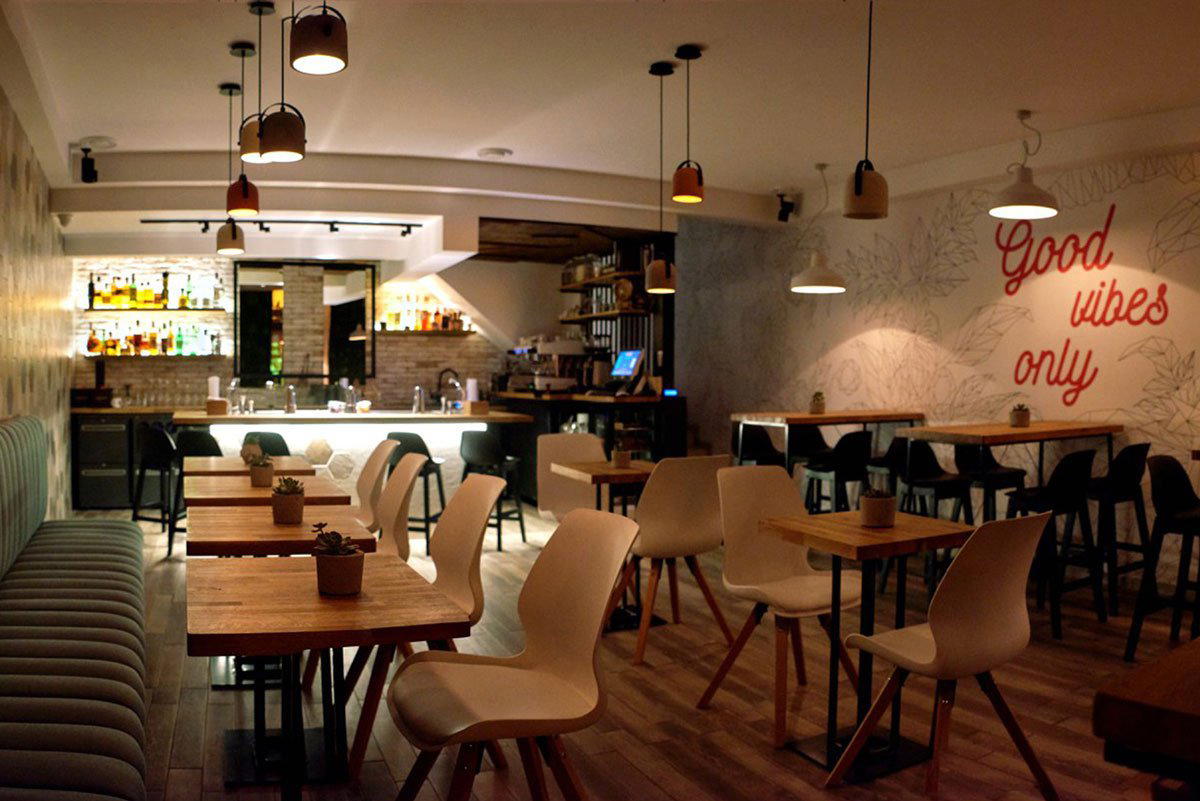
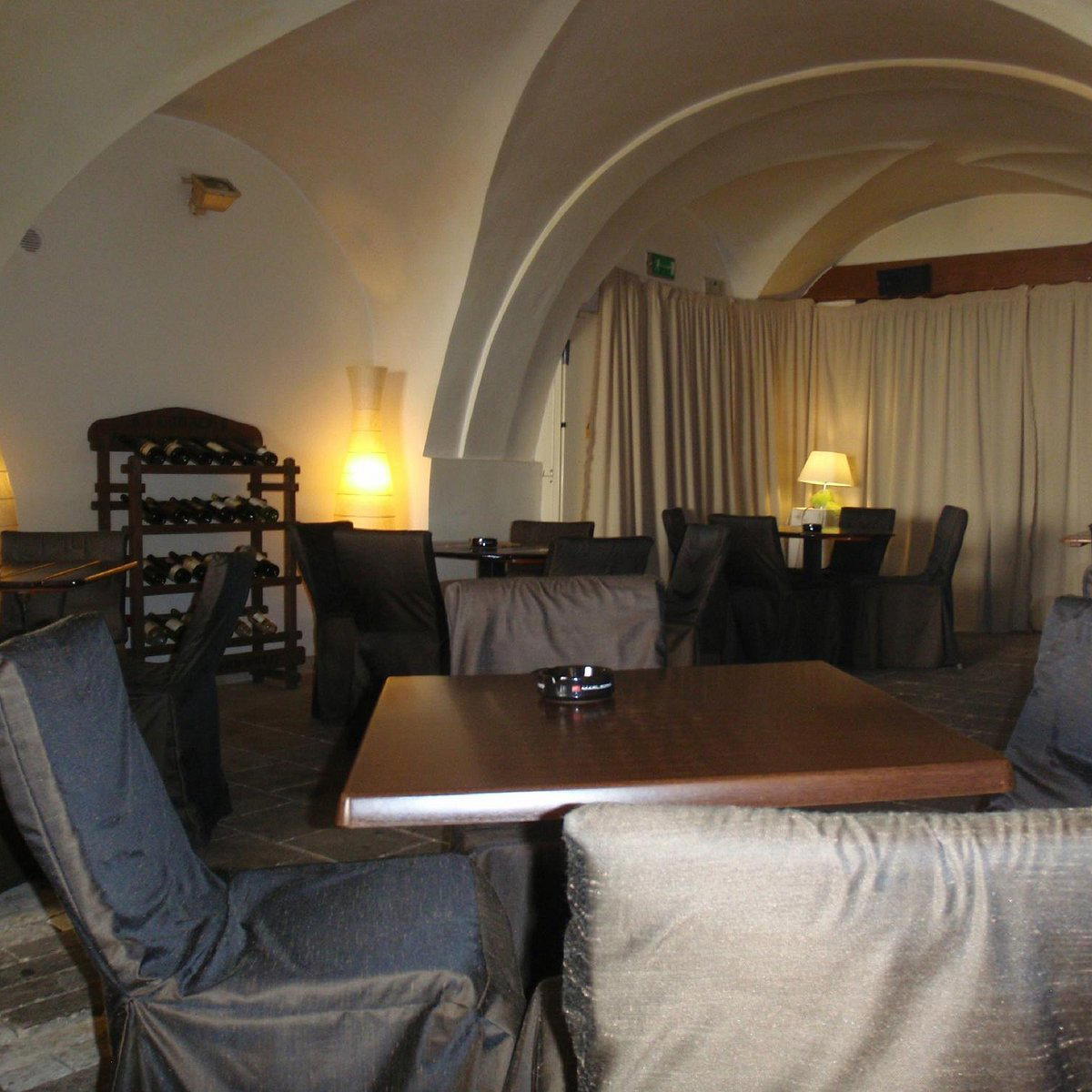
Cozy and traditional atmosphere evoking Slovak cultural heritage with a warm, homely feel.