Zichy Restaurant
Zichy Restaurant occupies a historic address on Ventúrska in Bratislava's Staré Mesto, placing it inside the old town's most concentrated stretch of serious dining. The venue draws from the neighbourhood's layered Central European heritage, where the gap between a considered lunch and a formal dinner service tells most of the story. For visitors tracking Slovak dining beyond the obvious tourist circuit, this address warrants attention.
Pearl is the En Primeur Club membership app — saves, bookings, and concierge access live there. Same editors, same standards.
- Address
- Ventúrska 265/9, 811 01 Staré Mesto, Slovakia
- Phone
- +421254418557
- Website
- zichyrestaurant.sk
- Directions
- Get directions
 Saves & bookings on Pearl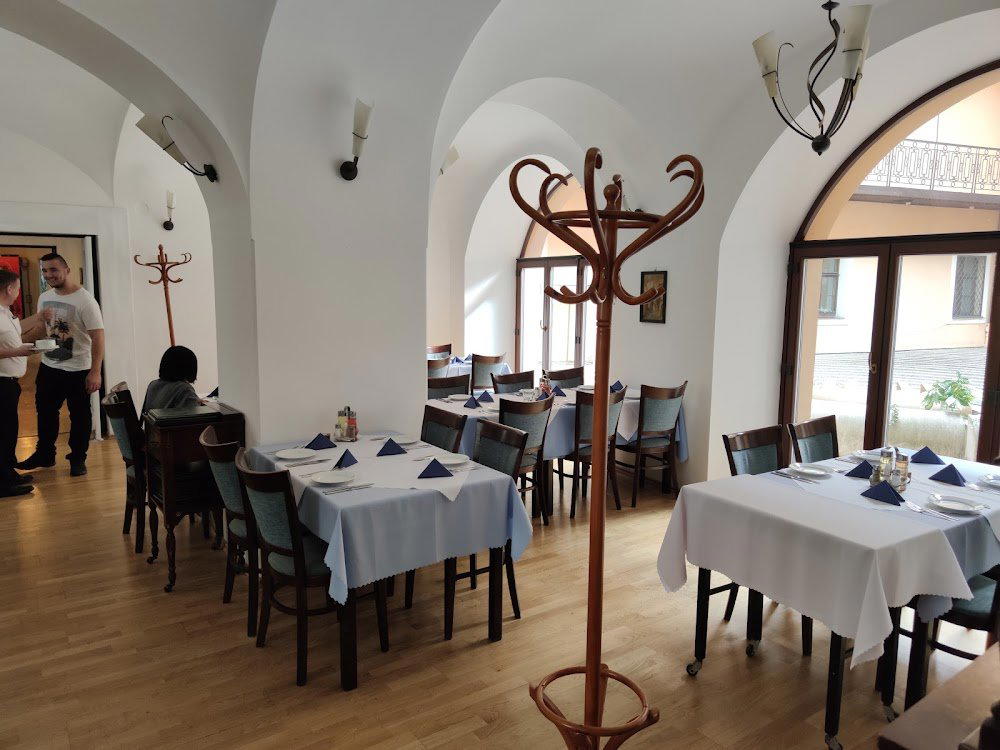
Ventúrska street runs through the preserved core of Bratislava's Staré Mesto district, past Baroque facades and stone archways that predate the city's modern restaurant culture by several centuries. Zichy Restaurant is a casual Traditional Slovak restaurant in Bratislava's Staré Mesto, with. It is the kind of address where the building does half the atmospheric work before a single dish arrives. Zichy Restaurant sits within this streetscape, and the physical approach, narrow pavement, heavy door, the shift from daylight to interior shadow, frames whatever service follows in unmistakably Central European terms. That physical context matters, because Bratislava's old town dining scene has spent the past decade sorting itself into tiers, and the address you enter tells you roughly which tier you are in before the menu does.
The Lunch and Dinner Divide in Bratislava's Old Town
Across Bratislava's Staré Mesto, the difference between midday and evening service is more than a shift in ambient light. Lunch in the old town tends to function as a working meal, with shorter menus, faster pacing, and price structures calibrated to attract locals alongside the heritage-tourism foot traffic that moves through Ventúrska and its adjacent lanes from mid-morning onward. Dinner inverts that logic: the same room often operates at a different tempo, with extended menus, wine pairings, and a guest profile that skews toward deliberate dining rather than convenience. This pattern holds across the neighbourhood and positions restaurants like Zichy in a dual-service role that requires coherent identity across both formats, a harder balance to strike than it appears.
For a visitor deciding between a lunch visit and an evening reservation, the calculus in this part of Bratislava generally favours dinner for depth and lunch for value. The evening commitment extracts more from the kitchen's range; the midday visit fits more naturally into a walking itinerary through the old town, which remains one of Central Europe's more compact and walkable historic centres. Either way, Ventúrska's proximity to the main pedestrian zones means access requires no planning beyond knowing the street number.
Where Zichy Sits in the Bratislava Dining Picture
Bratislava's restaurant scene has matured considerably since Slovakia's post-2004 EU-accession economic expansion, and the old town now supports a range of formats from casual Slovak tavern cooking through to more considered Central European cuisine. The venues operating on and immediately around Ventúrska occupy the upper-middle tier of that range, not the experimental edge, but not the tourist-menu middle either. Zichy's address places it in company with restaurants that take their sourcing and presentation seriously without necessarily chasing awards-circuit recognition.
Comparison venues elsewhere in the city include APOLKA Restaurant and Albrecht Restaurant, both of which operate in the same general register of considered Slovak and Central European cooking. Ako doma pulls toward a more homestyle Slovak register, while Al Faro and Antica Toscana cover the Italian end of the old town's dining offer. Within that field, a restaurant on Ventúrska is implicitly positioned above the midpoint, the street carries enough heritage weight that operators there tend to hold themselves to a higher standard of presentation and service continuity across both lunch and dinner formats.
For context on how Bratislava's dining fits within the wider Slovak picture, venues like Focus Restaurant in Zilina and Koliba Patria in Strbske Pleso show how Slovak regional cooking operates outside the capital, with mountain-influenced menus and heavier traditional preparations that differ substantially from the capital's more internationally inflected offer. The old town's restaurants, Zichy included, operate closer to the Central European fine dining register than to regional koliba tradition, a reflection of both the neighbourhood's tourist-diplomatic footfall and the city's position as a small capital with outsized European connectivity.
The Historic Address as Context
The Staré Mesto address carries its own trust signal for guests who understand Bratislava's urban geography. The district has resisted the chain-restaurant saturation that hit comparable historic centres elsewhere in Central Europe, partly because the street grid and building stock make large-format hospitality difficult to install. The restaurants that operate here, often in vaulted ground floors or narrow townhouse spaces, function within physical constraints that naturally limit covers and tend to enforce a certain intimacy of scale. That scale, in turn, shapes how service feels across both lunch and dinner: tighter rooms mean staff-to-guest ratios that support attentive service without the formal stiffness of larger hotel dining rooms.
Slovakia's dining culture draws from a Central European inheritance that includes Hungarian, Austrian, and Czech influences alongside its own regional traditions. In Bratislava specifically, the proximity to Vienna (roughly 60 kilometres by road) creates a guest profile that includes regular cross-border visitors with comparative reference points and, accordingly, higher baseline expectations on wine lists and kitchen technique. That Viennese adjacency has quietly raised the competitive floor in the old town over the past fifteen years, filtering out the more casual operations and leaving a core of venues that take their craft seriously on both sides of noon.
Planning a Visit
Ventúrska 265/9 sits within the pedestrian-friendly core of Staré Mesto, reachable on foot from the main square in under ten minutes and accessible from the bus and tram network that serves the old town perimeter. Bratislava's compact geography means most visitors staying anywhere in the centre are within reasonable walking distance, which removes the logistical friction that can make reservations in less centrally placed restaurants feel effortful. For guests arriving from Vienna by rail or the river ferry, the old town is effectively the arrival point, making Ventúrska a natural first or last dinner stop on a cross-border itinerary.
Direct contact with the restaurant or a hotel concierge familiar with the Staré Mesto circuit is the prudent approach for securing a table, particularly for evening service on weekends when the old town's footfall peaks. Lunch on weekdays tends to be more accessible across this neighbourhood without advance planning, which makes midday visits a lower-friction entry point for guests encountering the restaurant for the first time.
At-a-Glance Comparison
Comparable venues nearby, for context on price, style, and recognition.
| Venue | Cuisine | Price | Notes |
|---|---|---|---|
| Zichy RestaurantThis venue — the venue you are viewing | Traditional Slovak | $$ | Not listed |
| Zylinder Cafe Restaurant | Traditional Austro-Hungarian Pressburg Cuisine | $$ | Staré Mesto |
| Matyšák | Traditional Slovak | $$ | Staré Mesto |
| Remeselná reštaurácia Vyhňa | Slovak Craft Grill | $$ | Rača |
| K-Bab | Korean Street Food Bistro | $$ | Staré Mesto |
| Roxor | Premium American Burgers & Craft Beer | $$ | Nové Mesto |
Continue exploring
More in Bratislava
Restaurants in Bratislava
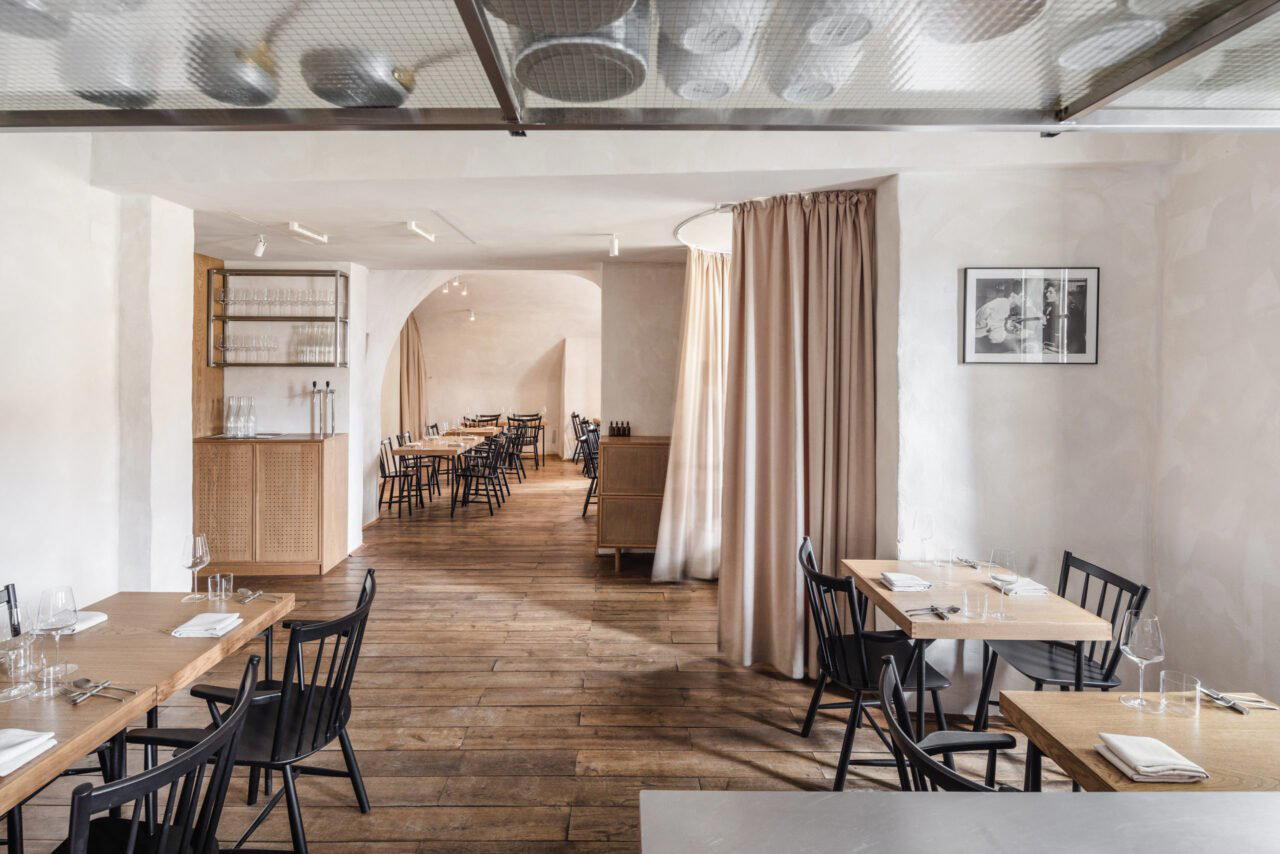
Browse all →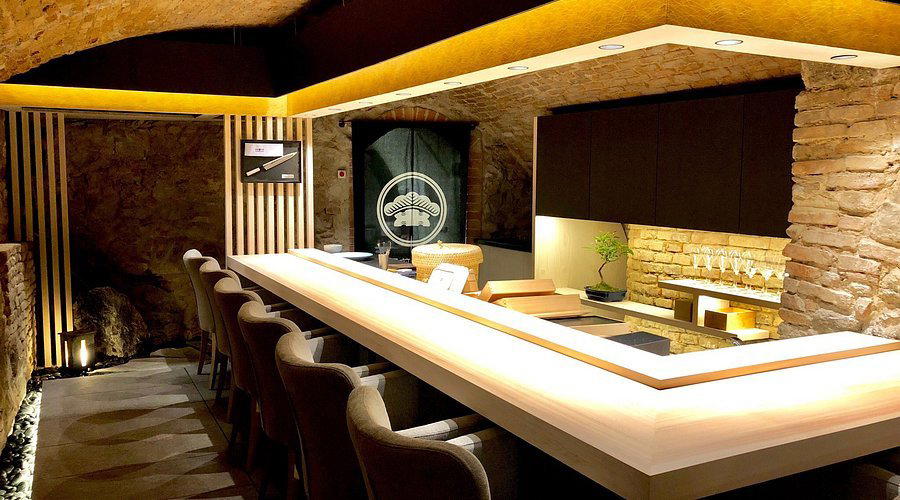
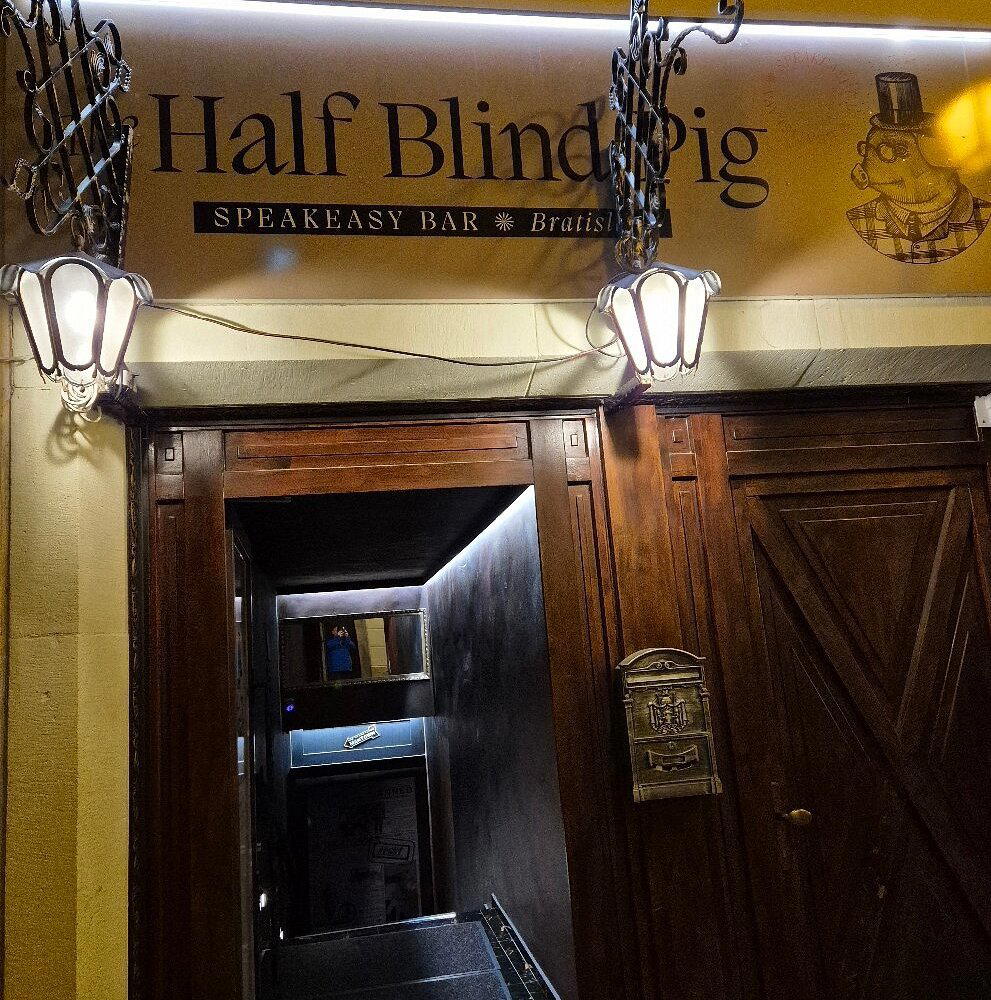
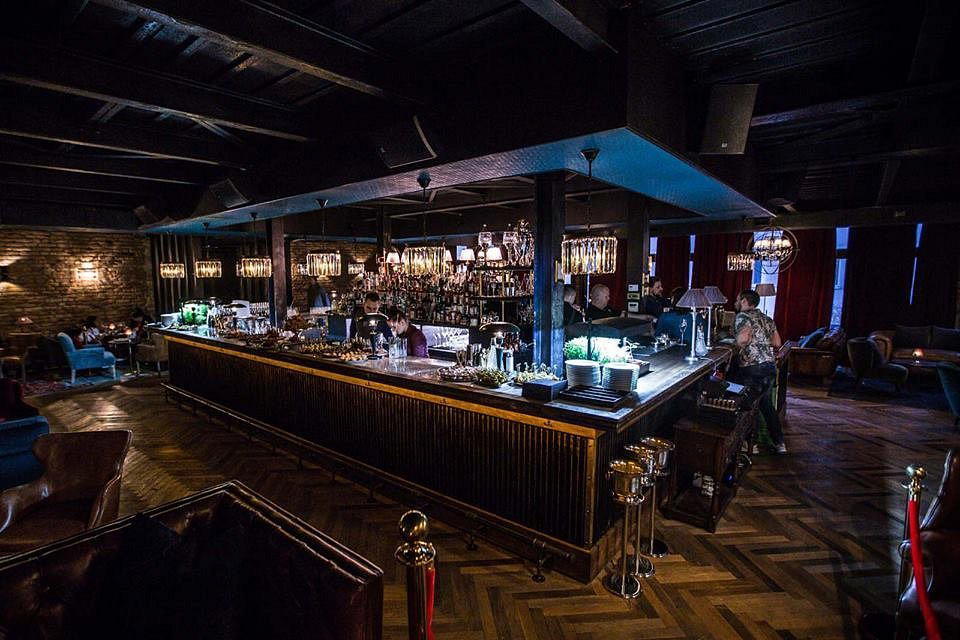
Bars in Bratislava
Browse all →
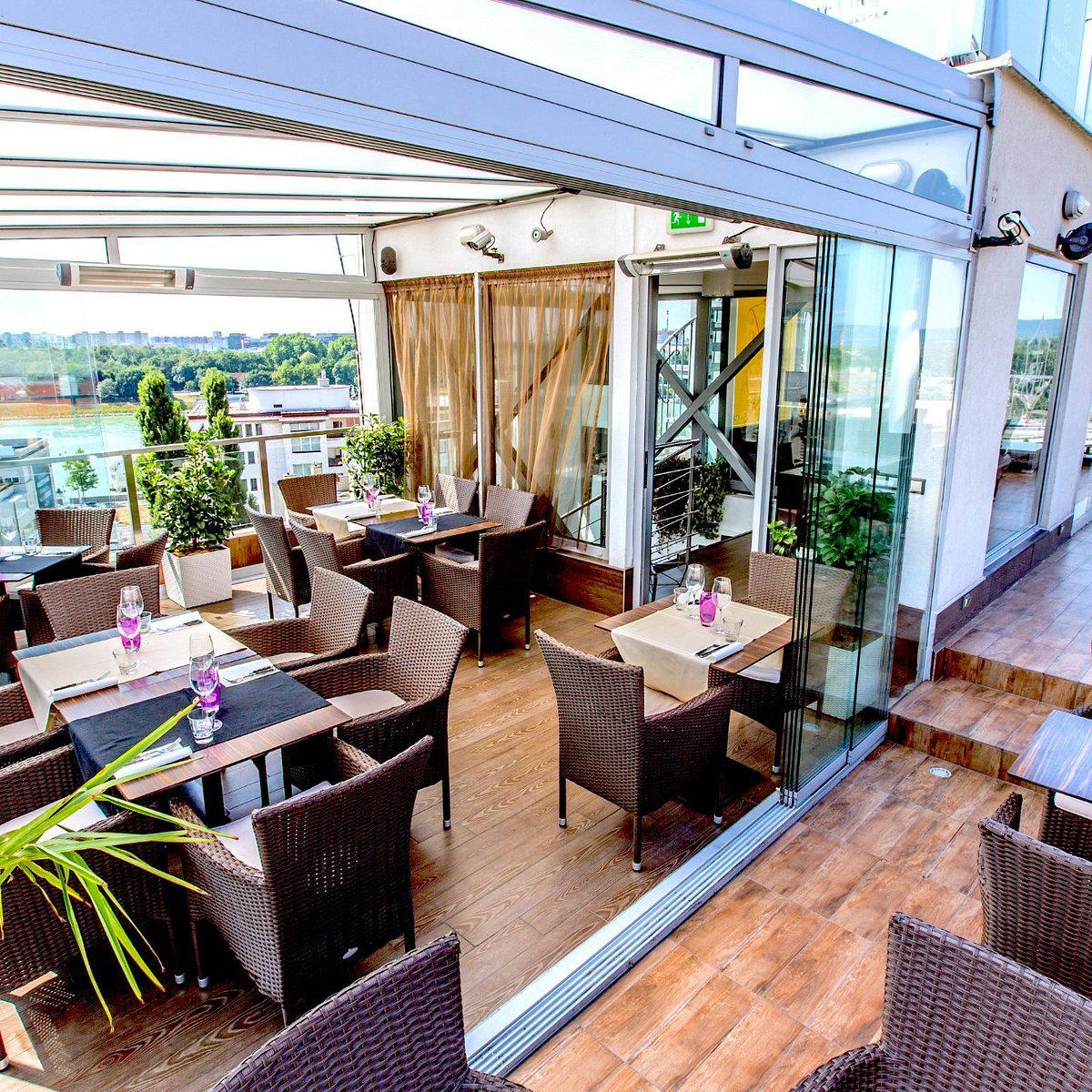
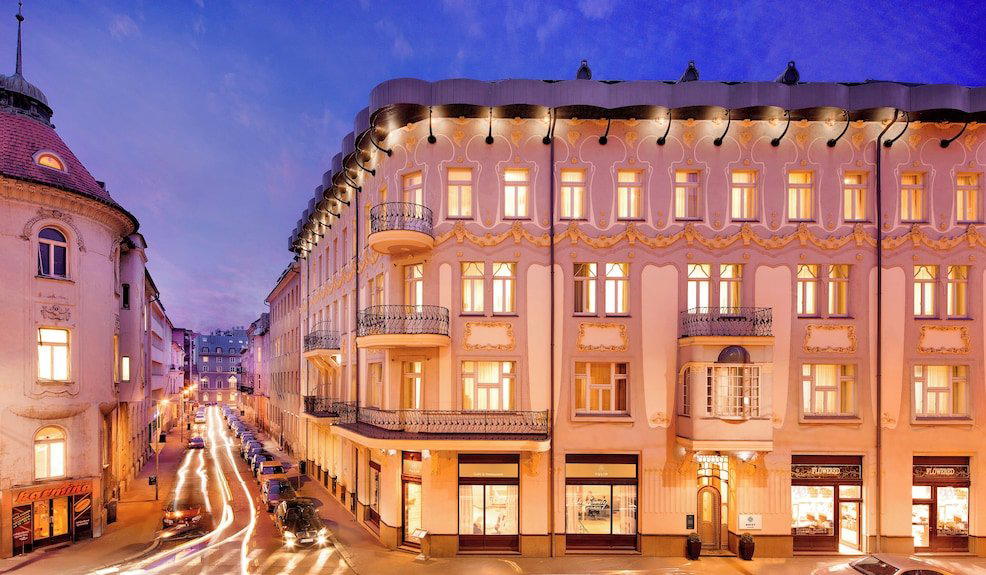
Hotels in Bratislava
Browse all →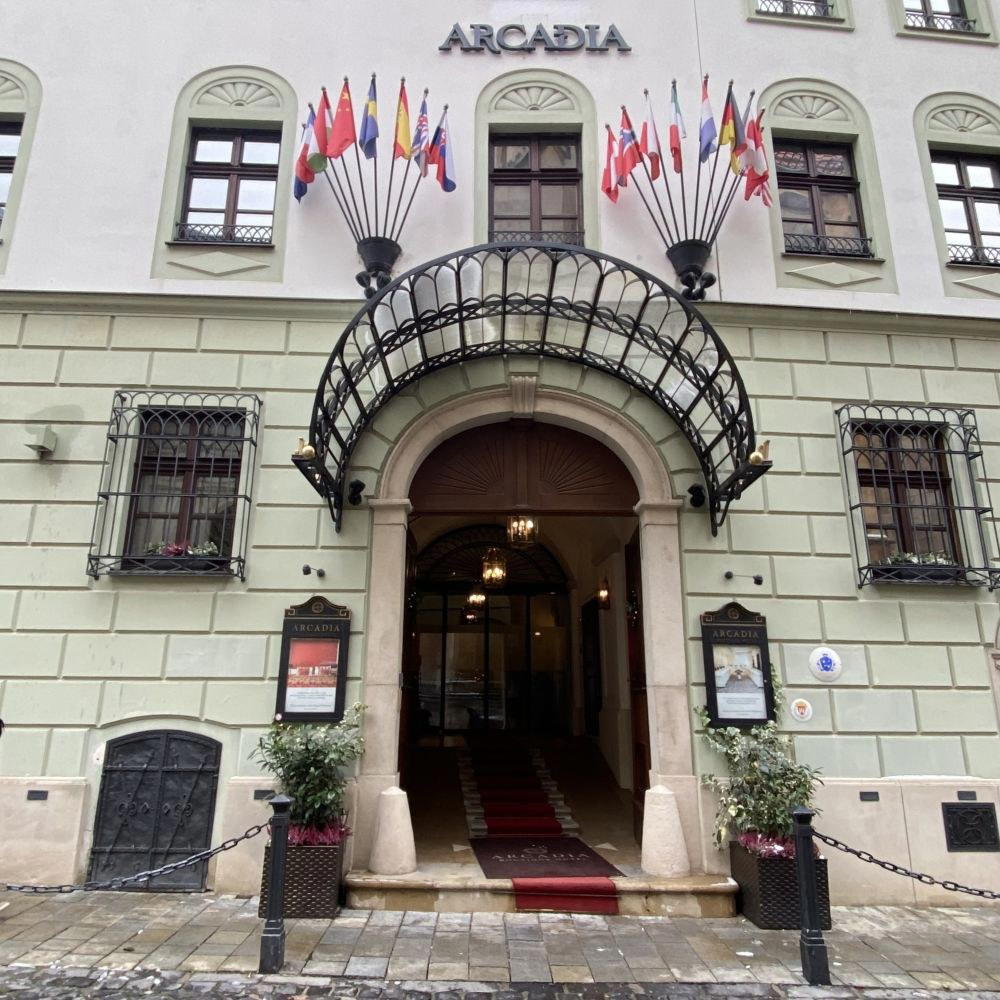
At a Glance
- Classic
- Cozy
- Casual Hangout
- Group Dining
- Terrace
- Historic Building
- Street Scene
Current opening hours
- Monday
- 10 AM–12 AM
- Tuesday
- 10 AM–12 AM
- Wednesday
- 10 AM–12 AM
- Thursday
- 10 AM–12 AM
- Friday
- 10 AM–2 AM
- Saturday
- 10 AM–2 AM
- Sunday
- 10 AM–12 AM
Hours can change for holidays and private events. Last verified .
Warm and cozy historic interior with friendly service.