Bistro 24
Bistro 24 occupies a direct address on Štefánikova in Bratislava's residential-commercial fringe, where the city's growing interest in technique-driven cooking meets Central European produce. The bistro format positions it between casual neighbourhood dining and more considered kitchen work, a tier that has expanded significantly across Bratislava over the past decade as the city's dining culture matures.
Pearl is the En Primeur Club membership app — saves, bookings, and concierge access live there. Same editors, same standards.
- Address
- Štefánikova 874/24, 811 04 Bratislava, Slovakia
- Phone
- +421949619487
- Website
- bistro24.sk
- Directions
- Get directions
 Saves & bookings on Pearl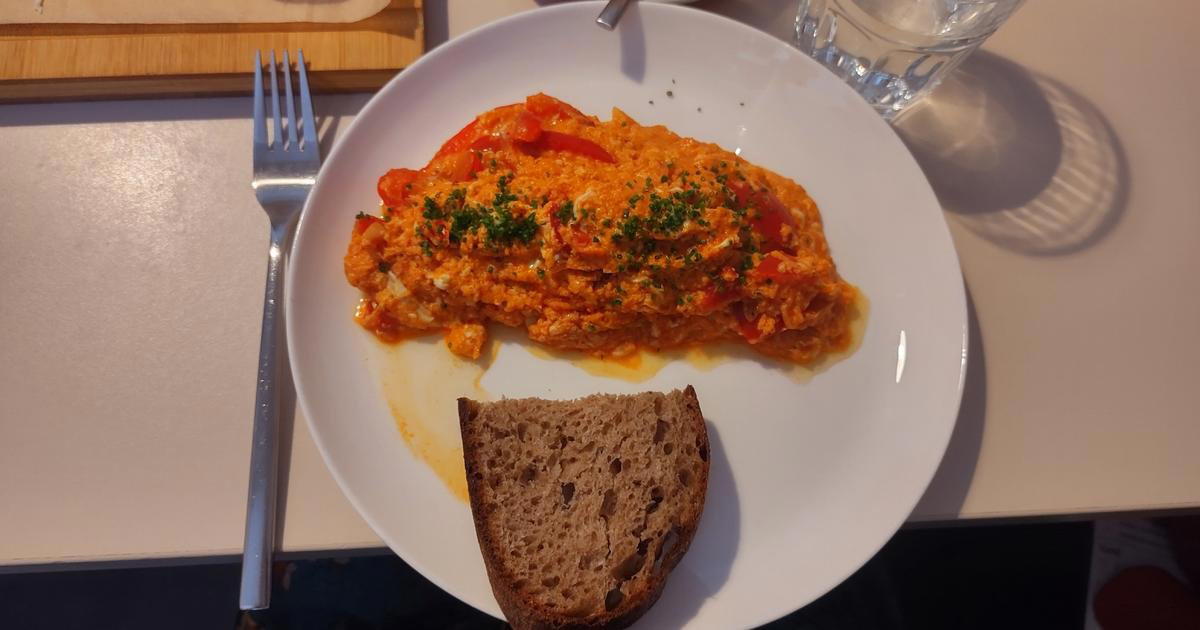
Štefánikova and the Bistro Tier That Bratislava Built
Bratislava's dining scene has reorganised itself over the past ten years in ways that reflect a broader Central European shift: the middle ground between Soviet-era comfort kitchens and full fine-dining formality has filled in, and it is now where interesting cooking in the city tends to happen. Štefánikova, the long artery running southwest from the old town toward Petržalka, sits at the edge of that transformation. The street is neither tourist corridor nor destination strip, which is precisely why venues along it tend to serve a local clientele with expectations shaped by the city rather than by traveller patterns. Bistro 24, a German-Slovak Breakfast Bistro on Štefánikova in Bratislava, occupies this in-between position in the city's developing restaurant geography.
The bistro format itself carries meaning in this context. Across Europe, the category has bifurcated: one branch runs toward stripped-back neighbourhood reliability, the other toward technically ambitious cooking delivered without the ceremony of a full tasting-menu format. Bratislava's version of the second branch has grown quietly but consistently, and it now includes addresses across several districts that would read as serious restaurants in most Western capitals.
Local Products, Imported Discipline
The framing that fits Bratislava's current cooking moment is the one between Central European larder and technique absorbed from elsewhere. Slovakia's produce profile is substantial: the Carpathian range and the Danube lowlands together supply game, freshwater fish, mushrooms, dairy, and root vegetables that read as premium ingredients in international kitchens but remain everyday supply in Slovak ones. The gap between what the region produces and how that produce has historically been cooked is where a generation of Bratislava chefs has found its opening.
What that looks like in practice varies by kitchen. At the more structured end, it means classical French or Nordic reduction and fermentation techniques applied to Slovak ingredients that were previously treated only through braising or smoking. At the bistro level, it tends to mean shorter menus, market-led purchasing, and a cooking register that is precise without being theatrical. Venues along Štefánikova and the surrounding neighbourhoods that have moved in this direction include Ako doma, which has developed its own version of the Slovak-meets-contemporary format, and Al Faro, which approaches the question through a Mediterranean lens that contrasts with Central European supply chains.
That technique-and-territory question is not distinctive to Bratislava. Across Slovakia, kitchens in smaller cities have pursued similar directions. Origin in Lučenec and Seven Restaurant Café by Villa Sandy in Košice both operate within the same broad frame of applying considered kitchen discipline to ingredients drawn from Slovak geography. Outside the urban centres, Gašperov Mlyn in Batizovce and ARTE in Svätý Jur represent a rural version of the same shift, where proximity to primary producers is the structural advantage rather than an aspirational positioning statement.
Bratislava's Bistro comparable set
Placing Bistro 24 within Bratislava's bistro tier requires understanding how that tier is currently structured. The city's mid-range restaurant market has diversified across cuisine type, neighbourhood, and price point in ways that were not present a decade ago. Italian formats have expanded, with Antica Toscana representing the more traditional Tuscan end and Allora Fresh Pasta in Nitra showing how the fresh-pasta format has spread beyond the capital. Slovak cooking has its own internal range, from the comfort register of APOLKA Restaurant to the more structured contemporary approach of Albrecht Restaurant.
Further afield, formats like Cafe Sissi in Trenčín and Bakoš Bistro in Košice demonstrate how the bistro format specifically has distributed itself across Slovak cities, each adapting to local supply and clientele. The pattern suggests that the bistro tier is now a primary vehicle for serious cooking in Slovakia outside the fine-dining category, and that the distinctions within that tier are becoming sharper as the market matures.
For reference points further outside the region, Le Bernardin in New York and Lazy Bear in San Francisco represent the kind of kitchen discipline and produce-led philosophy that, translated to a much smaller scale and a Central European context, informs what Bratislava's more ambitious bistros are attempting. The gap in resources and scale is large; the underlying logic of sourcing specificity and technique precision is not.
Planning a Visit
Bistro 24 is located at Štefánikova 874/24, 811 04 Bratislava, in a section of the street that serves primarily a local residential and working population. The address places it within walking distance of the broader Staré Mesto district without sitting inside the tourist-facing centre. Seasonal timing matters on Štefánikova: the neighbourhood's character shifts between the quieter summer months, when local populations thin out, and the autumn and winter period, when the Central European produce calendar peaks with game, root vegetables, and preserved goods that define the more interesting end of Slovak cooking. If the local-ingredients angle is what draws you, autumn is the period when that larder is fullest and most present in kitchens across the city.
Peers Worth Knowing
Comparable venues nearby, for context on price, style, and recognition.
| Venue | Cuisine | Price | Notes |
|---|---|---|---|
| Bistro 24This venue — the venue you are viewing | German-Slovak Breakfast Bistro | $$ | Not listed |
| Zichy Restaurant | Traditional Slovak | $$ | Staré Mesto |
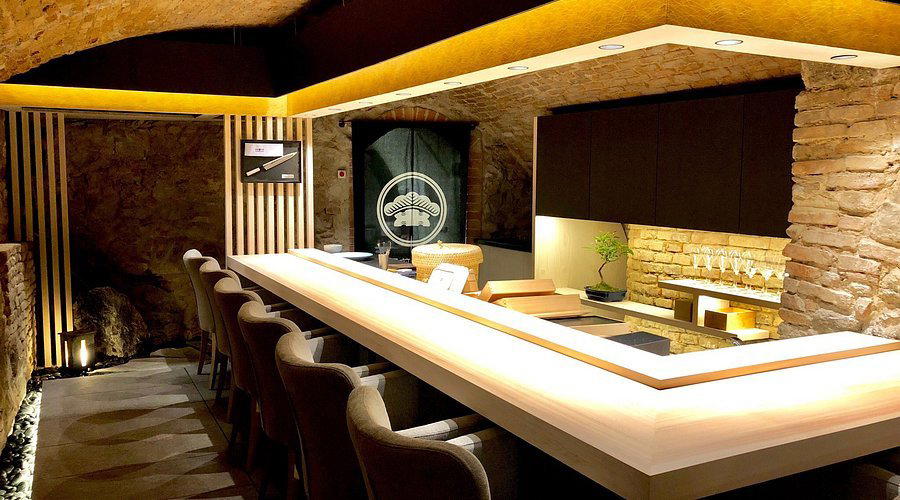
| K-Bab | Korean Street Food Bistro | $$ | Staré Mesto |
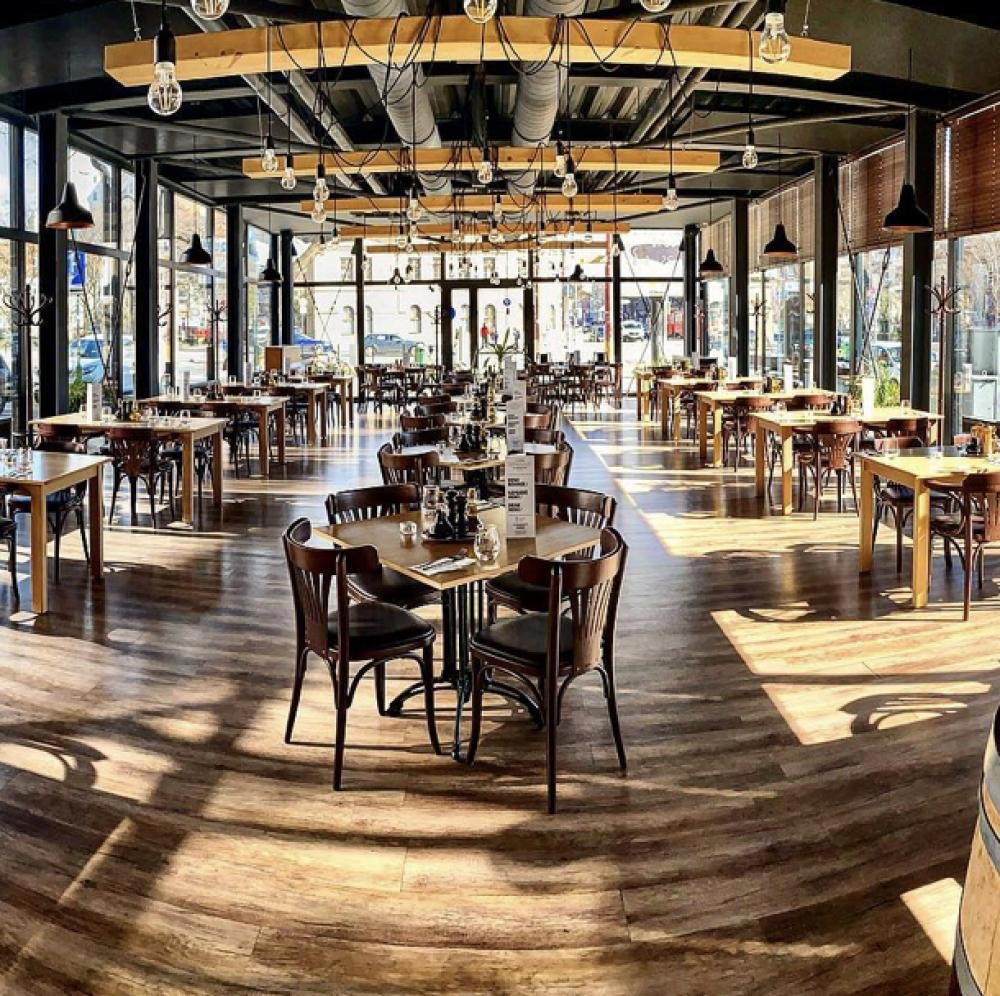
| Banchan Korean Bistro | Authentic Korean Bistro | $$ | Staré Mesto |
| The Half Blind Pig | Cocktail Bar | $$ | Staré Mesto |
| Ristorante Italiano da Cono Light Park | Authentic Southern Italian Trattoria | $$ | Nové Mesto |
Continue exploring
More in Bratislava
Restaurants in Bratislava
Browse all →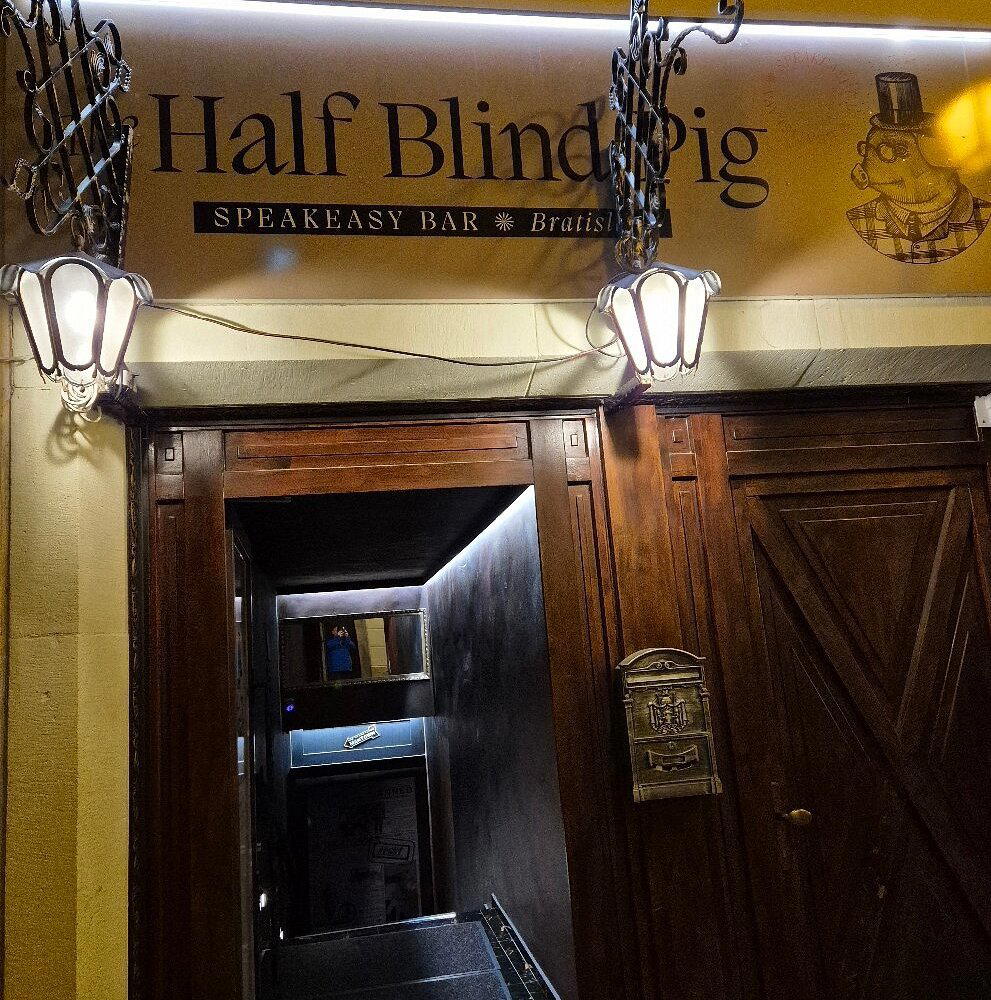
Bars in Bratislava
Browse all →
Hotels in Bratislava
Browse all →
At a Glance
- Cozy
- Lively
- Casual
- Brunch
- Casual Hangout
- Solo
- Standalone
- Beer Program
- Local Sourcing
Current opening hours
- Monday
- Closed
- Tuesday
- Closed
- Wednesday
- 8 AM–2:30 PM
- Thursday
- 8 AM–2:30 PM
- Friday
- 8 AM–2:30 PM
- Saturday
- 8 AM–2:30 PM
- Sunday
- 8 AM–2:30 PM
Hours can change for holidays and private events. Last verified .
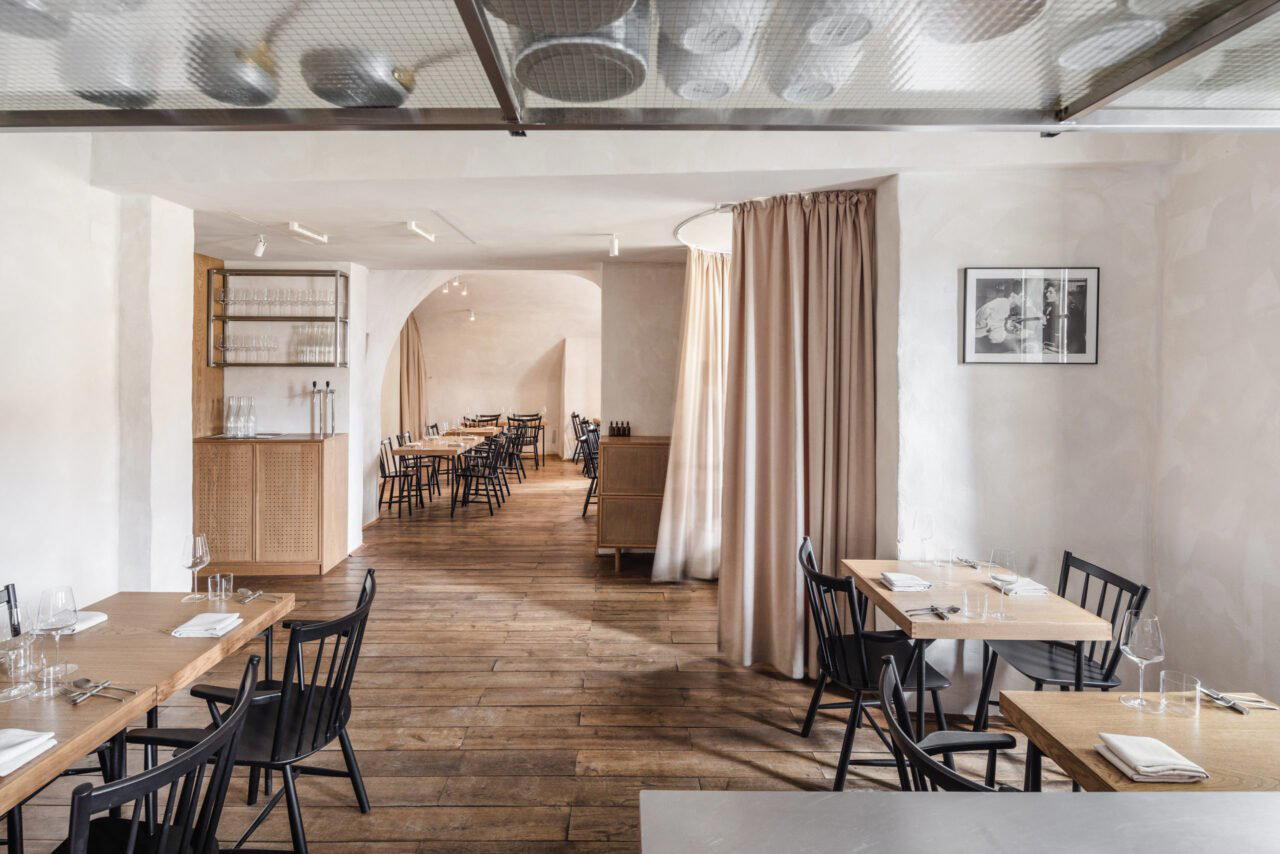
Small, snug interior with a warm, community-like atmosphere and lively energy despite limited space; retro aesthetic with consistently busy tables and smiling, helpful staff.