Koliba Patria
Where the High Tatras Come to the Table Arriving at Štrbské Pleso in winter, the air carries a particular quality: cold, dry, resinous from the spruce forests that press in from all sides. The lake sits frozen at just over 1,300 metres, and the...
Pearl is the En Primeur Club membership app — saves, bookings, and concierge access live there. Same editors, same standards.
- Address
- Štrbské Plesa 33, Štrbské Pleso, 059 38 Vysoké Tatry, Slovakia
- Phone
- +421 903 646 255
- Website
- hotelpatria.sk
- Directions
- Get directions
 Saves & bookings on Pearl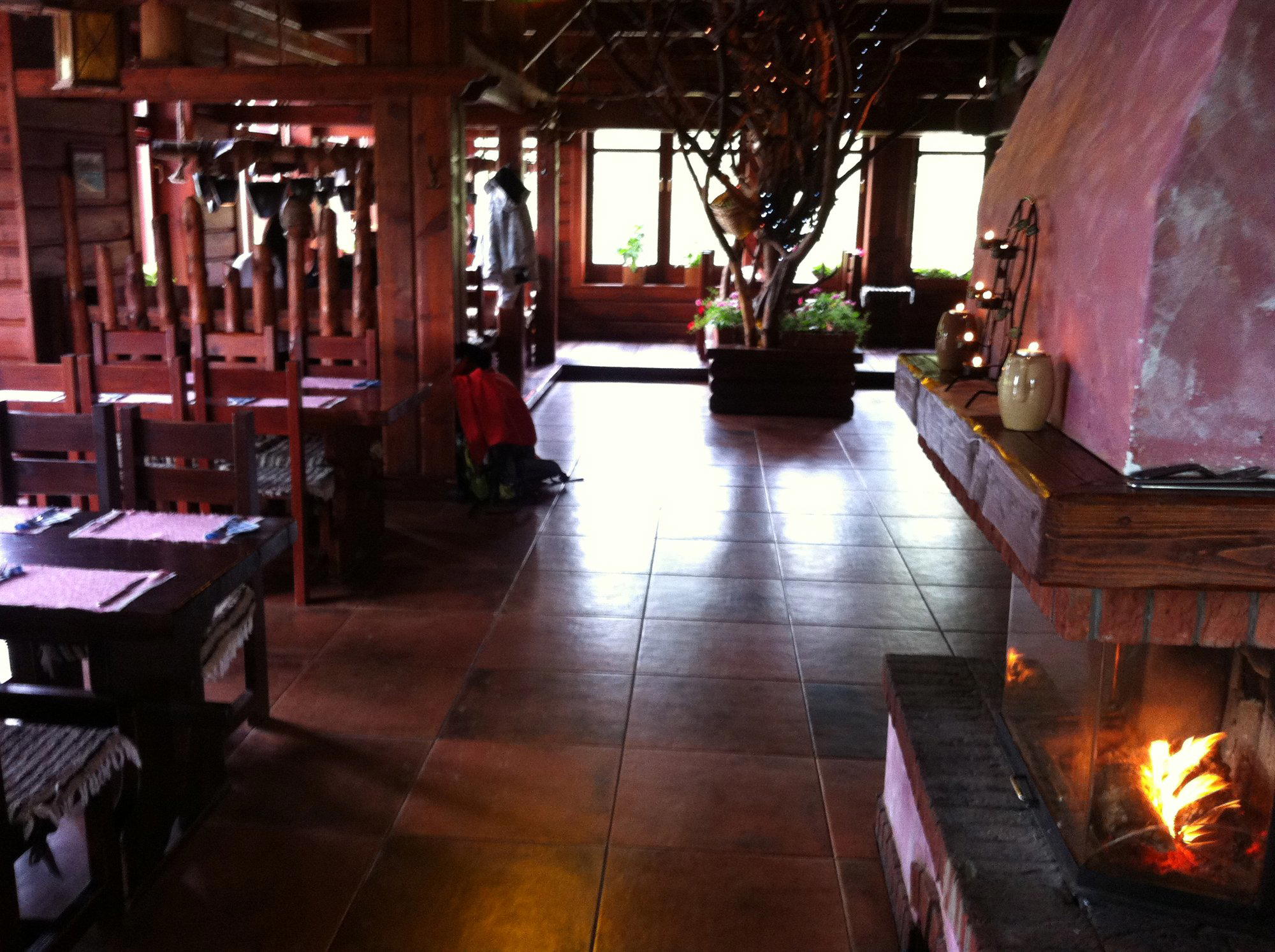
Where the High Tatras Come to the Table
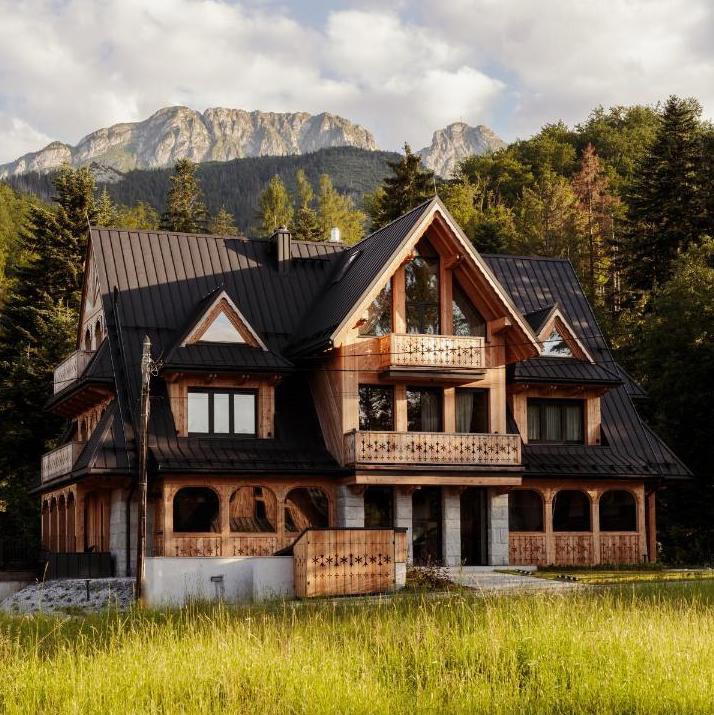
Arriving at Štrbské Pleso in winter, the air carries a particular quality: cold, dry, resinous from the spruce forests that press in from all sides. The lake sits frozen at just over 1,300 metres, and the resort town that grew up around it has always oriented itself toward the mountains rather than the road. A koliba, in Slovak tradition, is a shepherd's hut repurposed as a gathering place, a format that spread across the Carpathian arc as a way of anchoring highland cuisine to a specific landscape and its seasonal rhythms. In Štrbské Pleso, where the High Tatras form one of Central Europe's more dramatic alpine backdrops, that framing carries genuine weight.
The Koliba Format and Why It Survives Here
The koliba dining tradition is worth understanding on its own terms before arriving. Across Slovakia and the wider Carpathian region, the format emerged as a way of serving highland food, sheep's cheese, game, smoked meats, root vegetables, in an environment that reflected where those ingredients came from. Timber interiors, open fires or ceramic stoves, and a menu structured around what the surrounding land produced in quantity: this is the grammar of the form. In lowland Slovak cities, kolibas sometimes become theme restaurants with the aesthetic but not the substance. In a mountain resort town at altitude, the form retains more integrity. The ingredients that defined highland cooking, bryndza (a Slovak sheep's milk cheese with protected designation of origin), klobása sausages, game from the surrounding forests, are genuinely local here in a way they cannot be in Bratislava or Košice.
Štrbské Pleso sits within the High Tatras National Park, Slovakia's oldest national park, which means the surrounding forest and mountain terrain is protected. That protection has a culinary side effect: suppliers working in and around the park operate within a preserved ecosystem, and the sheep farming traditions of the Tatras foothills have remained continuous in a way that lowland agricultural areas often have not. For diners, this means the bryndza on the menu has a traceable regional character, not simply a generic Slovak one.
What the Setting Signals About the Cooking
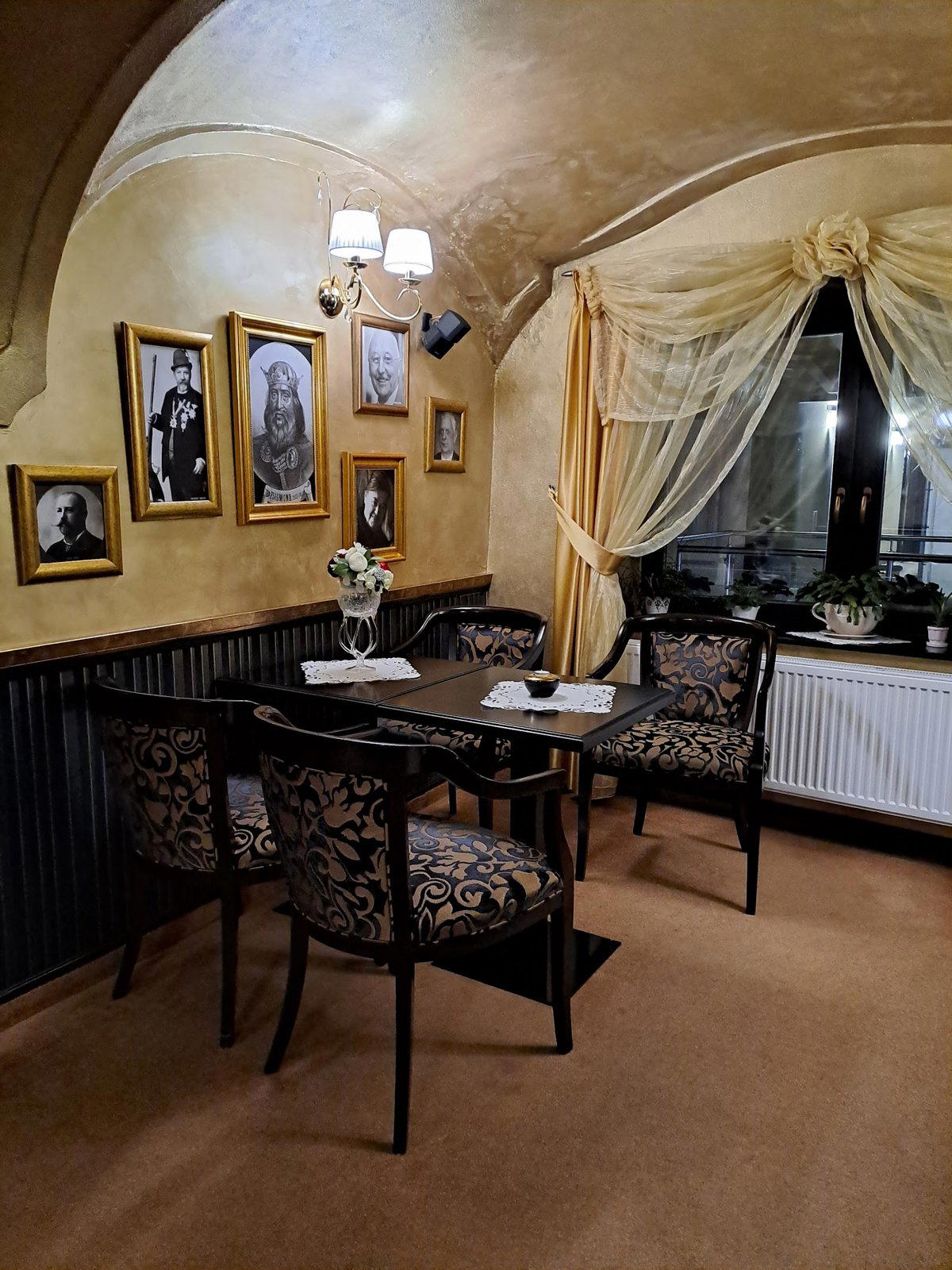
The physical environment of a koliba functions as an ingredient list made visible. Timber construction, animal pelts, rough ceramics, and cast iron are not decorative choices, they are the material culture of the same highland economy that produced the food. At Koliba Patria, the address on Štrbské Pleso's main strip places it within easy reach of the lake and the ski infrastructure that draws visitors from across Central Europe, particularly from Czech Republic, Poland, and Hungary. The dining room's register in this context is restorative rather than celebratory: the food is suited to people who have been outdoors at altitude and need something that measures up to that.
Slovak alpine cooking shares structural logic with other Carpathian highland cuisines. Heavy on dairy fat, slow-cooked proteins, and fermented elements, it is built for sustained cold-weather energy rather than delicacy. The halušky (small potato dumplings) dressed with bryndza and topped with smoked bacon that appears across Slovak menus is one direct expression of this: three local ingredients, each preserved or processed through traditional methods, combined into a dish that has survived because it works. Comparing it to other European alpine cuisines, the Austrian Käsespätzle or the Swiss raclette tradition, reveals a family resemblance in the logic of dairy and starch at altitude, even as the specific cheeses and techniques diverge. For diners visiting from outside Slovakia, this is a useful frame: the cooking is not exotic, but it is specific, and the specificity is the point.
Štrbské Pleso in the Slovak Dining Picture
The dining options in Štrbské Pleso split fairly cleanly between hotel restaurants attached to the resort properties and independent kolibas and casual spots. The Grand Restaurant and Reštaurácia Furkotka represent the hotel-anchored end of that range. Koliba Patria sits in the independent, tradition-rooted tier, alongside other koliba-format establishments that have made highland Slovak cooking their central concern. This is a different comparable set from the modern Slovak cooking emerging in Bratislava, where chefs are reinterpreting the same ingredient base through contemporary technique. In the High Tatras, the tradition holds more literally, and that is part of what visitors are seeking.
Across Slovakia, the koliba format appears in varying states of authenticity. KOLIBA na Vršku in Bytca represents the form in a lower-altitude, more accessible setting. Holotéch víška in Kosariska and Kaštieľ Čičmany in Cicmany extend the tradition into the country's rural interior. What distinguishes the High Tatras setting is the presence of a functioning alpine economy around it: active sheep farming, game hunting, and forest foraging remain economically relevant here in a way that is not always true in lowland Slovak contexts. The Slovak culinary scene more broadly, from Fatrabeef in Lubochna with its cattle-farming focus to the hotel dining of Hotel & Restaurant Gino Park Palace in Povazska Bystrica, increasingly foregrounds regional provenance, and the Tatras koliba sits within that national movement even as it predates it by decades.
Planning Your Visit
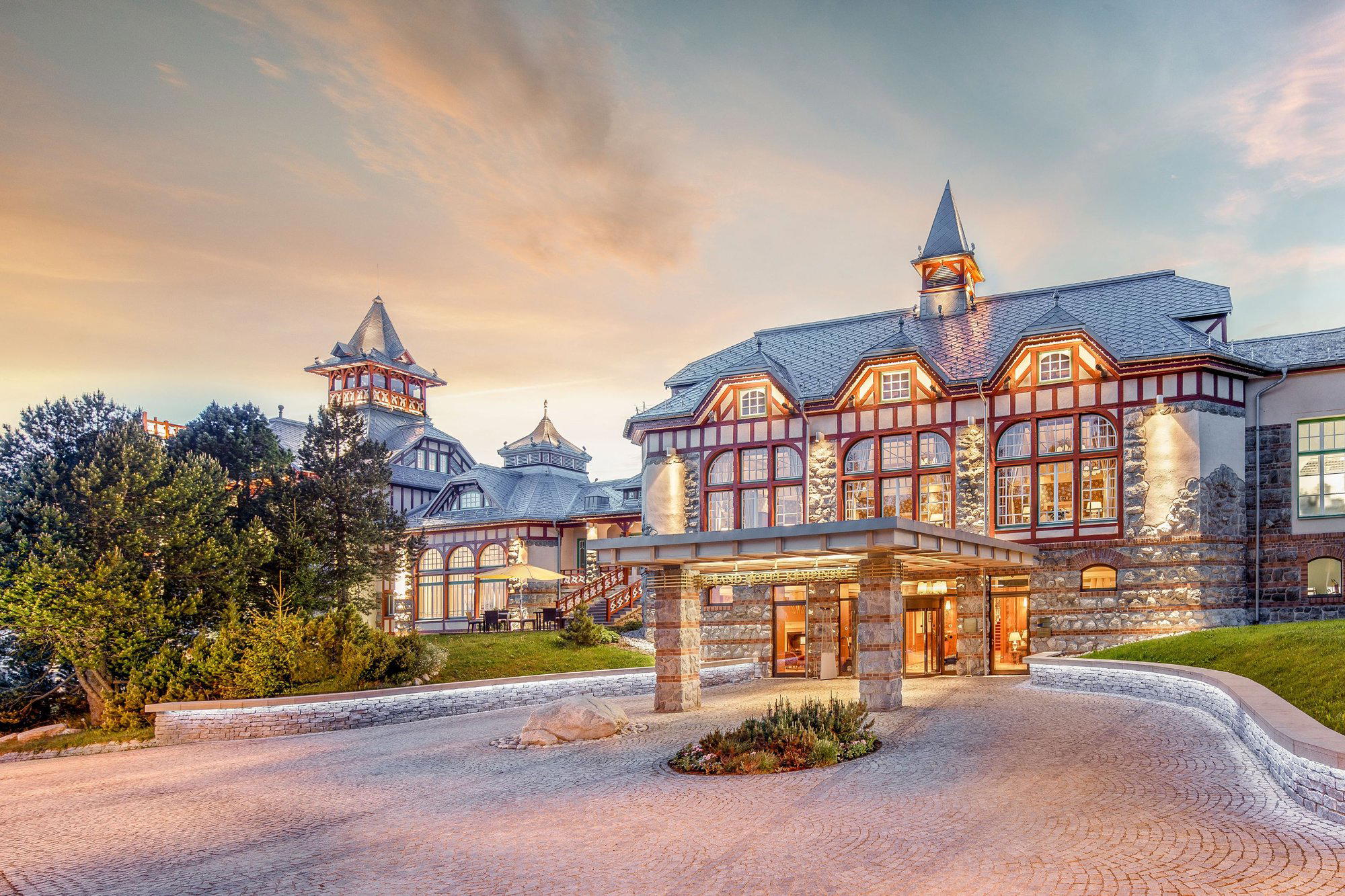
The resort is walkable once you arrive; the address at Štrbské Pleso 33 places the restaurant within the main resort cluster. Seasonal timing matters here: the High Tatras draw ski crowds from December through March, and summer hiking season from June through September brings a second wave. The koliba format tends to perform most coherently in winter, when the gap between outdoor cold and indoor warmth gives the food its proper context. For further dining options during a broader Slovak itinerary, Hotel and Restaurant Drak in Liptovsky Mikulas is a practical stop on the route between Poprad and Zilina, and Focus Restaurant in Zilina represents the more contemporary end of the regional picture.
In Context: Similar Options
Comparable venues nearby, for context on price, style, and recognition.
| Venue | Cuisine | Price | Notes |
|---|---|---|---|
| Koliba PatriaThis venue — the venue you are viewing | Traditional Slovak | $$ | Not listed |
| Reštaurácia Furkotka | Traditional Slovak & Central European | $$ | Strbske Pleso |
| Grand Restaurant | Modern European with Slovak Specialties | $$$ | Strbske Pleso |
| POETIKA bistro, coffee & wine | Modern Central European Bistro | $$ | Hlavná |
| Reštaurácia Poézia | Seasonal Central European | $$ | Hlavné námestie |
| Hotel and Restaurant Drak | Modern Central European | $$ | Demanova |
Continue exploring
More in Strbske Pleso
Restaurants in Strbske Pleso
Browse all →
Bars in Strbske Pleso
Browse all →
At a Glance
- Rustic
- Cozy
- Scenic
- Classic
- Family
- Casual Hangout
- Celebration
- Live Music
- Historic Building
- Mountain
- Waterfront
Current opening hours
- Monday
- 11:30 AM–9 PM
- Tuesday
- 11:30 AM–9 PM
- Wednesday
- 11:30 AM–9 PM
- Thursday
- 11:30 AM–9 PM
- Friday
- 11:30 AM–10:30 PM
- Saturday
- 11:30 AM–10:30 PM
- Sunday
- 11:30 AM–9 PM
Hours can change for holidays and private events. Last verified .
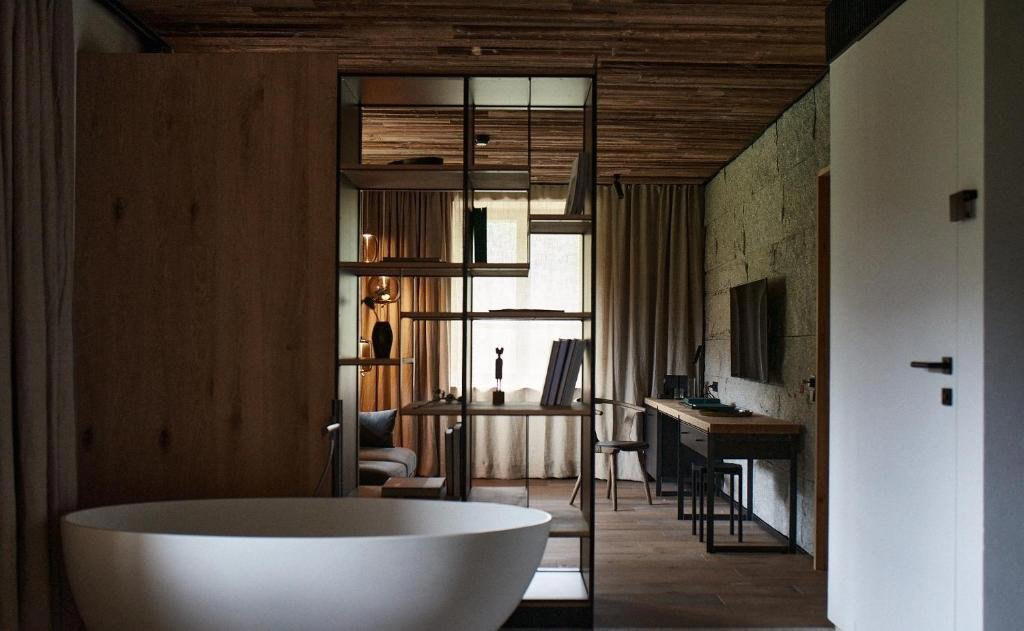
Warm rustic wooden interior with traditional folk music creating an atmospheric and welcoming dining experience.