Fatrabeef sits along Lipová alej in Ľubochňa, a valley town in the Veľká Fatra mountain range where cattle farming has shaped the local food culture for generations. The name signals a direct preoccupation with beef sourced from this highland corridor, placing it within a small cohort of Slovak restaurants built around a single, regionally defined protein. For visitors moving through central Slovakia's rural dining scene, it represents a deliberate rather than incidental engagement with local provenance.
Pearl is the En Primeur Club membership app — saves, bookings, and concierge access live there. Same editors, same standards.
- Address
- Lipová alej 253/2, 034 91 Ľubochňa, Slovakia
- Phone
- +421940600134
- Website
- fatrabeef.sk
- Directions
- Get directions
 Saves & bookings on Pearl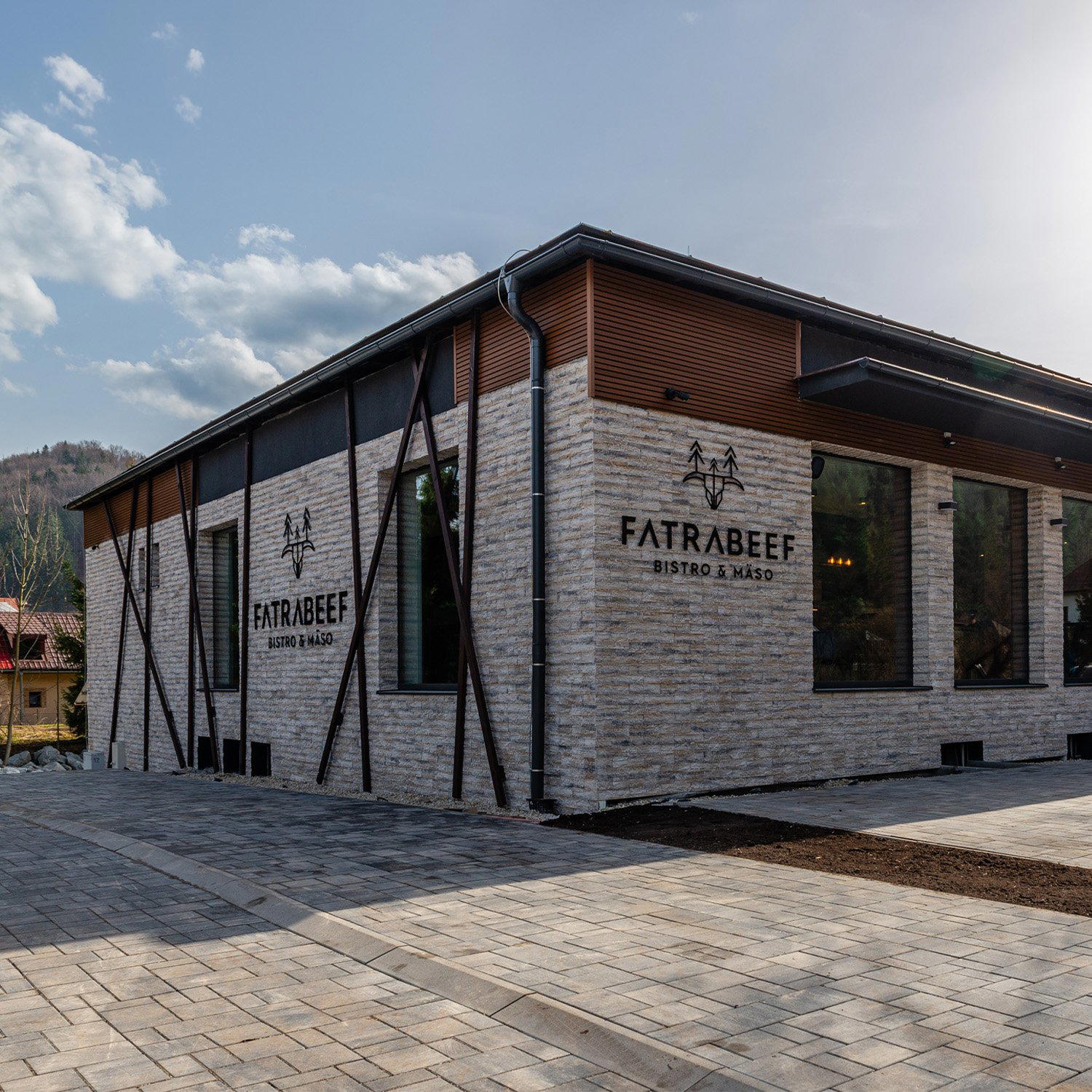
Beef, Mountains, and the Central Slovak Sourcing Tradition
Slovakia's mountain valleys have always shaped what ends up on the plate. The Veľká Fatra range, which frames Ľubochňa on three sides, is cattle country, the terrain too steep and the grazing too good for arable farming to dominate. Restaurants that take that geography seriously, rather than importing generic supply chains from lowland distributors, occupy a distinct position in the Slovak dining conversation. Fatrabeef is a Slovak steakhouse in Ľubochňa, Slovakia, Located at Lipová alej 253/2.
That kind of specificity matters in a country where traditional cooking is often discussed in broad national strokes, bryndzové halušky, kapustnica, roast duck, without acknowledging how dramatically ingredient quality shifts between a lowland industrial kitchen and a highland one with direct access to local farms. Ľubochňa sits in the Liptov region, a corridor that connects Žilina in the west to the Tatra foothills in the east, and whose food identity is still defined by pastoral rather than urban food logic. Venues in this corridor that lean into that identity rather than paper over it with generic European menus are worth attention.
The Sourcing Case for Highland Beef
Across central Europe, the argument for mountain-raised beef rests on pasture quality and animal movement. Cattle grazing at altitude on unimproved grassland produce meat with a different fat structure and a deeper mineral character than feedlot or intensively managed animals. In the Veľká Fatra context, where farms are smaller and the supply chain shorter, there is also a traceability argument: fewer hands between farm and kitchen means provenance is easier to verify and harder to fudge.
Slovak beef as a restaurant category has historically been undervalued compared to the country's game and pork traditions. The shift toward beef-led menus in provincial venues like those in the Liptov region reflects both rising domestic cattle quality and a broader Central European trend toward ingredient-first restaurant concepts. Compare this trajectory to what happened in Bratislava's modern Slovak scene, where venues like UFO in Bratislava have built identity around contemporary Slovak produce interpreted through a more urban lens. Fatrabeef's positioning is more direct, the name functions as sourcing disclosure as much as brand identity.
The same logic appears in other regional Slovak venues that have built their menus around a specific local ingredient or territory. Gašperov Mlyn in Batizovce operates within the traditional Slovak framework, using local products in a mill setting that makes the agricultural context visible. The sourcing philosophy at Fatrabeef occupies a similar position, the ingredient's origin is the starting point, not an afterthought.
Ľubochňa as a Dining Destination
Ľubochňa is not a city. It is a valley settlement of a few thousand residents, known primarily for its spa tradition and the surrounding national park trails. Dining venues in this kind of Slovak village typically serve one of two functions: they cater to local households and weekend hikers with direct Slovak cooking, or they make a deliberate attempt to anchor themselves to the landscape in a way that justifies a specific journey. Fatrabeef's name and address position it in the second category, which in a settlement this size requires a sharper editorial identity than a restaurant in Žilina or Banská Bystrica would need.
The Lipová alej address places it on a tree-lined avenue that is one of Ľubochňa's more recognizable thoroughfares, accessible from the main valley road. Visitors arriving from Žilina or from the direction of Ružomberok will find the valley easy to drive, the road through follows the Váh river corridor and remains clear outside of severe winter weather. For those combining the visit with a longer stay in the Liptov region, the proximity to Ružomberok, the Low Tatras, and the Veľká Fatra hiking trails makes Ľubochňa a natural staging point rather than a detour.
The regional dining circuit in central Slovakia rewards this kind of exploration. Alej Bojnice in Bojnice and Focus Restaurant in Žilina represent the more accessible, town-based end of the spectrum, while venues like Fatrabeef ask the traveller to go further for something more specific. That trade-off is familiar to anyone who has driven to a farmhouse restaurant in rural France or a valley trattoria in the Apennines, the distance is part of the value proposition.
Where Fatrabeef Sits in the Slovak Beef Conversation
Slovak cuisine is in the middle of a slow but real re-evaluation. Younger chefs and restaurateurs across the country are returning to regional ingredients after years of looking outward toward French, Italian, and pan-Asian references. Venues like ARTE in Svätý Jur and Origin in Lučenec represent this shift in different regional contexts. The beef-first approach at Fatrabeef is one variant of the same argument: that Slovak ingredients, when sourced at the right scale and treated with the right level of focus, do not need to be dressed up in international frameworks to hold their own.
That argument is easier to make credibly in Ľubochňa than it would be in a capital city setting. The proximity to the source is not just a logistical advantage, it is an editorial one. A restaurant named for its beef, in a mountain valley where that beef is raised, has a coherence that a similarly named concept in an urban food hall would struggle to replicate. The geography does the contextual work that a city restaurant would need a more elaborate narrative to achieve.
For comparison, the distance between farm-to-table as a marketing claim and farm-to-table as a structural reality is considerable. Slovak mountain venues that close this gap deserve attention from travellers who take sourcing seriously. Venues like Holotéch víška in Kosariska operate in a similar rural Slovak tradition, where the setting makes provenance claims more verifiable than they are in urban contexts. Further afield, the discipline with which venues like Lazy Bear in San Francisco have built around sourcing specificity shows what a committed ingredient-first framework can achieve at scale, the Slovak mountain equivalent works from the same premise, at a fraction of the price and complexity.
Planning a Visit
Ľubochňa is most accessible by car from Žilina (approximately 35 kilometres southeast via the E50/Route 18) or from Ružomberok to the east. The valley sits within the Veľká Fatra National Park boundary, making it a natural stop for anyone already planning time in the Liptov region. Fatrabeef is open Mon to Thu and Sun from 8 AM to 8 PM, and Fri to Sat from 8 AM to 9 PM; it is walk-in friendly. Venues in settlements of this scale in Slovakia often keep hours that reflect local demand rather than tourist schedules, and that is particularly worth bearing in mind for visits planned on weekdays or outside peak hiking season.
For travellers building a longer central Slovak itinerary, pairing a stop in Ľubochňa with visits to Grand Restaurant in Štrbské Pleso to the east, or combining it with a town dinner at Cafe Sissi in Trenčín to the west, creates a route that maps the Váh corridor's dining range from spa-town simplicity to small-city refinement.
Quick Comparison
Comparable venues nearby, for context on price, style, and recognition.
| Venue | Cuisine | Price | Notes |
|---|---|---|---|
| FatrabeefThis venue — the venue you are viewing | Slovak Steakhouse | $$ | Not listed |
| Muzika Restaurant | Steakhouse & International | $$ | Bojnice |
| Porkbelly Gastrohouse | American BBQ & Tex-Mex Gastrohouse | $$ | Žilina |
| KÚT12 | Italian and Mediterranean | $$ | Námestie SNP |
| PaB Kuszmannov bazár | Modern Slovak Central European | $$ | Tatranská Lomnica |
| Starý Biskupský Hostinec | Traditional Slovak Steakhouse | $$ | Park na Sihoti, Mestský park |
Continue exploring
More in Lubochna
At a Glance
- Rustic
- Cozy
- Family
- Casual Hangout
- Open Kitchen
- Local Sourcing
Current opening hours
- Monday
- 8 AM–8 PM
- Tuesday
- 8 AM–8 PM
- Wednesday
- 8 AM–8 PM
- Thursday
- 8 AM–8 PM
- Friday
- 8 AM–9 PM
- Saturday
- 8 AM–9 PM
- Sunday
- 8 AM–8 PM
Hours can change for holidays and private events. Last verified .
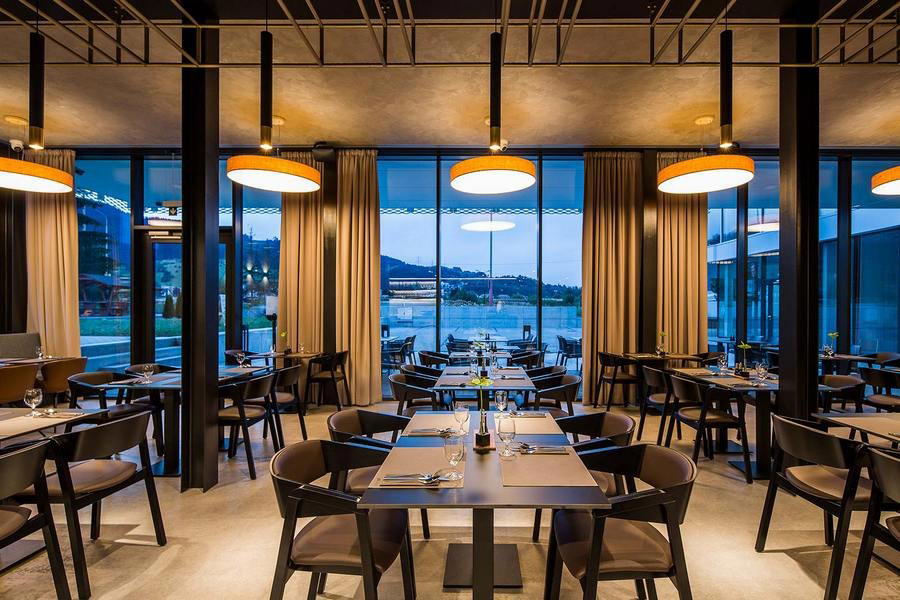
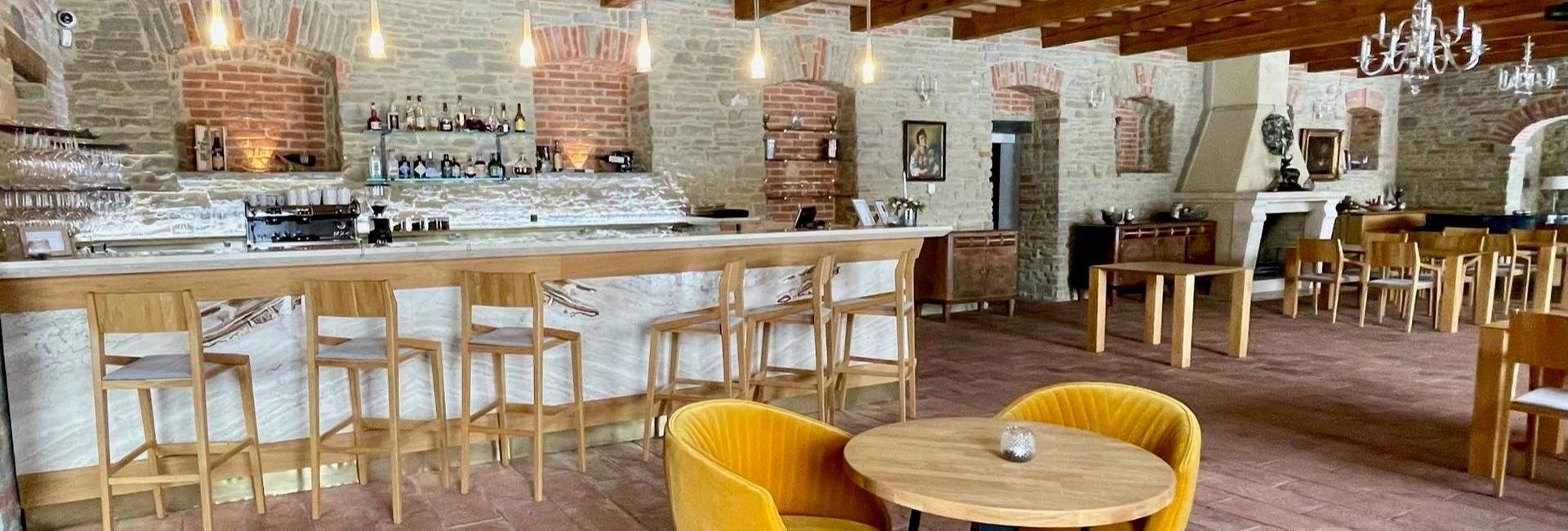
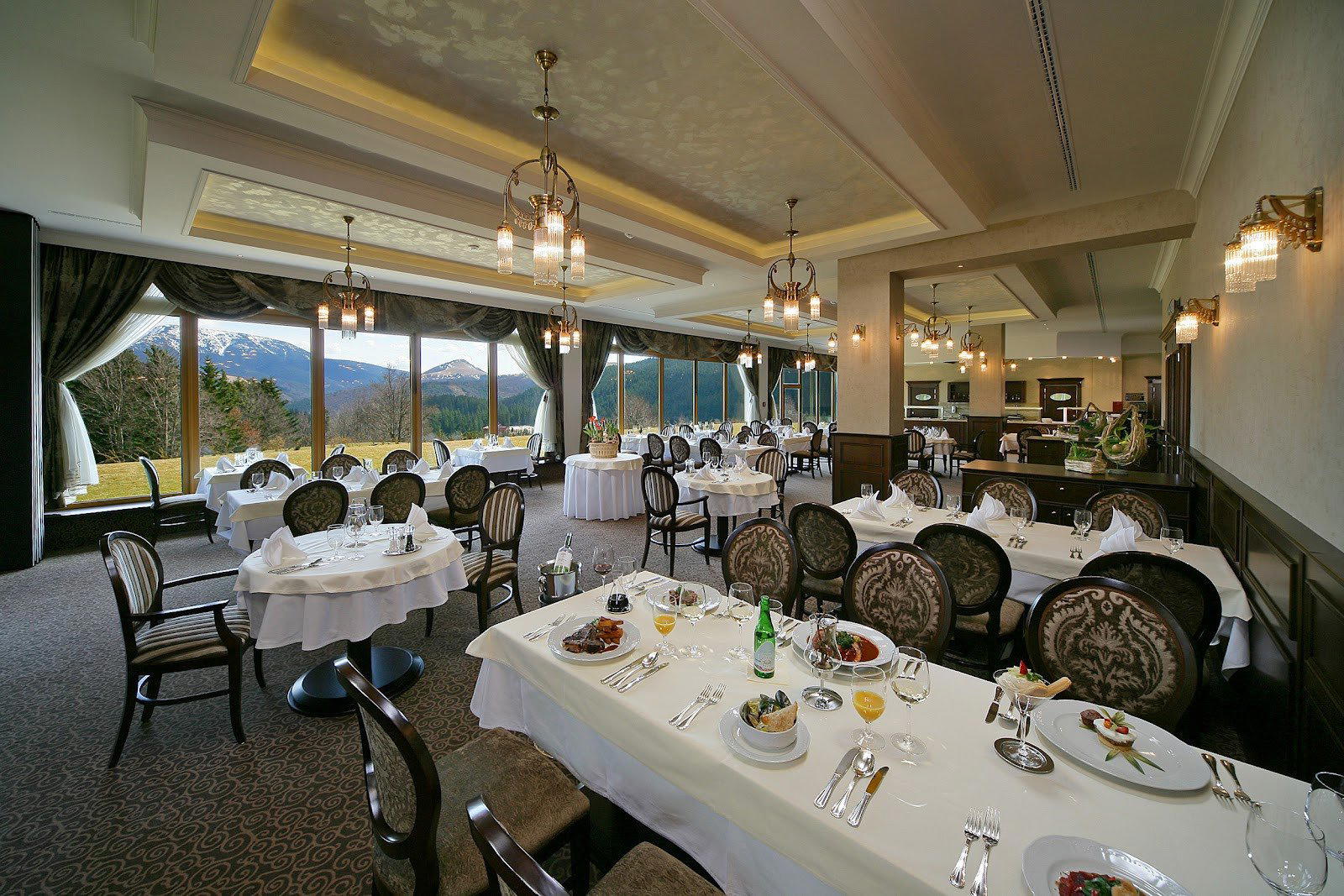
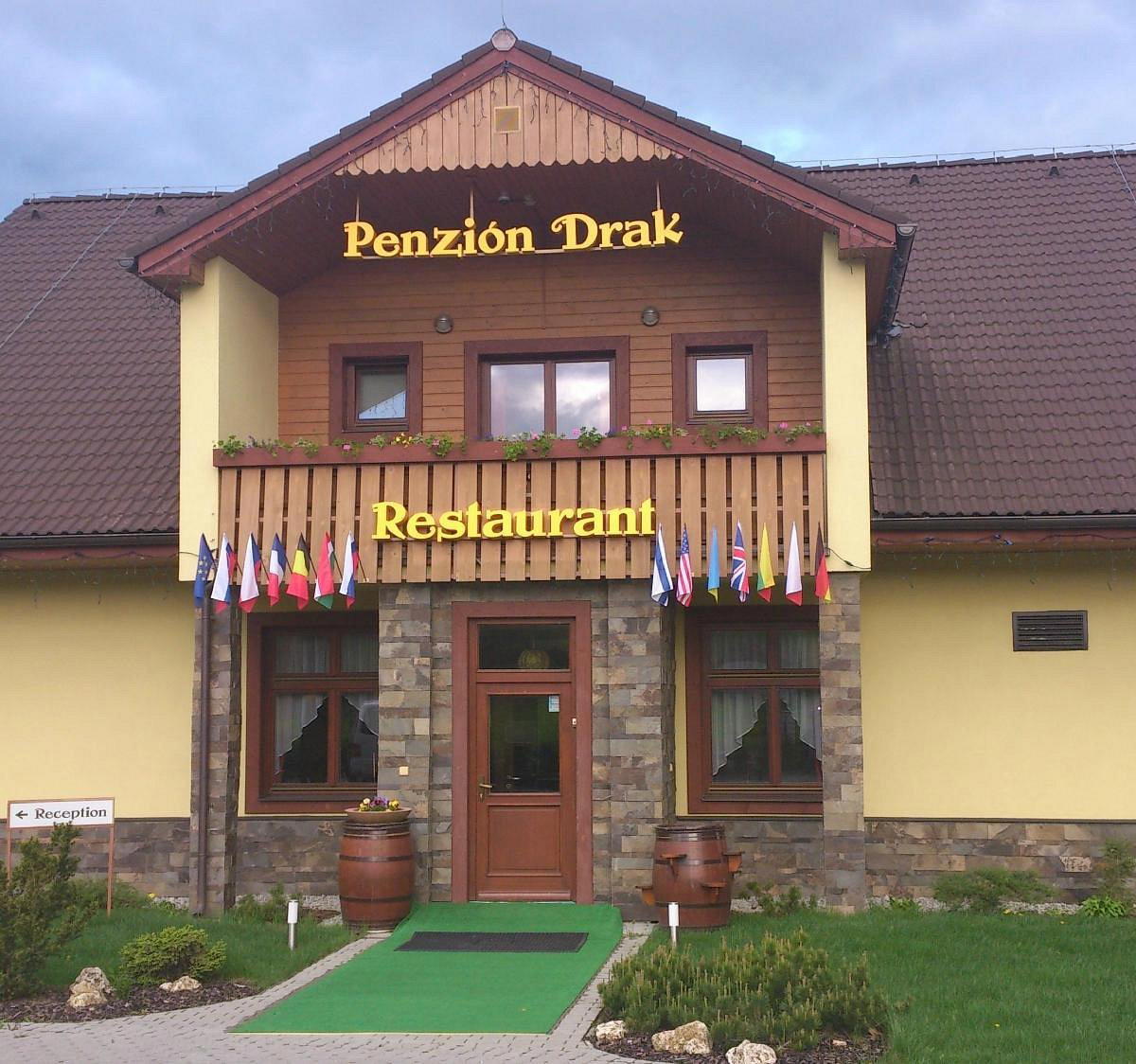
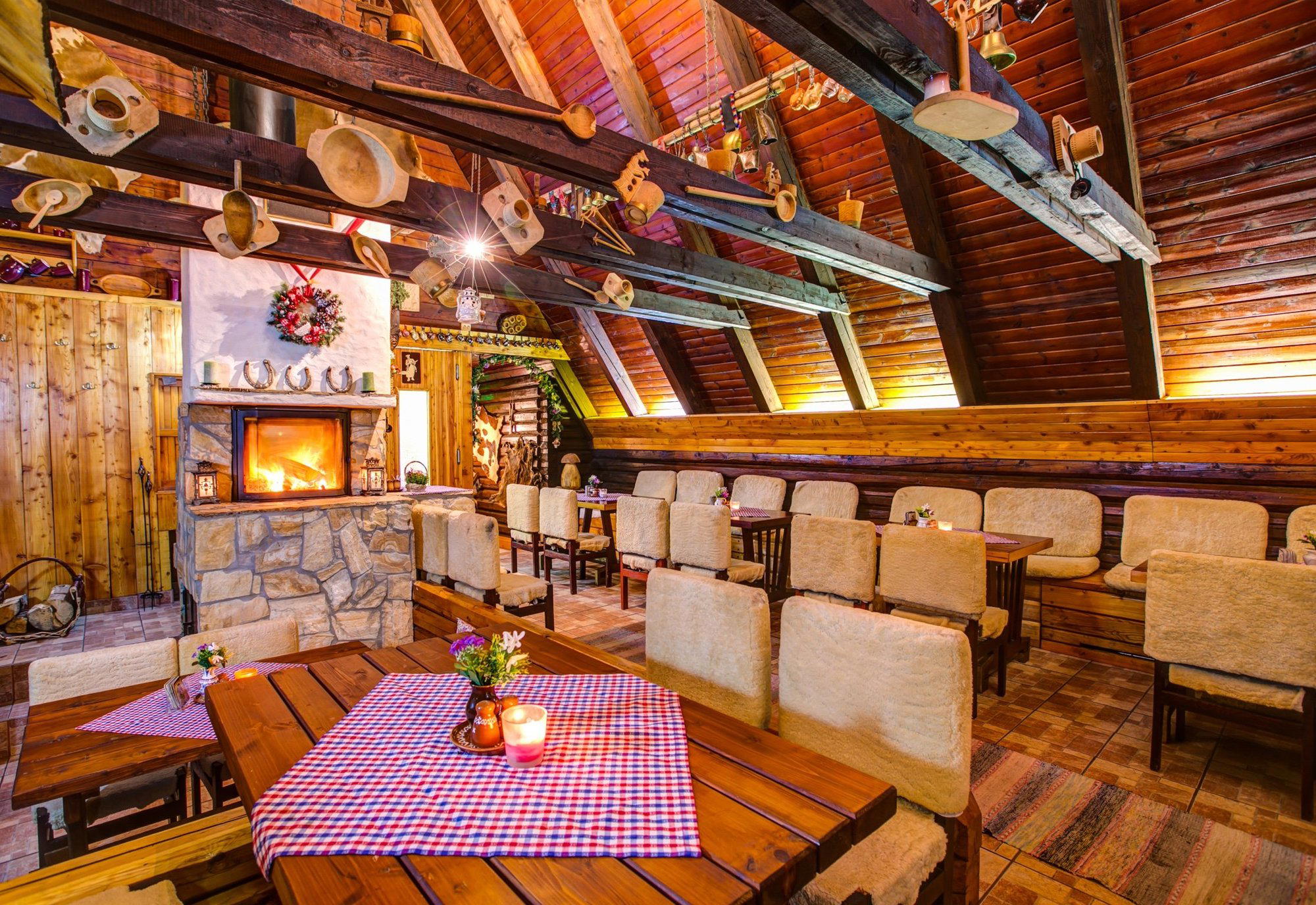
Cozy bistro atmosphere focused on quality meat dishes in a rural valley setting.