Waag
Waag serves Classic Dutch with French influences at Nieuwmarkt 4, with street scene views and Dutch croquettes for brunch, lunch, or dinner.
Pearl is the En Primeur Club membership app — saves, bookings, and concierge access live there. Same editors, same standards.
- Address
- Nieuwmarkt 4, 1012 CR Amsterdam, Netherlands
- Phone
- +31204227772
- Website
- indewaag.nl
- Directions
- Get directions
 Saves & bookings on Pearl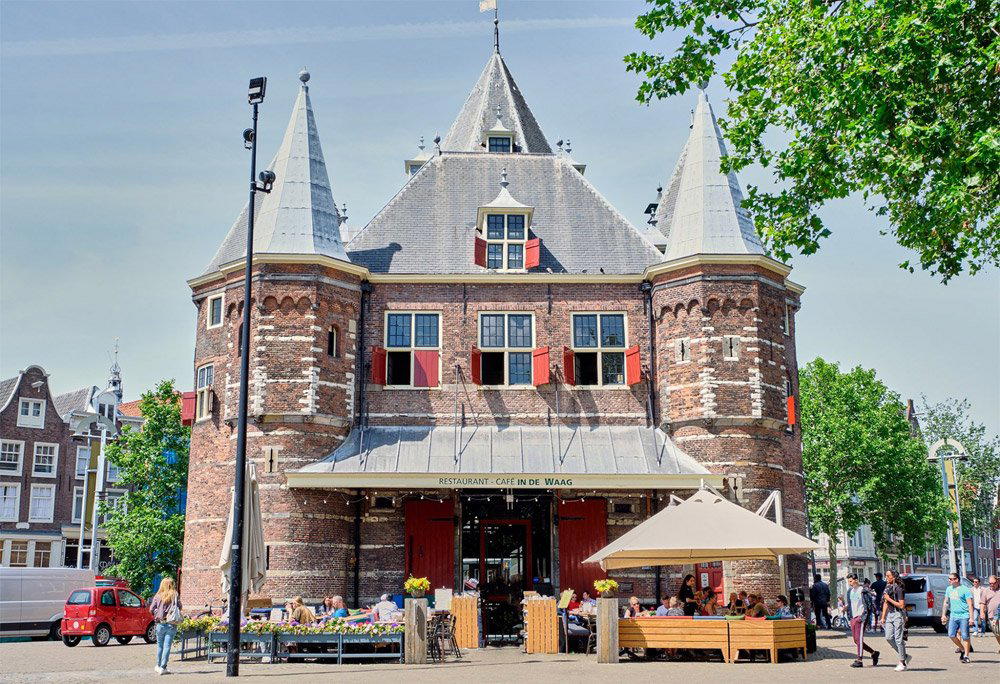
A Medieval Gatehouse on Nieuwmarkt Square
Nieuwmarkt is one of Amsterdam's most architecturally loaded public spaces, and the Waag building that anchors it has been accumulating history since the late fifteenth century. Originally constructed as a city gate in 1488, it later served as a weighing house, a guild hall for surgeons and blacksmiths, and the setting where Rembrandt's The Anatomy Lesson of Dr. Nicolaes Tulp was reportedly staged. The building now operates as a restaurant and bar occupying that same stone-vaulted interior, which means the physical environment does most of the scene-setting before a single dish arrives.
Few dining rooms in the Netherlands carry this density of civic memory. Amsterdam's premium restaurant tier, represented by venues like Ciel Bleu, Flore, Spectrum, and Vinkeles, tends to occupy purpose-built hotel spaces or carefully renovated canal-house interiors. Waag operates in a different register entirely: a civic monument that predates the Dutch Golden Age and has been repurposed for contemporary hospitality without erasing the layers underneath.
The Cultural Weight of the Building
The Waag's architectural history is not incidental to the dining experience; it is the experience's foundation. The guild system that once governed Amsterdam's trades operated from buildings exactly like this one, and the surgeons' hall on the upper floor still exists as a rentable event space. Dutch civic architecture of this period was built for permanence and public legibility, qualities that make the Waag building visually distinct from virtually every other hospitality venue in a city that otherwise specialises in handsome but narrow canal houses.
That context matters when placing Waag within the broader Amsterdam food scene. The city has developed a confident modern Dutch culinary identity over the past decade, with restaurant programs at venues like Bistro de la Mer drawing on North Sea produce and regional tradition. Waag's setting invites a similar conversation about place and provenance, rooting the dining experience in Amsterdam's mercantile and civic past rather than its contemporary design culture. That's a meaningful distinction in a city where the hospitality sector increasingly competes on interior aesthetics.
Across the Netherlands, restaurants that have built strong reputations often do so by marrying a specific sense of place with culinary ambition. De Librije in Zwolle operates from a former prison library. De Lindenhof in Giethoorn draws its identity from the waterland landscape surrounding it. De Bokkedoorns in Overveen anchors itself in the dune range of the North Holland coast. The Waag building gives its restaurant a comparable foundation: a physical address so specific and historically loaded that the venue cannot be mentally relocated to another city or neighbourhood without losing its entire meaning.
Nieuwmarkt and the Eastern Inner City
The square that surrounds the Waag is itself worth understanding as a neighbourhood anchor. Nieuwmarkt sits at the junction of several of Amsterdam's older districts, including the former Jewish Quarter and the edge of the medieval city centre, and the square functions as a genuine local hub rather than a tourist corridor. Weekend markets, neighbourhood cafes, and everyday foot traffic give it a different rhythm from the Leidseplein or Rembrandtplein entertainment zones, and that character extends to the hospitality venues that operate here.
Visitors approaching from Centraal Station will pass through the Zeedijk and Chinatown area, one of the city's more compressed multicultural zones, before emerging onto Nieuwmarkt's open cobblestones. The contrast between that corridor and the square's relative openness is immediate. The Waag building sits on the square's western edge, large enough to read as a landmark from any approach, its turreted stone mass occupying space that most Amsterdam buildings refuse to take up. Practically speaking, the venue is walkable from most central accommodation and sits on tram and metro routes connecting to the broader city, making it direct to reach from areas like the Jordaan or De Pijp.
Placing Waag in the Wider Dutch Dining Picture
Amsterdam's restaurant scene extends well into its surrounding region, and understanding that geography helps calibrate where a venue like Waag sits. The city itself hosts several Michelin-recognised addresses, while the wider Netherlands carries a disproportionately dense concentration of high-achieving restaurants relative to its size. Aan de Poel in Amstelveen, a short distance south of the city, represents the kind of suburban fine dining that draws Amsterdam diners outward. Further afield, Brut172 in Reijmerstok, De Nieuwe Winkel in Nijmegen, De Groene Lantaarn in Staphorst, De Lindehof in Nuenen, De Treeswijkhoeve in Waalre, and 't Nonnetje in Harderwijk form part of a national landscape where culinary ambition is distributed across smaller cities and towns, not concentrated in Amsterdam alone.
Within the capital itself, the dining tier that Waag occupies is closer to accessible neighbourhood dining than to the tasting-menu-only format favoured by Amsterdam's Michelin-decorated rooms. That positioning makes it a relevant recommendation for travellers who want historical atmosphere and a genuinely local setting without committing to a four-hour multi-course format.
Planning a Visit
The Waag building at Nieuwmarkt 4 is a fixed landmark on a navigable public square, so arrival is never complicated. The venue is reachable by Metro Line 51, 53, or 54 to Nieuwmarkt station, which puts it directly on the square. Current booking details, hours, and pricing are best confirmed directly via the venue before visiting. Given the building's prominence and the square's activity levels, the atmosphere on a busy weekend evening will differ considerably from a quieter midweek lunch, and that distinction is worth factoring into timing if atmosphere is a priority.
Budget Reality Check
Comparable venues nearby, for context on price, style, and recognition.
| Venue | Cuisine | Price | Notes |
|---|---|---|---|
| WaagThis venue — the venue you are viewing | Not listed | $$ | Not listed |
| Canvas | Not listed | $$ | Weesperzijde Midden/Zuid, Dutch & International Rooftop |
| Wijmpje Beukers | Not listed | $$ | Van der Helstpleinbuurt, Modern Dutch Eetcafé |
| Box Sociaal | Not listed | $$ | Plantage, Modern Australian Brunch & Gastropub |
| Tokyo Ramen Takeichi | Van Loonbuurt, Authentic Japanese Ramen | $$ | Not listed |
| Restaurant Envy | Not listed | $$ | Felix Meritisbuurt, Modern European Small Plates |
Continue exploring
More in Amsterdam
Restaurants in Amsterdam
Browse all →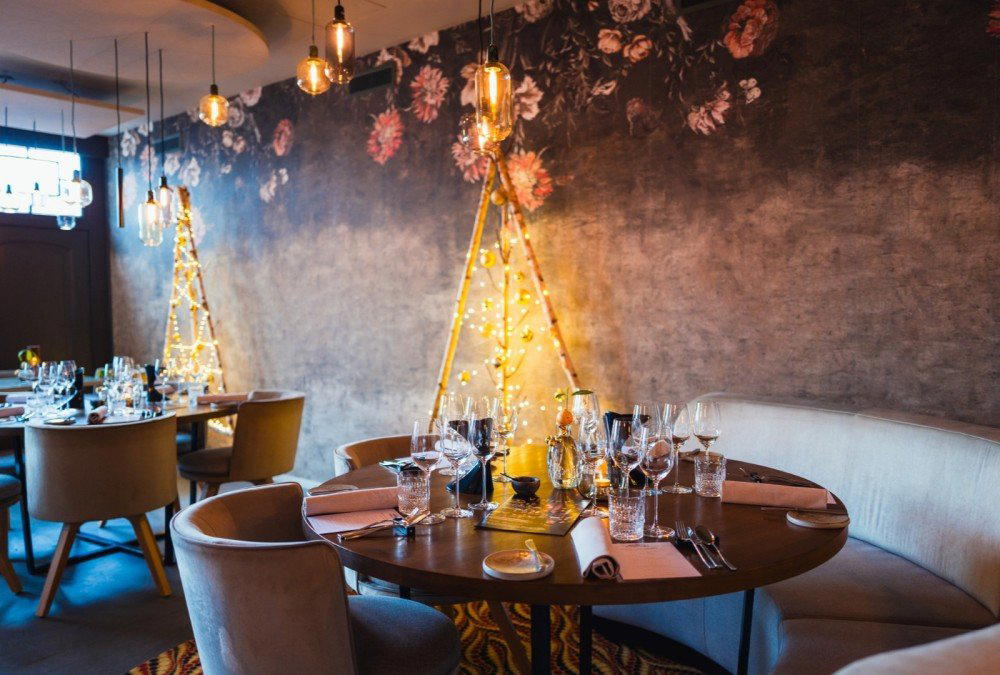
Bars in Amsterdam
Browse all →
Hotels in Amsterdam
Browse all →
Wineries in Amsterdam
Browse all →
At a Glance
- Romantic
- Historic
- Cozy
- Well Known
- Date Night
- Special Occasion
- Historic Building
- Terrace
- Private Dining
- Street Scene
Current opening hours
- Monday
- 11 AM–10 PM
- Tuesday
- 11 AM–10 PM
- Wednesday
- 11 AM–10 PM
- Thursday
- 11 AM–10 PM
- Friday
- 11 AM–10 PM
- Saturday
- 11 AM–10 PM
- Sunday
- 11 AM–10 PM
Hours can change for holidays and private events. Last verified .
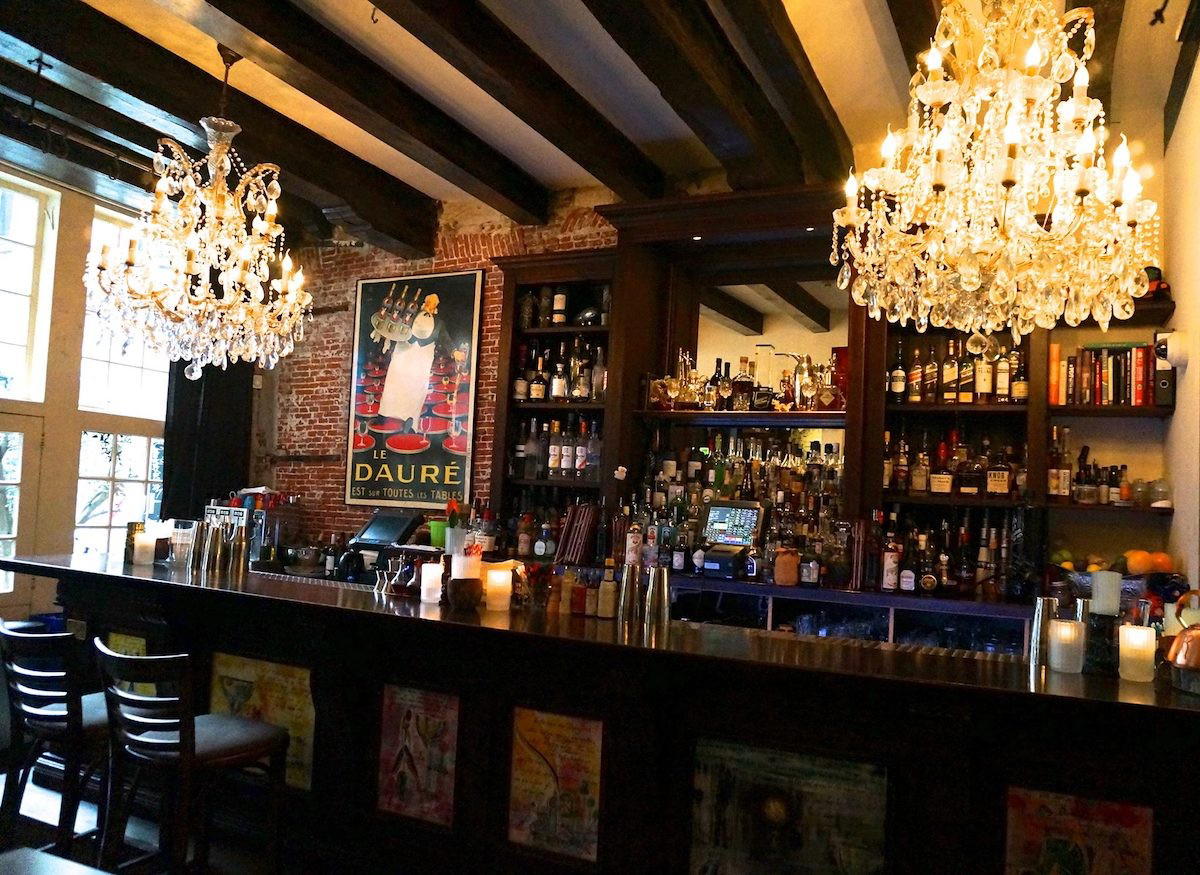
Romantic atmosphere illuminated by 300 real candles in large chandeliers, blending historic charm with warmth in a monumental setting.