Wijmpje Beukers
Our verdict
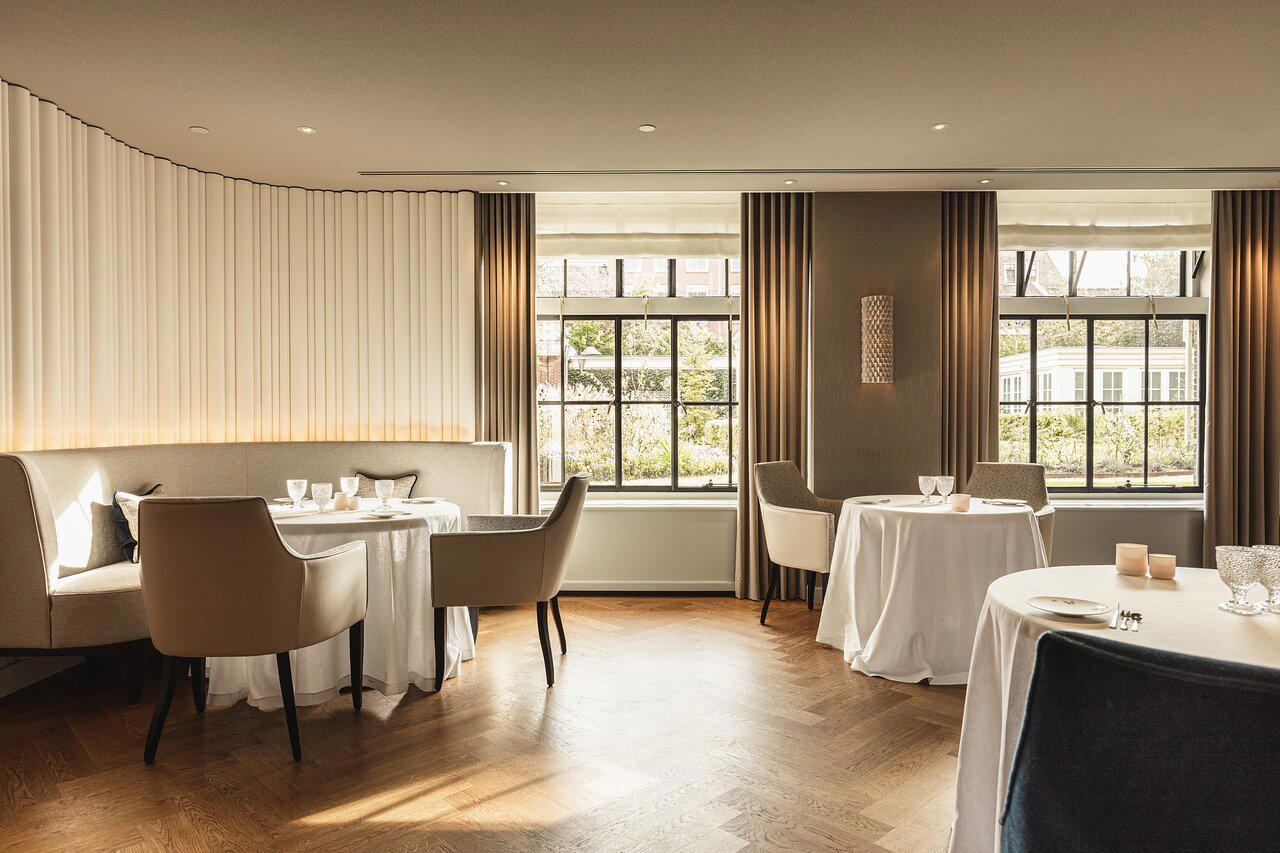
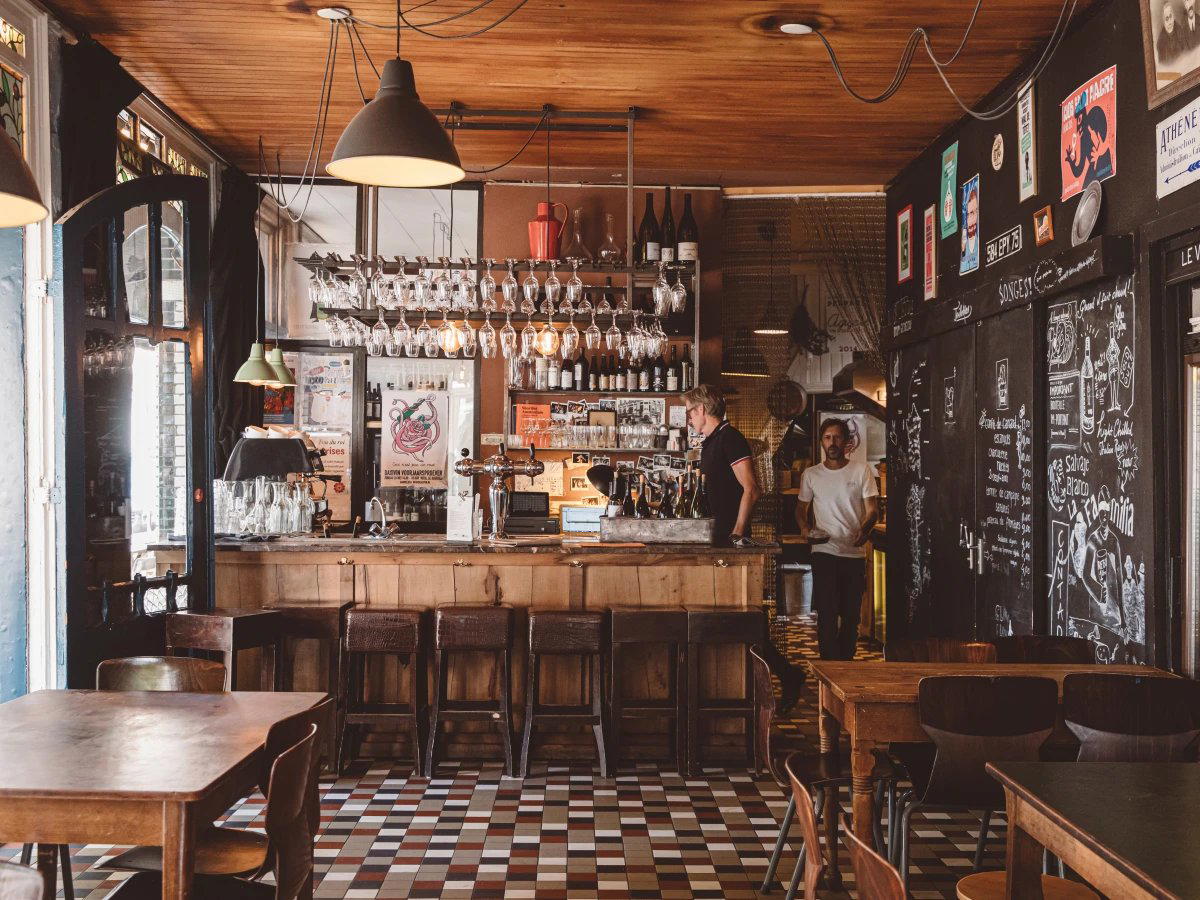
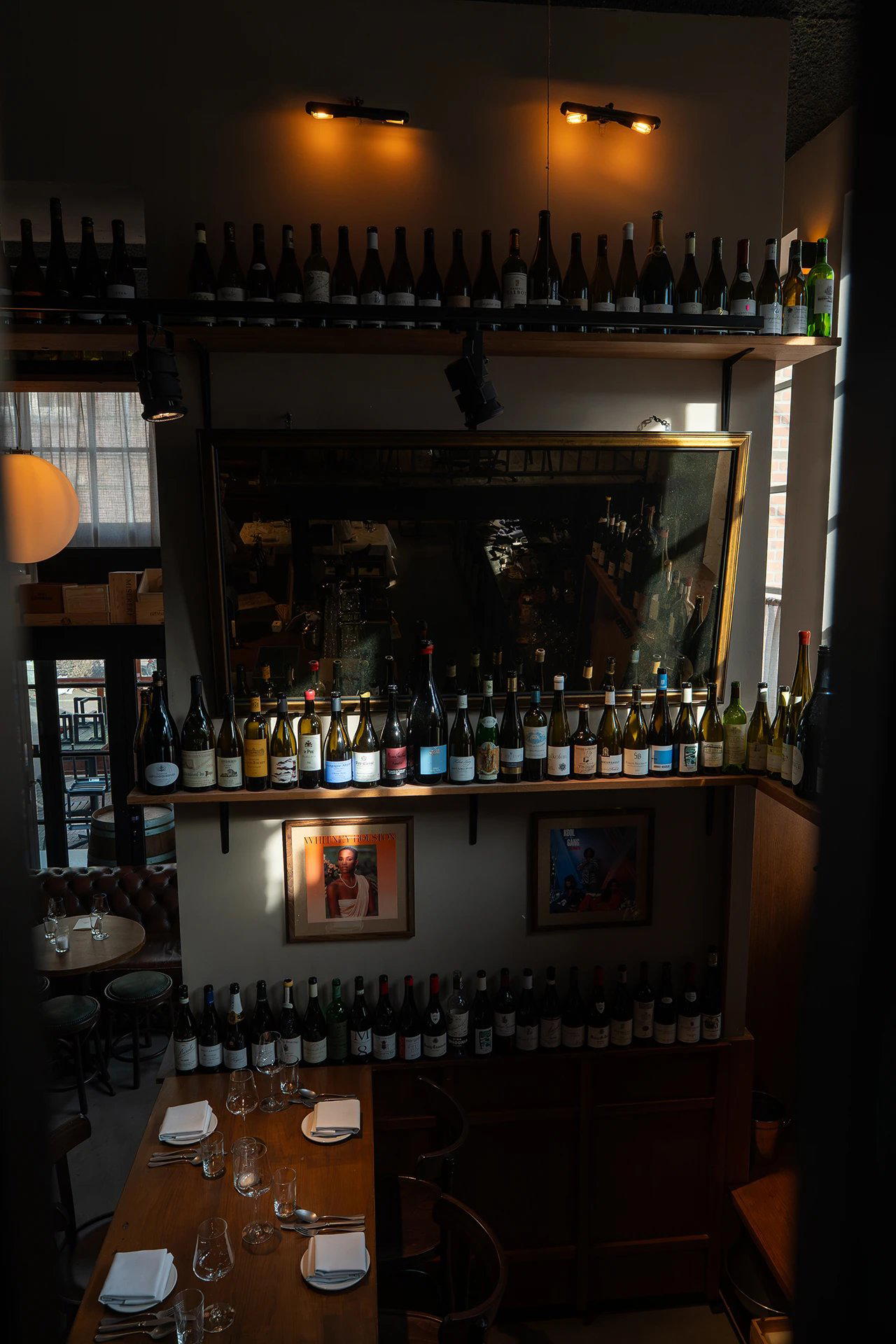
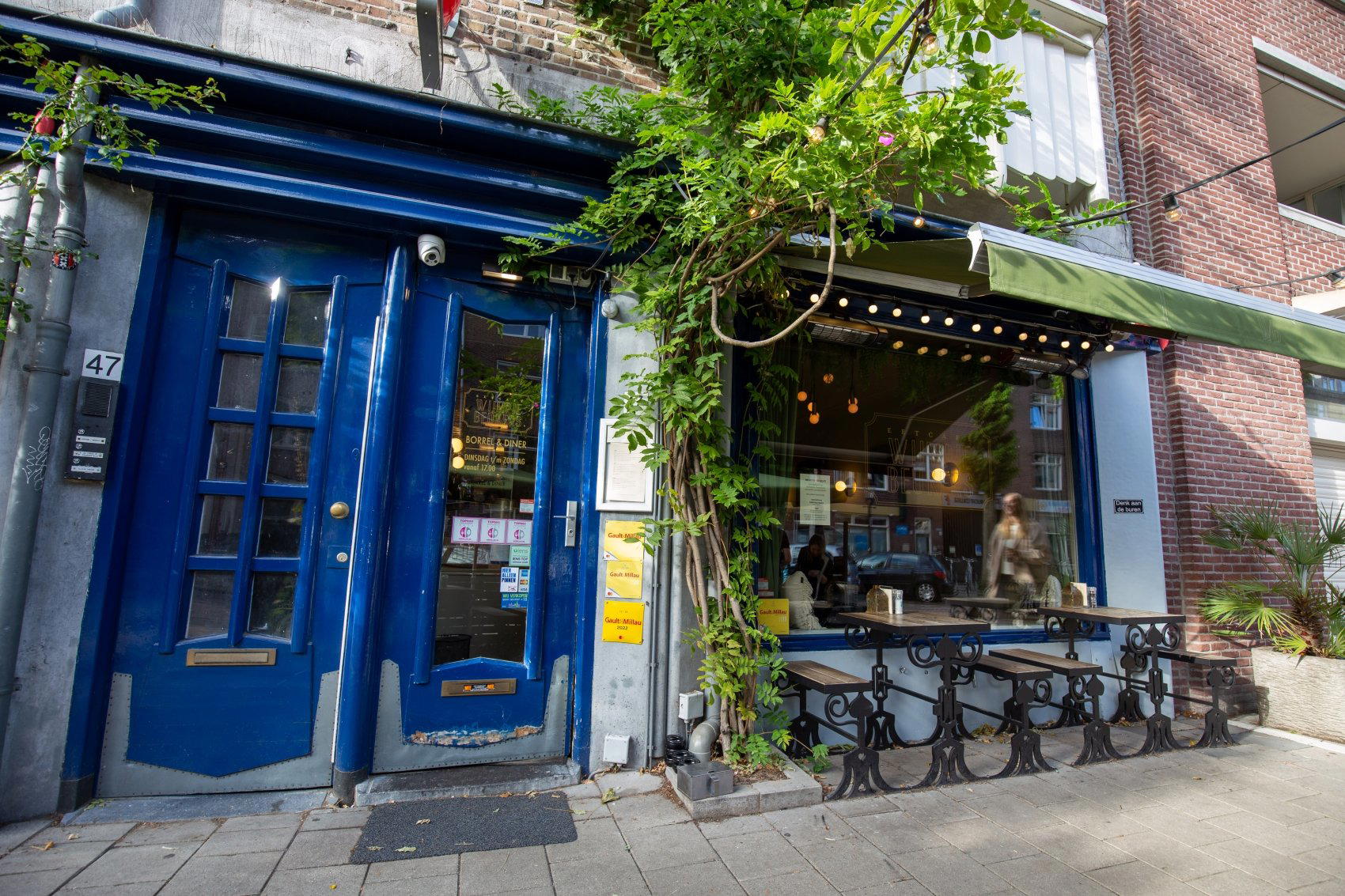
On a quiet residential stretch of De Pijp, Wijmpje Beukers sits at a remove from Amsterdam's more publicised dining circuits. The address on Karel du Jardinstraat places it in a neighbourhood better known for daily-market culture than formal dining, which shapes both the clientele and the register of the cooking. For the Amsterdam dining scene, that positioning is itself an editorial statement.

Pearl is the En Primeur Club membership app — saves, bookings, and concierge access live there. Same editors, same standards.
The menu
What to order
- Espresso martini
- Pastrami met zuurkool
- Zeebaars met polenta
De Pijp and the Case for Neighbourhood Dining
Amsterdam's fine-dining conversation tends to concentrate along a familiar axis: the canal-side institutions, the hotel restaurants attached to international brands, the addresses that collect awards and appear in the same shortlists year after year. Ciel Bleu, Flore, Spectrum, and Vinkeles occupy that upper tier, pricing against each other and drawing from the same international-visitor pool. Wijmpje Beukers, located at Karel du Jardinstraat 47 in De Pijp, operates on a different logic entirely. The neighbourhood itself sets the terms: De Pijp is one of Amsterdam's densest and most mixed quartiers, anchored by the Albert Cuyp market and a street-level food culture that runs from Indonesian snack shops to French-inflected bistros. A restaurant that opens here is making a statement about who it wants to feed and how.
That positioning matters when thinking about menu architecture. Restaurants that anchor themselves in residential neighbourhoods rather than tourist circuits tend to build menus with repeat visitors in mind. The menu has to sustain a relationship, not just deliver a one-time impression. This creates a different kind of discipline than the tasting-menu format common at Amsterdam's Michelin-starred tier, where the kitchen controls the sequence entirely. At neighbourhood level, the challenge is range: offering enough variety that a guest returning monthly finds reason to keep coming back, while maintaining enough coherence that the menu reads as a point of view rather than a crowd-pleasing list.
Where Wijmpje Beukers Sits in the Amsterdam Dining Structure
Amsterdam's mid-tier restaurant scene has grown considerably more sophisticated in the past decade. The gap between a casual brown café and a full tasting-menu experience now contains a range of formats that didn't exist in the same density ten years ago: natural wine bars with serious kitchens, farm-table operators such as Bistro de la Mer working classic seafood traditions, and neighbourhood-driven spots that resist easy categorisation. Wijmpje Beukers occupies that middle ground in De Pijp, which has its own internal hierarchy distinct from the Jordaan or the Canal Ring.
The Dutch dining scene more broadly has invested heavily in regional identity over the past several years. Restaurants such as De Librije in Zwolle and 't Nonnetje in Harderwijk have built reputations on hyper-local sourcing and craft-forward cooking that translates regional produce into high-concept plates. Closer to Amsterdam, Aan de Poel in Amstelveen represents the suburban fine-dining model, where destination intent compensates for the absence of city-centre foot traffic. What De Pijp offers is different again: built-in community density, a market-driven supply culture just steps away at the Albert Cuyp, and a diner base that is more likely to be Amsterdam residents than hotel guests.
Reading a Menu as Architecture
Menu structure is one of the more revealing things a restaurant publishes. Whether a kitchen organises by ingredient, by temperature, by cooking method, or by geography tells you a great deal about where its intellectual priorities lie. The Dutch restaurant scene has moved in several directions simultaneously: some kitchens, like De Nieuwe Winkel in Nijmegen, have built entirely plant-forward frameworks that use menu sequence to argue a philosophical position. Others, like Brut172 in Reijmerstok and De Bokkedoorns in Overveen, use the tasting format to anchor a single authorial vision, course by course. The à la carte format, by contrast, asks the kitchen to defend every dish individually and trusts the diner to construct their own experience. Both require discipline; they just distribute the editorial control differently.
For reference, New York's Le Bernardin has long demonstrated how a strict menu architecture organised around a single ingredient category can sustain a restaurant at the very leading of its field for decades. The discipline of the format becomes the identity. At the other end of the spectrum, Atomix in New York City uses a card-based tasting format to control not just sequence but context, turning menu presentation into part of the dining experience. Dutch kitchens such as De Groene Lantaarn in Staphorst, De Lindehof in Nuenen, and De Treeswijkhoeve in Waalre show how regional Dutch fine dining interprets these questions within a specifically Dutch set of seasonal and cultural constraints, while De Lindenhof in Giethoorn proves that ambitious cooking does not require an urban postcode to find a committed audience.
Practical Details for Planning a Visit
Wijmpje Beukers is at Karel du Jardinstraat 47, 1073 TB Amsterdam, in the heart of De Pijp. The address is walkable from the Albert Cuyp market and well-served by tram routes connecting to the wider city. De Pijp restaurants at this level of local reputation tend to fill early on weekends, so mid-week visits or early sittings on Friday typically offer the smoothest experience. For context on how Wijmpje Beukers fits within Amsterdam's broader restaurant offer, our full Amsterdam restaurants guide maps the city's dining districts and price tiers in detail.
Frequently asked questions
Can I bring kids to Wijmpje Beukers?
De Pijp is one of Amsterdam's more family-integrated neighbourhoods, and Karel du Jardinstraat sits within easy walking distance of the Albert Cuyp market, an area that sees families throughout the week. Restaurants in this part of the city tend to reflect the local demographic rather than enforce a formal-dining gate. Calling ahead to confirm seating arrangements is always sensible for groups with young children.
Is Wijmpje Beukers better for a quiet night or a lively one?
De Pijp runs warmer than quieter Amsterdam quarters like the Jordaan, particularly from Thursday through Saturday when the neighbourhood's concentration of bars and restaurants pulls foot traffic well into the evening. Karel du Jardinstraat 47 places Wijmpje Beukers close to that energy without sitting on the loudest stretches. Midweek visits will give you more room and a slower pace.
Is Wijmpje Beukers in De Pijp easy to reach by public transport from central Amsterdam?
Karel du Jardinstraat 47 sits in the heart of De Pijp, a district well-connected to central Amsterdam by tram. The Albert Cuyp market area is a short ride from the city centre, making Wijmpje Beukers accessible without requiring a taxi or pre-arranged transfer. The neighbourhood is also compact enough to walk from nearby metro stops.
What should I order at Wijmpje Beukers?
The practical approach is to ask staff on arrival what has come in that week, particularly given the neighbourhood's proximity to the Albert Cuyp market, which supplies many local kitchens. Checking the restaurant's current online presence before visiting will give you the clearest picture.
The Essentials
Comparable venues nearby, for context on price, style, and recognition.
| Venue | Cuisine | Price | Notes |
|---|---|---|---|
| Wijmpje BeukersThis venue — the venue you are viewing | Modern Dutch Eetcafé | $30–50 | Not listed |
| Waag | Classic Dutch with French influences | $30–50 | Burgwallen Oost, Classic Dutch with French influences |
| Olofspoort | Dutch Tasting Room | Not listed | Stationsplein e.o., Dutch Tasting Room |
| 湖南常德牛肉粉 | Hunan Changde Beef Noodle Soup | $20–30 | 市中心/达姆广场, Hunan Changde Beef Noodle Soup |
| DIM SUM NOW | Dim Sum | Not listed | Frans Halsbuurt, Dim Sum |
| The Pancake Bakery | Traditional Dutch Pancakes | $10–20 | Leliegracht e.o., Traditional Dutch Pancakes |