Tokyo Ramen Takeichi
Amsterdam's ramen scene has matured considerably, and Tokyo Ramen Takeichi on Vijzelstraat sits within a city now accustomed to Japanese noodle formats that go well beyond the supermarket packet. The address places it at the edge of the canal belt, within walking distance of the Rijksmuseum quarter, making it a practical stop for anyone moving between the museum district and the city centre.
Pearl is the En Primeur Club membership app — saves, bookings, and concierge access live there. Same editors, same standards.
- Address
- Vijzelstraat 135, 1017 HJ Amsterdam, Netherlands
- Phone
- +31 20 752 0229
- Website
- takeichi-ramen.eu
- Directions
- Get directions
 Saves & bookings on Pearl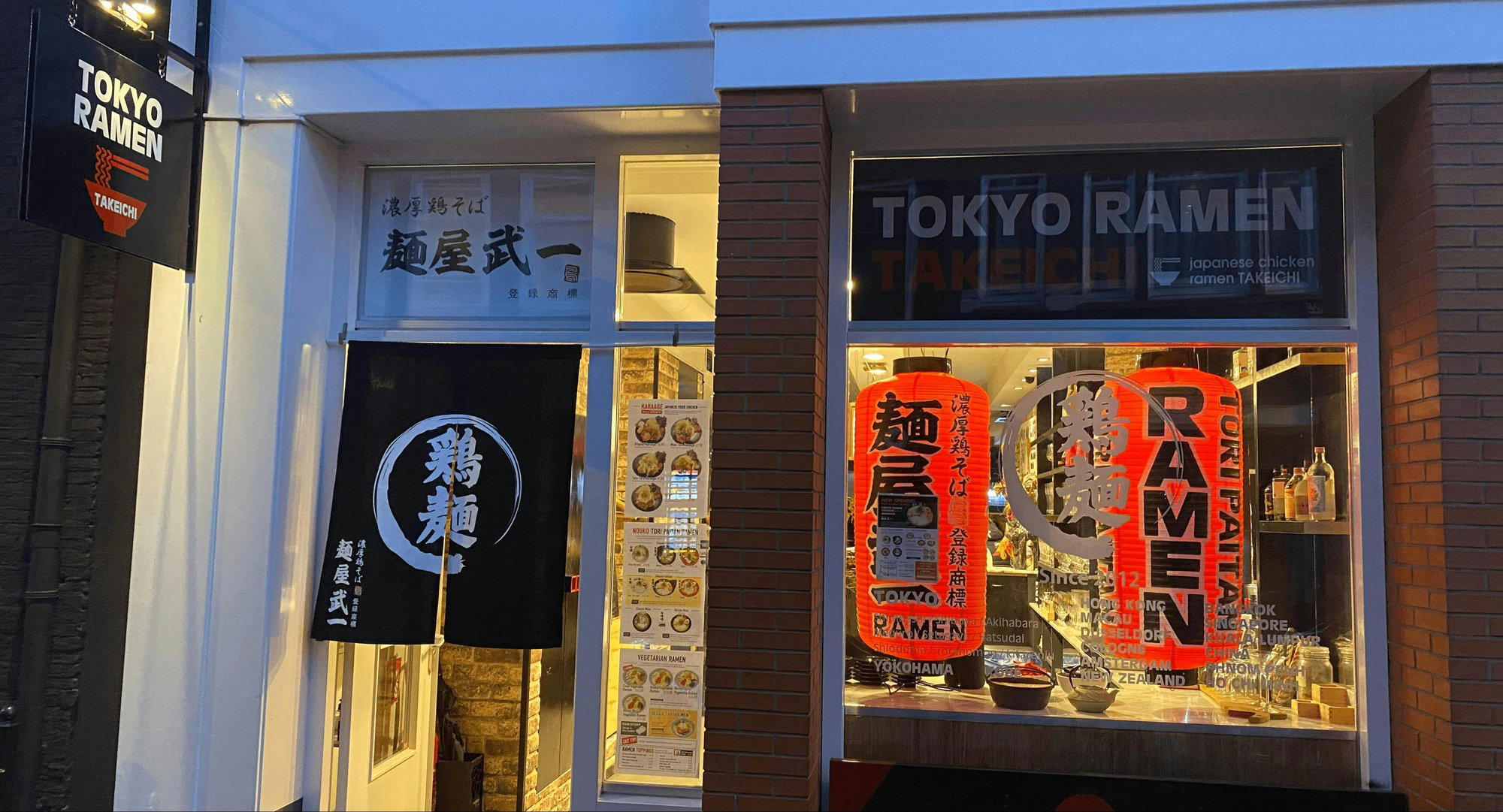
Amsterdam's Japanese Noodle Moment, and Where Takeichi Fits
Tokyo Ramen Takeichi is a casual Japanese restaurant in Amsterdam serving authentic ramen at about $20 per person. For years, Amsterdam's Japanese dining options once clustered around sushi and teppanyaki formats aimed at the city's well-travelled professional class. The noodle bowl took longer to find its footing, partly because the format demands a level of operational discipline, broth management, noodle texture, topping consistency at volume, that is harder to fake than a competent sashimi plate. By the time Tokyo Ramen Takeichi opened on Vijzelstraat, the city had already started to develop a more educated ramen audience, shaped in part by Amsterdammers returning from Tokyo, Osaka, and London with a clearer sense of what a properly constructed bowl looks like.
That address on Vijzelstraat 135 is worth noting. The street runs through one of the denser commercial corridors of the canal belt, connecting the Heineken neighbourhood to the south with the Rembrandtplein area to the north. It is not a street associated with destination dining in the way that the Jordaan or the De Pijp are, but it functions as a high-traffic artery with a broad mix of visitors and locals. For a ramen format, that footfall profile is more useful than a curated neighbourhood reputation. Ramen in Japan is lunch and late-night food, democratic by design, and a central arterial address fits the format's logic better than a quiet canal-side setting would.
How the Format Has Shifted Since Opening
The evolution of ramen venues in Amsterdam over the past decade tracks a broader pattern visible in cities across Europe. Early entrants typically offered a compressed menu, one or two broth styles, limited toppings, an add-on beer list, designed to minimise risk while testing whether local demand existed. As the category proved viable, operators began differentiating on broth specificity: tonkotsu versus shoyu versus shio versus miso, each with regional Japanese associations that the growing ramen-literate segment of the market recognised and sought out.
Tokyo Ramen Takeichi's positioning within this arc is indicated by the name itself. The "Tokyo" prefix signals a stylistic commitment to the ramen traditions associated with the capital rather than the richer, pork-heavy Fukuoka styles that many European operators defaulted to first, because tonkotsu's intensity tends to read well to audiences unfamiliar with regional Japanese variation. Tokyo-style ramen, typically a clearer, soy-forward broth with a lighter, more layered finish, is a more demanding proposition for an operator, because the subtlety of the flavour profile leaves less room for compensating with intensity. It also signals a specific positioning choice: this is a venue that has committed to a regional Japanese identity rather than a pan-ramen generic.
Amsterdam's dining scene, which includes Michelin-starred creative kitchens like Ciel Bleu, Flore, Spectrum, and Vinkeles, tends to reward operators who demonstrate a clear point of view. The casual end of the market is more crowded and more price-sensitive, which means that a ramen operator without a distinct format identity risks being absorbed into the undifferentiated mid-market. The Tokyo frame, if executed with consistency, provides a useful competitive anchor.
Ramen in a Fine-Dining City: The Category Tension
There is an inherent tension in operating a ramen format in a city where dining culture skews towards longer, more structured meals. The Netherlands' fine-dining tradition runs through venues like De Librije in Zwolle and 't Nonnetje in Harderwijk, and Amsterdam-adjacent options like Aan de Poel in Amstelveen reflect a dining culture that values ceremony and pace. Ramen is the structural opposite: a single bowl, consumed at speed, with little expectation of service choreography. In Japan, this is not a compromise, it is the point. In Amsterdam, it requires a certain amount of re-education for the segment of the market that conflates quality with formality.
The venues that have navigated this tension most successfully in European cities tend to be those that communicate quality through visible craft rather than service elaboration: open kitchens, broth-making visible from the counter, a menu short enough to signal deliberateness.
The Vijzelstraat Address: Practical Implications
Vijzelstraat runs parallel to the Herengracht and connects directly to the Frederiksplein tram hub, making it accessible from most parts of the city without significant navigation. For visitors based in the museum quarter or the Leidseplein area, the walk is short enough to make it a viable lunch option. The central location also means that the surrounding dining options are primarily tourist-facing, which makes a venue with a specific Japanese regional identity easier to find amid the noise, the surrounding competition is not typically operating at the same format specificity.
The street's commercial density creates a practical constraint that ramen formats elsewhere in the city do not face to the same degree: footfall is high and varied, which rewards operational consistency over experimental menus. The venues that perform well on this kind of arterial address tend to be those that have resolved their core product and are executing it reliably, rather than those still workshopping the format. For a ramen venue, that means a broth that is consistent session to session, which is a supply chain and management discipline as much as a culinary one.
Other Dutch destinations worth considering alongside an Amsterdam trip include De Bokkedoorns in Overveen, De Groene Lantaarn in Staphorst, De Lindehof in Nuenen, De Lindenhof in Giethoorn, and De Treeswijkhoeve in Waalre, all of which represent different facets of the Dutch dining tradition at the higher end. For a contrast in casual format, Bistro de la Mer in Amsterdam offers a sense of how the city handles classic cuisine at a more accessible price tier.
Know Before You Go
- Address: Vijzelstraat 135, 1017 HJ Amsterdam, Netherlands
- Getting there: Tram stop Frederiksplein is the nearest hub; multiple tram lines serve the Vijzelstraat corridor directly
- Format: Casual ramen; expect counter or table seating with a focused menu
- Booking: Walk-in format typical for the category, but peak lunch and early-dinner windows on weekends can see queuing
- Price tier: Casual ramen pricing; substantially below Amsterdam's fine-dining tier
- Note: Hours: Mon-Sun 12:00 PM to 8:45 PM.
- Tonkotsu Ramen
- Shoyu Ramen
- Nouko Shoyu
- Nouko Shio
- Karaage
- Takoyaki
Comparable Spots, Quickly
Comparable venues nearby, for context on price, style, and recognition.
| Venue | Cuisine | Price | Notes |
|---|---|---|---|
| Tokyo Ramen TakeichiThis venue — the venue you are viewing | Authentic Japanese Ramen | $$ | Not listed |
| Akitsu | Authentic Japanese Sushi & Ramen | $$ | Frederik Hendrikbuurt Zuidoost |
| Hakata Senpachi | Traditional Japanese Yakitori Izakaya | $$ | Wielingenbuurt |
| DIM SUM NOW | Dim Sum | $$ | Frans Halsbuurt |
| G's – A Nice Place | American Diner Brunch | $$ | Driehoekbuurt |
| De Plantage | Modern Mediterranean | $$ | Plantage |
Continue exploring
More in Amsterdam
Restaurants in Amsterdam
Browse all →
Bars in Amsterdam
Browse all →
Hotels in Amsterdam
Browse all →
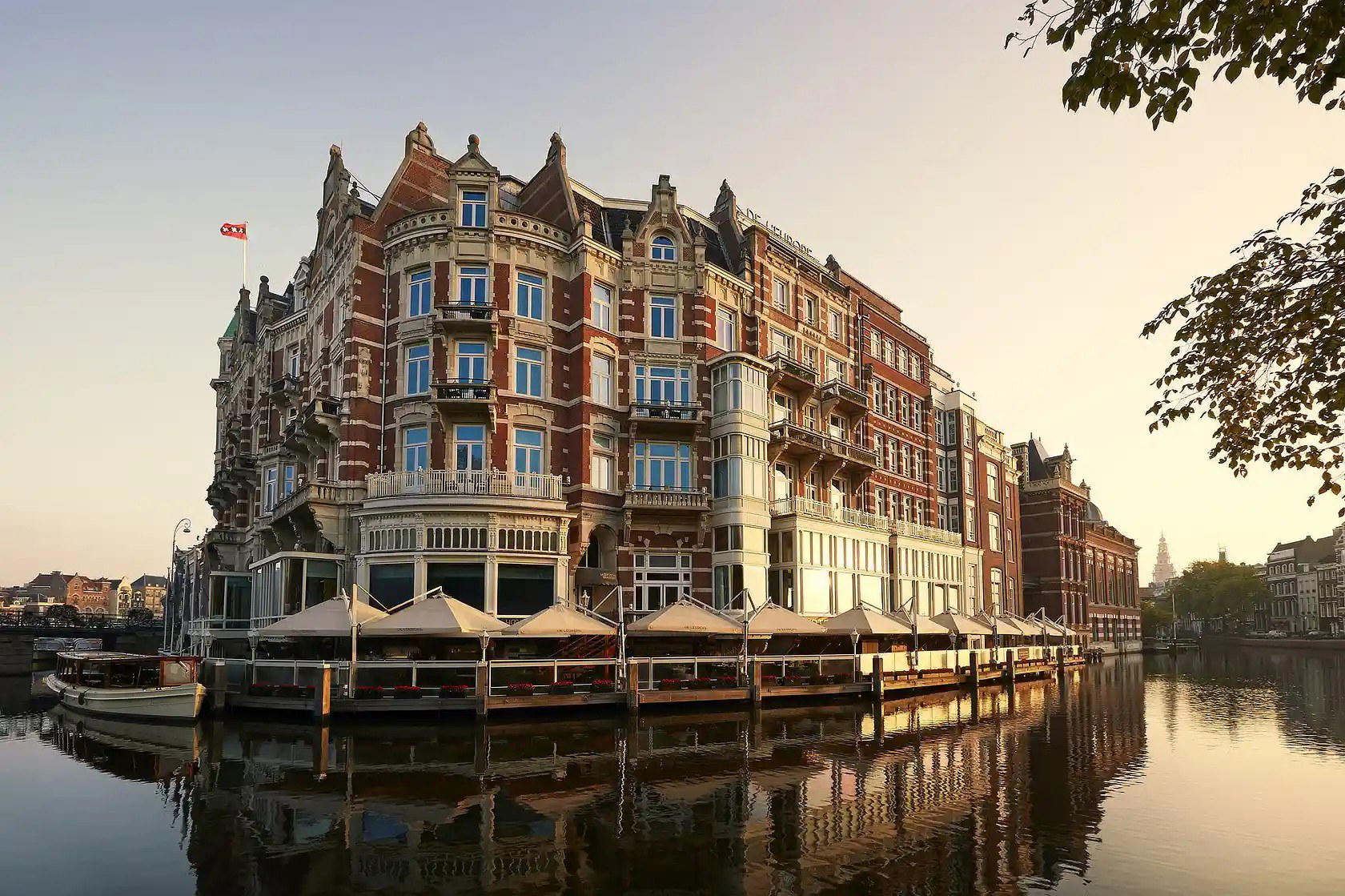
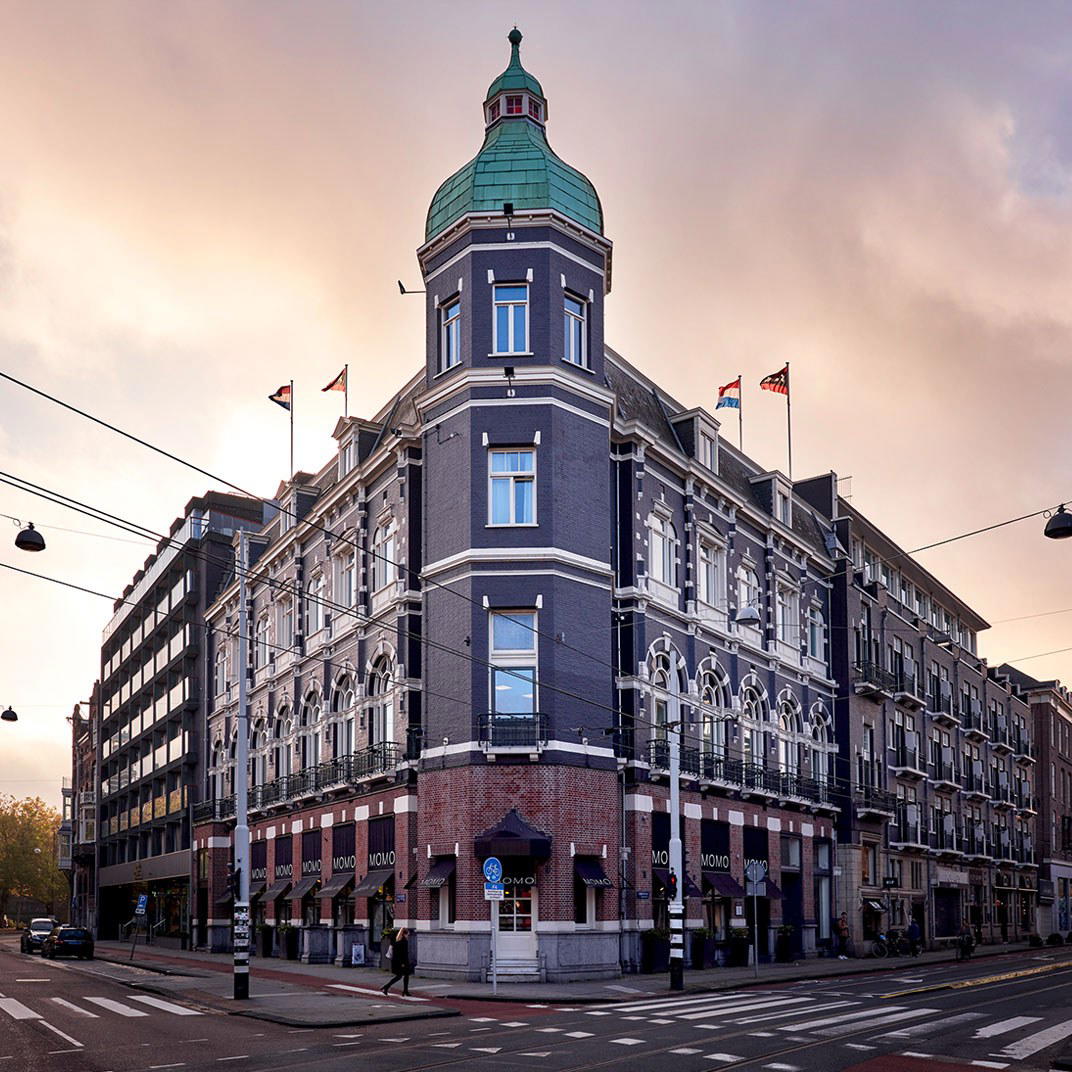
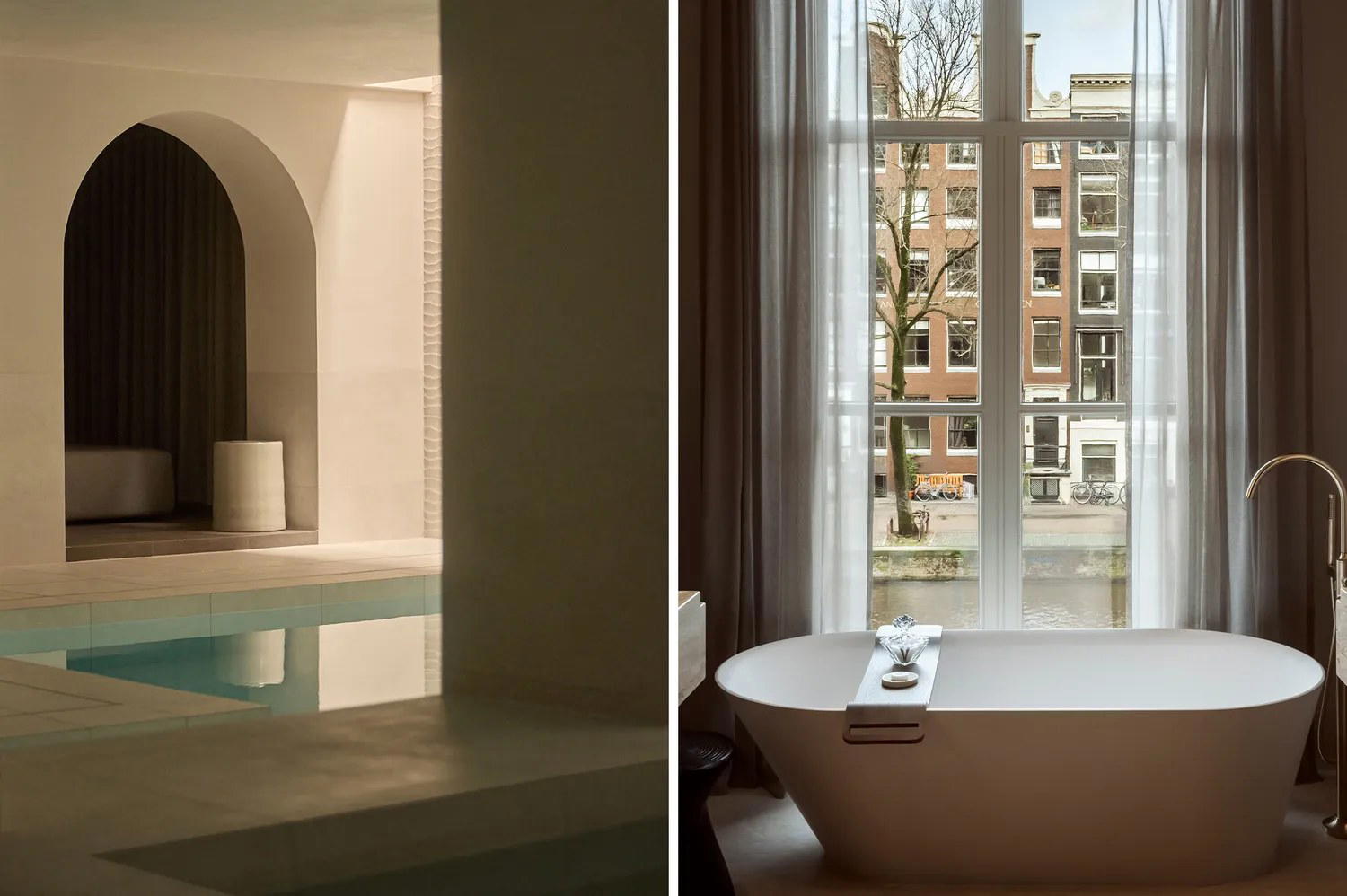
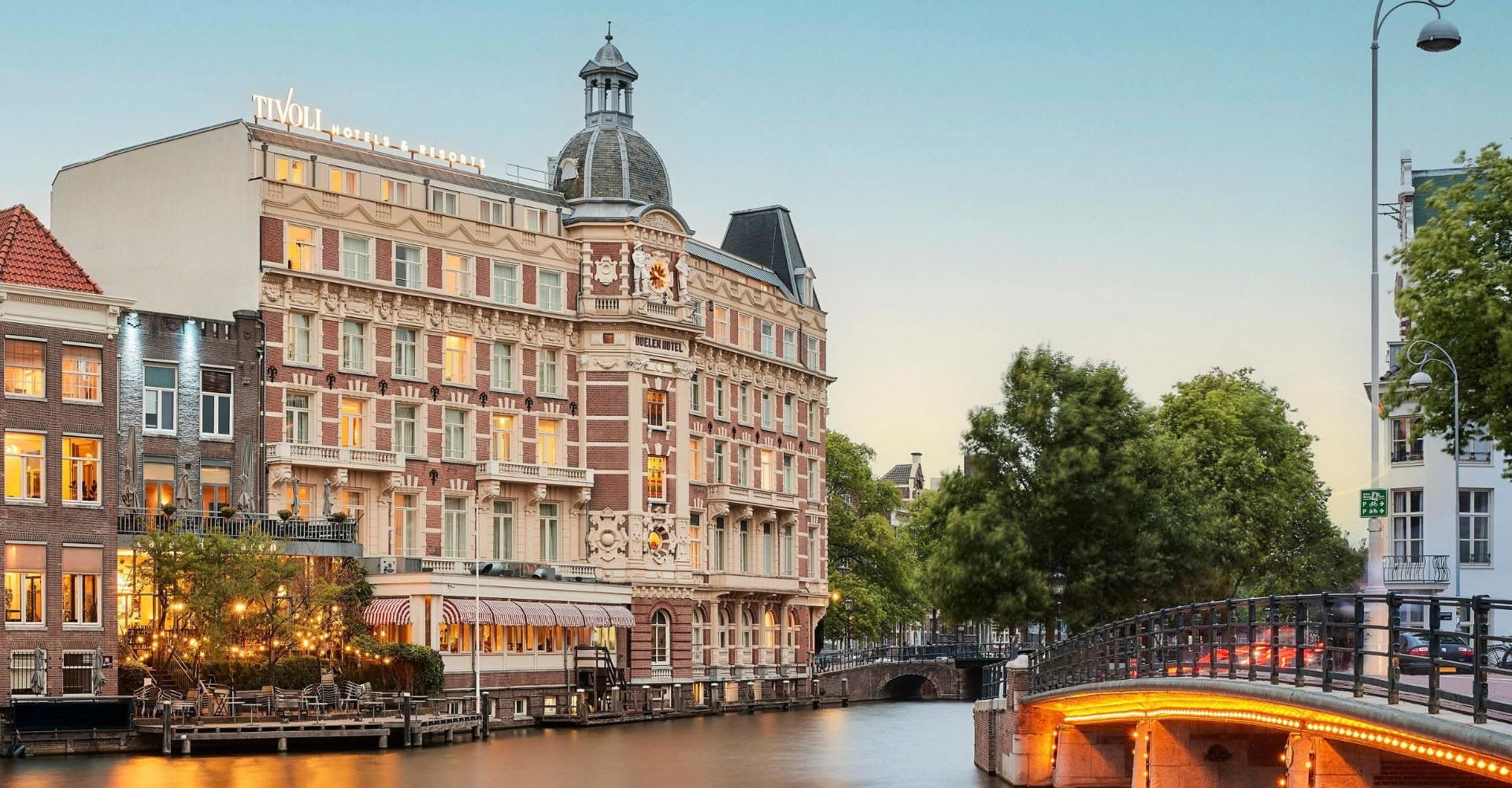
Wineries in Amsterdam
Browse all →
At a Glance
- Cozy
- Casual Hangout
- Sake Program
- Street Scene
Current opening hours
- Monday
- 12–8:45 PM
- Tuesday
- 12–8:45 PM
- Wednesday
- 12–8:45 PM
- Thursday
- 12–8:45 PM
- Friday
- 12–8:45 PM
- Saturday
- 12–8:45 PM
- Sunday
- 12–8:45 PM
Hours can change for holidays and private events. Last verified .
Cozy atmosphere focused on quality ramen dining in Amsterdam's lively center.