Taverna Volpetti sits in Testaccio, Rome's most credible neighbourhood for honest Roman cooking, where the traditions of offal, slow braises, and market-driven simplicity still hold serious weight. It occupies a different register from the creative tasting-menu circuit anchored by venues like Il Pagliaccio or Enoteca La Torre, operating instead in the trattoria-adjacent tier where the meal's arc is shaped by season and neighbourhood habit rather than chef-driven ambition.
Pearl is the En Primeur Club membership app — saves, bookings, and concierge access live there. Same editors, same standards.
- Address
- Via Alessandro Volta, 8, 00153 Roma RM, Italy
- Phone
- +39 349 718 6894
- Website
- tavernavolpetti.it
- Directions
- Get directions
 Saves & bookings on Pearl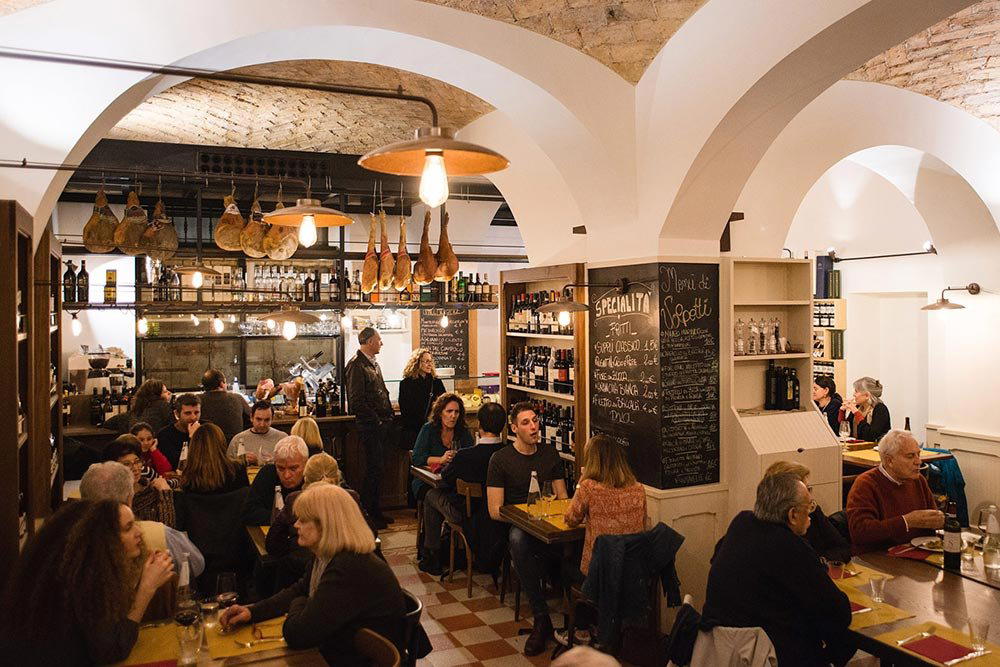
Testaccio and the Roman Table
Rome's dining scene has always been shaped by a tension between the grand-hotel creative circuit and the neighbourhood-rooted trattoria tradition. In Testaccio, that tension resolves firmly in favour of the latter. The rione that gave the city its slaughterhouse, its market, and its enduring culture of cucina povera remains one credible address for anyone who wants to understand how Romans actually eat, not how they perform eating for an audience. Via Alessandro Volta sits squarely inside that geography, and Taverna Volpetti occupies a position on that street that places it in conversation with one of Rome's most instructive food traditions.
The Scene Before the First Course
Testaccio operates on different rhythms from the tourist-facing historic centre. The neighbourhood around the old mattatoio, now partly a cultural campus, draws a mix of long-term residents and a younger population that has moved into the area as rents pushed outward from Trastevere. The result is a dining public that has some tolerance for quality signals but not much patience for theatre. Restaurants that perform here tend to do so through consistency and through the weight of neighbourhood habit rather than through press campaigns or prix-fixe showmanship.
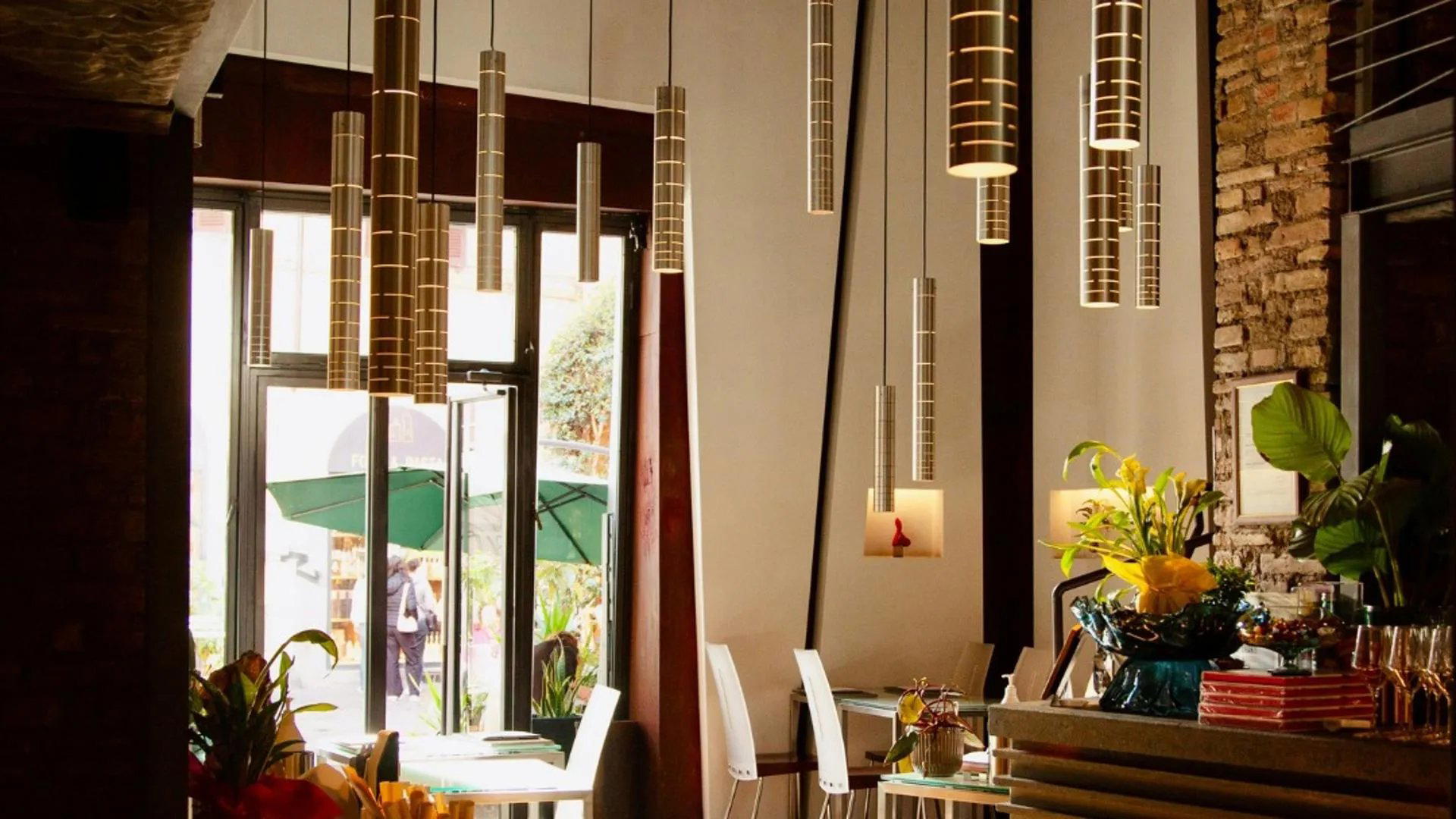
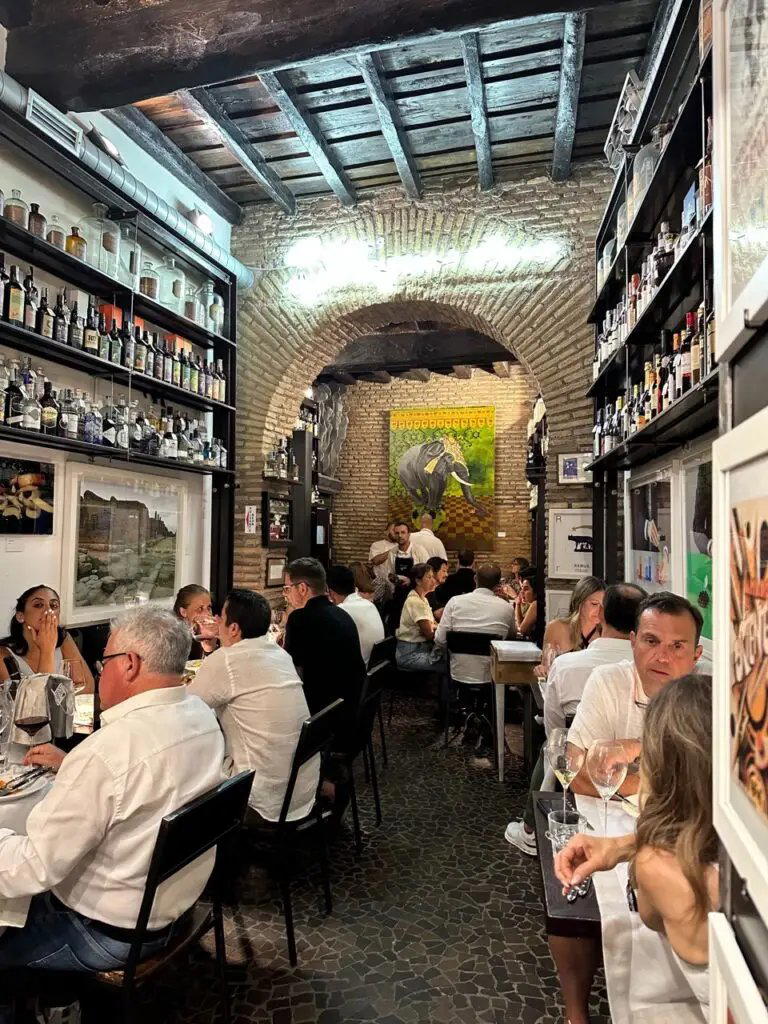
Approaching a venue like Taverna Volpetti in this context, the atmosphere is calibrated accordingly: the physical setting on Via Alessandro Volta speaks the language of the working Roman taverna, a room that signals its priorities through what it does not do as much as through what it does. There is no grand entrance sequence, no lighting design conceived to imply drama. The dining room makes the argument that the food, and the wine list behind it, should carry the evening.
The Arc of the Meal: Tradition as Structure
In the Testaccio tradition, the meal's progression is not designed by a chef with a narrative in mind; it is shaped by the weight and register of the dishes themselves. This is a meaningful distinction from the creative tasting-menu format that organises venues like Acquolina or Enoteca La Torre, where sequencing is deliberate and often pedagogical. In the taverna register, sequencing follows a different logic: antipasti to establish the season's produce, a primo that anchors the meal in Roman carbohydrate tradition (often pasta or soup-adjacent), a secondo drawn from the meat-heavy canon that Testaccio's slaughterhouse heritage made possible, and a dessert that closes without ambition for transformation.
That structure is not less sophisticated than the tasting menu format; it is differently sophisticated. It demands that each course carry its own weight without the scaffolding of wine pairings selected to perform contrast or progression. The cook's intelligence shows in the sourcing and the timing rather than in the plate composition. This is the standard against which a Testaccio table should be assessed, and it is a genuinely demanding one when done with care.
The Roman offal tradition, which reached its most developed form in Testaccio, includes preparations that have no real analogue elsewhere in the Italian peninsula. Coda alla vaccinara, trippa alla romana, and pajata represent a culinary logic built around nothing going to waste, and the flavour consequences of that logic are concentrated and specific. Not every table in Testaccio still commits to the full range of that canon, but the neighbourhood's identity remains inseparable from it.
Where Taverna Volpetti Sits in Rome's Dining Map
Rome's restaurant tiers are more stratified than they appear. At the leading, the Michelin-decorated creative circuit, represented in the capital by Il Pagliaccio and Achilli al Parlamento, competes on ambition, technique, and the credentials of chef lineage. Below that, a mid-tier of contemporary trattatorie and osterie operates with some creative licence but within broadly traditional frameworks. Then there is the neighbourhood trattoria tier, where the restaurant functions: a place whose comparable set is defined by geography and consistency rather than by starred ambition.
That positioning is not a limitation; it is a commitment. The Italian restaurant tradition at this level has produced some of the peninsula's most important tables, from Dal Pescatore in Runate to the regional rigour of Quattro Passi in Marina del Cantone. The principle connecting those venues to a Testaccio taverna is the same: deep knowledge of a specific tradition, applied consistently, without apology for what the tradition requires.
Italy's dining culture at its leading is a set of specific conversations about place, season, and technique. Uliassi in Senigallia, Reale in Castel di Sangro, and Piazza Duomo in Alba are all engaged in that conversation at a Michelin-decorated register; a Testaccio taverna joins the same conversation from a different angle, with different evidence. Both matter. They are not interchangeable, but they are not in competition, either. The traveller who treats them as if they were will misread both.
Planning Your Visit
The restaurant sits at Via Alessandro Volta, 8, in Testaccio, among the more walkable of Rome's food-serious neighbourhoods and well connected by metro (Piramide on Line B) and tram. The area rewards arriving with time to explore: the Testaccio Market, a short walk from the restaurant, remains among Rome's most honest produce markets and a useful reference point for understanding what the local kitchen is working with in any given season. Booking is recommended, and the current hours are Mon: Closed; Tue: 12:30–3:30 PM, 7–11 PM; Wed: 12:30–3:30 PM, 7–11 PM; Thu: 12:30–3:30 PM, 7–11 PM; Fri: 12:30–3:30 PM, 7–11 PM; Sat: 12:30–3:30 PM, 7–11 PM; Sun: 12:30–3:30 PM. Dress code expectations at Testaccio taverne are consistent with Roman casual: neat and considered, without the formality that the starred creative circuit would imply.
At a Glance
Comparable venues nearby, for context on price, style, and recognition.
| Venue | Cuisine | Price |
|---|---|---|
| Taverna VolpettiThis venue — the venue you are viewing | Testaccio, Traditional Roman Trattoria | $$ |
| Piatto Romano | Testaccio, Authentic Roman Trattoria | $$ |
| Profumo di Mirto | Tuscolano, Sardinian Seafood | $$ |
| ViMi Ristorante | Ripa, Traditional Italian Trattoria | $$ |
| Mastrociccia | Parione, Authentic Roman Osteria | $$ |
| Piazzetta | Colonna, Traditional Italian Trattoria | $$ |
Continue exploring
More in Rome
Restaurants in Rome
Browse all →
Bars in Rome
Browse all →
Hotels in Rome
Browse all →



At a Glance
- Rustic
- Cozy
- Classic
- Casual Hangout
- Celebration
- Historic Building
- Natural Wine
- Local Sourcing
Current opening hours
- Monday
- Closed
- Tuesday
- 12:30–3:30 PM, 7–11 PM
- Wednesday
- 12:30–3:30 PM, 7–11 PM
- Thursday
- 12:30–3:30 PM, 7–11 PM
- Friday
- 12:30–3:30 PM, 7–11 PM
- Saturday
- 12:30–3:30 PM, 7–11 PM
- Sunday
- 12:30–3:30 PM
Hours can change for holidays and private events. Last verified .
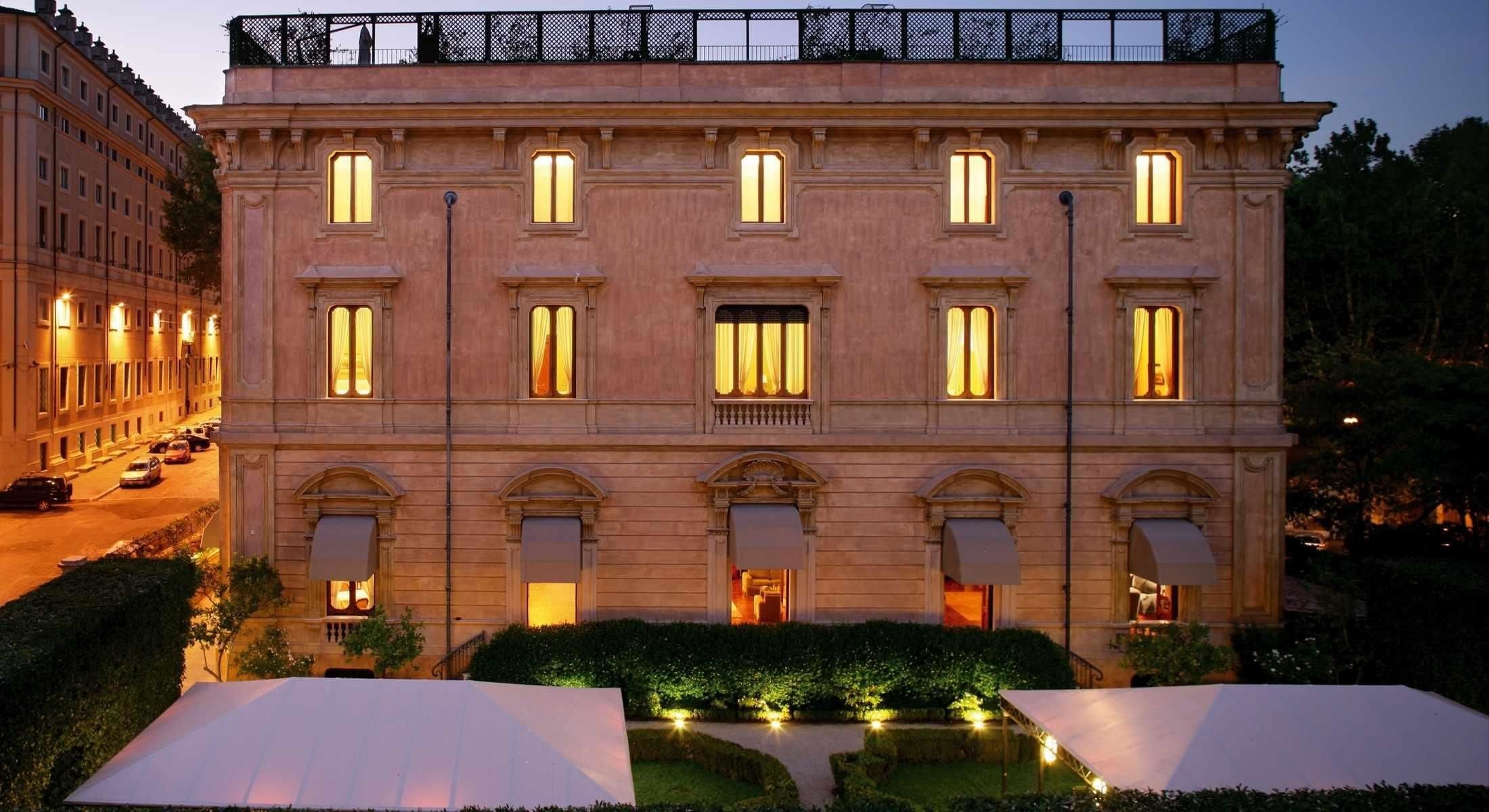
Cozy and characteristic with essential yet elegant decor, warm atmosphere, and historic photos of the Volpetti building.