Violetta
.png)
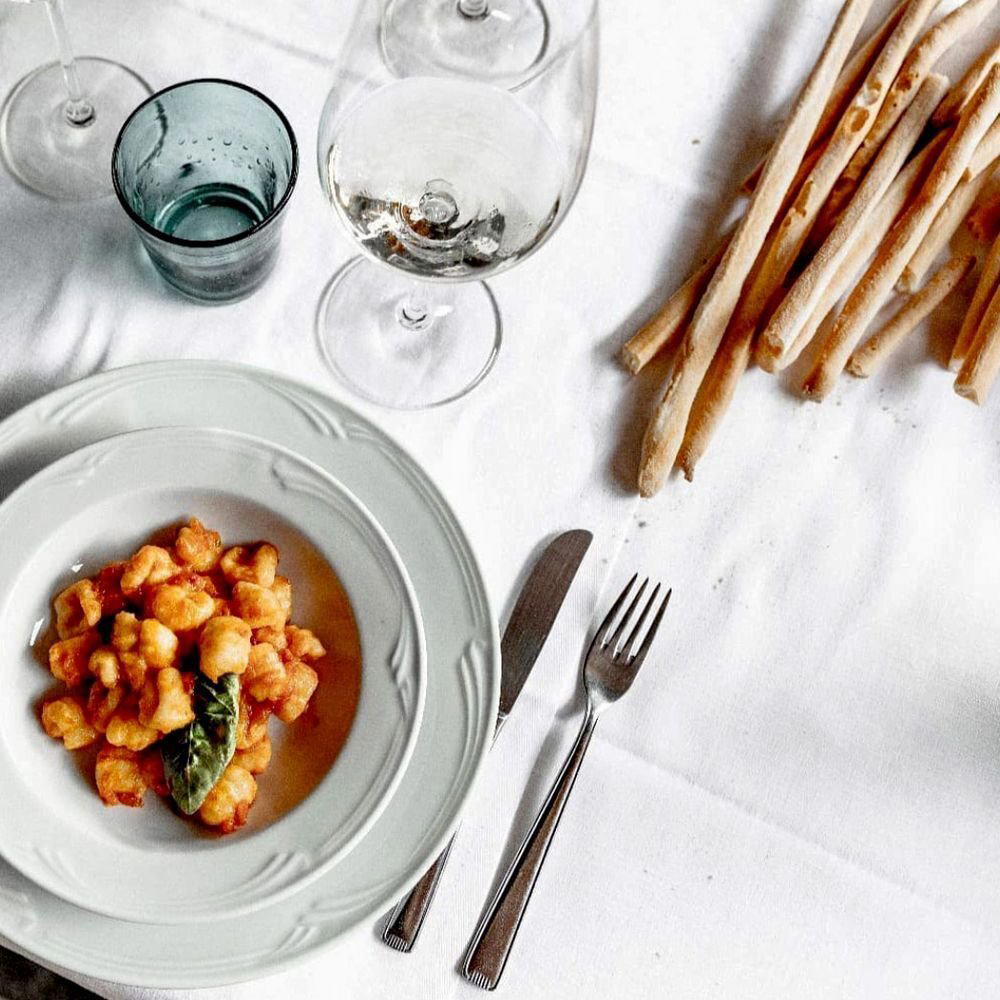
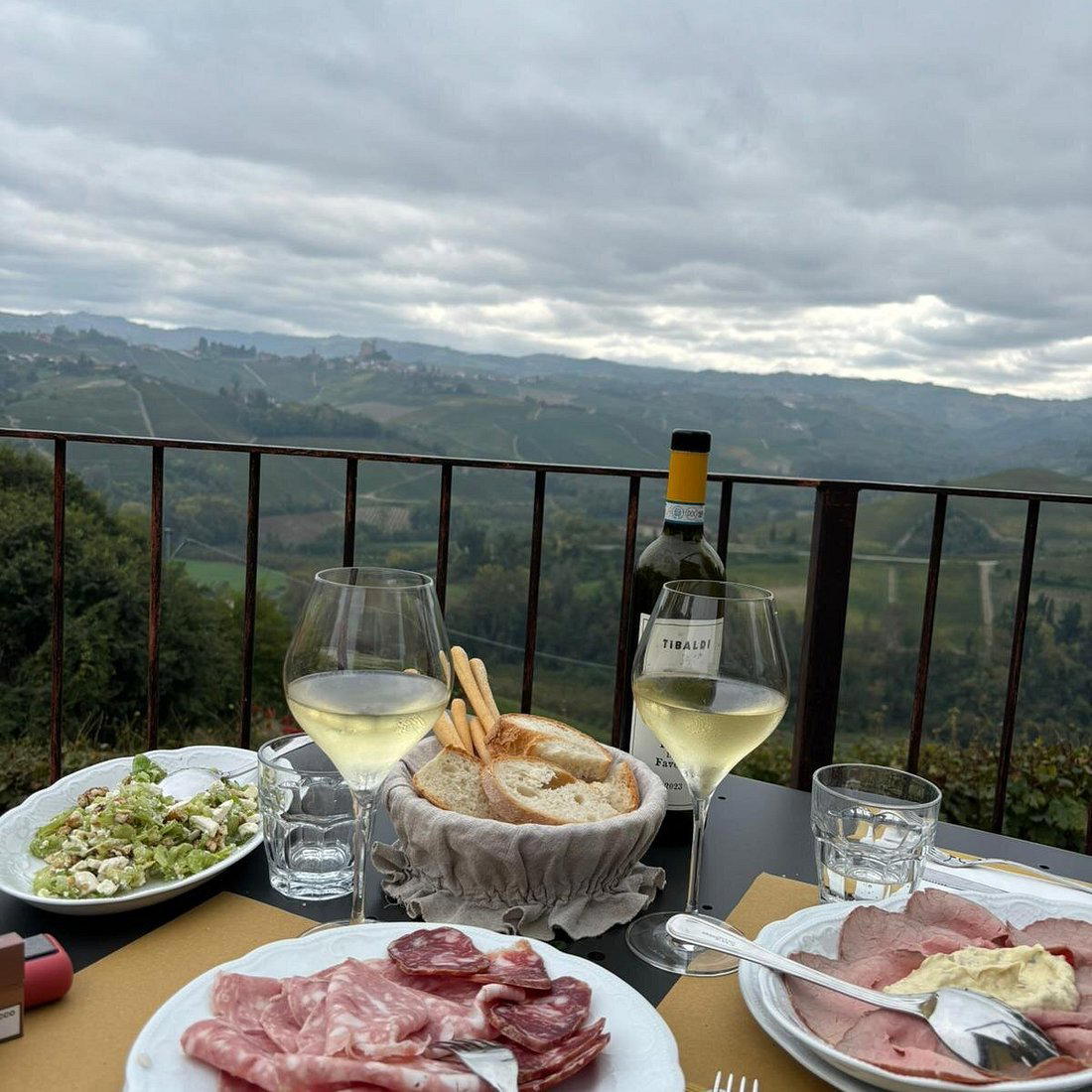
A Michelin Bib Gourmand-recognised family trattoria in Calamandrana, Violetta has served traditional Monferrato cooking across three generations. The kitchen now runs under the founding grandmother's granddaughter, producing dishes rooted in the Piedmontese countryside: vitello tonnato, agnolotti monferrini, tajarin with porcini, and a regional wine list that mirrors the menu's geography. At the €€ price point, it represents serious value for the quality of cooking on offer.
Pearl is the En Primeur Club membership app — saves, bookings, and concierge access live there. Same editors, same standards.
- Address
- Valle San Giovanni, 1, 14042 Calamandrana AT, Italy
- Phone
- +39 0141 769011
- Website
- ristorantevioletta.it
 Saves & bookings on Pearl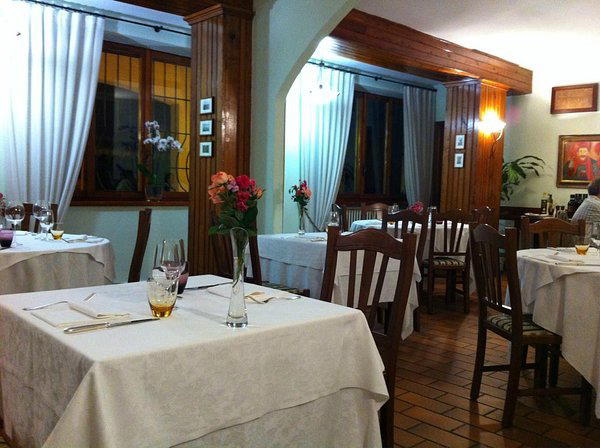
Where the Monferrato Hills Come to the Table
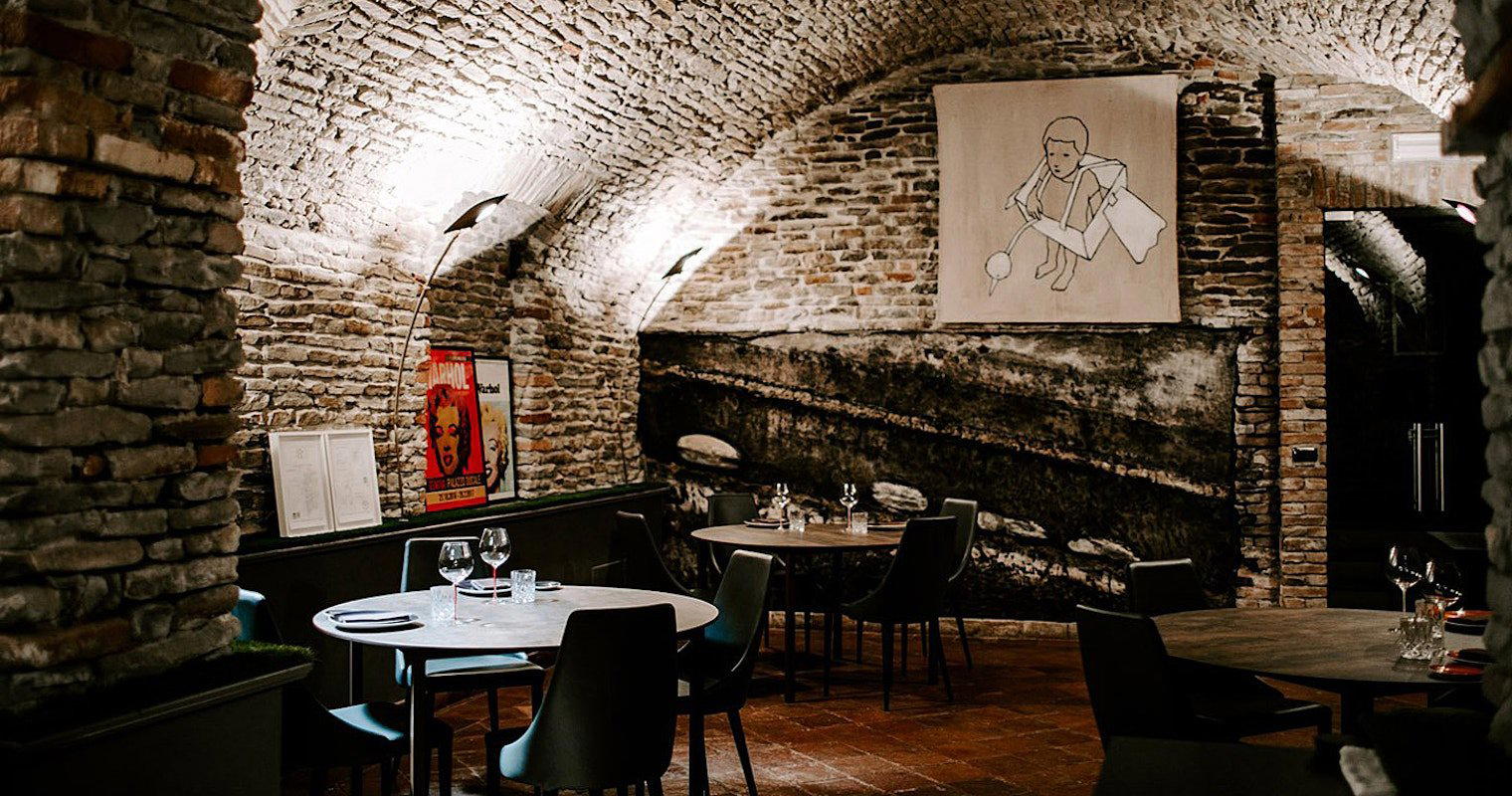
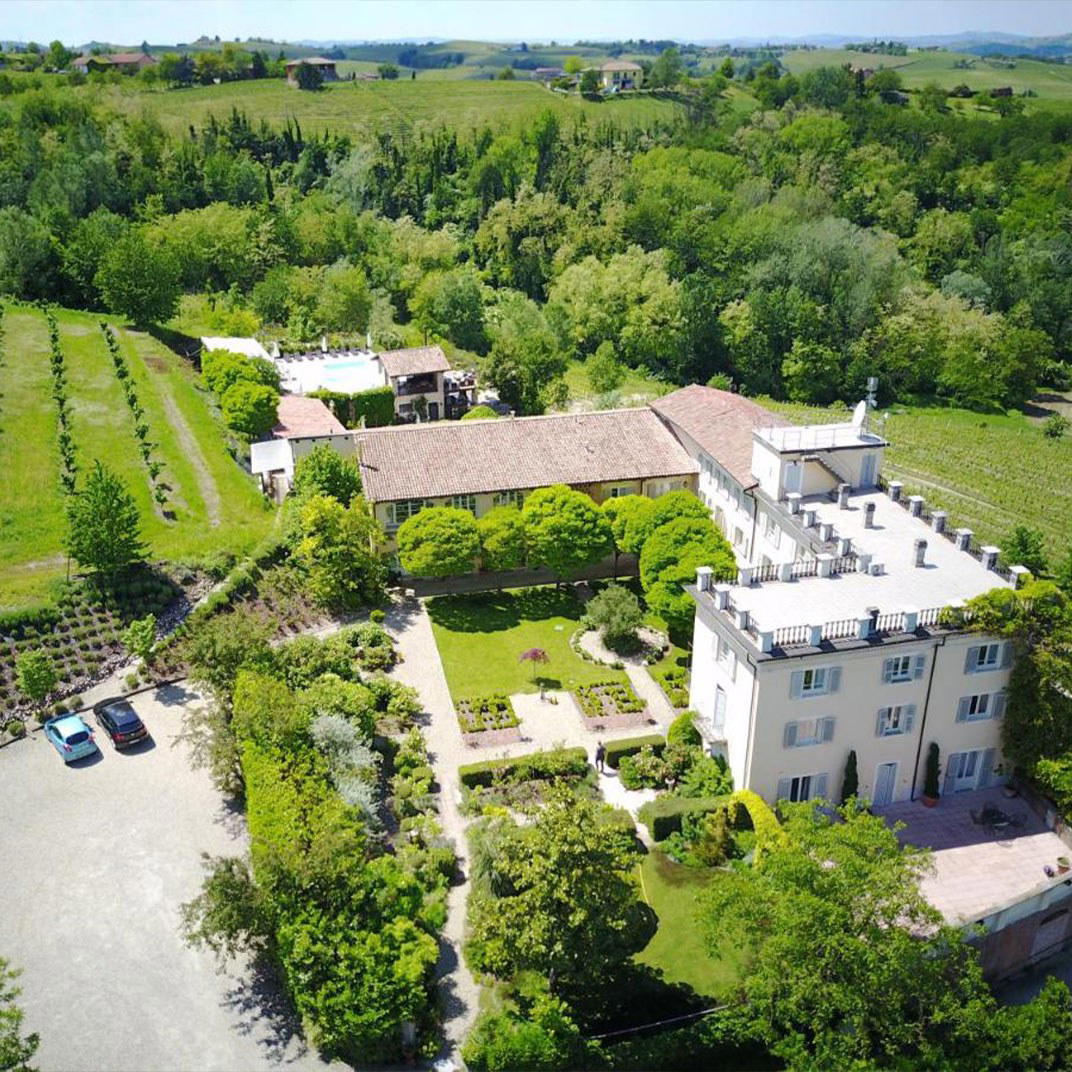
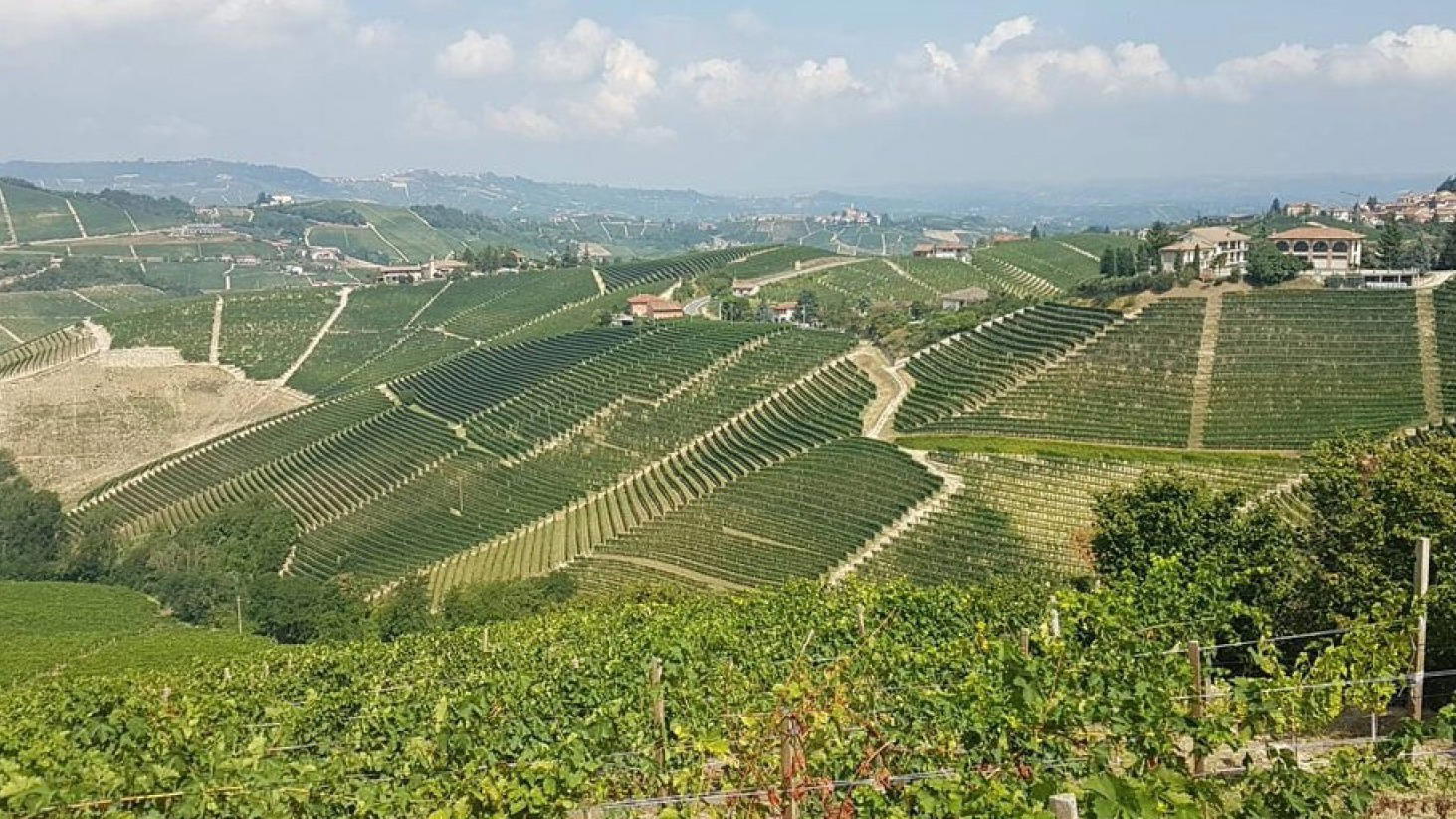
The road through Valle San Giovanni in Calamandrana follows the contours of the Monferrato hills, the part of Piedmont that sits between the more publicised Langhe and the Asti wine belt. It is quiet country, defined by vineyards and seasonal produce rather than tourism infrastructure. In that context, a small family trattoria with 1960s decor and a Michelin Bib Gourmand is less a surprise than a confirmation: this is a region that has always valued cooking that reflects its own land.
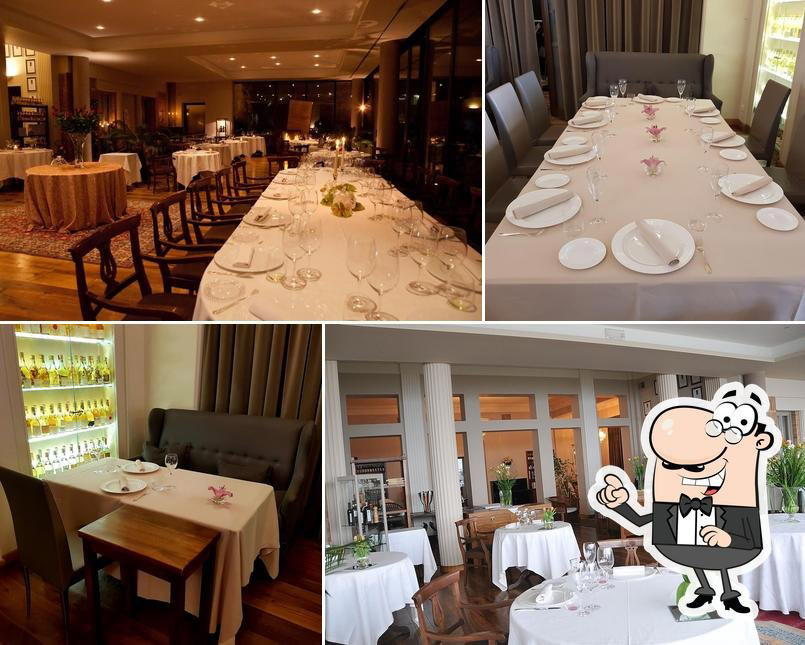
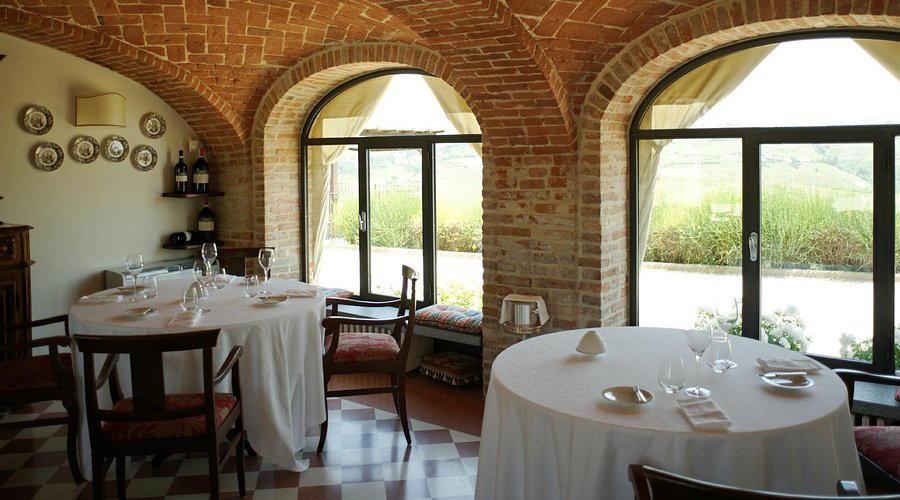
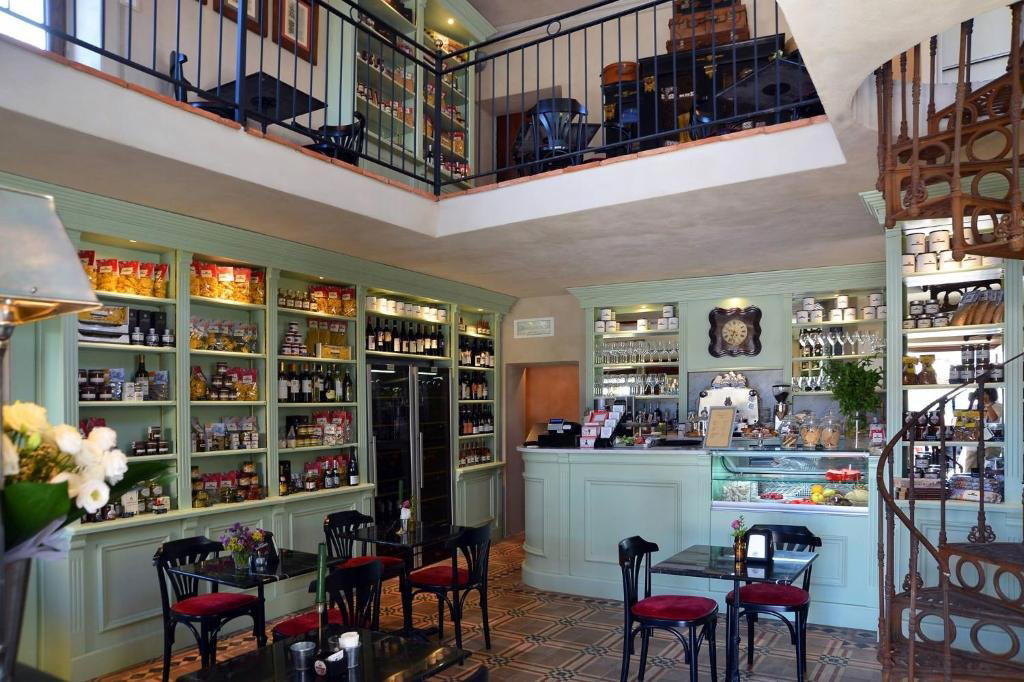
Violetta occupies that territory directly. The dining room carries its decades without apology, the furnishings read as genuinely old rather than curated-vintage, and the service, managed by the family's parents, keeps the atmosphere from feeling threadbare. What grounds everything is the kitchen, now led by the third generation: the granddaughter of the woman who established the restaurant's culinary identity, cooking the same dishes her grandmother cooked, in a style Michelin's inspectors describe as simple and almost homely. That phrase is a compliment in this context. It means nothing has been added to impress, and nothing has been removed for the sake of modernity.
The Sourcing Logic Behind Piedmontese Cooking
Monferrato cuisine is not a simplified version of Langhe cuisine. It is a parallel tradition, built around the same Piedmontese pantry, hazelnuts, white truffles in season, aged Parmigiano-style cheeses, slow-braised offal, but shaped by the particular agriculture of the Asti hills: smaller producers, older vine varieties, and a more direct farm-to-kitchen relationship than the larger DOC towns tend to maintain.
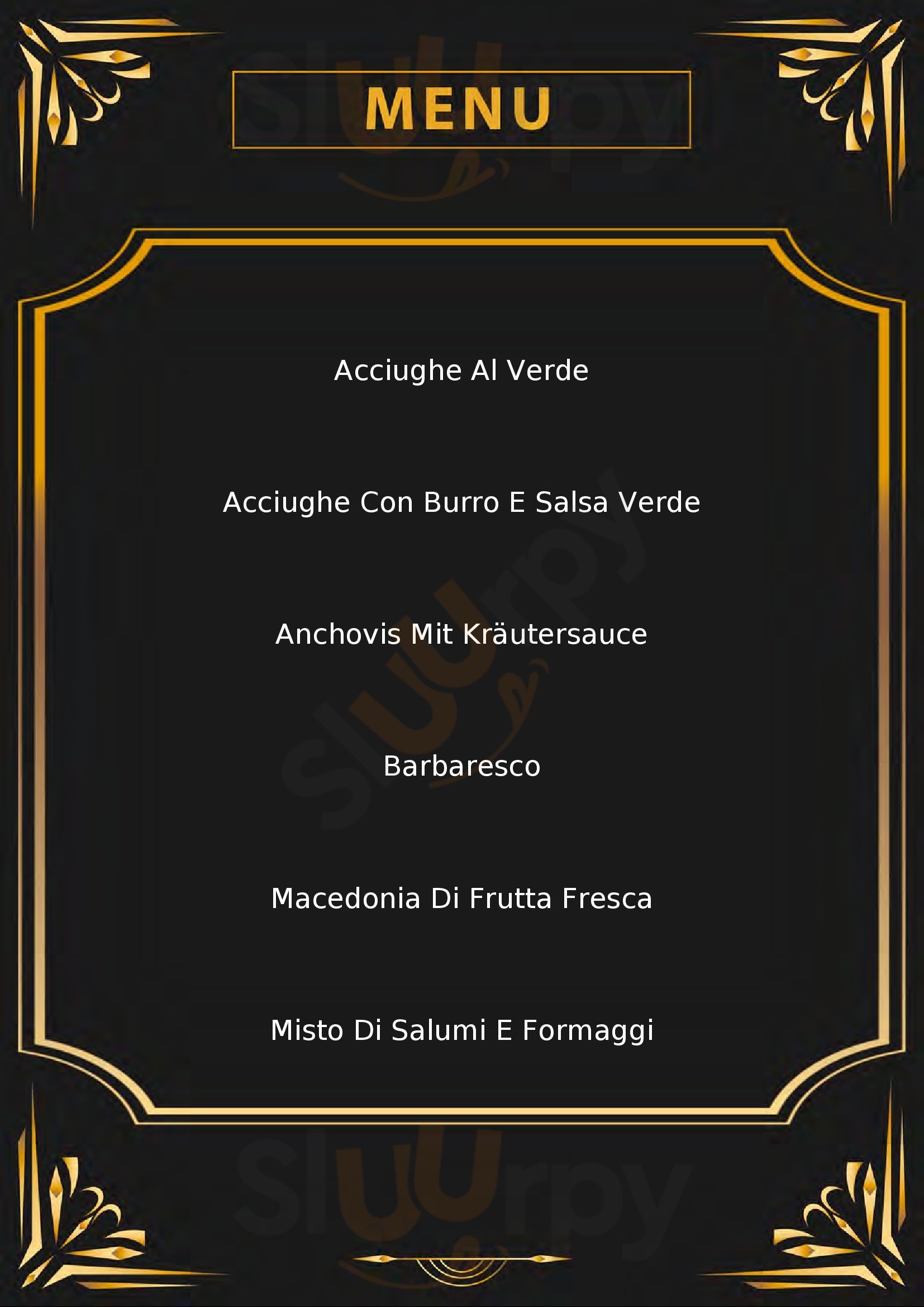
The dishes that define Violetta's menu are products of that sourcing logic. Vitello tonnato, the cold veal with tuna sauce that appears across Piedmont, depends entirely on the quality of the veal and the balance of the sauce. Here it is listed as a speciality, which means the kitchen treats it as a reference point rather than a side note. Agnolotti monferrini, a variant of the better-known agnolotti del plin, are small pasta parcels historically filled with braised meat and vegetables, a dish that emerged from the need to use every part of a slaughter. The filling's composition changes with the season and with what the kitchen has at hand. Tajarin, the egg-yolk-heavy ribbon pasta that is the structural backbone of Piedmontese cooking, arrives here with porcini mushrooms, connecting the dish to the forested slopes above the valley floor where the mushrooms are gathered in autumn.
Finanziera, the offal stew that dates back to the nineteenth century and was once a signature of Piedmontese working-class cooking, appears on the menu as well. It is one of the more demanding dishes in the regional canon to execute correctly, requiring sweetbreads, combs, cockscombs, and various cuts cooked with vinegar and Marsala into something that is simultaneously sharp and rich. Its presence here is a signal: this is a kitchen that takes the full breadth of the tradition seriously, not just the dishes that have found favour with contemporary restaurant tourists.
For context within the wider Italian dining scene, Violetta sits apart from the Piedmontese restaurants that have attracted wider recognition. Piazza Duomo in Alba works within a creative-contemporary framework at the highest Michelin tier. Antica Corona Reale in Cervere and Locanda Sant'Uffizio Enrico Bartolini in Cioccaro operate at the €€€€ level. Violetta's Bib Gourmand recognitions for 2024 and 2025 mark it within a distinct category: cooking that is regionally grounded, technically sound, and suited to regular visits. For the broader Italian comparison set, restaurants like Osteria Francescana in Modena, Dal Pescatore in Runate, or Enoteca Pinchiorri in Florence, Violetta is not a point of comparison so much as a counterpoint: the argument that the most important food in a region is often the food that does not need to explain itself.
The Wine List as Regional Map
Piedmont produces some of Italy's most geographically specific wines, and the Monferrato zone contributes its own DOC designations to that map: Barbera d'Asti, Grignolino d'Asti, Freisa d'Asti, and various sparkling and still Moscato expressions. Violetta's wine list mirrors its menu in geographic scope, focusing on the same regional producers rather than building a showcase cellar. This matters because the dishes on the menu were calibrated over generations to work with these wines. The acidity of Barbera d'Asti cuts through the fat of finanziera in a way that Barolo, a few kilometres further south in the Langhe, does not. Grignolino's tannic structure handles vitello tonnato's umami weight differently than a more commercially obvious choice would. The wine list is not a separate feature of the restaurant; it is part of the same sourcing argument as the kitchen.
Planning a Visit
Violetta sits at Valle San Giovanni, 1, in Calamandrana, a commune in the Asti province of Piedmont. The address places it outside any major transit hub, and the practical assumption is that visitors arrive by car, which also positions it well for the kind of day-trip eating that the Monferrato and Asti hills reward. The restaurant has a Google rating of 4.6 from 476 reviews.
Uliassi in Senigallia, Quattro Passi in Marina del Cantone, Reale in Castel di Sangro, Le Calandre in Rubano, Casa Perbellini 12 Apostoli in Verona, Atelier Moessmer Norbert Niederkofler in Brunico, and Enrico Bartolini in Milan.
Comparable Spots, Quickly
Comparable venues nearby, for context on price, style, and recognition.
| Venue | Cuisine | Price | Awards | Notes |
|---|---|---|---|---|
| ViolettaThis venue — the venue you are viewing | Dining | , | Bib Gourmand | |
| Vascello d'Oro | Traditional Piedmontese Trattoria | $$ | Bib Gourmand | Carrù |
| Il Moro | Traditional Piedmontese Italian | $$ | Bib Gourmand | Capriata d'Orba |
| Dongiò | Traditional Calabrian Trattoria | $$ | Bib Gourmand | Pta Romana |
| Da Fausto | Piedmontese Trattoria | $$ | Bib Gourmand | Cavatore |
| Contesto Alimentare | Modern Piedmontese Italian | $$ | Bib Gourmand | Centro |
Continue exploring