A winery estate in Pirque's Maipo Valley, Viña Haras de Pirque sits where equestrian heritage and viticulture share the same terroir. The estate produces Cabernet Sauvignon-led wines from one of Chile's most storied red wine zones, placing it within a competitive set that includes neighbouring giants like Concha y Toro. For visitors to the greater Santiago wine corridor, it represents a more intimate scale of estate experience.
Pearl is the En Primeur Club membership app — saves, bookings, and concierge access live there. Same editors, same standards.
- Address
- Unnamed Rd, Pirque, Región Metropolitana, Chile
- Phone
- +56228547910
- Website
- haraswines.com
- Directions
- Get directions
 Saves & bookings on Pearl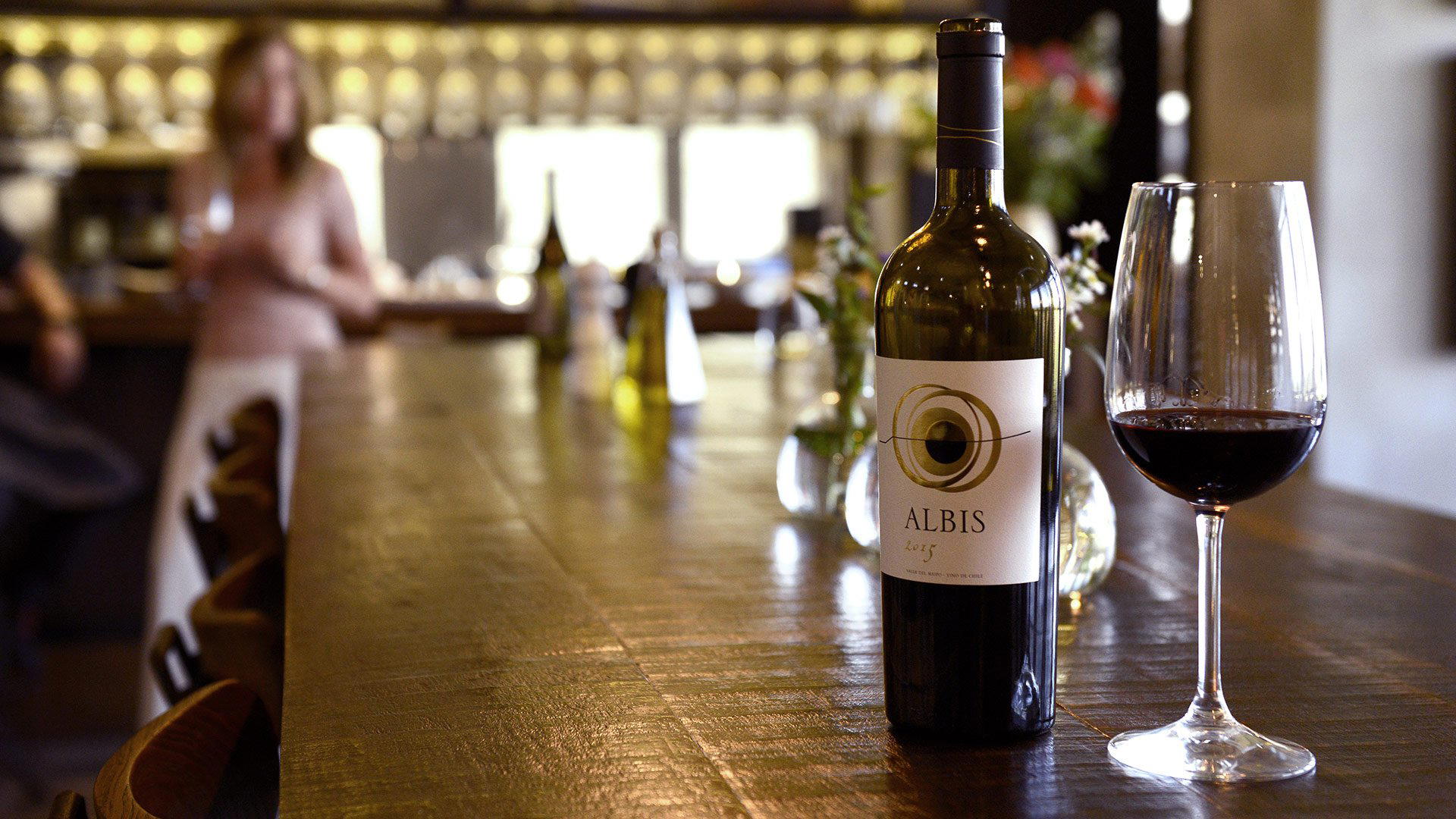
Where Maipo's Red Wine Tradition Begins
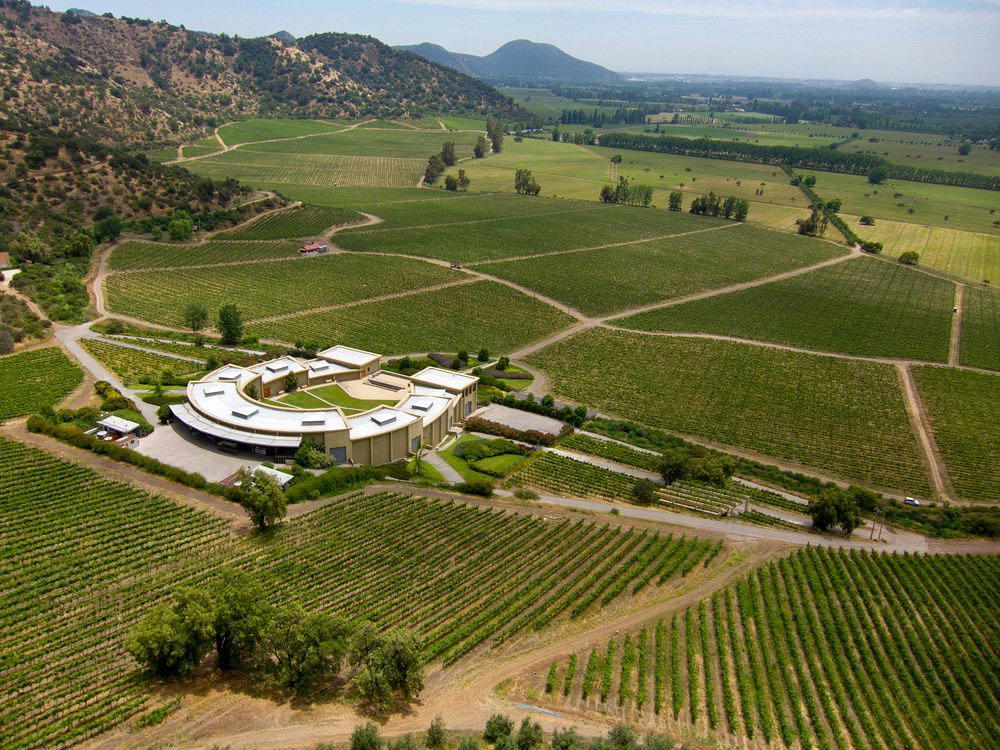
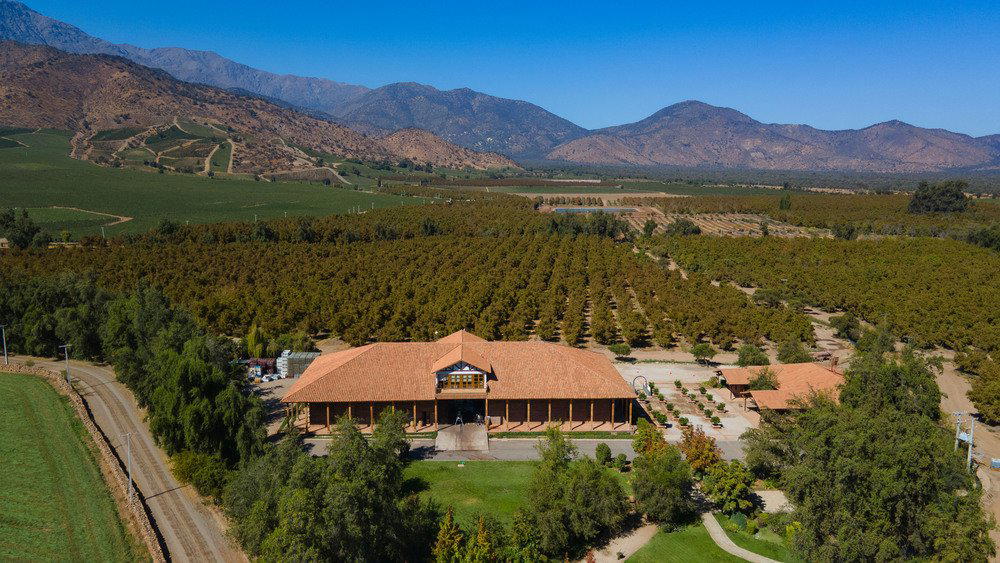
The road south from Santiago into Pirque drops gradually through a valley where the Andes snowmelt irrigates some of South America's most established Cabernet Sauvignon vineyards. This is Maipo Alto territory: a sub-zone that Chilean viticulture has long treated as its reference point for structured reds, in the same way that Bordeaux's Médoc functions as a benchmark for Cabernet in France. The gravel and clay soils here retain heat, drain efficiently, and impose the kind of moderate stress on vines that concentrates flavour without stripping freshness. Viña Haras de Pirque occupies a position within this geography that makes its terroir argument before a bottle is opened.
Among Chile's wine regions, Maipo Alto carries the consistent reputation for Cabernet Sauvignon with genuine ageing potential. The zone sits in a competitive set defined by large, historically significant estates and a smaller tier of boutique producers. Viña Concha y Toro, whose Pirque operations form the backbone of Chile's largest wine export business, anchors the commercial pole of this sub-zone. Haras de Pirque operates at a more contained scale, where the vineyard's equestrian history, the name references the thoroughbred horse breeding that once defined this estate, remains part of the property's identity rather than a footnote.
Sourcing from the Ground Up
In the context of Chilean wine, the source of fruit matters more than it did twenty years ago. When the industry was expanding rapidly through the 1990s, large estates often blended across appellations with limited transparency. The shift toward single-estate and single-vineyard declarations, which accelerated in the 2010s, reframed the conversation around provenance. Maipo Alto producers, Haras de Pirque among them, benefited from this shift because their terroir argument was already credible: altitude, Andean alluvial soils, and a diurnal temperature range that preserves acidity in warm-climate reds.
The ingredient-sourcing logic at a wine estate is, in some ways, more verifiable than at a restaurant. The fruit comes from the ground beneath your feet. What changes is how the winery interprets that terroir: the harvest timing, the fermentation approach, the ageing vessel. At Haras de Pirque, the estate's proximity to the Andes means the grapes arrive with the kind of structural definition that makes oak management consequential rather than cosmetic. Chilean Cabernet Sauvignon from this sub-zone has historically risked over-extraction and excessive new oak; the producers who have gained international recognition in the past decade tend to be those who stepped back from both. For a broader view of how Chilean kitchens and dining rooms are engaging with local sourcing traditions, Boragó in Santiago offers a useful parallel in the restaurant world, where hyper-local ingredient sourcing has become a defining editorial angle for the country's most discussed dining room.
The Estate Visit in Context
Pirque sits roughly 40 kilometres southeast of Santiago's city centre, making it accessible as a half-day excursion without requiring overnight accommodation. The drive through the Cajón del Maipo corridor passes through an increasingly rural stretch of the metropolitan region, and the shift from urban Santiago to valley vineyards is abrupt enough to feel like a genuine transition. For travellers who have already covered the city's dining circuit, which runs through districts like Providencia (where Ambrosia Bistro represents the French-Chilean register) and Vitacura (where Aquí está Coco Restaurante anchors the seafood-forward tradition), Pirque reads as the logical next step outward.
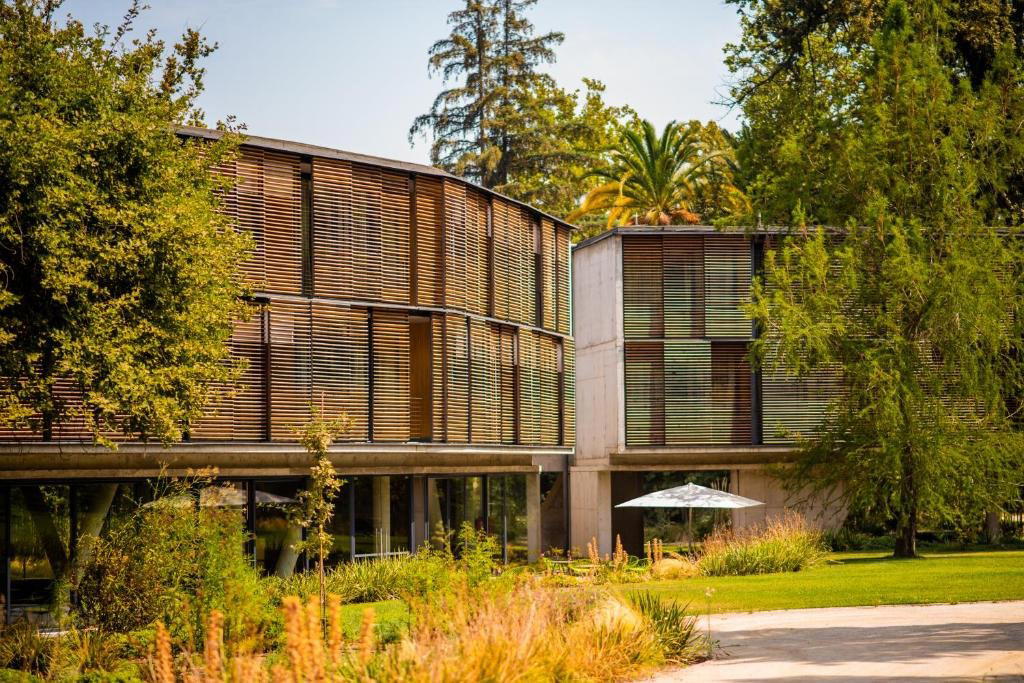
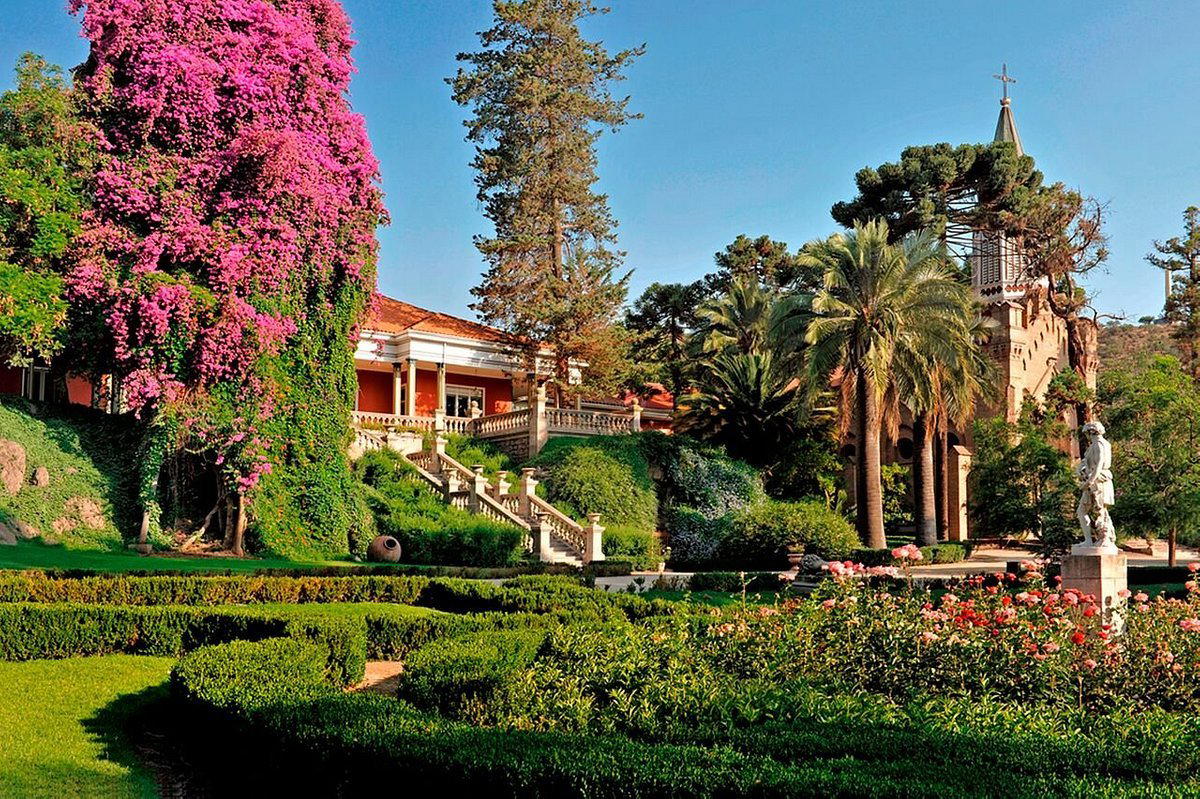
Estate visits in this part of Maipo tend to follow a format that balances vineyard access with a tasting structure. The experience is not the compressed airport-lounge tasting of small pours and laminated sheets; at properties like this, the setting does real work. The equestrian character of the Haras estate means the visual environment differs from the purely utilitarian winery architecture that defines some of Maipo's larger industrial producers. For planning purposes, visitors should confirm visit availability and format directly with the estate, as reservations are essential.
Chile's wine tourism infrastructure has improved considerably since the early 2000s, when most estates offered little beyond a brief cellar walk and an afterthought of a tasting. The country's growing position in premium wine export markets, particularly in the UK, Scandinavia, and parts of Asia, has pushed producers to invest in visitor experience as a brand-building tool. Haras de Pirque, with its distinctive heritage narrative, sits within that broader trend of estates that use their story as a differentiator in a crowded regional market. For a sense of how Chilean hospitality at the upper end of the accommodation spectrum uses local character similarly, the model at Awasi Atacama in the Atacama Desert is instructive, even though the geography is entirely different.
Placing Haras de Pirque in the Wider Chilean Scene
Chile's dining and wine scene has diversified considerably across its regions in the past decade. The country's north-south axis covers an extraordinary range of climates and cuisines, from the Pacific seafood culture that defines coastal spots like Aquí Jaime in Concon to the European-influenced dining traditions of cities like Valparaíso, where La Concepción operates, and further south to andBeyond Vira Vira in Araucanía, which frames the Chilean Lake District's produce within a luxury lodge context. Within this spread, Maipo Valley occupies a specific and relatively narrow niche: premium red wine production with a Cabernet-dominant identity, aimed at both domestic and export audiences.
That narrowness is not a weakness. Maipo Alto's coherence as a producing zone gives estates within it a shared vocabulary, and visitors arrive with at least a rough sense of what the terroir should taste like. The challenge for any individual producer is differentiation within that coherence. Elsewhere in Chile's more off-the-beaten-path hospitality circuit, venues like Casa del Barrio in Chillán and Café Francés in Los Angeles reflect regional dining cultures that rarely appear in Santiago-centred travel writing.
For travellers whose reference points are drawn from international wine regions, it helps to think of Maipo Alto as functioning within Chilean viticulture the way Napa Valley does within California: commercially dominant, terroir-credible, and increasingly split between volume producers and a premium tier that competes on narrative and site specificity. Haras de Pirque, with its equestrian identity and Maipo Alto address, positions itself within that premium tier. Whether the wines fully justify that positioning is answered in the glass, on site, with the Andes visible through the cellar window.
Planning a Visit
Pirque is reachable from Santiago by car in under an hour under normal traffic conditions. The estate's address on an unnamed road within the commune is characteristic of rural Maipo properties, where GPS coordinates are more reliable than street-name navigation. Visitors planning a wine-focused day in the region can combine Haras de Pirque with a stop at the nearby Viña Concha y Toro estate, which offers a contrasting sense of scale. For comparison points further afield in the international fine dining world, Le Bernardin in New York City and Atomix represent the kind of sourcing-led rigour in restaurant contexts that serious wine estates aspire to match in their own medium. Wine and food at their most considered share the same underlying logic: the quality of the raw material, and the discipline not to obscure it.
Side-by-Side Snapshot
Comparable venues nearby, for context on price, style, and recognition.
| Venue | Cuisine | Price | Notes |
|---|---|---|---|
| Viña Haras de PirqueThis venue — the venue you are viewing | International Fine Dining with Meat and Seafood | $$$ | Not listed |
| Viña Concha y Toro | Chilean Wine Estate Dining | $$$ | Pirque |
| Cívico la moneda | Modern Chilean | $$$ | Centro |
| Restaurante Peluquería Francesa - Boulevard Lavaud - Barberia Patrimonial Barrio Yungay | French-European Bistro | $$$ | Yungay |
| Las Cabras - Fuente de Soda | Chilean Fuente de Soda | $$ | Barrio Plaza la Alcaldesa |
| Aquí Jaime | Chilean Coastal Seafood | $$$ | Concón |
Continue exploring
More in Pirque
Restaurants in Pirque
Browse all →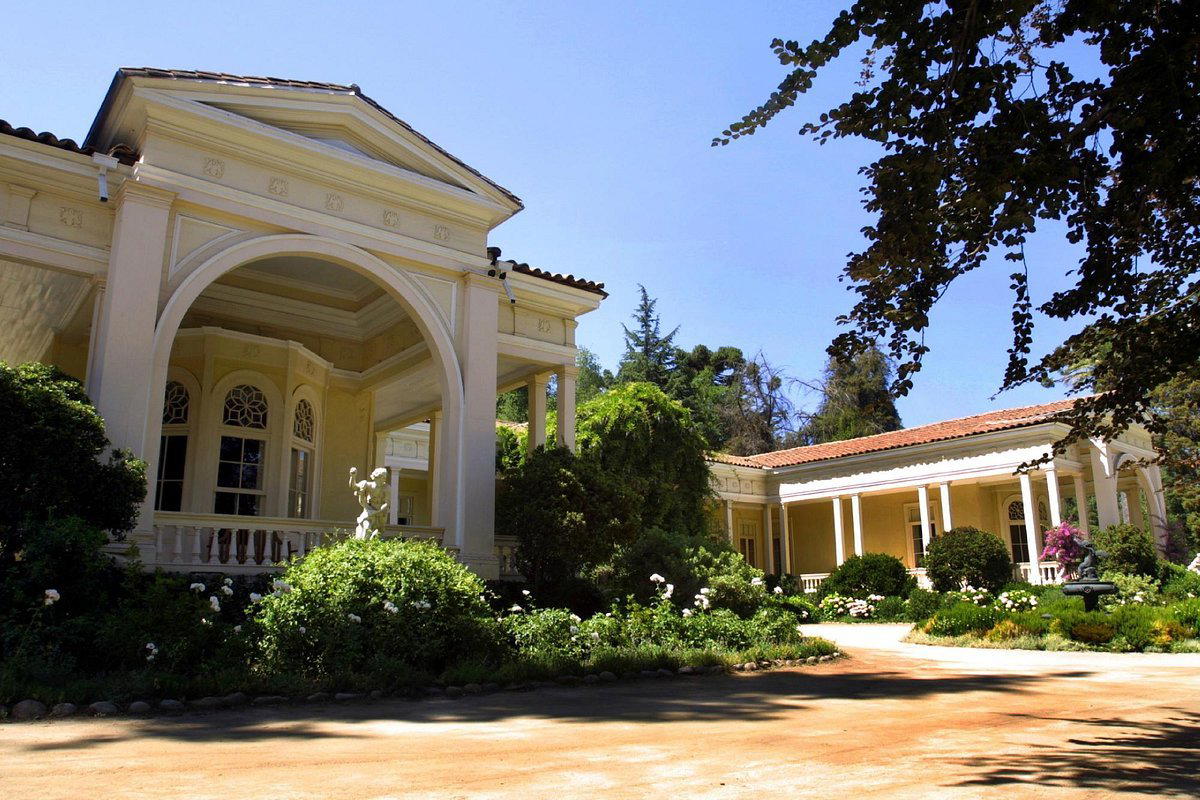
Bars in Pirque
Browse all →
Hotels in Pirque
Browse all →

At a Glance
- Elegant
- Intimate
- Rustic
- Scenic
- Special Occasion
- Date Night
- Wine Cellar
- Terrace
- Extensive Wine List
- Sommelier Led
- Organic
- Mountain
- Vineyard
Current opening hours
- Monday
- 9 AM–6 PM
- Tuesday
- 9 AM–6 PM
- Wednesday
- 9 AM–6 PM
- Thursday
- 9 AM–6 PM
- Friday
- 9 AM–6 PM
- Saturday
- 9 AM–6 PM
- Sunday
- Closed
Hours can change for holidays and private events. Last verified .
Intimate and cosy space connecting guests with nature, featuring moderate noise levels and a sophisticated atmosphere.