
Michelin Bib Gourmand
Our verdict
Set within a family-run hotel on the road through Calders, Urbisol holds consecutive Michelin Plates (2024 and 2025) for updated traditional cuisine that draws on the agricultural intensity of Barcelona's interior comarca. The dining room, overseen by Elisabet Jubany, offers a mid-range menu alongside a full tasting option available on request — a low-key address in a region better known for weekend rural escapes than serious cooking.

Pearl is the En Primeur Club membership app — saves, bookings, and concierge access live there. Same editors, same standards.
- Address
- N-141c, 290, 08275 Calders, Barcelona, Spain
- Phone
- +34 938 30 91 53
- Website
- hotelurbisol.com
- Directions
- Get directions
The menu
What to order
- Mushroom risotto with parmesan and foie gras
- Fried eggs with vegetables Iberian ham and truffle oil
- Monkfish and prawn suquet
Where Rural Catalonia Meets the Plate
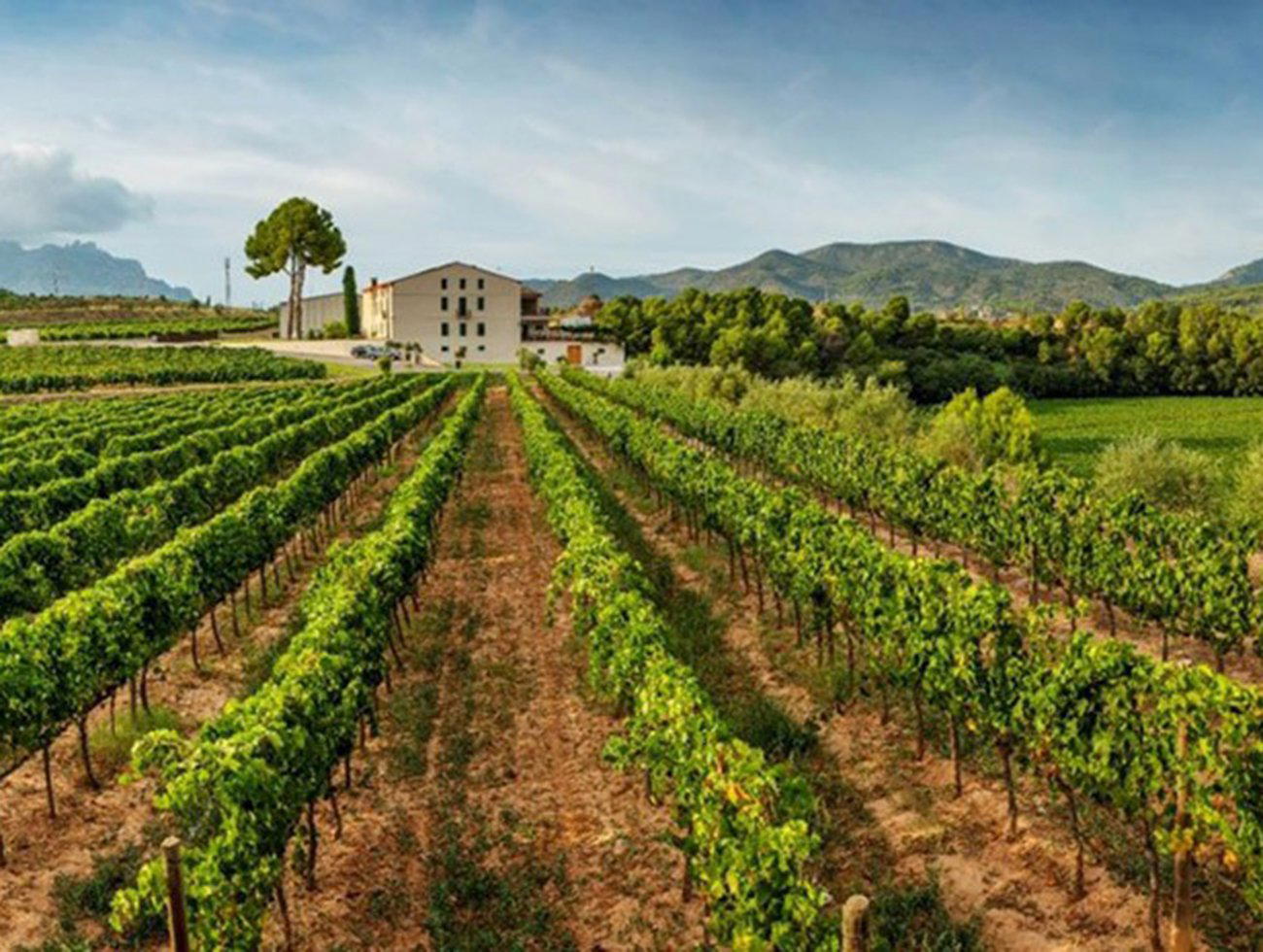
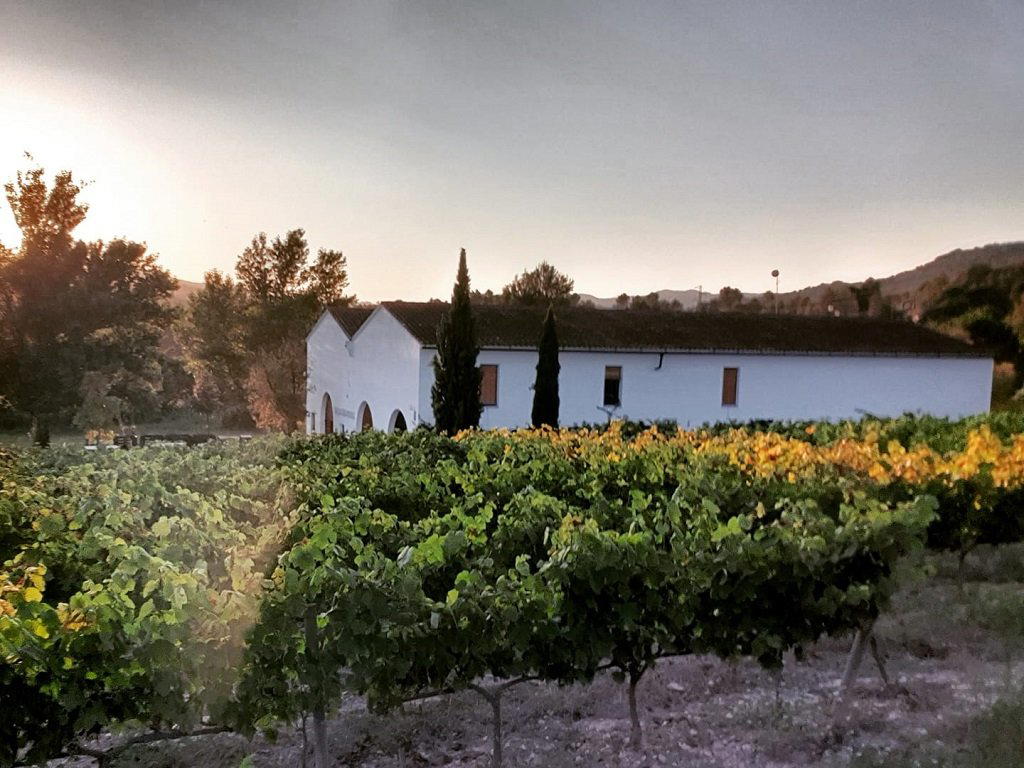
The stretch of road between Manresa and Vic cuts through a range of oak forest and small-scale farms that supplies some of Barcelona's most produce-dependent kitchens. Calders sits at an understated point along that corridor, a village of a few hundred residents where the agricultural rhythms of the Bages and Osona comarques intersect. This is not a dining destination in the conventional sense — there are no cluster of Michelin-starred addresses, no wine-bar scene. What does exist, quietly, is a tradition of rural hospitality built around family-run hotels that serve the food their gardens and nearby farms make possible. Urbisol occupies that tradition without apology.
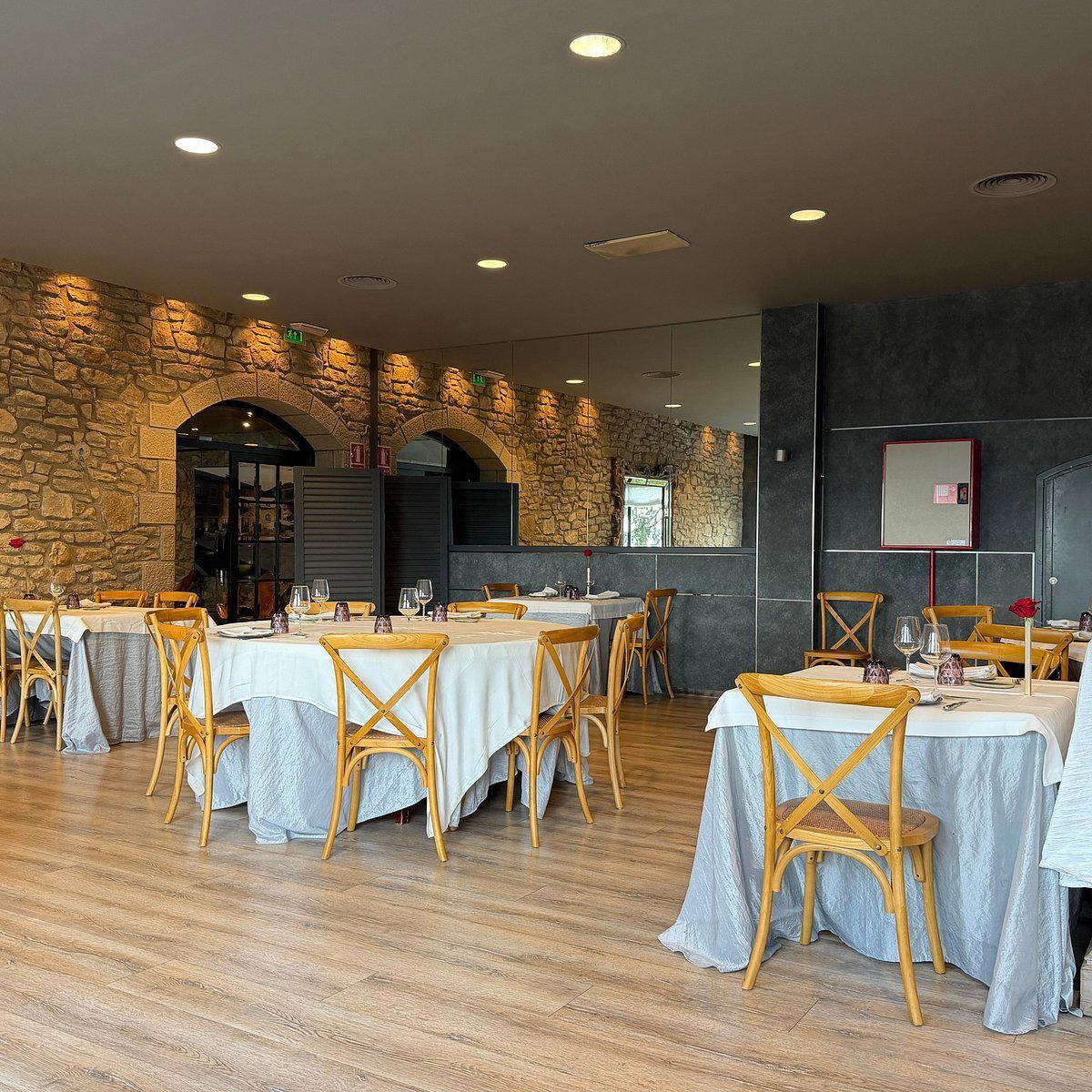
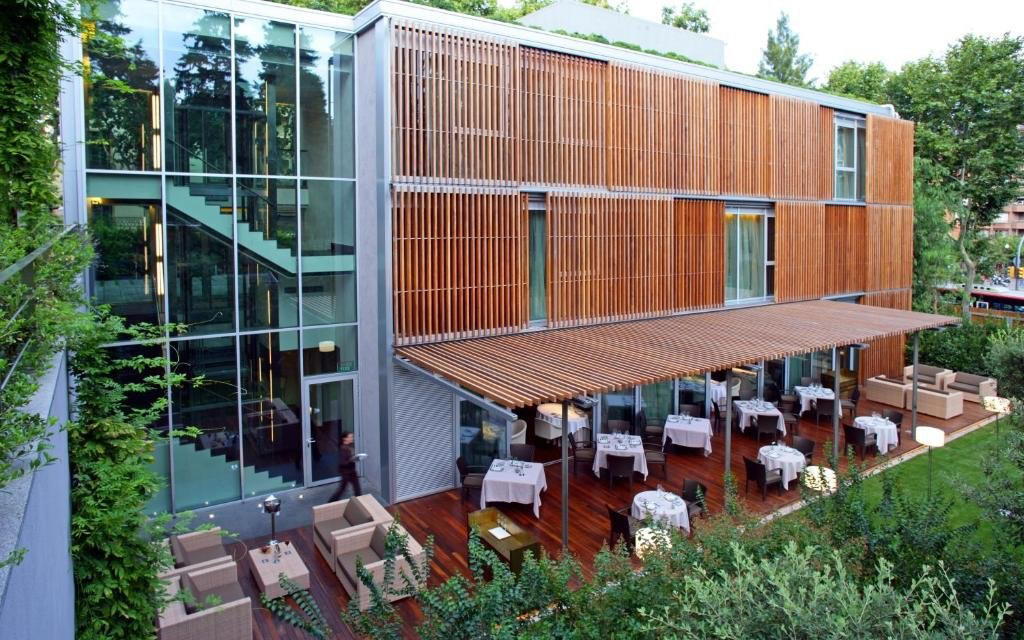
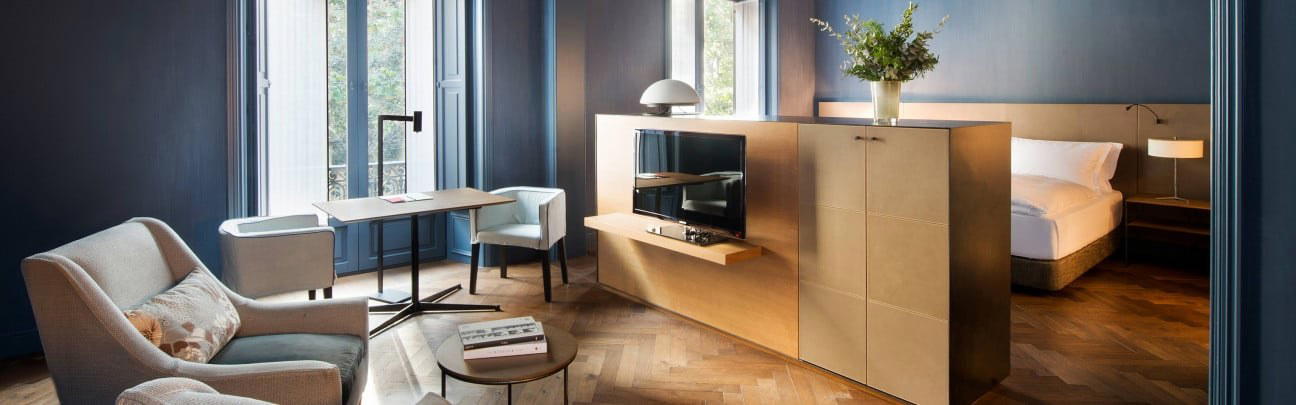
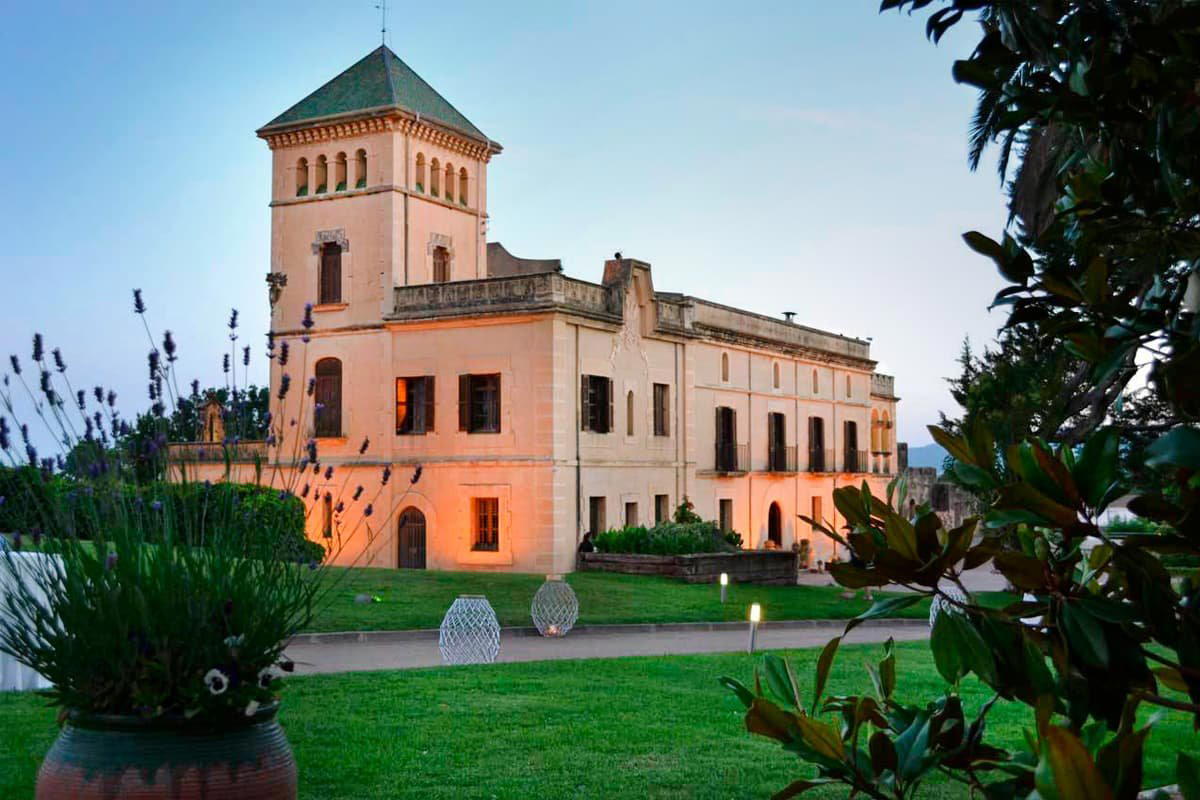
Arriving along the N-141c, the hotel announces itself with the matter-of-fact confidence of a place that does not need a city address to justify itself. The restaurant sits adjacent to the reception area, and the contemporary interior reads as a deliberate counterpoint to the rustic surroundings outside — clean lines, considered layout, without the forced rusticity that can tip rural dining rooms into theme-park territory. It is the kind of room where the cooking is expected to do the work, and where the service, overseen by Elisabet Jubany, carries the tone. That name carries weight in Catalan culinary circles: Elisabet is sister to Nandu Jubany, whose flagship at Can Jubany in Calldetenes operates at the higher end of Catalan creative cooking. The family connection signals a dining-room culture shaped by professional hospitality rather than amateur warmth, a meaningful distinction in a category where the two are often confused.
The Sourcing Argument at the Centre of the Menu
Updated traditional cuisine, as a category, covers enormous range across Spain, from technically ambitious revisionism to simple reheating of grandmother's recipes with a better wine list. At Urbisol, the kitchen's position within that range is clarified by where the food comes from as much as by how it is cooked. The vegetables that appear across the menu are noted for intensity of flavour that reads as the direct result of short supply chains from the surrounding countryside rather than any particular technique. In a region where the Bages comarca has historically supplied Barcelona markets with produce, tomatoes, legumes, wild mushrooms in season, that intensity is a function of proximity and timing rather than imported prestige ingredients.
The menu at the mid-range price point (€€) anchors its identity in exactly that local agricultural logic. Mushroom risotto with parmesan and foie gras, fried eggs with vegetables, Iberian ham and truffle oil, monkfish and prawn suquet, these are dishes that position themselves in the updated traditional register without straining toward the kind of technical theatrics that define Spain's top tier. For context, the progressive end of Spanish fine dining, represented by addresses like Disfrutar in Barcelona, El Celler de Can Roca in Girona, or DiverXO in Madrid, operates at the €€€€ tier and in a completely different conceptual register. Urbisol is not competing with that conversation. It is doing something structurally different: making a case for why the region's ingredients, handled with professional discipline, justify a detour from the main urban circuits. The suquet, a Catalan coastal fisherman's stew of broth, potato, and shellfish, appears here using monkfish and prawn, an inland version of a coastal form that signals how Catalan tradition moves and adapts across geography.
The tasting menu, available only on prior request, extends that argument across a fuller sequence of courses. Requesting it in advance is not an inconvenience so much as a reflection of how a kitchen of this scale, working with market-driven seasonal produce, needs to plan. It is a format common to small rural addresses across the Iberian peninsula, from Auga in Gijón to Auberge Grand'Maison in Mûr-de-Bretagne, where the kitchen's relationship with supply means a full tasting menu is a different kind of logistical commitment than it would be in a large urban operation.
Recognition and What It Means Here
Michelin Plates for 2024 and 2025 place Urbisol in the tier of restaurants Michelin inspectors consider worth a visit without yet awarding a star. For a family-run hotel restaurant operating at the €€ price point in a Catalan village, consecutive Plates represent meaningful independent validation that the kitchen is working at a level above what location or format alone would suggest. Spain's starred restaurants, Arzak in San Sebastián, Azurmendi in Larrabetzu, Martin Berasategui in Lasarte-Oria, Mugaritz in Errenteria, Quique Dacosta in Dénia, Aponiente in El Puerto de Santa María, Atrio in Cáceres, and Ricard Camarena in València, all operate at a different scale and investment level. The Plate category recognises a different value proposition: honest cooking, professional service, and a clear editorial point of view on ingredients, at a price that makes a mid-week visit or a weekend rural stay financially accessible.
Planning a Visit
Urbisol is accessed directly from the N-141c in Calders, making it straightforwardly reachable by car from both Manresa (roughly 15 minutes) and Vic (under 30 minutes). For visitors coming from Barcelona, the A-2 and C-16 motorways place Calders within a 70-kilometre range of the city, close enough for a lunch excursion, practical enough for an overnight using the hotel itself. The €€ price positioning means a full meal here lands well below Barcelona city-centre equivalents, even before accounting for the tasting menu option. That menu, requiring advance notice, is worth requesting for first-time visitors who want a more complete read on how the kitchen interprets the season's local produce. The à la carte remains the more flexible option for anyone arriving without a fixed agenda.
For broader context on what else exists in the area, see our full Calders restaurants guide, our full Calders hotels guide, our full Calders bars guide, our full Calders wineries guide, and our full Calders experiences guide.
Frequently asked questions
Is Urbisol more mid-range or high-end?
Pricing at Urbisol is listed as €€.
Fast Comparison
| Venue | Cuisine | Price | Awards |
|---|---|---|---|
| UrbisolThis venue — the venue you are viewing | Updated Traditional Spanish | $50–100 | Michelin Bib Gourmand |
| Aponiente | Progressive - Seafood, Creative | Not listed | Michelin 3 Star |
| Arzak | Modern Basque, Creative | Not listed | Michelin 3 Star |
| DiverXO | Progressive - Asian, Creative | Not listed | Michelin 3 Star |
| El Celler de Can Roca | Progressive Spanish, Creative | Not listed | Michelin 3 Star |
| Quique Dacosta | Creative | Not listed | Michelin 3 Star |
Recognition history
Dated appearances from independent guides and award organizations, with the underlying list record or original source where available.
Michelin Bib Gourmand
Michelin
Full recognition history (3 entries)
Michelin Plate
Michelin
Michelin Plate
Michelin
Continue exploring
More in Calders
Restaurants in Calders
Browse all →
Bars in Calders
Browse all →
Hotels in Calders
Browse all →


Details
- Modern
- Cozy
- Scenic
- Date Night
- Business Dinner
- Celebration
- Open Kitchen
- Terrace
- Extensive Wine List
- Local Sourcing
- Mountain
- A La Carte
- Tasting Menu
- Gluten Free Options
Contemporary atmosphere next to reception with warm, comfortable decor in natural surroundings.