On Oranienstraße in Kreuzberg, Tupac Berlin occupies the kind of address where neighbourhood density and creative ambition tend to collide productively. The venue sits within Berlin's most internationally porous dining corridor, where Latin American culinary references have found increasingly serious traction alongside the city's established European fine-dining tier. A destination for those tracking how global cuisine traditions are reshaping the German capital's restaurant culture.
Pearl is the En Primeur Club membership app — saves, bookings, and concierge access live there. Same editors, same standards.
- Address
- Oranienstraße 170, 10999 Berlin, Germany
- Phone
- +493092210027
- Website
- tupacberlin.com
- Directions
- Get directions
 Saves & bookings on Pearl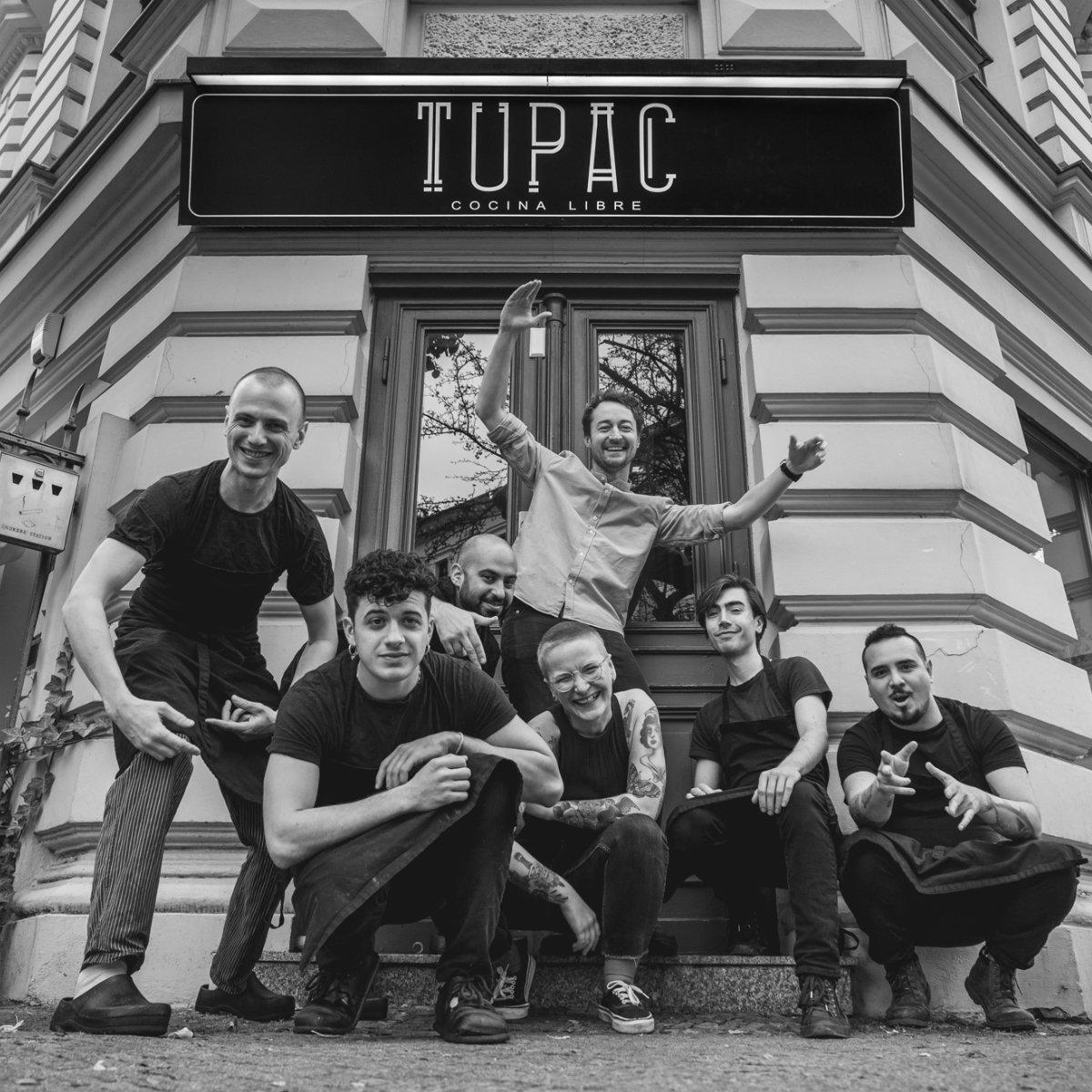
Kreuzberg's Culinary Gravity and Where Tupac Berlin Sits Within It
Tupac Berlin is a restaurant in Kreuzberg, Berlin, serving Modern Peruvian Latin American cuisine at Oranienstraße 170. Oranienstraße has never been a street that needed to announce itself. Running through the heart of Kreuzberg, it carries the accumulated cultural weight of decades of immigration, counterculture, and more recently, the kind of restaurant density that makes a neighbourhood worth mapping seriously. The block around number 170 sits within a corridor that has absorbed influences from across Latin America, the Middle East, and Southeast Asia, not as novelty programming but as genuine neighbourhood fabric. Tupac Berlin operates inside that environment, and the address alone places it in a specific conversation about how Berlin processes international culinary identity.
Berlin's dining scene has spent the better part of the last decade splitting into two distinct registers. At the leading end, venues like Rutz, Nobelhart & Schmutzig, and FACIL have built Michelin-recognised cases for rigorous European cooking with German sourcing logic at the centre. Alongside that tier, a more porous middle register has developed, where cuisine identities are less fixed and the room for cross-cultural experimentation is considerably wider. Tupac Berlin belongs to that second register, operating on a street that reflects Kreuzberg's own refusal to resolve into a single culinary identity.
The Neighbourhood Frame: Why Kreuzberg Changes the Meal
What distinguishes Kreuzberg from Berlin's other high-density dining districts is the absence of a dominant host cuisine. In Mitte, the logic runs toward European formality and international hotel dining. In Prenzlauer Berg, the pull is toward natural wine and produce-led informality. Kreuzberg absorbs both without committing to either, which means that a venue on Oranienstraße is in conversation with a genuinely mixed comparable set. Turkish kebab institutions, Vietnamese canteens, and creative European bistros share the same stretch of pavement, and diners move between them without the hierarchical signalling that would apply elsewhere.
That context matters for how you approach an evening at the restaurant. The expectation is not the white-tablecloth progression of, say, CODA Dessert Dining, where the tasting arc is the entire premise of the room. Nor does it sit in the register of Germany's destination fine-dining institutions further afield, whether that is Aqua in Wolfsburg, Schwarzwaldstube in Baiersbronn, or Victor's Fine Dining by Christian Bau in Perl. The restaurant operates in the space between neighbourhood permanence and the kind of cooking that asks something of the diner.
Latin American Reference in a German Capital
The broader question that venues operating under Latin American or Andean culinary identity raise in European cities is one of fidelity versus translation. Cities like London, Paris, and Amsterdam have seen the arrival of restaurants that treat these cuisines with the same technical seriousness that Japanese and Korean food received a generation ago. Berlin has followed more slowly, but the trajectory is consistent. Where earlier Latin American references in the city leaned on surface-level familiarity, burritos, empanadas, and the like, more recent arrivals have engaged with the deeper grammar of those traditions: fermentation techniques, native ingredients, and long-form cooking methods that don't flatten well into casual formats.
The restaurant, positioned on Oranienstraße, enters that conversation at a moment when Berlin diners are measurably more sophisticated about these distinctions than they were five years ago. The critical comparison is not with other Berlin venues but with the trajectory of how Peruvian and broader Andean cooking has been received internationally, from the Lima-based originals to European outposts of varying ambition. That lineage matters as a frame, even when the specifics of a venue's menu or kitchen approach are not fully documented in the public record.
The Tasting Progression: How the Meal Tends to Unfold
In restaurants where Latin American culinary tradition is taken seriously, the structure of a meal tends to resist the European three-act convention. Rather than the clean architecture of amuse, main, and dessert, the progression is more lateral, moving across textures, temperatures, and acidities in a sequence that accumulates rather than climaxes. Ceviches and tiraditos, for instance, function as palate-orienting dishes that establish the meal's acid register early, not as starters in the European sense. Cold preparations give way to warmer ones, but the transitions are often more gradual and less declarative.
This structural logic, when applied with discipline, produces a kind of meal that European diners sometimes find disorienting on first encounter and compelling on return. The absence of a single dominant course forces attention to the sequence as a whole rather than to individual peaks. Venues like Atomix in New York City have demonstrated, in the context of Korean cuisine, how non-European tasting progressions can achieve serious critical recognition when executed with rigour. The same logic applies to Andean and Peruvian frameworks, where the meal's coherence emerges from accumulation rather than hierarchy.
For diners approaching the restaurant with that framework in mind, the expectation should be set accordingly: the satisfaction here is likely to be cumulative and textural rather than monument-driven. It is a different kind of attention the meal asks for, and Kreuzberg, with its ambient noise and neighbourhood energy, is a fitting environment for that register.
Placing Tupac Berlin in Berlin's Broader Restaurant Map
Berlin's most discussed restaurant addresses tend to cluster in Mitte and Charlottenburg when the conversation turns to formal recognition, and in Prenzlauer Berg and Neukölln when it turns to emerging energy. Kreuzberg occupies an interesting middle position: established enough to have institutional addresses, still porous enough to absorb new arrivals without the same gravitational pressure. Restaurant Tim Raue, operating with two Michelin stars and a Asian-inflected European framework, demonstrates that non-traditional culinary identities can achieve formal recognition in Berlin. The question for venues like Tupac Berlin is whether that recognition path will open further for Latin American-rooted cooking in the coming years.
Germany's fine-dining geography remains heavily weighted toward venues outside its capital. JAN in Munich, Vendôme in Bergisch Gladbach, Waldhotel Sonnora in Dreis, Schanz in Piesport, and ES:SENZ in Grassau all represent the country's restaurant credibility in ways that Berlin has historically struggled to match at the leading level. But Berlin's advantage has never been in formal prestige; it is in volume, diversity, and the speed at which culinary ideas from elsewhere find serious practitioners. That is the environment the restaurant operates within.
Planning Your Visit to Oranienstraße 170
The restaurant is located at Oranienstraße 170, 10999 Berlin, in Kreuzberg. The address is well-served by public transport, with Moritzplatz U-Bahn station (U8 line) within walking distance and Kottbusser Tor (U1, U3, U8) providing additional access. Kreuzberg is a neighbourhood that rewards arriving early and staying late; the street's energy shifts considerably after nine in the evening, and the surrounding blocks carry a range of options for drinks before or after a meal. Current hours are Mon: Closed; Tue to Thu: 12 to 3 PM and 6 to 11 PM; Fri: 12 to 3 PM and 6 PM to 1 AM; Sat: 6 PM to 1 AM; Sun: Closed. Reservations are recommended, and the price tier is about $30 per person. For reference, comparable Hamburg fine dining includes Restaurant Haerlin and Bagatelle in Trier represents further regional options for those travelling across Germany. For international comparison on tasting-menu formats built around non-European culinary traditions, Le Bernardin in New York City offers a useful reference point for how cuisine-specific rigour translates to formal recognition.
Recognition, Side-by-Side
Comparable venues nearby, for context on price, style, and recognition.
| Venue | Cuisine | Price | Notes |
|---|---|---|---|
| Tupac BerlinThis venue — the venue you are viewing | Modern Peruvian Latin American | $$ | Not listed |
| Cevicheria | Authentic Peruvian Cevicheria | $$ | Kreuzberg |
| dots | Modern Café & Deli | $$ | Neukolln |
| Flemming´s | German Steakhouse with Mediterranean Influences | $$ | Kreuzberg |
| Ishin | Casual Japanese Sushi and Rice Bowls | $$ | Mitte |
| Slice Society | New York-Style Pizza | $$ | Mitte |
Continue exploring
More in Berlin
Restaurants in Berlin
Browse all →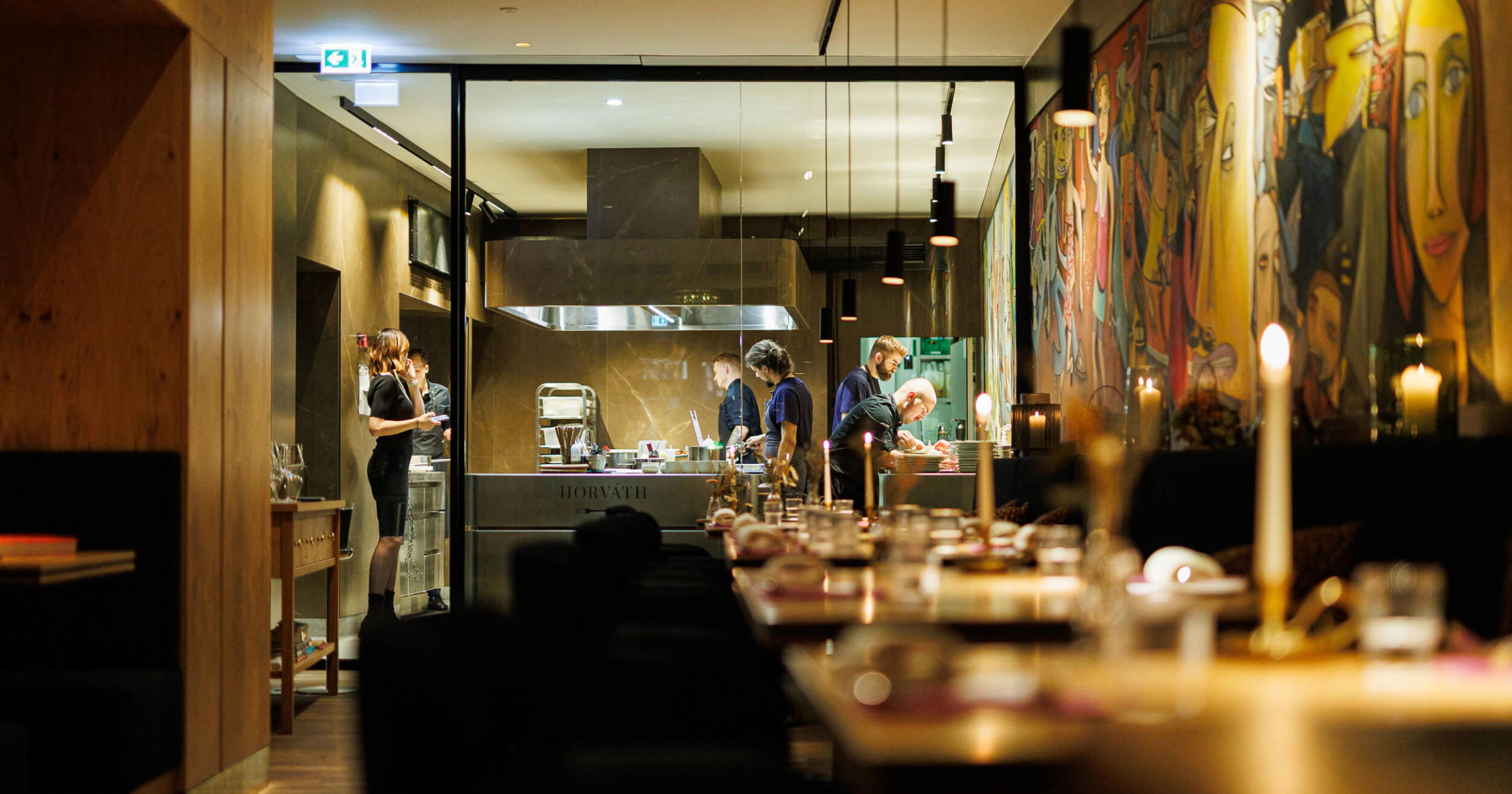
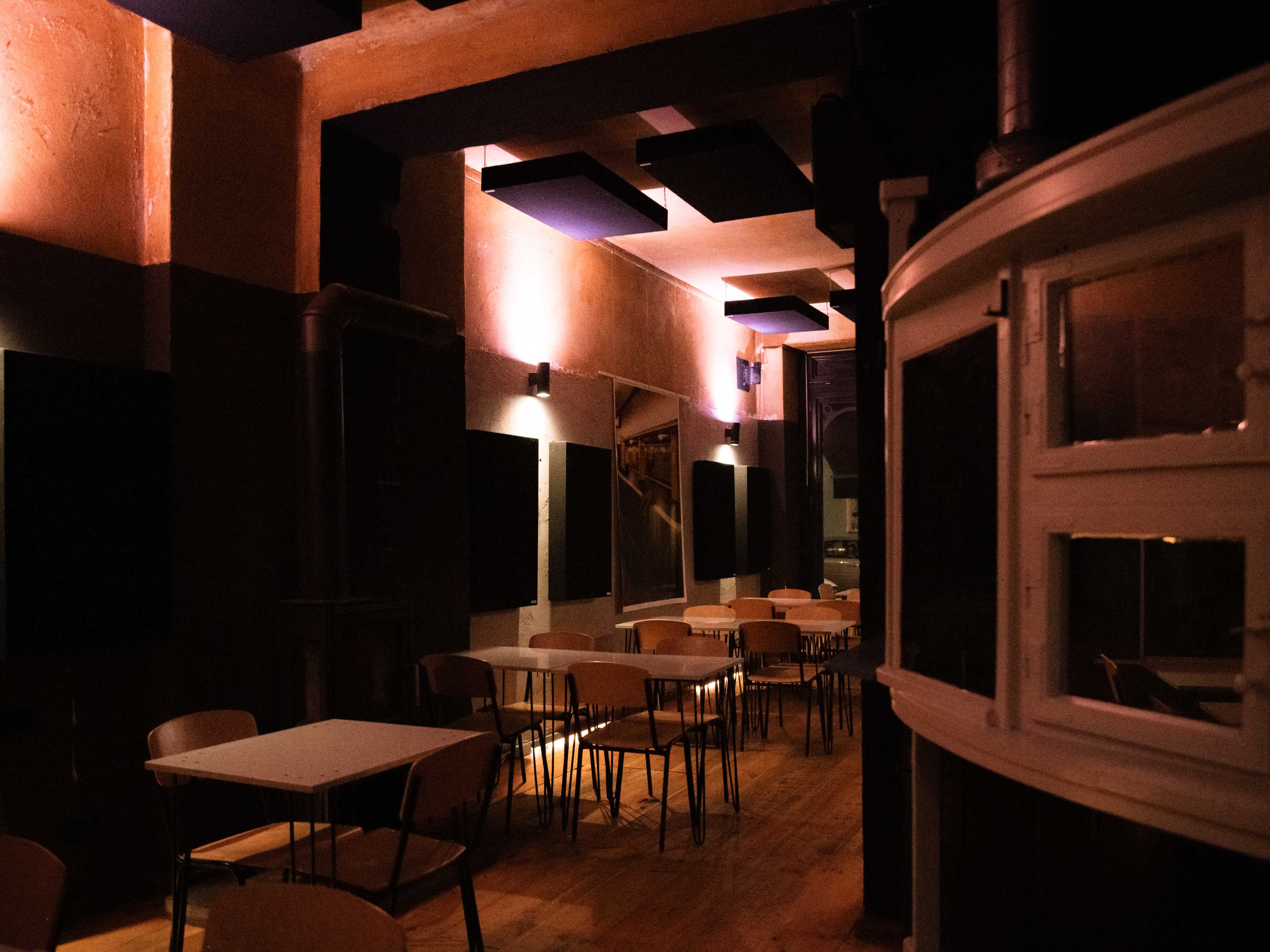
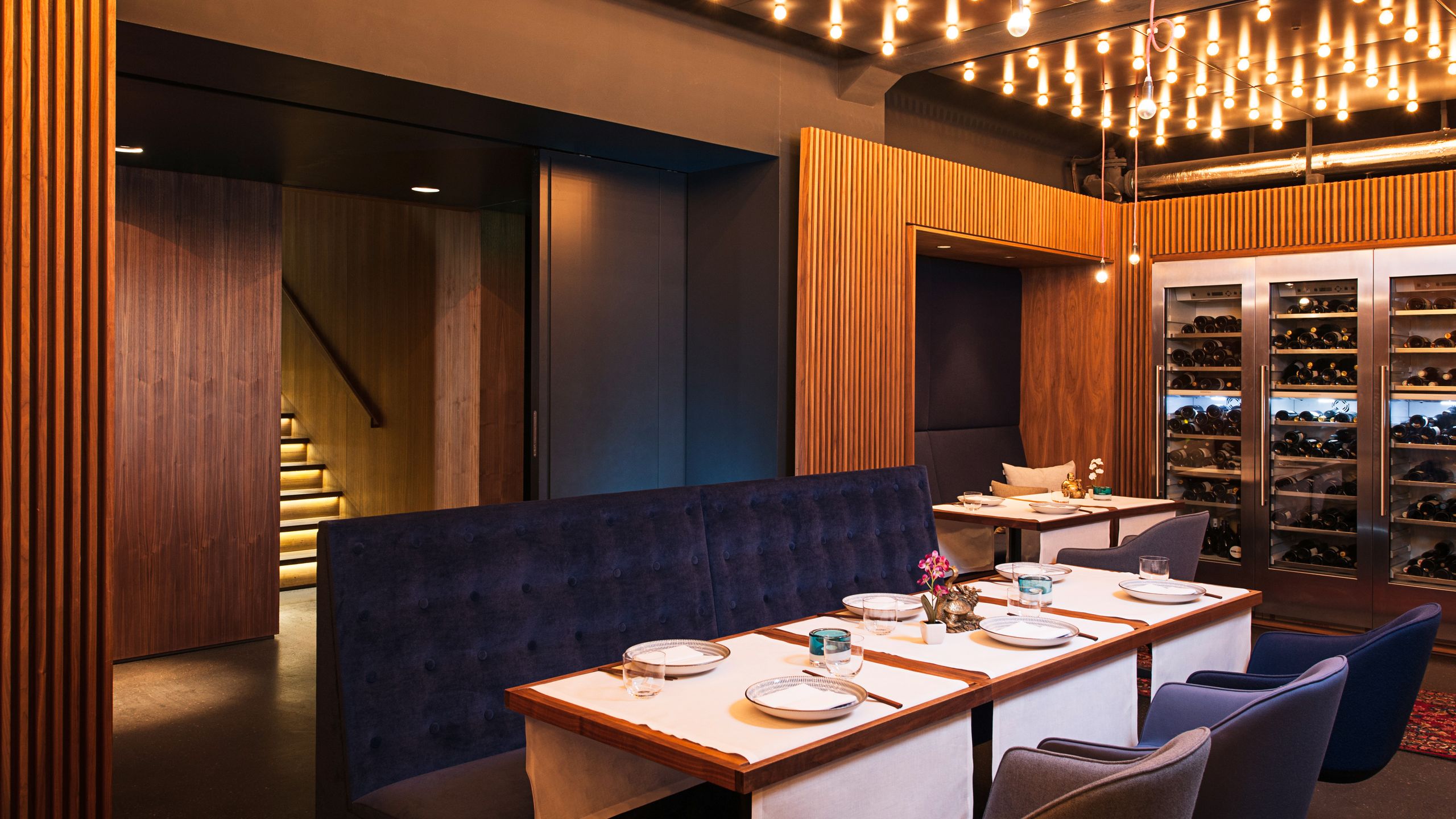
Bars in Berlin
Browse all →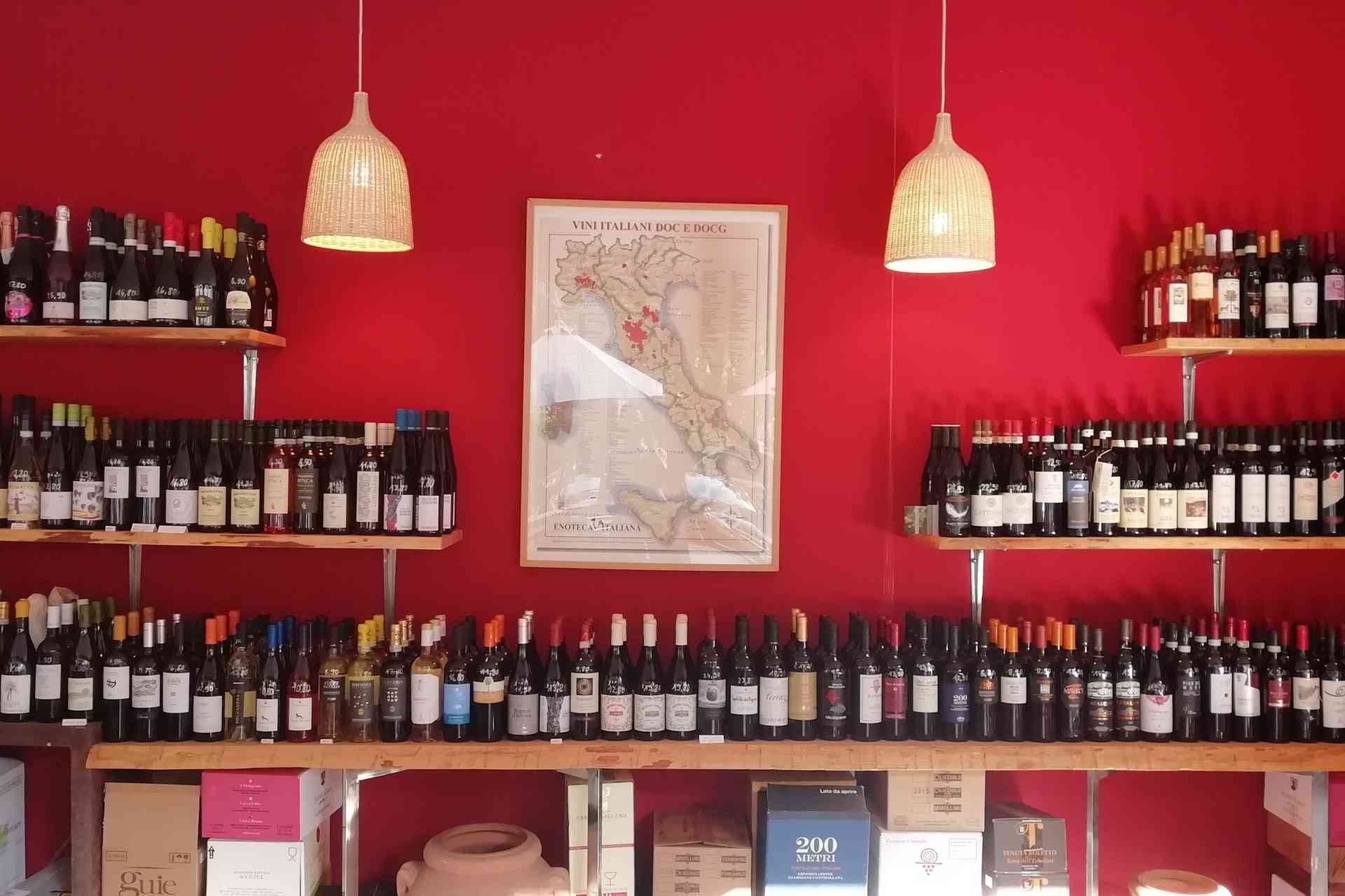
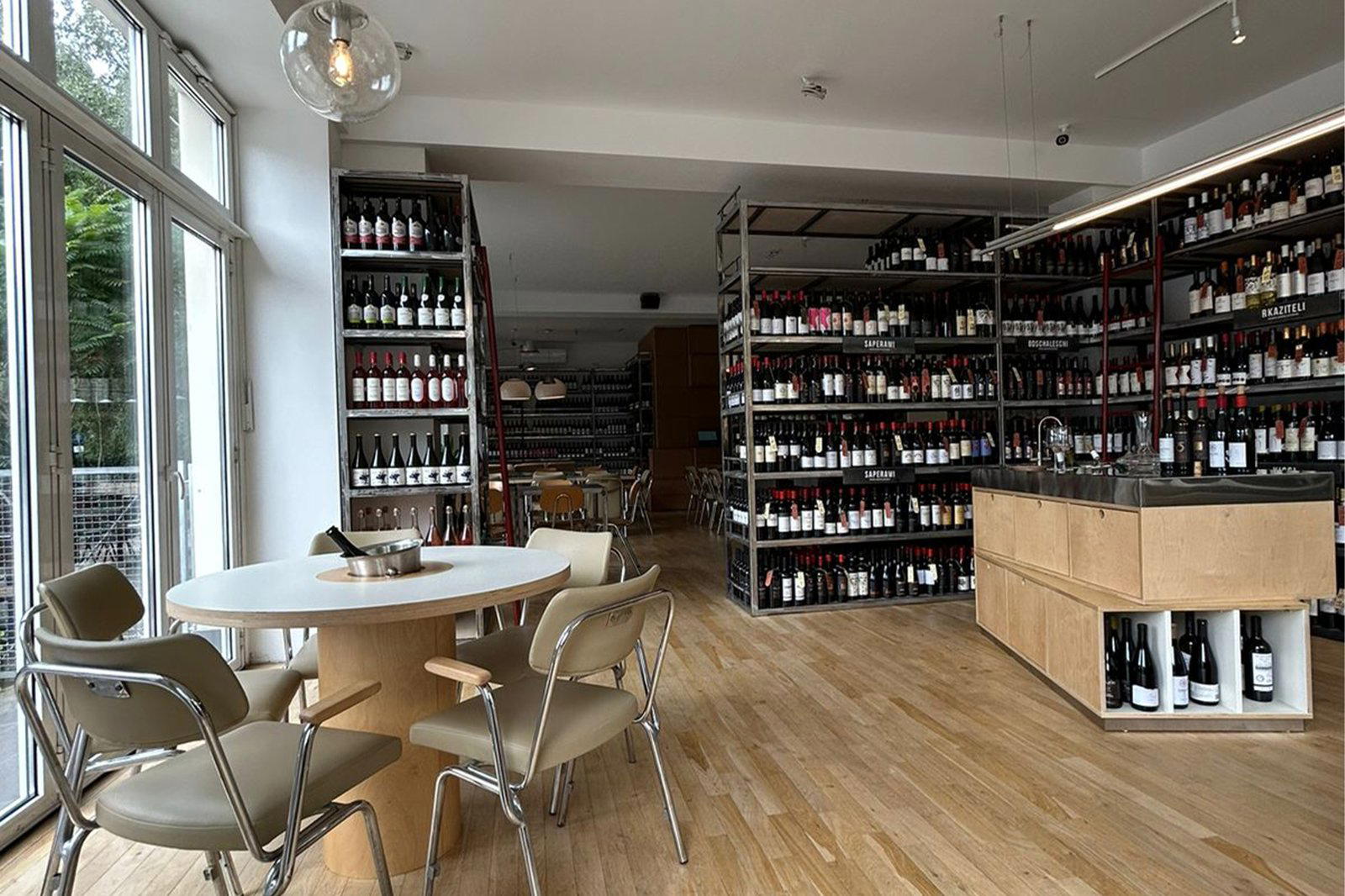
Hotels in Berlin
Browse all →

Wineries in Berlin
Browse all →
At a Glance
- Cozy
- Trendy
- Intimate
- Lively
- Date Night
- Casual Hangout
- Group Dining
- Open Kitchen
- Craft Cocktails
- Local Sourcing
- Street Scene
Current opening hours
- Monday
- Closed
- Tuesday
- 12–3 PM, 6–11 PM
- Wednesday
- 12–3 PM, 6–11 PM
- Thursday
- 12–3 PM, 6–11 PM
- Friday
- 12–3 PM, 6 PM–1 AM
- Saturday
- 6 PM–1 AM
- Sunday
- Closed
Hours can change for holidays and private events. Last verified .
Cozy and lovingly decorated with lively South American colors, chilled music, and an inviting atmosphere enhanced by the open kitchen.