Our verdict
On Dresdener Strasse in Kreuzberg, Cevicheria brings the acid-bright tradition of Peruvian ceviche to a Berlin neighbourhood already fluent in global food culture. The format is focused: raw fish, citrus, and heat treated with the discipline that Lima's cevicherías have refined over generations. For a city that leans heavily toward Northern European fine dining, this is a deliberate departure.

Pearl is the En Primeur Club membership app, where members save venues, book tables and use the concierge.

Kreuzberg and the Case for Peruvian Acid
Berlin's dining conversation is dominated by a particular register: modern German, Nordic-influenced, produce-led tasting menus with wine lists curated around natural producers. Venues like Nobelhart & Schmutzig, Rutz, and FACIL have shaped what the city expects from a serious plate of food. Against that backdrop, a dedicated cevichería on Dresdener Strasse occupies a genuinely different position: it is not trying to win at the tasting-menu game. It is making an argument for a different cuisine tradition entirely.
Cevicheria sits in Kreuzberg, the district that has absorbed more culinary influence from more places than almost anywhere else in the city. The neighbourhood's food identity is pluralist by history, not by design trend, and it is a more honest home for a Peruvian-rooted concept than the polished streets around Mitte or the gallery corridors of Charlottenburg. The address on Dresdener Strasse places the venue squarely in the SO36 pocket of Kreuzberg, where the clientele is younger, the rents have historically been lower, and the tolerance for culinary experimentation is high.
What Ceviche Actually Is, and Why It Matters Here
The ceviche tradition in Peru is not a single dish. It is a technique family built around leche de tigre, the citrus-based marinade that cures raw fish through acid rather than heat. The process is fast, in a well-executed ceviche, the fish spends minutes, not hours, in contact with lime juice, and the results depend entirely on the quality and freshness of the protein, the balance of acid, salt, and ají amarillo heat, and the timing of service. There is very little room to hide a flaw, which is why Lima's cevicherías are judged by Peruvians with the same granularity that Paris applies to its brasseries.
In Europe, Peruvian food arrived in two waves. The first, in the 2000s and early 2010s, came largely through Nobu-adjacent Nikkei fusion in London and Paris, where Japanese technique absorbed into the Peruvian pantry and produced a high-gloss, expensive hybrid. The second wave has been quieter and more specific: focused cevicherías in cities with established Latinx communities or in food-forward neighbourhoods where operators can source the right fish and the right chiles. Berlin's version of this second wave is still forming, which makes a venue like Cevicheria relevant not just as a place to eat but as an indicator of where the city's appetite is moving.
The Kreuzberg Setting
Walking along Dresdener Strasse in the early evening, the block reads as a typical Kreuzberg mix: döner counters, late-night bars, a few newer café openings that suggest the slow creep of gentrification without having fully overtaken the street's rougher character. Cevicheria at number 120 is part of this texture rather than a rupture from it. The format of a cevichería, inherently casual, counter-friendly, built for sharing, fits the neighbourhood's rhythm more naturally than it would fit, say, the Potsdamer Platz corridor where FACIL operates inside the Mandala Hotel.
This matters for how you approach the meal. Cevichería dining in Lima is lunch culture first: the fish is freshest in the morning, the dishes are light and acidic by design, and the format is social rather than ceremonial. In a Berlin evening context, some of those conventions shift, but the underlying logic of the cuisine, eat quickly, eat fresh, share everything, translates without friction into Kreuzberg's informal dining culture.
Placing Cevicheria in Berlin's Broader Scene
Berlin's most formally recognised restaurants, those carrying Michelin distinctions and appearing in the €€€€ tier that includes venues like CODA Dessert Dining and Restaurant Tim Raue, operate in a different register from what Cevicheria represents. That is not a hierarchy judgment; it is a category distinction. Tim Raue's kitchen produces Chinese-influenced haute cuisine with three Michelin stars. CODA built an entire restaurant concept around dessert as a multi-course format. These are maximalist, high-architecture experiences. Cevicheria's proposition, by contrast, is minimalist in the leading sense: a specific cuisine tradition executed with focus.
Germany's fine dining benchmark, for context, spans venues well beyond Berlin. Properties like Schwarzwaldstube in Baiersbronn, Aqua in Wolfsburg, and Vendôme in Bergisch Gladbach anchor the country's Michelin upper tier. Cevicheria does not compete in that category, nor should it be evaluated against it.
For international reference, the closest conceptual parallel in the seafood-focused fine dining space would be somewhere like Le Bernardin in New York City, though that comparison is about the primacy of seafood as the organizing principle, not about price point or format. A more structural parallel in the communal-dining-as-experience space might be Lazy Bear in San Francisco, where the format itself is part of the proposition.
Know Before You Go
Address: Dresdener Str. 120, 10999 Berlin, Germany
Neighbourhood: Kreuzberg (SO36)
Phone: Not publicly listed, check current platforms for contact details
Website: Not available at time of publication
Reservations: Booking; walk-ins are common in the Kreuzberg casual-dining tier but availability varies by service
Price range: Not published, expect mid-range pricing consistent with Kreuzberg's casual international dining segment
Ideal time to visit: Early evening service tends to be the sweet spot for freshness in fish-forward venues; weekend lunch is a strong option for ceviche specifically, aligning with the cuisine's Lima origins as a daytime format
Frequently asked questions
What should I order at Cevicheria?
The cuisine anchor here is clear: ceviche in its various forms, built around acid-cured raw fish, is the reference point for the kitchen's identity. In a venue named for the dish, the ceviche preparations are the logical starting point. The Peruvian tradition also includes tiradito (a Nikkei-influenced variant, sliced thinner and dressed differently from classic ceviche) and causas (potato-based starters), which often appear alongside the acid-forward mains.
Do I need a reservation for Cevicheria?
In Kreuzberg's casual dining tier, walk-ins are frequently possible, but a venue that has attracted attention for a focused, specific format can fill quickly on weekend evenings. If you are visiting on a Friday or Saturday, contacting the restaurant in advance is a reasonable precaution. Berlin's mid-tier dining scene does not carry the three-month advance booking pressure of Michelin-starred counters like those in the city's €€€€ tier.
What is Cevicheria leading at?
The kitchen's clearest credential is conceptual specificity: this is a venue organized around a single cuisine tradition rather than a broad international menu. In Berlin, where the dominant fine dining mode is European and Nordic-influenced, a focused Peruvian format is a genuine departure. The acid-led, seafood-forward style of cooking is the organizing principle, and that focus is itself a form of quality signal, a kitchen that does one thing tends to do it better than one that does many.
Is Cevicheria allergy-friendly?
Peruvian cuisine relies heavily on seafood and shellfish, and leche de tigre marinades typically contain citrus and ají amarillo, a chile that some guests are sensitive to.
Is Cevicheria good value for money?
In a city where a full tasting menu at a starred restaurant can exceed €200 per person, a focused cevichería almost certainly offers a materially lower spend for a meal that is doing something the formal fine dining tier does not. Value is a function of what you are comparing against.
How does Cevicheria fit into Berlin's growing Latinx food scene?
Berlin's Latinx dining presence has grown steadily over the past decade, moving from predominantly Mexican and Brazilian formats toward more regionally specific cuisines, including Peruvian. Cevicheria on Dresdener Strasse represents the more focused end of that spectrum: a venue organized around a specific Peruvian culinary tradition rather than a broadly Latin menu. For diners tracking the development of South American food culture in the German capital, it is a relevant data point in that evolution, and Kreuzberg's pluralist food identity makes it a logical location for the concept. Those exploring the full range of Berlin's serious dining options can find further context in our full Berlin restaurants guide.
Cuisine and Recognition
| Venue | Cuisine | Price | Awards | Notes |
|---|---|---|---|---|
| CevicheriaThis venue (the venue you are viewing) | Authentic Peruvian Cevicheria | $20–30 | Not listed | Not listed |
| CODA Dessert Dining | Dessert-Inspired Fine Dining | $200–300 | 2 Michelin Stars · World's 50 Best #82 | Creative |
| Rutz | Modern German Fine Dining | $200–300 | 3 Michelin Stars · La Liste Top Restaurants | Modern European, Modern Cuisine |
| Nobelhart & Schmutzig | Hyper-Local Modern German Fine Dining | $100–150 | 1 Michelin Star · World's 50 Best #76 | Modern German, Creative |
| FACIL | Modern Fusion Fine Dining | $200–300 | 2 Michelin Stars · La Liste Top Restaurants | Contemporary European, Creative |
| Horváth | Modern Austrian Vegetable Cuisine | $200–300 | 2 Michelin Stars · La Liste Top Restaurants | Modern Austrian, Creative |
Continue exploring
More in Berlin
Restaurants in Berlin
All restaurants in Berlin →
Bars in Berlin
All bars in Berlin →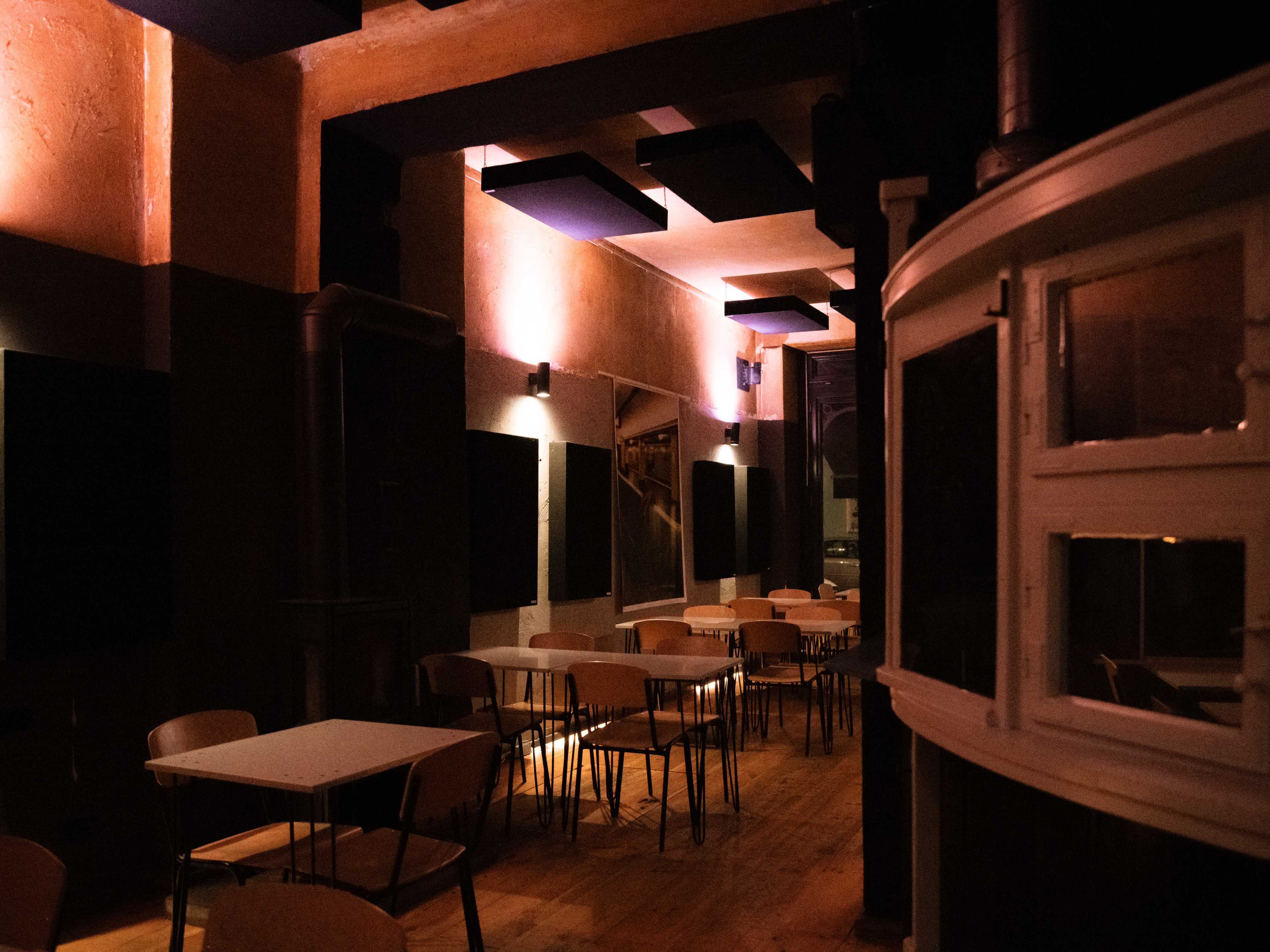
Details
- Lively
- Cozy
- Intimate
- Casual Hangout
- Date Night
- Standalone
- A La Carte
- Small Plates
- Vegetarian Friendly
- Vegan Options
Current opening hours
- Monday
- 6–11 PM
- Tuesday
- 6–11 PM
- Wednesday
- 6–11 PM
- Thursday
- 6–11 PM
- Friday
- 6–11:30 PM
- Saturday
- 6–11:30 PM
- Sunday
- 6–11 PM
Hours can change for holidays and private events. Hours as of .
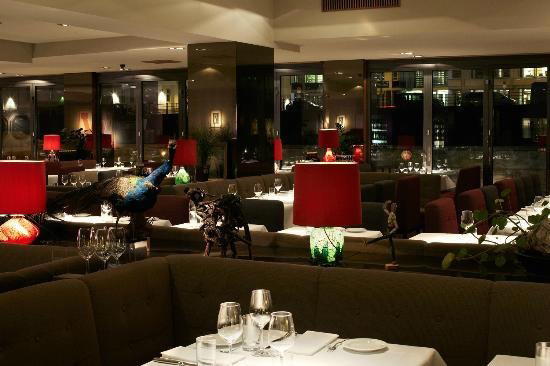
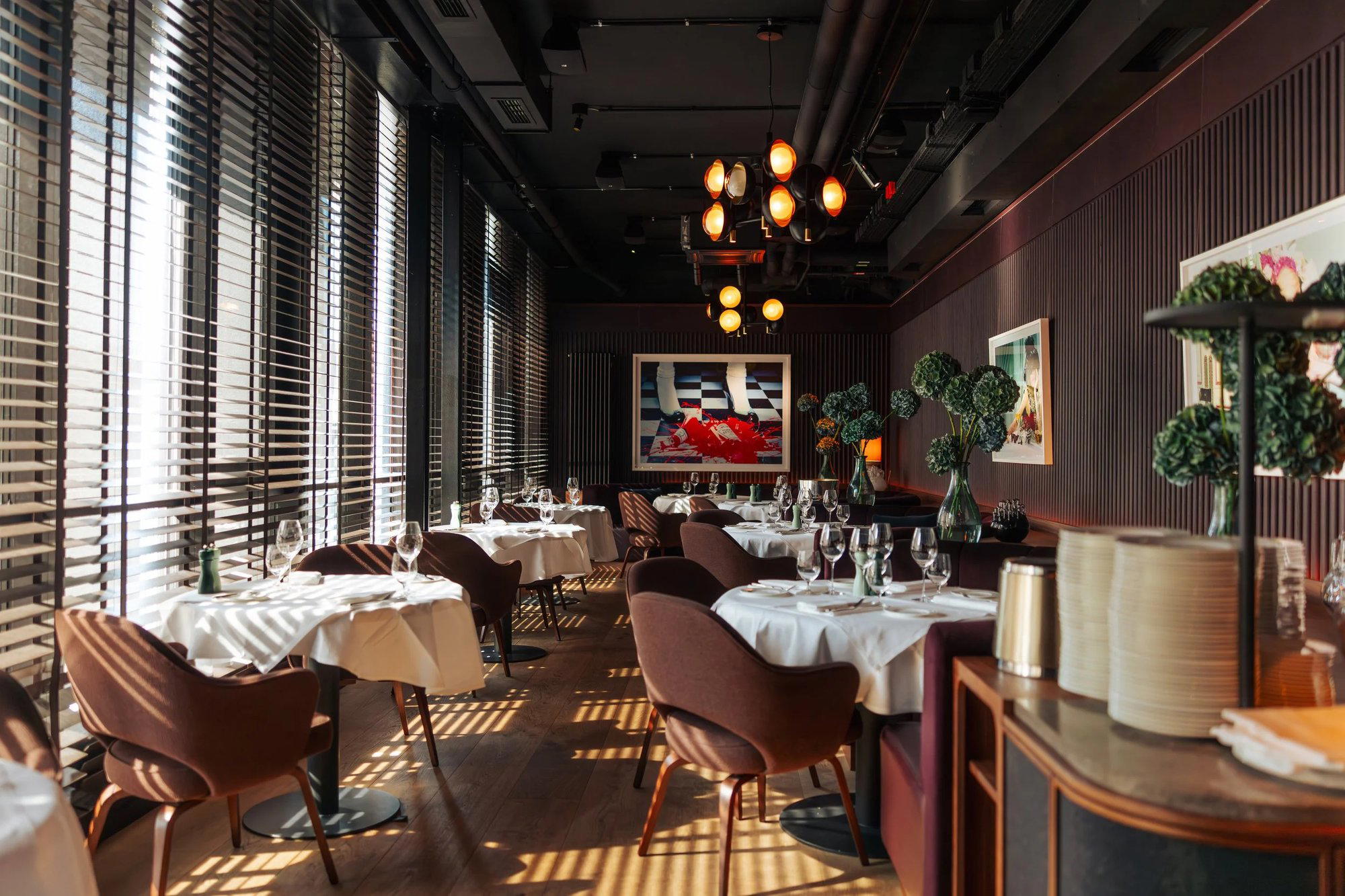
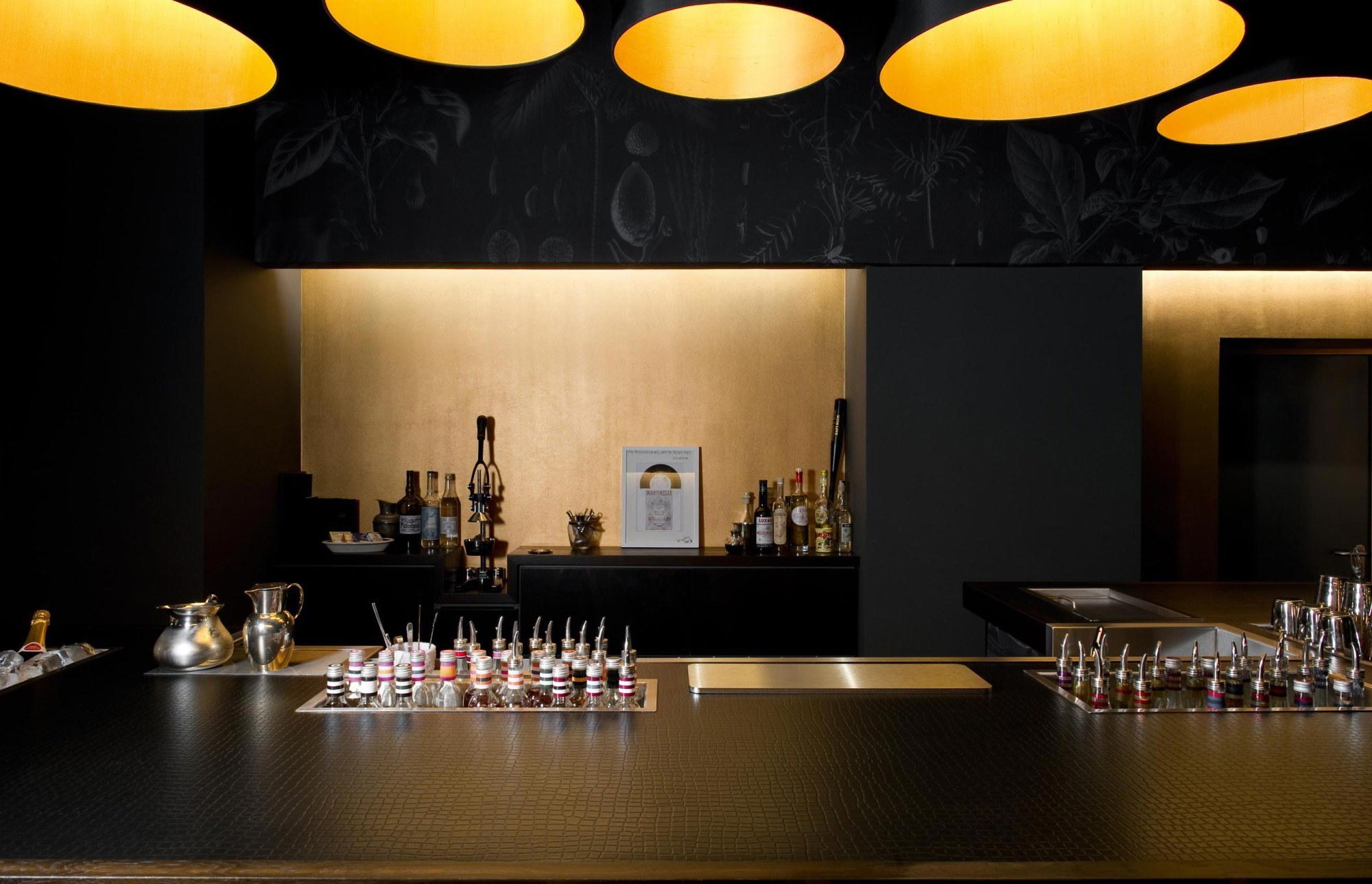
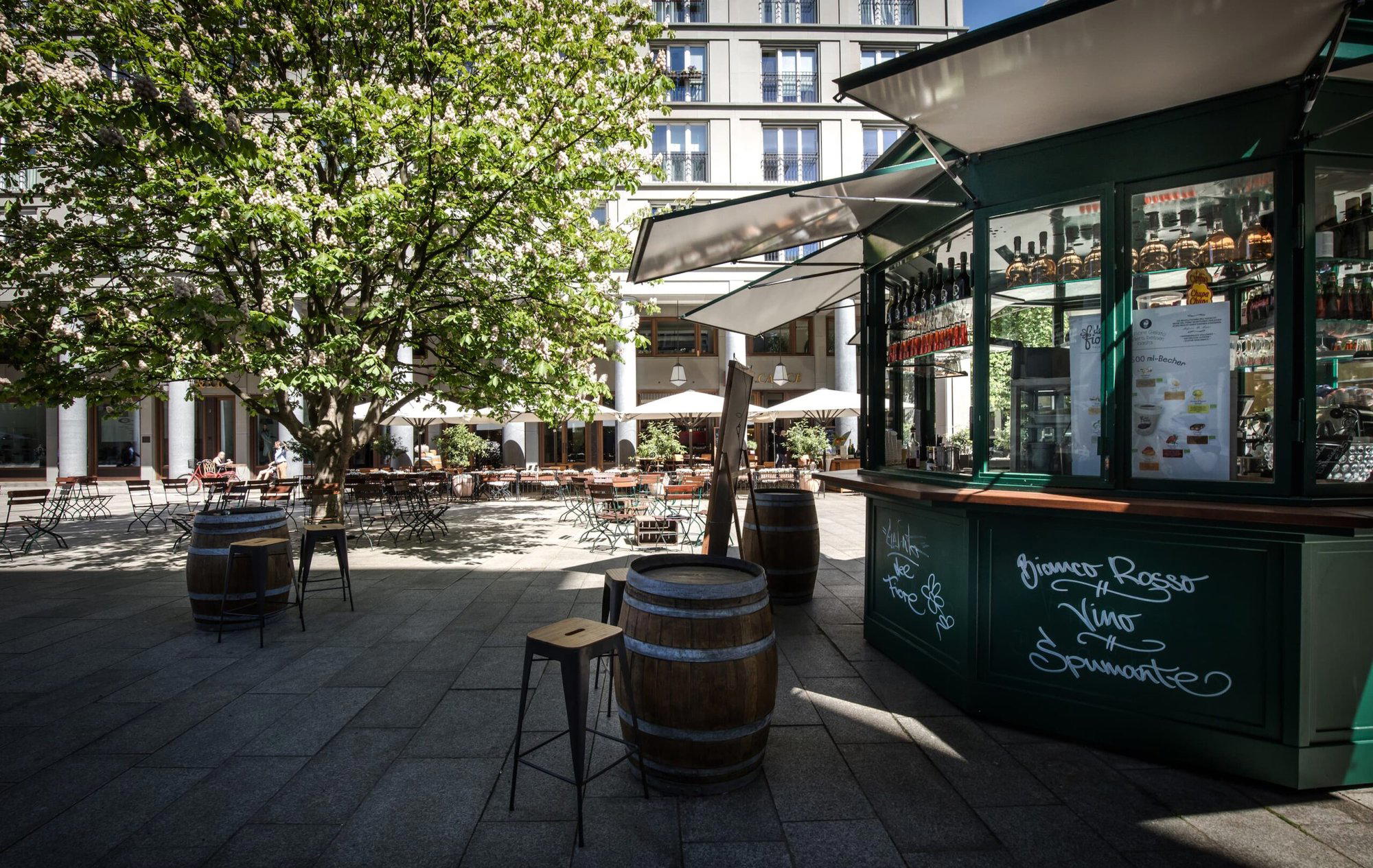
Cozy and lively with a welcoming, familiar Peruvian atmosphere.