dots occupies a corner of Neukölln's Weserstraße strip, a neighbourhood where low rents and creative density have long attracted experimental operators. The venue sits within Berlin's broader creative dining scene, where format and concept often do as much work as the menu itself. Sparse data makes verification of specific dishes and prices difficult, but the address places it firmly inside one of the city's most watched corridors for independent hospitality.
Pearl is the En Primeur Club membership app — saves, bookings, and concierge access live there. Same editors, same standards.
- Address
- Weserstr. 191, 12045 Berlin, Germany
- Phone
- +493062725131
- Website
- ilovedots.de
- Directions
- Get directions
 Saves & bookings on Pearl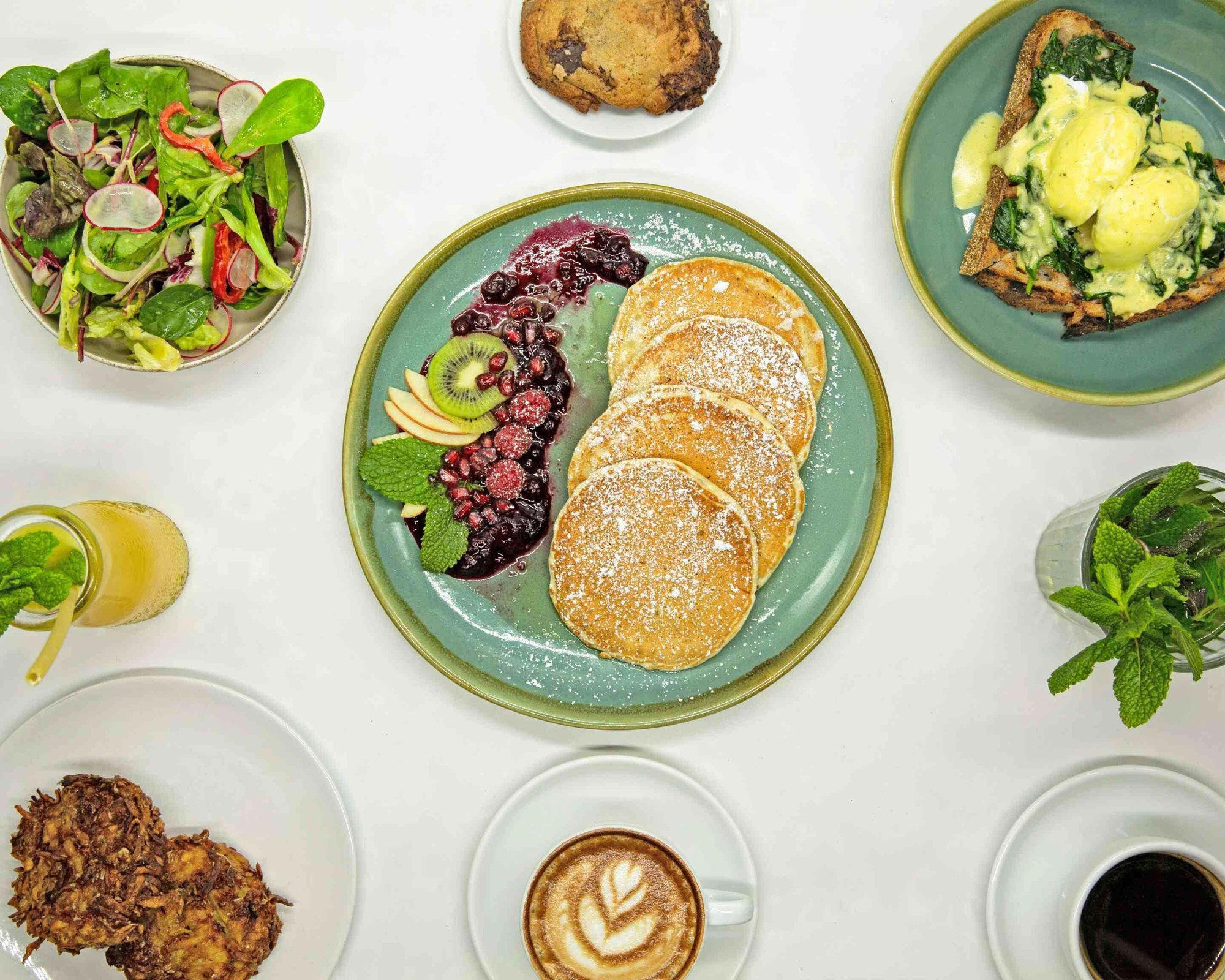
Weserstraße and the Neukölln Model
dots is a modern café and deli in Berlin's Neukölln district, on Weserstr. 191 in 12045. The Weserstraße corridor, where dots sits at number 191, follows a pattern visible in several European cities: relatively affordable commercial rents attract operators who can take conceptual risks that higher-cost addresses would not permit. The result is a street where a visitor might pass a natural wine bar, a chef-driven small-plates room, and a design-forward coffee concept within a single block. It is a format born of economic pragmatism that has become, in Berlin's case, a genuine alternative dining culture.
That context matters when reading any venue on Weserstraße. The neighbourhood self-selects for a certain kind of operator and a certain kind of guest. Diners who arrive here are generally not looking for the formal procession of a Michelin-certified room like Rutz or the hyper-disciplined regionalism of Nobelhart & Schmutzig. They are looking for something more contingent, more provisional, a dining room that feels like it could change direction next season and probably will.
Menu Architecture as Editorial Statement
In Berlin's independent dining scene, how a menu is structured often communicates as much as what appears on it. The city's most discussed creative rooms have tended to organise their menus around a single editorial logic: CODA Dessert Dining collapses the savoury-sweet boundary into a single through-line; FACIL applies a contemporary European lens with a consistent lightness of touch. Each structural choice is, in effect, a position statement about what dining is for.
What we can observe is that a Neukölln address on a street with dots's profile tends to attract operators whose menus lean toward smaller formats, shorter courses, and ingredient-first thinking rather than classical French architecture.
The menu architecture question, whether a room uses a set menu or à la carte, how many courses it offers, whether wine pairings are integrated or optional, shapes the entire guest experience. A Neukölln operator setting prices and format against the neighbourhood's independent comparable set is making different calculations than a restaurant pricing against Restaurant Tim Raue or the starred rooms of Germany's broader destination dining circuit. Understanding that distinction is the first step toward knowing whether dots belongs on a given itinerary.
Where dots Sits in Berlin's Creative Tier
Berlin's creative dining tier has consolidated over the past decade around a recognisable set of operators. At the formal end, rooms with Michelin recognition and structured tasting menus occupy a tier that prices and books accordingly. Below that, and often more interesting to the committed diner, sits a cohort of independent operators who define their own formats: no-reservations counters, fixed-time communal sittings, hybrid bar-and-kitchen rooms. This is the tier where Neukölln operators most frequently operate, and where experimentation with menu length, service style, and price architecture tends to be most visible.
Comparison with the city's Michelin-recognised rooms clarifies what dots is not. It is not positioned against the classical French technique that runs through FACIL or the obsessive regionalism that defines Nobelhart & Schmutzig. Its Weserstraße address places it in a cohort that values accessibility and conceptual independence over awards-track visibility. That is not a compromise; for many diners, it is precisely the appeal. Berlin's starred rooms require planning horizons of weeks to months. The independent tier operates on shorter booking windows and, often, a more direct relationship between guest and kitchen.
For context on Germany's destination dining circuit more broadly, the comparison set shifts considerably. Rooms such as Schwarzwaldstube in Baiersbronn, Aqua in Wolfsburg, and Waldhotel Sonnora in Dreis operate within a formal awards framework and a destination-dining logic that involves overnight stays and occasion-led bookings. JAN in Munich, Vendôme in Bergisch Gladbach, and Victor's Fine Dining by Christian Bau in Perl represent the upper bracket of Germany's fine dining tier. dots, by its address and neighbourhood positioning, is not competing in that space. It belongs to a different, more urban and more contingent conversation.
What the Address Tells You
Weserstr. 191 in the 12045 postcode is in Neukölln, with Hermannplatz nearby and good U8 and U7 connections. That positioning is logistically convenient: the U8 and U7 lines make Hermannplatz one of Berlin's better-connected interchange points, which matters in a city where the dining-to-bar progression often involves crossing several districts in a single evening.
The street itself rewards walking. Weserstraße has a density of independent operators that makes it a coherent itinerary in its own right rather than a single-destination stop. For visitors already planning around Berlin's creative dining tier, the neighbourhood logic supports combining dots with other Neukölln or Kreuzberg stops rather than treating it as a standalone occasion.
Internationally, the Neukölln model has analogues in neighbourhood dining cultures elsewhere. The format-first, concept-led independent room is well represented in cities like San Francisco, where Lazy Bear built its reputation on a fixed communal format, and New York, where Le Bernardin anchors the formal end of a spectrum that extends down to neighbourhood-scale operators with entirely different ambitions. Neukölln's version of this independent tier is distinctly Berliner in its economics and aesthetics, but the underlying logic of concept-over-scale is recognisable across cities.
For diners planning around Germany's broader restaurant circuit, Hamburg's Restaurant Haerlin, ES:SENZ in Grassau, Schanz in Piesport, and Bagatelle in Trier represent the formal and regional anchors of a national dining circuit. dots operates in a different register, one more attuned to the city's independent creative energy than to that awards-tracked progression.
Planning Your Visit
Reputation Context
Comparable venues nearby, for context on price, style, and recognition.
| Venue | Cuisine | Price | Notes |
|---|---|---|---|
| dotsThis venue — the venue you are viewing | Modern Café & Deli | $$ | Not listed |
| BURGERAMT | American Burgers with Vegan Options | $$ | Friedrichshain |
| BENEDICT Prenzlauer Berg | All-Day American Brunch | $$ | Prenzlauer Berg |
| Annelies | Seasonal American Breakfast & Brunch Café | $$ | Kreuzberg |
| Neue Zukunft | German Beer Garden Pub | $$ | Friedrichshain |
| Stock & Stein | German Stone Grill Steakhouse | $$ | Friedrichshain |
Continue exploring
More in Berlin
Restaurants in Berlin
Browse all →
Bars in Berlin
Browse all →
Hotels in Berlin
Browse all →
Wineries in Berlin
Browse all →
At a Glance
- Cozy
- Modern
- Casual
- Brunch
- Casual Hangout
- Solo
- After Work
- Standalone
- Beer Program
- Local Sourcing
Current opening hours
- Monday
- 9 AM–3:30 PM
- Tuesday
- 9 AM–3:30 PM
- Wednesday
- 9 AM–3:30 PM
- Thursday
- 9 AM–3:30 PM
- Friday
- 9 AM–3:30 PM
- Saturday
- 9:30 AM–4 PM
- Sunday
- 9:30 AM–4 PM
Hours can change for holidays and private events. Last verified .
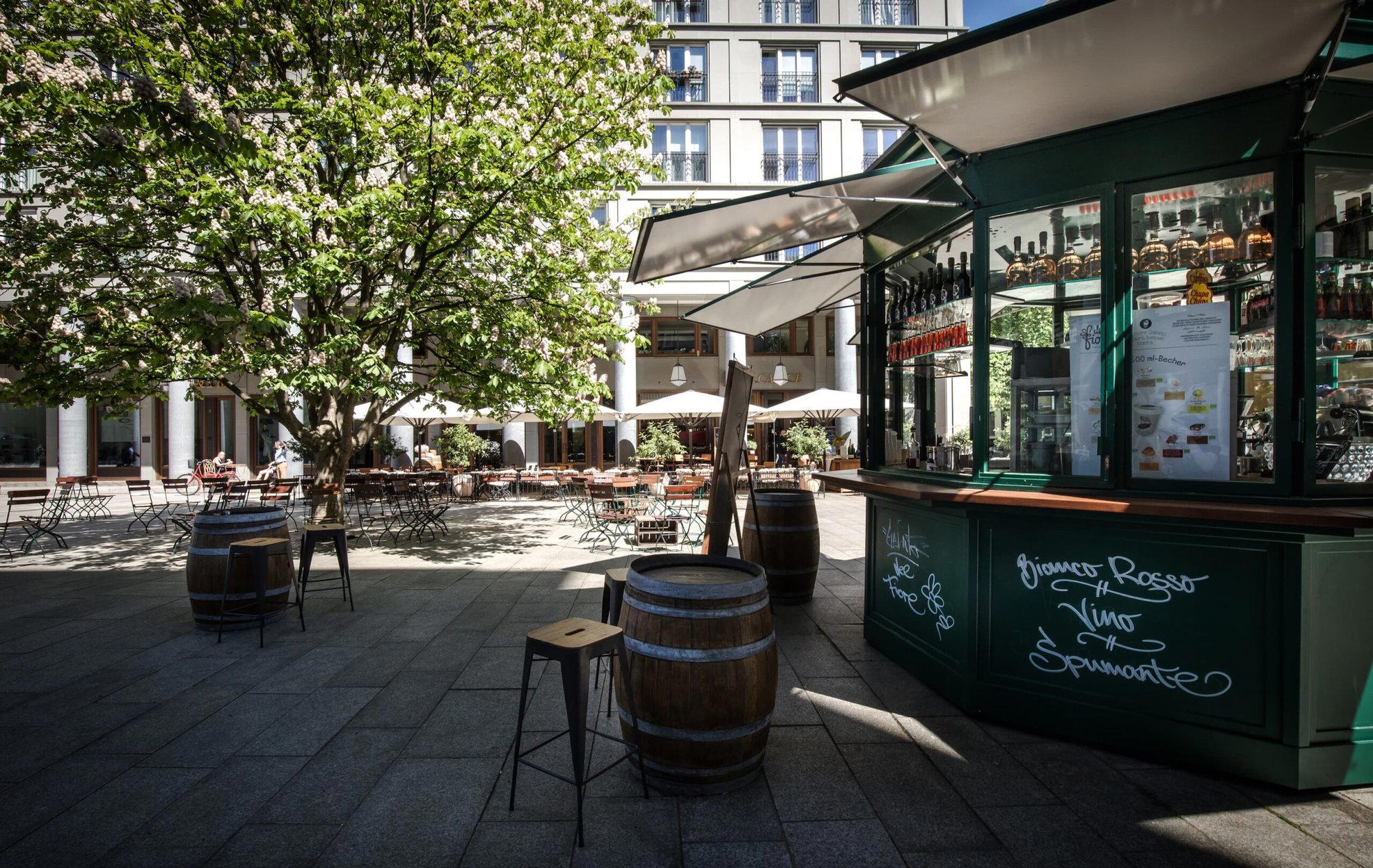
Bright, welcoming modern café with a relaxed atmosphere; described as gemütlich (cozy) and inviting with contemporary design.