Our verdict
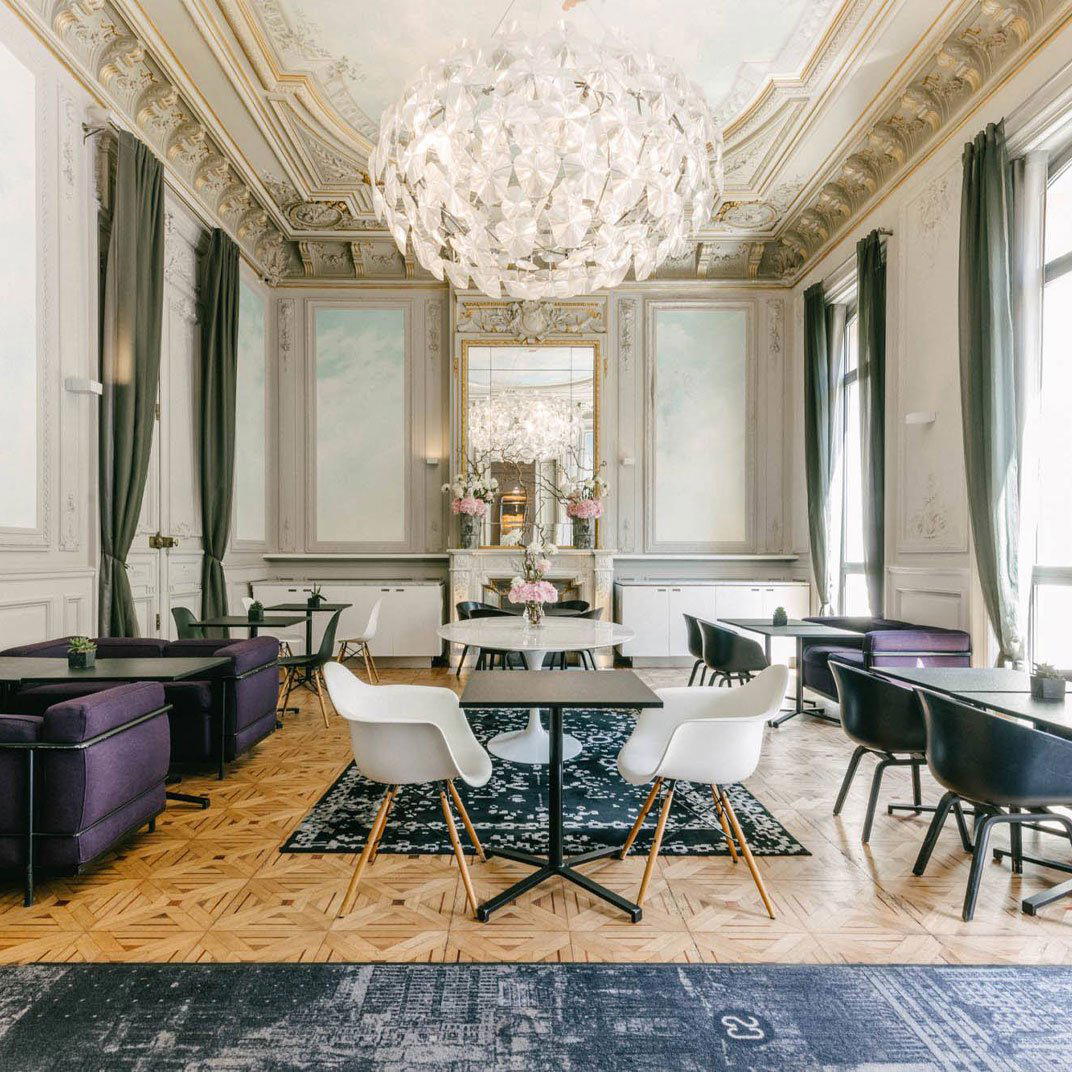
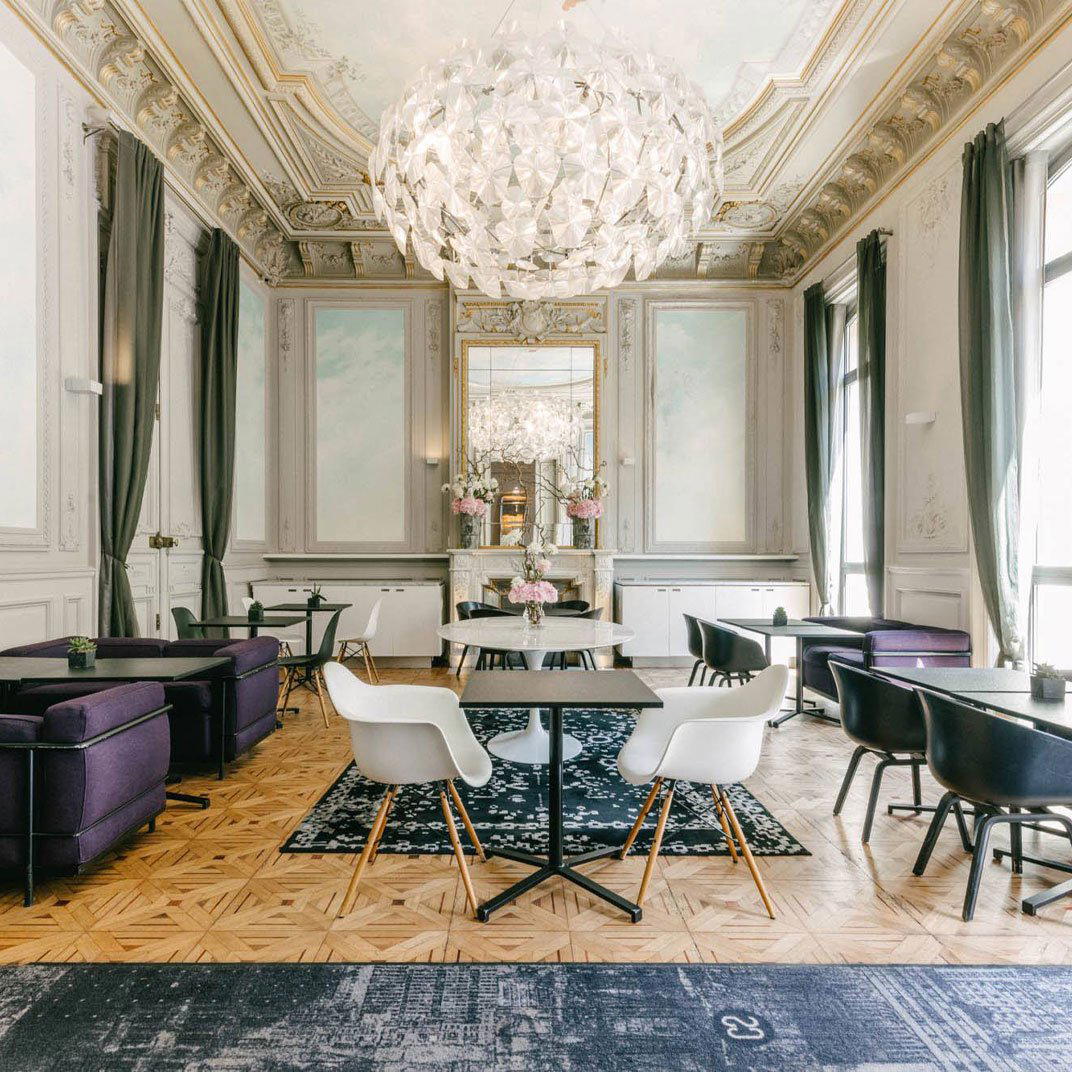
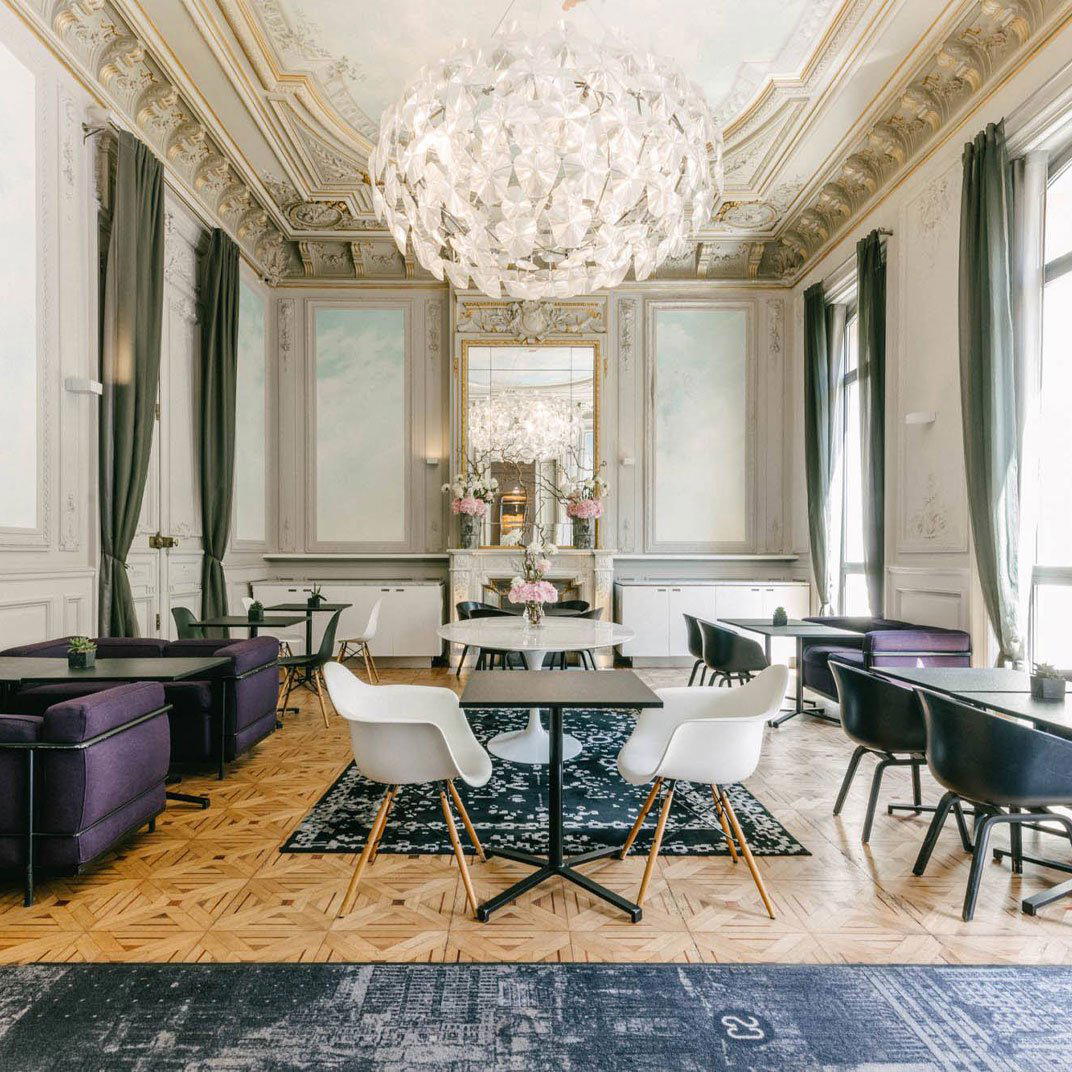
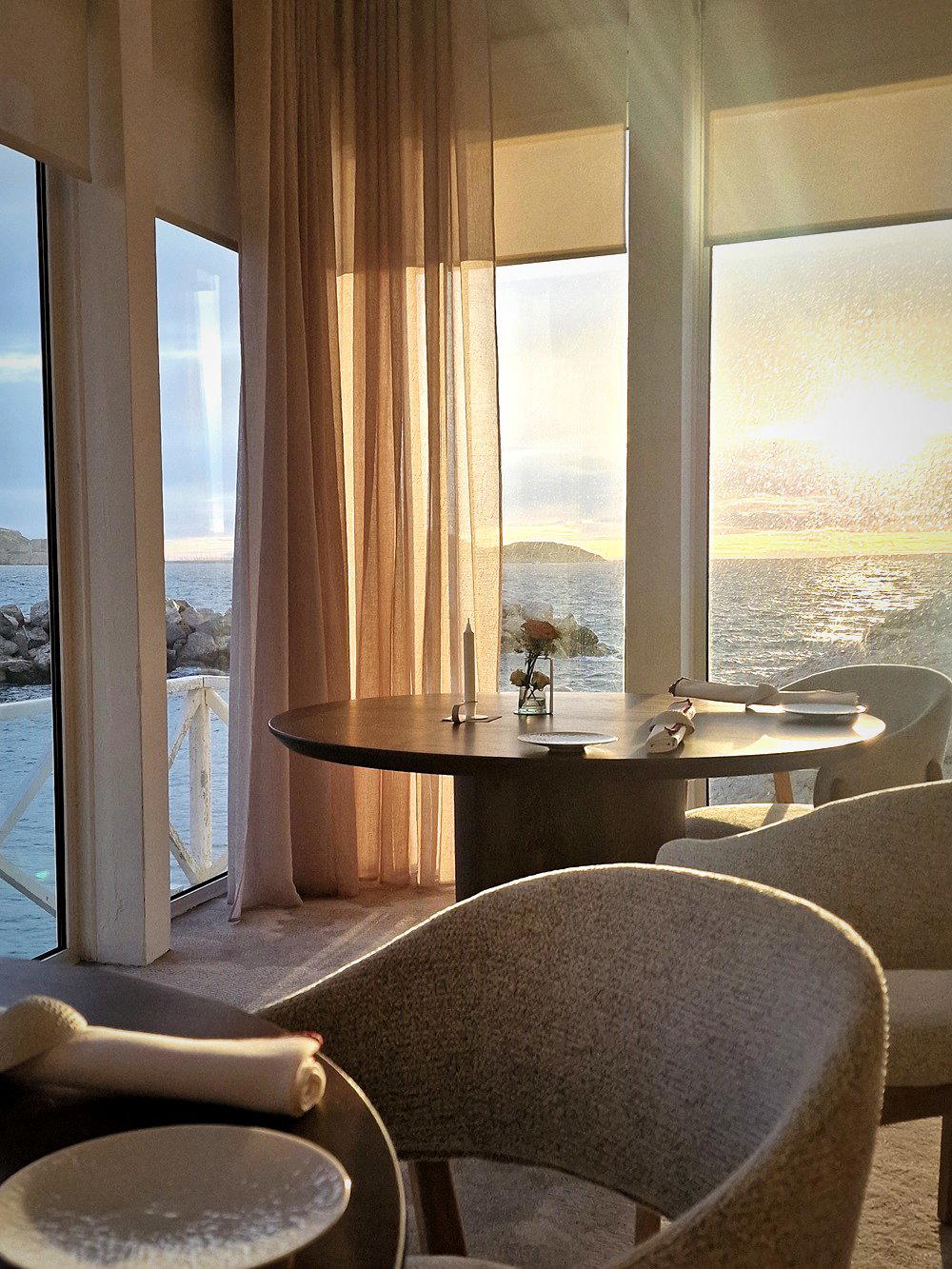
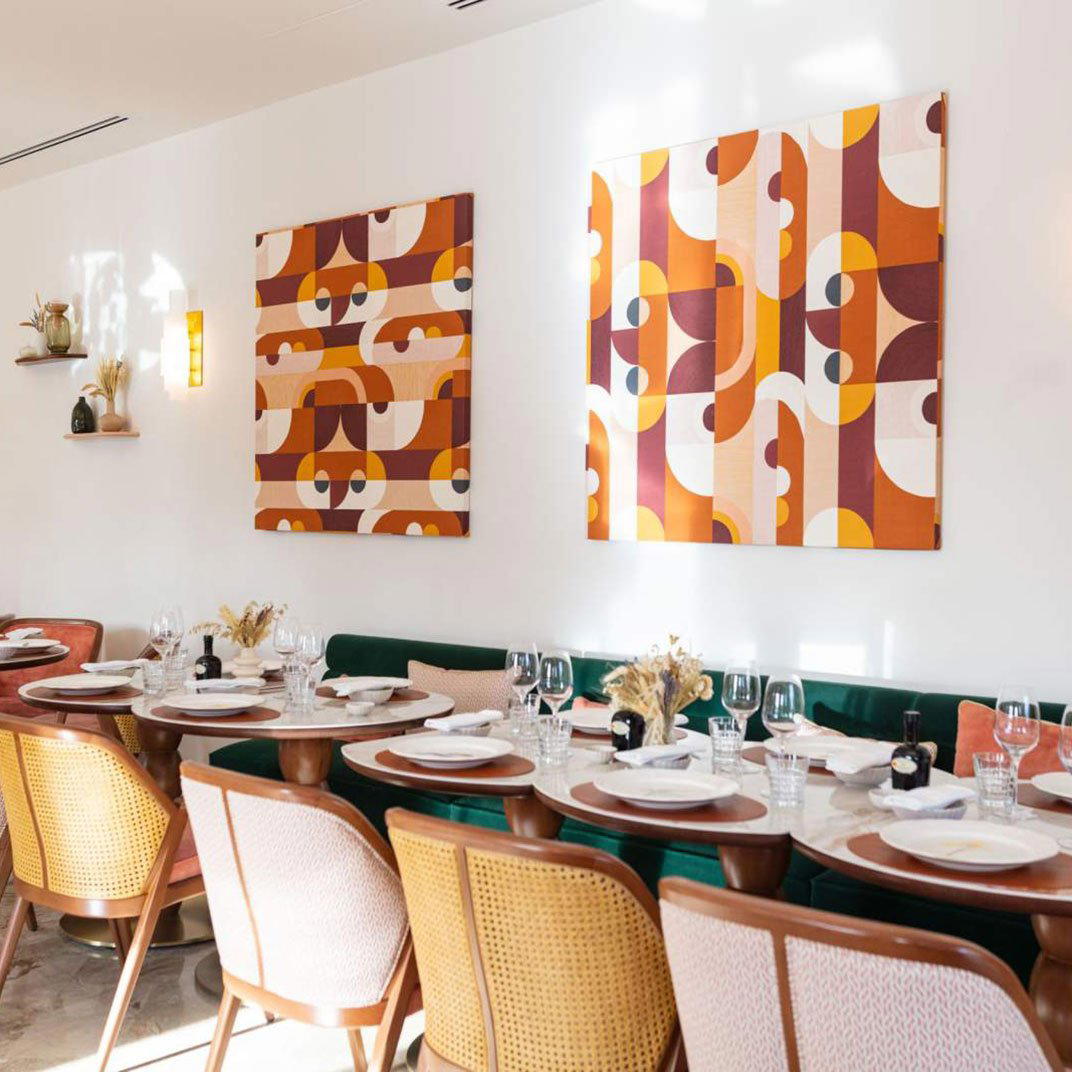
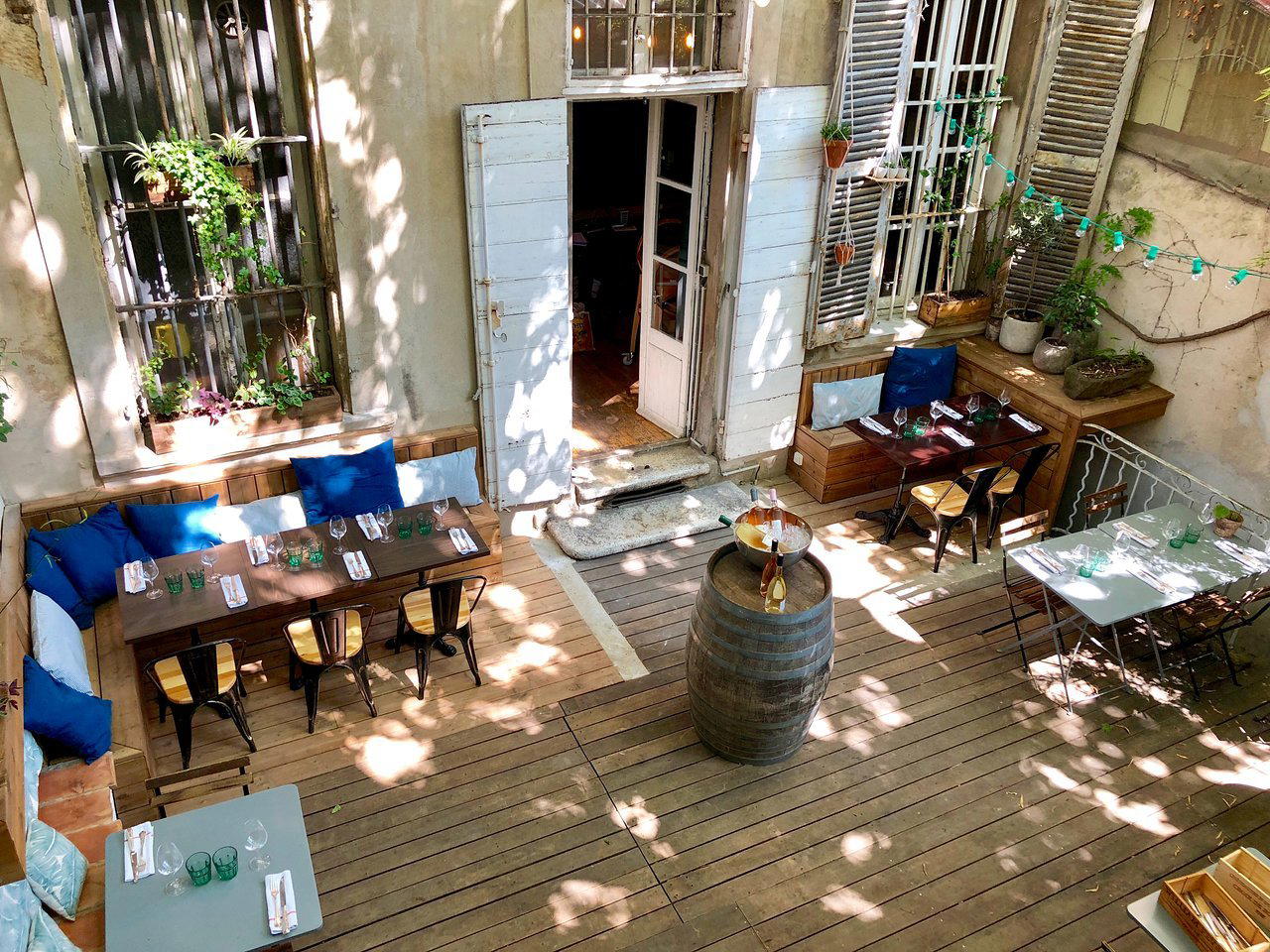
Tumulte is a Seafood & Vegetarian Bistro in Marseille with a terrace, open kitchen, and a natural-wine-led list; it suits leisurely lunches or dinners.

Pearl is the En Primeur Club membership app, where members save venues, book tables and use the concierge.

The menu
What to order
- Sea bream ceviche
- Lacquered octopus with yuzu sauce
- Grilled octopus with cabbage and smoked paprika
- Oysters from Camargue
- Black mullet with sweet potato mousse
Where the Sixth Arrondissement Meets the Provençal Supply Chain
Rue Pastoret sits in the 13006 postal district, a stretch of the sixth arrondissement where the density of independent restaurants has thickened over the past decade as Marseille's dining culture pulled away from its bouillabaisse-and-tourists default. The street is walkable from the Castellane metro stop and close enough to the Préfecture quarter that it draws a mix of neighbourhood regulars and visitors who have done some homework. Tumulte occupies number 2 on this street, and the name itself, French for commotion or tumult, signals a certain intentionality about the energy a room should hold, even before you consider what arrives on the plate.
The Provençal Sourcing Argument, Made in Practice
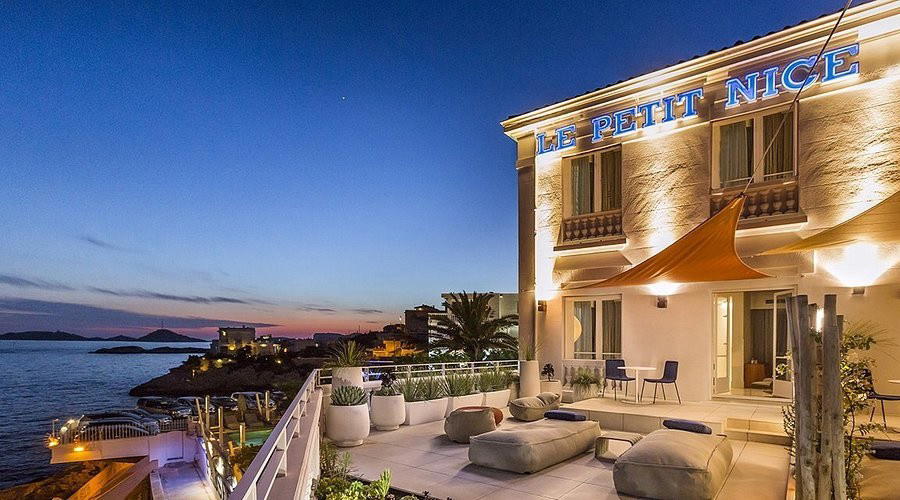
Marseille's position as a dining city has always been complicated by its identity as a port. The fishing tradition is real and deep, and restaurants from Le Petit Nice at the top of the seafood tier down through the neighbourhood fish counters have long organised their menus around the day's catch from the Vieux-Port and the Mediterranean beyond. What has shifted in recent years is a parallel argument about land-side ingredients: the farms of the Var, the olive producers of the Alpilles, the cheesemakers of the Haute-Provence. Restaurants in the creative-bistro register have started framing their menus explicitly around this agricultural hinterland, treating Provençal ingredient sourcing as a competitive position rather than a background assumption.
Tumulte sits inside that shift. The address in the sixth arrondissement puts it in the same arrondissement conversation as Une Table, au Sud, though the format and price register appear to be different, Tumulte reads more as a neighbourhood restaurant with sourcing convictions than as a formal tasting-menu destination. That positioning matters in a city where the middle tier of dining has historically been thin: too many options cluster either at the casual end or at the €€€€ bracket represented by AM par Alexandre Mazzia. A serious but accessible address on Rue Pastoret fills a gap that locals have complained about for years.
What Ingredient Sourcing Looks Like at This Level
In the context of southern French cooking, sourcing is not merely a marketing frame. The distance between a Marseille kitchen and the farms of the Bouches-du-Rhône or the fishing boats at Sausset-les-Pins is short enough that daily purchasing is genuinely possible. Restaurants in this register typically build their menus around what is available that morning rather than printing a fixed card, which means the guest experience shifts with the season and sometimes with the week. Spring in this part of Provence brings violet artichokes from the Var, asparagus from the Crau plain, and the first small squid from local day-boats. Summer shifts toward tomatoes in varieties that rarely travel beyond the region, courgette flowers, and the anchovies that define much of the coastal cooking here. Autumn closes the loop with wild mushrooms from the Luberon and the olive harvest that runs from late October into December.
This seasonal rhythm places Tumulte in a culinary tradition that extends well beyond Marseille. Across France, the most discussed restaurants at every price point have organised around provenance as a primary value: from Mirazur in Menton, where the kitchen garden above the Mediterranean defines the menu structure, to Bras in Laguiole, which spent decades making the case that the Aubrac plateau could anchor world-level cooking. Even at the formal end of the Paris spectrum, addresses like Alléno Paris au Pavillon Ledoyen have invested heavily in extraction and terroir-based technique as a way of asserting that French sourcing rigour has not been superseded by Nordic or Japanese models. Tumulte operates at a different altitude from these institutions, but it participates in the same conversation about what French ingredients can carry.
The Sixth Arrondissement as a Dining Reference Point
Understanding where Tumulte sits requires some sense of what the sixth arrondissement has become. Unlike the first and second, which anchor the historic Vieux-Port, or the seventh, where Le Petit Nice commands its clifftop position, the sixth is a residential and commercial district where the restaurant scene has grown organically around local demand. Alivetu represents the Mediterranean-leaning end of that scene; 1860 Le Palais anchors a different part of the market. Tumulte at 2 Rue Pastoret represents the creative-bistro register within that neighbourhood ecology, a format that has proved durable in French cities precisely because it does not require the overhead of a formal tasting-menu operation but can still express a serious point of view about food.
For visitors using the broader Marseille restaurants guide, the sixth arrondissement works as a base for an evening that does not require crossing to the waterfront. The arrondissement is well-served by metro and is compact enough to walk between restaurants if you are planning a bar stop before or after dinner.
Planning a Visit
Tumulte's address at 2 Rue Pastoret, 13006 Marseille, is the reliable anchor for planning. Walk-in capacity at addresses of this type in Marseille's sixth arrondissement is variable: some evenings the room fills entirely with reservations, others leave space at the bar or on a terrace. Booking ahead, particularly for Friday and Saturday, is the prudent approach. Dress is typically smart-casual in this part of the city; the sixth arrondissement skews residential and the room will not penalise you for being slightly over- or underdressed relative to the occasion.
For context on the broader French fine-dining spectrum, the EP Club covers comparable sourcing-led addresses across the country, from Flocons de Sel in Megève and Troisgros in Ouches to the Alsatian tradition represented by Auberge de l'Ill and Au Crocodile in Strasbourg, and southern-French terroir cooking at Auberge du Vieux Puits in Fontjoncouse. The point of comparison is useful: Tumulte operates in a different register from these larger institutions, but the underlying argument about why a place matters, that what grows or swims nearby is worth building a kitchen around, is the same one that has driven French restaurant culture for the better part of a century.
Frequently asked questions
Where exactly is Tumulte?
Tumulte is located at 2 Rue Pastoret, 13006 Marseille, France, Marseille.
How does Tumulte's location in Marseille's 6th arrondissement shape the dining experience?
The 13006 postal district places Tumulte away from the tourist flow concentrated around the Vieux-Port and the first and second arrondissements, which means the room fills primarily with local regulars and Marseillais who track the independent restaurant circuit. Rue Pastoret itself sits within a stretch where the density of serious independent kitchens has grown steadily, giving the address a peer context rather than an isolated one. That neighbourhood character shapes the pace and register of the meal more than any single element of the cooking.
What do people recommend at Tumulte?
Tumulte's kitchen works closely with the Provençal supply chain, so the dishes that draw the most attention tend to reflect whatever is moving through the region's farms and fishing ports at a given moment. The 6th arrondissement crowd that has adopted this address gravitates toward the market-driven plates rather than fixed signatures. Arriving without a fixed agenda and following the server's lead is the approach that makes the most sense here.
Do they take walk-ins at Tumulte?
Tumulte operates as a neighbourhood bistro on Rue Pastoret in the 13006 district, a format that typically accommodates some walk-in traffic. That said, the restaurant has developed a following within Marseille's sixth arrondissement, and tables can fill quickly on weekday evenings and weekends. Contacting the venue directly before arriving is the more reliable approach.
What has Tumulte built its reputation on?
Tumulte's standing in Marseille's sixth arrondissement rests on its commitment to southern French sourcing at a time when that argument is easy to make rhetorically but harder to execute consistently. The 13006 postal district has seen independent restaurants consolidate a serious dining identity distinct from the historic first and second arrondissements, and Tumulte sits within that movement. Its reputation is built on kitchen practice, not accolades.
Can Tumulte adjust for dietary needs?
A kitchen anchored in Provençal sourcing and seasonal supply tends to have flexibility built into its approach, since the menu shifts with what is available rather than running fixed preparations night after night. Communicating dietary requirements at the time of booking or on arrival gives the kitchen the best opportunity to respond. Specific accommodations should be confirmed directly with the restaurant at 2 Rue Pastoret, Marseille.
Is Tumulte worth the price?
Tumulte sits in a segment of the Marseille dining scene where the proposition is independent, sourcing-led cooking in a neighbourhood context rather than formal gastronomy. The sixth arrondissement has built a reference point for exactly this kind of restaurant over the past decade, and Tumulte is part of that fabric. Whether the value equation works depends on what you are comparing it against: against the port-adjacent tourist trade, it offers considerably more kitchen substance.
City Peers
Comparable venues nearby, for context on price, style, and recognition.
| Venue | Cuisine | Price | Awards | Notes |
|---|---|---|---|---|
| TumulteThis venue (the venue you are viewing) | Seafood & Vegetarian Bistro | $30–50 | Not listed | Not listed |
| La Bonne Mer | Mediterranean Seafood & Pizza | $30–50 | Not listed | Vauban |
| Bucado | Franco‑Brazilian modern cuisine | $50–100 | Michelin Plate | Castellane |
| La Boîte à Sardine | Mediterranean Seafood Bistro | $20–30 | Not listed | Chapitre |
| Toma | Modern French-Mediterranean Bistronomic | $30–50 | Not listed | Opera |
| L'Inattendu | Modern French Bistro | $30–50 | Not listed | Opera |