
Bucado brings Brazilian cooking into Marseille’s restaurant mix, a city better known for Provençal seafood, North African spice routes, and Mediterranean small plates. Read it through staples rather than spectacle: corn, cassava, beans, rice, citrus, smoke, and chile form a useful lens for understanding how Brazilian food translates on the French south coast.
Pearl is the En Primeur Club membership app — saves, bookings, and concierge access live there. Same editors, same standards.
- Address
- 34 Rue du Dr Fiolle, 13006 Marseille, France
- Phone
- +33 9 50 13 58 28
- Website
- bucado-marseille.com
- Directions
- Get directions
 Saves & bookings on Pearl
Marseille restaurants often announce themselves through the port: fish counters, garlic, anise, grilled shellfish, and the quick turnover of tables that suits a city built on arrivals. A Brazilian address changes that rhythm. Bucado belongs to the side of Marseille dining that looks beyond the Provençal frame, where the meal is less about bouillabaisse mythology and more about how migrant and transatlantic foodways take root in a Mediterranean city.
That matters because Brazilian cooking is too often flattened abroad into churrasco shorthand. The more useful reading starts with staples: corn, cassava, rice, beans, coconut, citrus, smoke, palm oil in some regional traditions, and chile used with varying restraint. Unlike Mexico’s masa culture, where nixtamalized corn defines the grammar of tortillas and tamales, Brazil’s foundational starches spread across a wider field. Corn appears in cakes, porridges, and festival cooking; cassava carries equal or greater weight through flour, farofa, tapioca preparations, and regional breads. A Brazilian restaurant in Marseille therefore enters a city already fluent in grain, oil, and spice, but with a different pantry logic.
Brazilian cooking in a Marseille room, read through staples rather than spectacle
The stronger way to approach Bucado is not to search for a single national dish as proof of authenticity. Brazil’s food map is continental in scale, shaped by Indigenous ingredients, Portuguese colonial history, African diasporic cooking, Japanese migration in São Paulo, and regional climates that pull the cuisine in several directions. In France, that breadth usually has to be edited into a compact restaurant language. The editorial question is what gets foregrounded: grilled meat, street-food formats, home-style stews, bar snacks, tropical acidity, or the starch architecture that makes the cooking cohere.
Corn and cassava are the better test than decoration. They show whether the kitchen treats Brazilian food as a set of textures and techniques rather than a color palette. Cassava flour can bring crunch and dryness where French diners might expect bread; corn can tilt sweet or savory without behaving like polenta; beans and rice make sense as structure rather than side dish. Marseille is well placed for that translation because its dining culture already accepts assertive seasoning, oil-rich cooking, and informal formats. The city has long absorbed Armenian, Comorian, Algerian, Italian, and Corsican influences without needing every table to look Provençal.
The absence of formal awards around Bucado also shapes the expectation. This is not the Michelin-led version of Marseille, where tasting menus and architectural plating define the evening. For that register, the city points elsewhere, including AM par Alexandre Mazzia. Bucado sits in a different conversation: cuisine identity, casual appetite, and the question of how Brazilian food reads in a port city with its own immigrant kitchen history.
Where it fits in Marseille's wider dining map
Marseille rewards diners who separate occasion restaurants from character restaurants. The first category is built around awards, tasting menus, and destination planning. The second is more useful for understanding the city: places that show how Marseille eats when it is not performing for visitors. Bucado belongs closer to the second category, by cuisine type and by the role Brazilian food plays in the city’s broader table culture.
That does not mean the choice is casual by default in every practical sense; price, booking method, and service format are not publicly listed here, so the safer editorial reading comes from category and context. Brazilian restaurants in French cities often work well for groups because the cuisine tolerates sharing, repetition, and a table with different appetites. Families should still check current pricing before committing, particularly in Marseille, where restaurant costs can swing sharply between neighborhood dining and destination rooms.
For readers mapping a wider Marseille trip, Bucado works as a counterpoint to the city’s Mediterranean and contemporary French addresses. The broader restaurant field includes 1860 Le Palais, 19-17, Alivetu, and Auffo, each pointing to a different Marseille register. The full city context sits in our full Marseille restaurants guide, with adjacent planning in our full Marseille hotels guide, our full Marseille bars guide, our full Marseille wineries guide, and our full Marseille experiences guide.
How to order with the right frame
The smart order at a Brazilian table is usually built around contrast: something starchy, something acidic, something slow-cooked or grilled, and something with heat or smoke. Without a published dish list, the point is not to chase a named plate. It is to read the menu for balance. If cassava, corn, beans, rice, or farofa-style textures appear, treat them as central rather than secondary. They are the grammar of the cuisine, not garnish.
That framing also helps avoid the common mistake of reading Brazilian food only through meat. Churrasco has international recognition, but Brazil’s everyday cooking is just as defined by legumes, root starches, fritters, stews, and snack culture. In Marseille, where seafood and olive oil dominate the visitor imagination, Bucado’s value is the shift in reference point. It places Brazilian pantry logic beside the Mediterranean one and asks the table to notice what changes: the starch, the acid, the rhythm of sharing, and the way comfort food travels.
Readers building a broader France itinerary can compare how non-French and regional cuisines surface outside Marseille through addresses such as.... Et la Fourmi in Nantes, [S] Corner in Courchevel, 114, Faubourg in Paris, 1217 in Bagnols, 1387 in Strasbourg, and 14 Avenue in La Baule. For a Brazilian reference point inside Brazil, see A Baianeira in São Paulo and Aconchego Carioca in Rio de Janeiro.
Comparable venues nearby, for context on price, style, and recognition.
| Venue | Cuisine | Price | Notes |
|---|---|---|---|
| BucadoThis venue — the venue you are viewing | Franco‑Brazilian modern cuisine | $$$ | Not listed |
| Tumulte | Seafood & Vegetarian Bistro | $$$ | Notre Dame Du Mont |
| La Poule Noire | Contemporary French Bistro | $$$ | Opera |
| Toma | Modern French-Mediterranean Bistronomic | $$$ | Opera |
| La Piscine | Modern French Mediterranean Bistro | $$ | Hotel De Ville |
| La Parenthèse | Mediterranean Tapas with Natural Wine Focus | $$ | Bonneveine |
Recognition history
Dated appearances from independent guides and award organizations, with the underlying list record or original source where available.
Michelin Plate
Michelin
Michelin Plate
Michelin
Continue exploring
More in Marseille
Restaurants in Marseille
Browse all →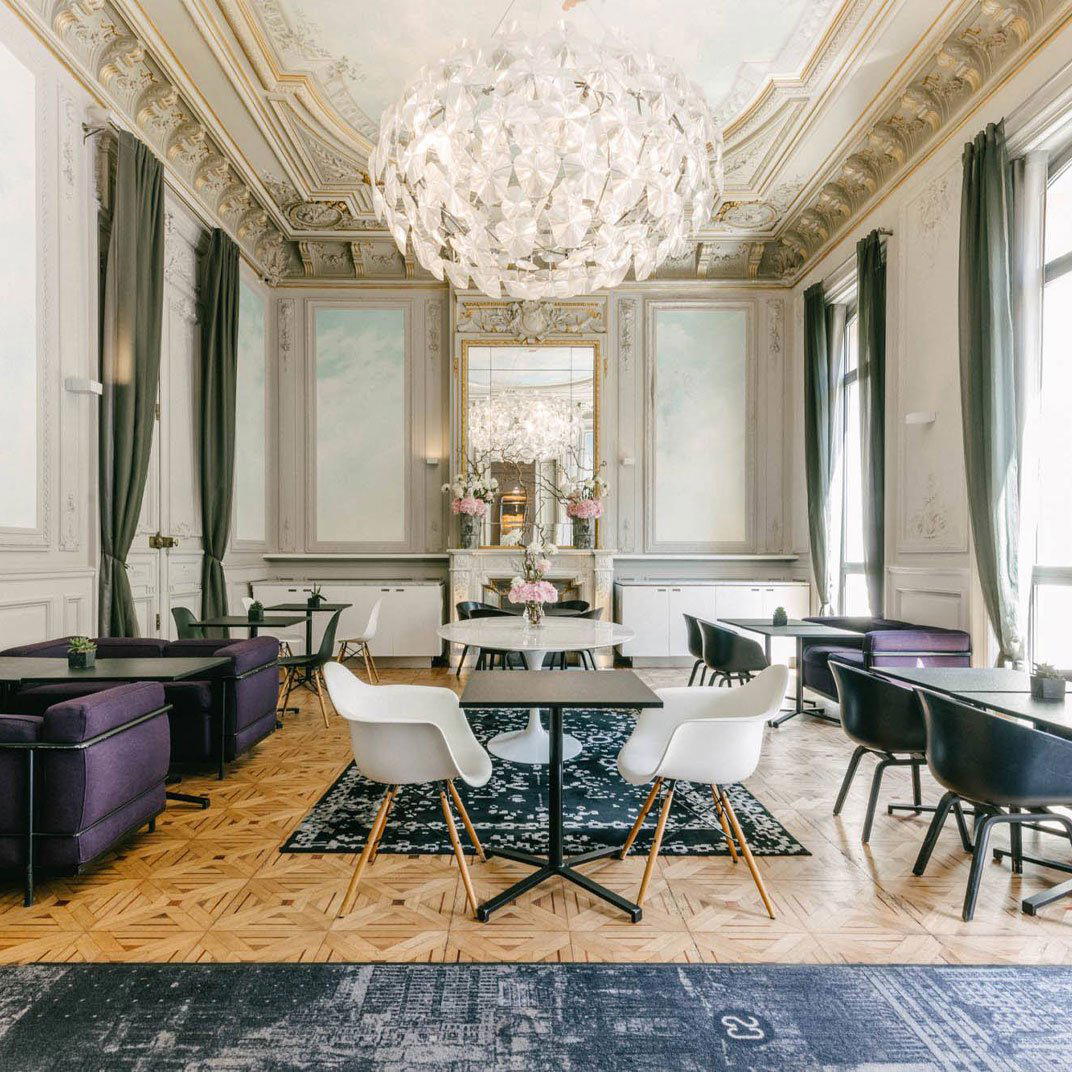
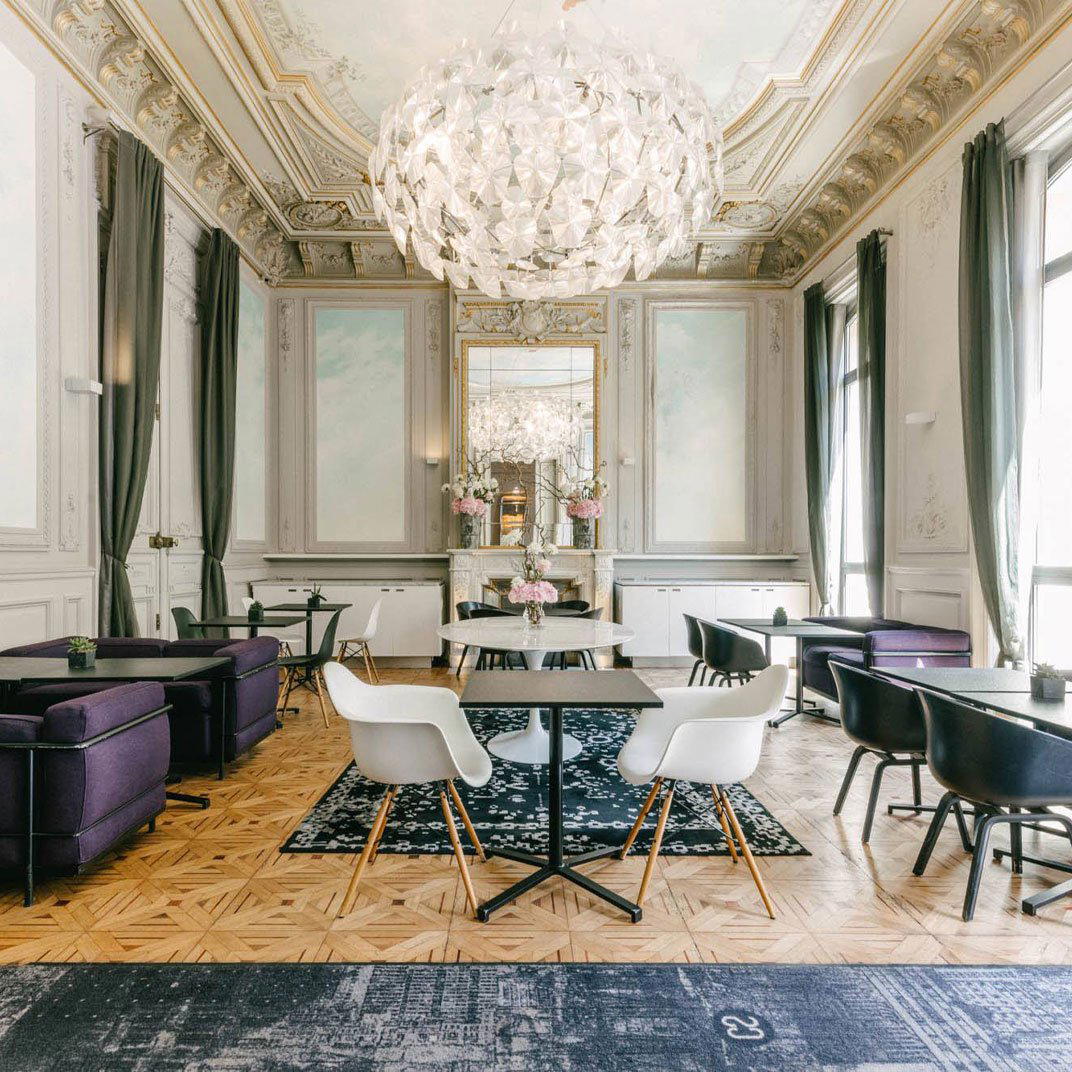
Bars in Marseille
Browse all →
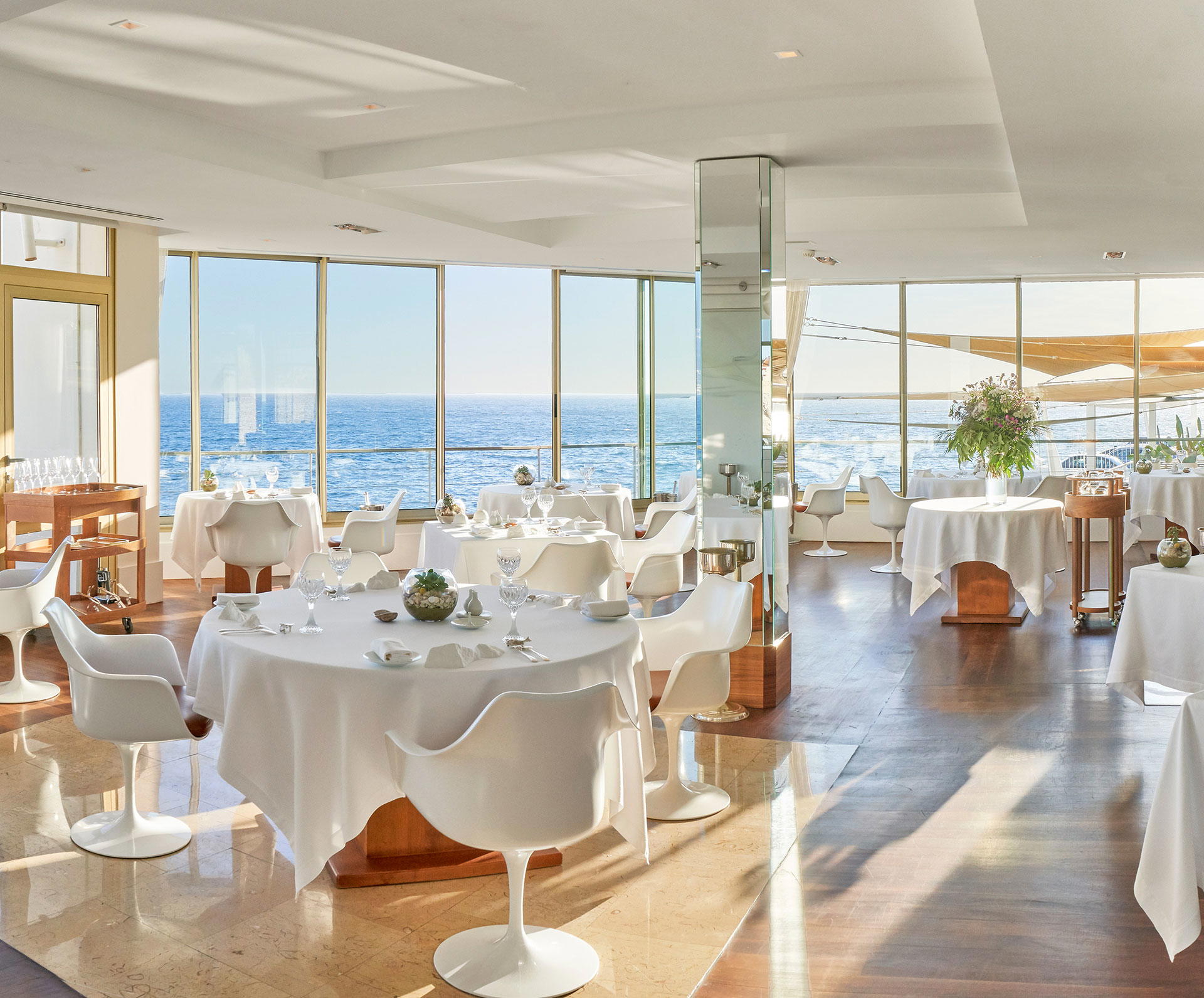
Hotels in Marseille
Browse all →
At a Glance
- Elegant
- Cozy
- Modern
- Intimate
- Lively
- Date Night
- Special Occasion
- Celebration
- Business Dinner
- Group Dining
- Solo
- Standalone
- Design Destination
- Private Dining
- Extensive Wine List
- Craft Cocktails
- Local Sourcing
Current opening hours
- Monday
- Closed
- Tuesday
- 7–10 PM
- Wednesday
- 11:45 AM–1:45 PM, 7–10 PM
- Thursday
- 11:45 AM–1:45 PM, 7–10 PM
- Friday
- 11:45 AM–1:45 PM, 7–10 PM
- Saturday
- 11:45 AM–1:45 PM, 7–10 PM
- Sunday
- Closed
Hours can change for holidays and private events. Last verified .
Warm and intimate with a colourful South American–inspired fresco, air‑cooled dining rooms, and an elegant yet relaxed atmosphere where lunch feels like a story and dinner like a celebration.