Our verdict
Toma sits on Rue Fortia in central Marseille, a short walk from the Vieux-Port in a neighbourhood where the city's working-class history and its appetite for serious dining intersect. Sparse venue data means practical details are best confirmed directly, but the address places it firmly within the dense dining corridor that runs between the port and the Noailles market district.

Pearl is the En Primeur Club membership app — saves, bookings, and concierge access live there. Same editors, same standards.
- Address
- 19 Rue Fortia, 13001 Marseille, France
- Phone
- +33491061413
- Hours
- Mon ClosedTue–Sat 12–2 PM, 7–10 PMSun Closed
- Website
- toma-restaurant.fr
- Directions
- Get directions
- Booking
- Book on Zenchef
The menu
What to order
- Octopus carpaccio
- Langoustine bird's tongue pasta
- Lobster tartare
Rue Fortia and What It Signals
Marseille's dining geography sorts itself in ways that don't always track with the city's reputation abroad. The Vieux-Port gets the attention — the bouillabaisse restaurants, the seafood counters facing the basin — but the streets running inland toward Noailles tell a different story. Rue Fortia, where Toma sits at number 19, belongs to that interior band: close enough to the port to draw visitors, embedded enough in the neighbourhood to retain a local clientele that didn't come because of a review. In Marseille's restaurant topology, that position matters. It filters the room in ways that a waterfront address simply cannot.
The area around the 13001 postcode has historically supported a density of independent restaurants that reflects the city's multicultural character. Noailles, a few blocks north, is the market district where North African, Armenian, and Southern French produce and spice traditions have overlapped for generations. Restaurants operating in that orbit tend to absorb some of that eclecticism even when they don't explicitly foreground it. The dining tradition here is less about spectacle than about regularity, places where the same faces return on the same evenings, where the kitchen calibrates to a known audience rather than a rotating tourist crowd.
Where Toma Sits in the Marseille Dining Tier
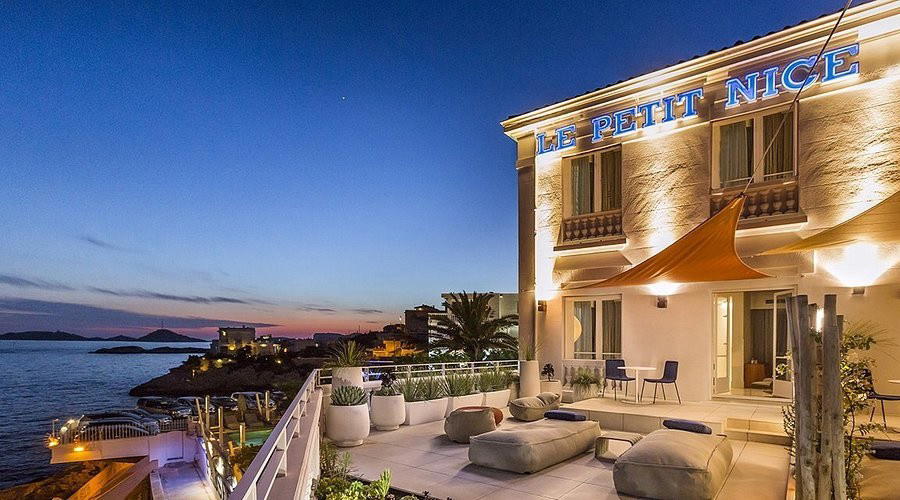
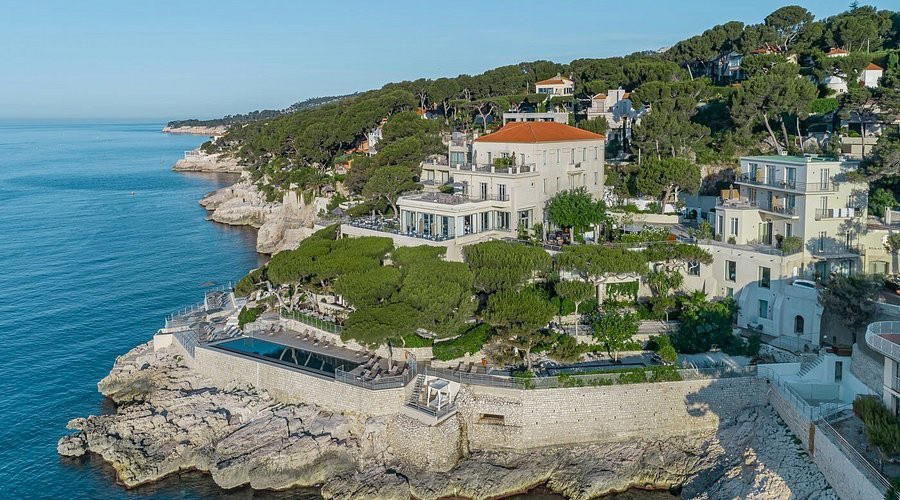
Marseille has, over the past decade, developed a more legible fine dining hierarchy than it once had. At the upper end, AM par Alexandre Mazzia operates a three-Michelin-star program that competes internationally, while Le Petit Nice holds its position as the city's canonical seafood institution on the Corniche. Une Table, au Sud anchors the Vieux-Port end of modern Mediterranean cuisine. These are benchmark references, not aspirational comparisons for every restaurant in the city, the point is that Marseille now has a structured upper tier against which other addresses are implicitly measured.
Toma at 19 Rue Fortia occupies a part of the city where that upper tier's influence is felt indirectly. The restaurants in this corridor tend to operate at a mid-to-upper register without the formal apparatus, no tasting menus of fifteen courses, no wine lists indexed by appellation sub-region. What they offer instead is the kind of cooking that relies on proximity to good ingredients and a kitchen that doesn't need to perform its own seriousness. For a broader picture of how the city's restaurants are distributed across styles and price points, the full Marseille restaurants guide provides useful reference points, including Alivetu and 1860 Le Palais.
The Broader French Context
Understanding any Marseille restaurant also requires some sense of how the city fits within French dining more broadly. France's most formally recognised tables, Alléno Paris au Pavillon Ledoyen, Troisgros - Le Bois sans Feuilles, Paul Bocuse - L'Auberge du Pont de Collonges, Auberge de l'Ill, Bras, Flocons de Sel, Mirazur, Assiette Champenoise, Auberge du Vieux Puits, and Au Crocodile, concentrate heavily in Paris or in regional France's more rural prestige addresses. Marseille has historically sat outside that axis, which is part of what has made its dining scene develop differently: less shaped by the expectations of Michelin-route tourism, more responsive to a city that eats out constantly and without ceremony.
That context has practical implications for how visitors should approach a restaurant like Toma. The frame of reference in this part of the city is not the tasting menu circuit, it is the expectation of a kitchen that sources close to home, cooks to a house style, and prices for a room that comes back regularly. International comparisons are instructive here too: the kind of neighbourhood-embedded seriousness that places like Le Bernardin or Atomix represent at a formal level exists in compressed, less institutionalised form in addresses like Rue Fortia, where the credibility is local rather than award-indexed.
Planning a Visit
Rue Fortia is a short walk from the Vieux-Port, making Toma accessible from most central Marseille accommodation without requiring transport. The 13001 postcode covers the historic core of the city, and the street itself sits within easy reach of both the port waterfront and the Noailles market, which means the surrounding area rewards time before or after a meal. This is particularly relevant for weekend evenings, when the neighbourhood's restaurant concentration means competition for tables increases across the board.
Frequently asked questions
What do regulars order at Toma?
What the address and neighbourhood context suggest is a kitchen oriented toward Provencal and Mediterranean ingredients, the produce ecosystem around Noailles makes that the logical frame for any serious independent in this part of the city. For current menu detail, contact the restaurant directly or check a current review aggregator before your visit.
Do I need a reservation at Toma?
Given Toma's location in one of Marseille's more active dining corridors, booking ahead is advisable for dinner, particularly on weekends. The 13001 district draws a mix of locals and visitors, and independent restaurants in this area tend to run lean on capacity. Marseille's dining scene has grown in profile over recent years, meaning that assuming walk-in availability at independent addresses carries real risk.
What is the signature at Toma?
The venue data available does not include confirmed signature dishes or a menu format, so any specific claim here would be fabricated. What can be said with confidence is that independent restaurants in the Rue Fortia area of Marseille typically orient around seasonal southern French produce, with seafood and Mediterranean vegetables forming the structural backbone of most menus. For specifics, checking a current local review source alongside the restaurant's own communications is the most reliable route.
How does Toma handle allergies?
The standard approach for independent restaurants in France is to raise dietary requirements at the time of reservation or, at minimum, at the start of the meal. Marseille's independent dining scene is generally responsive to these conversations, if the kitchen cannot accommodate a specific requirement, they will typically say so clearly.
Is a meal at Toma worth the investment?
What the address and neighbourhood position suggest is a restaurant operating outside Marseille's formal prestige tier, which in this city often means better value-to-quality ratios than the port-facing tourist addresses, with a room calibrated to local expectation rather than international visitor pricing. For a calibrated comparison, the [full Marseille restaurants guide](https://www.enprimeurclub.com/cities/marseille) maps the city's options across price tiers and styles.
Is Toma a good option for a first visit to Marseille's independent dining scene?
The Rue Fortia address places Toma in one of the more representative parts of Marseille's non-tourist dining fabric, close to the port but embedded in a neighbourhood that rewards curiosity rather than demanding spectacle. For visitors who want to move beyond the Vieux-Port bouillabaisse corridor and understand how the city actually eats, the 13001 interior is a logical starting point. Pairing a meal here with time in the Noailles market beforehand gives useful context for the produce-driven cooking traditions that shape independent kitchens in this part of the city.
Budget Reality Check
Comparable venues nearby, for context on price, style, and recognition.
| Venue | Cuisine | Price | Notes |
|---|---|---|---|
| TomaThis venue — the venue you are viewing | Modern French-Mediterranean Bistronomic | $30–50 | Not listed |
| Place des Canailles | French Food Hall with Homemade Street Food | $20–30 | Arenc, French Food Hall with Homemade Street Food |
| Le Relais Corse | Authentic Corsican | $30–50 | Lodi, Authentic Corsican |
| Bistrot Mimi | Provençal & Mediterranean Bistro | $20–30 | Hotel De Ville, Provençal & Mediterranean Bistro |
| Frangine | Modern French Bistronomique with Charcoal Grilling | $30–50 | Castellane, Modern French Bistronomique with Charcoal Grilling |
| Les Arcenaulx | Traditional French Mediterranean with Bouillabaisse | $50–100 | Opera, Traditional French Mediterranean with Bouillabaisse |
Continue exploring
More in Marseille
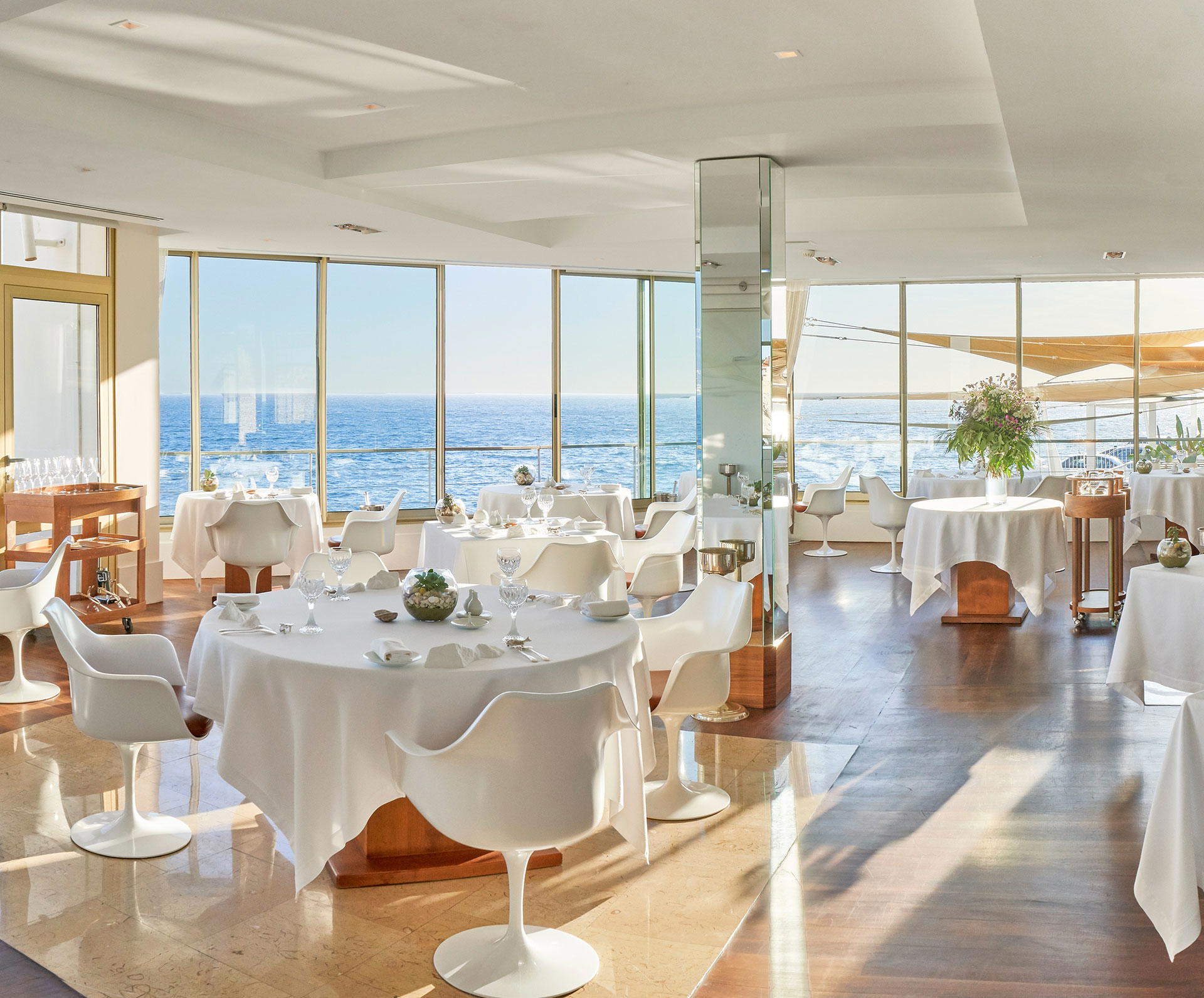
Restaurants in Marseille
Browse all →
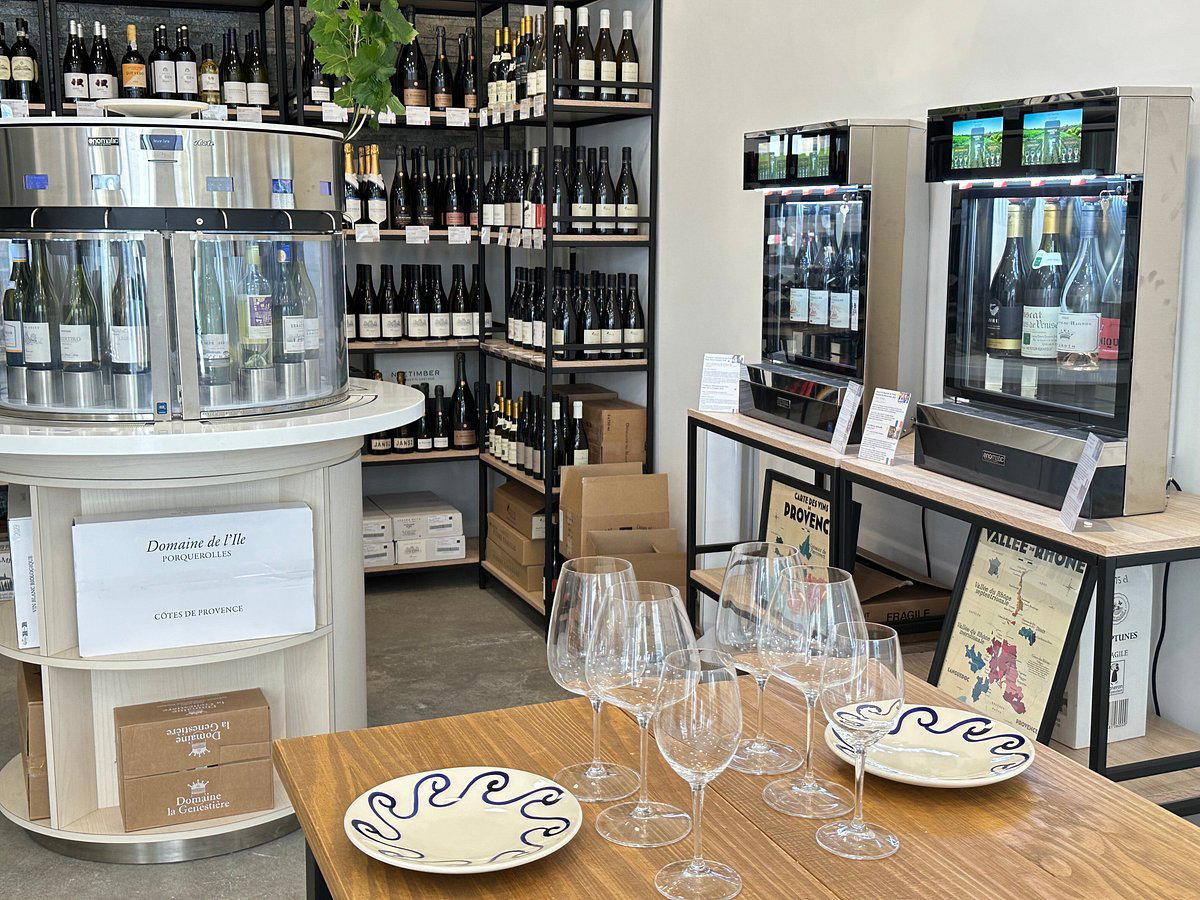
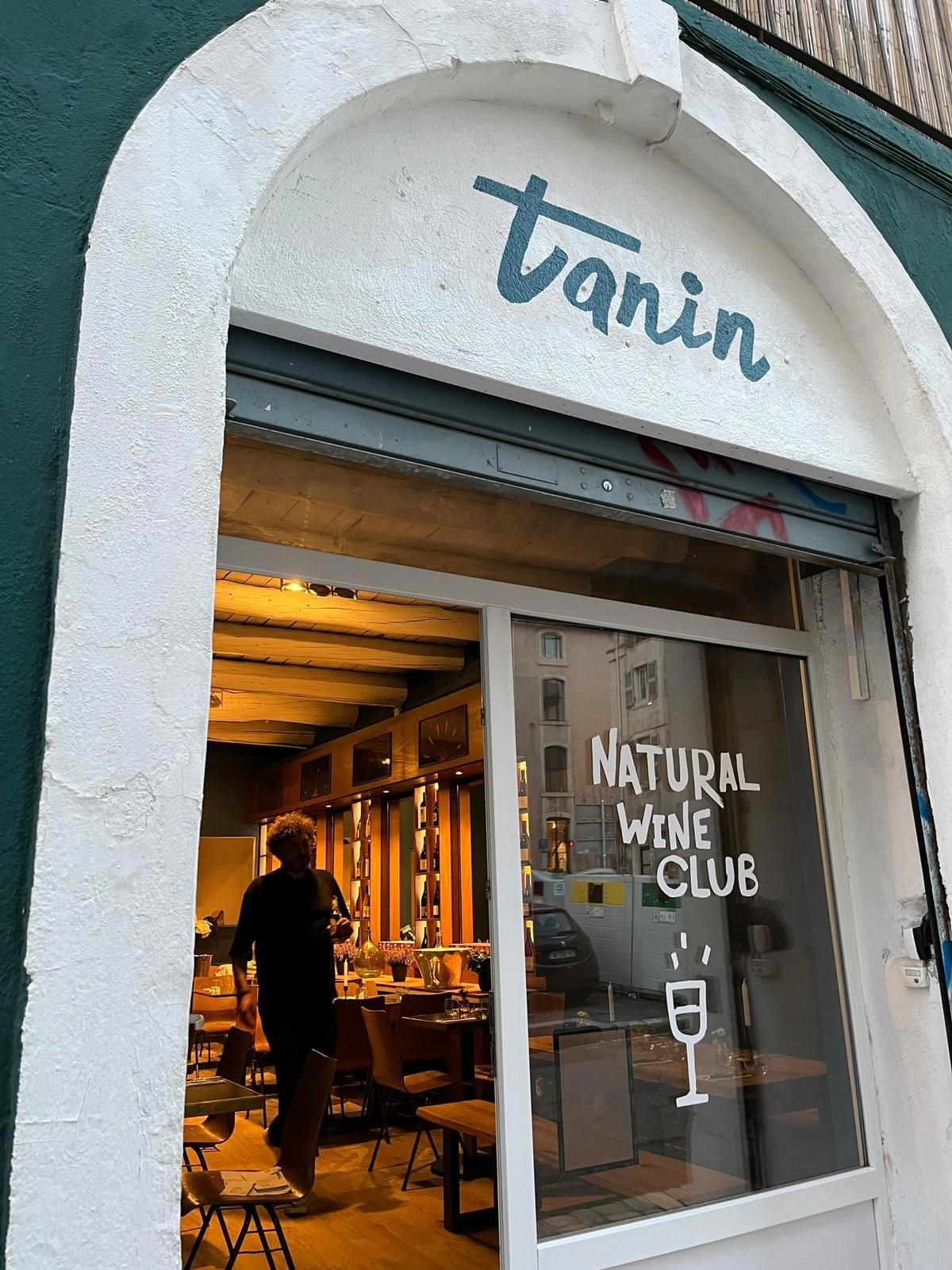
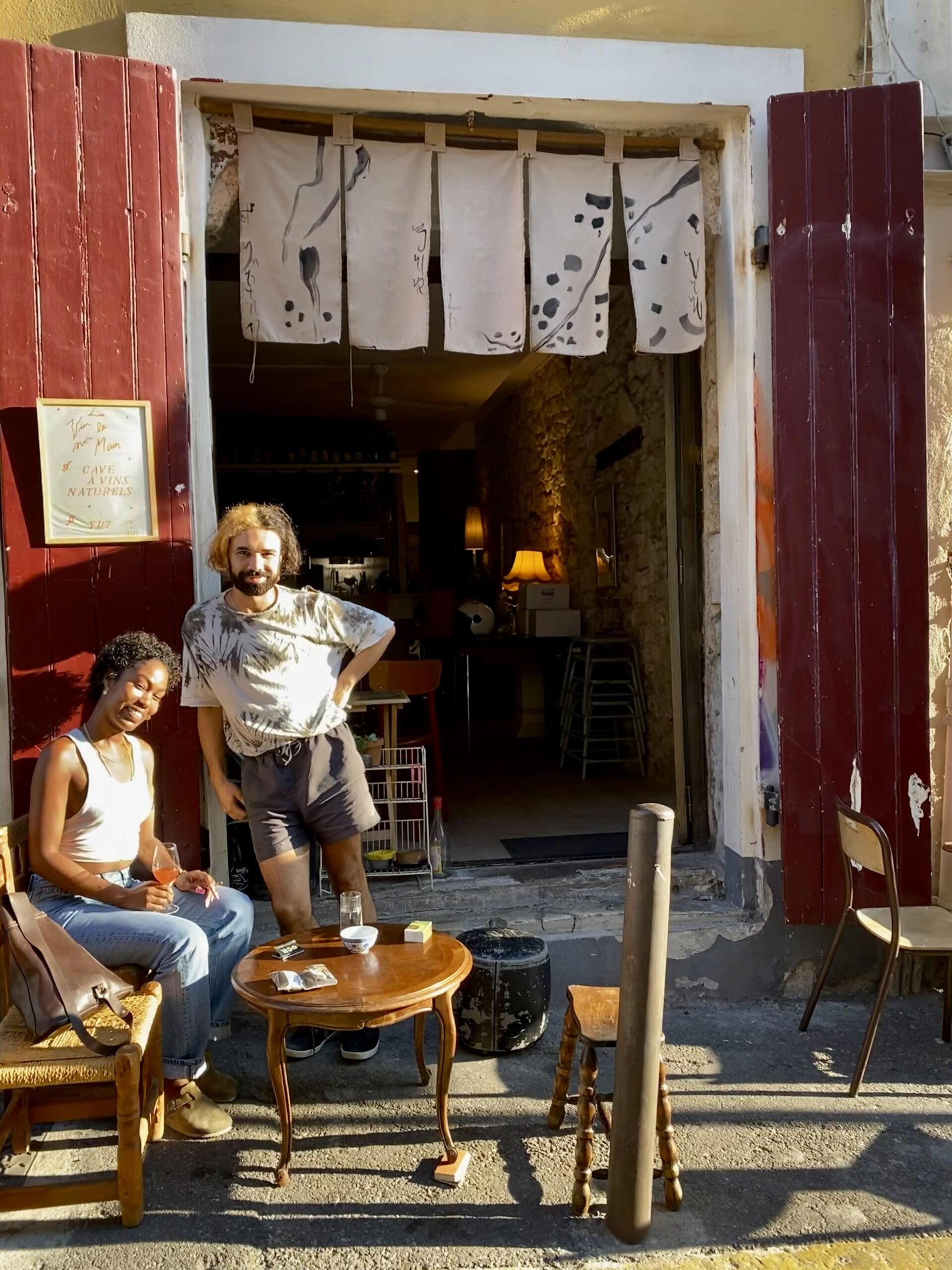
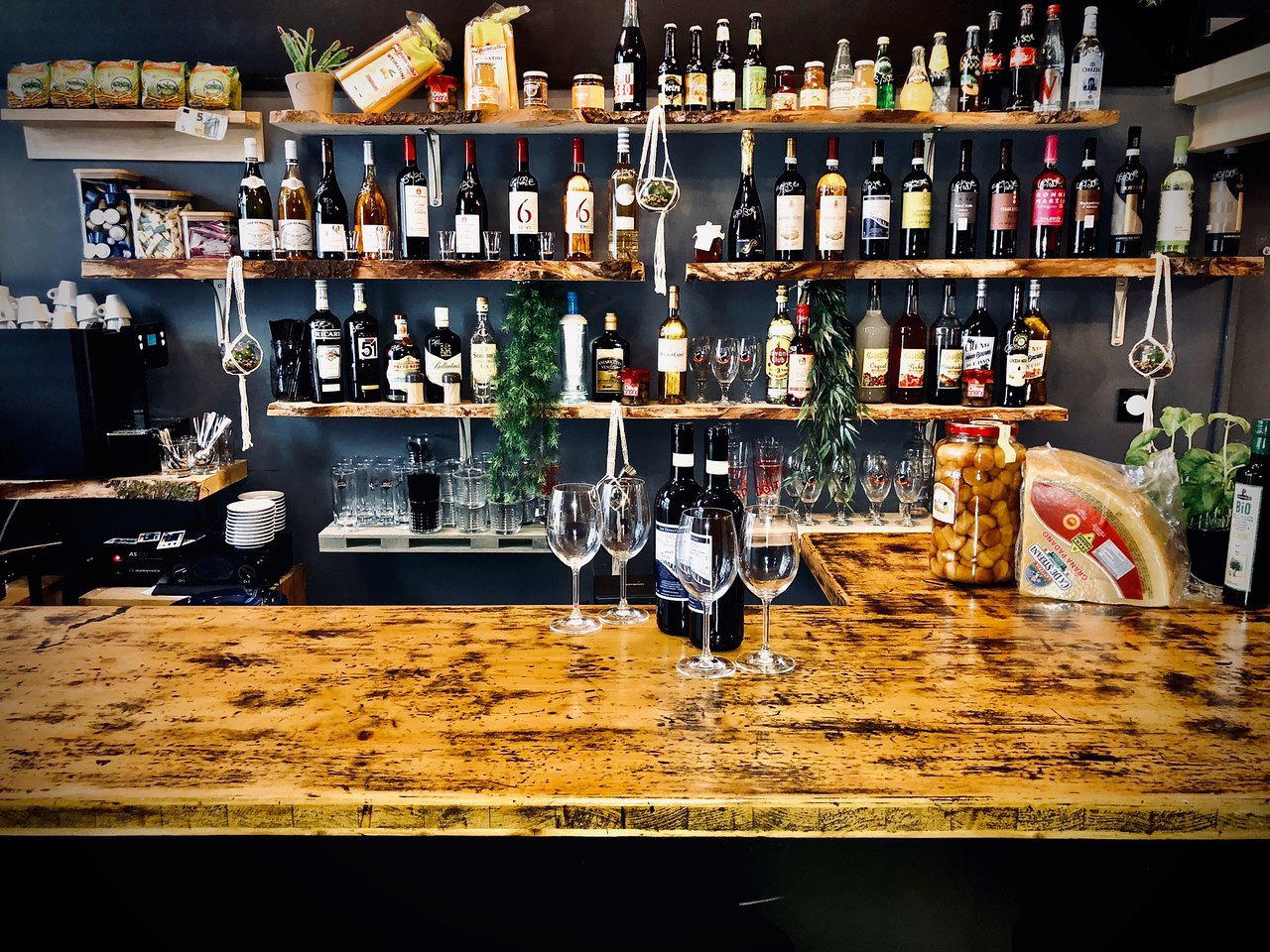
Bars in Marseille
Browse all →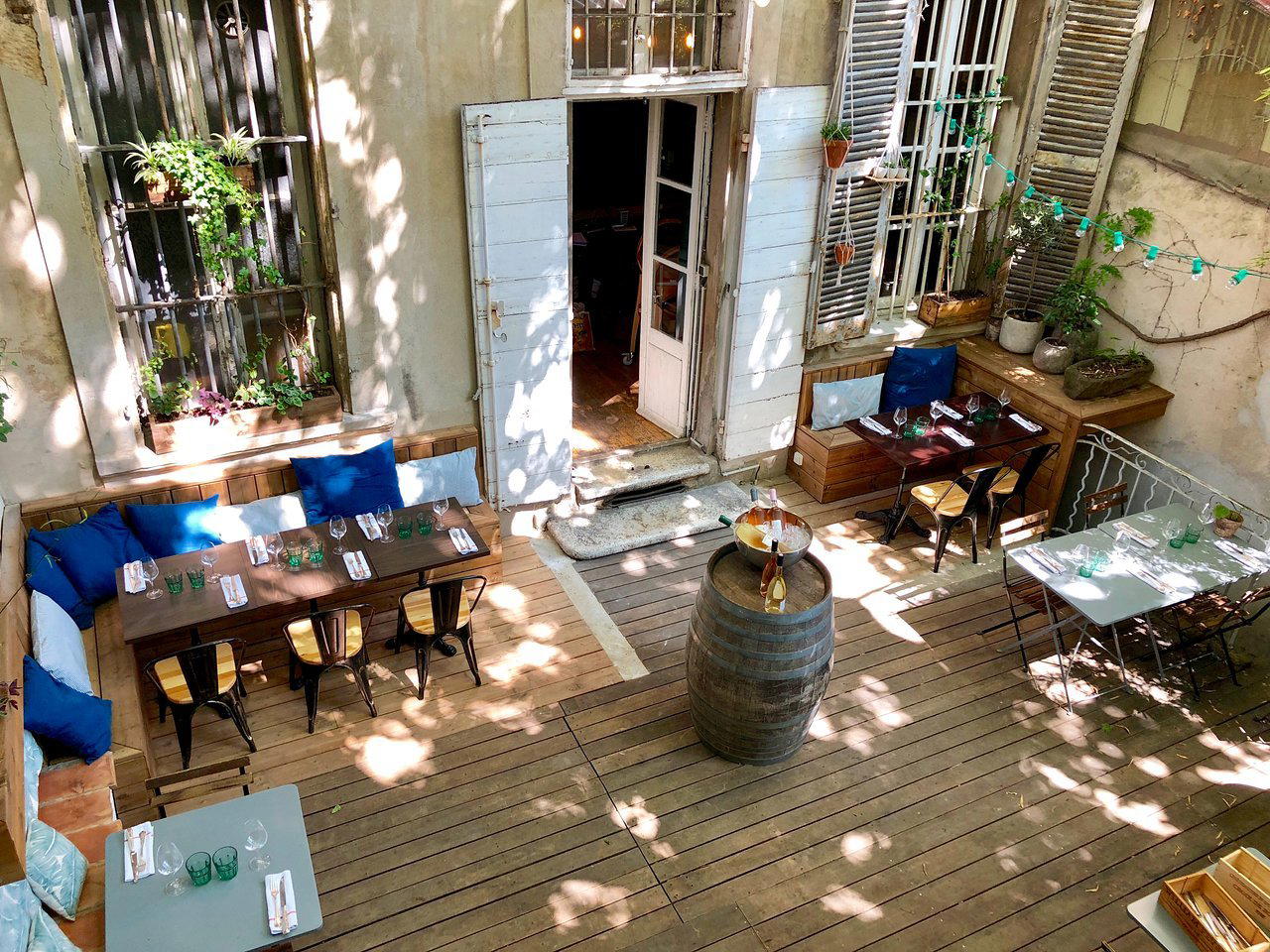
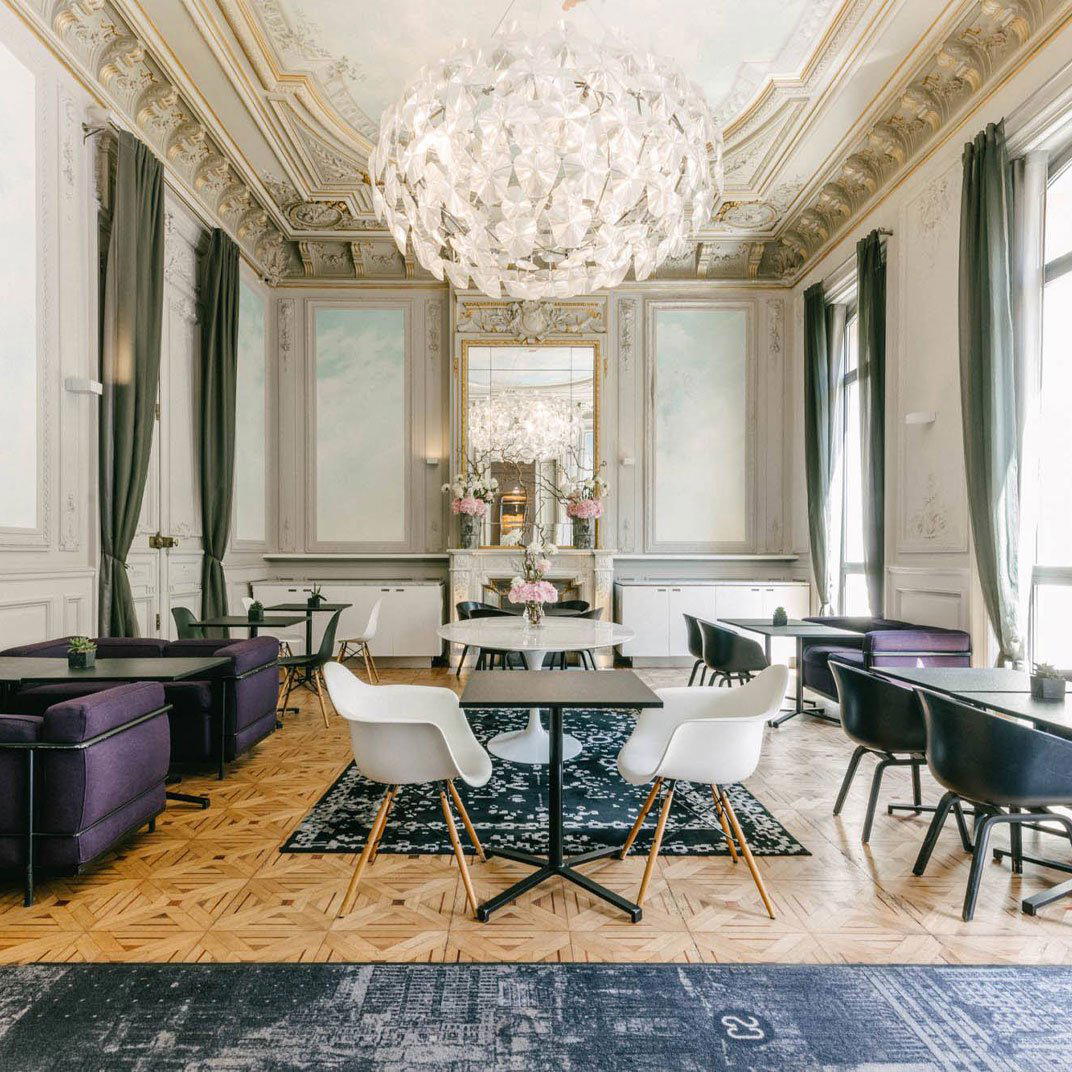
Hotels in Marseille
Browse all →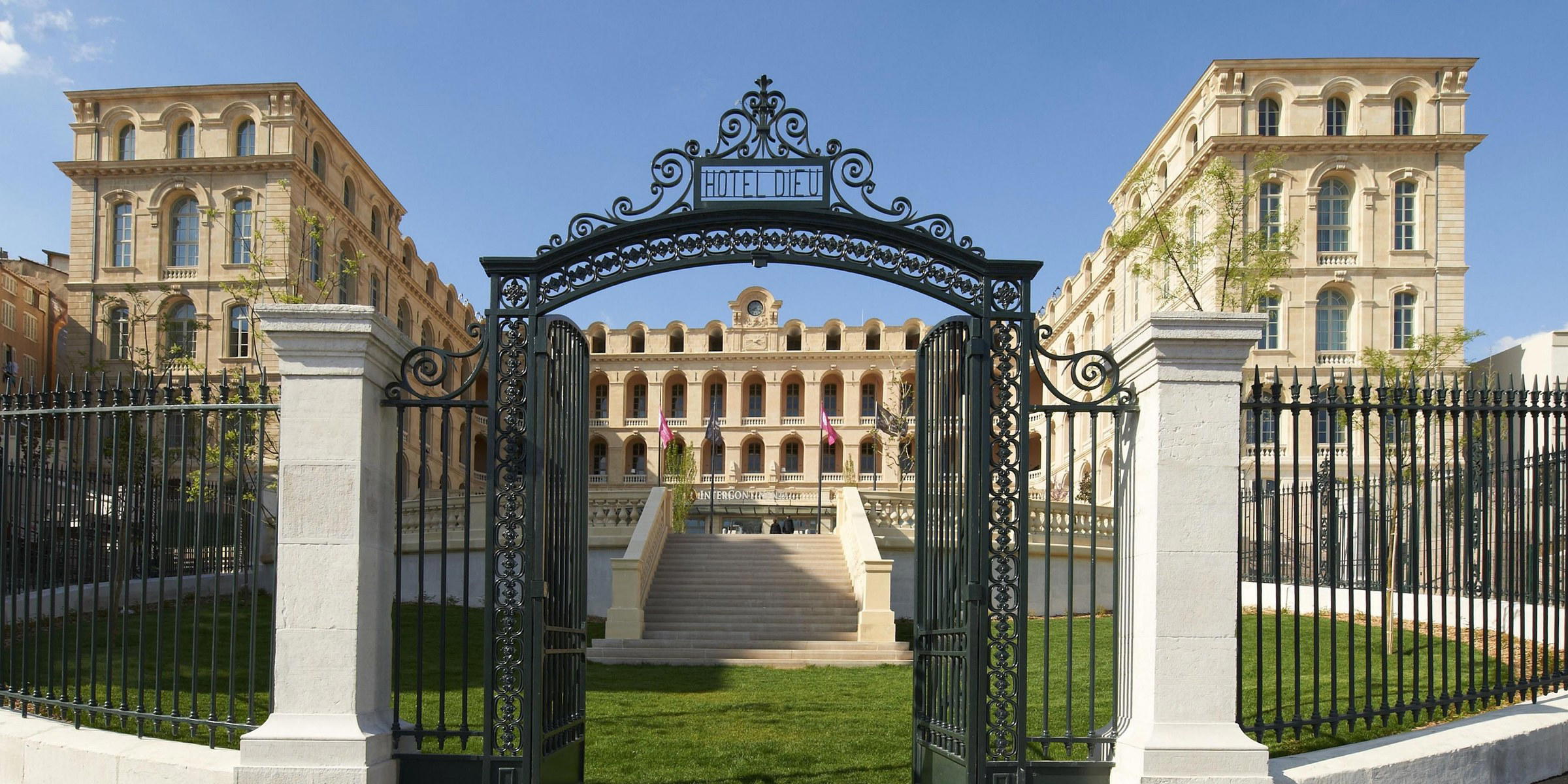
Details
- Cozy
- Elegant
- Intimate
- Trendy
- Date Night
- Group Dining
- Casual Hangout
- Open Kitchen
- Extensive Wine List
- Local Sourcing
- Small Plates
- A La Carte
- Vegetarian Friendly
Current opening hours
- Monday
- Closed
- Tuesday
- 12–2 PM, 7–10 PM
- Wednesday
- 12–2 PM, 7–10 PM
- Thursday
- 12–2 PM, 7–10 PM
- Friday
- 12–2 PM, 7–10 PM
- Saturday
- 12–2 PM, 7–10 PM
- Sunday
- Closed
Hours can change for holidays and private events. Last verified .
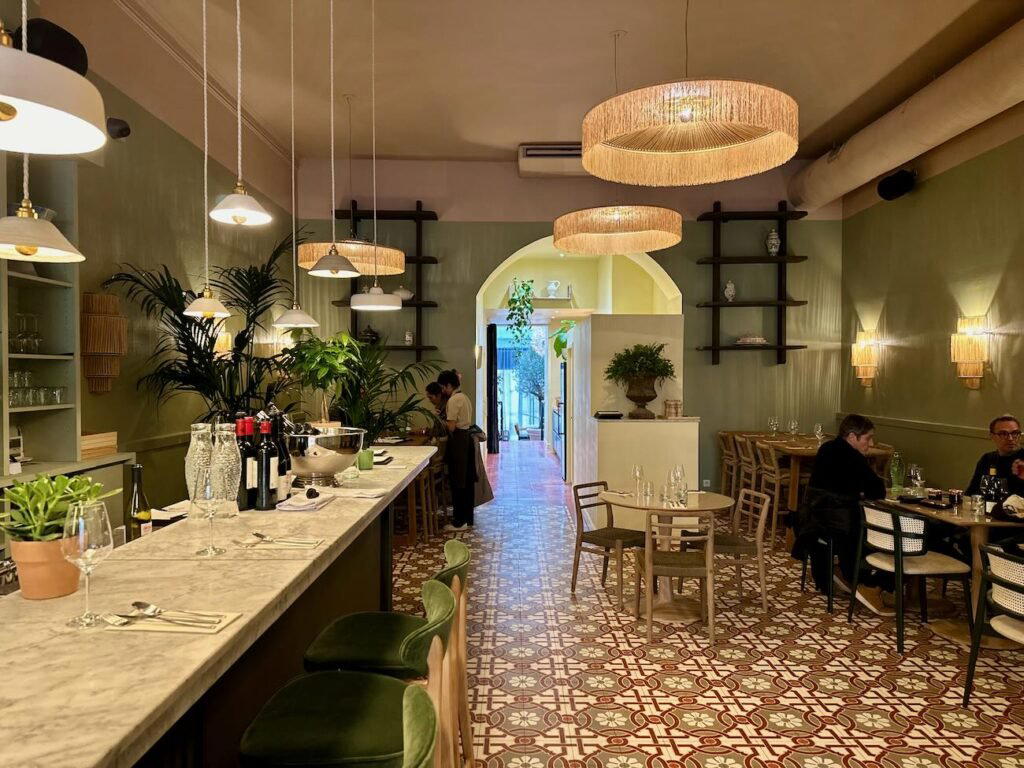
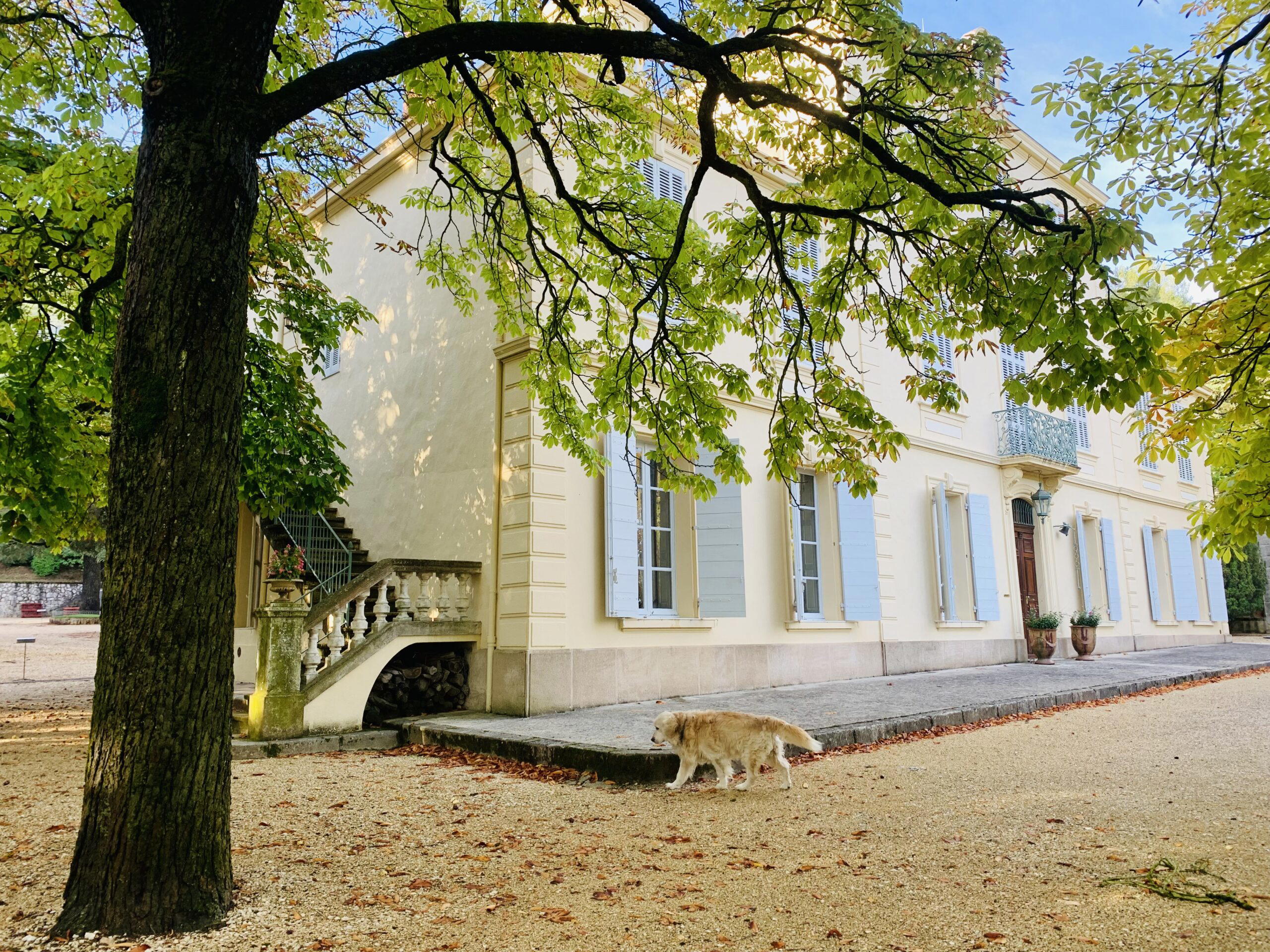
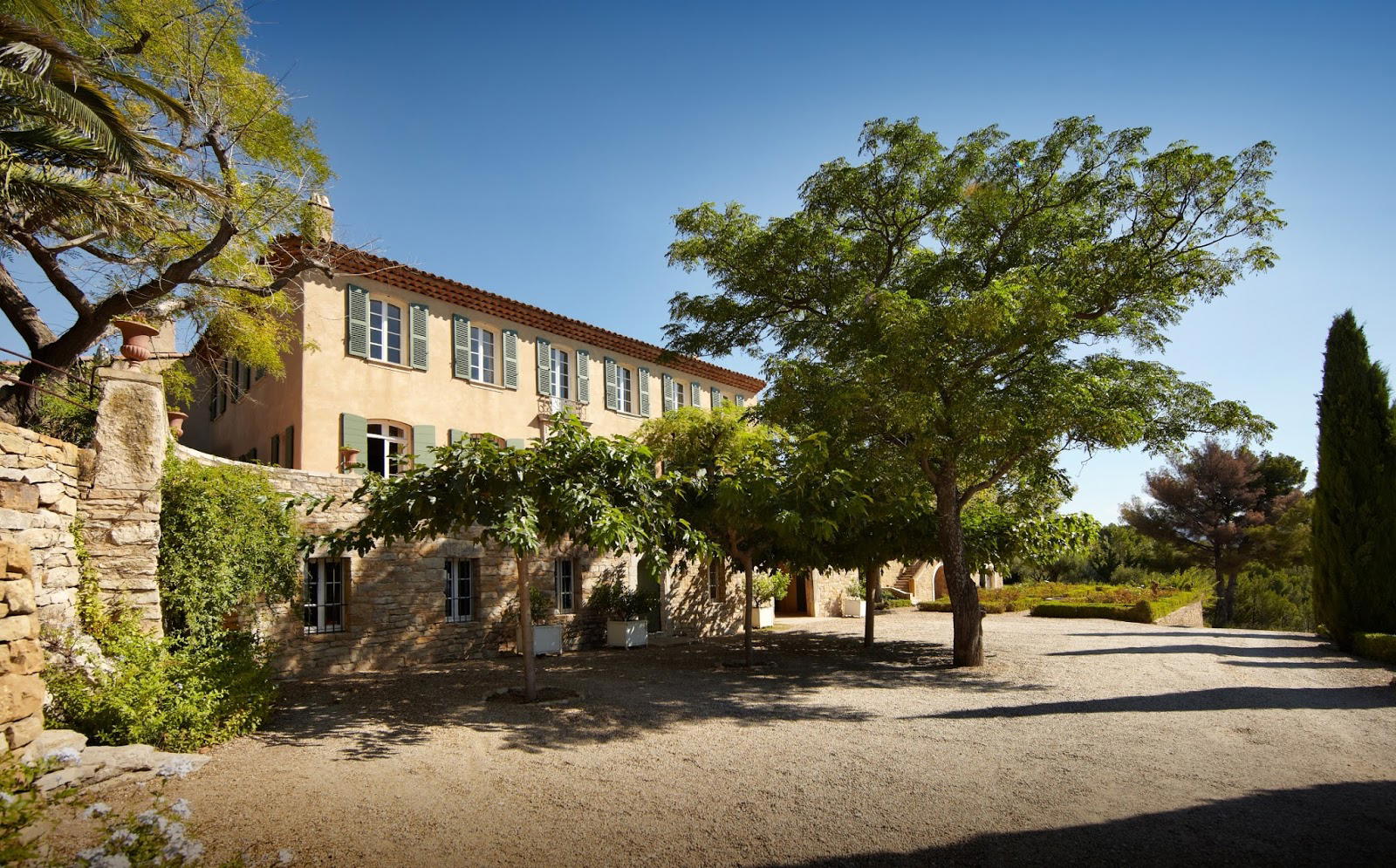
Soft and colorful atmosphere with chic troquet decor, Art Deco elements, cozy main room, and a pleasant patio under the Marseille sky.