Our verdict
La Bonne Mer serves Mediterranean seafood and pizza at 13 Rue Fort du Sanctuaire, with terrace seating and a conversational pace for lunch or dinner.

Pearl is the En Primeur Club membership app, where members save venues, book tables and use the concierge.

The menu
What to order
- Anchovy Pizza
- La Corsoise
- Seared Octopus with Corn Purée
- Sea Bass Ceviche
Where the Mediterranean Meets the Plate
The address on Rue Fort du Sanctuaire places La Bonne Mer in the 13006 arrondissement, a part of Marseille where the old port's salt-and-diesel air gives way to quieter residential streets climbing toward the Basilique Notre-Dame de la Garde. In a city whose relationship with the sea is not metaphorical but structural, that location matters. Marseille does not perform its maritime identity; it exports it daily through fishing boats, morning markets, and a dining culture that treats the provenance of a rascasse or a grondin as a point of civic pride rather than a marketing talking point.
Marseille's Sourcing Tradition and Why It Defines the Table
To understand any seafood restaurant in Marseille is to understand the Criée de Marseille, the wholesale fish market at the Quai des Belges where the catch from the Gulf of Lion arrives before dawn. The city's culinary identity was built around that supply chain long before farm-to-table became an international restaurant trend. Bouillabaisse, the dish most associated with Marseille, is not merely a recipe; it is a specification. The Charte de la Bouillabaisse Marseillaise, signed by a coalition of local restaurants, stipulates which fish species qualify, in what proportions, and how the dish must be served. That level of sourcing discipline is embedded in how serious Marseille kitchens think about ingredients.
La Bonne Mer sits within that tradition. The name itself anchors the restaurant to the sea, and in a port city where that phrase carries weight, the commitment it implies extends to where the kitchen sources its primary material. Restaurants operating in this register in Marseille draw from the same tightly constrained geography: the rocky coastlines of the Calanques, the fishing grounds between Marseille and the Frioul archipelago, and the broader Provençal hinterland for the vegetables, olive oils, and aromatics that complete the regional picture.
A City With Multiple Registers of Seafood Dining
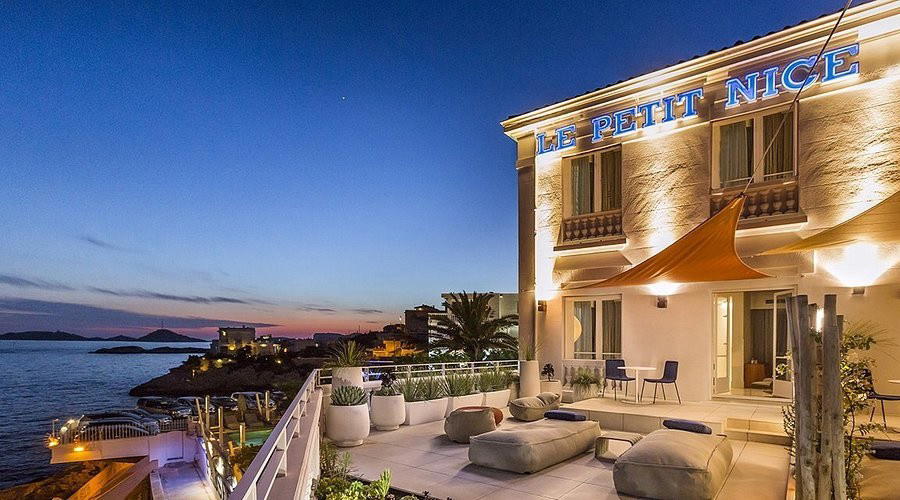
Marseille's seafood dining has stratified into distinct tiers. At the summit sits Le Petit Nice, the Passédat family property on the Corniche Kennedy, which holds three Michelin stars and operates at a price point that positions it against the leading coastal restaurants of France rather than the broader Marseille market. A step down in formality but not in seriousness are mid-register restaurants that translate the same sourcing priorities into shorter menus and more direct service formats. Below that sits the tourist-facing Vieux-Port strip, which largely operates on volume rather than quality. La Bonne Mer, on Rue Fort du Sanctuaire, occupies territory away from that strip, which is a relevant locational signal in itself.
For broader context on how Marseille's restaurant scene distributes across price tiers and culinary approaches, the full Marseille restaurants guide maps the competitive field in detail, including entries for AM par Alexandre Mazzia, whose three Michelin stars reflect a very different creative register, and Une Table, au Sud, which holds one star and operates a more accessible modern menu. Alivetu and 1860 Le Palais round out the range of options in the city's more considered dining tier.
Ingredient Sourcing as Editorial Position
The question of where a Marseille kitchen buys its fish is not incidental. It is the editorial position of the restaurant. In a city where the morning catch can travel from boat to kitchen in under two hours, any restaurant with serious sourcing intent will reflect that geography on the plate. The fish species associated with Provençal coastal cooking, including pageot, saint-pierre, and the various rascasses essential to bouillabaisse, are not interchangeable with their Atlantic or farmed equivalents. The flavour profiles differ materially, and experienced diners in Marseille notice the difference.
That sourcing discipline also extends to the aromatics and produce that frame seafood in Provençal cooking: saffron from the broader Mediterranean basin, tomatoes from inland Provence, and the pastis-adjacent anise notes that appear in soups and sauces. This is a regional cuisine with a defined ingredient vocabulary, and restaurants that work within it are operating in a different mode from those that substitute freely. Across France, the restaurants that have built the deepest reputations, from Mirazur in Menton to Bras in Laguiole to Auberge du Vieux Puits in Fontjoncouse, have done so in part by committing to a defined geographic sourcing radius and treating that radius as a creative constraint rather than a limitation.
The Broader French Context
France's most decorated tables, including Alléno Paris au Pavillon Ledoyen, Flocons de Sel in Megève, Troisgros - Le Bois sans Feuilles, Assiette Champenoise in Reims, Au Crocodile in Strasbourg, Auberge de l'Ill in Illhaeusern, and Paul Bocuse - L'Auberge du Pont de Collonges, each ground their identity in a specific region and its produce. Marseille kitchens that hold to the same philosophy are participating in the same tradition, applied to one of the most ingredient-rich coastal environments in Europe. Internationally, the comparison extends to institutions like Le Bernardin in New York City, where the discipline of letting seafood lead without interference has defined a house style for decades, and Atomix in New York City, which demonstrates how ingredient precision and sourcing transparency can translate into a distinct competitive position regardless of cuisine type.
Planning Your Visit
La Bonne Mer is located at 13 Rue Fort du Sanctuaire in Marseille's 13006 arrondissement, a neighbourhood accessible from the Vieux-Port area on foot or by a short taxi ride from the centre. Marseille's dining scene trends toward earlier dinner sittings than Paris, with peak service typically from 7:30 to 9:00 pm; arriving without a reservation at a restaurant with a considered seafood focus is rarely advisable, particularly in the summer months when the city's population swells with visitors.
Frequently asked questions
What dish is La Bonne Mer famous for?
Is La Bonne Mer reservation-only?
What is La Bonne Mer known for?
How does La Bonne Mer fit into Marseille's wider Mediterranean dining scene?
A Credentials Check
Comparable venues nearby, for context on price, style, and recognition.
| Venue | Cuisine | Price | Notes |
|---|---|---|---|
| La Bonne MerThis venue (the venue you are viewing) | Mediterranean Seafood & Pizza | $30–50 | Not listed |
| Coquille | Provençal Seafood Bistro | $30–50 | Opera |
| OAÏ | Provençal Mediterranean Bistro | $20–30 | Opera |
| KO-ISHI | Authentic Japanese Izakaya Street Food | $20–30 | Opera |
| Chez Jeannot | Traditional French Pizza & Seafood | $20–30 | Endoume |
| Restaurant Femina | Algerian Couscous Specialist | $20–30 | Noailles |
Continue exploring
More in Marseille
Restaurants in Marseille
All restaurants in Marseille →
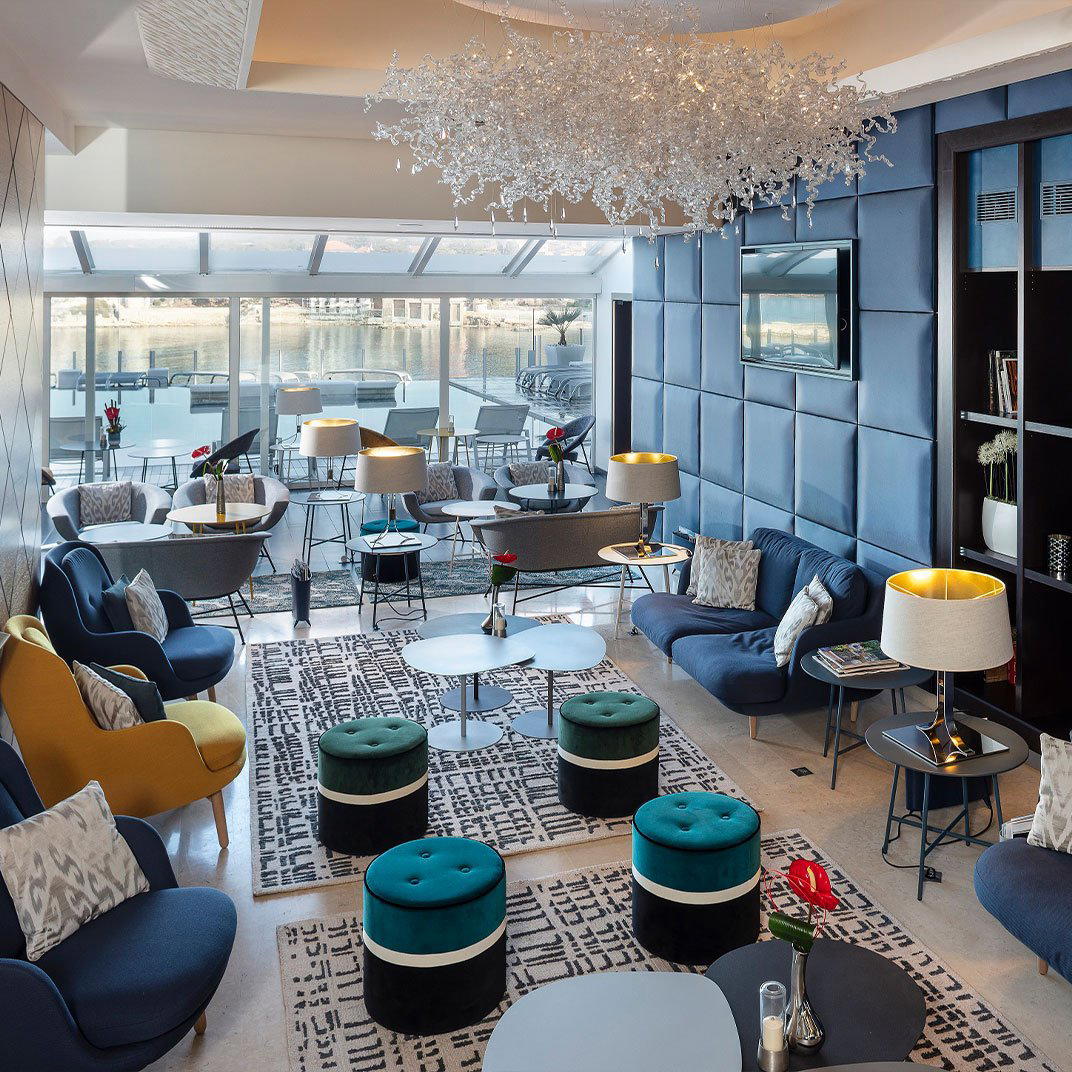
Bars in Marseille
All bars in Marseille →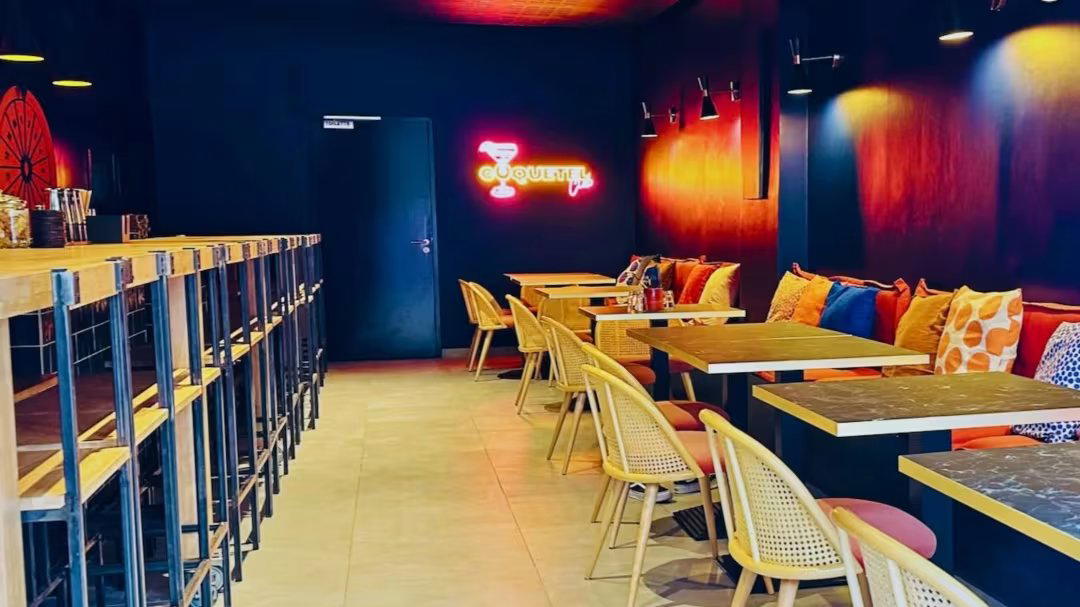
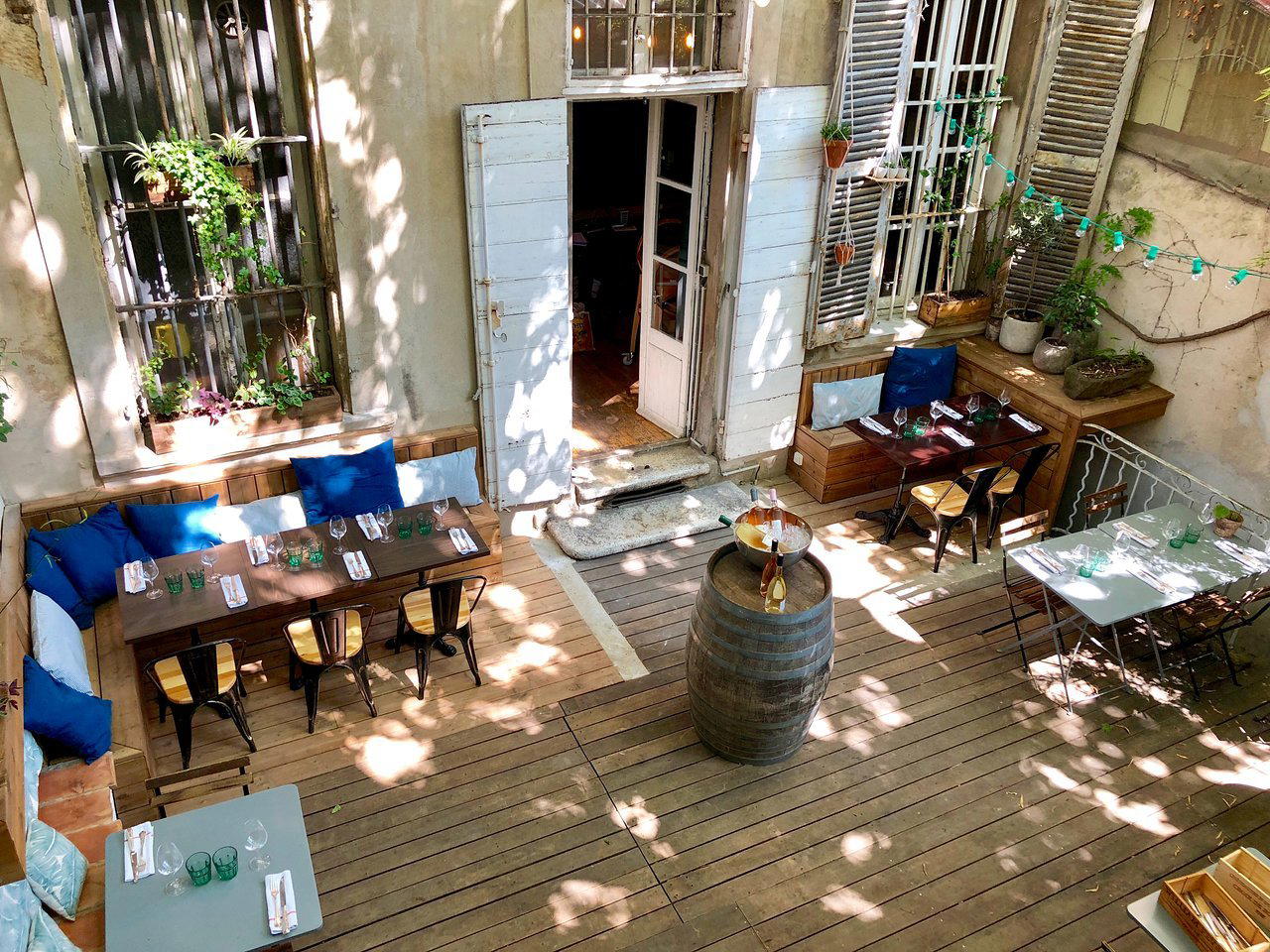
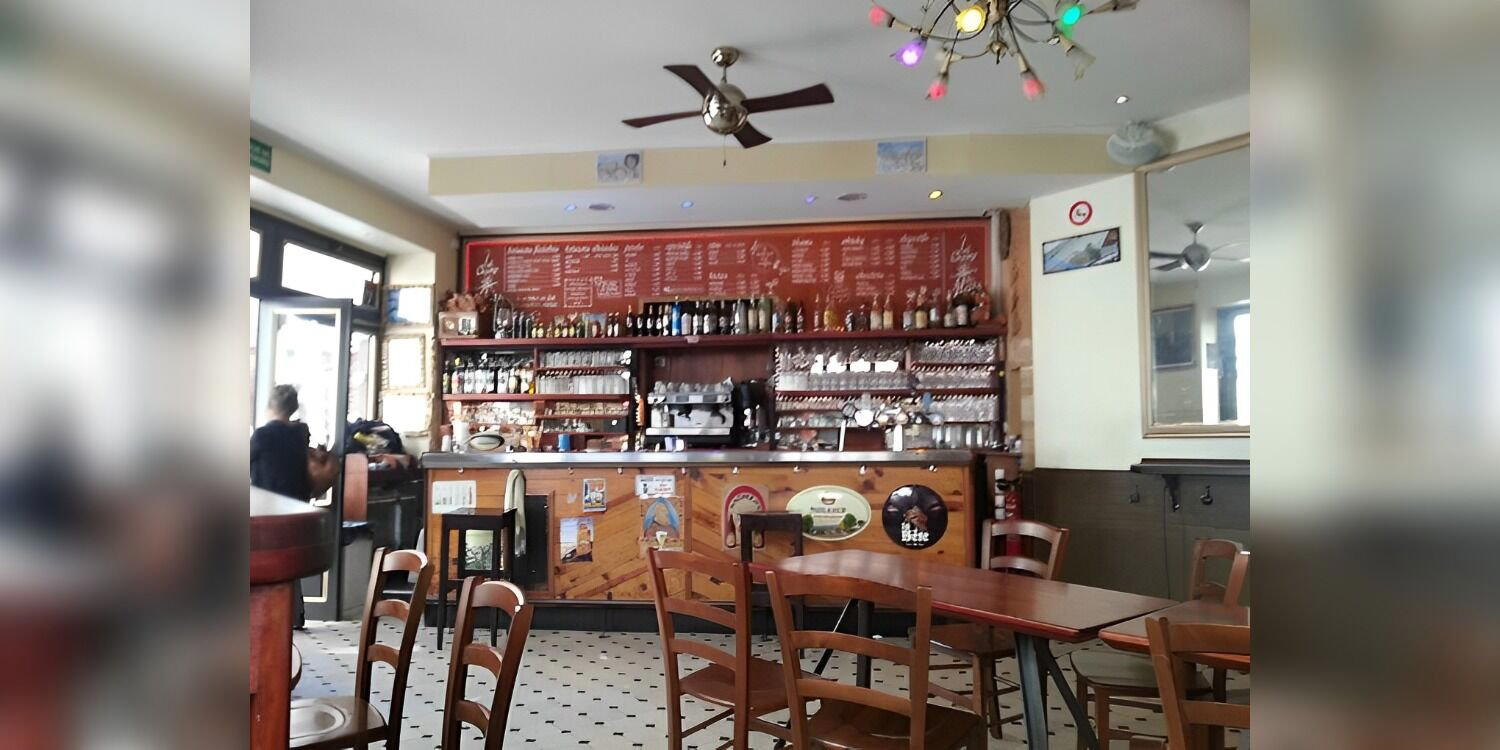
Details
- Cozy
- Rustic
- Intimate
- Casual Hangout
- Group Dining
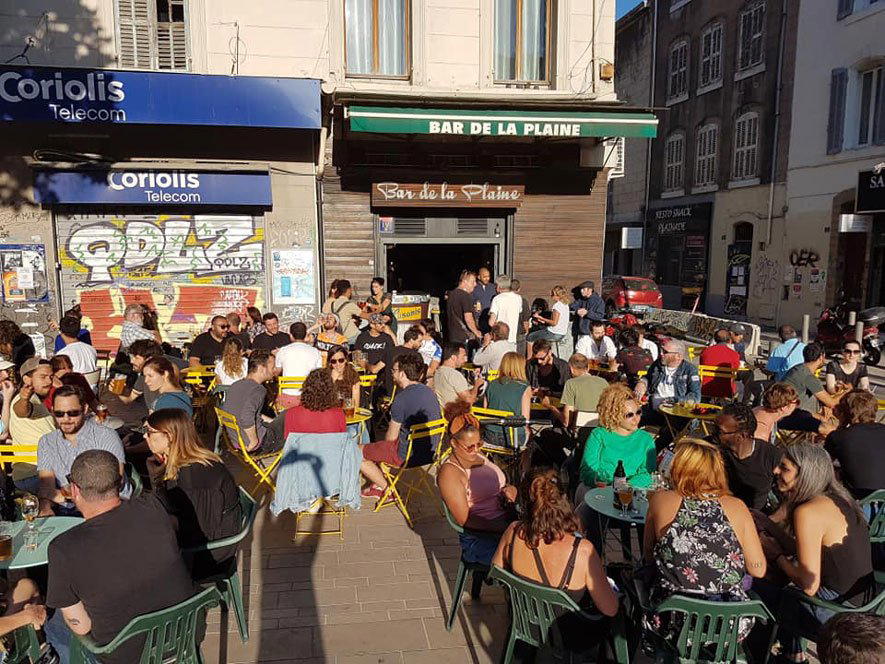
- Terrace
- Open Kitchen
- Waterfront
- Craft Cocktails
- Beer Program
- Local Sourcing
- Sustainable Seafood
- A La Carte
- Family Style
- Cocktails
- Wine
- Vegetarian Friendly
- Pescatarian Friendly
Current opening hours
- Monday
- Closed
- Tuesday
- Closed
- Wednesday
- 7–11 PM
- Thursday
- 7–11 PM
- Friday
- 7–11 PM
- Saturday
- 12–2:30 PM, 7–11 PM
- Sunday
- 11 AM–3 PM
Hours can change for holidays and private events. Hours as of .
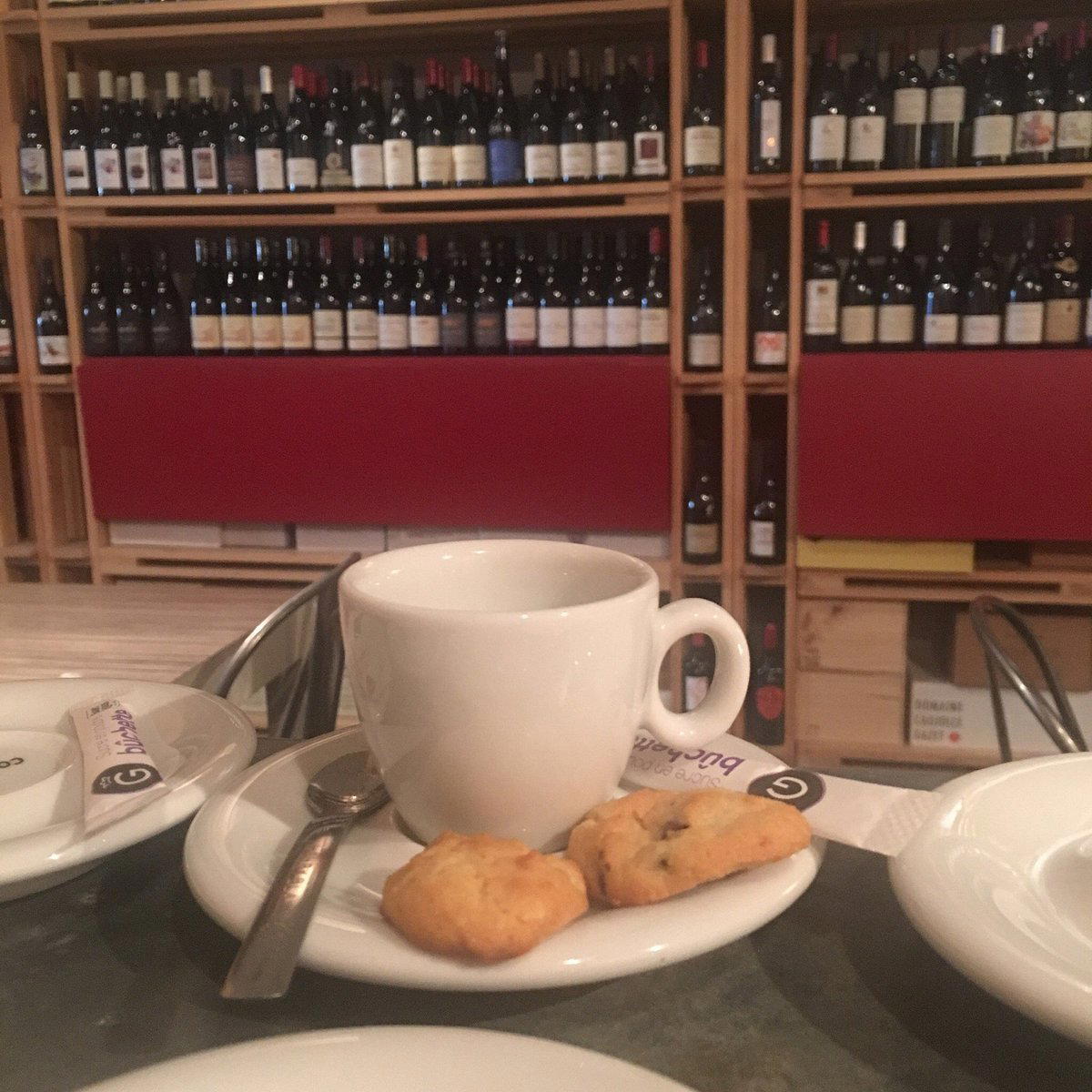
Warm and casual with eclectic décor featuring mementos and art; intimate interior with mismatched wooden and metal tables, some bare and others clothed, plus a long stainless steel bar holding the register and wine bottles.