Tulsi occupies a quiet address in Vienna's 9th district, bringing Indian cuisine into a city whose restaurant culture is still largely defined by Central European tradition. The address at Fluchtgasse 1 places it at the edge of a neighbourhood better known for Beisl dining and Viennese coffee culture than subcontinental cooking, making it one of the few dedicated Indian kitchens operating in this part of the city.
Pearl is the En Primeur Club membership app — saves, bookings, and concierge access live there. Same editors, same standards.
- Address
- Fluchtgasse 1, 1090 Wien, Austria
- Phone
- +434313101777
- Website
- tulsirestaurant.at
- Directions
- Get directions
 Saves & bookings on Pearl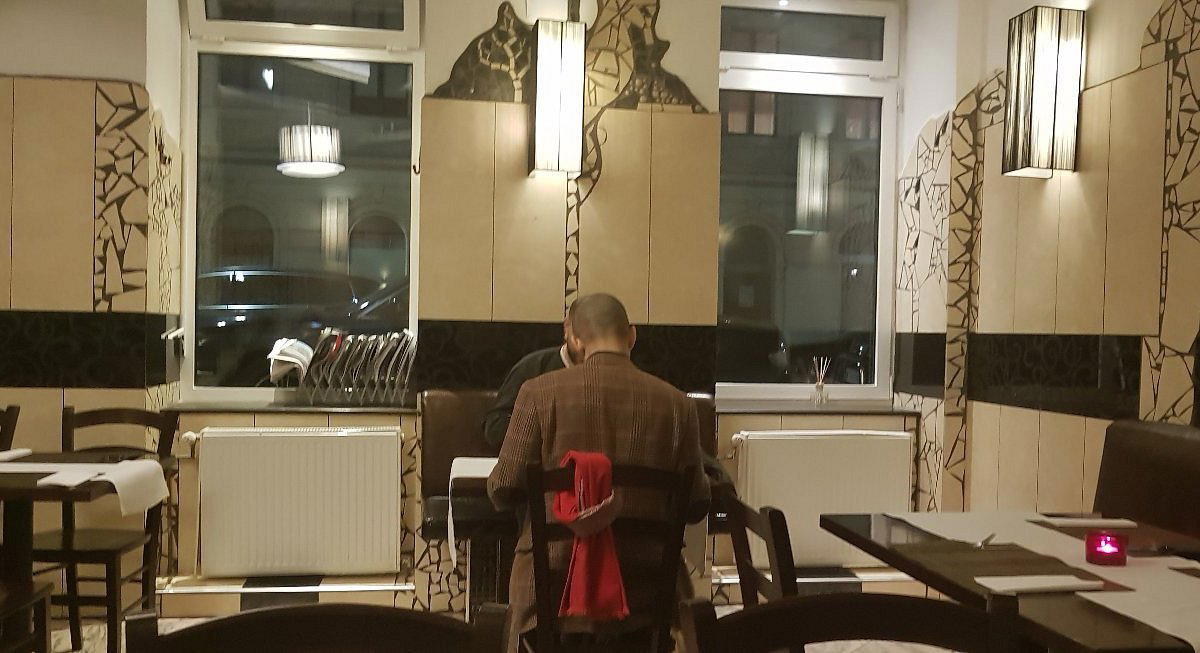
Indian Cuisine in a Central European Capital
Vienna's restaurant culture has long been anchored in Central European tradition: Schnitzel, Tafelspitz, Beisl cooking, and the kind of multi-course Austrian cuisine practised at addresses like Steirereck im Stadtpark and Mraz & Sohn. The city's fine dining tier is predominantly European in orientation, with Amador, Konstantin Filippou, and Doubek all working within broadly Western frameworks. Against that backdrop, dedicated Indian kitchens occupy a distinct and smaller niche, operating in a city where the cuisine is underrepresented relative to its depth and regional variety.
That context matters for understanding Tulsi's position. The address at Fluchtgasse 1 in the 9th district (Wien 1090) places it in Alsergrund, a neighbourhood whose character is shaped by the university hospital complex, academic institutions, and the kind of residential density that sustains neighbourhood restaurants rather than destination dining. It is not the Innere Stadt, and it is not the Naschmarkt corridor where international food culture concentrates. Alsergrund's dining scene tends toward the local and unpretentious, which makes a focused Indian kitchen here less a tourist-facing proposition and more a neighbourhood fixture.
The Cultural Weight of Indian Cooking
Indian cuisine carries among the more complex regional taxonomies in the world. The distance between a Keralan fish curry and a Punjabi dal makhani is roughly the distance between French bouillabaisse and a Bavarian pork knuckle: same country, entirely different traditions of spice, technique, and agricultural base. In European cities, this complexity is frequently collapsed into a generic register that prioritises familiar dishes over regional specificity. The more interesting Indian restaurants operating in European capitals in recent years have pushed against that tendency, drawing clearer lines between coastal and landlocked traditions, between Mughal-influenced northern cooking and the coconut-and-tamarind logic of the south.
For context, cities with established South Asian dining cultures like London or New York have developed clear hierarchies within Indian cooking: Le Bernardin in New York operates in a fine dining category that has its own analogs in Indian cuisine, with tasting-menu formats now appearing at Indian kitchens in major Western cities.
The 9th District Setting
Alsergrund has a specific character that is worth mapping carefully for visitors. The area around the Allgemeines Krankenhaus (AKH), Vienna's main hospital complex, draws a mix of medical professionals, students from the University of Vienna, and long-term residents. The neighbourhood's restaurants reflect that demographic: consistent, moderately priced, and oriented toward repeat local custom rather than one-off visitor traffic. Fluchtgasse itself is a short street that connects to the broader grid of the 9th district without sitting on any major transit artery, which shapes the kind of walk-in versus reservation dynamic a restaurant there would face.
By comparison, the major Michelin-recognised addresses in Vienna tend to cluster closer to the 1st and 3rd districts, or in landmark settings like the Stadtpark. Restaurants like Döllerer in Golling an der Salzach or Ikarus in Salzburg benefit from destination-level recognition that draws diners regardless of location. A restaurant in Alsergrund operates differently: proximity to the neighbourhood's residential base is likely a more significant driver of covers than wider destination appeal.
What to Expect
Indian restaurants in this tier in European cities typically present a curry-centred menu with tandoor-cooked proteins, a bread selection (naan, roti, paratha), and a range of vegetarian dishes that reflect the strong tradition of plant-based cooking in Indian cuisine. Rice dishes, including biryani in its various regional forms, are standard. Whether a given kitchen skews north Indian (cream-based sauces, tandoor-heavy), south Indian (lentil-forward, tamarind, coconut), or operates a broad pan-Indian menu is the key differentiation point at this level. Austrian dining culture's preference for generous portions and accessible pricing at neighbourhood level aligns reasonably well with the mid-range Indian restaurant format.
For broader exploration of Vienna's restaurant scene across cuisine types and price tiers, the full Vienna restaurants guide maps the city's options with more depth. Austria's wider fine dining scene extends well beyond the capital, with notable addresses at Obauer in Werfen, Landhaus Bacher in Mautern an der Donau, Griggeler Stuba in Lech, Gourmetrestaurant Tannenhof in Sankt Anton am Arlberg, Kräuterreich by Vitus Winkler in Sankt Veit im Pongau, Schwarzer Adler in Hall in Tirol, Restaurant 141 by Joachim Jaud in Mieming, and Ois in Neufelden.
For a point of reference on how Indian fine dining has developed in an entirely different major market, Atomix in New York City demonstrates what happens when non-European cuisines reach tasting-menu maturity in a city with enough critical mass to support that format, a development path that Vienna's Indian dining scene has not yet followed.
Planning Your Visit
Address: Fluchtgasse 1, 1090 Wien, Austria (9th district, Alsergrund). Getting there: The 9th district is served by U-Bahn lines with connections from the city centre; local tram and bus routes cover the Alsergrund area. Timing: Dinner service is the primary period for this type of kitchen in Vienna; confirm current opening hours directly.
Continue exploring
More in Vienna
Restaurants in Vienna
Browse all →
Bars in Vienna
Browse all →
Hotels in Vienna
Browse all →

At a Glance
- Cozy
- Modern
- Date Night
- Group Dining
- Casual Hangout
Current opening hours
- Monday
- Closed
- Tuesday
- 11:30 AM–2 PM, 5:45–10 PM
- Wednesday
- 11:30 AM–2 PM, 5:45–10 PM
- Thursday
- 11:30 AM–2 PM, 5:45–10 PM
- Friday
- 11:30 AM–2 PM, 5:45–10 PM
- Saturday
- 11:30 AM–2 PM, 5:45–10 PM
- Sunday
- 11:30 AM–2 PM, 5:45–10 PM
Hours can change for holidays and private events. Last verified .
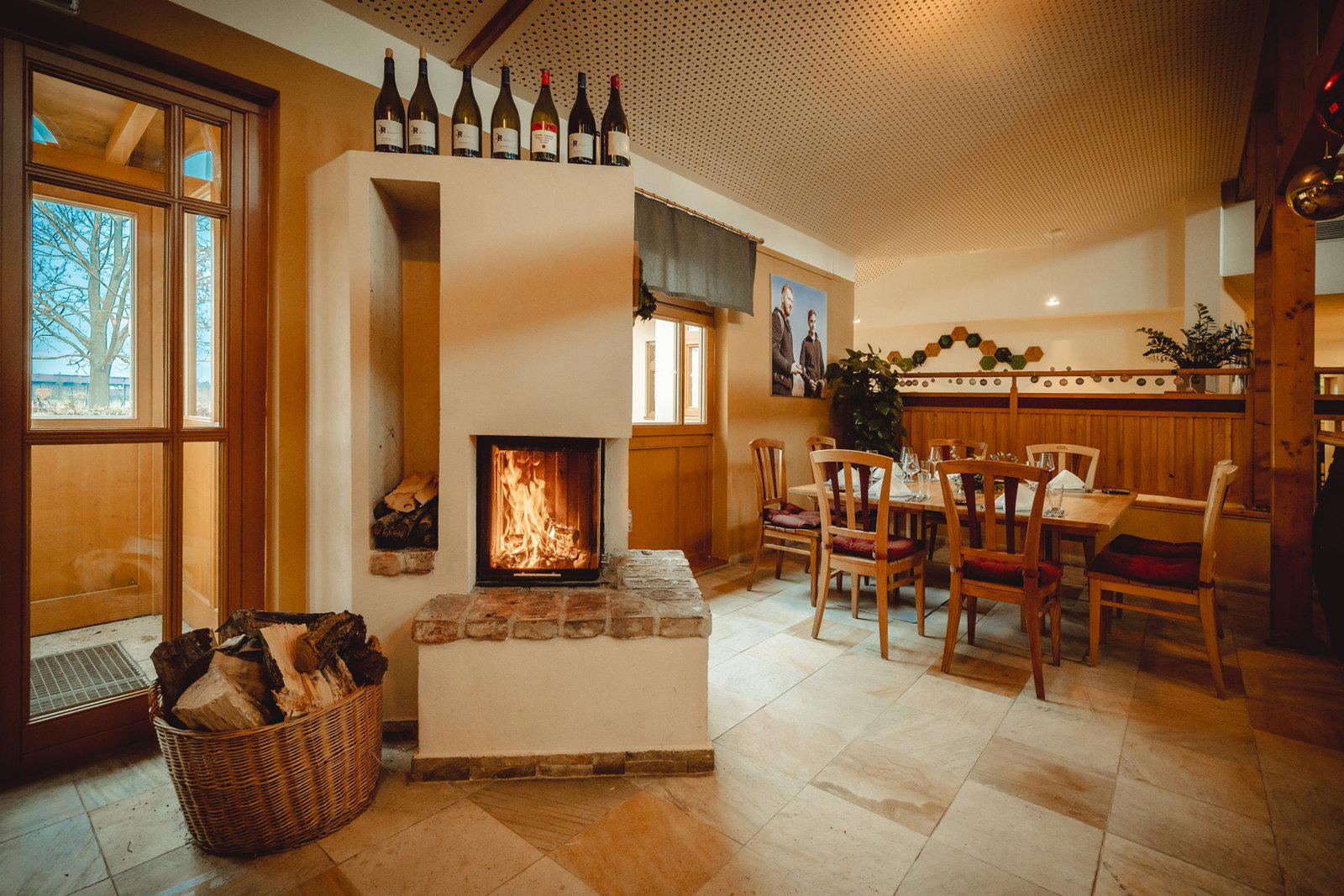
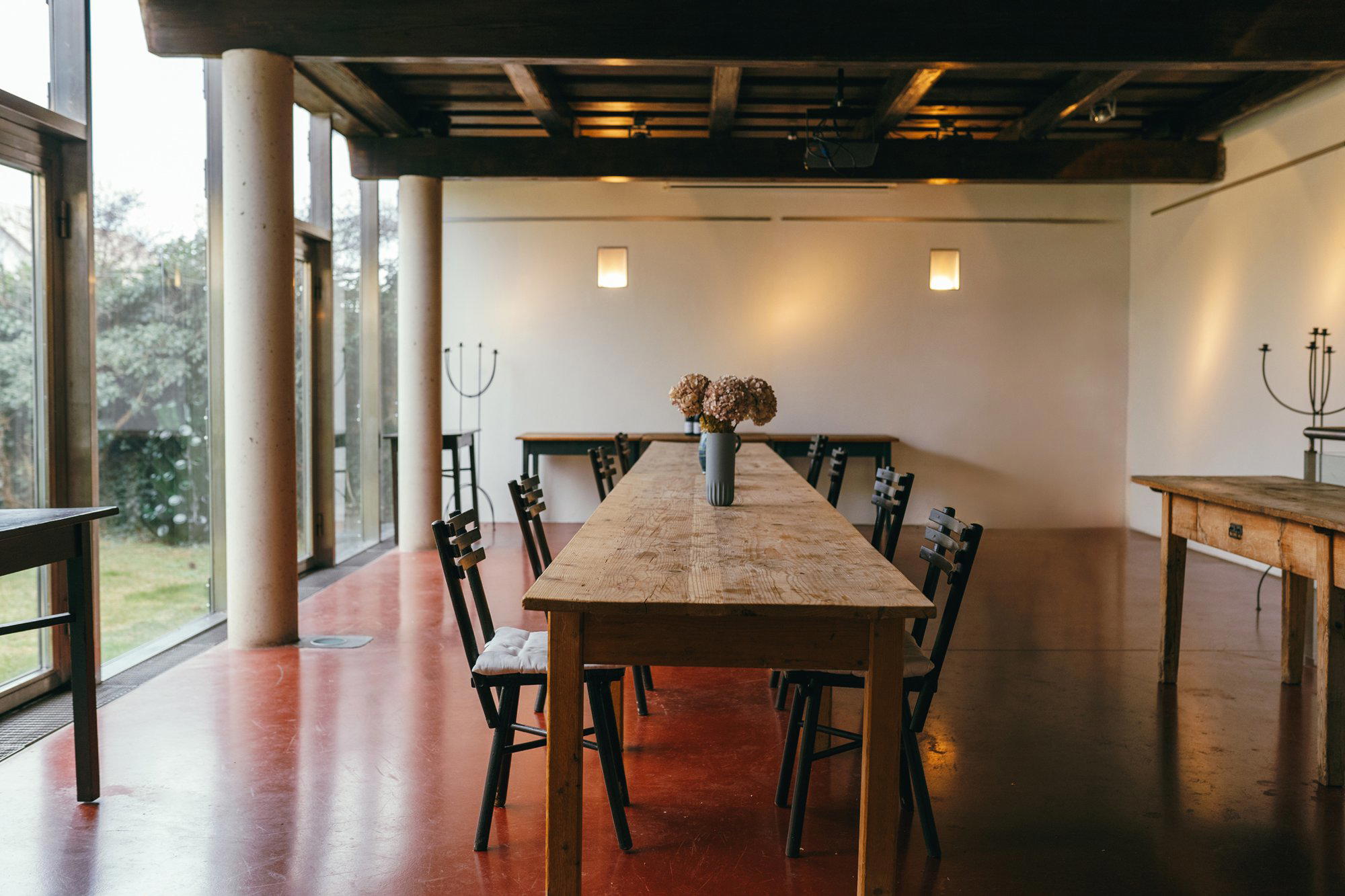
Cozy and inviting with a relaxed, contemporary atmosphere featuring white tiled interiors.