Our verdict
Elefant & Castle sits in Vienna's Neubaugasse corridor, where the seventh district's independent restaurant scene operates at a remove from the formal grandeur of the first. The address places it inside a neighbourhood increasingly defined by considered, low-footprint dining rather than spectacle, positioning it as a reference point for Vienna's quieter, more grounded approach to the table.

Pearl is the En Primeur Club membership app, where members save venues, book tables and use the concierge.
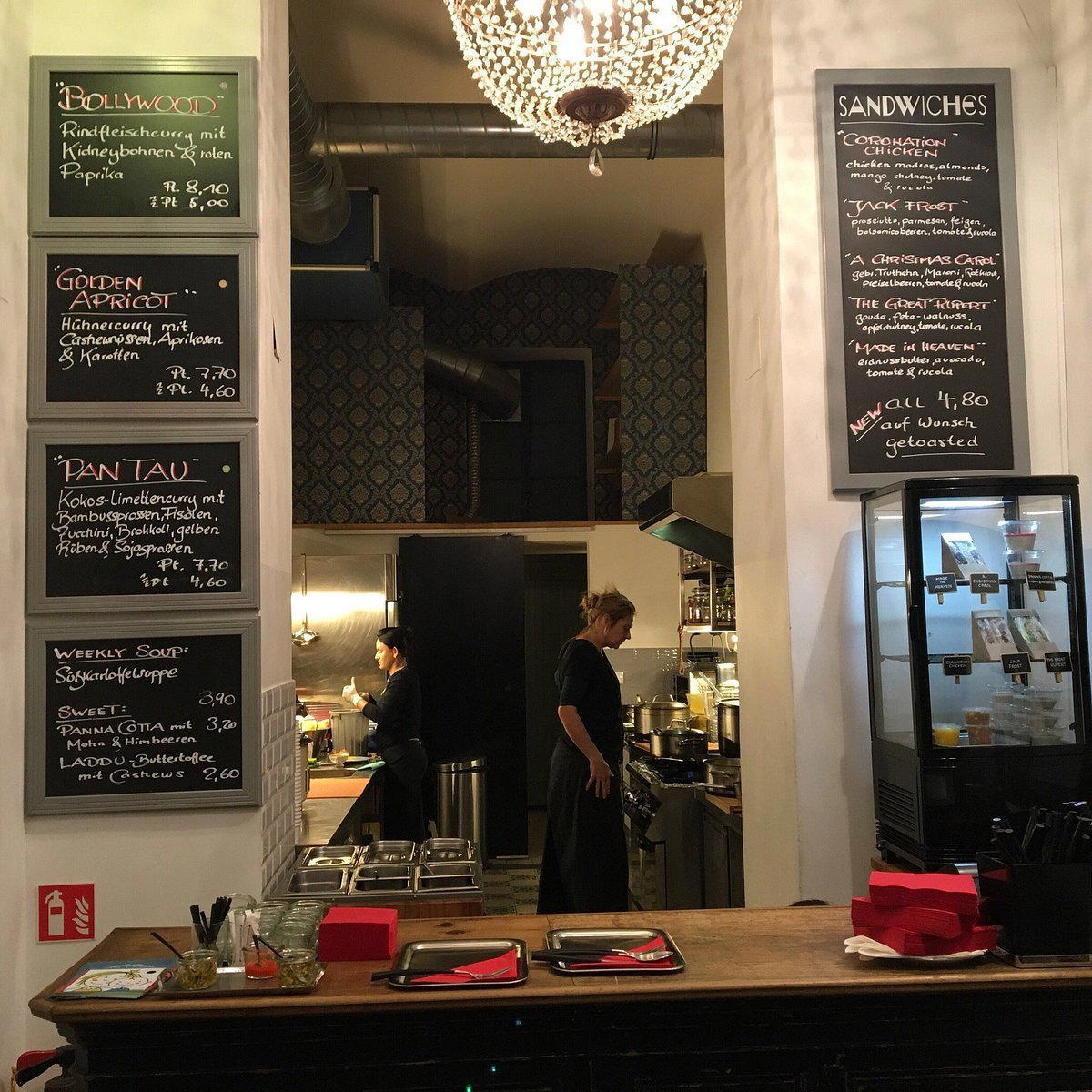
Neubaugasse and the Seventh District's Grounded Dining Scene
Vienna's seventh district has developed a dining character that runs counter to the city's reputation for imperial-scale hospitality. Where the first and third districts produce the kind of formal, architecturally staged restaurants that attract international attention, places like Steirereck im Stadtpark or Konstantin Filippou, both operating at the €€€€ ceiling of Vienna's creative dining tier, Neubaugasse supports something quieter. The street itself is a mid-length artery lined with independent retailers, smaller galleries, and a concentration of neighbourhood restaurants that tend to prioritise continuity over ambition signalling. Elefant & Castle, at number 45, sits inside that pattern.
This part of Vienna is not accidental. The seventh district's dining scene has consolidated around a set of values that align, broadly, with what food writers in other European cities would call conscious hospitality: reduced waste, seasonal proximity, and a preference for formats that don't require large operational footprints to justify themselves. That shift is happening across Austria's more considered restaurants, you can see a version of it at Mraz & Sohn and, in a more rural register, at Ois in Neufelden, but in Neubaugasse it takes on a neighbourhood rather than destination character. The audience is local in the most specific sense.
What the Address Signals About the Format
In Vienna's restaurant hierarchy, the distinction between a Neubaugasse address and, say, a Stadtpark or Palais setting is not merely geographic. It implies a different operating logic. The high-end creative addresses in Vienna's premium tier, Amador, Doubek, operate with the overhead structures and guest expectations that come with destination dining. A Neubaugasse address tends to signal the opposite: lower price-per-head assumptions, a repeat local clientele, and a format built for regularity rather than occasion.
Elefant & Castle occupies that space. Restaurants in this part of the seventh typically run at a fraction of the per-cover cost of Vienna's €€€€ bracket, and they tend to absorb the sustainability pressures that affect the entire Austrian restaurant economy, rising ingredient costs, tighter margins on organic and regional sourcing, through menu editing rather than price increases. The approach favours shorter menus with higher ingredient utilisation over long à la carte lists with structural waste built in.
Sustainability as Operating Logic, Not Marketing Position
Across Austria's restaurant sector, the conversation about ethical sourcing has moved from optional positioning to operational necessity. Producers in the Alps and the Pannonian lowlands supply Vienna's kitchens with ingredients that carry relatively short supply chains by European standards, and the restaurants that work most effectively with those producers tend to be the ones that commit to seasonal calendars rather than fixed menus. That commitment is easier to sustain in a neighbourhood format than in a destination one, because the audience tolerates, and often expects, regular change.
The broader Austrian dining scene provides useful comparison points here. Landhaus Bacher in Mautern an der Donau and Obauer in Werfen both operate from regional sourcing commitments that are structurally embedded rather than cosmetic. At the other end of the scale, village-format restaurants like Kräuterreich by Vitus Winkler in Sankt Veit im Pongau have built kitchen garden programs that reduce external sourcing dependency considerably. The Neubaugasse model sits between those poles: urban logistics don't permit kitchen gardens, but the proximity to Vienna's wholesale market infrastructure allows for supplier relationships that prioritise regional and seasonal produce without the ceremonial framing that destination restaurants apply to the same practice.
Vienna's Creative Tier and Where Elefant & Castle Sits Outside It
Understanding Elefant & Castle requires understanding what it is not. Vienna's recognised creative dining tier operates at consistent €€€€ pricing, with tasting menus, wine pairing programmes, and booking windows that extend several weeks or months in advance. Gourmetrestaurant Tannenhof in Sankt Anton am Arlberg and Stüva in Ischgl demonstrate how that model translates into alpine resort contexts. In Vienna itself, the gap between the Michelin-tracked tier and the neighbourhood tier is significant in operational terms, even if the ingredient quality at the better neighbourhood restaurants approaches that of their more formal peers.
That is not a deficit. Some of the most instructive food experiences in any city happen outside the award tier, where the kitchen is calibrated for local regulars rather than travelling critics. For comparable experiences further afield, the community-oriented model has international parallels: Lazy Bear in San Francisco built its reputation on communal dining formats that prioritised the local audience over destination appeal, while Le Bernardin in New York City shows what happens when a neighbourhood-origin ethos eventually scales into something more formal.
The Regional Context: Austria Beyond Vienna
Vienna's dining conversation increasingly references Austria's regional restaurant scene as a source of creative and sourcing influence. Döllerer in Golling an der Salzach has developed an Alpine cuisine framework that has filtered into how Vienna's more grounded restaurants think about ingredient provenance. Schwarzer Adler in Hall in Tirol and Restaurant 141 by Joachim Jaud in Mieming operate within regional hospitality traditions that predate the contemporary sustainability conversation by decades. Taubenkobel in Schützen am Gebirge, in the Burgenland wine country east of Vienna, has built one of Austria's more coherent farm-to-table systems within a restaurant-hotel format. These regional reference points matter because they establish the sourcing and philosophical vocabulary that neighbourhood restaurants in Vienna increasingly draw from, even at a fraction of the operational scale.
Planning Your Visit
Elefant & Castle is located at Neubaugasse 45, 1070 Wien, in Vienna's seventh district. The street is walkable from the Neubaugasse and Zieglergasse U3 stations, and the neighbourhood is one of the more pedestrian-accessible parts of the city. For broader planning across Vienna's restaurant scene, the EP Club Vienna restaurants guide covers the full range from neighbourhood formats to the city's leading creative addresses.
Frequently asked questions
Where is Elefant & Castle located?
Elefant & Castle is located at Neubaugasse 45, 1070 Wien, Austria, Vienna.
What makes dining at Elefant & Castle different from restaurants in Vienna's first district?
The address itself answers part of this: Neubaugasse 45 in the 1070 postal district places Elefant & Castle firmly outside Vienna's imperial hospitality corridor, where grand interiors and tourist-facing pricing dominate. The seventh district has built a distinct dining identity around neighbourhood regulars, shorter supply chains, and formats that don't require a dress code or advance occasion. That distinction in operating logic, not geography alone, is what separates a Neubaugasse table from one in the Innere Stadt.
What dish is Elefant & Castle famous for?
No signature dish has been formally documented for Elefant & Castle. Located at Neubaugasse 45 in Vienna's seventh district, the kitchen operates within a neighbourhood dining context where the menu is shaped by Austrian regional sourcing rather than a single marquee preparation. Visiting directly or checking current listings will give the most accurate picture of what is on the pass.
How hard is it to get a table at Elefant & Castle?
Reservation difficulty at Elefant & Castle has not been formally documented. As a Neubaugasse address in Vienna's seventh district, it sits in a neighbourhood that draws a regular local crowd rather than a destination-dining queue, which typically means shorter lead times than Vienna's ticketed or omakase-format venues. Contacting the restaurant directly is the clearest way to gauge current availability.
What's Elefant & Castle best at?
Based on its Neubaugasse 45 address and the broader character of Vienna's seventh district dining scene, Elefant & Castle operates in a register of grounded, neighbourhood-focused hospitality rather than formal tasting-menu theatre. The district's restaurants have built a reputation around sourcing honesty and approachable format, and Elefant & Castle sits within that context. Specific menu strengths are best confirmed on arrival or by contacting the venue.
Is Elefant & Castle good for vegetarians?
Austria's seventh district dining scene has increasingly reflected the country's growing focus on vegetable-forward and ethically sourced cooking, and many Neubaugasse restaurants offer meaningful options beyond token substitutions.
Should I splurge on Elefant & Castle?
Pricing for Elefant & Castle has not been documented, so a direct cost-benefit assessment isn't possible here. What the Neubaugasse 45 address does signal is a mid-district, neighbourhood-scale format: Vienna's seventh district runs closer to the €€–€€€ bracket than the Stadtpark or first-district palais tier. If the body of evidence from the surrounding scene holds, this is more likely a considered local dinner than a full-splurge occasion.
Quick Comparison
Comparable venues nearby, for context on price, style, and recognition.
| Venue | Cuisine | Price | Notes |
|---|---|---|---|
| Elefant & CastleThis venue (the venue you are viewing) | Indian Curry House | Not listed | Not listed |
| Wiener Würstelstand | Austrian Sausage Stand | $10–20 | Mariahilf |
| Asala Halal Food | Egyptian Halal Street Food | $10–20 | Alsergrund |
| Die Tackerei | Austrian-Mexican Fusion Tacos | $10–20 | Hernals |
| Würstelstand Kupferschmiedgasse | Traditional Austrian Sausages | $10–20 | Innere Stadt |
| Pita BOX | Turkish & Middle Eastern Street Food | $1–10 | Praterstern Wien Nord |
Elefant & Castle
Featured Guides
Continue exploring
More in Vienna
Restaurants in Vienna
All restaurants in Vienna →
Bars in Vienna
All bars in Vienna →
Details
- Cozy
- Casual Hangout
- Open Kitchen
- Local Sourcing
- A La Carte
- Vegetarian Friendly
Current opening hours
- Monday
- 11 AM–4 PM
- Tuesday
- 11 AM–4 PM
- Wednesday
- 11 AM–4 PM
- Thursday
- 11 AM–4 PM
- Friday
- 11 AM–4 PM
- Saturday
- Closed
- Sunday
- Closed
Hours can change for holidays and private events. Hours as of .
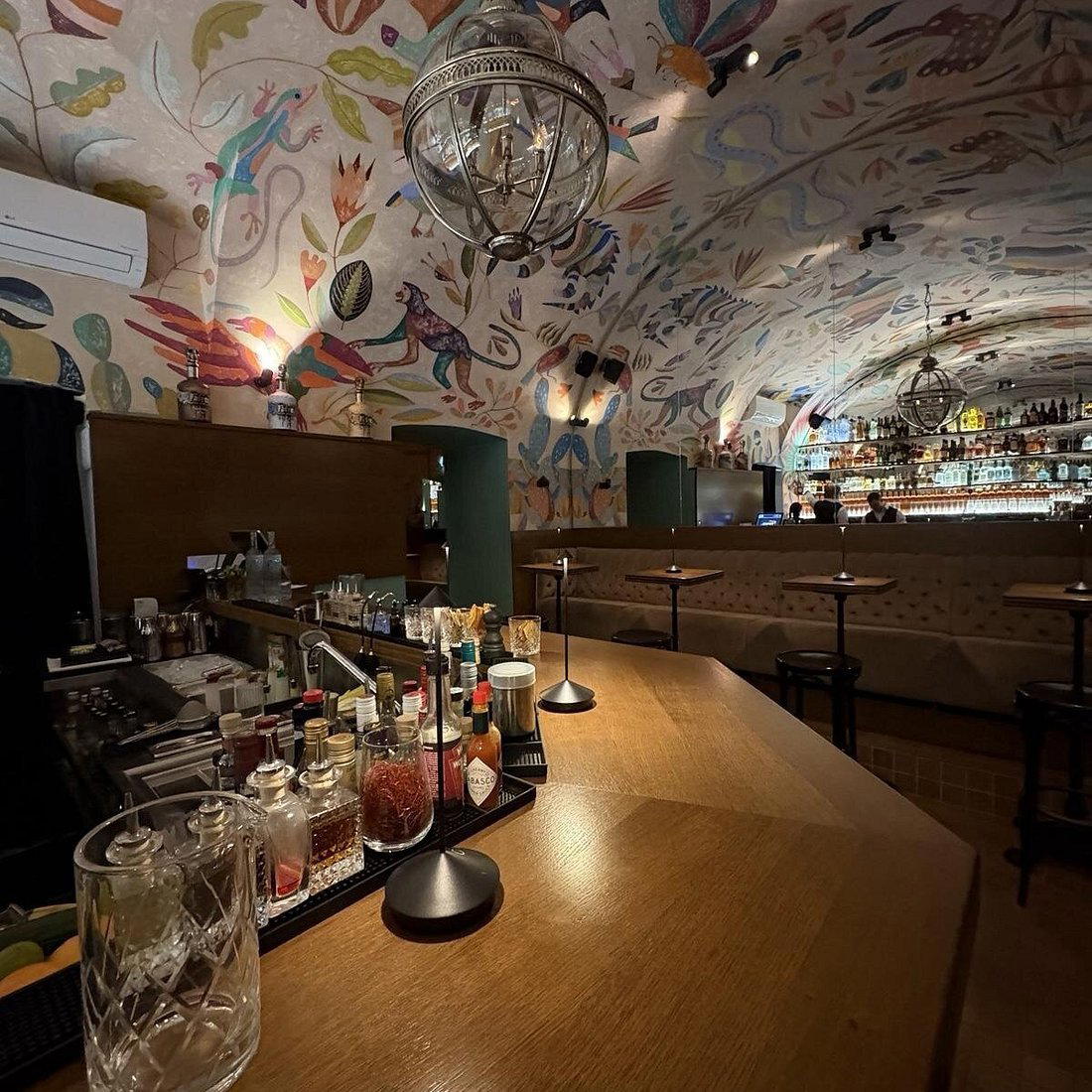
Cozy small space with nice ambiance and the great aroma of curry.