
Tsukushi places Tokyo’s wagashi culture in a quieter register: take-out service, daifuku as the anchor category, and pricing below JPY 1,000. Its selection for Tabelog 100 Japanese traditional sweets / Japanese sweets cafe Tokyo 2023 gives it a clear quality signal in a field where reputation often travels by neighbourhood habit rather than international awards.
Pearl is the En Primeur Club membership app — saves, bookings, and concierge access live there. Same editors, same standards.
- Address
- 東京都目黒区八雲4-5-6
- Phone
- +81337240294
- Website
- tabelog.com
 Saves & bookings on Pearl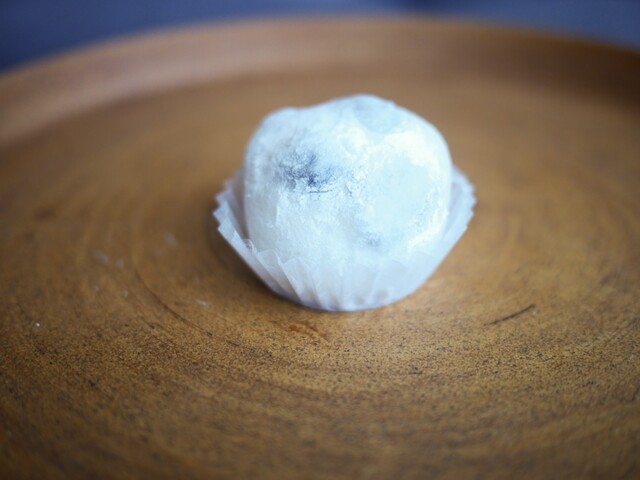
Yakumo asks for a different pace from the restaurant corridors of Ginza or Shinjuku. The approach to Tsukushi is residential Tokyo rather than theatre: low-rise streets, local errands, and the kind of sweets shop rhythm that fits a morning purchase as easily as an after-work stop. That setting matters, because wagashi in Tokyo is not only a tea-ceremony category or department-store gift economy. It is also daily craftsmanship, bought quickly, carried carefully, and judged by balance rather than spectacle.
Tokyo’s daytime sweets culture operates on a different clock from dinner dining. At lunch, value is often measured by access and repetition: a single daifuku, a small box, a stop between stations. By evening, the mood shifts toward what remains in the case and what can still serve as a house gift or quiet dessert after a longer meal elsewhere. Tsukushi belongs to that practical, low-friction side of the city’s food life, with take-out service and a listed spend below JPY 1,000. That puts it closer to the everyday wagashi counter than to the reservation-led dessert course now common in Tokyo’s higher-price dining rooms.
Daifuku keeps the argument disciplined
Wagashi can become a broad label in English-language travel writing, but the category has internal rules. Nerikiri, yokan, dorayaki, monaka, and daifuku all reward different textures and occasions. Tsukushi is categorized around Japanese traditional sweets and daifuku, a narrower signal than a general cafe listing. Daifuku is a useful test of restraint: rice cake texture, bean paste sweetness, size, and freshness all have to work without elaborate plating or a service script.
The venue’s Tabelog score of 3.68 and selection for Tabelog 100 Japanese traditional sweets / Japanese sweets cafe Tokyo 2023 place it inside a Tokyo list that privileges specialist shops over international dining glamour. That distinction is important. Michelin stars and tasting-menu rankings tell one story about Tokyo; Tabelog’s Hyakumeiten lists often catch another, especially categories locals use for repeat purchases. In this case, the recognition points to a sweets shop worth treating as part of the city’s craft-food map, not as a detour for dessert completists.
The lunch-versus-dinner divide is partly about stock and intent. Daytime suits wagashi because freshness and choice matter more when the visit is built around the sweet itself. Evening suits a different use case: a low-cost, high-specificity stop after dining nearby or before heading home. Compared with Yakumo Uezu, which sits in a more expensive Japanese dining bracket, Tsukushi is not competing for the same meal occasion. Compared with Addict au Sucre or Chimoto, it belongs to the same broader neighbourhood appetite for sweets, but the daifuku association gives it a more traditional register.
Meguro's quieter food geography rewards specialists
Meguro and the Toritsu Daigaku area do not sell Tokyo through skyline drama. Their food appeal is cumulative: bakeries, sweets counters, neighbourhood restaurants, and small-format places that work because regulars return. This is where a sub-JPY 1,000 wagashi stop can feel more revealing than another premium omakase booking. The spend is modest, but the editorial value is high because the format shows how Tokyo eats between formal meals.
That also makes Tsukushi a useful counterweight in a Tokyo itinerary. A day built around heavy reservations can flatten the city into a sequence of counters and courses. A sweets shop visit changes the tempo. It adds a daytime errand, a train-station walk, and a purchase that does not require the social contract of a full meal. For travellers mapping broader dining patterns, it sits well beside more meal-driven Tokyo entries such as 124. KAGURAZAKA (Yakitori), 12/10 Shinjuku ten, 3 Chome no Curry Ya San, and . 鮪と炭火焼き うお炭 秋葉原店. Those places answer different cravings; the value here is precision at the small-purchase end of the scale.
The broader comparison is not only within Tokyo. Japan’s casual and specialist formats travel across cities in different ways, from [ki:] in Kyoto to.cafe in Osaka.know in Kumamoto, [Curry Senmon Ten] Maruyama Kyoju. in Sapporo, -Grilled beef Sukiyaki- KAMAKURA TANUKIAN 鎌倉 たぬき庵 in Kamakura, and (Shoku) Vietnam in Kawasaki. Outside Japan, the same interest in portable Japanese formats appears differently at Jōdo Saké Bar in Los Angeles and Onigiri Time in Pasadena. Tsukushi’s role is more local and narrower: Tokyo wagashi, priced for repeat use, with an award signal attached.
Know Before You Go
- Format: Japanese traditional sweets with take-out service.
- Category signal: Daifuku is specifically listed among its specialties.
- Recognition: Selected for Tabelog 100 Japanese traditional sweets / Japanese sweets cafe Tokyo 2023.
- Spend: Listed below JPY 1,000.
- Neighbourhood logic: Works better as a daytime sweets stop or low-key evening purchase than as a destination dinner.
- Planning context: For a wider city map, use Our full Tokyo restaurants guide, with adjacent planning in Our full Tokyo hotels guide, Our full Tokyo bars guide, Our full Tokyo wineries guide, and Our full Tokyo experiences guide.
- Nearby contrast: 2D Cafe shows the city’s more visual cafe culture; Tsukushi sits in the traditional sweets lane.
Cost and Credentials
Comparable venues at a similar level for quick context.
| Venue | Cuisine | Price | Notes |
|---|---|---|---|
| TsukushiThis venue — the venue you are viewing | Not listed | $ | Not listed |
| Meguro Hiiragi Himonya kouen doori ten | Meguro, Taiyaki & Japanese Wagashi Shop | $ | Not listed |
| Imagawayaki Kashiwaya | Not listed | $ | Setagaya, Traditional imagawayaki & Japanese sweets stand |
| Kasho Kikuya | Not listed | $ | Minato, Traditional Japanese Wagashi Confectionery |
| Shina Soba Tantantei | Not listed | $ | Suginami, Classic Tokyo Shina Soba & Wonton Ramen |
| Takahashi no Saka Manju | Not listed | $ | Suginami, Japanese traditional sweets (saka manju specialty) |
Recognition history
Dated appearances from independent guides and award organizations, with the underlying list record or original source where available.
Tabelog 100 #85 · No. 85
Tabelog · Tabelog 100 - Japanese traditional sweets / Japanese sweets cafe - TOKYO - 2023













At a Glance
- Quiet
- Cozy
- Classic
- Solo
- Casual Hangout
- After Work
- Standalone
- Street Scene
A quietly tucked-away, long-standing Japanese sweets shop in a residential Meguro neighborhood, with a small, relaxed non-smoking space that feels classic and low-key rather than trendy or polished; more like a beloved local confectioner than a café destination.