Smartdeli occupies a quiet address on Novalisstraße in Berlin's Mitte district, where the deli format carries a different weight than its name suggests. Positioned away from the city's Michelin-heavy dining corridor, it operates in a register that Berlin does well: deliberate, low-key, and worth seeking out on its own terms. Visitors from the broader German fine-dining circuit will find the contrast instructive.
Pearl is the En Primeur Club membership app — saves, bookings, and concierge access live there. Same editors, same standards.
- Address
- Novalisstraße 2, 10115 Berlin, Germany
- Phone
- +493020687037
- Website
- smartdeli.org
- Directions
- Get directions
 Saves & bookings on Pearl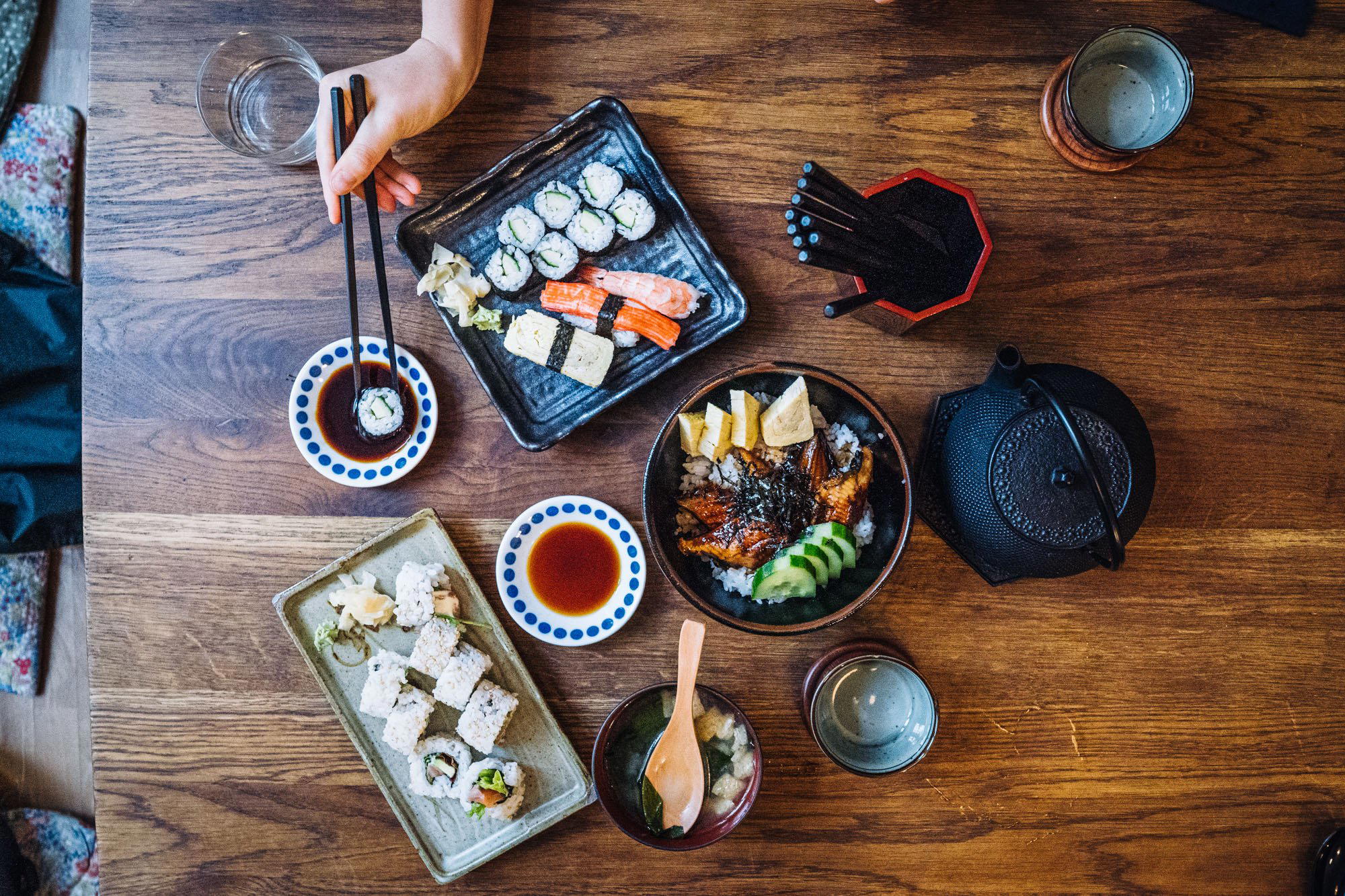
A Street in Mitte, and What It Tells You About Berlin's Quieter Dining Register
Novalisstraße sits in the northern wedge of Mitte, a few blocks from the Bode Museum and the particular calm that settles over that part of the district once the tourist current thins. The street has none of the self-conscious cool of Prenzlauer Berg's restaurant row, nor the institutional gravity of the Gendarmenmarkt corridor. What it has is the kind of low-pitched urban quiet that Berlin's more considered dining addresses tend to prefer.
Berlin's dining scene has always maintained two largely separate tracks. The first runs through the Michelin-recognised tier, Rutz, Nobelhart & Schmutzig, FACIL, Restaurant Tim Raue, addresses where tasting menus run long and the price signals are clear. The second track is less legible from the outside: smaller operations, often without booking infrastructure or formal press presence, that sustain themselves on neighbourhood regulars and word of mouth. Smartdeli belongs to this second category, and understanding what that means for how you eat there is the more useful editorial question.
The Ritual of the Deli Format in a City That Does It Differently
The deli as a dining format carries different cultural freight in Berlin than it does in, say, New York or London. In a city shaped by decades of divided urban life and the subsequent improvisational food culture of the 1990s, the counter-and-case format was never purely transactional. It became a place where the pace of eating was set by the customer rather than a kitchen brigade, where the meal assembled itself across a few deliberate choices rather than arriving in sequenced courses.
That rhythm, browse, select, settle, is a distinct dining ritual, and it rewards a different kind of attention than a tasting menu does. You are not being guided through a chef's argument about a cuisine. You are making your own small sequence of decisions, and the quality of what is in the case determines whether those decisions feel meaningful. This is a format that exposes sourcing and preparation without the buffer of elaborate plating or tableside explanation. At the better Berlin addresses in this category, that exposure is the point.
For context, the city's highest-recognition kitchens, CODA Dessert Dining in its creative dessert-led format, or the hyper-seasonal sourcing discipline at Nobelhart & Schmutzig, operate with a level of format control that the deli model deliberately refuses. The comparison is not a hierarchy; it is a description of two entirely different relationships between kitchen and guest. Germany's most formally decorated dining rooms, from Aqua in Wolfsburg to Waldhotel Sonnora in Dreis and Vendôme in Bergisch Gladbach, are built around the proposition that the kitchen leads and the guest follows. Smartdeli's format, like most serious deli operations, inverts that. The guest leads, and the kitchen's job is to make every available option worth choosing.
What the Address Signals About Positioning
Novalisstraße 2 is a practical address for a walk-in meal. It does not appear in the same booking infrastructure as JAN in Munich or Schwarzwaldstube in Baiersbronn, where reservations are the primary access mechanism and planning horizons stretch weeks or months. Walk-in access is part of the format's logic, the counter exists to serve people making same-day decisions, not diners working through a pre-structured menu experience.
That positioning places Smartdeli in a comparable set defined less by price tier than by operating philosophy. Across Berlin, a handful of addresses in this register have built durable reputations not through award recognition but through consistency of product and the loyalty of a local customer base that treats them as infrastructure rather than occasion dining. The absence of formal awards data or published press recognition for Smartdeli is consistent with this pattern, it is not necessarily a signal of quality deficit so much as a signal of format and audience.
For visitors arriving from Germany's broader fine-dining circuit, from Restaurant Haerlin in Hamburg, Schanz in Piesport, or ES:SENZ in Grassau, the contrast is instructive rather than disappointing. The deli format at this address asks you to recalibrate what you are measuring. Speed of service, flexibility of portion, and the ability to compose a meal around your own appetite rather than a kitchen's sequence are the relevant metrics here, not course count or wine pairing depth.
Berlin's Mitte Context: What Surrounds the Address
The Mitte district has shifted considerably over the past decade. The neighbourhood immediately around Novalisstraße has retained more residential character than the areas closer to Hackescher Markt, which have absorbed a heavier layer of retail and tourism. That residential density is part of what sustains counter-service and deli-format businesses in the area: they serve a local population with daily food needs rather than visitors looking for a dinner event.
For those building a wider Berlin itinerary, our full Berlin restaurants guide maps the city's dining registers across neighbourhoods, from the Michelin-tracked rooms to the informal operations that Berlin's food culture actually runs on. Internationally, the deli-and-counter format has its own reference points, Le Bernardin in New York City represents the opposite pole of format formality, while Atomix in the same city shows how the structured tasting format can carry cultural argument at the highest level. Neither comparison is relevant to how you should approach Novalisstraße 2, but they clarify the spectrum.
Berlin also produces outliers like Bagatelle in Trier and Victor's Fine Dining by Christian Bau in Perl, addresses operating in Germany's formal tier but outside the major cities. They exist in a different register entirely from what Smartdeli represents, which is worth stating plainly: this is a neighbourhood food address, not a destination dining proposition, and that distinction should frame every expectation you bring to it.
Planning Your Visit
Smartdeli is walk-in friendly at Novalisstraße 2, 10115 Berlin, in the northern Mitte district. Getting there: The address is within reach of the U8 line at Rosenthaler Platz or the tram connections along Invalidenstraße. Hours: Mon to Fri 12 to 8:30 PM, Sat 12 to 6 PM, Sun closed.
A Lean Comparison
Comparable venues nearby, for context on price, style, and recognition.
| Venue | Cuisine | Price | Notes |
|---|---|---|---|
| SmartdeliThis venue — the venue you are viewing | Mitte, Japanese Sushi & Deli | $$ | Not listed |
| XXX Ramen | Charlottenburg, Japanese Ramen | $$ | Not listed |
| Kabuki Berlin | Tiergarten, Japanese Teppanyaki | $$ | Not listed |
| Buya Ramen Factory | Kreuzberg, Japanese Ramen Izakaya | $$ | Not listed |
| Iimori Ramen | Mitte, Japanese Ramen | $$ | Not listed |
| Sticks'n'Sushi | Not listed | $$$ | Tiergarten, Japanese Sushi & Yakitori with Nordic Twist |
Continue exploring
More in Berlin
Restaurants in Berlin
Browse all →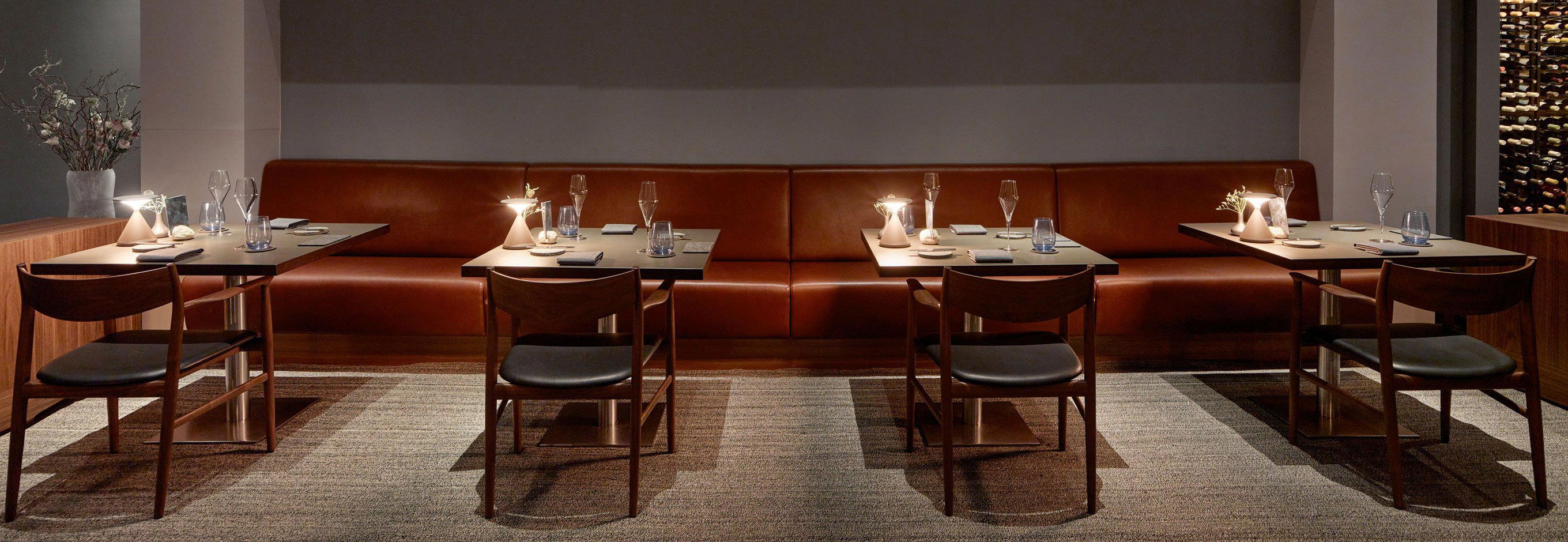
Bars in Berlin
Browse all →
Hotels in Berlin
Browse all →


At a Glance
- Cozy
- Casual
- Casual Hangout
- Standalone
Current opening hours
- Monday
- 12–8:30 PM
- Tuesday
- 12–8:30 PM
- Wednesday
- 12–8:30 PM
- Thursday
- 12–8:30 PM
- Friday
- 12–8:30 PM
- Saturday
- 12–6 PM
- Sunday
- Closed
Hours can change for holidays and private events. Last verified .
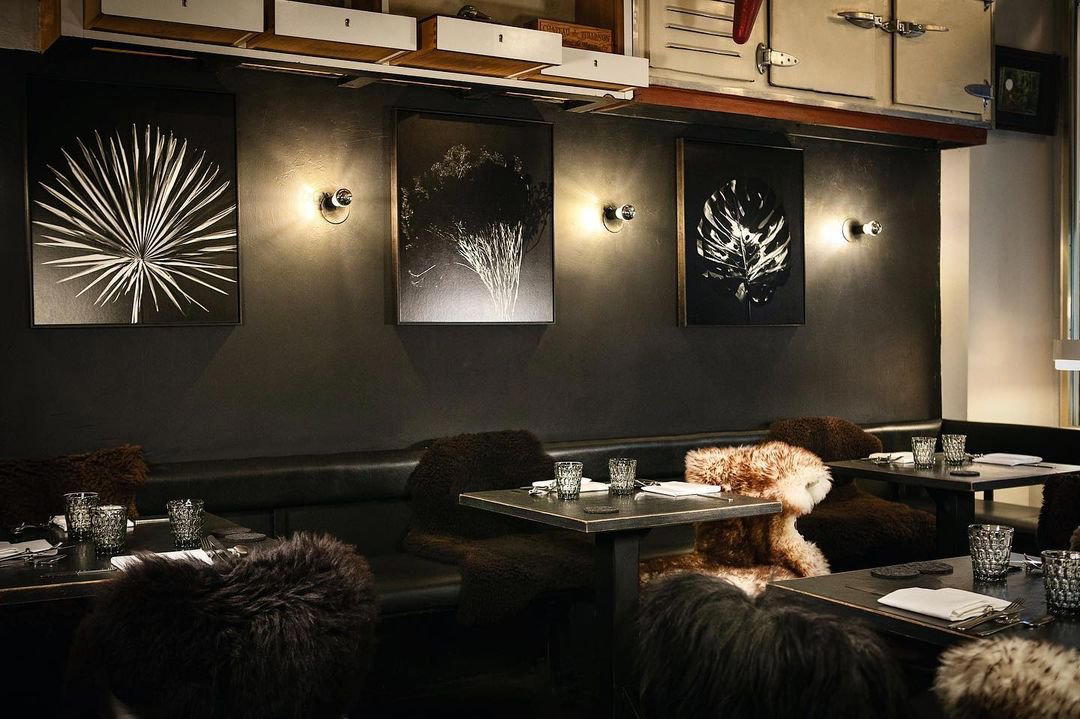
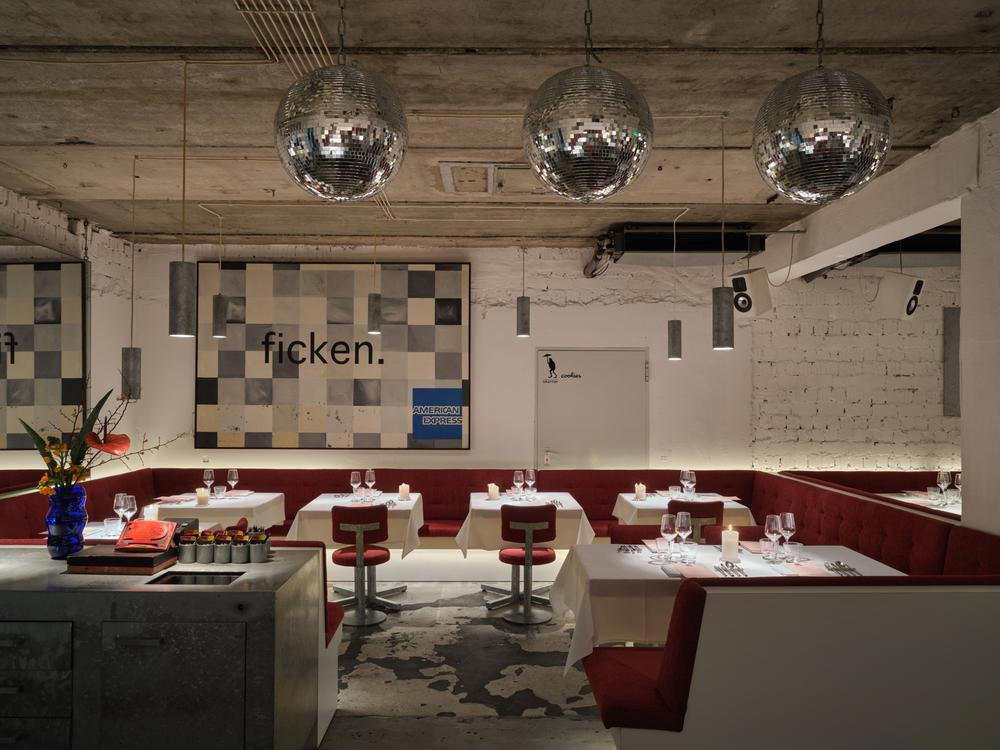
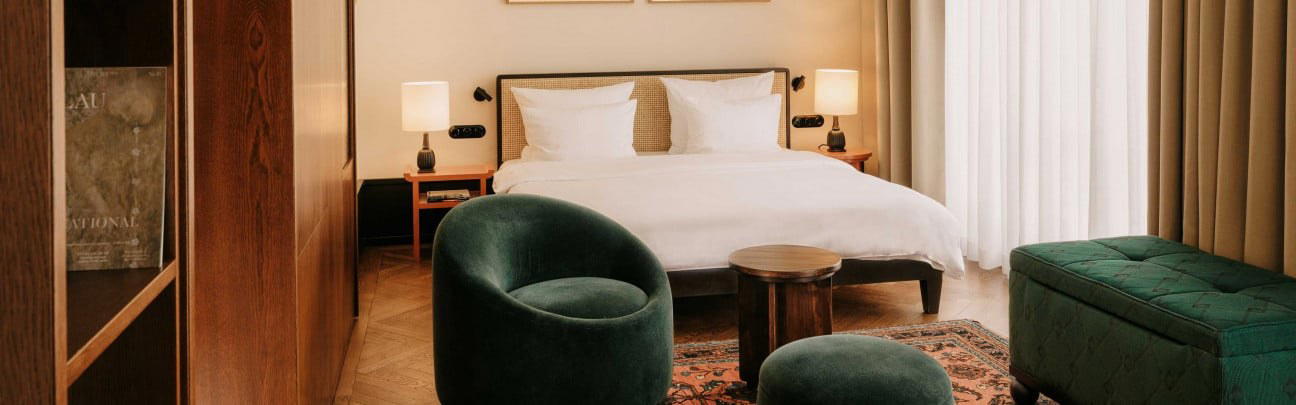
Cozy interior with mix-and-match antique furniture creating a funky, welcoming atmosphere.