On Via Santo Spirito in the Oltrarno district, BABAE occupies one of Florence's most food-serious neighbourhoods, where market proximity and artisan tradition shape what reaches the table. The address places it squarely in a part of the city where sourcing still drives the menu conversation rather than spectacle. For visitors calibrating a Florence dining itinerary, BABAE belongs on the shortlist alongside the neighbourhood's most considered options.
Pearl is the En Primeur Club membership app — saves, bookings, and concierge access live there. Same editors, same standards.
- Address
- Via Santo Spirito, 21R, 50125 Firenze FI, Italy
- Phone
- +39 055 614 4429
- Website
- babaefirenze.it
- Directions
- Get directions
 Saves & bookings on Pearl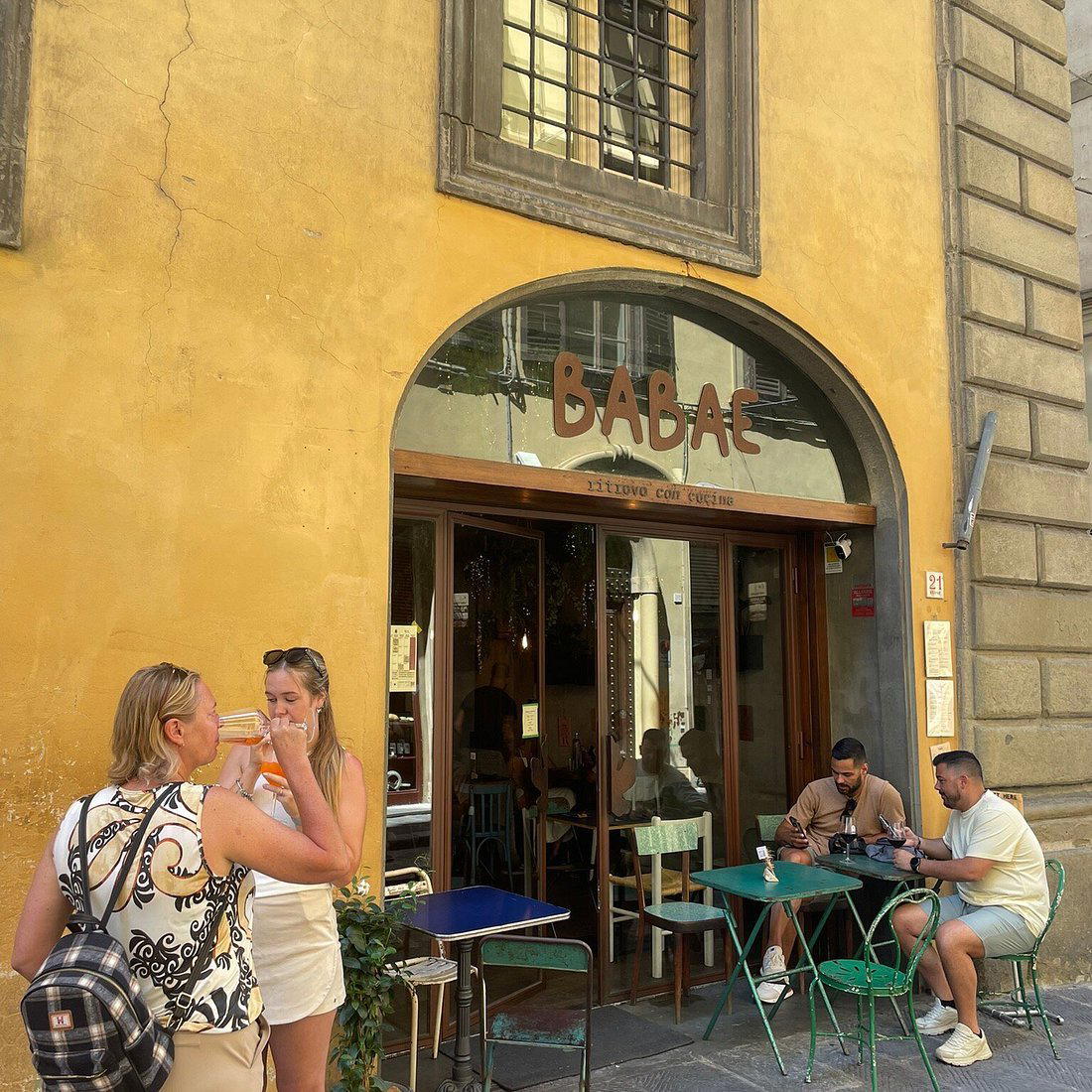
The Oltrarno Standard: What the South Bank of the Arno Demands
Via Santo Spirito sits in Oltrarno, the neighbourhood Florentines have long treated as their own, less polished than the centro storico, more comfortable with the rhythms of daily commerce and artisan trade. The street runs between Piazza de' Frescobaldi and Piazza Santo Spirito, threading past furniture restorers, wine bars, and restaurants whose clientele skews local. In a city where tourist-facing dining has colonised much of the historic centre, this pocket of the left bank operates on a different logic: proximity to the Mercato di Santo Spirito, relationships with smallholders in the surrounding hills, and a dining public that notices when sourcing slips.
BABAE, at number 21R on that street, is a modern Italian bistro in Florence. The address alone signals something about the intended register. Oltrarno restaurants at this latitude answer to a neighbourhood that can spot a tomato out of season and will say so. That pressure, informal as it is, tends to produce better food than any award category.
Ingredient Sourcing and Why the Oltrarno Address Matters
Florence's relationship with produce is inseparable from its geography. The city sits in a basin ringed by hills, Chianti to the south, the Mugello to the north, the Arno valley stretching east and west, and that enclosure has historically meant short supply chains. Porcini from the Casentino forests, Chianina beef from the Val di Chiana, pecorino from the Crete Senesi, and wine from estates within thirty kilometres of the city walls: Tuscan cooking is not a philosophy about locality so much as a structural fact of how this region has always fed itself.
Restaurants in the Oltrarno are better positioned to maintain those relationships than their counterparts across the river, partly because the neighbourhood has not been entirely absorbed into the city's tourism economy and partly because the Mercato di Santo Spirito and the smaller producers who supply it remain within reach. The seasonal discipline this enforces is visible in what appears on menus across the quarter: spring menus built around new-season artichokes from Chioggia and Paestum, autumn menus anchored by game and fungi, winter tables that rely on legumes and preserved flavours. BABAE sits inside that seasonal logic rather than outside it.
This matters when calibrating expectations. Florence's premium dining tier, which runs from the formality of Enoteca Pinchiorri through the creative Italian work at Santa Elisabetta and the riverside confidence of Borgo San Jacopo, operates with a sourcing rigour that has become the baseline expectation. Venues like Atto di Vito Mollica and Gucci Osteria da Massimo Bottura layer international reference points over that Tuscan foundation. BABAE, operating in the Oltrarno rather than in a hotel ballroom or a brand-anchored space, draws from a different part of the same tradition: neighbourhood-rooted, market-responsive, less inclined toward spectacle.
Italy's Wider Sourcing Conversation
The emphasis on ingredient provenance that defines the leading Tuscan tables is a thread running through Italian fine dining more broadly. Across the country, restaurants that have achieved lasting recognition tend to share a commitment to specificity of place. Osteria Francescana in Modena treats the Po Valley larder as both raw material and conceptual anchor. Uliassi in Senigallia has built its reputation on Adriatic seafood treated with precision rather than elaboration. Piazza Duomo in Alba positions Langhe ingredients, white truffle, Barolo grapes, local hazelnuts, as the organising principle of a three-Michelin-star kitchen. In the north, Atelier Moessmer Norbert Niederkofler in Brunico has made Alpine sourcing a full creative system. Reale in Castel di Sangro draws on Abruzzo's high-altitude larder to produce some of central Italy's most discussed tasting menus. Even along the Campanian coast, Quattro Passi in Marina del Cantone treats Mediterranean seafood with the same exactness that landlocked kitchens apply to their highland produce.
The pattern across all these kitchens is that sourcing specificity is not a marketing position, it is the mechanism by which Italian regional cooking distinguishes itself from generic Italian food. BABAE, in its Oltrarno location, operates within a city that has been practising that distinction for centuries. Florence does not need to explain the concept of terroir. It is the terroir.
Atmosphere and What to Expect
Via Santo Spirito has the particular quality of streets that have not been extensively pedestrianised or tourist-branded: pavement slightly uneven, buildings close on both sides, the scale human rather than monumental. Approaching the address on foot from the Ponte Santa Trinita side or coming through Piazza Santo Spirito from the west, the neighbourhood reads as working Florence rather than display Florence. That physical context sets the atmosphere before you reach the door.
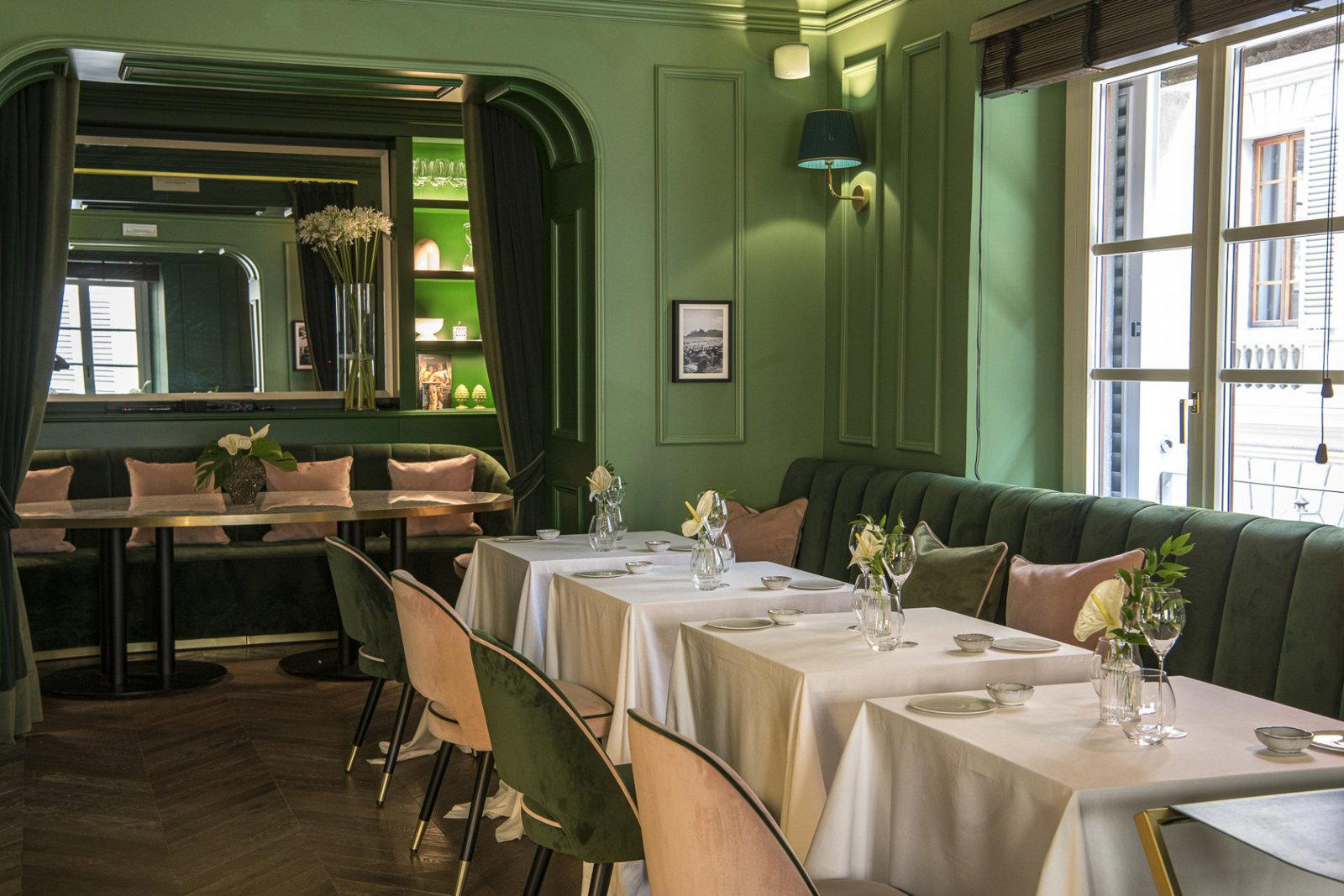
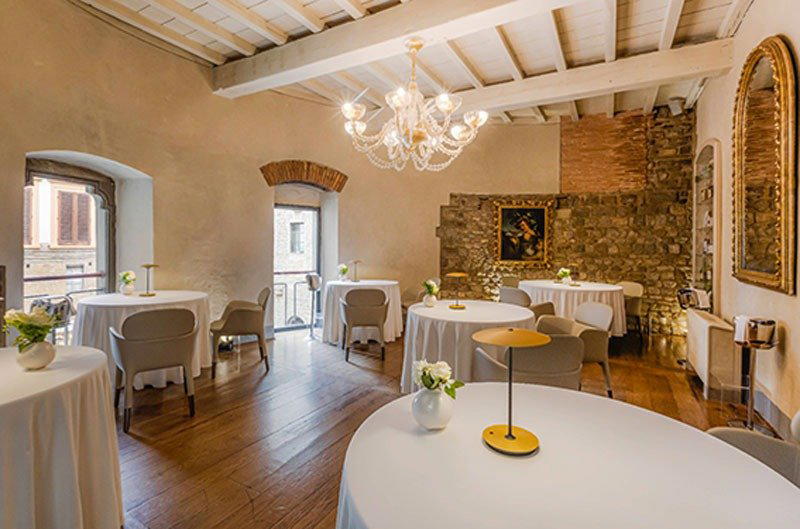
If the sourcing logic of the Oltrarno applies, the interior register is likely to follow the neighbourhood pattern: unshowy, material-honest, focused on what is on the table rather than the frame around it. Florentine dining rooms in this quarter tend toward clean surfaces and wine lists that reflect the surrounding hills rather than international trophy selections. The room serves the food rather than competing with it.
Planning a Visit
BABAE is located at Via Santo Spirito, 21R, in the Oltrarno district of Florence. The address is walkable from both the Ponte Vecchio and Piazza Santo Spirito, and the neighbourhood is served by several bus lines running along the south bank. For visitors building a broader Florence itinerary, our full Florence restaurants guide maps the city's dining options across price tiers and neighbourhoods, which is useful context for calibrating where BABAE sits relative to the city's more heavily awarded and publicised rooms. Those planning a multi-city Italian trip can extend the sourcing conversation to Dal Pescatore in Runate, Le Calandre in Rubano, Enrico Bartolini in Milan, and Casa Perbellini 12 Apostoli in Verona, all kitchens where the question of where ingredients originate is central rather than incidental. Visitors coming from further afield may find useful comparison in how ingredient-led restaurants operate in other major cities: Le Bernardin in New York City and Lazy Bear in San Francisco both demonstrate how sourcing discipline translates across culinary traditions outside Italy.
Comparison Snapshot
Comparable venues nearby, for context on price, style, and recognition.
| Venue | Cuisine | Price | Notes |
|---|---|---|---|
| BABAEThis venue — the venue you are viewing | Modern Italian Bistro | $$ | Not listed |
| Osteria Santo Spirito | Traditional Tuscan Trattoria | $$ | Santo Spirito |
| Osteria Tripperia Il Magazzino | Traditional Florentine Offal Osteria | $$ | Santo Spirito |
| Cibreo Caffe | Tuscan Bistro | $$ | Santo Spirito |
| Ristorante Ricchi | Traditional Tuscan Italian | $$ | Santo Spirito |
| Osteria del Cinghiale Bianco | Authentic Tuscan Trattoria | $$ | Santo Spirito |
Continue exploring
More in Florence
Restaurants in Florence
Browse all →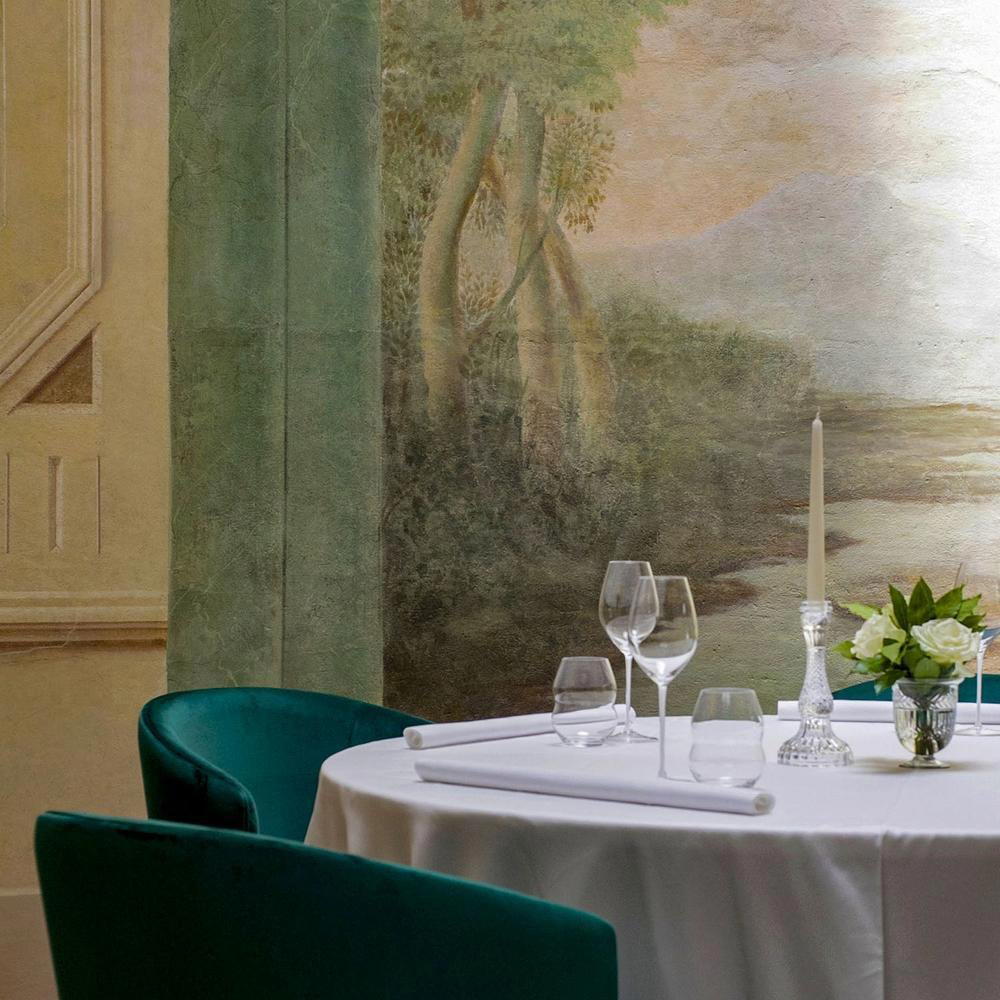
Bars in Florence
Browse all →
Hotels in Florence
Browse all →
At a Glance
- Cozy
- Trendy
- Modern
- Intimate
- Casual Hangout
- Brunch
- Date Night
- Historic Building
- Natural Wine
Current opening hours
- Monday
- 11:30 AM–12 AM
- Tuesday
- 11:30 AM–12 AM
- Wednesday
- 11:30 AM–12 AM
- Thursday
- 11:30 AM–12 AM
- Friday
- 11:30 AM–2 AM
- Saturday
- 11 AM–2 AM
- Sunday
- 11 AM–4 PM
Hours can change for holidays and private events. Last verified .
Cozy and modern interior with dim lighting, bold wall art, and a casual buzz.