Trattoria Da Mario Enoteca dello Schioppettino serves Traditional Friulian Trattoria cooking with a wine cellar, extensive wine list, and natural wine focus for lunch or dinner.
Pearl is the En Primeur Club membership app — saves, bookings, and concierge access live there. Same editors, same standards.
- Address
- Via XXIV Maggio, 16, 33040 Prepotto UD, Italy
- Phone
- +394321350694
- Directions
- Get directions
 Saves & bookings on Pearl
Where Friuli's Most Obscure Grape Finds Its Home Ground
Trattoria Da Mario Enoteca dello Schioppettino is a traditional Friulian trattoria in Prepotto, Italy, with an accessible price point of about $25 per person. This corner of Friuli Venezia Giulia, pressed against the Slovenian border in the Colli Orientali del Friuli DOC zone, is not a place most Italian restaurant guides index. What brings serious wine and food travelers here is one grape: Schioppettino. And Trattoria Da Mario Enoteca dello Schioppettino addresses that reason directly in its name.
Schioppettino is a dark-berried indigenous variety that nearly disappeared in the 20th century. Its name derives from the Friulian word for a small crackling sound, a reference to the way its thick skins burst between the teeth. The grape produces wines of notable tannin structure and a distinctive peppery finish not unlike Syrah from the Northern Rhône, though with an earthiness particular to the clay-limestone soils of this subzone. Prepotto is the epicenter of its modern revival, and a trattoria that takes the grape as part of its identity is making a specific territorial declaration.
The Logic of Sourcing in a Single-Village Tradition
Italian trattorias at their most rigorous are not restaurants in the international sense. They are expressions of a specific agricultural territory, where the ingredients on the table come from within a radius that can often be walked. In Friuli, that tradition runs particularly deep: the region shares borders with Austria and Slovenia, and its cuisine reflects centuries of cross-cultural exchange encoded into local ingredients rather than technique. Cured meats, aged cheeses, bitter greens, polenta, and freshwater fish from the Judrio river valley are the building blocks of the table here, not the imported luxury goods that populate menus in larger Italian cities.
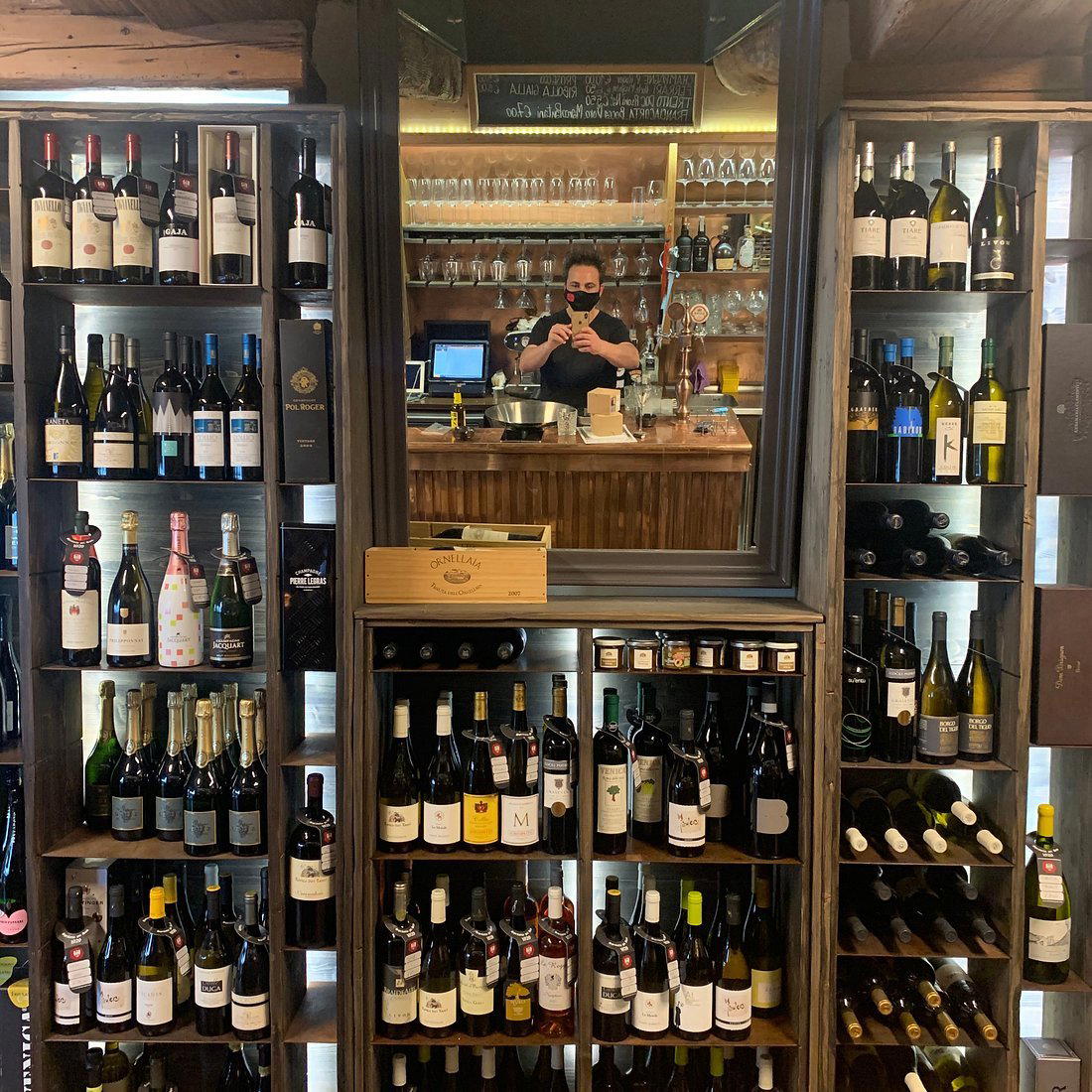
An enoteca designation alongside the trattoria format signals that wine is not an afterthought. In Friuli, enoteca-attached dining rooms often carry deep vertical selections of local producers, providing a context for the food that a standard wine list cannot. Given the venue's explicit reference to Schioppettino, expect the cellar to anchor in the indigenous reds of the Colli Orientali: Schioppettino itself, alongside Refosco dal Peduncolo Rosso and Pignolo, with Friulano and Ribolla Gialla covering the white side of the DOC. This is the opposite approach of, say, Enoteca Pinchiorri in Florence, where the cellar spans continents and centuries; here the logic is geographic compression rather than encyclopedic breadth.
Prepotto in the Context of Northeast Italian Fine Dining
The Colli Orientali is not where Italy's restaurant recognition tends to cluster. The Michelin map of the northeast concentrates more heavily in Trentino-Alto Adige, where kitchens like Atelier Moessmer Norbert Niederkofler in Brunico represent a more overtly technique-led proposition, and in Veneto, where places such as Le Calandre in Rubano operate at the creative and financial apex of Italian gastronomy. Prepotto operates at a different register: the value proposition is territorial authenticity, not culinary innovation for its own sake.
That distinction matters. The trattorias and osterias of the Colli Orientali compete not with Osteria Francescana in Modena or Piazza Duomo in Alba but with each other and with the private tables of local winemakers. The benchmark for a place like Da Mario is not a tasting menu score; it is whether the food honestly represents what grows and grazes within the surrounding hills. That is a harder standard to meet than it sounds, and it is the standard that earns the loyalty of the region's winemaking families who eat out here rather than in Udine or Trieste.
For context on how this format compares with other regionally rooted Italian tables, Dal Pescatore in Runate in Lombardy represents one model of multi-generational trattoria that has scaled into formal recognition; the Mantuan countryside table turned destination. Da Mario in Prepotto reads as a less visited, more insular iteration of the same instinct: cuisine shaped by place rather than market or ambition.
Getting There and When to Go
Prepotto sits in the municipality of Udine province, reachable by car from Udine in roughly 40 minutes heading southeast toward the Slovenian border. Public transport to the village is limited, so a car is the practical way to make the trip. The Colli Orientali harvest runs through September and into October, and the weeks surrounding the harvest are when the region's agrarian character is most legible: the smell of fermenting must, the activity in the cantine, and the short-window availability of ingredients like autumn porcini and freshly pressed olive oil from the Istrian side of the border all converge. Spring, when asparagus from the nearby Friulian plains arrives alongside the first radicchio of the season, offers a different but equally compelling reason to make the drive. Visitors combining the meal with winery visits to Schioppettino specialists in the area will find that the lunch hour, typically Italian in its pace, aligns more naturally with a morning cellar tour than a dinner-and-drive structure.
Why This Kind of Table Still Matters
Italy's premium dining conversation is dominated by names that appear in international rankings and operate across multiple cities: Enrico Bartolini in Milan, La Pergola in Rome, Villa Crespi in Orta San Giulio. The economic logic of those operations is different from a village trattoria in Prepotto: they serve an international clientele, price against global luxury comparables, and maintain profile through critical recognition cycles. Da Mario exists in a parallel economy where the clientele is local and regional, the price point reflects what Friulian families can sustain across multiple visits, and the recognition comes from word of mouth among the wine producers who are also the venue's suppliers.
That supply-side relationship is where the sourcing story becomes most interesting. In a village this small, the person who grows the radicchio or raises the pigs is likely known by name to whoever runs the kitchen. That proximity between producer and plate is harder to maintain as venues scale, which is partly why it survives most coherently in places that remain deliberately small. Comparable sourcing discipline at larger format is visible in venues like Uliassi in Senigallia or Reale in Castel di Sangro, where the relationship to a specific territory underpins the menu logic even at higher price points and greater national profile. At Da Mario, that logic operates without the scaffolding of awards or PR; the territory is simply what it is, and the kitchen's job is to not get in the way of it.
For those whose Italian travels are primarily routed through major cities or coastal resort areas, this type of inland Friulian table will read as remote. That is precisely the point. The displacement from familiar reference points, the insistence on local wine as the only relevant conversation, and the absence of any pressure to perform for outside eyes are what distinguish a table like this from the broader Italian dining circuit tracked by guides such as Michelin or Gambero Rosso. It shares more, temperamentally, with the kind of focused sourcing intelligence found at restaurants operating in different contexts, whether Quattro Passi in Marina del Cantone working the Amalfi seafront or Da Vittorio in Brusaporto anchoring in Bergamasque tradition, than with the cosmopolitan ambition of, say, Le Bernardin in New York City or Atomix in New York City. The priority axis is vertical, not horizontal: depth into a single place rather than breadth across influences. For a traveler prepared to drive into the Friulian hills with that orientation, Da Mario offers a meal that does not require a review to validate it.
Visitors interested in the broader Italian dining network, from similar regionally rooted tables to formally recognized fine dining, can cross-reference the EP Club listings for Gambero Rosso in Marina di Gioiosa Ionica and Casa Perbellini 12 Apostoli in Verona to map the range of what Italian hospitality looks like across its different registers.
Questions Visitors Ask About Trattoria Da Mario Enoteca dello Schioppettino
- Would Trattoria Da Mario Enoteca dello Schioppettino be comfortable with kids?
- A village trattoria in Prepotto operates at a relaxed pace and an accessible price point, which generally makes it a more forgiving environment for families than a formal city restaurant.
- How would you describe the vibe at Trattoria Da Mario Enoteca dello Schioppettino?
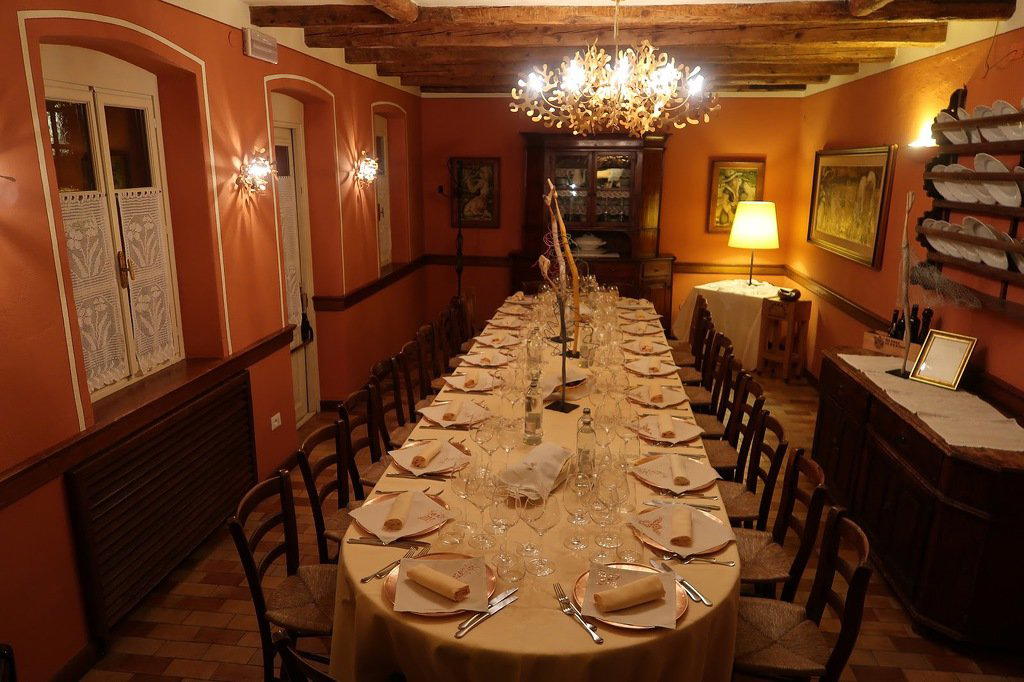
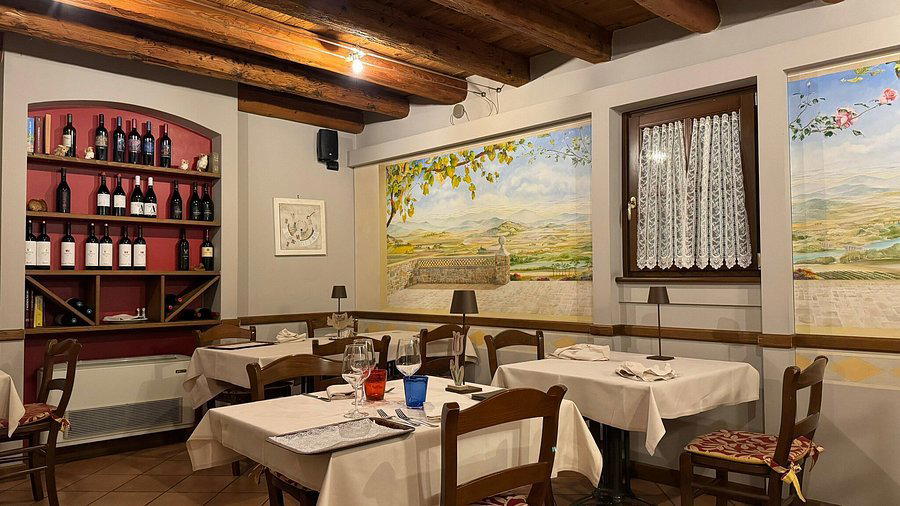
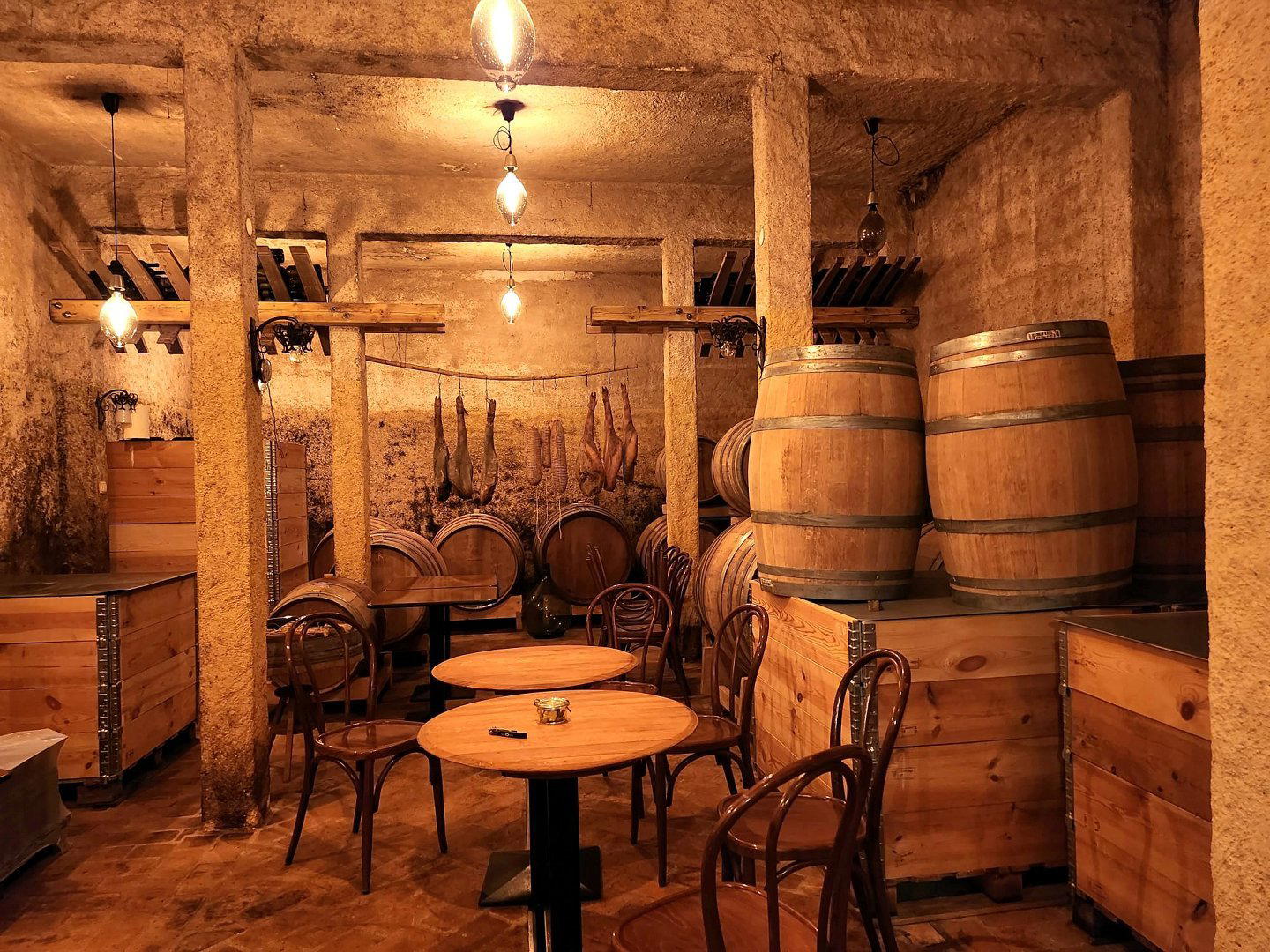
- Prepotto is a working agricultural village rather than a tourist destination, which sets the tone immediately. Da Mario, framed as both trattoria and enoteca with Schioppettino at the center of its identity, reads as a serious local table rather than a showcase for outside visitors. Expect a room where the wine conversation is as important as the food, where the clientele skews toward regional regulars, and where the formality level is close to zero.
- What is the must-try dish at Trattoria Da Mario Enoteca dello Schioppettino?
- Because specific menu data is not confirmed, the honest answer is to follow the kitchen's direction toward whatever is seasonal and locally sourced on the day of your visit. In a Friulian trattoria of this type, the cured meat selection, any preparation involving local freshwater fish, and dishes built around autumn fungi or spring asparagus are where the sourcing logic is most clearly expressed. The Schioppettino selection from the enoteca side is the non-negotiable anchor of the meal.
- Do I need a reservation for the restaurant?
- If you are driving from outside Prepotto specifically for this meal, contact the venue in advance. Small-capacity trattorias in villages of this size often close without notice or maintain limited hours that are not always current online. The effort of the drive makes an unannounced arrival a risk not worth taking, and given the absence of nearby alternatives, a reservation removes that uncertainty entirely.
- What makes Trattoria Da Mario a useful stop for Schioppettino wine tourism in the Colli Orientali?
- Prepotto is the geographic and cultural center of Schioppettino production within the Colli Orientali del Friuli DOC, and a venue that names the grape in its title is explicitly positioning itself as a reference point for that variety. For visitors making the circuit of local Schioppettino producers, a lunch at Da Mario provides a table context for the wines they are tasting in cellars throughout the morning, with an enoteca selection that should represent the local producer network with some depth. This combination of food sourced from the immediate territory and wine drawn from the same appellation is exactly what makes a detour to a village this remote worth the time.
At-a-Glance Comparison
Comparable venues nearby, for context on price, style, and recognition.
| Venue | Cuisine | Price | Notes |
|---|---|---|---|
| Trattoria Da Mario Enoteca dello SchioppettinoThis venue — the venue you are viewing | Traditional Friulian Trattoria | $$ | Not listed |
| Savial | Traditional Italian Seafood and Pizza | $$ | historical center |
| Osteria Solder | Friulian Osteria with Seasonal Twists | $$ | Corno di Rosazzo |
| Sal de mar | Italian Seafood | $$ | Muggia harbor |
| Osteria di Villafredda | Traditional Friulian Osteria | $$ | Loneriacco di Tarcento |
| Alla Buona Vite | Traditional Italian Seafood | $$ | Boscat |
Continue exploring
More in Prepotto
Restaurants in Prepotto
Browse all →
Bars in Prepotto
Browse all →
Hotels in Prepotto
Browse all →
At a Glance
- Rustic
- Cozy
- Classic
- Casual Hangout
- Group Dining
- Family
- Wine Cellar
- Extensive Wine List
- Natural Wine
- Local Sourcing
Current opening hours
- Monday
- Closed
- Tuesday
- Closed
- Wednesday
- 12–3:30 PM
- Thursday
- 12–3:30 PM
- Friday
- 12–3:30 PM, 7–10 PM
- Saturday
- 12–3:30 PM, 7–10 PM
- Sunday
- 12–4:30 PM
Hours can change for holidays and private events. Last verified .
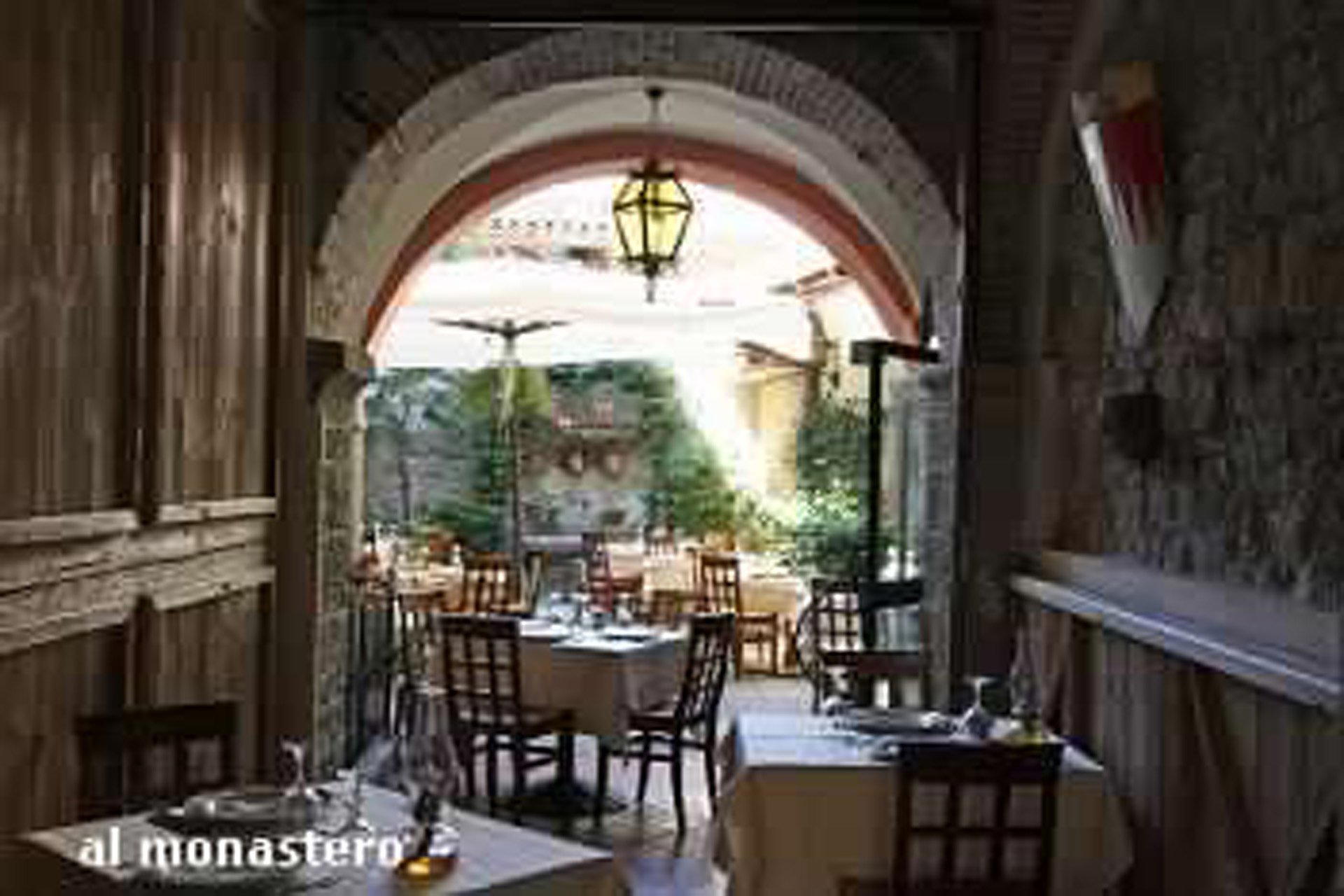
Cozy, warm, inviting, and traditional with somewhat dim lighting.