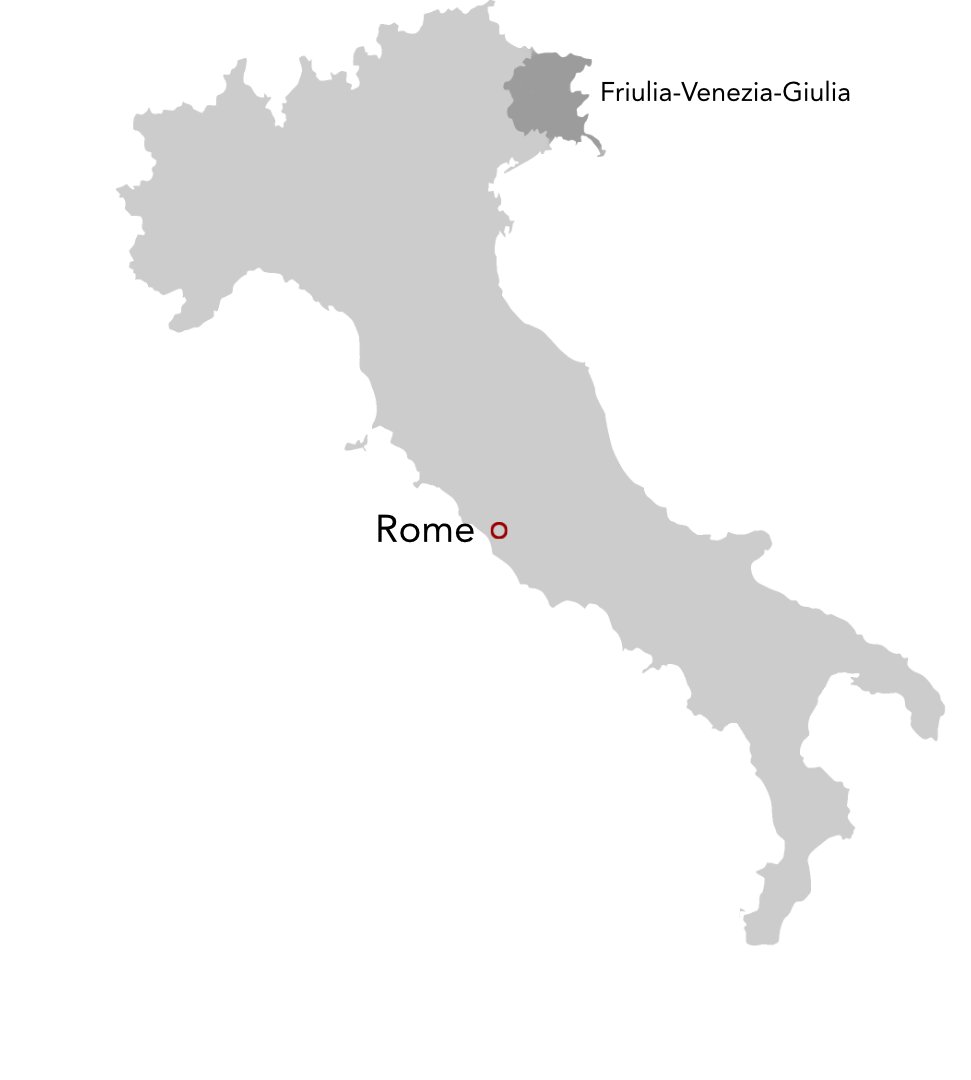
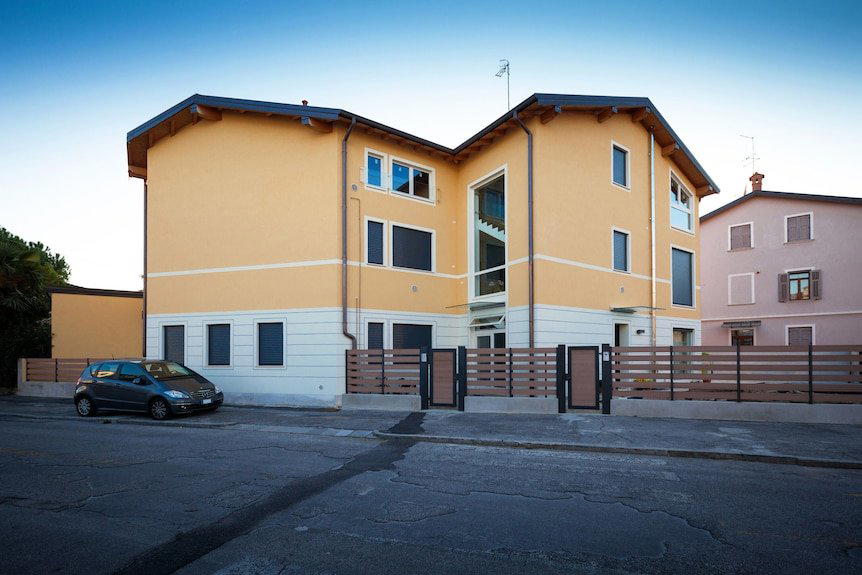
Alla Buona Vite sits on Via Dossi in Grado, a lagoon town on the Adriatic coast of Friuli Venezia Giulia where the local dining tradition runs on seafood pulled from the surrounding waters. The address places it within the compact island centre, where trattoria-style eating and the rhythms of the fishing calendar still shape what ends up on the plate. Grado rewards those who read its restaurant scene carefully rather than following the busiest corners.
Pearl is the En Primeur Club membership app — saves, bookings, and concierge access live there. Same editors, same standards.
- Address
- Via Dossi, 15, 34073 Grado GO, Italy
- Phone
- +393943188090
- Website
- girardi-boscat.it
- Directions
- Get directions
 Saves & bookings on Pearl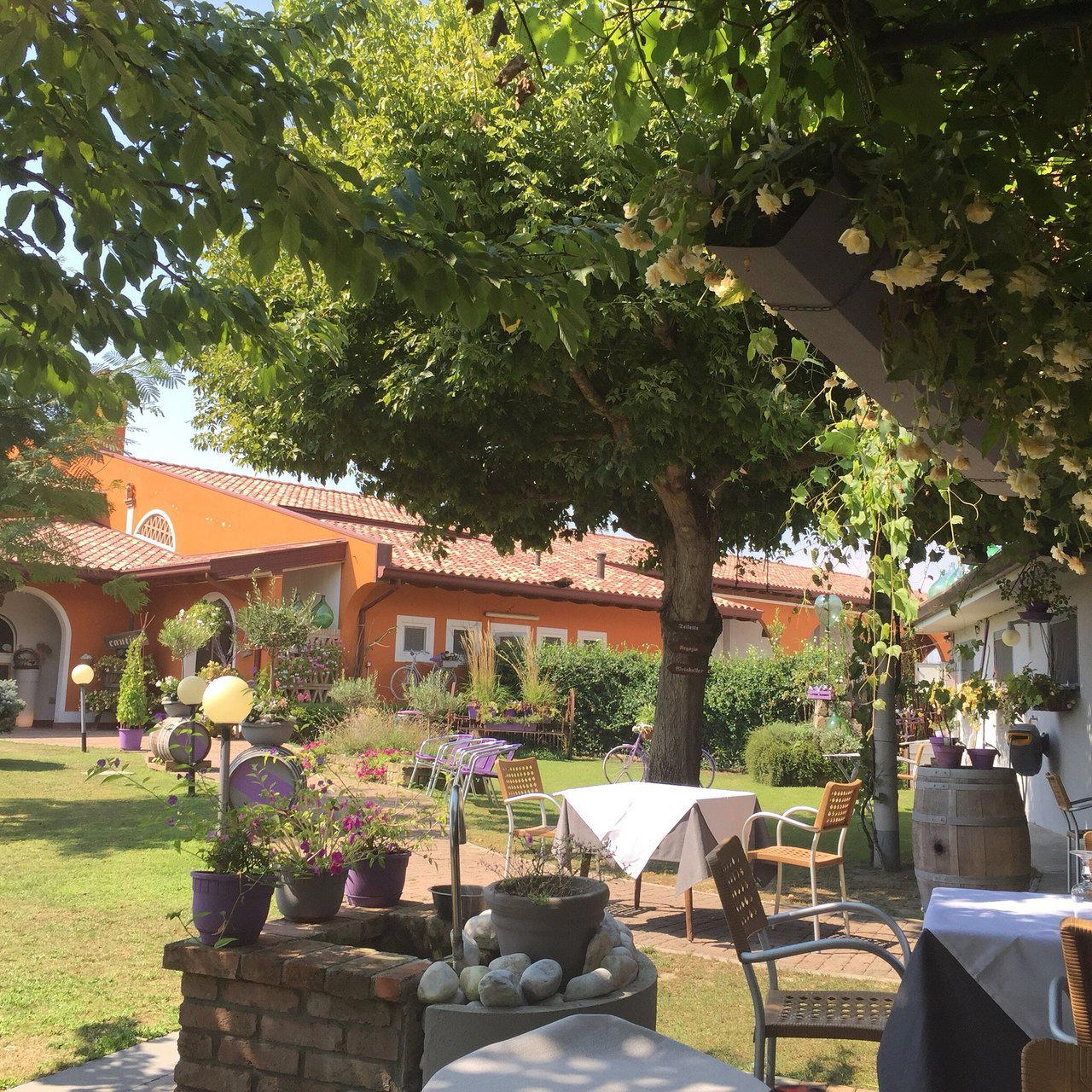
Grado's Table: What the Lagoon Dictates
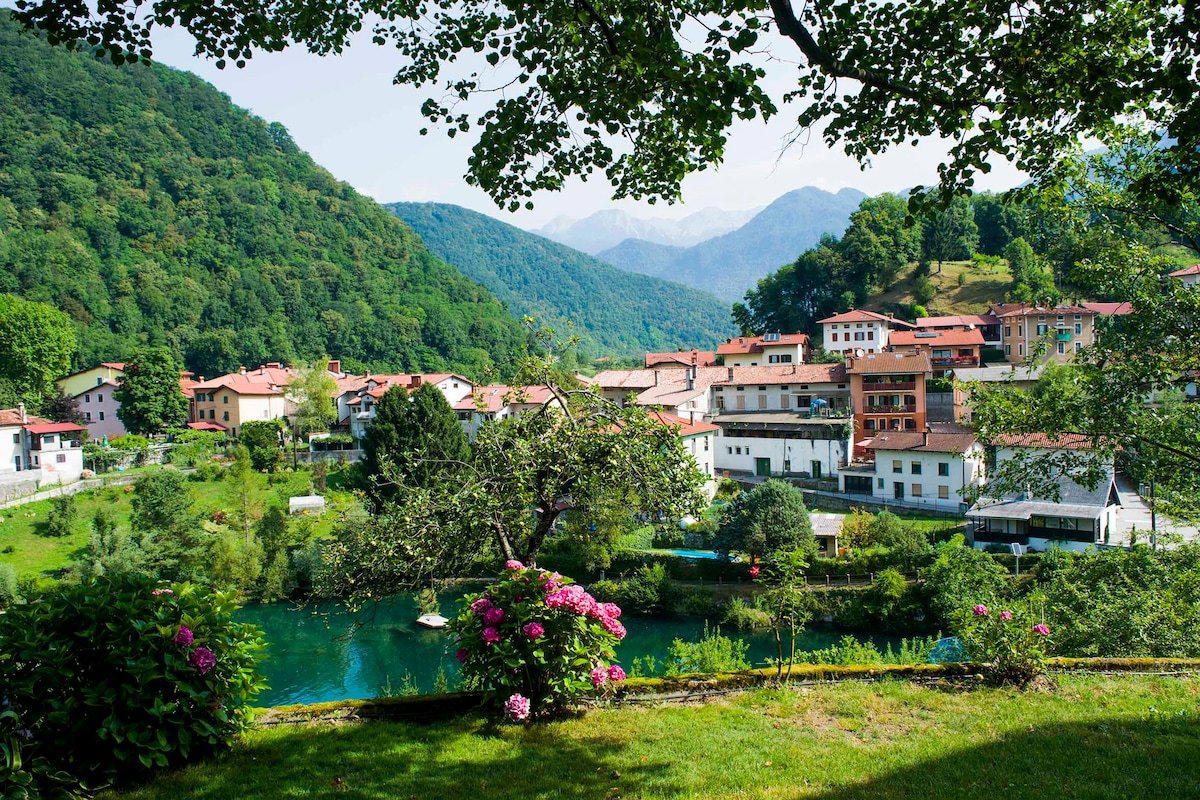
Grado operates on a different register from the better-known Adriatic resort towns. The island sits at the edge of the Friulian lagoon, connected to the mainland by a causeway, and its culinary character is shaped less by tourism infrastructure than by proximity to water. The lagoon produces a specific vocabulary of ingredients: canestrelli (small scallops), moeche (soft-shell crab in season), baccalà prepared in the Venetian manner, and the kind of whole-fish cookery that requires no further argument. In this context, a restaurant name translating loosely to "the good life" is a geographic statement of intent.
Via Dossi runs through a quieter sector of the island, away from the pedestrian flow that concentrates around the main piazza and the harbour-facing stretches. Restaurants that choose this kind of address are usually making a deliberate calculation: they are pitching to residents and returning visitors rather than first-night tourists working their way along a seafront. That positioning matters when reading what a place is trying to do with its menu.
How Grado Reads Its Own Menu
Across the Adriatic coast of Friuli Venezia Giulia, the trattoria format still functions as the dominant mode of serious eating. Unlike the tasting-menu restaurants that have come to define fine dining in cities like Modena, where Osteria Francescana operates, or Alba, where Piazza Duomo has built a reputation around elaborate technique, coastal Friulian kitchens tend to resist that architecture. The menu structure here is typically antipasto, primo, secondo, with the seafood content shifting by season and catch. The intelligence is embedded in sourcing and timing rather than in elaboration.
This is not a lesser ambition. At Uliassi in Senigallia, three Michelin stars have been built on exactly this premise, coastal Italian seafood treated with precision rather than transformation, and the same logic applies at a more local scale across small Adriatic towns. The distinction is that in Grado, the audience for that kind of cooking includes the local fishing community, which functions as a de facto quality filter. A kitchen that sources poorly gets found out quickly in a town this size.
Alla Buona Vite sits within a peer group that includes Agli Artisti, Al Canevon, Al Casone, Al Pontil de' Tripoli, and Bruno Masaneta - Trattoria Cicchetteria. These are not interchangeable options. In a compact island dining scene, each address makes small but legible choices about which part of the local tradition it prioritises, whether that is the cicchetti format inherited from nearby Venice, the whole-grilled fish approach more common further south, or the baccalà and lagoon-shellfish focus that is most distinctly Gradese. Understanding which register Alla Buona Vite works within is part of the exercise for any visitor who takes the scene seriously.
The Architecture of a Lagoon Meal
The menu structure that coastal Friulian kitchens use is worth understanding on its own terms. An antipasto course in a place like Grado is not a token gesture before the main event; it is where the kitchen shows its intelligence about the day's catch and the season's produce. Marinated anchovies, warm seafood salads, and locally sourced shellfish at the summit of a menu function as an editorial statement about what the kitchen thinks is worth eating that day.
The primo course, typically a risotto or pasta, operates differently here than in the interior. Risotto di go, made with the local lagoon fish called goby, is the emblematic Gradese dish, and it appears on local menus as a marker of identity rather than novelty. A kitchen that handles this dish well is declaring competence in the local tradition. The secondo follows with whole fish or fillets, usually cooked with restraint: the Adriatic tradition favours olive oil, herbs, and direct heat over complex saucing.
This is menu architecture as cultural argument. Compare it to the tasting-menu format deployed at places like Reale in Castel di Sangro or Quattro Passi in Marina del Cantone, where the sequence is entirely chef-controlled and the diner surrenders the ordering decision entirely. Grado's trattoria format preserves the reader's autonomy, you choose what you eat, and the kitchen's skill is in making every option on the page worth choosing.
Italy's Coastal Fine Dining in Wider Context
For readers who move between Italy's coastal dining scenes, Grado is the kind of address that requires recalibration. The reference points that apply at Le Calandre in Rubano or Enoteca Pinchiorri in Florence, where the conversation is about technique, wine cellar depth, and the Michelin star count, do not transfer directly to a lagoon town of this character. Nor do the reference points of Le Bernardin in New York City or Lazy Bear in San Francisco, where the premium is placed on theatrical precision. Grado's better tables are operating inside a different value system, one where the premium is on knowing the local supply chain and not overthinking what it produces.
That said, particularly serious Italian coastal kitchens, including Dal Pescatore in Runate and Atelier Moessmer Norbert Niederkofler in Brunico, have demonstrated that Italian regional specificity can be an argument for excellence rather than an excuse for limitation. The same logic applies at the trattoria tier: a kitchen that executes the local tradition with consistency and sourcing discipline is doing something real.
Planning a Visit
Grado is accessible from Trieste (approximately 50 kilometres west along the coast) and from Venice Marco Polo airport (around 90 kilometres to the south-west), making it a plausible day trip for visitors staying in either city, though the town rewards an overnight stay to catch the evening pace of the island. Via Dossi, where Alla Buona Vite is located, sits within the historic centre of the island. Grado's dining season peaks in summer, when the lagoon is at its most active and the outdoor terrace culture that characterises Adriatic resort towns comes into full effect; visiting in shoulder season, April to May or September to October, typically means smaller crowds and a more local-facing atmosphere in the dining rooms. For reservations and hours, contact directly via the address or consult our full Grado restaurants guide for current information alongside the full peer-group context.
A Credentials Check
Comparable venues nearby, for context on price, style, and recognition.
| Venue | Cuisine | Price | Notes |
|---|---|---|---|
| Alla Buona ViteThis venue — the venue you are viewing | Traditional Italian Seafood | $$ | Not listed |
| Da Ovidio | Traditional Italian Seafood | $$ | historical center |
| Bruno Masaneta - Trattoria Cicchetteria | Modern Italian Trattoria with Seafood | $$$ | Grado |
| Savial | Traditional Italian Seafood and Pizza | $$ | historical center |
| Zero Miglia | Fresh Italian Seafood from Fishermen's Cooperative | $$ | Grado |
| Agli Artisti | Traditional Italian Seafood | $$ | historical center |
Continue exploring
More in Grado
Restaurants in Grado
Browse all →
Bars in Grado
Browse all →
Hotels in Grado
Browse all →
At a Glance
- Cozy
- Rustic
- Date Night
- Family
- Terrace
- Local Sourcing
Current opening hours
- Monday
- 12–3 PM, 6:30–10 PM
- Tuesday
- 12–3 PM, 6:30–10 PM
- Wednesday
- 12–3 PM, 6:30–10 PM
- Thursday
- Closed
- Friday
- 12–3 PM, 6:30–10 PM
- Saturday
- 12–3 PM, 6:30–10 PM
- Sunday
- 12–3 PM, 6:30–10 PM
Hours can change for holidays and private events. Last verified .
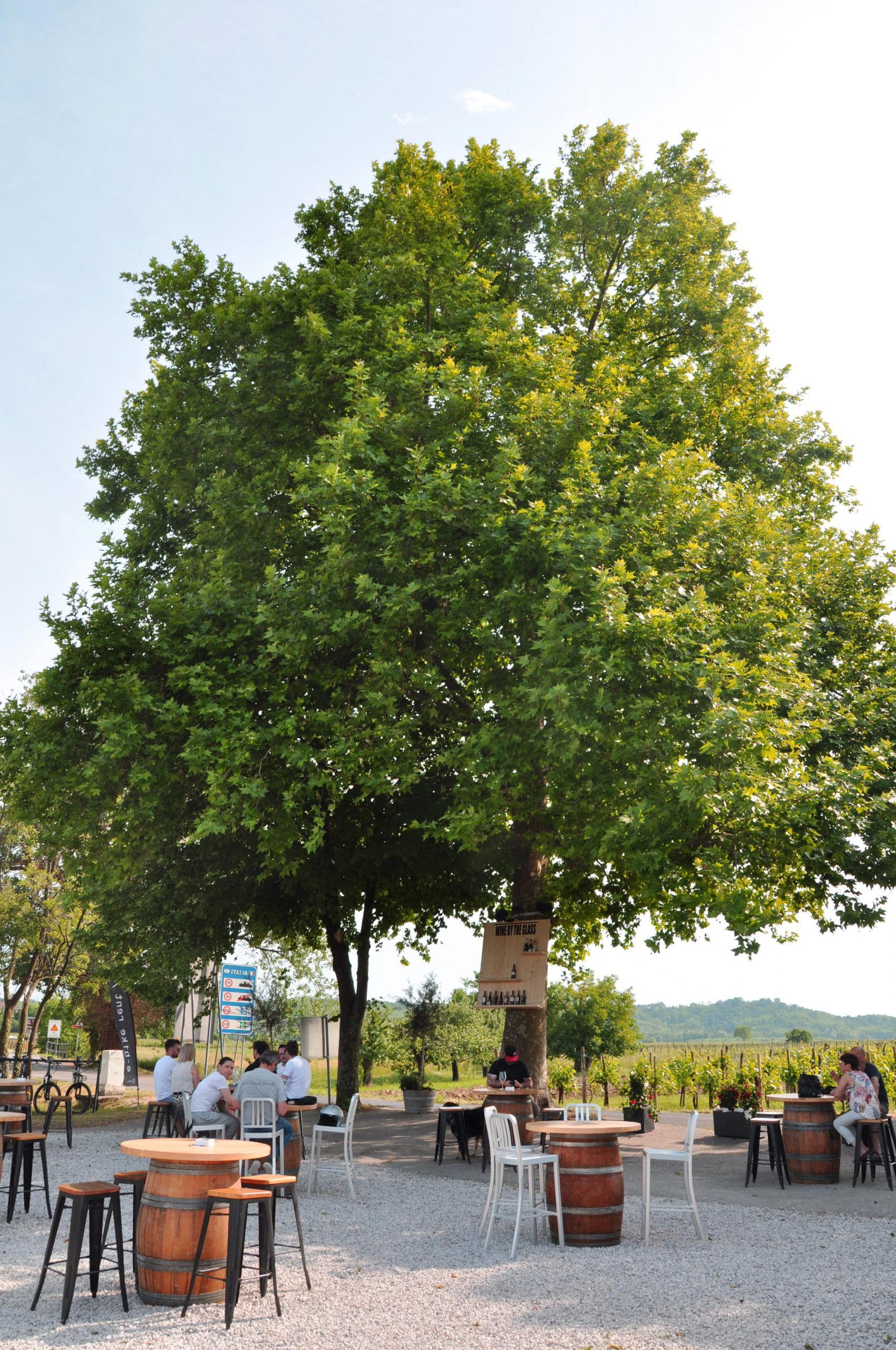
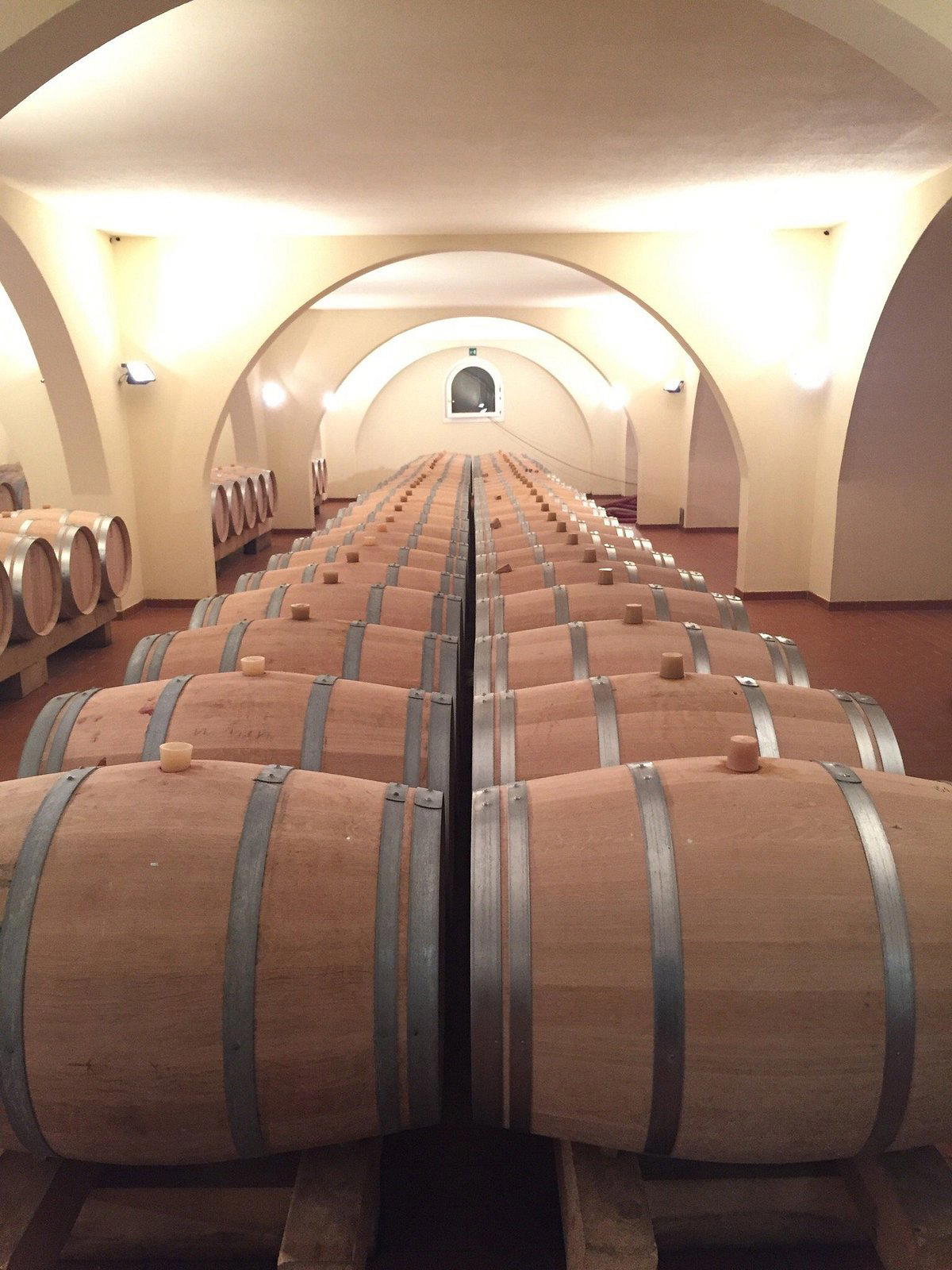
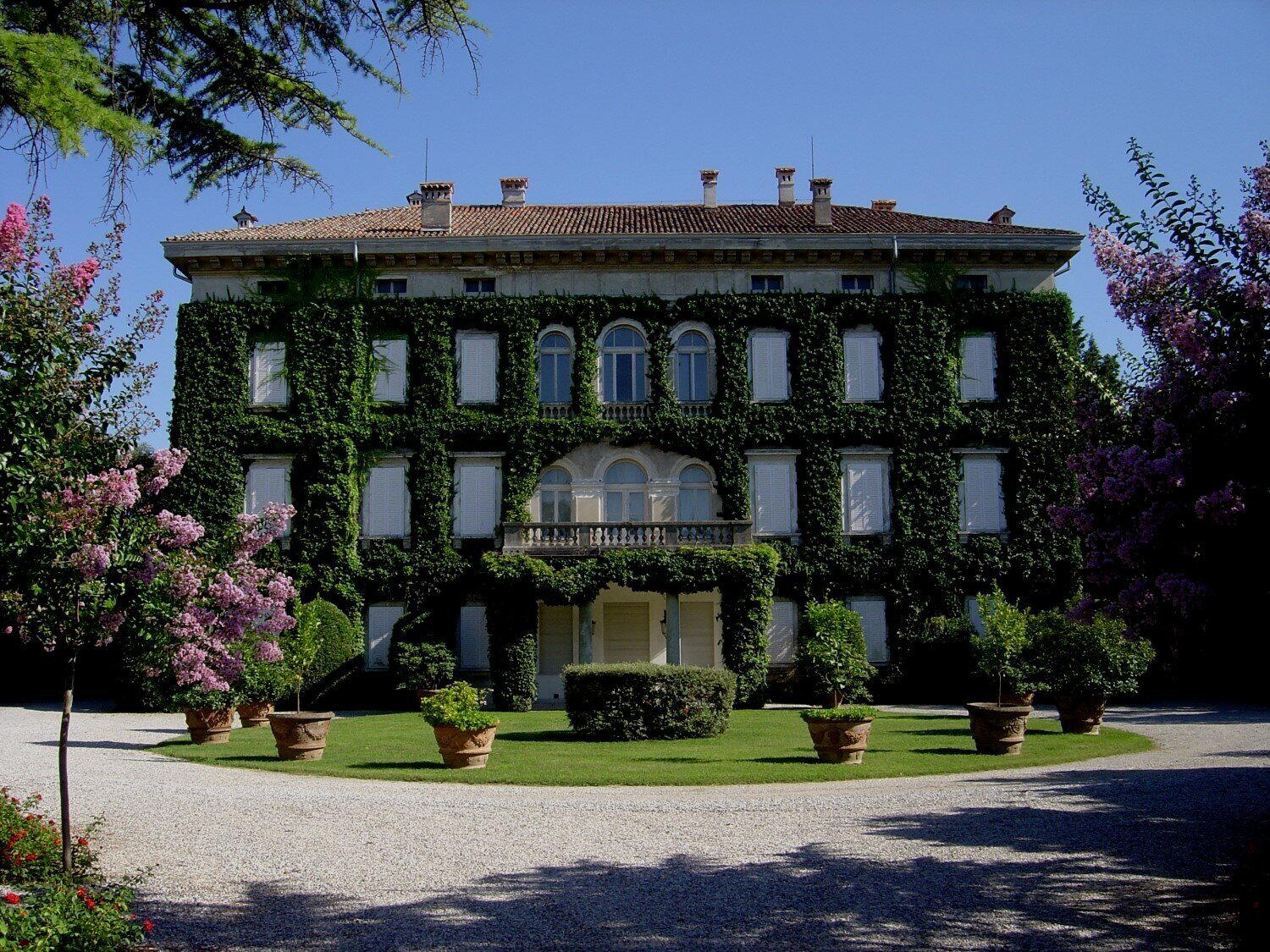
Comfortable and relaxing environment with shaded outdoor seating, suitable for a quiet family lunch or couples dinner.