Sal de mar sits on Largo Nazario Sauro in Muggia, the small Istrian-inflected port town at Italy's northeastern tip where Adriatic seafood traditions meet Central European borderland history. The address places it steps from the waterfront, in a dining scene shaped by proximity to Trieste and the Slovenian coast. For visitors tracing the Gulf of Trieste's quieter culinary geography, Muggia rewards attention.
Pearl is the En Primeur Club membership app — saves, bookings, and concierge access live there. Same editors, same standards.
- Address
- Largo Nazario Sauro, 10, 34015 Muggia TS, Italy
- Phone
- +39409278908
- Website
- saldemar.it
- Directions
- Get directions
 Saves & bookings on Pearl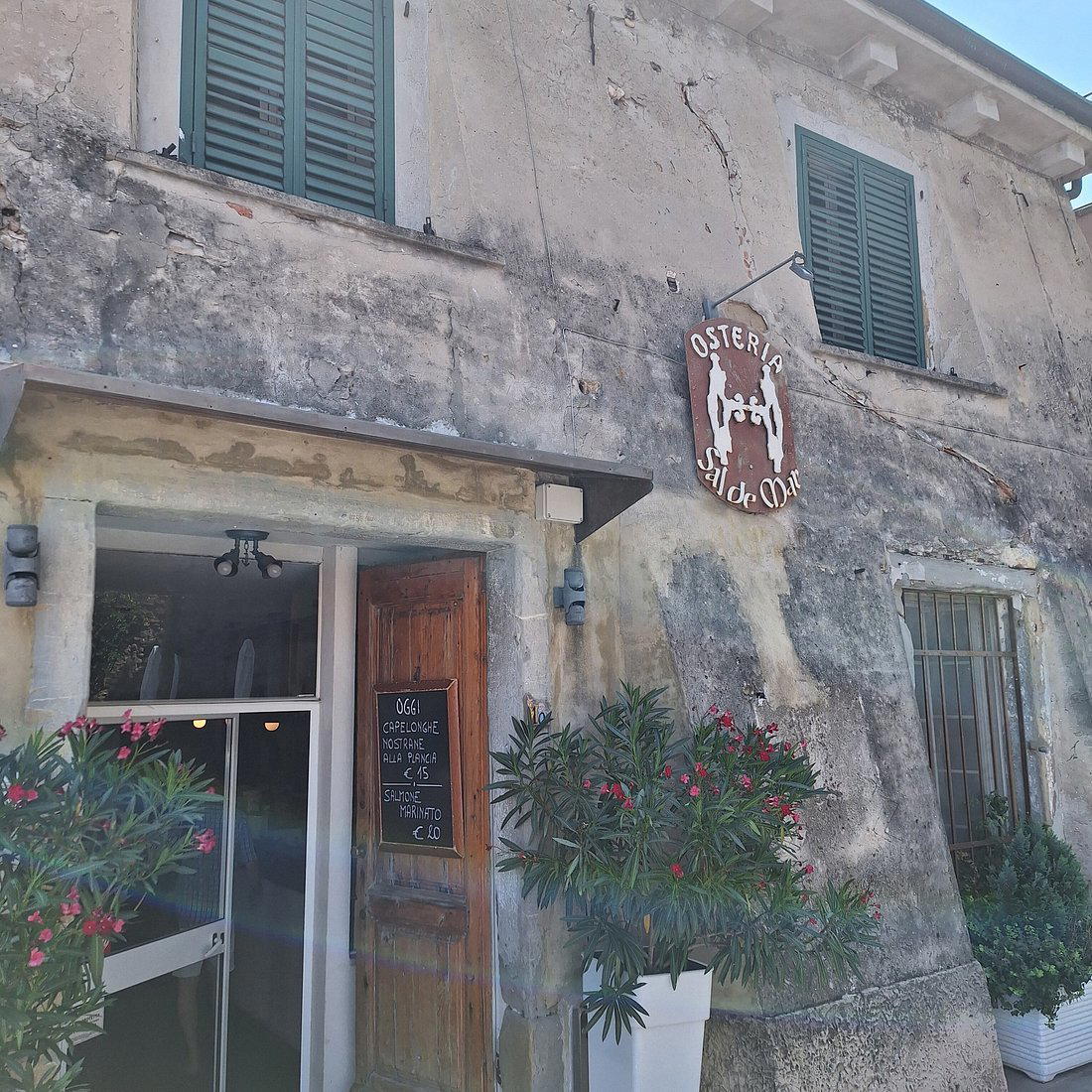
The Gulf of Trieste at the Table
Muggia sits at the southernmost reach of the Friuli Venezia Giulia coast, a small port town that most travelers pass through without stopping, drawn instead to Trieste's grander piazzas and coffee culture. That habit of overlooking Muggia works in the town's favor. The waterfront along Largo Nazario Sauro retains a functional, working character that larger resort towns along the Adriatic have long since traded for souvenir shops. The restaurants here draw from the same Istrian and Venetian seafood grammar that shaped Trieste's own table but apply it with less ceremony and, often, more directness. Sal de mar occupies this address on the harbor front.
The northeastern Adriatic is a distinct culinary zone, shaped by centuries of Austro-Hungarian administration, Venetian maritime trade, and Istrian agricultural tradition. The food of this coastline sits at a junction point: brodetto differs here from its Marchigian or Romagnolo cousins, incorporating influences that traveled through Trieste and Pola. Seafood preparations tend toward clarity rather than richness, and the local wine culture, anchored in the Carso plateau just above the coast, brings Vitovska and Terrano to table alongside the more familiar Friulian whites. For readers who follow Italy's serious coastal cooking at the level of Uliassi in Senigallia or Quattro Passi in Marina del Cantone, Muggia represents a quieter register of the same Adriatic and Tyrrhenian seafood logic applied with local specificity rather than national ambition.
What Defines Eating on the Muggia Waterfront
The restaurants along Muggia's harbor occupy a different tier from Italy's destination dining circuit. Venues like Cigui, Osteria al Corridoio, and Trattoria alla Marina each approach the waterfront trattoria format with varying degrees of ambition and rusticity, and Sal de mar reads within that same context. The competitive set here is local rather than national: the question a visitor asks is how Sal de mar sits within the specific texture of this harbor and this cooking tradition.
Waterfront dining in a town of Muggia's size tends to follow a seasonal rhythm. The summer months bring visitors from Trieste by ferry, a short crossing that takes under thirty minutes and makes the town accessible as a half-day excursion. This seasonal pulse shapes how harbor-facing restaurants operate: the trade is concentrated, and the kitchen's relationship with local suppliers, particularly the day's catch landed at the port, becomes the defining variable. In Italy's northeast, that catch typically means coda di rospo, branzino, rombo, and whatever shellfish the upper Adriatic yields in volume that week. The borderland position also means proximity to Slovenian and Croatian sourcing channels, which quietly expand what appears on menus without advertising it as such.
Placing Sal de mar in Its Regional Frame
Italy's serious dining conversation focuses heavily on the north-central axis: Milan, Modena, Bologna, and, for seafood, the Marchigian coast. The Gulf of Trieste receives less editorial attention, despite the fact that its culinary traditions are as historically dense as those of more celebrated regions. Venues in this corner of the country tend not to seek national recognition in the way that counterparts in Piedmont or Campania do. Piazza Duomo in Alba and Enrico Bartolini in Milan operate within a system of awards and press cycles that this northeastern coastal strip largely sits outside of. That positioning carries both a limitation and a value: you are unlikely to encounter the booking scarcity associated with Michelin-decorated destinations like Atelier Moessmer Norbert Niederkofler in Brunico or Dal Pescatore in Runate, but you also receive something those venues cannot offer: the experience of eating on a working harbor where the fishing boats are still visible from your seat.
The name the restaurant, salt of the sea in the Venetian-inflected dialect of the region, signals the kitchen's orientation before any menu is opened. Salt and sea are not decorative references in this part of Italy; they are production realities. The upper Adriatic has historically been a salt-producing zone, with the Piran saltpans across the Slovenian border operating continuously for centuries. A restaurant that names itself after sea salt is making a statement about sourcing logic and flavor philosophy, one rooted in the geography of the coast rather than in any particular culinary fashion. For context on how seriously sourced seafood translates at the highest level internationally, Le Bernardin in New York City provides the reference point, though the register at Muggia's waterfront operates at a different scale and without comparable infrastructure.
Planning Your Visit
Muggia is reached most directly from Trieste, either by the local ferry service that crosses the Gulf or by road, a drive of roughly 12 kilometers that follows the coastline south. The town operates on a compact schedule that rewards arriving before the midday rush in summer and affords more ease in shoulder season, particularly May and September when the harbor atmosphere is more settled. Because Muggia's dining scene is small and the number of harbor-facing tables limited, arriving with a reservation rather than relying on walk-in availability makes practical sense during high season. The restaurant's address at Largo Nazario Sauro places it directly on the waterfront piazza, the organizing center of the town's social and commercial life.
Price and Positioning
Comparable venues nearby, for context on price, style, and recognition.
| Venue | Cuisine | Price | Notes |
|---|---|---|---|
| Sal de marThis venue — the venue you are viewing | Muggia harbor, Italian Seafood | $$ | Not listed |
| Trattoria alla Marina | Muggia, Italian Seafood Trattoria | $$ | Not listed |
| Osteria al Corridoio | Not listed | $$ | centro storico, Traditional Italian Seafood Trattoria |
| Cigui | Not listed | $$$ | Santa Barbara, Traditional Italian Seafood Trattoria |
| Da Angelina | Not listed | $$ | Trieste Central, Italian Seafood Trattoria |
| Venchi Cioccogelateria | San Marco, Italian Chocolate Gelateria | $$ | Not listed |
Continue exploring
More in Muggia
Restaurants in Muggia
Browse all →
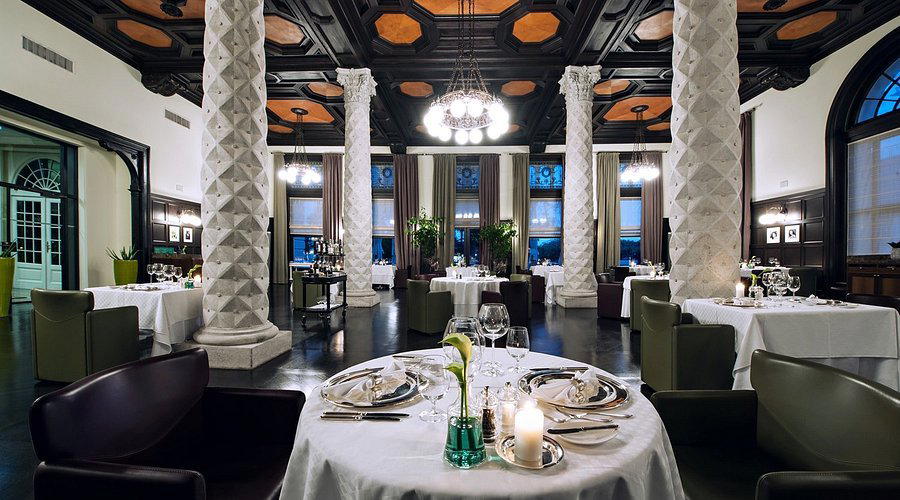
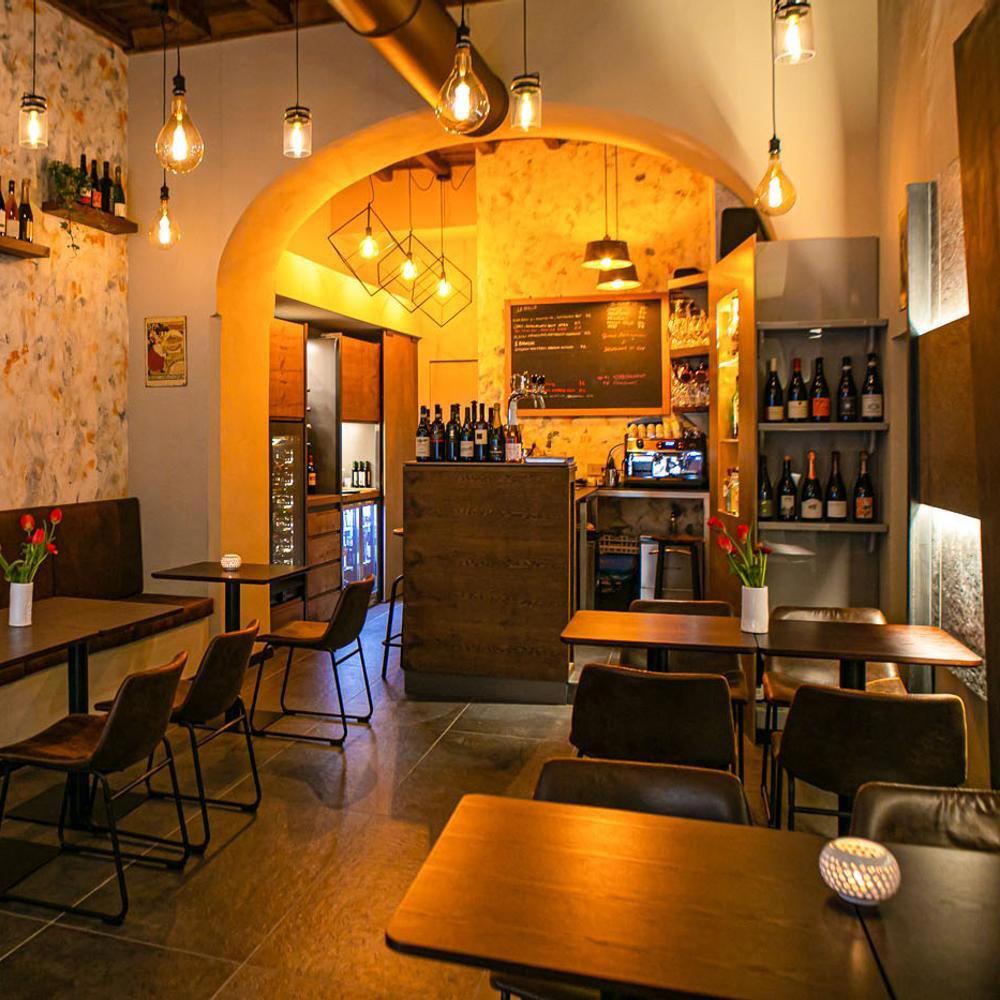
Bars in Muggia
Browse all →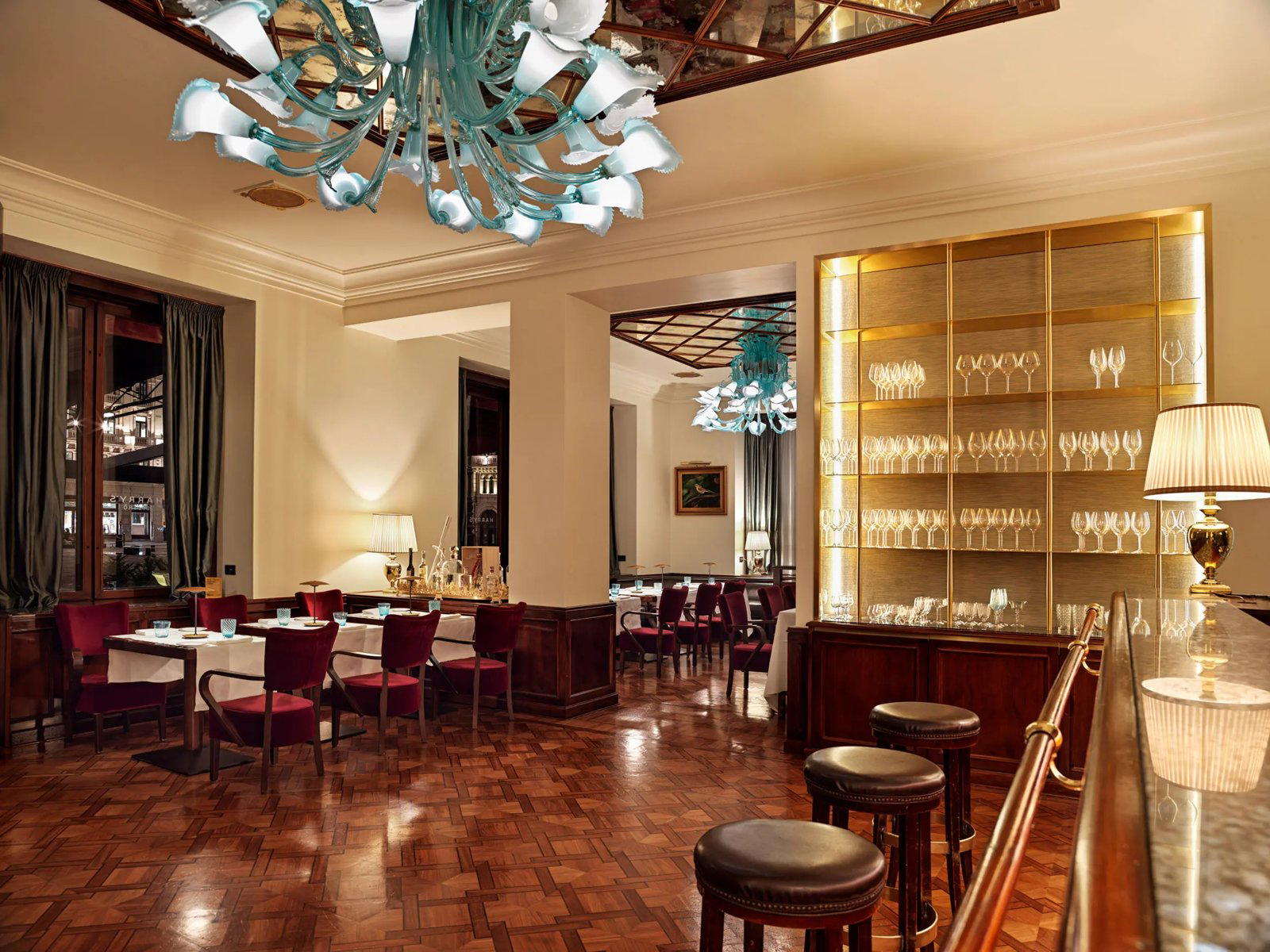
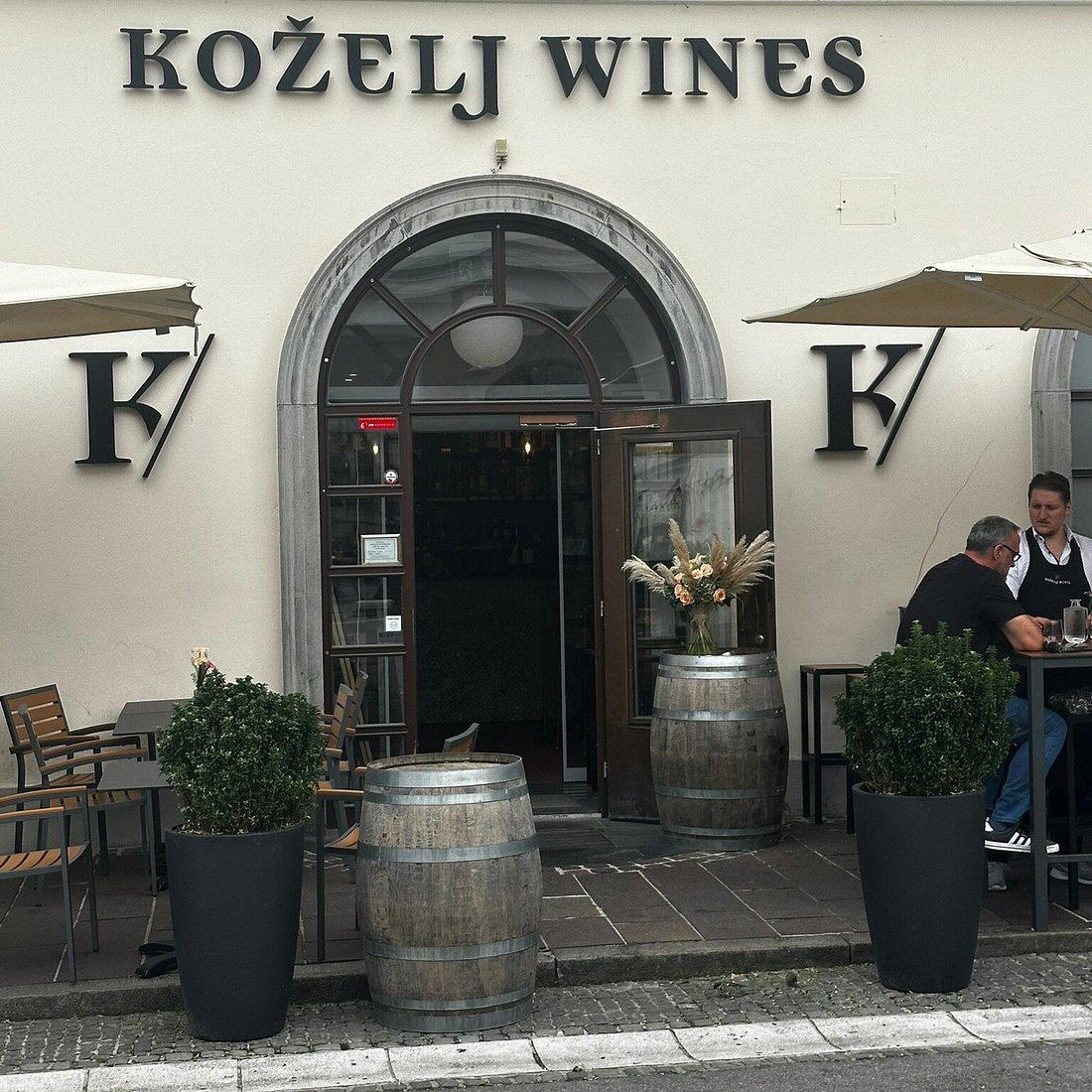
Hotels in Muggia
Browse all →
At a Glance
- Rustic
- Cozy
- Scenic
- Date Night
- Casual Hangout
- Waterfront
- Terrace
- Local Sourcing
- Waterfront
Current opening hours
- Monday
- 12–3 PM
- Tuesday
- 12–3 PM
- Wednesday
- 12–3 PM
- Thursday
- 12–3 PM
- Friday
- 12–3 PM, 7–9:30 PM
- Saturday
- 12–3 PM, 7–9:30 PM
- Sunday
- 12–3 PM
Hours can change for holidays and private events. Last verified .
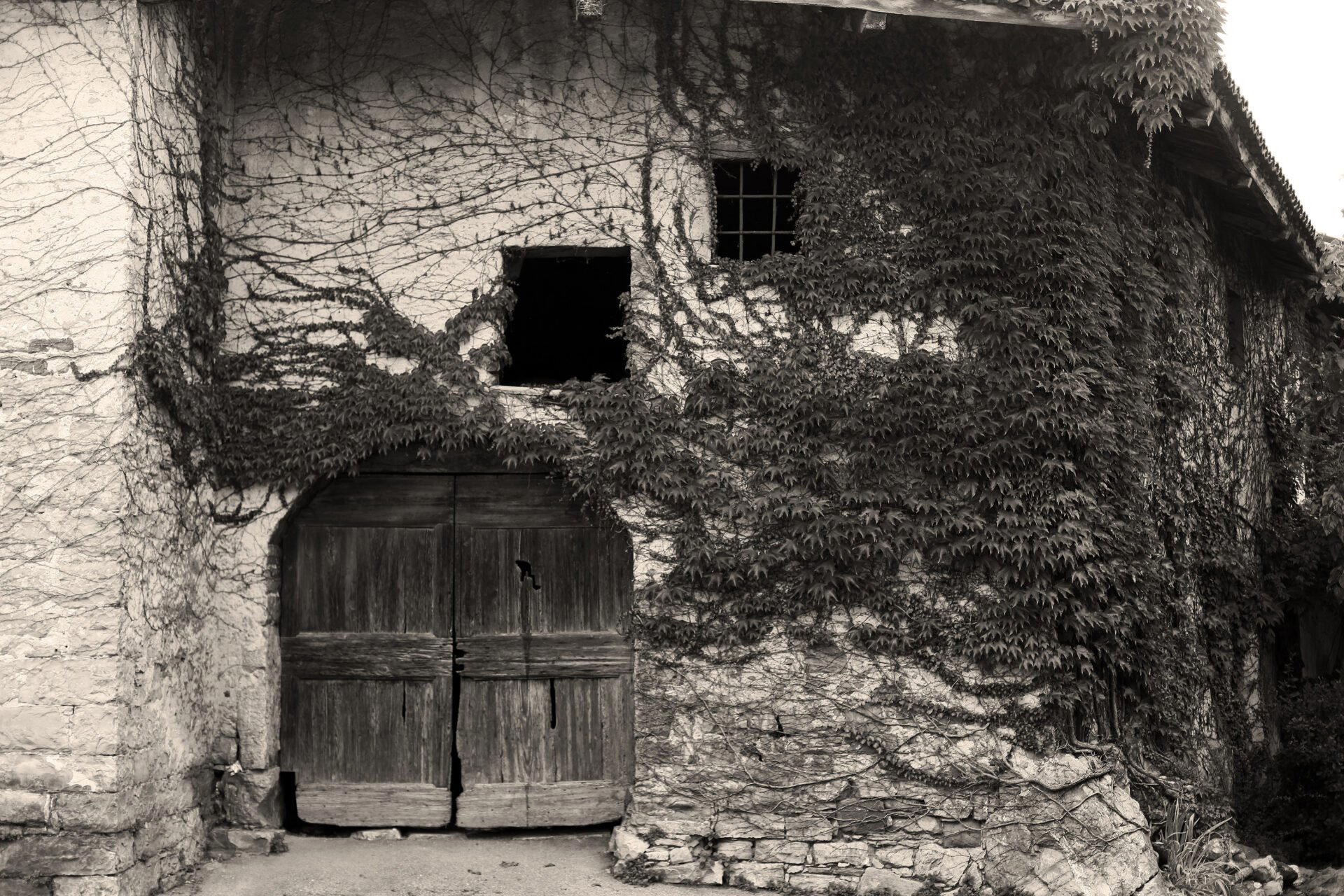
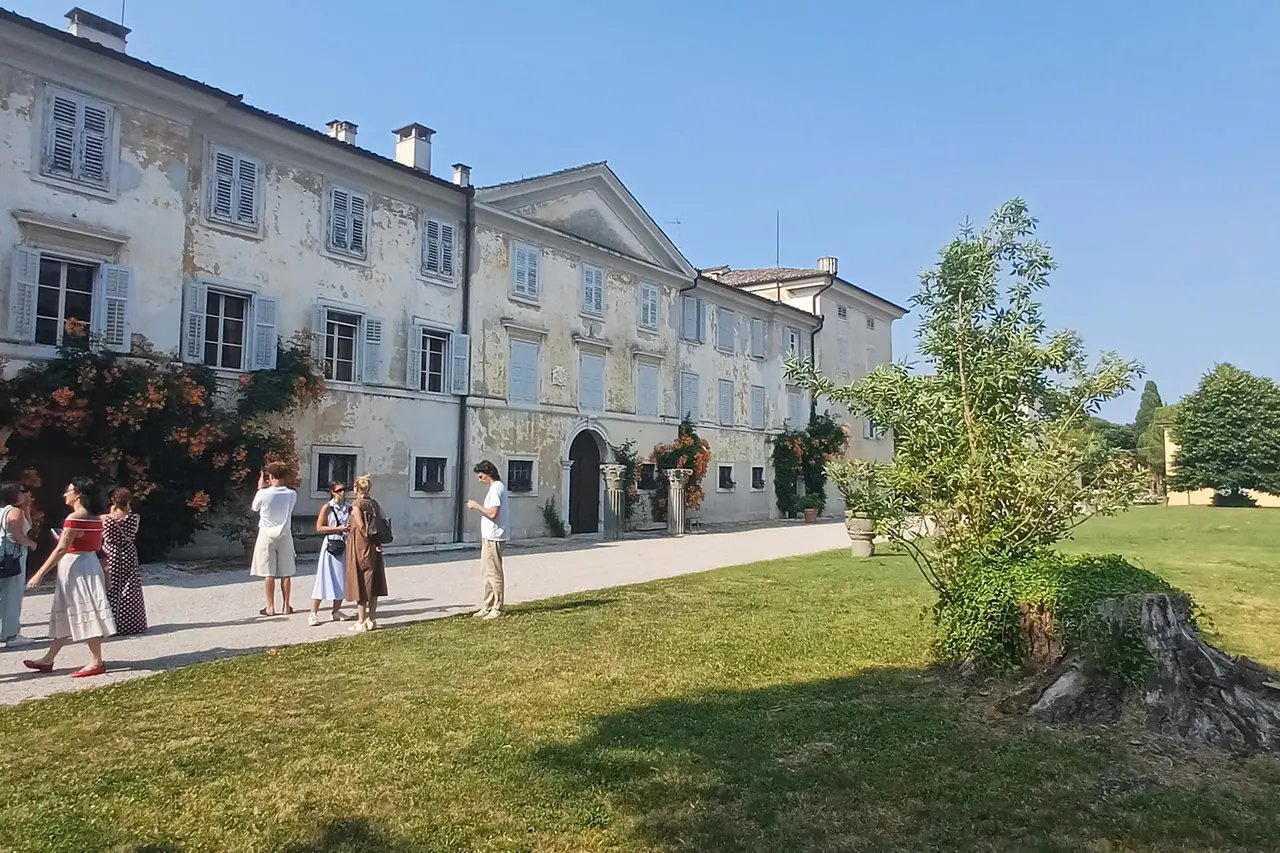
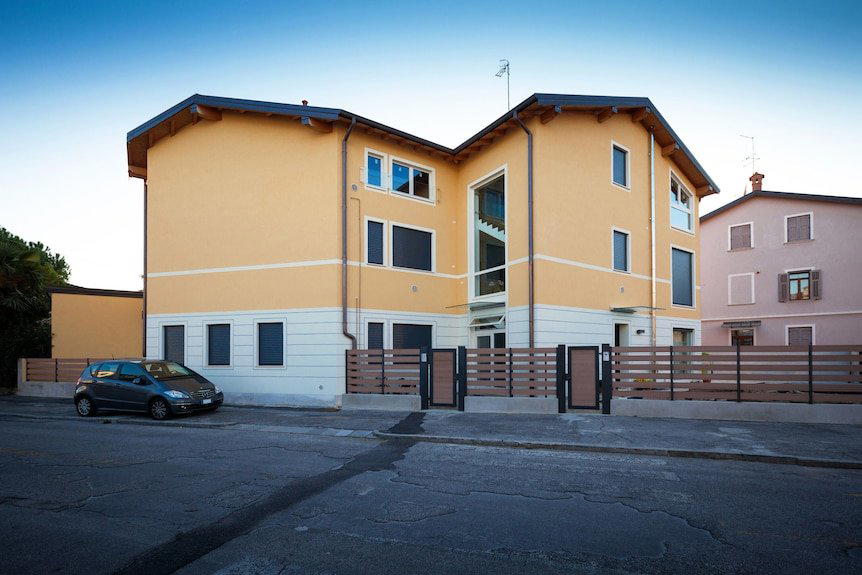
Bright, neat, and cozy atmosphere in a rustic historic building by the harbor.