On Campo Santa Niceta in Grado's quiet historic centre, Savial draws on the lagoon-facing town's deep-rooted tradition of Adriatic seafood cookery. The menu architecture reflects local fishing rhythms rather than imported fine-dining conventions, placing it firmly within Grado's characterful trattoria register. For visitors working through the island's dining options, it merits attention alongside the broader scene.
Pearl is the En Primeur Club membership app — saves, bookings, and concierge access live there. Same editors, same standards.
- Address
- Campo Santa Niceta, 34073 Grado GO, Italy
- Phone
- +393943185160
- Directions
- Get directions
 Saves & bookings on Pearl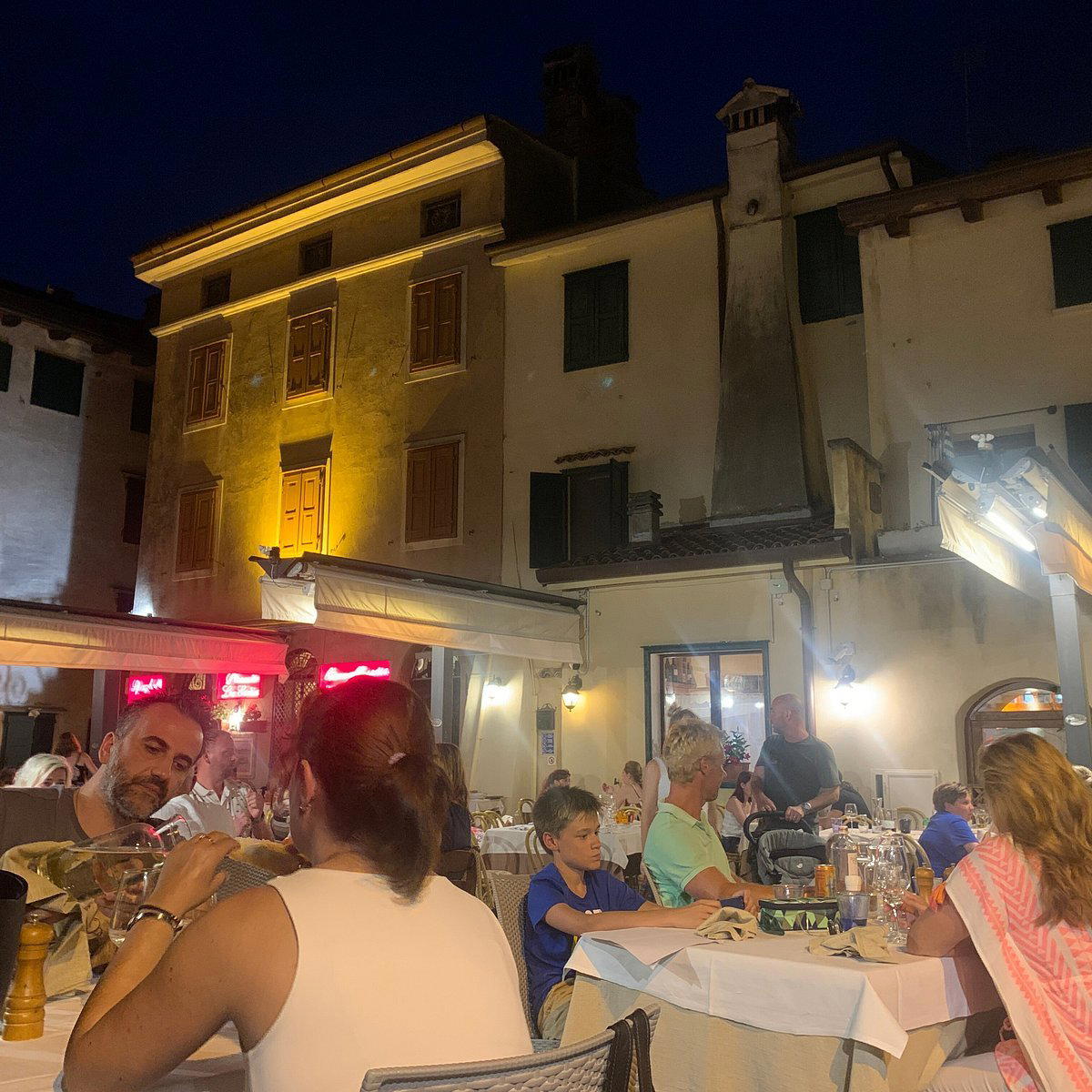
Grado's Lagoon Table: Where the Menu Tells the Tide
Grado occupies a peculiar position in Italy's dining geography. It is an island town connected by causeway to the Friuli Venezia Giulia coast, small enough that its restaurant scene turns almost entirely on what the Adriatic and the surrounding lagoon yield each morning. The town's historic centre, a compressed grid of narrow calli that would not look out of place in Venice, holds most of its serious eating. Campo Santa Niceta is one of the few open squares in that grid, and it is here that Savial operates, in a setting that foregrounds the neighbourhood's unhurried character rather than competing with the sea-facing spectacle further along the waterfront.
Savial's address on Campo Santa Niceta places it in Grado's historic centre rather than on the waterfront, shaping expectations for a more local dining rhythm.
Menu Architecture in a Fishing Town
In Grado, as in other small Adriatic fishing towns, a restaurant's menu structure is itself an argument about place. One telling signal is whether the kitchen treats seafood as a local vernacular or as an imported luxury register. The former means anchovy preparations, cuttlefish, lagoon crab (granseola or moeche depending on season), and brodetto built from what came off the boats that morning. The latter means premium product dressed in technique borrowed from larger urban kitchens.
Savial's position on Campo Santa Niceta, within the historic centre rather than the waterfront tourist circuit, suggests alignment with the vernacular end of that spectrum. Grado has a distinct cucina lagunare tradition, shaped by centuries of fishing the brackish waters between the island and the mainland. That tradition differs meaningfully from open-sea Adriatic cooking: the lagoon produces smaller, more delicate fish, particular species of shellfish, and a texture of flavour that rewards simple preparation over structural complexity. Menus built around this ingredient set tend to be shorter and more seasonal.
The honest reading of any Grado restaurant menu is whether it changes with enough frequency to reflect actual fishing conditions. The Campo Santa Niceta location and Savial's integration into the residential quarter of the historic centre are reasonable indicators of the former orientation, though visitors should verify current offerings directly.
Grado in Context: A Scene with Clear Coordinates
Grado's restaurant scene is small and legible. Agli Artisti, Al Canevon, and Al Casone each stake out different positions within the same compact territory. Al Pontil de' Tripoli and Alla Buona Vite occupy different registers again. None of them operate in the same competitive tier as, say, Uliassi in Senigallia, where Mauro Uliassi has built a three-Michelin-star program from Adriatic ingredients, or Quattro Passi in Marina del Cantone, which applies similar ambition to southern Italian coastal produce. Grado's dining identity is rooted in the trattoria and osteria format, where the value proposition is proximity to source and fidelity to local tradition rather than technical elaboration.
That is not a criticism. Italy's most important culinary contribution is not Osteria Francescana in Modena or Le Calandre in Rubano or Enrico Bartolini in Milan or Enoteca Pinchiorri in Florence or Piazza Duomo in Alba, as consequential as those addresses are. It is the ten thousand unremarkable-looking rooms where the regional tradition is kept intact by cooks who have no interest in reinventing it. Grado's cucina lagunare is one of those traditions, and a well-run trattoria on a quiet campo is a more reliable carrier of it than a harbour-facing restaurant calibrated to seasonal tourist volume.
For comparison, the approach Savial represents at local scale finds more ambitious expression at Atelier Moessmer Norbert Niederkofler in Brunico, where hyper-regional northern Italian ingredient sourcing becomes a fully articulated fine-dining philosophy, or at Dal Pescatore in Runate, where family continuity and regional rootedness have sustained three Michelin stars across generations. The principle is the same; the scale and elaboration differ. Even internationally, the leading seafood-led programs, from Le Bernardin in New York City to Atomix in New York City, are distinguished by the clarity of their sourcing logic. In Grado, that logic is simply applied at a more immediate, less theatrical register. And at Reale in Castel di Sangro, Niko Romito has shown how relentlessly local thinking can generate a kitchen identity that scales internationally in recognition without ever leaving its region behind.
Planning a Visit
Grado's restaurant scene concentrates in the historic centre and along the waterfront, with Campo Santa Niceta accessible on foot from either direction within a few minutes. The island is roughly an hour's drive from Trieste and forty minutes from Udine, making it a natural day-trip or extended-lunch destination for visitors based in either city. Grado draws high summer traffic from July through August, when the beach town side of its identity dominates; shoulder season, particularly May, June, and September, allows the residential character of the historic centre to reassert itself and tends to produce more settled, less tourist-paced dining. Visitors should check current hours and booking requirements before going. For a broader orientation to eating and drinking across the island, the full Grado restaurants guide maps the scene across categories and price points.
Recognition, Side-by-Side
Comparable venues nearby, for context on price, style, and recognition.
| Venue | Cuisine | Price | Notes |
|---|---|---|---|
| SavialThis venue — the venue you are viewing | Traditional Italian Seafood and Pizza | $$ | Not listed |
| Zero Miglia | Fresh Italian Seafood from Fishermen's Cooperative | $$ | Grado |
| Trattoria Vittoria | Italian Seafood Trattoria | $$ | Grado |
| Al Casone | Modern Italian Seafood | $$$ | Grado |
| Al Canevon | Traditional Friulian Seafood | $$ | Centro Storico |
| Alla Buona Vite | Traditional Italian Seafood | $$ | Boscat |
Continue exploring
More in Grado
Restaurants in Grado
Browse all →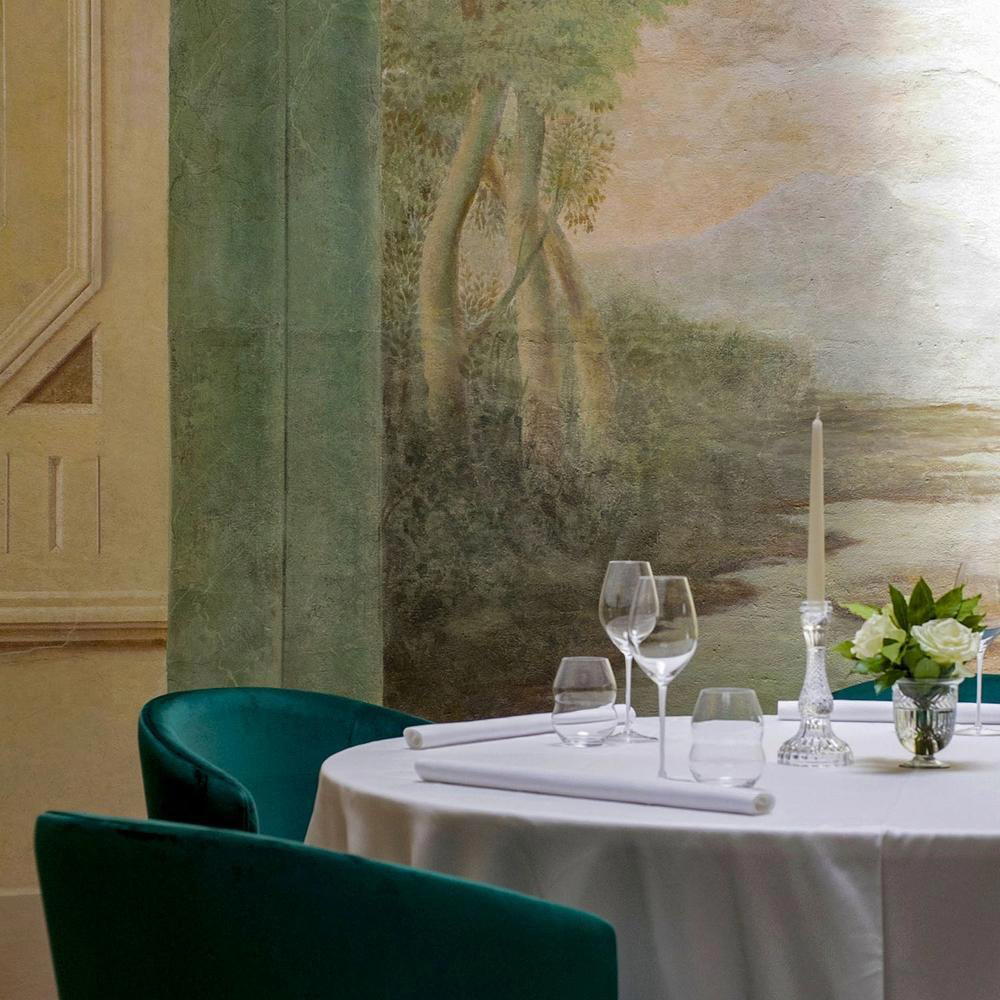
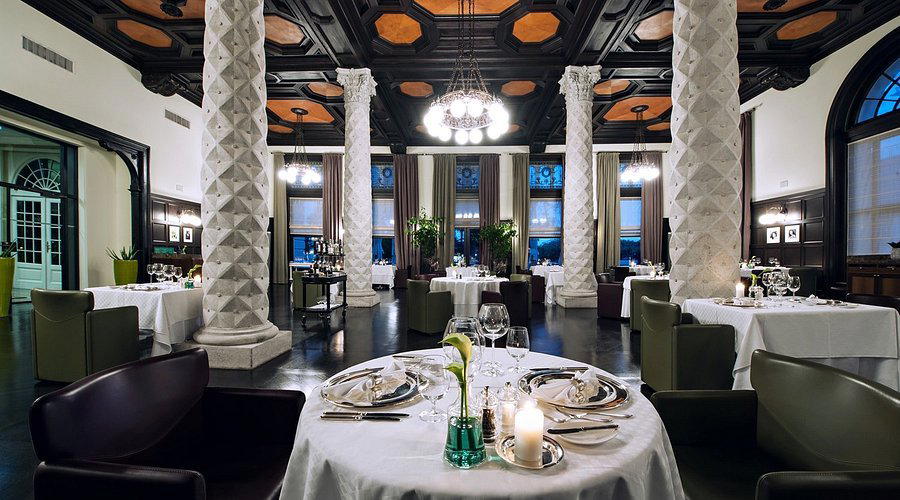
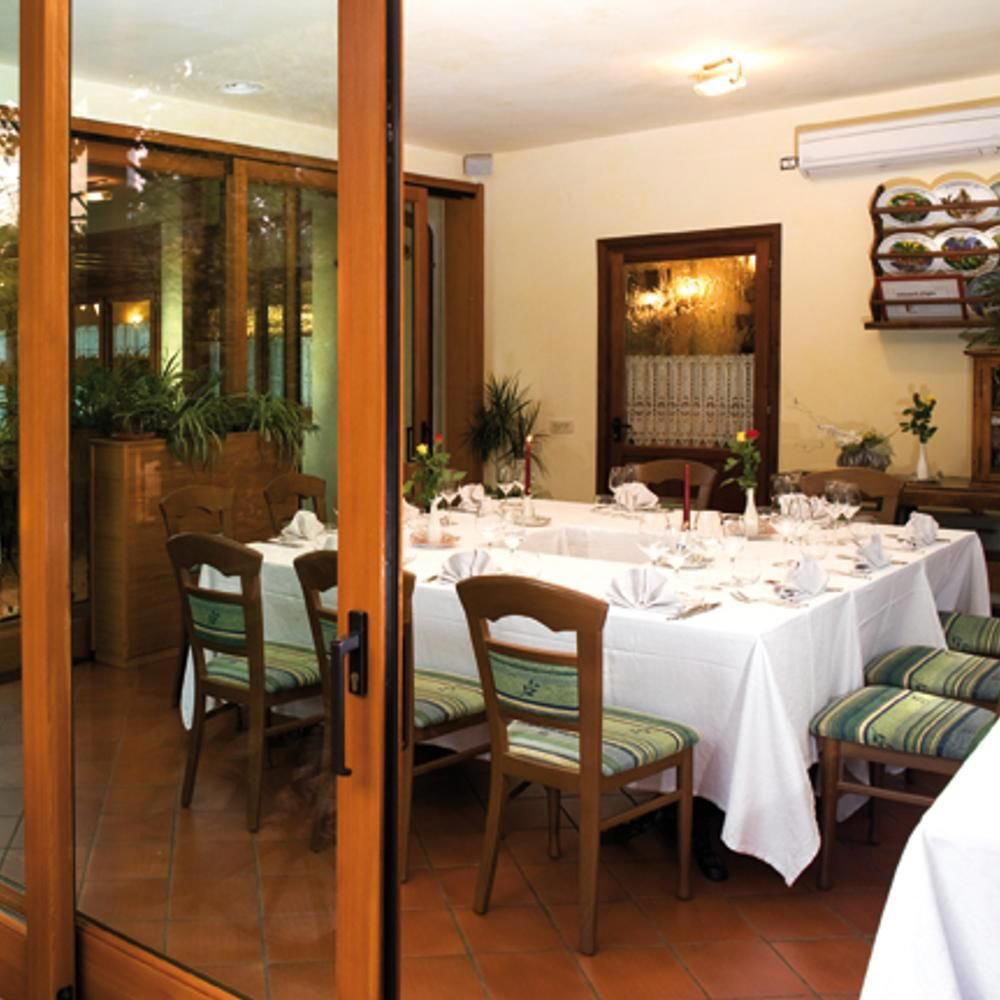
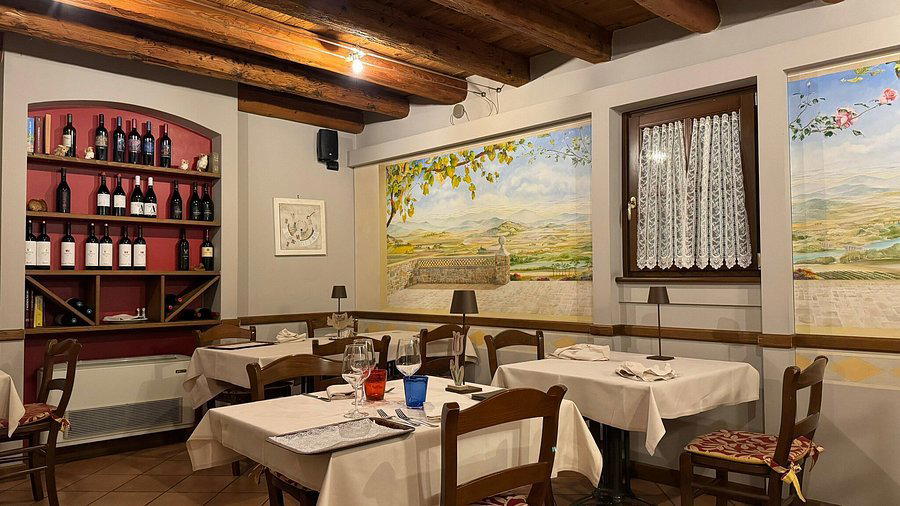
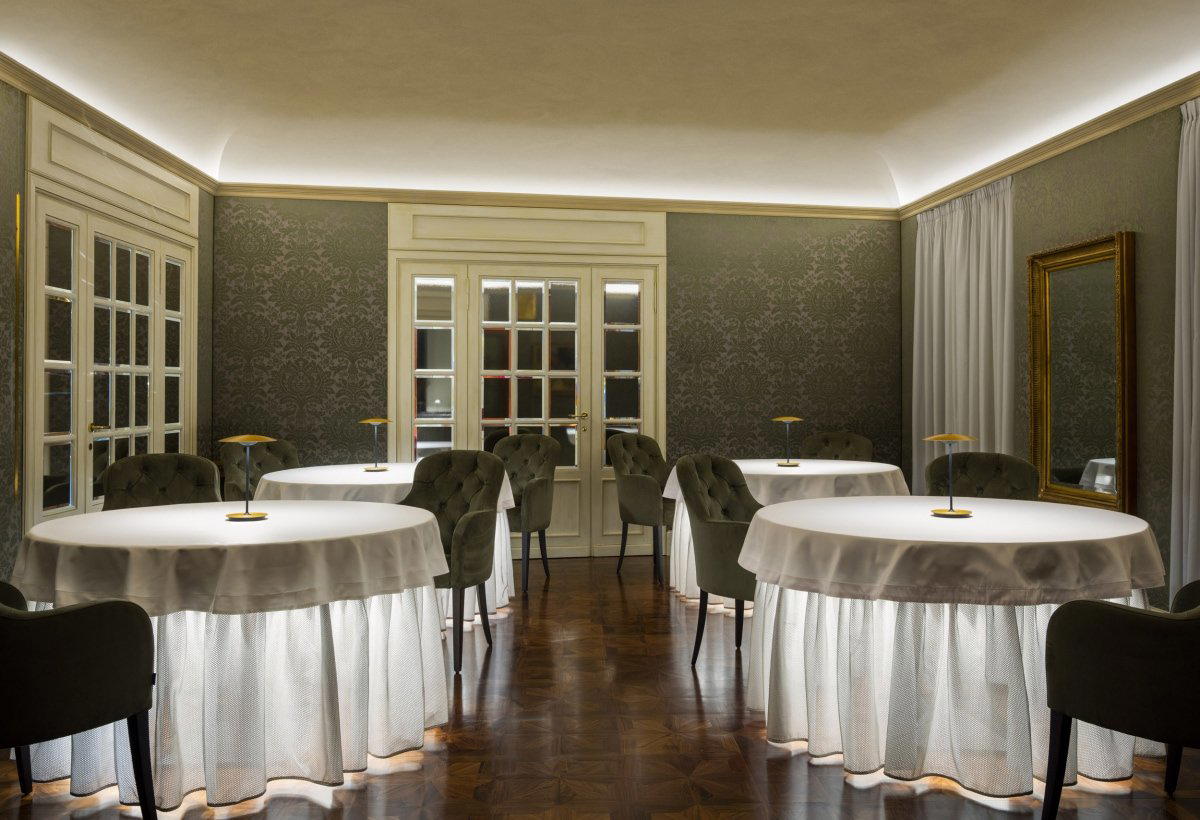
Bars in Grado
Browse all →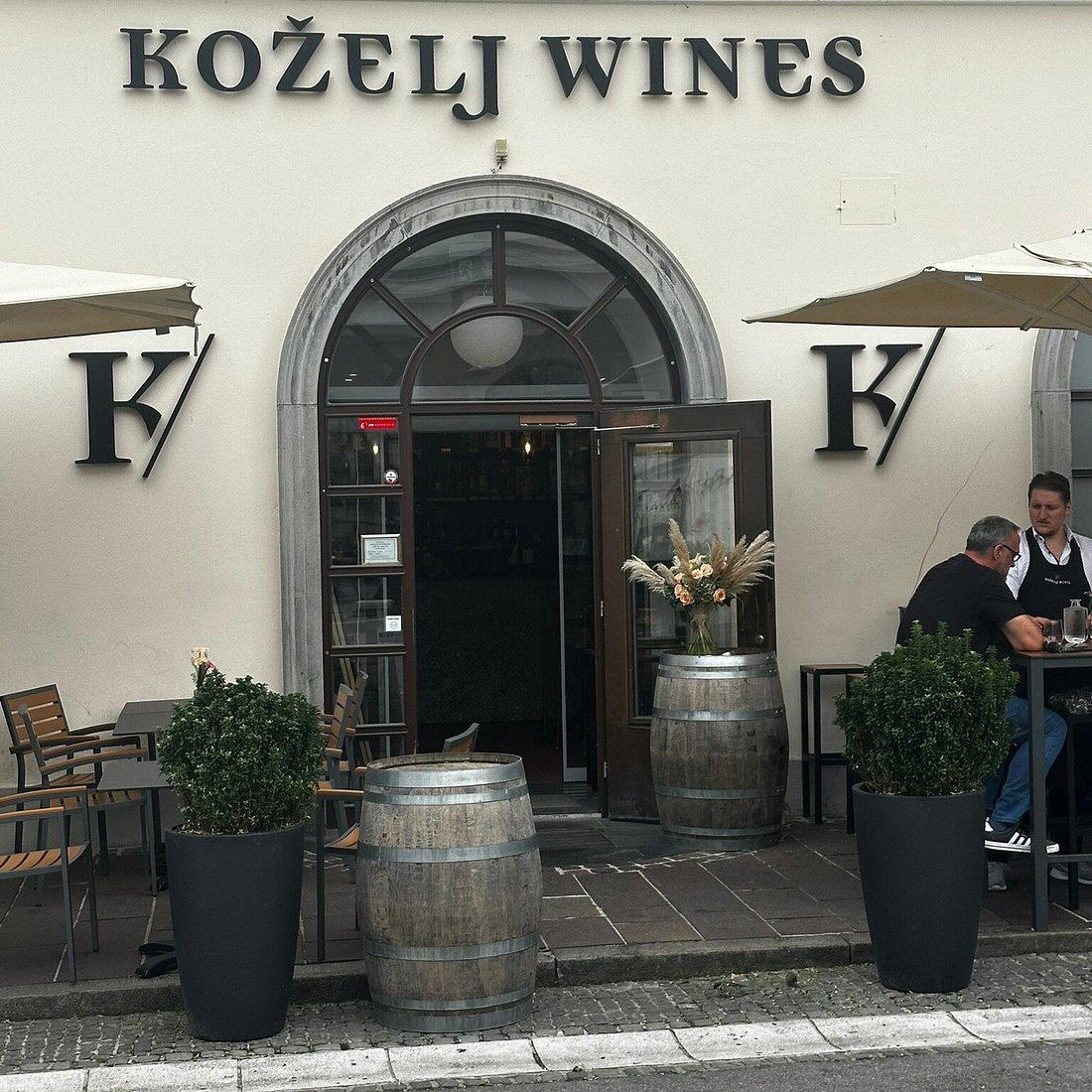
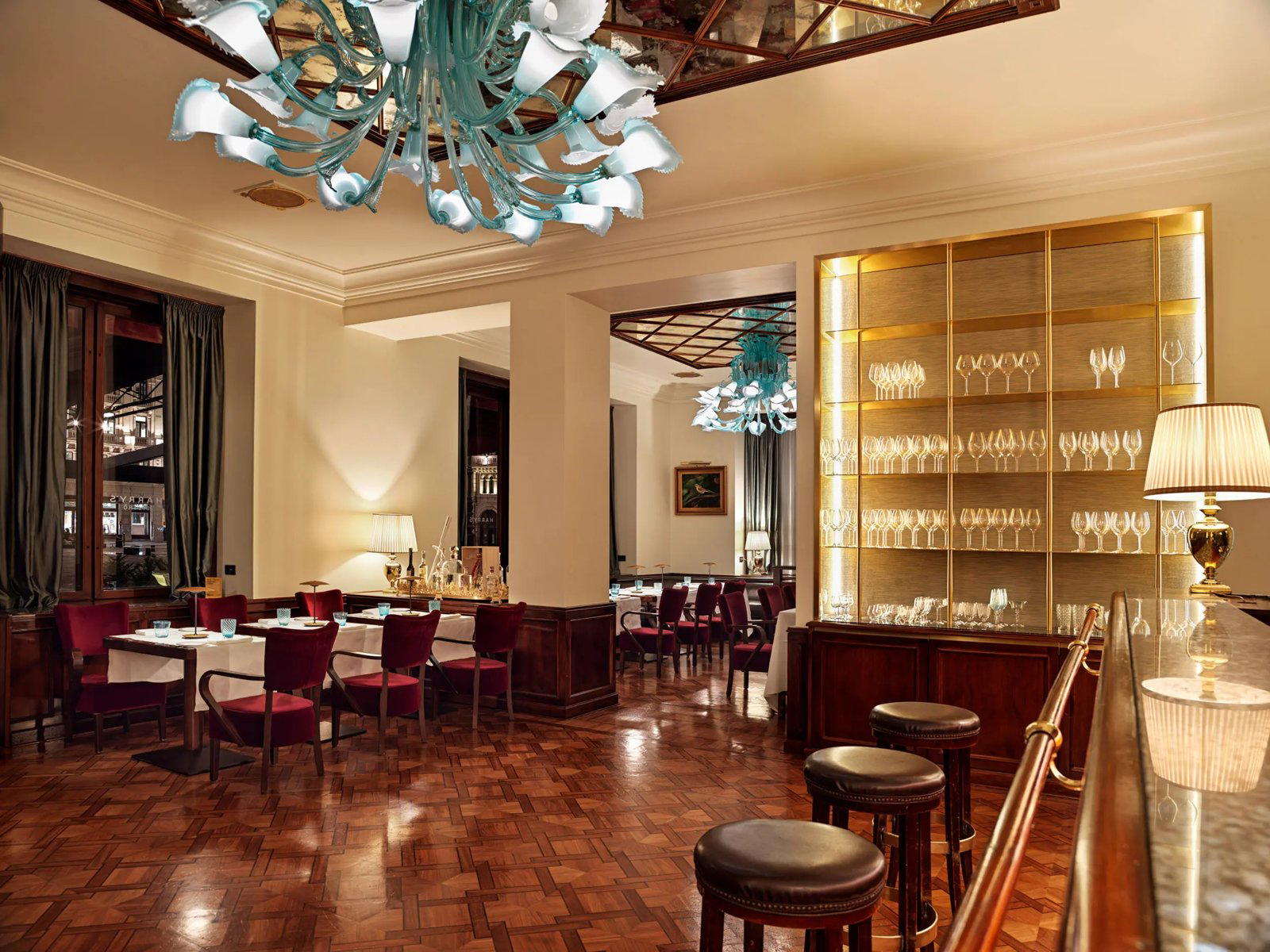
Hotels in Grado
Browse all →
At a Glance
- Cozy
- Casual Hangout
- Family
- Standalone
Current opening hours
- Monday
- 12–2:30 PM, 5–10 PM
- Tuesday
- 5–10:30 PM
- Wednesday
- 12–2:30 PM, 5–10:30 PM
- Thursday
- 12–2:30 PM, 5–10:30 PM
- Friday
- 12–2:30 PM, 5–10:30 PM
- Saturday
- 12–2:30 PM, 5–10:30 PM
- Sunday
- 12–2:30 PM, 5–10 PM
Hours can change for holidays and private events. Last verified .
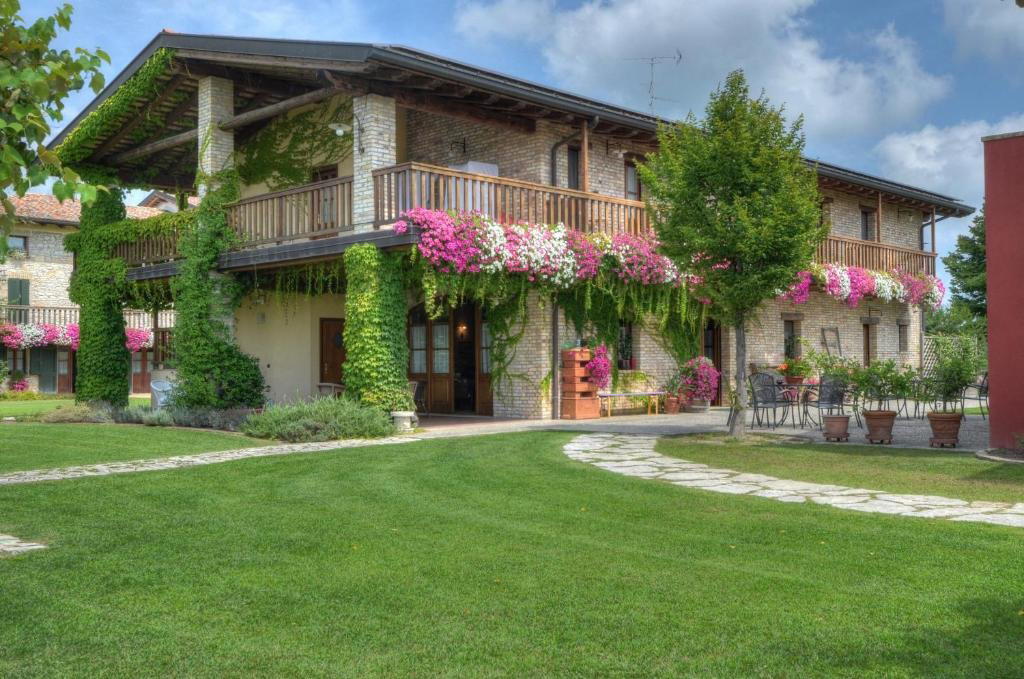
Charming and cozy ambiance in the heart of Grado's historical center.