Osteria Solder
Osteria Solder sits on Via Gramogliano in Corno di Rosazzo, a village in Friuli-Venezia Giulia where the Collio and Colli Orientali wine zones converge. The osteria format here belongs to a regional tradition of cucina del territorio, local ingredients, local wine, unhurried pacing, that places it firmly outside the northern Italian fine-dining circuit and inside something older and more particular to this corner of the Friulian hills.
Pearl is the En Primeur Club membership app — saves, bookings, and concierge access live there. Same editors, same standards.
- Address
- via gramogliano, 14, 33040 Corno di Rosazzo UD, Italy
- Phone
- +393206326433
- Website
- osteriasolder.it
- Directions
- Get directions
 Saves & bookings on Pearl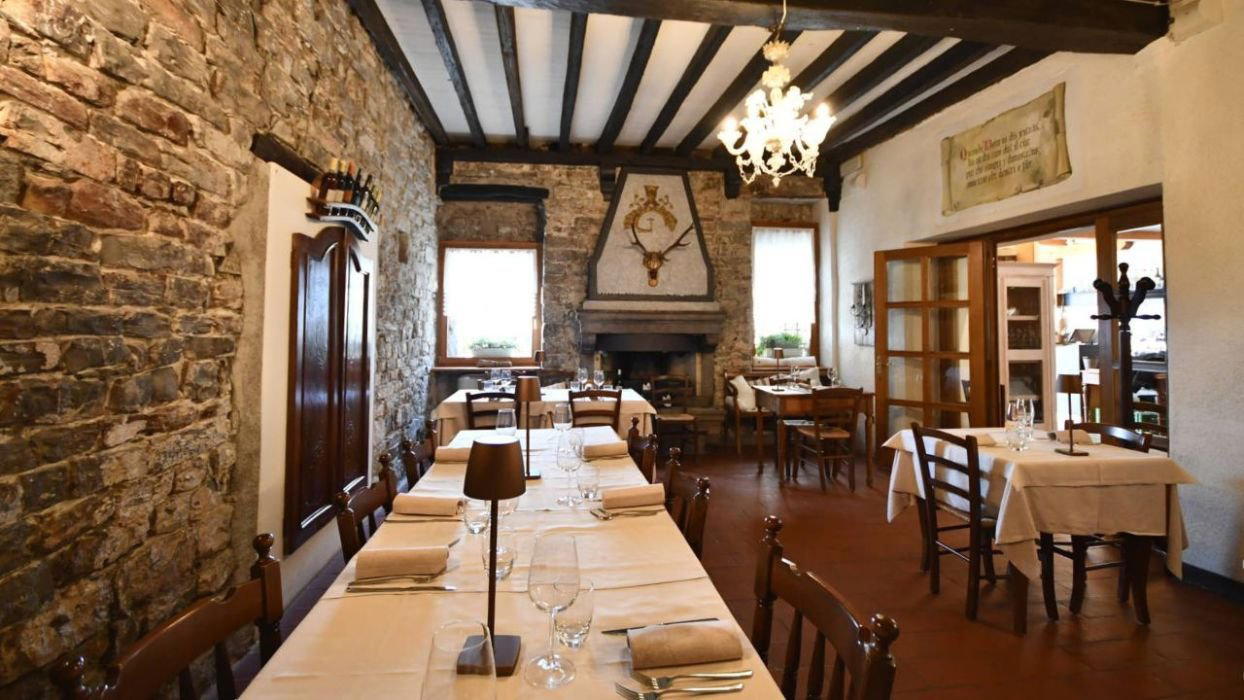
Friuli at the Table: What Corno di Rosazzo Means for the Plate
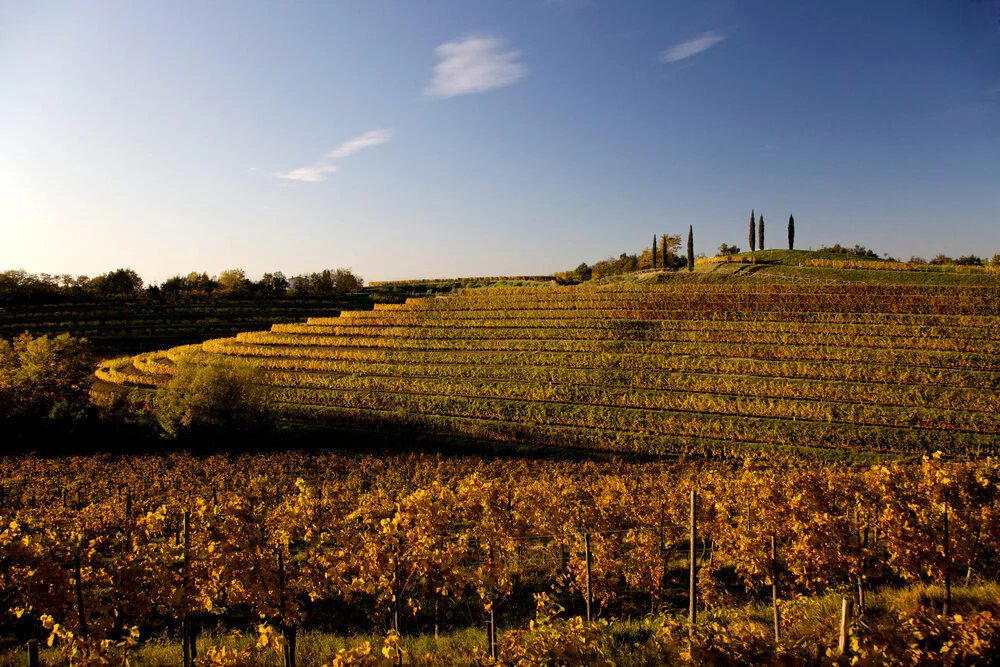
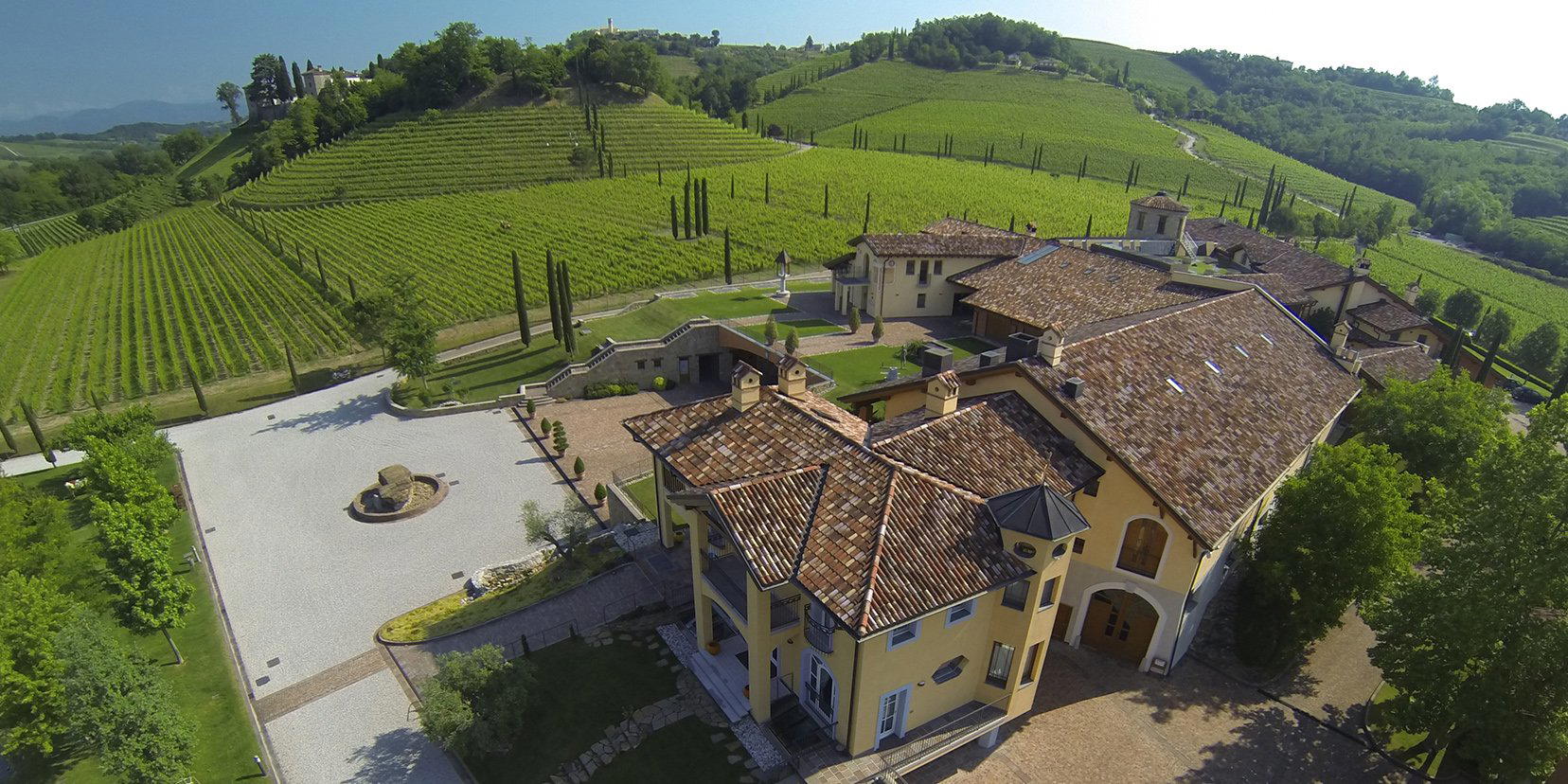
The village of Corno di Rosazzo sits in the Udine province of Friuli-Venezia Giulia, tucked into the eastern edge of the Colli Orientali del Friuli, one of Italy's most consequential white wine zones. The hills here are composed of a mix of limestone and marl locally called ponca, a soil type that marks the wines of the area as measurably different from anything produced even twenty kilometres west. That geological specificity has, over generations, shaped how the people in these villages eat as well as how they drink. Osteria Solder is a restaurant in Corno di Rosazzo, Friuli-Venezia Giulia, serving Friulian Osteria with Seasonal Twists and priced at about $40 per person. It occupies this territory in both a physical and cultural sense.
The osteria as a format is worth understanding before you arrive. In Friuli, the word carries different weight than in Tuscany or Emilia-Romagna. The region's proximity to Slovenia and Austria means the table traditions here blend Mitteleuropean influences, cured meats, strong grain dishes, a directness of preparation, with the produce and wine culture of the Mediterranean-leaning Italian northeast. An osteria in this context is not a simplified trattoria or a rustic affectation. It is a specific social institution, a place where the local wine and the local food exist in a relationship that predates the modern restaurant by centuries.
For a broader frame on where Friulian dining sits within Italy's restaurant geography, the national conversation tends to concentrate on the starred rooms: Osteria Francescana in Modena, Dal Pescatore in Runate, Le Calandre in Rubano, or Piazza Duomo in Alba. These are institutions operating at a different register entirely. The Friulian osteria tradition asks something different of the diner: patience, local knowledge, and a willingness to let geography set the agenda.
The Wine Zone as Context
The Colli Orientali del Friuli DOC surrounds Corno di Rosazzo on multiple sides. Indigenous varieties, Friulano, Ribolla Gialla, Verduzzo, Schioppettino, Refosco dal Peduncolo Rosso, dominate the hillside vineyards in a way that has no direct equivalent elsewhere in Italy. Ribolla Gialla in particular has become a reference point internationally, partly because of the skin-contact wine movement that Friuli's winemakers were central to from the 1990s onward. A venue sitting in the middle of this territory, whether or not it holds formal wine credentials, operates inside one of Italy's most wine-literate local cultures.
That context matters for the plate as well. In Colli Orientali dining, wine dictates food logic rather than the other way around, a reversal of how most European restaurant cultures operate. The acidity and texture of a well-aged Friulano shapes which preparations make sense alongside it; the tannin structure of Schioppettino calls for specific cuts of meat and particular curing methods. Venues in this zone, including Osteria del Pinot Grigio Ramato nearby, operate within that logic whether or not they articulate it explicitly.
Cucina del Territorio and What It Requires of the Visitor
The phrase cucina del territorio is overused in Italian food writing, but in Friuli-Venezia Giulia it describes something documentable. The region has a distinct set of preparations that appear consistently across serious local tables: frico, the pressed and fried Montasio cheese dish that can be soft and yielding or crisped to a wafer depending on age and proportion; cjalsòns, filled pasta whose sweet-savoury combinations carry a direct line to the Carnic Alps; and the broad category of air-cured and smoked meats that reflect the region's Austrian and Slavic borders. These dishes require specific local ingredients, aged Montasio from the mountain pastures, a particular style of smoked speck from the hills, and are not easily translated or approximated outside the territory.
An osteria format in this setting is the natural home for this cooking. The formality level stays low enough that the food can be prepared and eaten as it was designed: without ceremony, alongside wine served by the carafe or the glass, in the company of locals for whom these dishes are not a novelty. For visitors arriving from cities with high expectations shaped by venues like Enoteca Pinchiorri in Florence or La Pergola in Rome, recalibrating is part of the experience.
Arriving and Planning
Corno di Rosazzo is not a destination you pass through. Reaching it requires deliberate navigation from either Udine, roughly 20 kilometres to the northwest, or from the Slovenian border crossing near Gorizia to the southeast. A hire car is the practical standard; public transport connections to the Colli Orientali villages are limited and slow. The village itself is small enough that Via Gramogliano is easy to locate, and the surrounding area rewards a slower pace: the wine estates of the Colli Orientali are among the more accessible in terms of direct producer visits in the Italian northeast.
Timing a visit to coincide with the autumn harvest period, roughly late September through October, places you in the village during its most active agricultural season. The grape harvest brings producers and growers into the same social spaces where they are otherwise absent, and the energy of the local tables shifts accordingly. For those also interested in the broader Friulian dining context, Al Postiglione, also in Corno di Rosazzo, offers a point of comparison within the same village.
For context on how Italian regional cooking is evolving elsewhere in the country, the contrast with places like Uliassi in Senigallia, Reale in Castel di Sangro, or Atelier Moessmer Norbert Niederkofler in Brunico is instructive. Each of those venues operates at the formal fine-dining tier, where tasting menus, Michelin recognition, and international booking pressure define the experience. Osteria Solder occupies a different category entirely, one defined by neighbourhood gravity and daily local use. Neither is superior in absolute terms; they serve different purposes and different kinds of travel.
A Pricing-First Comparison
Comparable venues nearby, for context on price, style, and recognition.
| Venue | Cuisine | Price | Notes |
|---|---|---|---|
| Osteria SolderThis venue — the venue you are viewing | Not listed | $$ | Not listed |
| Osteria del Pinot Grigio Ramato | Not listed | $$$ | Corno di Rosazzo, Friuli Osteria with Regional Italian Cuisine |
| Al Postiglione | Not listed | $$ | Corno di Rosazzo, Traditional Italian Trattoria |
| Monzù Vladì | Trastevere, Creative Regional Italian | $$ | Not listed |
| Osteria Ai Barnabiti | Centro, Traditional Friulian Osteria | $$ | Not listed |
| Ancona Due | Udine, Italian Pizzeria & Seafood | $$ | Not listed |
Continue exploring
More in Corno Di Rosazzo
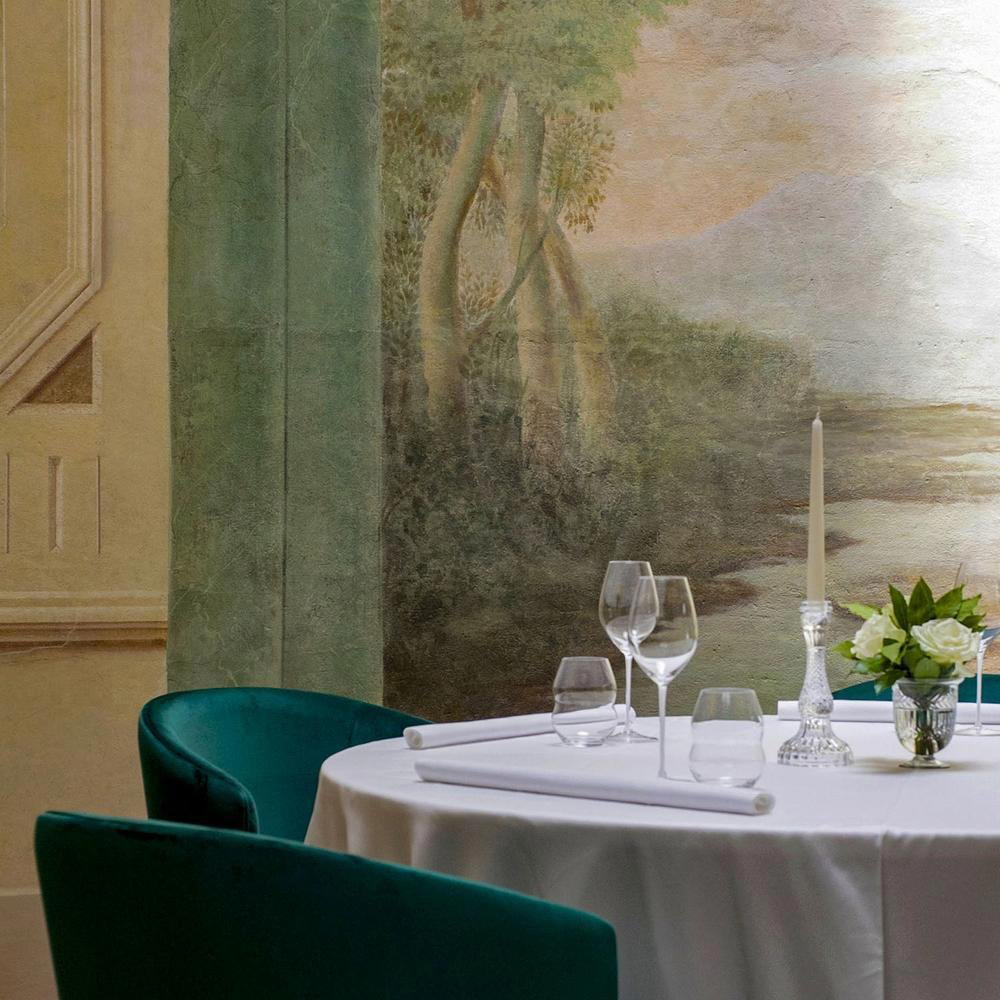
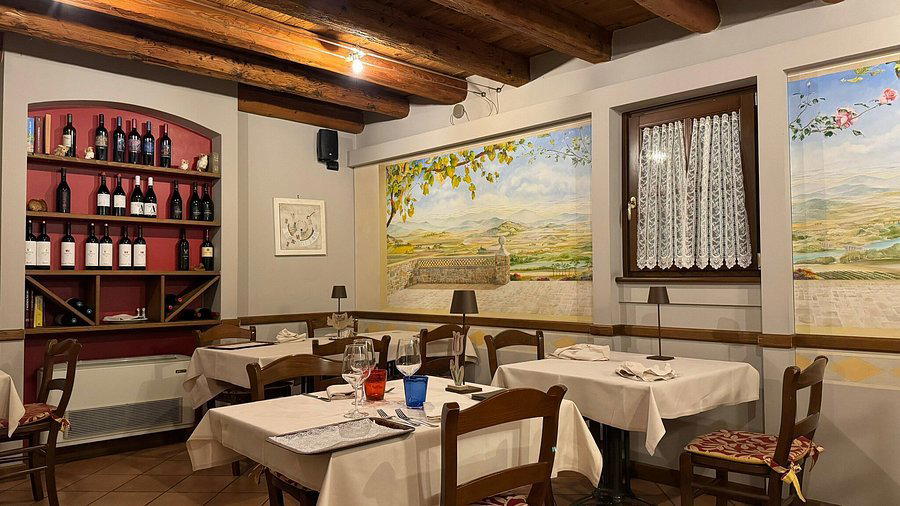
Restaurants in Corno Di Rosazzo
Browse all →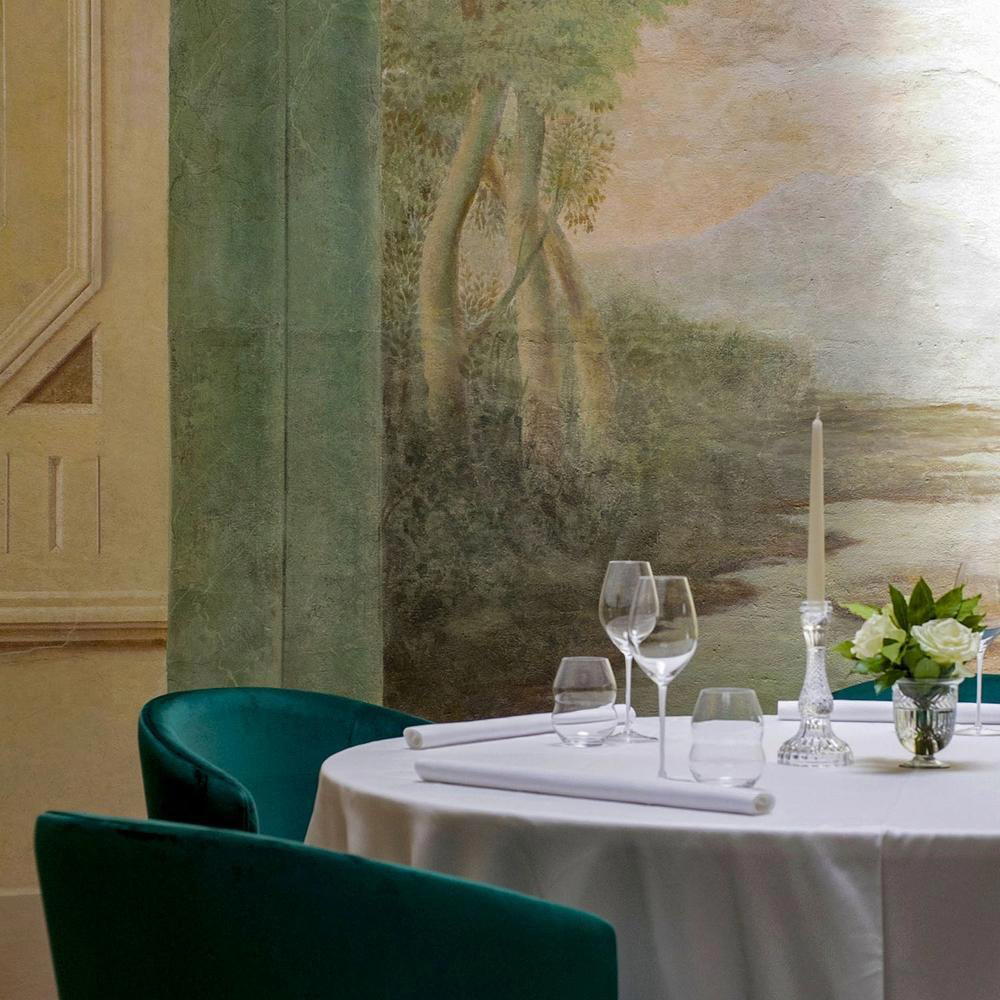
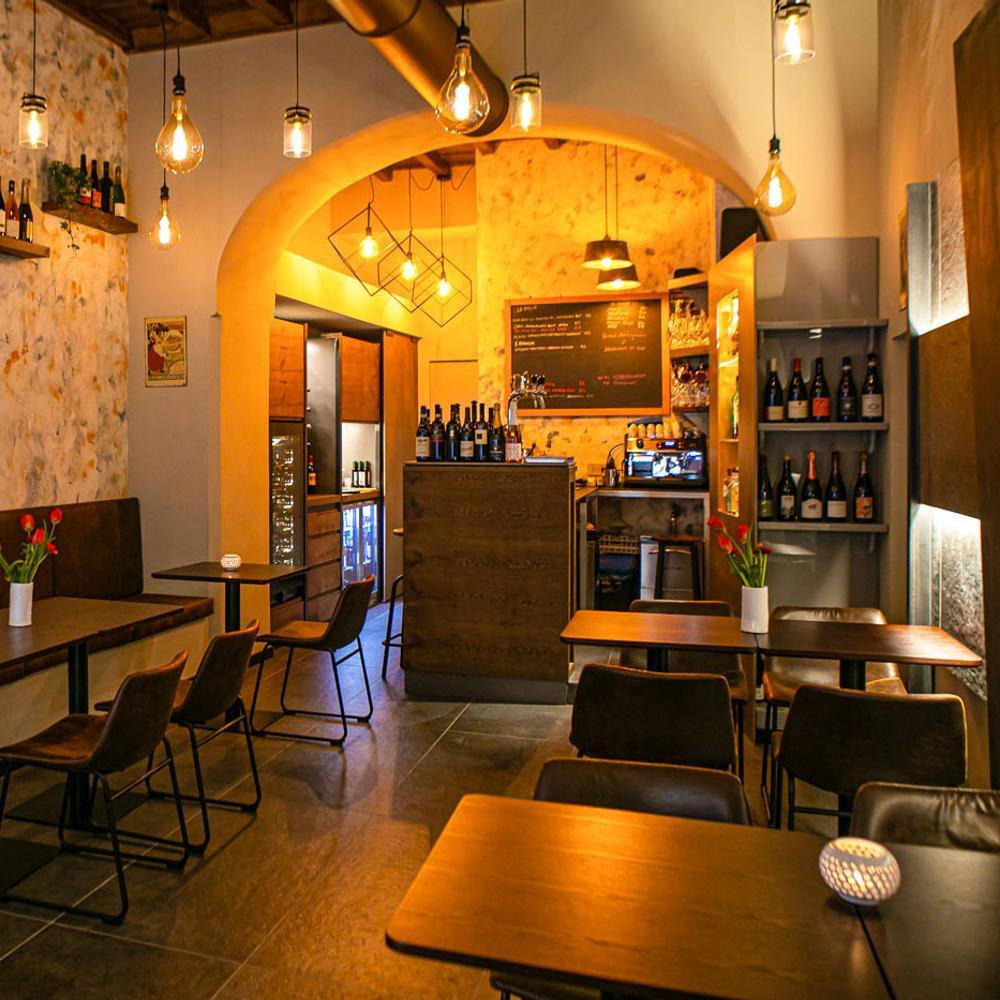
Bars in Corno Di Rosazzo
Browse all →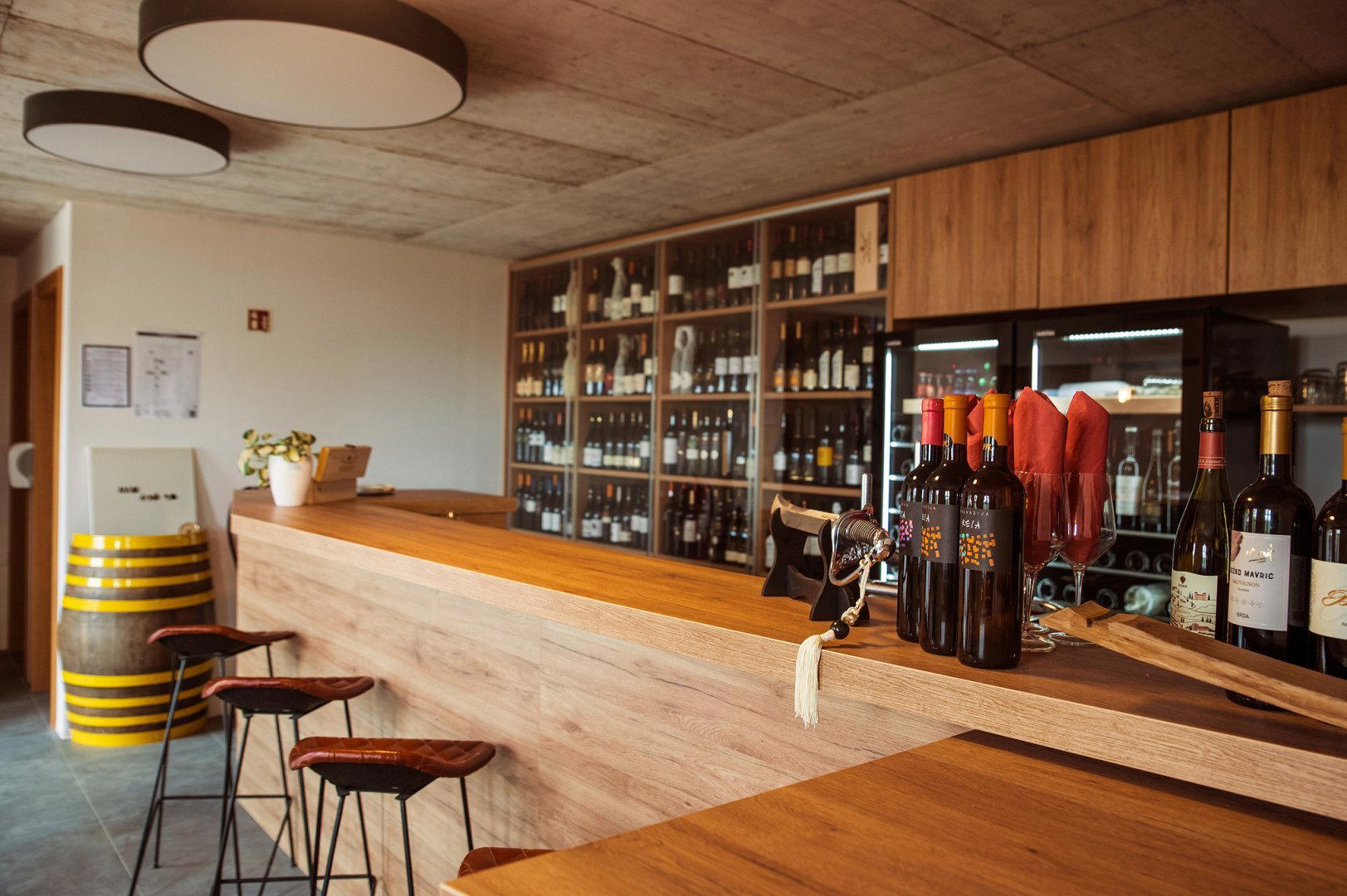
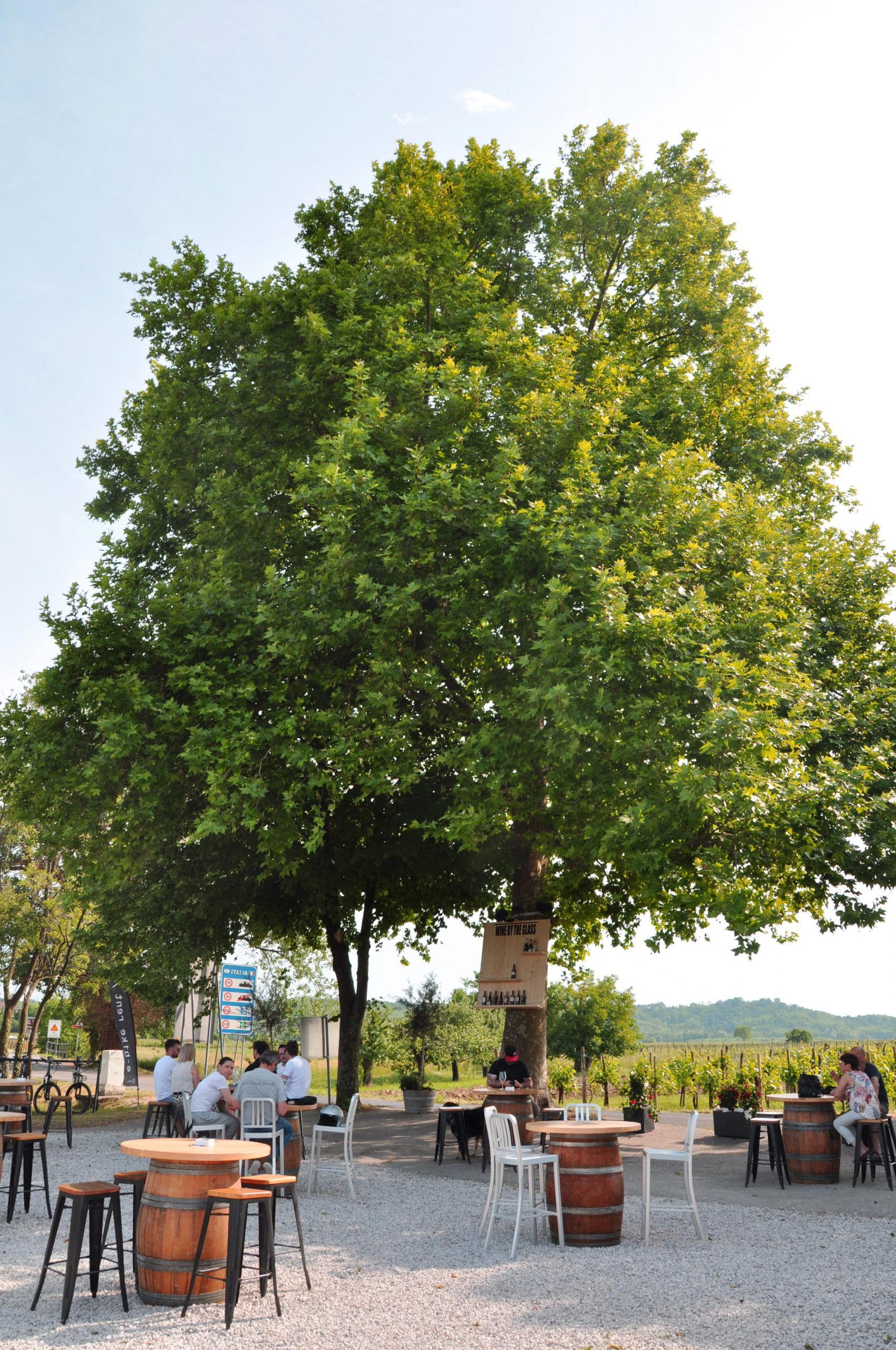
Hotels in Corno Di Rosazzo
Browse all →
At a Glance
- Rustic
- Cozy
- Scenic
- Elegant
- Date Night
- Special Occasion
- Family
- Terrace
- Open Kitchen
- Historic Building
- Extensive Wine List
- Local Sourcing
- Farm To Table
- Vineyard
- Mountain
- Garden
Current opening hours
- Monday
- 11 AM–3 PM, 6–11 PM
- Tuesday
- Closed
- Wednesday
- 11 AM–3 PM, 6–11 PM
- Thursday
- 11 AM–3 PM, 6–11 PM
- Friday
- 11 AM–3 PM, 6–11 PM
- Saturday
- 11 AM–4 PM, 6 PM–12 AM
- Sunday
- 11 AM–4 PM, 6 PM–12 AM
Hours can change for holidays and private events. Last verified .
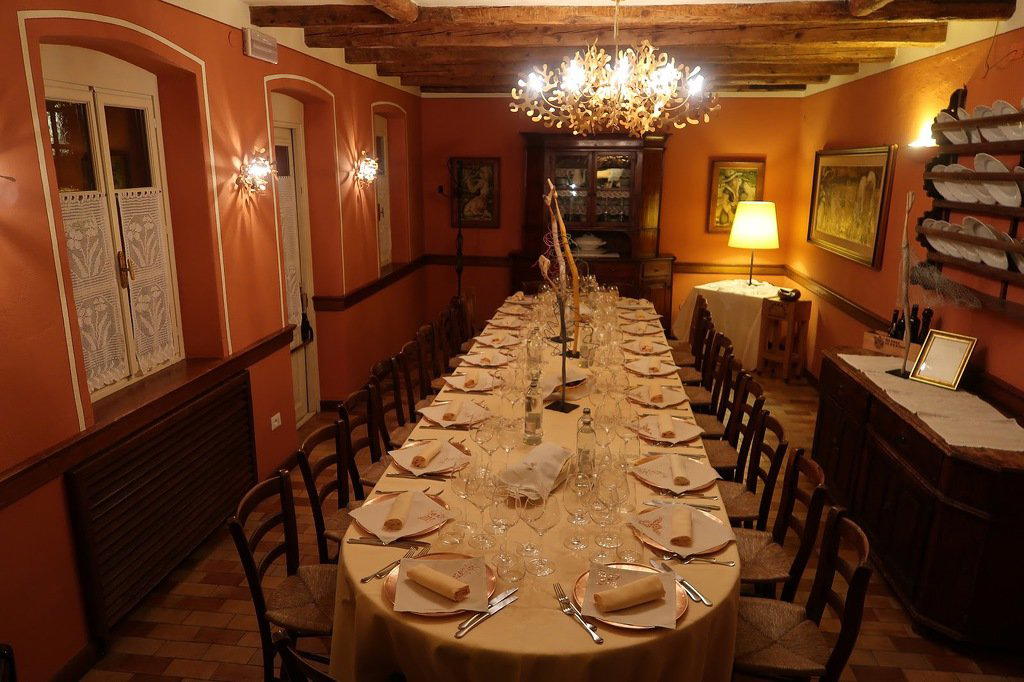
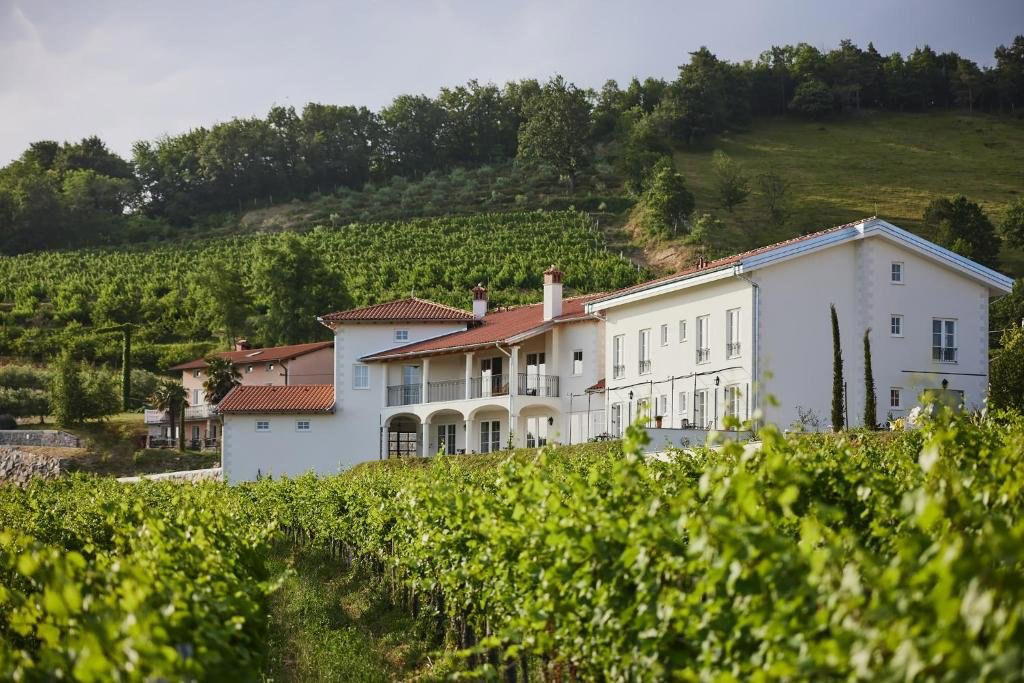
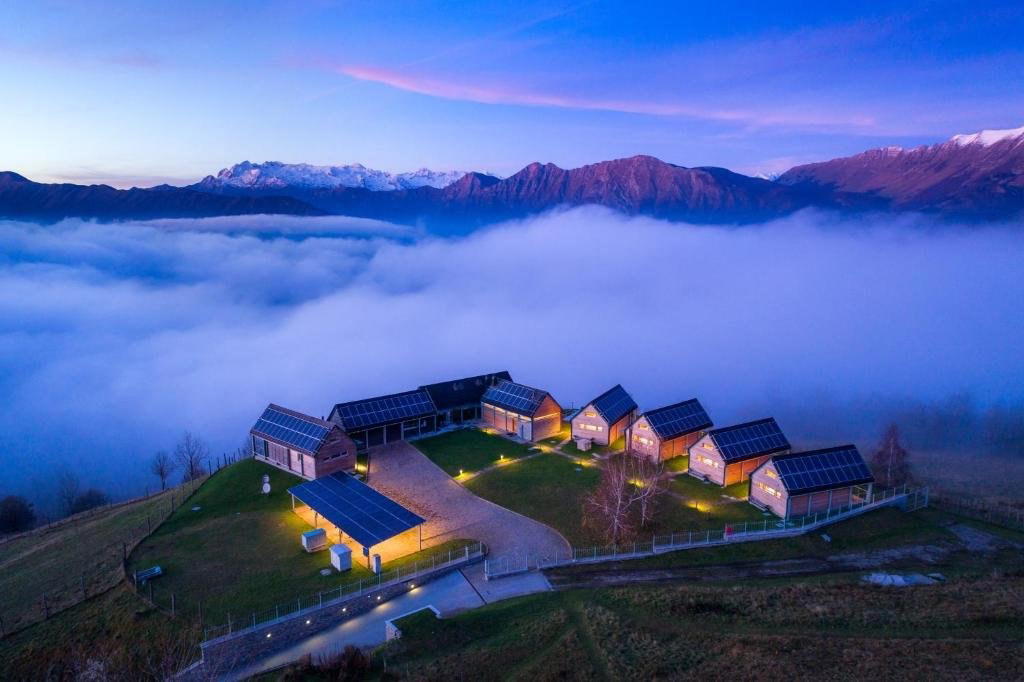
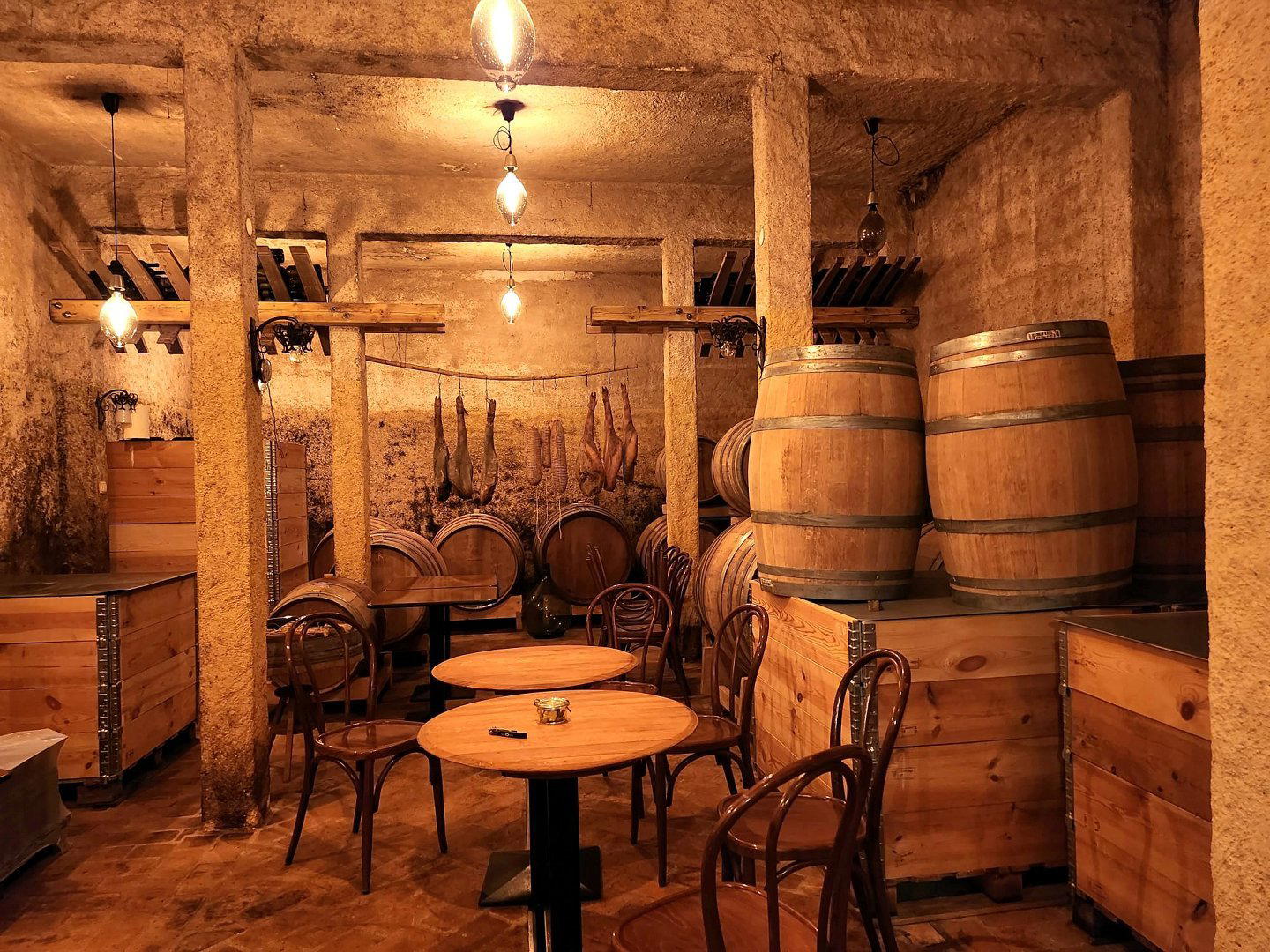
Comfortable and atmospheric with cozy fireplace rooms, beautiful hill views, and a pleasant, quiet outdoor setting.