Our verdict
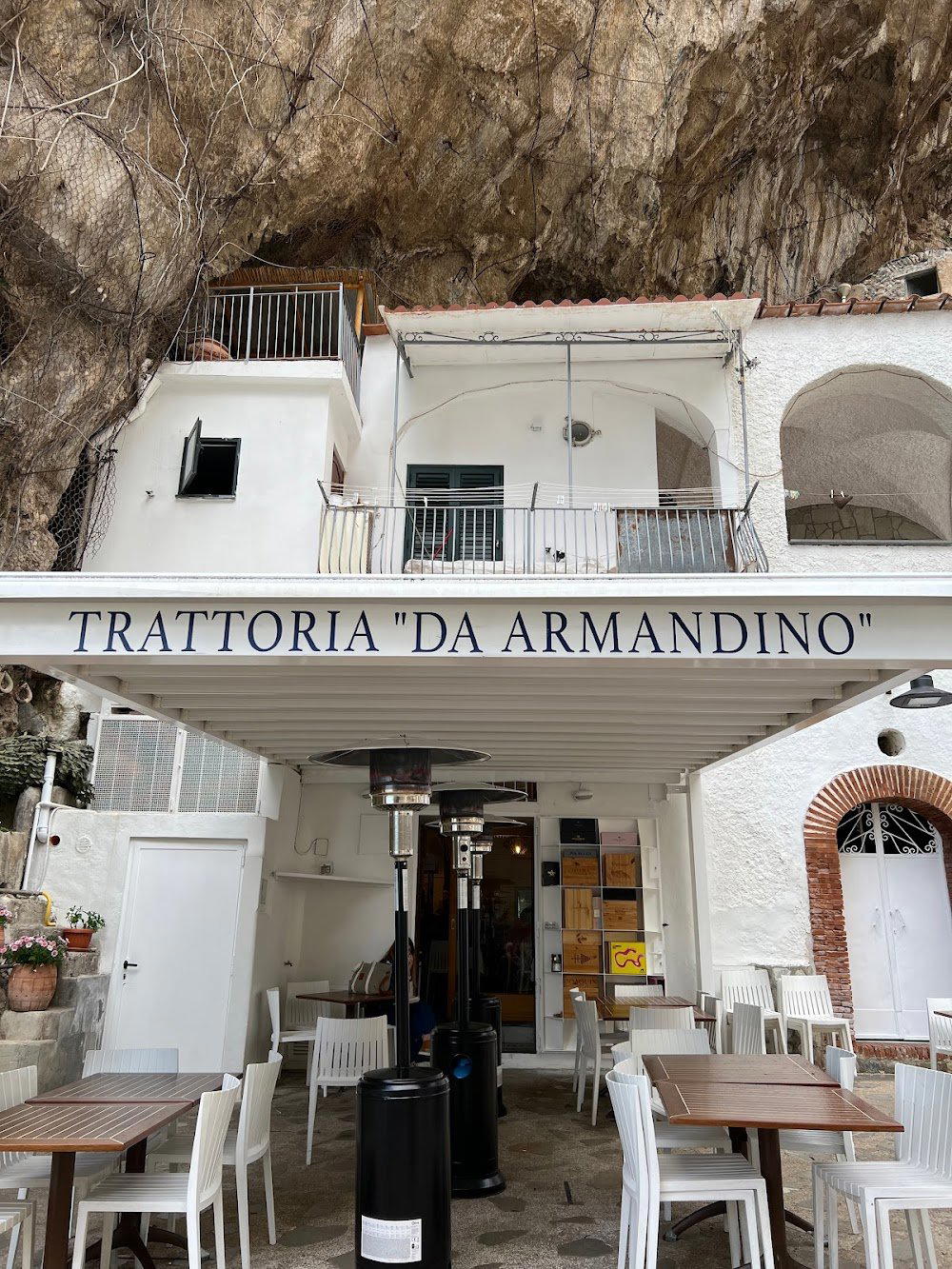
On the coastal road through Praiano, Trattoria Da Armandino represents the kind of place the Amalfi Coast does quietly and consistently: seafood-anchored southern Italian cooking at a table close enough to the water that the distinction between kitchen and sea feels almost procedural. It sits in a different tier from the area's formal dining rooms, operating in the tradition of the family-run trattoria that the region built its reputation on.

Pearl is the En Primeur Club membership app, where members save venues, book tables and use the concierge.
The menu
What to order
- Risotto con limone e gamberetti
- Tubetti con i totani
- Linguine alle vongole
Where the Amalfi Coast Eats Without the Performance
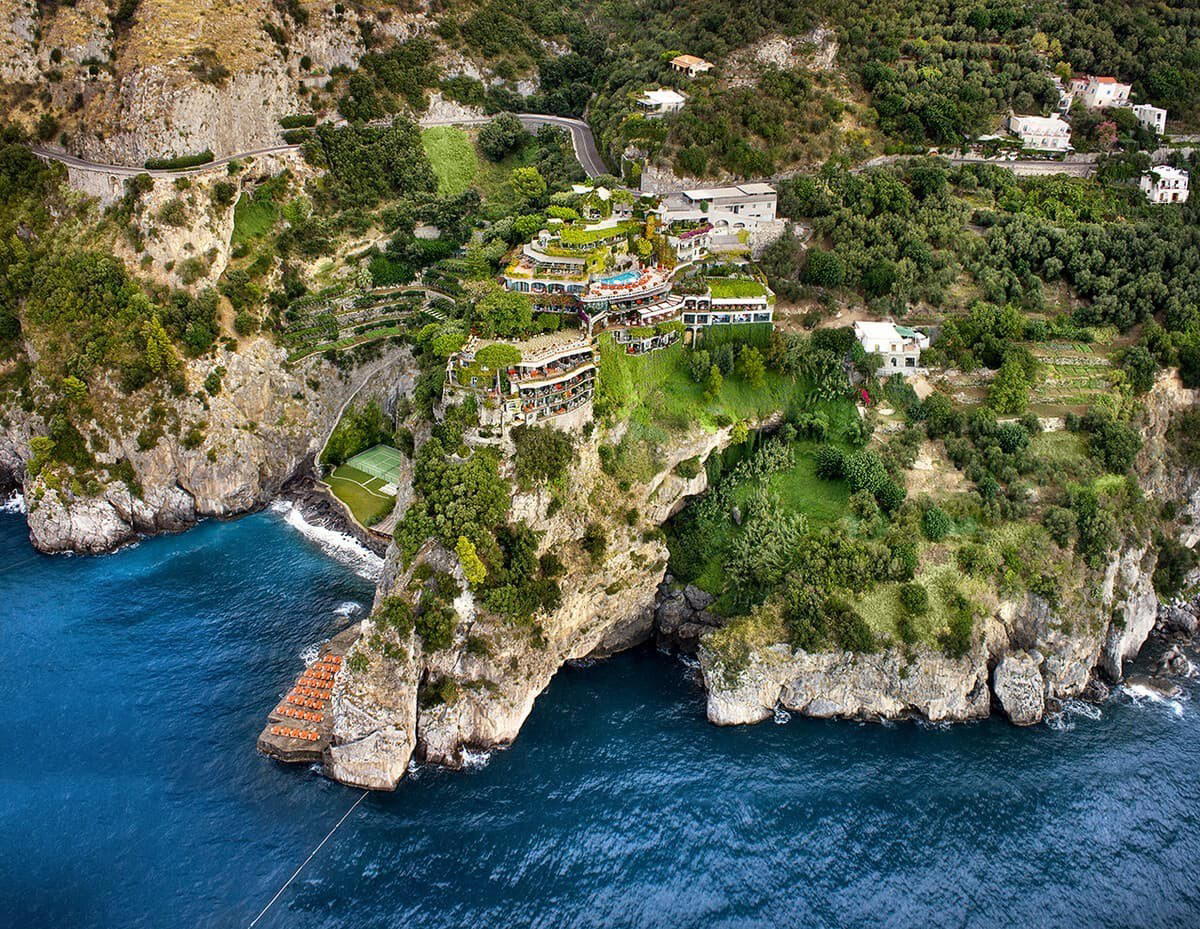
The road into Praiano drops steeply from the SS163, the coastal highway that threads the Amalfi peninsula between cliff face and open sea. Marina di Praia sits at the bottom of that descent: a small cove, a handful of boats, and a cluster of restaurants that have been feeding fishermen, locals, and visitors since long before the coast became a fixture in travel writing. Trattoria Da Armandino occupies that setting on Via Marina di Praia, which places it in the specific category of Amalfi dining that operates closest to the source, in the physical and culinary sense.
The trattoria format matters here as context. Italy's trattorias function in a different register from ristoranti, and the distinction has nothing to do with quality. A trattoria's contract with the diner is one of honest, place-specific cooking: fewer dishes, less ceremony, sharper focus on what the season and the locality provide. On the Amalfi Coast, that contract has historically meant fresh-caught fish, house-made pasta in the Campanian tradition, and the vegetables that grow on the terraced hillsides above the water. Lemon, capers, anchovies, and local olive oil appear not as garnishes or gestures toward regionality but as structural ingredients. This is the culinary grammar that trattorias like Armandino work within, and it is a grammar the coast has been writing for centuries.
The Setting as Part of the Meal
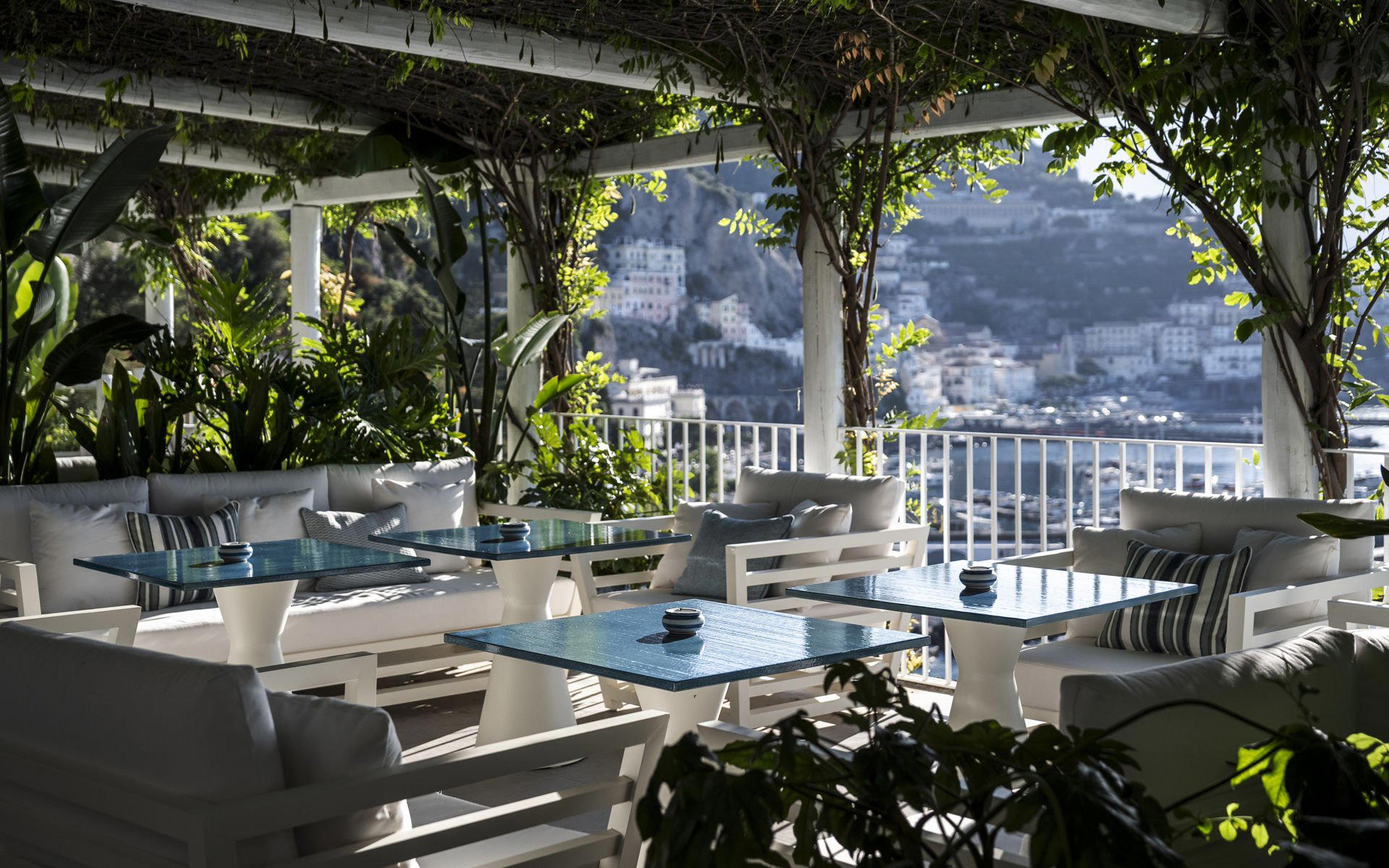
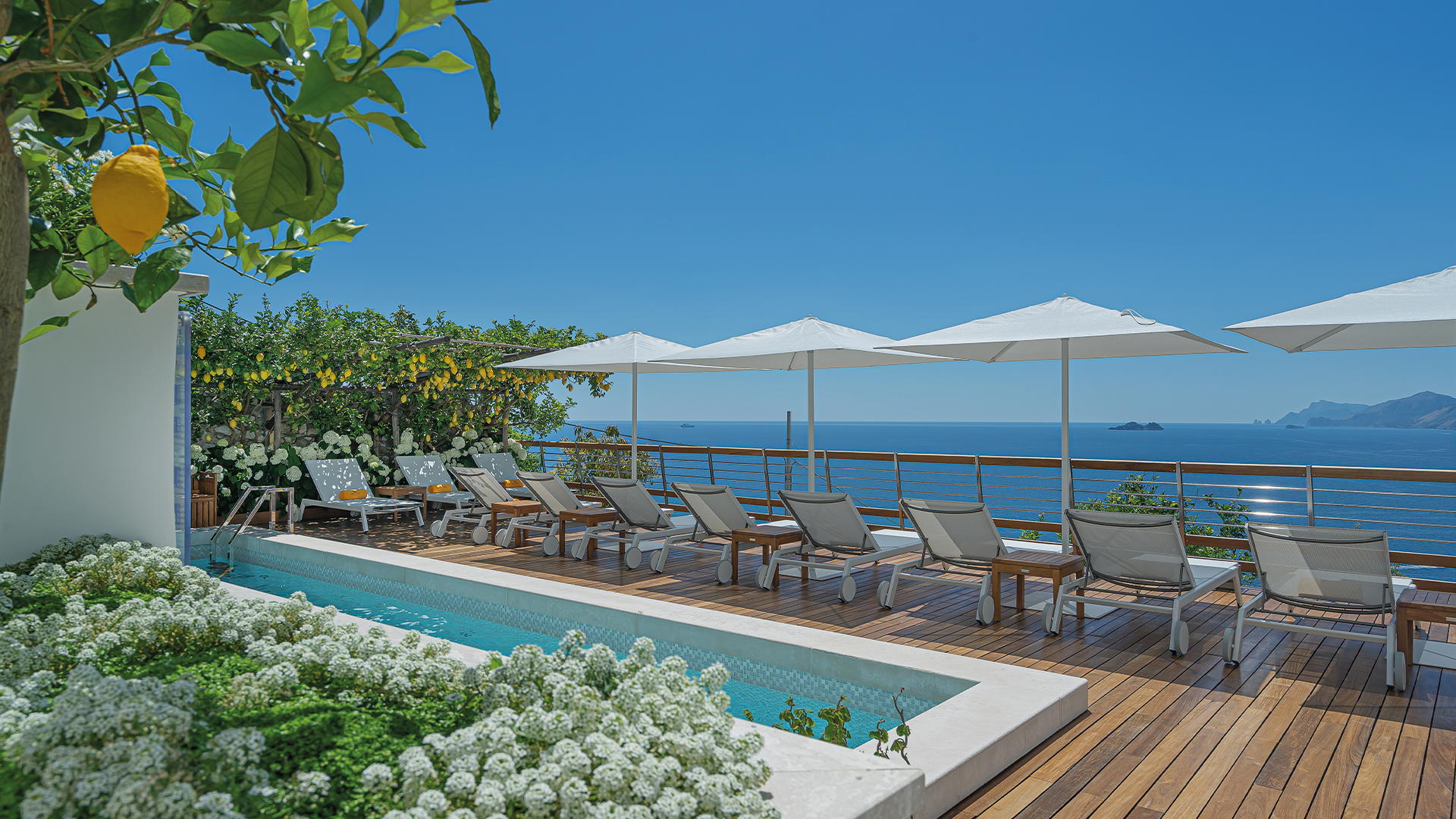
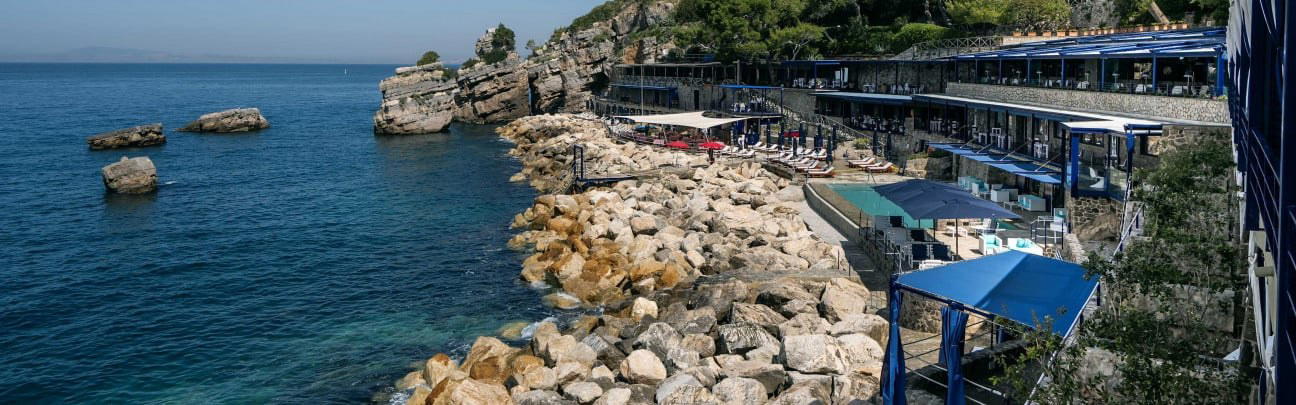
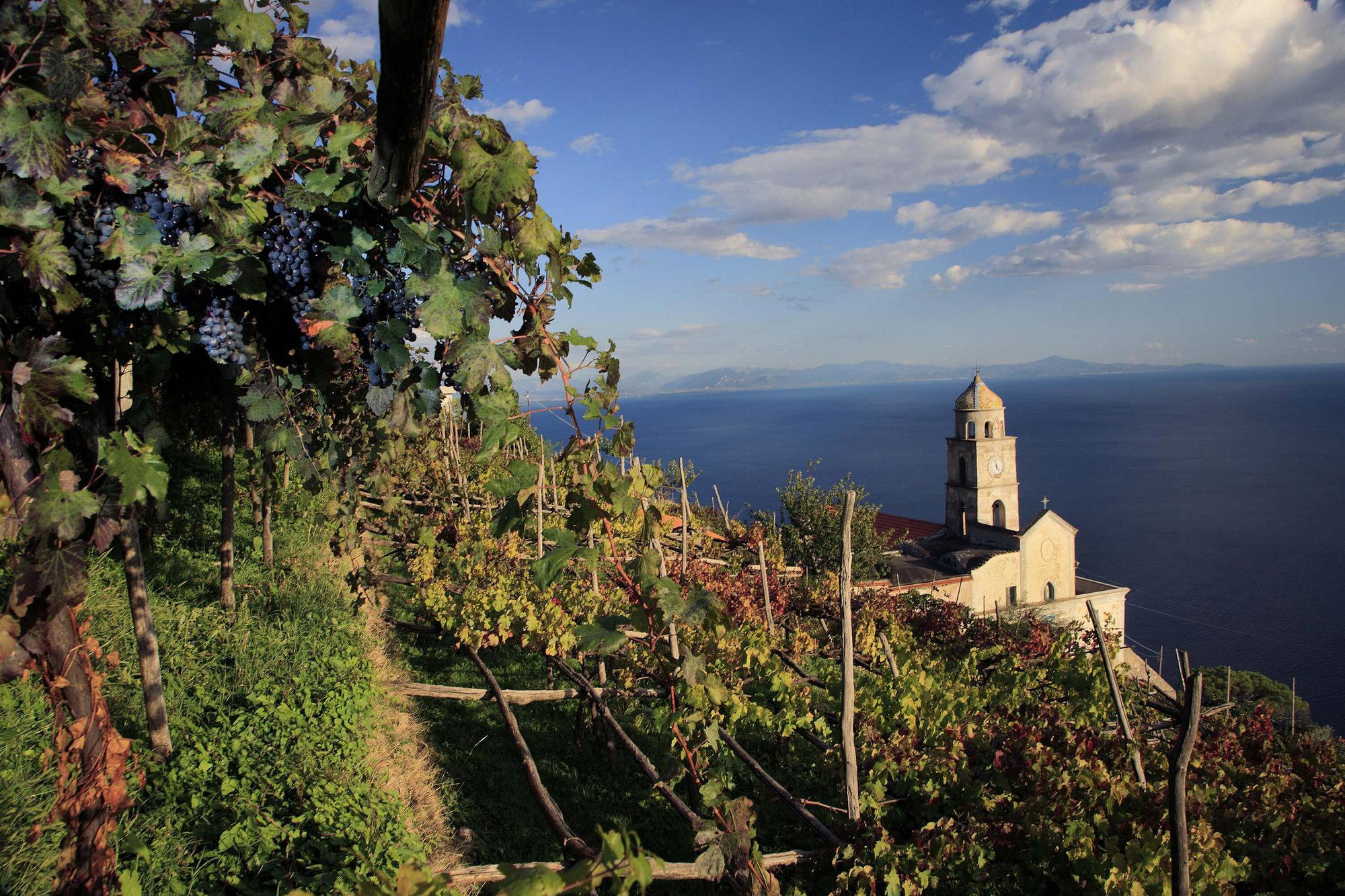
Marina di Praia is one of Praiano's most immediate physical anchors. Unlike Positano, which pitches itself at a volume the whole coast can hear, Praiano has maintained a lower register, attracting visitors who have already done the showpiece towns and are now looking for something less curated. The cove at Marina di Praia carries that quality directly. The scale is small, the approach is on foot down a steep path, and the surrounding rock creates an enclosure that keeps the setting intimate even in high summer.
For restaurants positioned along this stretch, the physical environment does real work. The proximity to working boats is not decorative. The kind of seafood that arrives from short-haul fishing in the Tyrrhenian Sea, used the same day, differs from what the supply chain delivers to kitchens further from the source. This is the practical argument for eating at the water's edge on the Amalfi Coast, and it is an argument that has been made in Italian coastal cooking since long before the coast became a tourism economy.
Visitors comparing options in Praiano will find a small but distinct range. Un Piano nel Cielo operates at the top of the local price tier with Mediterranean cuisine positioned in the €€€€ bracket, while Franchino offers a seafood-focused alternative at €€€. Criscito's rounds out the town's core dining options. Da Armandino fits into this small ecosystem in the trattoria register, which in Italian dining convention means the emphasis falls on consistent execution of regional forms rather than on the elaboration and innovation that marks the higher-tier rooms. For a fuller picture of where each fits, our Praiano restaurants guide maps the options across the town's dining character.
Campanian Cooking and What It Actually Means
The cuisine of Campania, the region that contains Praiano and the Amalfi Coast, is one of the most imitated and least accurately understood in Italy's south. Outside Italy, its export form, pizza napoletana, pasta with tomato, and fried seafood, represents only a fraction of what the regional table looks like at the local level. The Amalfi Coast specifically has a coastal cooking tradition built around preserved fish, particularly the local alici (anchovies) that the town of Cetara has dried and pressed into colatura for centuries, alongside the fresh catch and the agricultural produce of the hillside terraces.
Pasta forms in this stretch of coastline lean toward the short and handmade: scialatielli, a thick fresh pasta native to the Amalfi area, appears in seafood preparations that the rest of Italy's pasta tradition rarely replicates. The sauces are typically restrained by comparison with inland Campania, leaning on olive oil, white wine, and the natural liquor of fresh shellfish rather than heavy tomato reduction. The result is a style of coastal cooking that is technically simpler than high-end Mediterranean cuisine but specifically calibrated to the ingredients and the climate.
For readers tracking Italian fine dining across the country, this kind of trattoria context sits at a considerable distance from the three-Michelin-star rooms that have come to define Italian gastronomy internationally. Places like Osteria Francescana in Modena, Le Calandre in Rubano, and Piazza Duomo in Alba work in a different tradition entirely, one of tasting menus, precise technique, and conceptual ambition. Closer to the Amalfi area, Quattro Passi in Marina del Cantone represents the formal end of coastal Campanian cooking with Michelin recognition. The trattoria format, by contrast, proposes something different: continuity over innovation, the specific over the conceptual. Neither is a lesser argument for going to the table.
Planning a Visit
Via Marina di Praia is reached on foot from the main coastal road, down a descent that requires reasonably comfortable footwear and rules out wheeled luggage. The cove is small and parking on the SS163 is limited, so arriving from within Praiano on foot is the practical approach for most visitors. High season on the Amalfi Coast runs from late June through August, when tables at the better-known cove restaurants fill quickly, particularly at lunch, when the beach crowd and day-trippers from Positano and Amalfi converge. Arriving earlier in the week or outside peak midday hours significantly improves the experience of the setting.
Praiano is connected by SITA bus along the coastal route, which runs between Sorrento and Salerno and stops at several points in town. The ferry service from Positano and Amalfi also operates seasonally, landing at Marina di Praia itself when conditions allow, which makes an approach by water among the most direct options available for certain visitors. As with most small trattorias in the south of Italy, confirming hours and availability directly before arrival is the practical minimum; contact details were not available at time of publication.
For readers situating a Praiano meal within a broader southern Italian itinerary, Reale in Castel di Sangro and Uliassi in Senigallia represent two different expressions of what serious Italian coastal and regional cooking looks like at the formal level, useful reference points for calibrating expectations across the country's considerable range. At the opposite end of the formality register, Dal Pescatore in Runate has maintained family-trattoria roots across decades while accumulating Michelin stars, a reminder that the format and the accolade are not mutually exclusive, even if they rarely coincide. International benchmarks for serious seafood cooking include Le Bernardin in New York City, a useful reference for understanding how far the trattoria tradition and the fine-dining one have diverged in their approaches to the same raw material. Other comparative points of reference: Enoteca Pinchiorri in Florence, Enrico Bartolini in Milan, Atelier Moessmer Norbert Niederkofler in Brunico, Da Vittorio in Brusaporto, Casa Perbellini 12 Apostoli in Verona, and Lazy Bear in San Francisco.
Frequently asked questions
Where is Trattoria Da Armandino located?
Trattoria Da Armandino is located at Via Marina di Praia, 84010 Praiano SA, Italy, Praiano.
How do you get to Trattoria Da Armandino at Marina di Praia in Praiano?
Trattoria Da Armandino is at Via Marina di Praia, 84010 Praiano SA, accessed by descending a steep pedestrian path from the SS163 coastal highway. The descent takes roughly five to ten minutes on foot and is not suitable for wheeled luggage or those with limited mobility. Drivers coming along the Amalfi Coast road will find a small tunnel entrance marking the turn-off for the cove.
What do people recommend at Trattoria Da Armandino?
Trattoria Da Armandino sits at Via Marina di Praia in Praiano, a cove that puts fishing boats within arm's reach of the kitchen, so the seafood is what draws repeat visits. Campanian coastal cooking here typically runs to whatever came off the boats that morning, dressed simply in the regional style: olive oil, lemon, local herbs. Expect the kind of menu where the waiter's verbal recitation matters more than the printed card.
Do they take walk-ins at Trattoria Da Armandino?
Marina di Praia is a small cove with limited seating options, and Trattoria Da Armandino is one of the anchor tables there. Walk-ins may work on quieter weekdays, but the location, a steep descent from the SS163, filters out casual foot traffic, so the room fills with people who made the trip deliberately. Booking ahead, particularly in July and August, is the practical approach.
What's the defining dish or idea at Trattoria Da Armandino?
The defining idea is proximity: the kitchen operates steps from a working marina in Praiano, which shapes what ends up on the plate more than any set menu concept would. Campanian cooking at this level of informality is about restraint, local catch, regional produce, minimal intervention. The setting at Via Marina di Praia is part of the proposition in a way that distinguishes it from Amalfi's more theatrical dining rooms.
Do they accommodate allergies at Trattoria Da Armandino?
No allergy or dietary accommodation policy is documented for Trattoria Da Armandino. As with most small trattorias on the Campanian coast, the best approach is to raise requirements directly when booking or on arrival, the menu at a place like this tends to be short and cooked to order, which gives the kitchen more flexibility than a larger operation would have.
Is Trattoria Da Armandino worth the price?
Pricing details aren't published for Trattoria Da Armandino, but the Praiano context matters here: the town sits between Positano and Amalfi proper without either town's premium on tourist volume, which tends to keep restaurant prices closer to what locals actually pay. The walk down to Marina di Praia, and the walk back up, filters the crowd enough that the experience is about the food and the cove rather than the spectacle.
Pricing, Compared
| Venue | Cuisine | Price | Awards | Notes |
|---|---|---|---|---|
| Trattoria Da ArmandinoThis venue (the venue you are viewing) | Traditional Italian Seafood Trattoria | $30–50 | Not listed | Not listed |
| Un Piano nel Cielo | Modern Mediterranean Fine Dining | $150–200 | 1 Michelin Star · World's Best Wine Lists Awards WBWL 3-Star | Mediterranean Cuisine |
| Franchino | Refined Italian Seafood | $100–150 | Michelin Plate | Seafood |
| Criscito'S | Neapolitan Pizza | $20–30 | Not listed | Not listed |
Continue exploring
More in Praiano
Restaurants in Praiano
All restaurants in Praiano →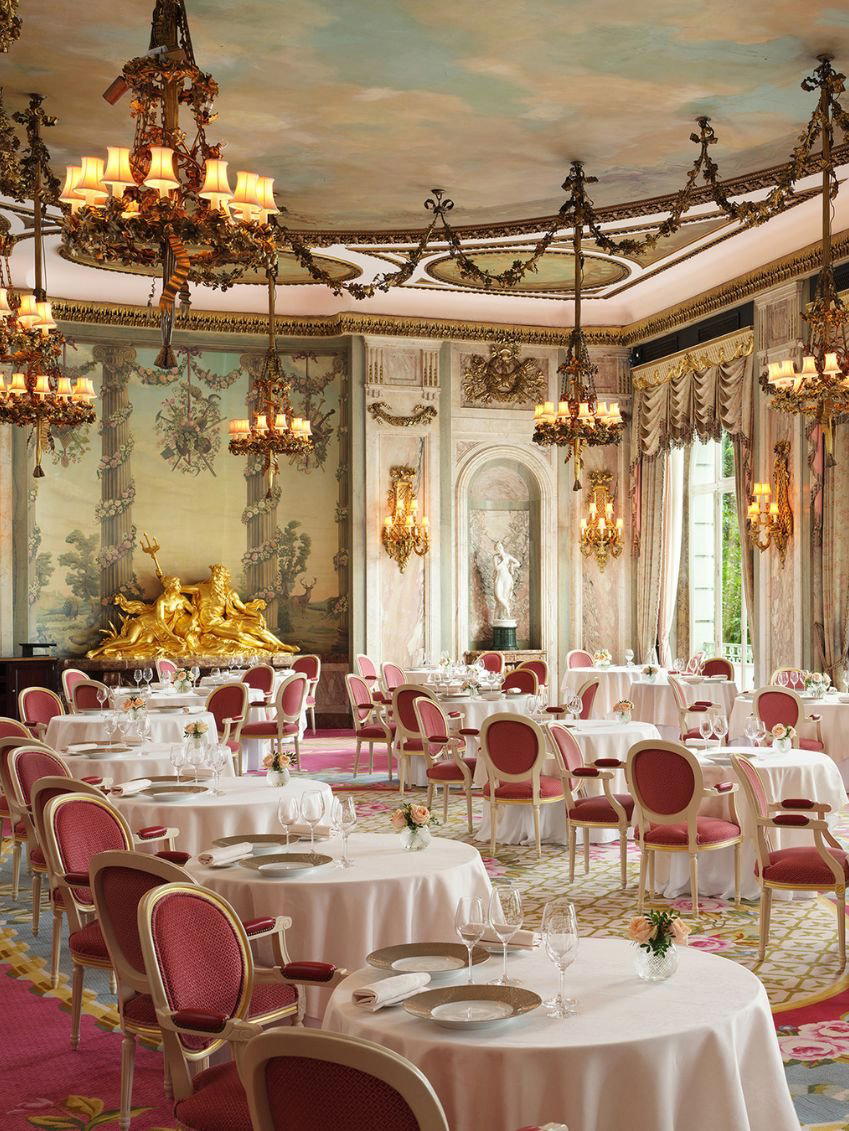
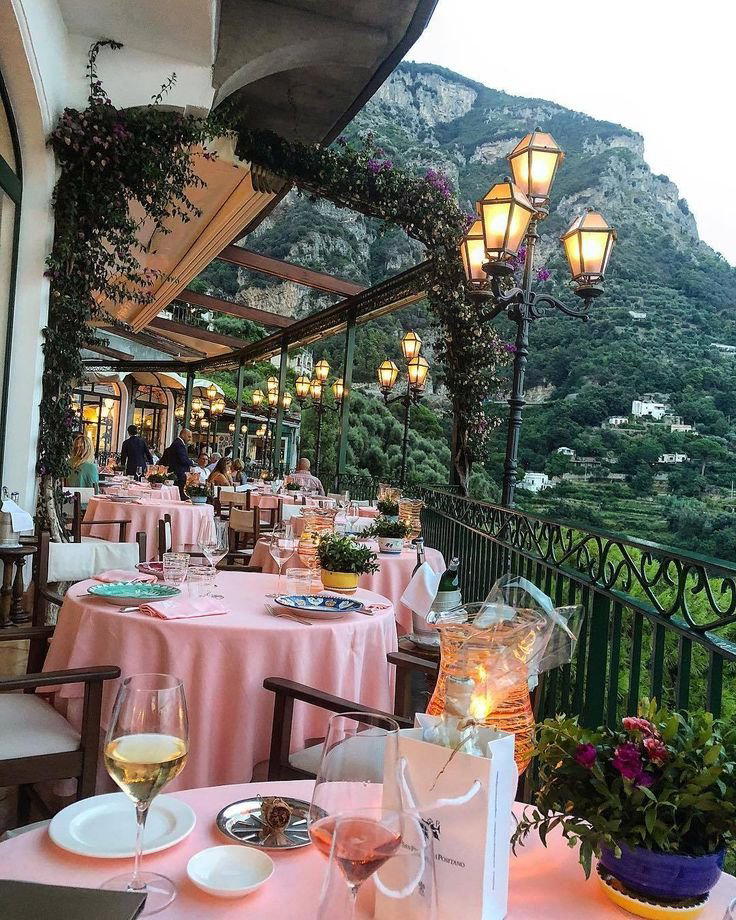
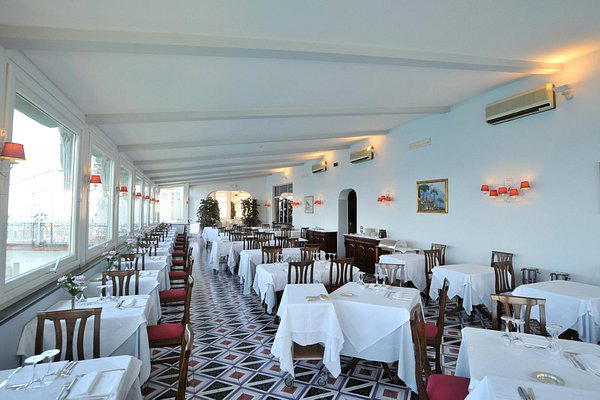
Bars in Praiano
Browse all →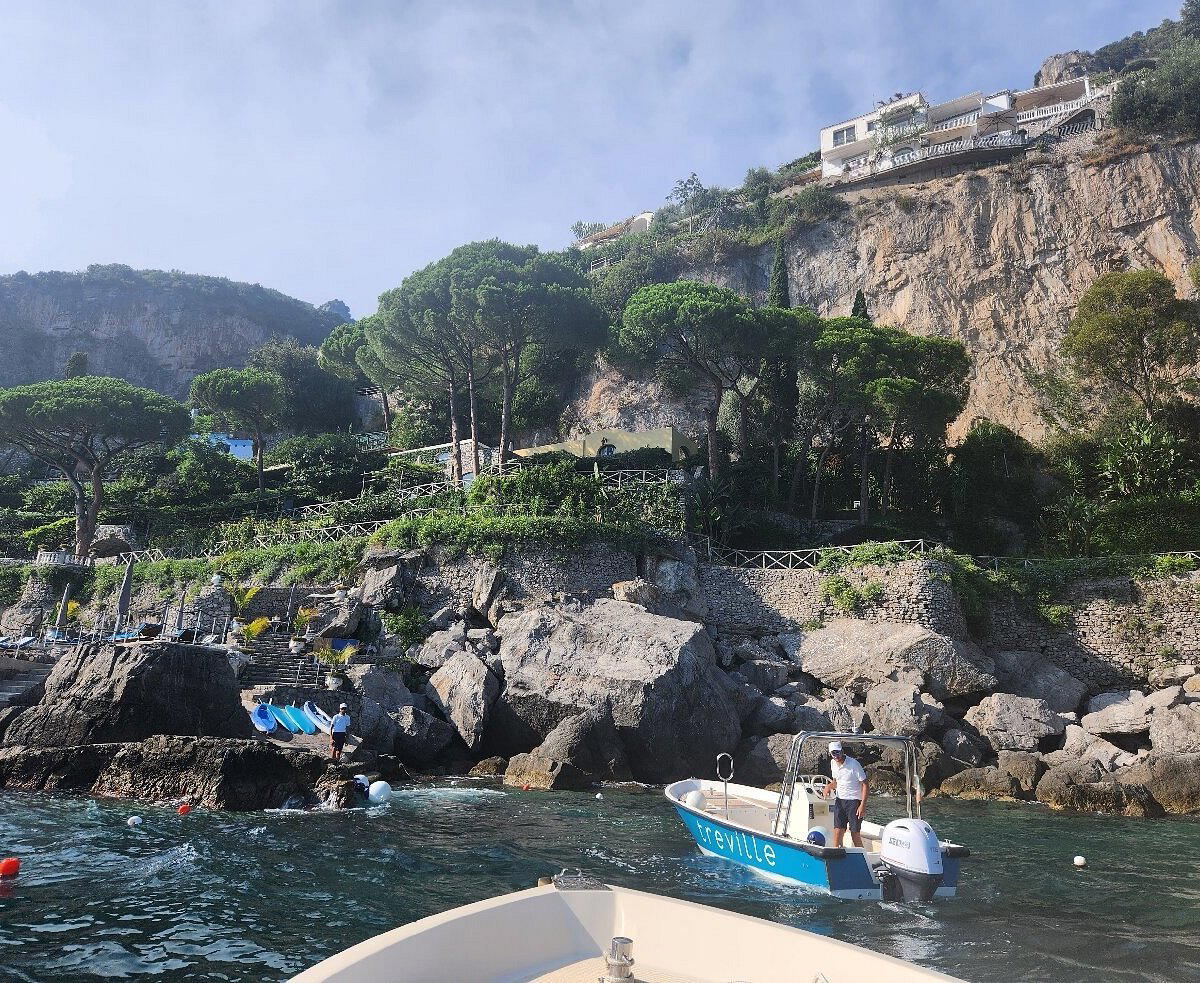

Details
- Romantic
- Rustic
- Scenic
- Cozy
- Intimate
- Date Night
- Special Occasion
- Terrace
- Waterfront
- Panoramic View
- Extensive Wine List
- Local Sourcing
- Waterfront
- A La Carte
- Vegetarian Friendly
- Vegan Options
- Gluten Free Options
Current opening hours
- Monday
- 1–3:30 PM, 7–10:30 PM
- Tuesday
- 1–3:30 PM, 7–10:30 PM
- Wednesday
- 1–3:30 PM, 7–10:30 PM
- Thursday
- 1–3:30 PM, 7–10:30 PM
- Friday
- 1–3:30 PM, 7–10:30 PM
- Saturday
- 1–3:30 PM, 7–10:30 PM
- Sunday
- 1–3:30 PM, 7–10:30 PM
Hours can change for holidays and private events. Hours as of .
Enchanting romantic atmosphere in an evocative seaside cove with simple familiar charm and dramatic sea views.