A longstanding Italian trattoria on Friesenwall in Cologne's Belgisches Viertel, Trattoria Casa Di Modica represents the kind of neighbourhood anchor that Cologne's dining scene has quietly relied on for decades. Against a backdrop of modernist tasting menus and Franco-German fine dining, it holds a different position: familiar, direct, and rooted in the southern Italian tradition that gives the name 'Modica' its geographic weight.
Pearl is the En Primeur Club membership app — saves, bookings, and concierge access live there. Same editors, same standards.
- Address
- Friesenwall 104, 50672 Köln, Germany
- Phone
- +4922127799656
- Website
- casa-di-modica.de
- Directions
- Get directions
 Saves & bookings on Pearl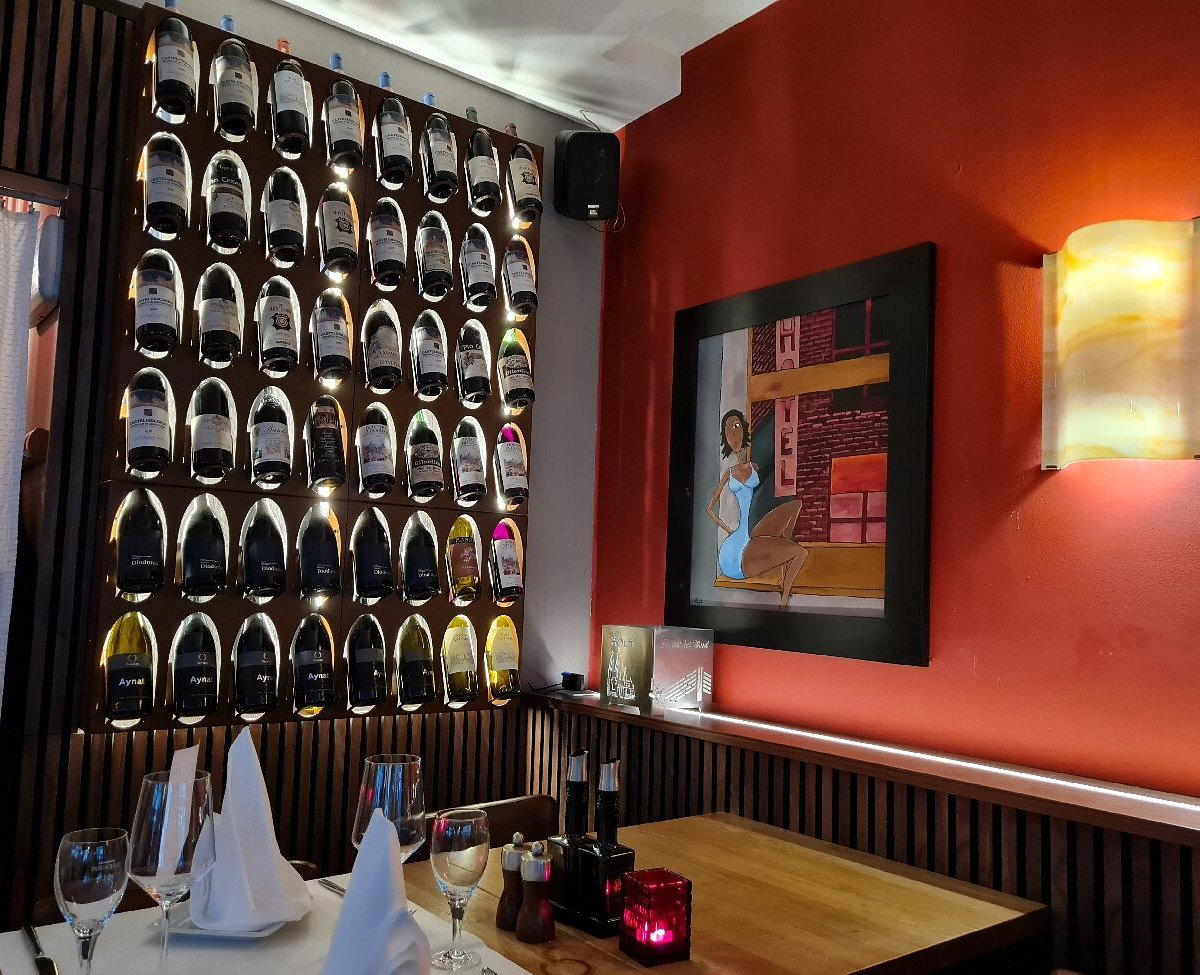
Italian Tradition in a City of Reinvention
Cologne's restaurant scene has reorganised itself considerably over the past decade. The Belgisches Viertel, where Friesenwall forms one of the neighbourhood's main arteries, has watched a wave of concept-driven openings arrive alongside its older residents. Modern cuisine destinations like Ox & Klee and La Société now compete for a more internationally minded audience, while French-leaning rooms such as La Cuisine Rademacher and Le Moissonnier Bistro have cemented the city's appetite for European fine dining. Into this shifting context, Trattoria Casa Di Modica occupies a quieter position: a southern Italian address that has held its ground without chasing the trends moving around it.
The name itself signals geography. Modica is a baroque hilltop city in southeastern Sicily, known in food circles primarily for its ancient chocolate-making tradition and a cucina that leans on broad beans, ricotta, and slow-braised meats rather than the tomato-heavy shorthand of Italian-American cooking. A trattoria framing that reference in Cologne is making a specific editorial claim about what kind of Italian cooking it intends to serve.
The Evolution of a Neighbourhood Anchor
What distinguishes long-running trattorias in German cities from their counterparts in Italy is not quality so much as function. In Italy, the trattoria format has remained essentially unchanged for generations: modest décor, a short handwritten menu, a carafe of house wine on the table before you ask. Transplanted to Germany, those same restaurants have had to negotiate between two pressures. The first is the expectation from local diners that Italian means pizza and pasta at mid-market prices. The second is the competing pull from a more educated dining public that wants regional specificity and culinary seriousness.
Casa Di Modica's position on Friesenwall places it within walking distance of some of Cologne's more progressive cooking. That proximity matters for how a venue like this evolves. Trattorias in equivalent positions in other German cities have moved in divergent directions: some tightened their regional focus, sharpening the Sicilian reference into a genuine identity; others broadened into pan-Italian bistro territory to hold a wider audience. Which direction Casa Di Modica has taken is something a first-time visitor will read in the menu's structure within minutes of sitting down.
The broader pattern across European cities is that Italian trattorias positioned near fine-dining corridors tend to develop a dual audience: the neighbourhood regulars who arrive on a Tuesday for pasta and a glass of something simple, and the more deliberate diners who come specifically because the trattoria format offers a respite from tasting-menu formality. Both audiences reward longevity differently, and a venue that has lasted on Friesenwall has almost certainly learned to serve both without losing its centre of gravity.
Cologne's Italian Tier and Where This Sits
Cologne's Italian dining options span a wide range, from thin-crust pizza spots in the Südstadt to more formal Italian kitchens that price against the city's French and modern German rooms. Casa Di Modica, by its format name alone, sits below that formal tier. Trattorias are, structurally, the middle register of Italian dining: more kitchen-serious than a pizzeria, less ceremonial than a ristorante. In a city where the upper bracket includes Michelin-recognised addresses and ambitious modern kitchens, the trattoria tier occupies a specific and genuinely useful niche.
For context on how the broader German fine-dining scene is structured, addresses like Vendôme in Bergisch Gladbach and Aqua in Wolfsburg define one end of the spectrum, while maiBeck in Cologne itself offers a more relaxed but still considered modern cooking. Casa Di Modica is not competing with those rooms. It is competing with the idea that good Italian cooking in Germany requires compromise, and a Sicilian-rooted trattoria earns its place on that basis alone.
Internationally, the restaurants setting the standard for what serious Italian-adjacent cooking can achieve at high levels include Le Bernardin in New York City for its demonstration of how European culinary traditions can embed themselves in a foreign city without dilution. Closer in format, Atomix in New York City shows how a kitchen can build a distinct cultural identity even when operating far from its source geography. These are not direct comparisons to a trattoria, but they establish the question that every immigrant-tradition restaurant must answer: how faithfully does it maintain the original signal?
The Friesenwall Address
Friesenwall sits at the edge of the Belgisches Viertel, Cologne's most design-conscious quarter, running between the old city fortification line and the commercial activity of Friesenplatz. The street is well-trafficked without being a tourist corridor, which gives a restaurant at number 104 a local clientele base rather than a passing-trade dynamic. That is exactly the condition under which a trattoria format performs well. Repeat customers who know the menu, trust the kitchen, and return for the familiarity of the experience are the substrate on which this kind of cooking survives.
Cologne's dining options across the city range from the Rhine waterfront to the western neighbourhoods. JAN in Munich, Schwarzwaldstube in Baiersbronn, and CODA Dessert Dining in Berlin offer reference points for what the country's kitchen culture looks like at its most progressive. Restaurant Haerlin in Hamburg, Schanz in Piesport, ES:SENZ in Grassau, Waldhotel Sonnora in Dreis, and Victor's Fine Dining by christian bau in Perl complete a picture of how seriously Germany has developed its fine-dining infrastructure over the past two decades.
Know Before You Go
Comparable Spots, Quickly
Comparable venues nearby, for context on price, style, and recognition.
| Venue | Cuisine | Price | Notes |
|---|---|---|---|
| Trattoria Casa Di ModicaThis venue — the venue you are viewing | Italian Trattoria | $$ | Not listed |
| Due | Classic Italian | $$ | Lindenthal |
| Mimmo & Santo | Traditional Italian Pizzeria | $$ | Nippes |
| Nonna Napoli | Neapolitan Pizza | $$ | Neustadt/Süd |
| Crusty Slices | Croissant Pizza | $$ | Altstadt/Nord |
| Spacca Napoli | Neapolitan Pizza | $$ | Ehrenfeld |
Continue exploring
More in Cologne
Restaurants in Cologne
Browse all →
Bars in Cologne
Browse all →

Hotels in Cologne
Browse all →

At a Glance
- Cozy
- Rustic
- Intimate
- Date Night
- Casual Hangout
- Family
- Standalone
- Extensive Wine List
Current opening hours
- Monday
- 12–2:30 PM, 6–9:30 PM
- Tuesday
- 12–2:30 PM, 6–9:30 PM
- Wednesday
- 12–2:30 PM, 6–9:30 PM
- Thursday
- 12–2:30 PM, 6–9:30 PM
- Friday
- 12–2:30 PM, 6–9:30 PM
- Saturday
- Closed
- Sunday
- Closed
Hours can change for holidays and private events. Last verified .
Warm and gemütlich with cozy lighting and a homely family feel.