Due occupies a residential address on Lindenthalgürtel in Cologne's Lindenthal quarter, placing it at some remove from the city's more visible fine-dining corridor. The venue operates within a local dining culture that has grown more attentive to precision and restraint over the past decade, and its position in a quieter neighbourhood reflects a broader shift in where serious eating in Cologne now happens.
Pearl is the En Primeur Club membership app — saves, bookings, and concierge access live there. Same editors, same standards.
- Address
- Lindenthalgürtel 62, 50935 Köln, Germany
- Phone
- +4922180069885
- Website
- due.koeln
- Directions
- Get directions
 Saves & bookings on Pearl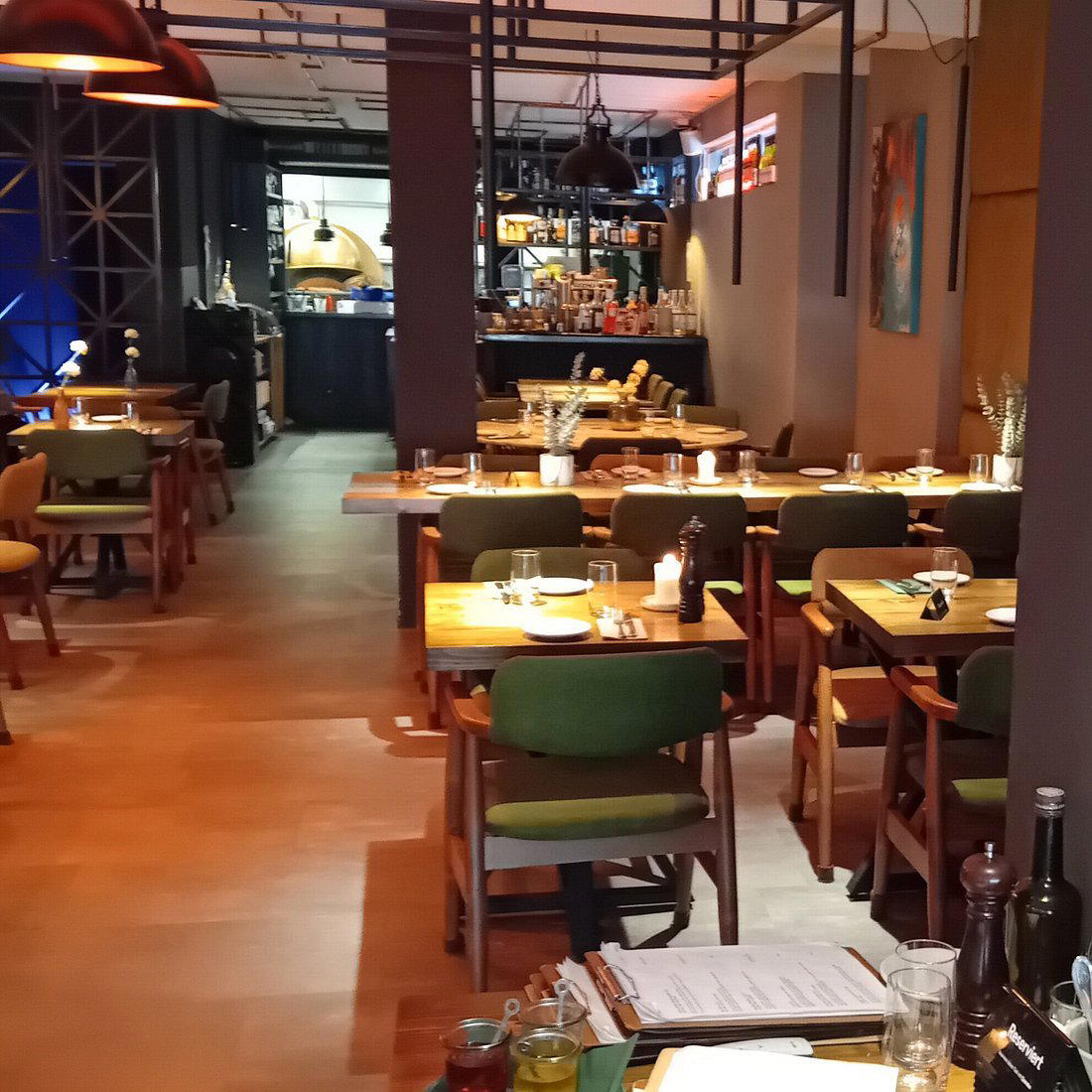
Lindenthal and the Quiet Relocation of Cologne's Serious Dining
Cologne's restaurant culture has undergone a gradual geographic redistribution. For years, the city's most-discussed tables clustered around the Altstadt and the inner ring, where footfall and visibility reinforced one another. Over the past decade, a different pattern has emerged: kitchens with something deliberate to say have started appearing in residential neighbourhoods, away from the tourist-density zones. Lindenthal, the leafy western quarter that runs along the Gürtel ring road, is one of the places where that shift is most visible. Due is a restaurant at Lindenthalgürtel 62 in Cologne, serving Classic Italian and priced at about $25 per person.
This matters for how you read the room before you even sit down. Lindenthal is a neighbourhood of wide pavements, pre-war apartment buildings, and the kind of local infrastructure, independent bakeries, wine merchants, neighbourhood pharmacies, that signals a stable, educated residential base rather than a passing crowd. A restaurant choosing this postcode is pitching to regulars and to guests who seek it out deliberately, not to passersby. That self-selection shapes everything from the pace of service to the assumptions the kitchen makes about what it can put on the plate.
How Cologne's Fine-Dining Mid-Tier Has Evolved
Germany's restaurant scene has spent the last fifteen years sorting itself into cleaner tiers. At the leading, Michelin-anchored houses like Vendôme in Bergisch Gladbach and Schwarzwaldstube in Baiersbronn operate with the staffing ratios and produce sourcing that three-star expectations demand. Below that, a more interesting and more dynamic middle tier has developed: kitchens that apply serious technique to a more compressed format, without the full theatre of a prestige tasting menu. Cologne has built a credible version of this middle tier. Ox & Klee holds Michelin recognition on the Rhine side of the city. La Cuisine Rademacher and La Société anchor the modern French and contemporary European registers. Le Moissonnier Bistro and maiBeck complete a picture of a city that has moved decisively past the beer-hall-or-nothing binary it was once caricatured by.
Due sits within this evolved context. Its Lindenthal address places it outside the competitive cluster of the inner city, which changes the peer-set logic: it is not fighting for the same walk-in traffic as the Rhine-adjacent rooms, and it does not need to. The venues it is most usefully compared to are those that have built loyal local audiences through consistency and point of view rather than through location advantage or award momentum. Across Germany, that approach has proven durable, Schanz in Piesport and Waldhotel Sonnora in Dreis are examples of kitchens that built their reputations at a distance from urban density, on the strength of what arrives at the table.
The Evolution Pattern: From Neighbourhood Address to Destination Consideration
The trajectory for a restaurant in Due's position follows a recognisable arc in German dining. The first phase is neighbourhood anchoring: building a reliable local base that fills covers on midweek evenings and generates the word-of-mouth that sustains a kitchen between the external attention cycles of guides and lists. The second phase, when it comes, involves a widening radius of guests who travel specifically for the meal, the same dynamic that has made rooms like JAN in Munich or ES:SENZ in Grassau part of the conversation for guests arriving from other cities.
Where Due sits in that arc is a question that the current details only partly answer. What the address does confirm is the postcode logic: Lindenthalgürtel is a residential main road with good public transport connections, which means the venue is accessible without being conspicuous. For guests approaching from the city centre, tram lines running along the Gürtel make the journey direct. For those arriving from outside Cologne, the address sits within reasonable distance of the main station via connection, the kind of journey that suits a deliberate destination dinner rather than a spontaneous one.
That deliberateness is the editorial through-line for a venue like this. The dining culture that has produced destination rooms at a residential scale, including, in different registers, CODA Dessert Dining in Berlin and Restaurant Haerlin in Hamburg, relies on guests who come with intention. Walk-in culture and spontaneous bookings are less relevant to how these rooms operate. The international comparison holds too: rooms like Le Bernardin in New York City and Lazy Bear in San Francisco have built their reputations on guests who plan ahead, and the residential-neighbourhood format in European fine dining increasingly mirrors that expectation at a smaller scale.
What the Address Implies About the Experience
What can be said with confidence is what the Lindenthalgürtel location implies: a kitchen positioned to serve a local-first audience in a neighbourhood that rewards restaurants with a clear point of view.
Comparisons with Michelin-level German kitchens, Aqua in Wolfsburg or Victor's Fine Dining by Christian Bau in Perl, illustrate what the upper tier of the country's dining culture looks like, and provide useful calibration for where a newer or less-documented room like Due might sit in relation to that benchmark.
Planning a Visit
Due is at Lindenthalgürtel 62 in Cologne's Lindenthal district, reachable by tram from the city centre. Booking is recommended, and hours are Mon to Thu 5 to 10:30 PM, Fri 5 to 11 PM, Sat 12:30 to 11 PM, and Sun 12:30 to 10:30 PM.
Cuisine and Recognition
Comparable venues nearby, for context on price, style, and recognition.
| Venue | Cuisine | Price | Notes |
|---|---|---|---|
| DueThis venue — the venue you are viewing | Classic Italian | $$ | Not listed |
| Mimmo & Santo | Traditional Italian Pizzeria | $$ | Nippes |
| Büdchen am Südpark | Neapolitan Pizza | $$ | Marienburg |
| Antica Pizzeria Nennillo | Authentic Neapolitan Pizza | $$ | Altstadt/Süd |
| Made in Napoli | Authentic Neapolitan Pizza | $$ | Neuehrenfeld |
| Spacca Napoli | Neapolitan Pizza | $$ | Ehrenfeld |
Continue exploring
More in Cologne
Restaurants in Cologne
Browse all →
Bars in Cologne
Browse all →
Hotels in Cologne
Browse all →

At a Glance
- Lunch
- Dinner
Current opening hours
- Monday
- 5–10:30 PM
- Tuesday
- 5–10:30 PM
- Wednesday
- 5–10:30 PM
- Thursday
- 5–10:30 PM
- Friday
- 5–11 PM
- Saturday
- 12:30–11 PM
- Sunday
- 12:30–10:30 PM
Hours can change for holidays and private events. Last verified .
Casual and comfortable atmosphere suitable for family dining.