On Zülpicher Strasse in Cologne's student-dense Kwartier Latäng, Nonna Napoli brings the domestic logic of southern Italian cooking to a neighbourhood that rewards casual regularity over ceremony. The address sits within walking distance of the Zülpicher Platz scene, placing it alongside a spectrum of eating options that runs from late-night kebab to serious wine bars. For Neapolitan-rooted cooking in an unfussy room, this is the Südstadt reference point.
Pearl is the En Primeur Club membership app — saves, bookings, and concierge access live there. Same editors, same standards.
- Address
- Zülpicher Str. 5, 50674 Köln, Germany
- Phone
- +4922198043256
- Website
- nonna-napoli.de
- Directions
- Get directions
 Saves & bookings on Pearl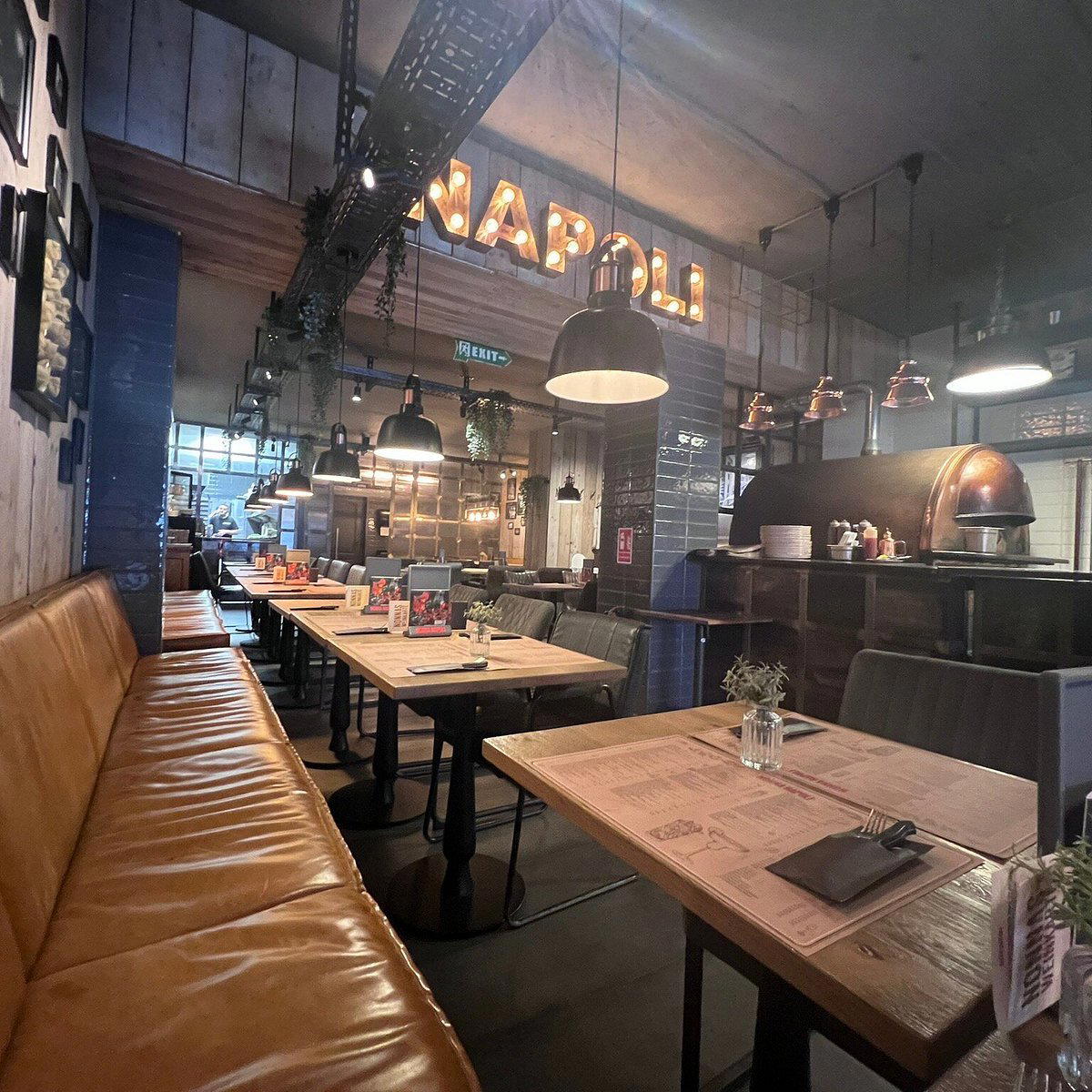
Zülpicher Strasse and the Case for Neighbourhood Italian
There is a particular kind of restaurant that a city needs more than it usually admits: the one that does not ask anything of you. No tasting menu commitment, no dress calculation, no performance of occasion. Cologne's Kwartier Latäng, the arc of streets around Zülpicher Platz that has functioned as the city's student and young-professional quarter for decades, has always produced these rooms, and Nonna Napoli on Zülpicher Strasse 5 fits that pattern. The street itself is a study in urban layering: record shops and apothecaries at street level, balconied flats above, and a density of eating and drinking options that keeps the pavement active well into the evening on most nights of the week.
Italian cooking occupies a specific position in German neighbourhood dining. It arrived in numbers during the postwar Gastarbeiter era and embedded itself so thoroughly that it now functions as a kind of default comfort category, present in every district, ranging from the perfunctory to the genuinely committed. The more interesting operators in that spectrum tend to be the ones that take regional specificity seriously: not a generic Italian menu, but something rooted in a particular place, with the cooking logic and ingredient priorities that place implies. Nonna Napoli's name signals Neapolitan allegiance, a southern Italian tradition built on tomato, wheat, and the direct heat of a wood-fired environment.
What Neapolitan Cooking Actually Means at the Table
Naples has among the more codified culinary identities in Italy, which is itself a country of intensely local food cultures. The city's claim on pizza is well-documented and formally recognised, Neapolitan pizza-making was inscribed on UNESCO's list of Intangible Cultural Heritage in 2017, but the broader cooking tradition runs deeper than that single product. Ragù that simmers for hours, fried street foods built on chickpea or wheat batter, pasta formats like spaghetti alle vongole that depend entirely on the quality of the clam rather than the complexity of the technique: these are all expressions of a cuisine that privileges ingredient quality and process patience over elaborate construction.
That discipline is worth noting in a neighbourhood context, because the temptation in a high-footfall student area is always to simplify toward speed and cost. The restaurants along Zülpicher Strasse that hold their ground over multiple years, as opposed to cycling through concepts every eighteen months, tend to be the ones that maintain some kind of culinary anchor rather than chasing the lowest common denominator. Consistency in sourcing and method is what produces repeat custom in a neighbourhood like this, and repeat custom is what sustains a room across different economic conditions.
Sustainability and the Logic of Italian Ingredient Discipline
There is a structural overlap between traditional southern Italian cooking and what the contemporary food world brands as sustainability. Cucina povera, the cooking of scarcity, which underpins much of Neapolitan and broader southern Italian tradition, was built around minimising waste by design. Bread that goes stale becomes panzanella or a thickener. Offal and secondary cuts appear on the menu because throwing them away was never an option. Tomatoes preserved at peak season supply the kitchen through winter. These are not ethical positions grafted onto a menu for marketing purposes; they are the original logic of the cuisine.
For a neighbourhood restaurant operating at accessible price points, this inheritance has practical value. A kitchen that thinks in terms of whole-product use, seasonal availability, and preservation keeps costs closer to manageable and menus closer to honest. The question for any Italian restaurant outside Italy is how faithfully that logic translates when the supply chain runs through a German wholesale market rather than a Campanian farm. The answer usually shows up in the tomato: whether it arrives from a tin of San Marzano DOP or from a catering-grade concentrate tells you most of what you need to know about a kitchen's priorities.
Restaurants like Ox & Klee and maiBeck operate with documented sourcing programs and modern cuisine frameworks that make provenance a visible part of the offer. La Cuisine Rademacher and La Société bring a French-influenced precision to their ingredient selection. Nonna Napoli operates at a different register, the neighbourhood trattoria rather than the destination restaurant, but the underlying principle of cooking with purpose and without excess is the same.
The Neighbourhood as Context
Zülpicher Strasse 5 puts the restaurant inside among the more active eating corridors in Cologne's left-bank inner city. The Kwartier Latäng functions differently from the more tourist-oriented Altstadt or the upmarket Belgisches Viertel a short distance north: the customer base is local, the price sensitivity is real, and the restaurants that earn loyalty do so through repetition rather than spectacle. Le Moissonnier Bistro on nearby Kurfürstenstrasse represents the French bistro end of the neighbourhood's range; the restaurant sits at the Italian end of the same informal register.
Germany's broader fine-dining scene extends from Aqua in Wolfsburg and Vendôme in Bergisch Gladbach to Schwarzwaldstube in Baiersbronn and JAN in Munich, with further reference points at ES:SENZ in Grassau, Waldhotel Sonnora in Dreis, Victor's Fine Dining by Christian Bau in Perl, Schanz in Piesport, Restaurant Haerlin in Hamburg, and CODA Dessert Dining in Berlin. For reference beyond Germany, Le Bernardin in New York City and Atomix in New York City represent the kind of sustained excellence that defines the international top tier. The restaurant belongs to a different conversation entirely, the one about where to eat well on a Tuesday.
Planning Your Visit
The restaurant is at Zülpicher Strasse 5, 50674 Köln, in the Kwartier Latäng. The address is walkable from Zülpicher Platz U-Bahn station, which sits on multiple lines connecting the southern inner city to the broader Cologne network. As a neighbourhood restaurant in a high-footfall area, evenings on Thursday through Saturday tend to fill quickly; arriving early or dropping in at lunch reduces the chance of a wait. Specific booking details, current hours, and any allergen accommodation should be confirmed directly with the restaurant before visiting.
Style and Standing
Comparable venues nearby, for context on price, style, and recognition.
| Venue | Cuisine | Price | Notes |
|---|---|---|---|
| Nonna NapoliThis venue — the venue you are viewing | Neapolitan Pizza | $$ | Not listed |
| Crusty Slices | Croissant Pizza | $$ | Altstadt/Nord |
| Antica Pizzeria Nennillo | Authentic Neapolitan Pizza | $$ | Altstadt/Süd |
| Lo Sfizio | Authentic Italian Trattoria | $$ | Neustadt/Nord |
| Made in Napoli | Authentic Neapolitan Pizza | $$ | Neuehrenfeld |
| Spacca Napoli | Neapolitan Pizza | $$ | Ehrenfeld |
Continue exploring
More in Cologne
Restaurants in Cologne
Browse all →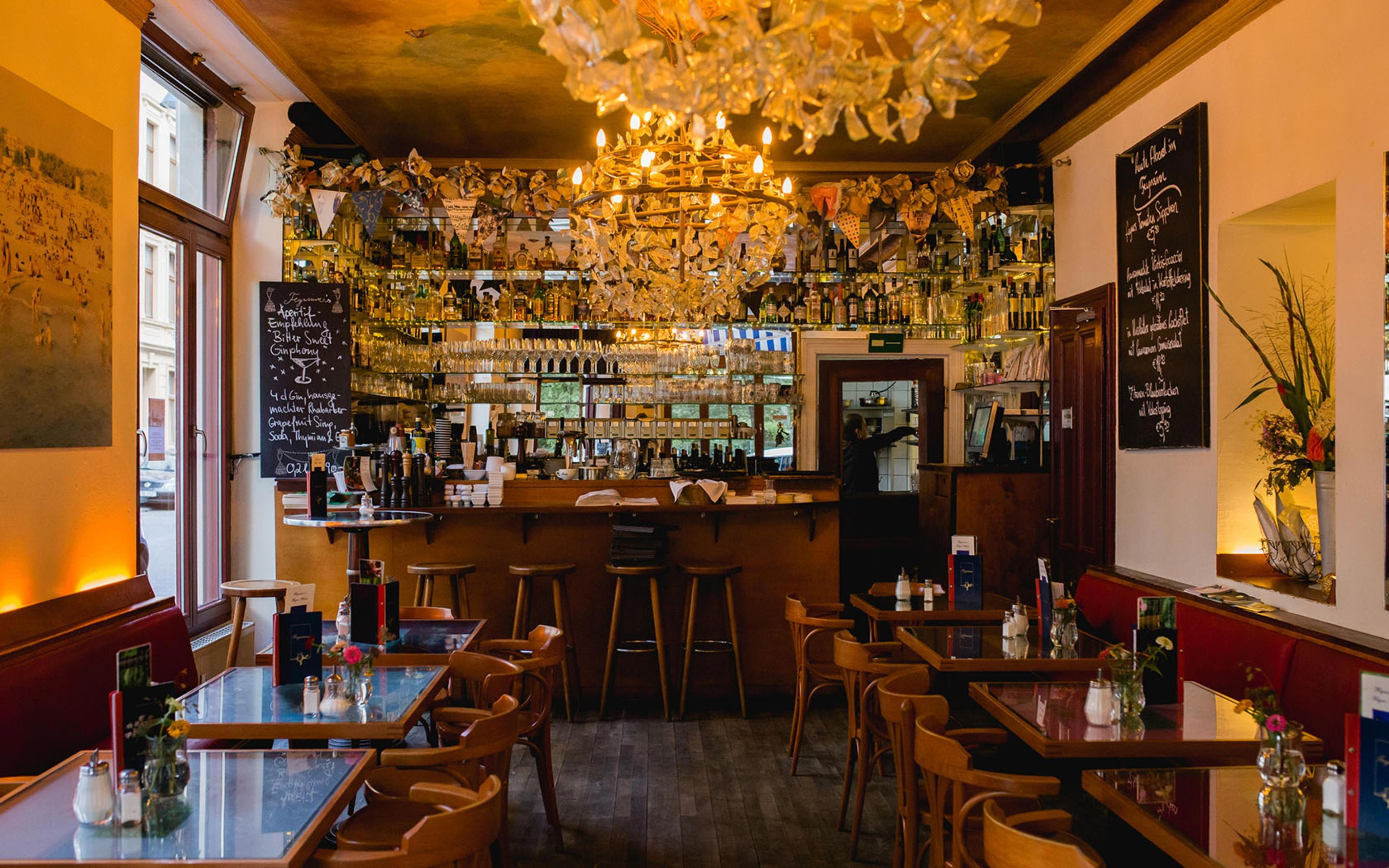
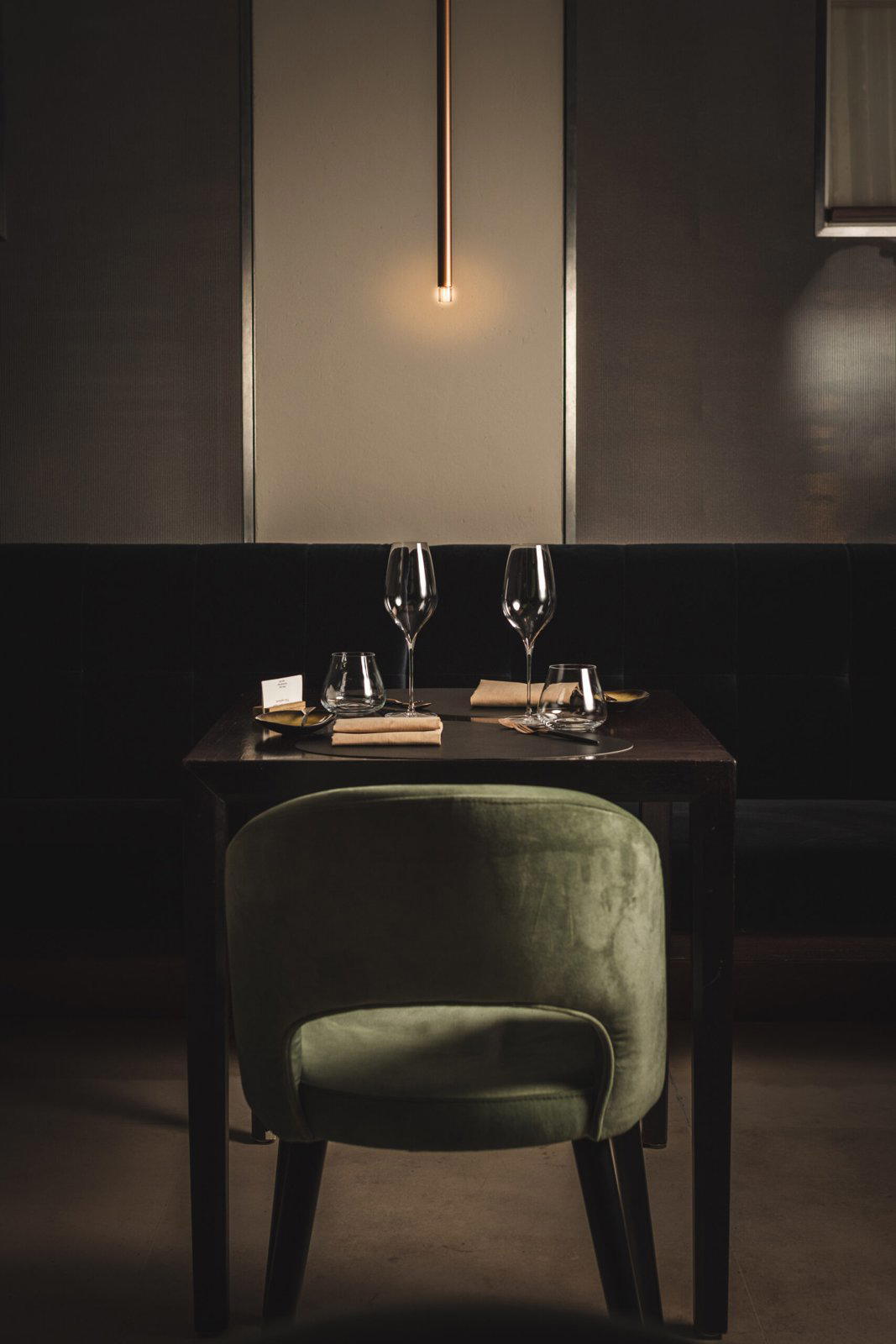
Bars in Cologne
Browse all →
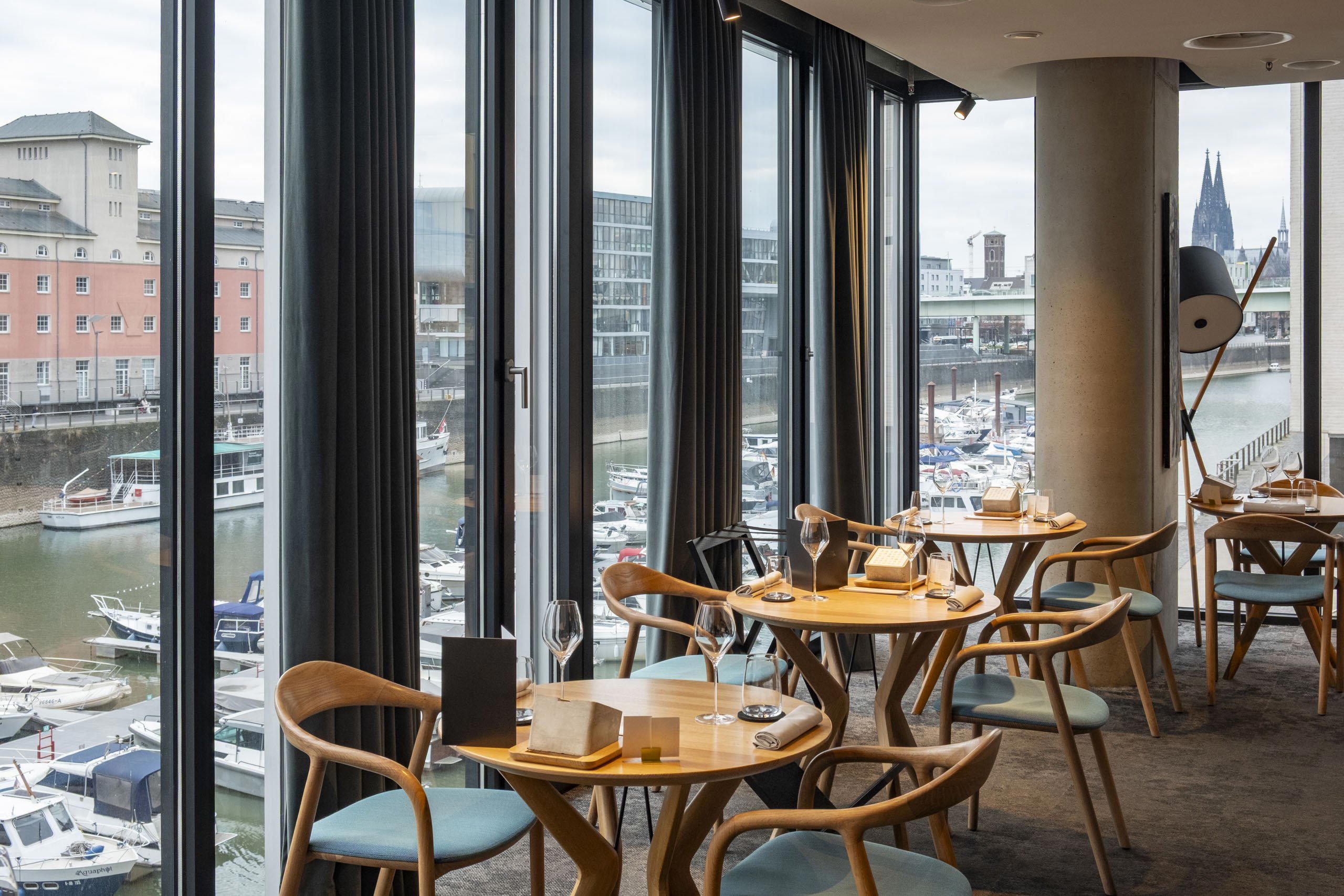
Hotels in Cologne
Browse all →


At a Glance
- Cozy
- Rustic
- Casual Hangout
- Group Dining
- Family
- Open Kitchen
- Beer Program
Current opening hours
- Monday
- 12–11 PM
- Tuesday
- 12–11 PM
- Wednesday
- 12–11 PM
- Thursday
- 12–11 PM
- Friday
- 12 PM–12 AM
- Saturday
- 12 PM–12 AM
- Sunday
- 12–11 PM
Hours can change for holidays and private events. Last verified .
Cozy and pleasant atmosphere with friendly service as noted by guests.