Trattoria Ai Colli Storici
A trattoria address along the old Custoza road, Trattoria Ai Colli Storici sits in the Verona hills where Veneto table culture has moved at its own pace for generations. The setting draws visitors making the short drive from Verona into the Lugana and Bardolino wine corridor. Check ahead for current hours and seasonal availability before visiting.
Pearl is the En Primeur Club membership app — saves, bookings, and concierge access live there. Same editors, same standards.
- Address
- Str. Ossario, 2, 37066 Custoza VR, Italy
- Phone
- +393945516014
- Directions
- Get directions
 Saves & bookings on Pearl
The Verona Hinterland and What It Asks of a Trattoria
The road out of Verona toward Custoza rises gently through a corridor that has supplied the city's tables for centuries. This is Veneto lake-country agriculture: Lugana vines on the southern shore of Garda, Bardolino territory to the north, and in between a series of low hills where the trattoria format has long had a natural home. The building at Strada Ossario 2 in Sommacampagna faces that landscape directly. It sits near the ossuary commemorating the 1866 Battle of Custoza, a location that places it within one of the Veneto's more historically loaded stretches of road, the kind of address where Sunday lunch has long been the social occasion, not a secondary one. Visitors making the roughly 15-kilometre drive southwest from central Verona will find the terrain shifts quickly from urban to agricultural, and the dining expectations shift with it.
Italy's trattoria tradition means something specific in this part of the country. Unlike the tasting-menu formats that define Casa Perbellini 12 Apostoli in Verona or the ambitious northern Italian creative cooking of Le Calandre in Rubano, the trattoria sits in a different register entirely: seasonal, local, unfussy, operating within a culinary grammar established long before anyone thought to award it stars. In the Verona hills, that grammar includes pasta built around the area's egg production, risotto using local rice traditions, freshwater fish from nearby Garda, and meat courses that lean on the agricultural hinterland rather than reaching for prestige ingredients. The trattoria is a different form with its own internal logic.
Custoza, the Colli, and a Cuisine Rooted in Place
Sommacampagna sits at the administrative edge of the Custoza DOC wine zone, a designation that produces white wines from Garganega, Trebbiano, and Cortese grapes grown on the morainic hills left by retreating glaciers. These wines have historically been the working wine of Veronese tables, local and affordable, and they anchor the kind of meal a trattoria in this zone was built to deliver: a carafe or a short list of regional bottles, followed by dishes that require no glossary. The wider Veneto trattoria repertoire includes bigoli in salsa, risotto all'Amarone, grilled meats, and seasonal vegetable preparations that shift with what the local farms produce. In late summer, zucchini flowers and tomatoes dominate; by autumn, porcini and game take over. The seasonality here is not a marketing point, it is a structural reality of how these kitchens source.
That regional context also explains why particularly closely watched Italian restaurant addresses, Osteria Francescana in Modena, Dal Pescatore in Runate, Enoteca Pinchiorri in Florence, or Piazza Duomo in Alba, occupy a tier that the trattoria format explicitly does not compete with. A venue like Atelier Moessmer Norbert Niederkofler in Brunico or Uliassi in Senigallia operates on entirely different structural terms: multi-course creative formats, destination dining windows, and price points calibrated against international peers. The Colli Storici address belongs to a separate conversation, one about neighbourhood sustenance, regional loyalty, and the kind of cooking that does not require advance reservation logistics or dress codes to function. Both traditions matter to Italy's dining culture; they simply answer different questions.
The Address and Who Uses It
The Strada Ossario address is not a destination in the way that coastal or high-altitude Italian restaurants become destinations, it is a local fixture that occasionally catches the attention of visitors already in the region for Garda, Verona's Arena opera season, or the wine estates of the Valpolicella and Lugana zones. The nearby Osteria Del Fil De Fero represents the same Sommacampagna dining orbit, and together they give visitors a sense of what eating in this commune actually looks like beyond the city proper. For anyone building an itinerary around northeastern Italian food and wine,
The Italian trattoria format at its most coherent operates on implicit trust: that the kitchen knows what the season is producing, that the wine list reflects what grows nearby, and that the room will be occupied by people who have been eating there long enough to need no explanation. Reservations are recommended, and direct contact is the practical approach. That opacity is itself characteristic of the format: well-functioning trattorias in Italy's agricultural zones have rarely depended on digital visibility to fill their rooms.
Planning a Visit from Verona
Sommacampagna is accessible by car from central Verona in under twenty minutes, making it a viable lunch stop for visitors whose primary base is the city. The Custoza ossuary site nearby adds a cultural dimension to the drive for those interested in Risorgimento history. Check the opening hours before arrival. Ai Colli Storici sits in a moderate price tier, with lunch typically around $25 per person. The format suits groups comfortable with a slower, multi-course Italian lunch rhythm rather than those seeking a quick or abbreviated meal.
For reference, the range runs from Enrico Bartolini in Milan and Da Vittorio in Brusaporto at the summit of the Italian creative register, through regional anchors like Reale in Castel di Sangro and Quattro Passi in Marina del Cantone, down to neighbourhood trattoria formats that make no claim to that conversation but sustain a different and equally important part of Italian food culture. The same spectrum operates internationally, from La Pergola in Rome at the formal extreme to the kind of address that fills on word of mouth. Villa Crespi in Orta San Giulio, Le Bernardin in New York City, and Atomix in New York City belong to a global fine-dining circuit that operates on entirely different terms, useful as reference points for understanding how far the trattoria format sits from that world, and why that distance is a feature rather than a limitation.
Price Lens
Comparable venues nearby, for context on price, style, and recognition.
| Venue | Cuisine | Price | Notes |
|---|---|---|---|
| Trattoria Ai Colli StoriciThis venue — the venue you are viewing | Custoza, Traditional Italian Trattoria | $$ | Not listed |
| Osteria Del Fil De Fero | city center, Traditional Italian Osteria | $$ | Not listed |
| Pane e Vino | Not listed | $$ | Citta' Antica, Traditional Veronese Trattoria |
| Osteria Caffè Amaro | Garda, Rustic Veronese Osteria | $$ | Not listed |
| Venchi Cioccogelateria | San Marco, Italian Chocolate Gelateria | $$ | Not listed |
| Antica Osteria Paverno | Not listed | $$ | Valgatara, Marano di Valpolicella, Traditional Veneto Trattoria |
Continue exploring
More in Sommacampagna
Restaurants in Sommacampagna
Browse all →
Bars in Sommacampagna
Browse all →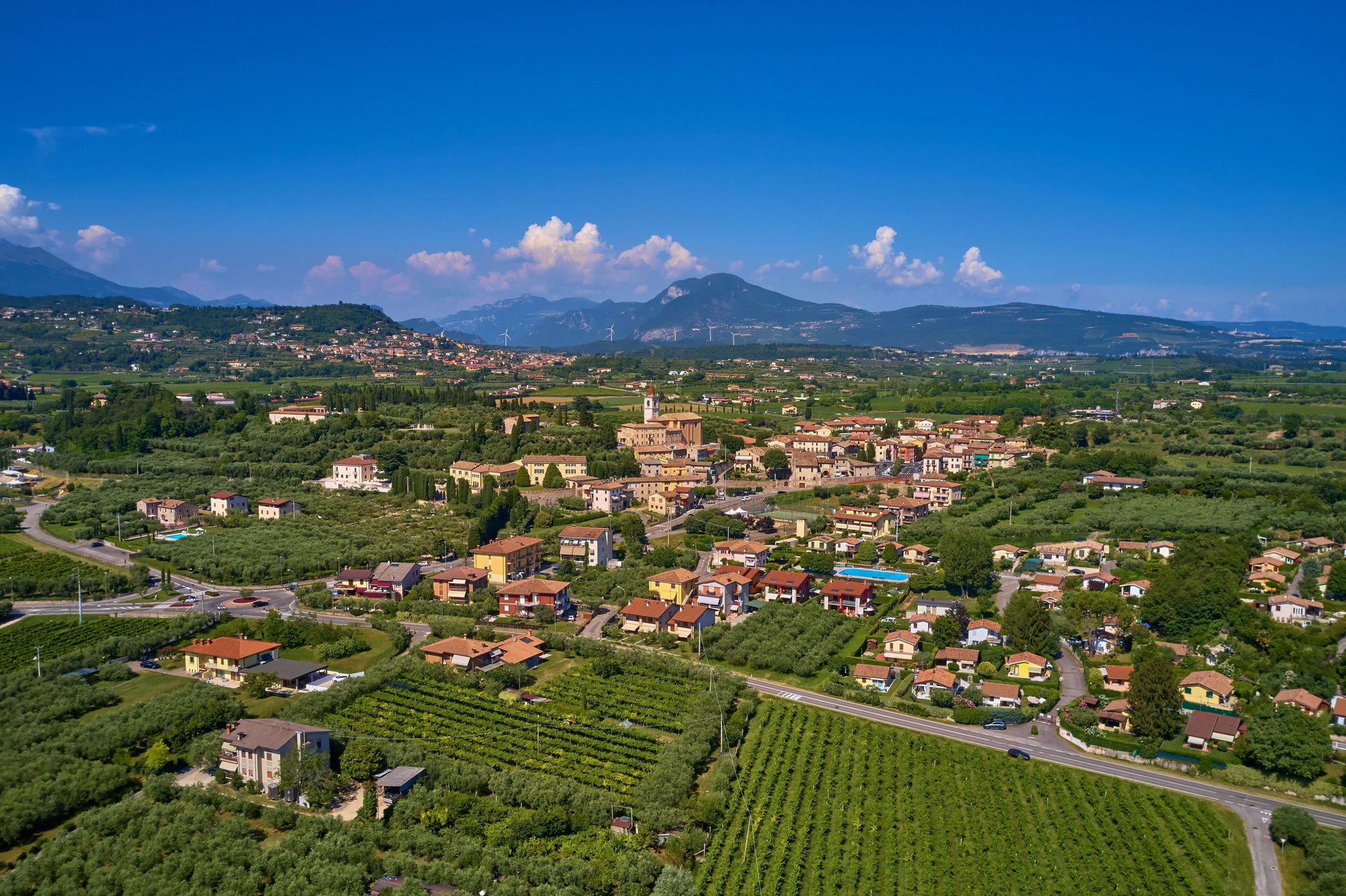
Hotels in Sommacampagna
Browse all →
At a Glance
- Rustic
- Cozy
- Classic
- Family
- Casual Hangout
- Historic Building
- Local Sourcing
Current opening hours
- Monday
- Closed
- Tuesday
- Closed
- Wednesday
- 12–3 PM, 7:30–10:30 PM
- Thursday
- 12–3 PM, 7:30–10:30 PM
- Friday
- 12–3 PM, 7:30–10:30 PM
- Saturday
- 12–3 PM, 7:30–10:30 PM
- Sunday
- 12–3 PM, 7:30–10:30 PM
Hours can change for holidays and private events. Last verified .
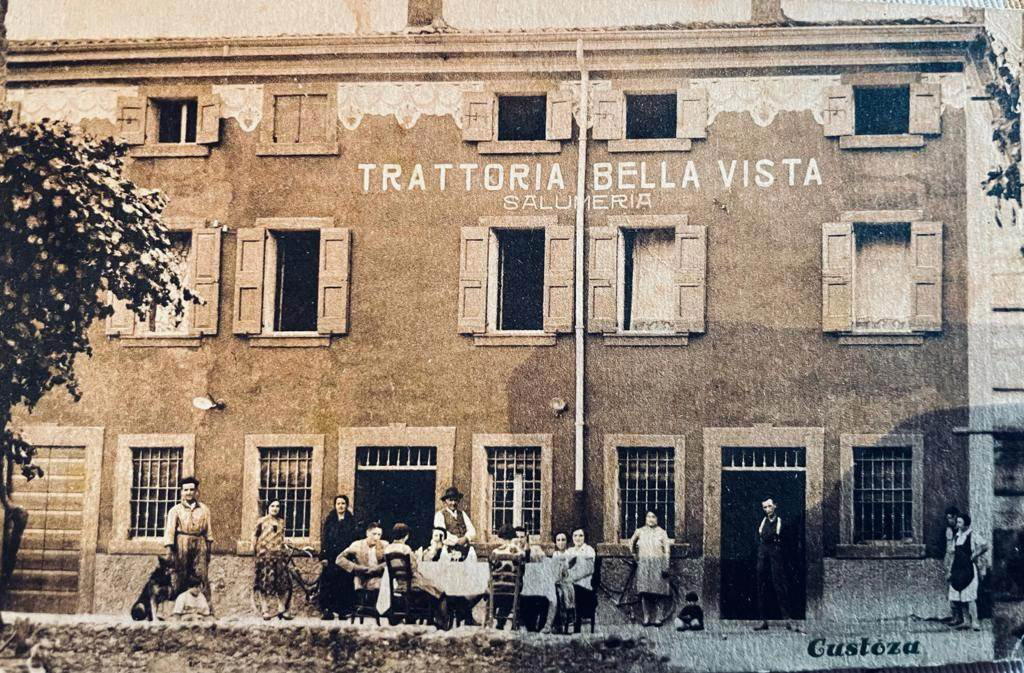
Quaint and inviting atmosphere in a countryside setting.