
A Michelin Selected hotel occupying a grand early-20th-century palazzo on Corso Porta Nuova, Hotel Indigo Verona - Grand Hotel Des Arts sits at the intersection of historic architecture and contemporary hospitality. The address places guests within walking distance of the Arena and the old city centre, with the building's layered past giving it a character that purpose-built hotels on the same street cannot replicate.
Pearl is the En Primeur Club membership app — saves, bookings, and concierge access live there. Same editors, same standards.
- Address
- Corso Porta Nuova, 105, 37122 Verona VR, Italy
- Phone
- +39 045 595600
- Website
- ihg.com
- Directions
- Get directions
 Saves & bookings on Pearl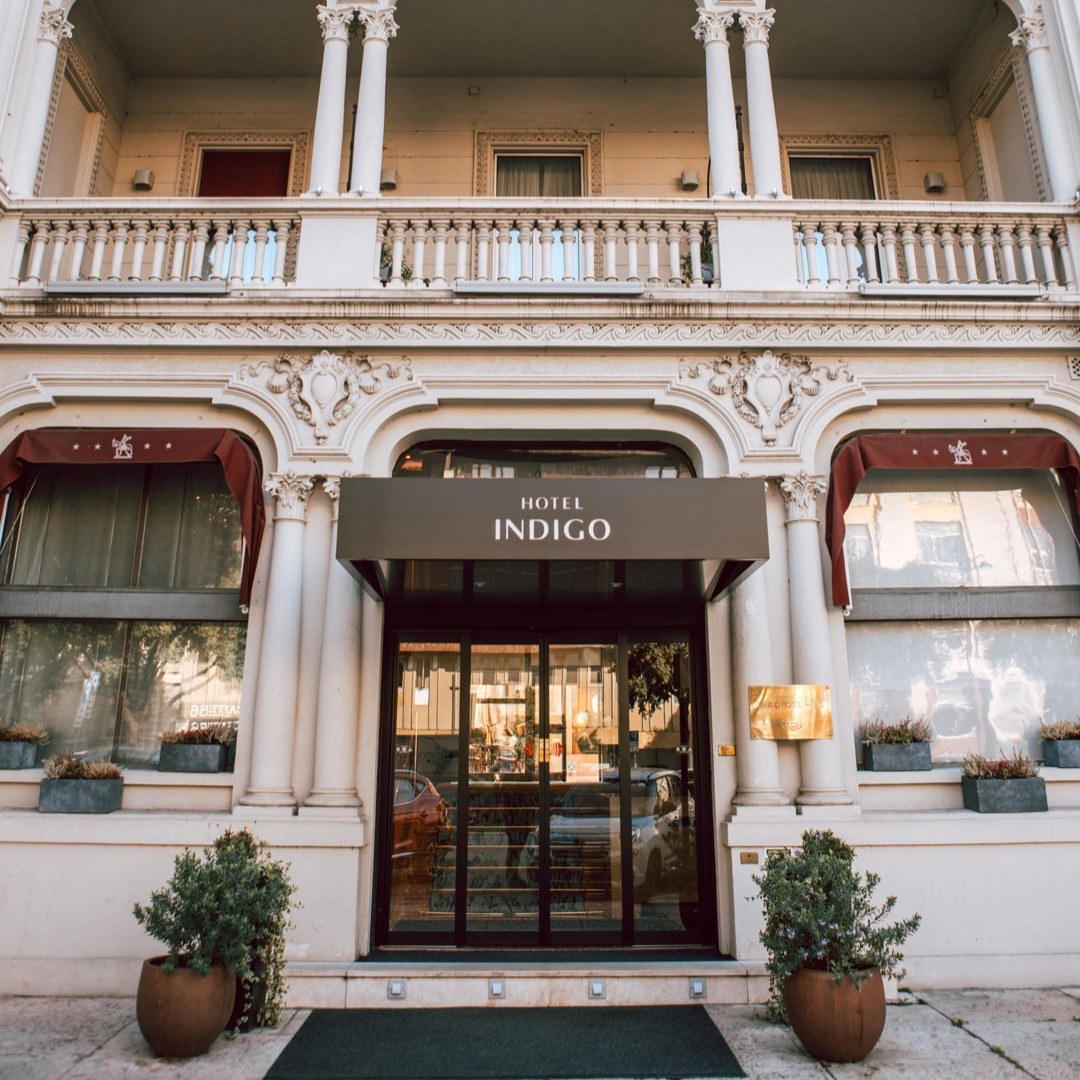
A Palazzo That Has Always Been in the Business of Arrival
Corso Porta Nuova is Verona's ceremonial approach road, the broad avenue that connects the main rail station to the ancient city gates, and the buildings along it have always played a role in how visitors first read this city. Hotel Indigo Verona - Grand Hotel Des Arts occupies one of the more architecturally considered addresses on that corridor, a palazzo whose early-20th-century bones carry the kind of formal grandeur that this stretch of Verona was designed to project. Walking toward the entrance, the scale of the facade registers before anything else: the proportions are generous, the stonework deliberate, and the rhythm of the windows belongs to an era when hotels were civic statements as much as commercial ones.
That heritage context matters here more than it would at a property with a neutral architectural shell. Hotel Indigo as a brand positions itself around the idea that each property should interpret its immediate neighbourhood, and in Verona that neighbourhood has a specific cultural weight. The city stages one of Europe's largest outdoor opera seasons inside the Roman Arena each summer, draws Shakespeare pilgrims year-round to the balcony on Via Cappello, and sits at the centre of a wine region whose Amarone and Soave have international reputations. A hotel on Corso Porta Nuova is not simply a place to sleep; it is a base for engaging with all of that, and the Grand Hotel Des Arts address has been doing precisely that for generations.
Where the Building Fits in Verona's Hotel Hierarchy
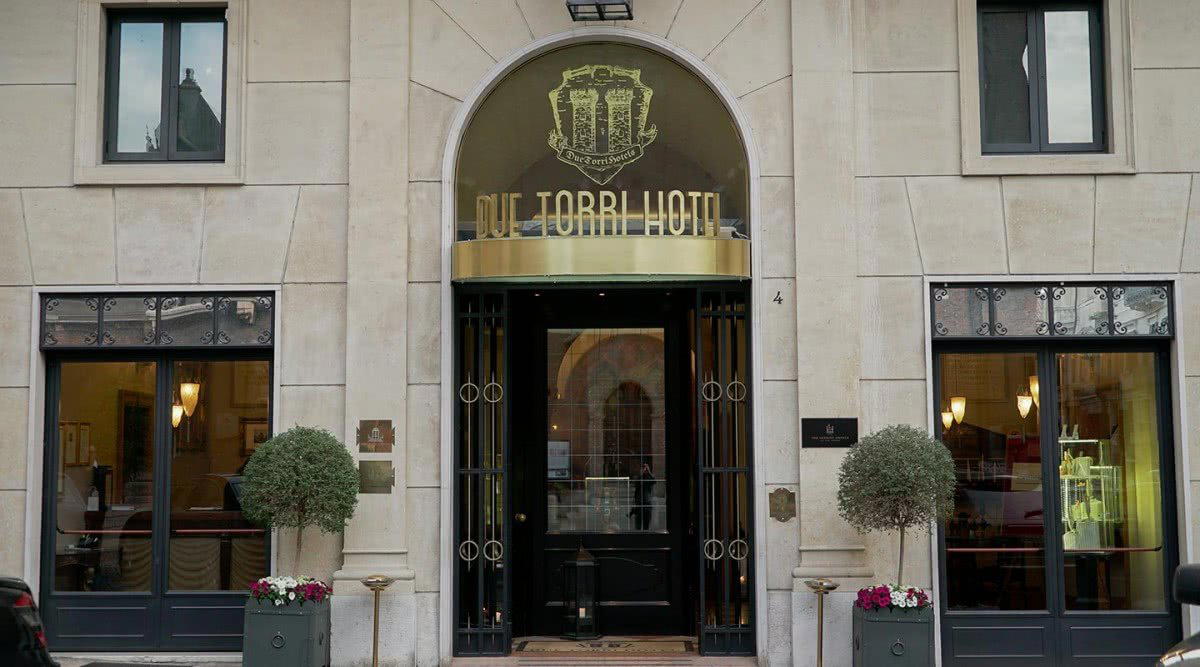
Verona's premium accommodation market has split into several distinct tiers over the past decade. At one end, historic palazzo conversions inside the centro storico compete on proximity to the Arena and the Roman theatre, with properties like Due Torri Hotel carrying the deepest historical pedigree in that group. At the other end, a cluster of design-led boutique addresses, including Escalus Luxury Suites and Relais Balcone di Giulietta, trades on intimacy and bespoke atmosphere rather than scale. Hotel Indigo Verona - Grand Hotel Des Arts occupies a middle ground: it has the architectural gravity of the larger historic properties while operating within a brand framework that emphasises local narrative. Its Michelin Selected distinction for 2025 places it in a recognised tier of European hotel quality.
For comparison, other Verona options worth considering alongside this property include NH Collection Palazzo Verona for those prioritising a chain infrastructure with historic setting, and Boutique Hotel Trieste or Butterfly Verona for travellers who prefer smaller, independently operated properties. For a rural Verona-region alternative, Agriturismo Delo and Hotel Veronesi La Torre serve a completely different use case.
The Grand Hotel Des Arts Heritage Layer
The "Grand Hotel Des Arts" name attached to this property is not decorative. It references a long tradition in European hospitality of hotels that positioned themselves as cultural meeting points, places where artists, performers, and intellectuals gathered during the grand tour era and the decades that followed. Verona, sitting at the intersection of the Venice-Milan rail axis since the mid-19th century, received a steady flow of travellers for whom the city's Roman amphitheatre and its operatic associations were the primary draw. Hotels on Corso Porta Nuova were the natural landing point for those arrivals, and the building that now houses the Hotel Indigo was part of that tradition.
This heritage layer is what differentiates the property from newer builds on the same street. The ceiling heights, the proportions of the public spaces, and the formal address all carry a legibility that connects to the city's history as a stop on the northern Italian cultural circuit. For guests who read hotels architecturally, that continuity adds a dimension that no amount of contemporary interior design can substitute. Italy has several comparable cases where a historic hotel identity has been absorbed into an international brand while retaining the original name and address as primary anchors: Savoia Excelsior Palace Trieste in the Starhotels Collezione portfolio is a useful regional parallel, where the prewar palazzo format survives inside a managed brand structure.
Verona's Seasonal Rhythm and When to Book
Verona operates on a pronounced seasonal calendar. The Arena di Verona opera festival runs from late June through early September, and that window compresses demand across every hotel category in the city. Properties on Corso Porta Nuova, positioned between the station and the old gates, serve as natural staging points for opera-goers arriving by train from Milan, Venice, or across the Brenner from Austria and Germany. During festival months, room availability at Michelin Selected properties tightens considerably, and the gap between early-booked and last-minute rates widens sharply. Outside that window, spring (April to early June) and early autumn (late September through October) offer particularly balanced conditions: the Amarone and Soave harvest activity adds a wine-tourism dimension, the Arena is quieter, and the city shows a different, more local character.
Travellers combining Verona with a broader northern Italian itinerary will find the city sits on a well-connected rail corridor. Venice is under two hours; Milan Centrale under ninety minutes. Those building a longer route might consider pairing Verona with Casa Maria Luigia in Modena for a food-region extension, or moving east toward Aman Venice for a contrast in scale and atmosphere. Further afield in Italy, the full spectrum runs from Four Seasons Hotel Firenze in Florence and Bulgari Hotel Roma in Rome at the grand urban end, to Rosewood Castiglion Del Bosco in Montalcino or Castello di Reschio in Lisciano Niccone for the rural-estate format. On the southern coast, Borgo Santandrea, Il San Pietro di Positano, and JK Place Capri anchor a completely different register. For those calibrating against European peers beyond Italy, Passalacqua in Moltrasio, Badrutt's Palace Hotel in St. Moritz, and Hôtel de Paris Monte-Carlo provide useful reference points for what the Michelin hotel recognition framework looks like across different price and prestige tiers. For urban North American comparison, The Fifth Avenue Hotel in New York City illustrates how the historic-address premium translates in a different market. And for those considering a design-led Italian property with a strong independent identity, Portrait Milano and Corte della Maestà in Civita di Bagnoregio offer instructive contrasts.
Planning Your Stay
The hotel address at Corso Porta Nuova 105 places guests approximately a ten-minute walk from the Arena di Verona and the historic centre. The main rail station, Verona Porta Nuova, sits at the opposite end of the same avenue, making the location practical for arrivals by train and for day trips to Lake Garda or the Valpolicella wine zone. Given the property's Michelin Selected 2025 status and its position on a high-demand corridor during opera season, booking well in advance of any June-to-September visit is advisable.
Peers You’d Cross-Shop
Comparable venues nearby, for context on price, style, and recognition.
| Venue | Cuisine | Price | Notes |
|---|---|---|---|
| Hotel Indigo Verona - Grand Hotel Des ArtsThis venue — the venue you are viewing | Charming boutique hotel in a historic Liberty-style palace | $$$ | Not listed |
| Hotel Veronesi La Torre | Historic monastery renovated into luxurious 4-star design hotel | $$$ | Dossobuono |
| Escalus Luxury Suites | Contemporary luxury boutique with heritage building preservation, combining modern design with historical Italian charm in a sustainable approach. | $$$$ | Citta' Antica |
| Agriturismo Delo | Historic agriturismo relais with medieval tower | $$ | Mizzole |
| Boutique Hotel Trieste | Art and design-focused boutique in historic city center | $$$ | Cittadella |
| Due Torri Hotel | Historic luxury heritage hotel blending period architecture with contemporary design, positioned as a refined destination for informed travelers seeking cultural immersion in Verona's historic center. | $$$$ | Citta' Antica |
Recognition history
Dated appearances from independent guides and award organizations, with the underlying list record or original source where available.
Michelin Selected
Michelin
Continue exploring
More in Verona
Hotels in Verona
Browse all →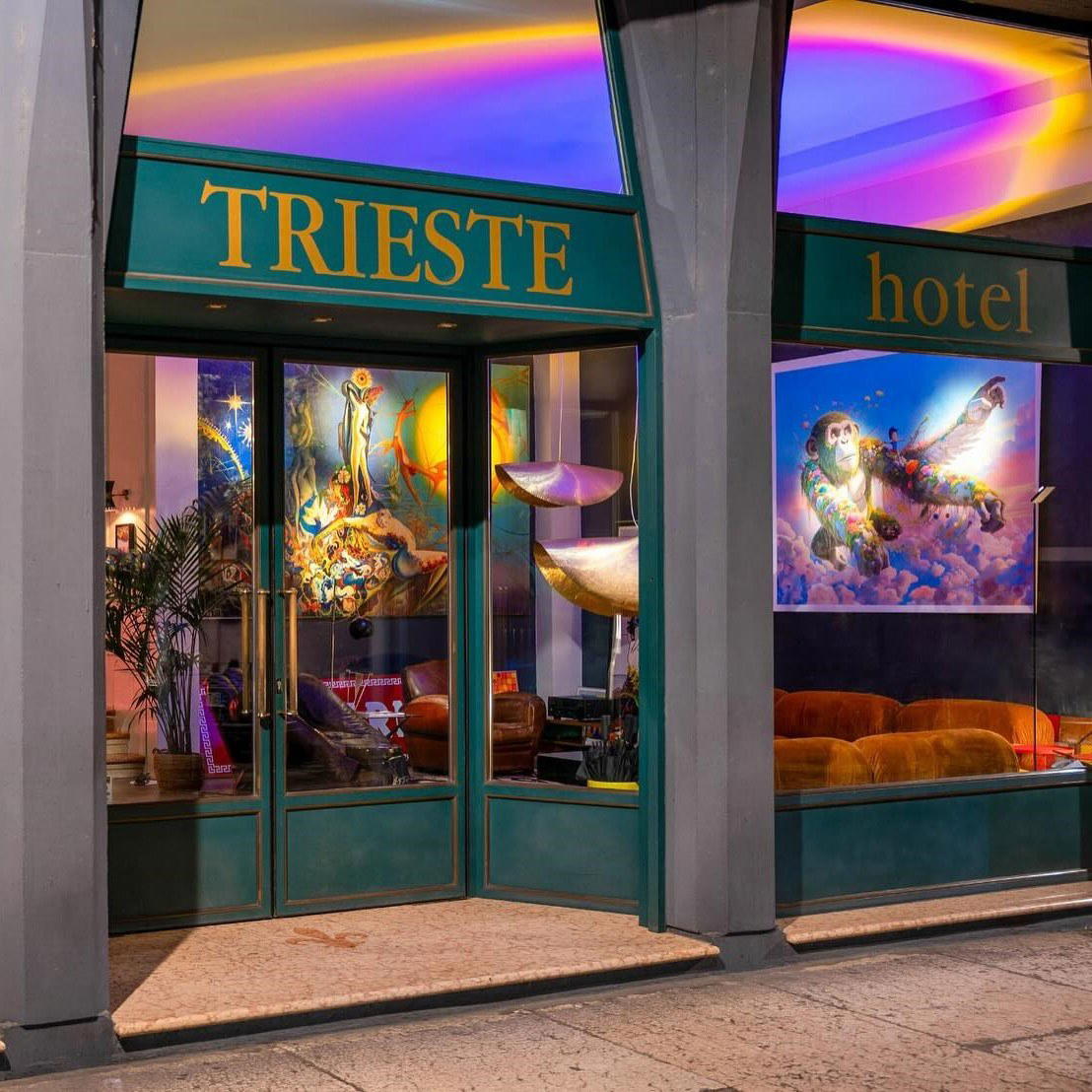
Bars in Verona
Browse all →
Restaurants in Verona
Browse all →
At a Glance
- Elegant
- Sophisticated
- Classic
- Historic
- Intimate
- Romantic Getaway
- Weekend Escape
- Business Trip
- Historic Building
- Garden
- Terrace
- Wi Fi
- Restaurant
- Bar
- Concierge
- Garden
- Street Scene
- Garden
- Wi Fi
- Restaurant
- Bar
- Concierge
- Garden
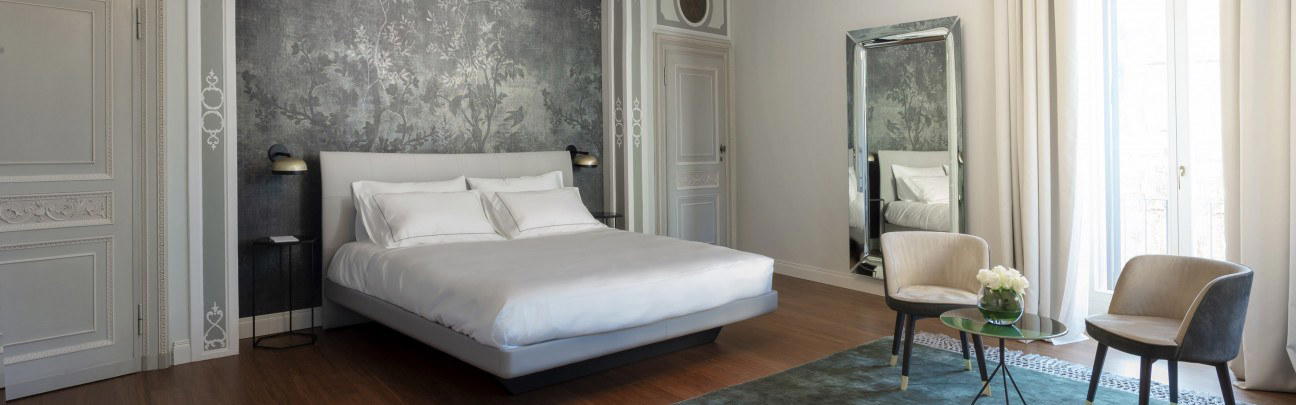
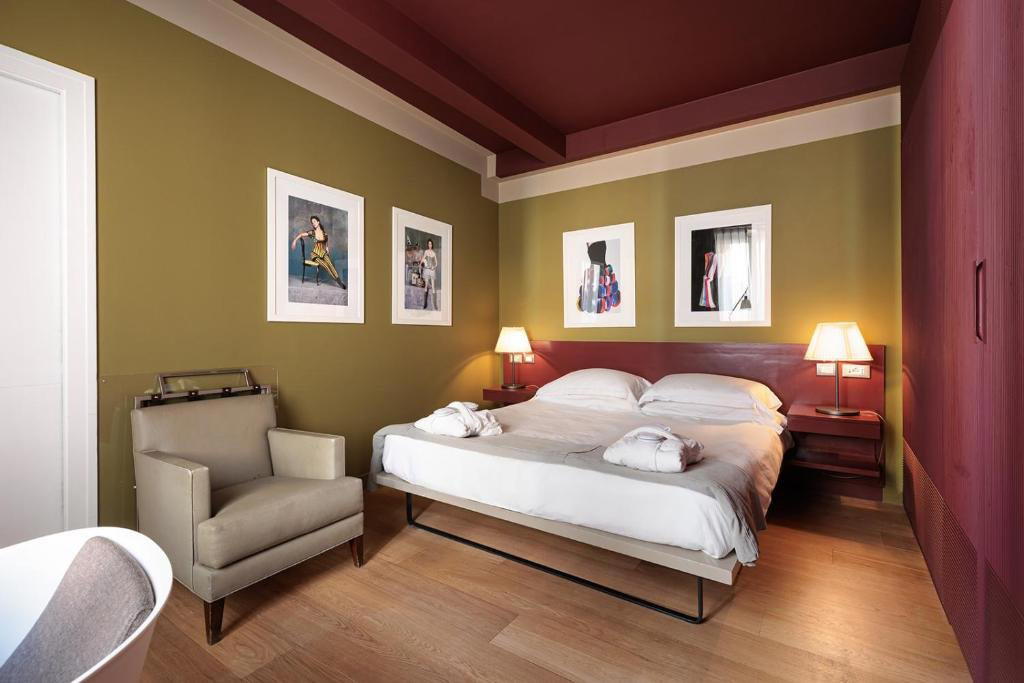
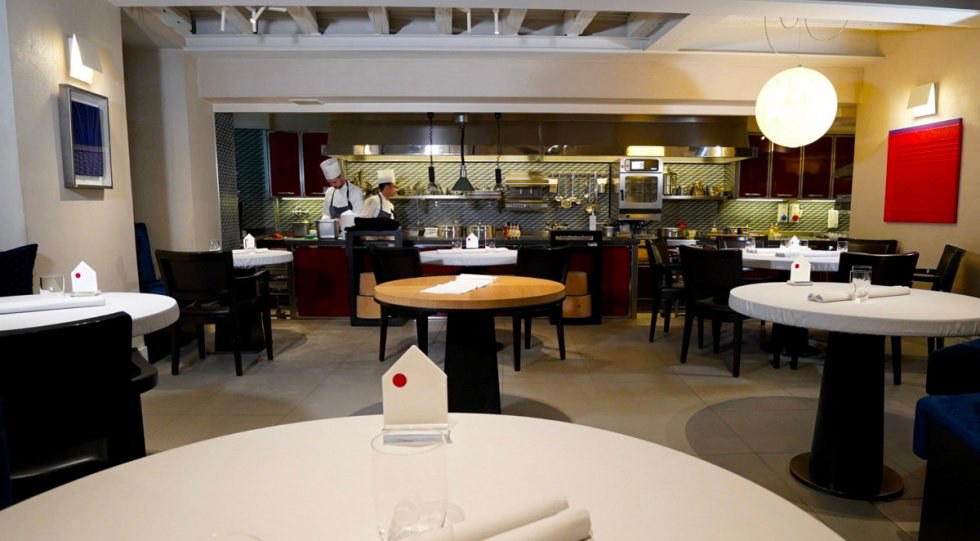
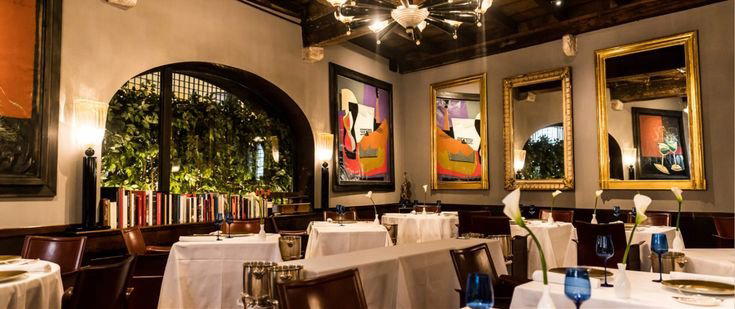
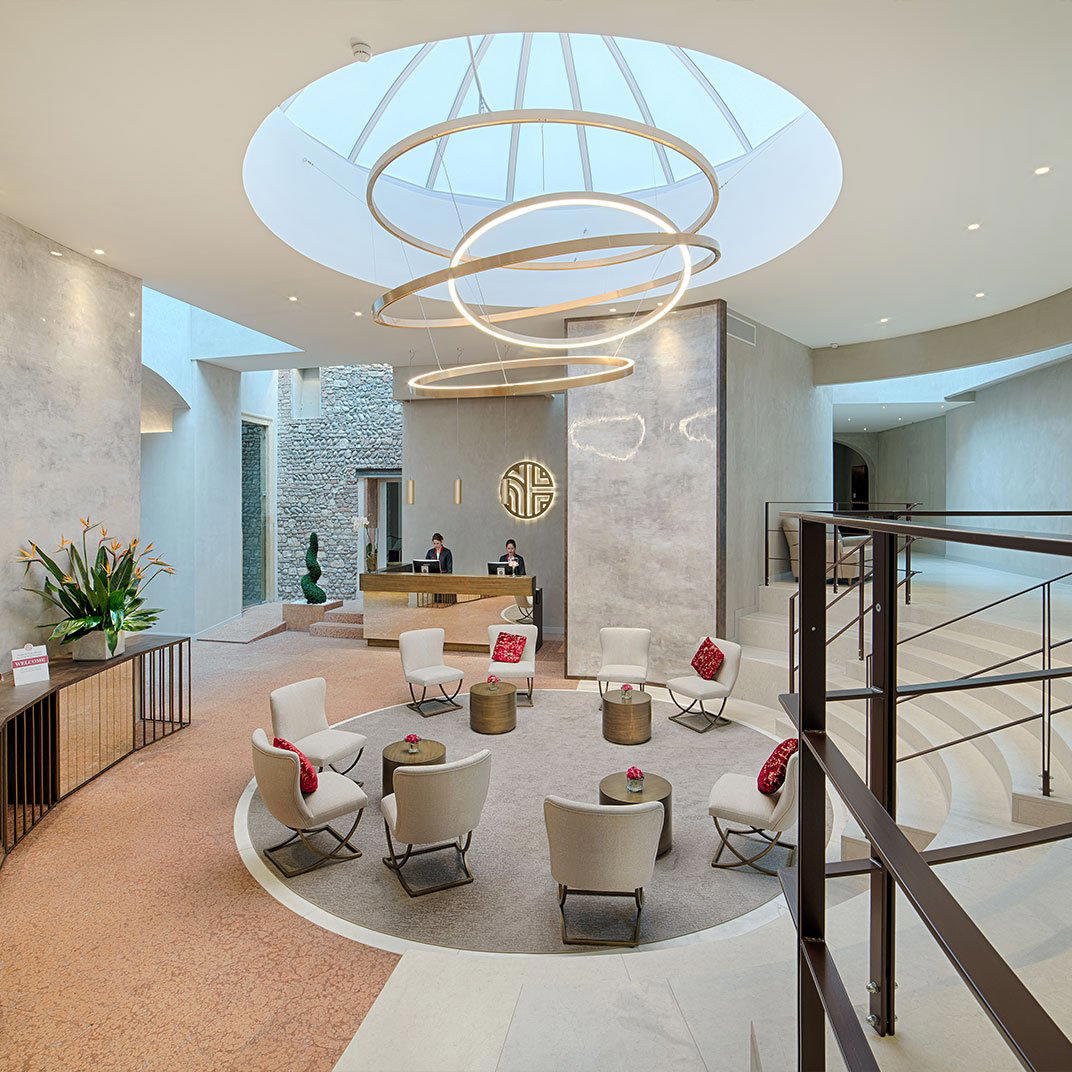
Sophisticated and elegant with subtle Italian lighting accentuating Roman arches, fresco-inspired headboards, and red Verona marble creating a grand Italian residence atmosphere.