

Gambero Rosso 3 Bottiglie · Falstaff Wine Bar - 92 Falstaff Points
Our verdict
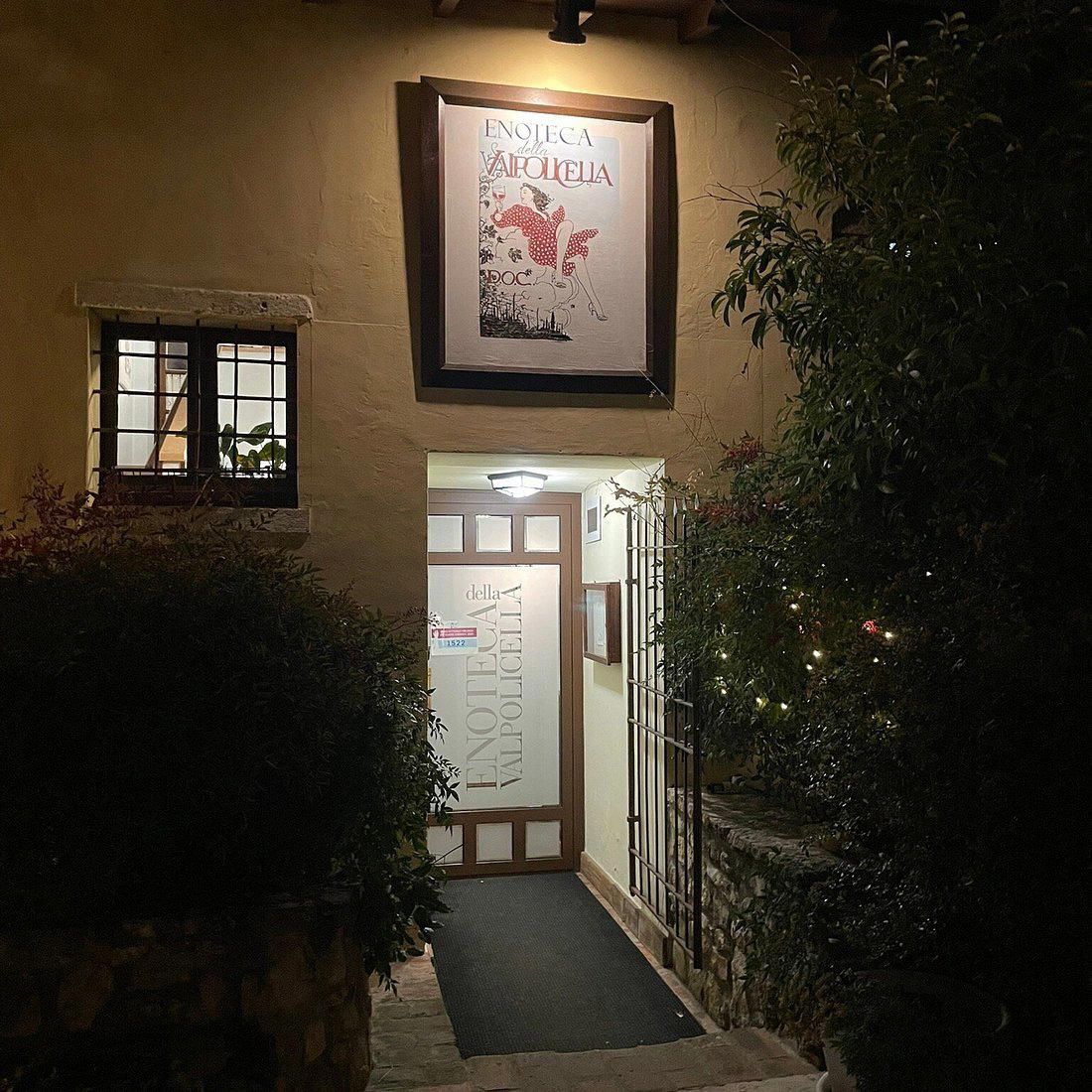
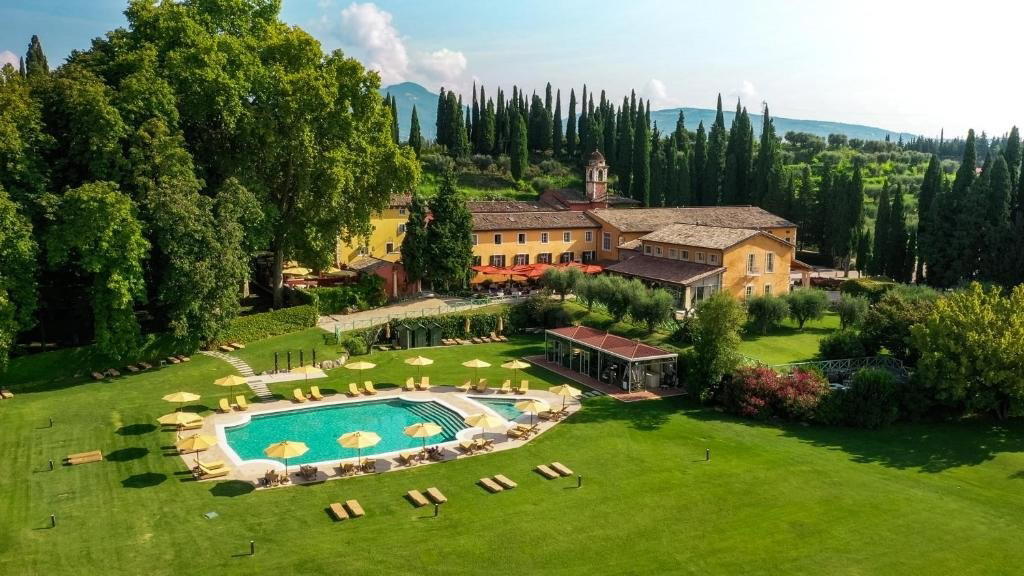
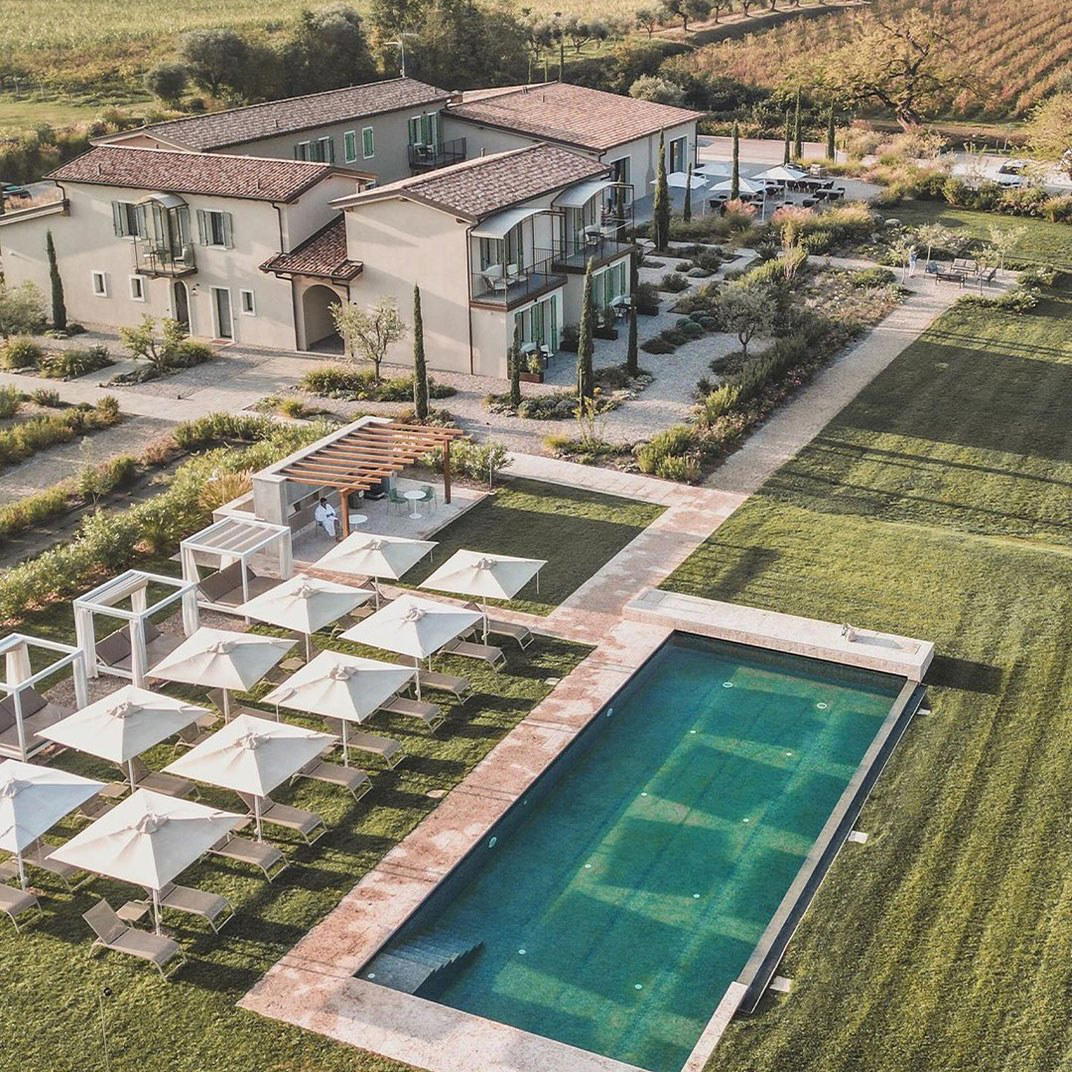
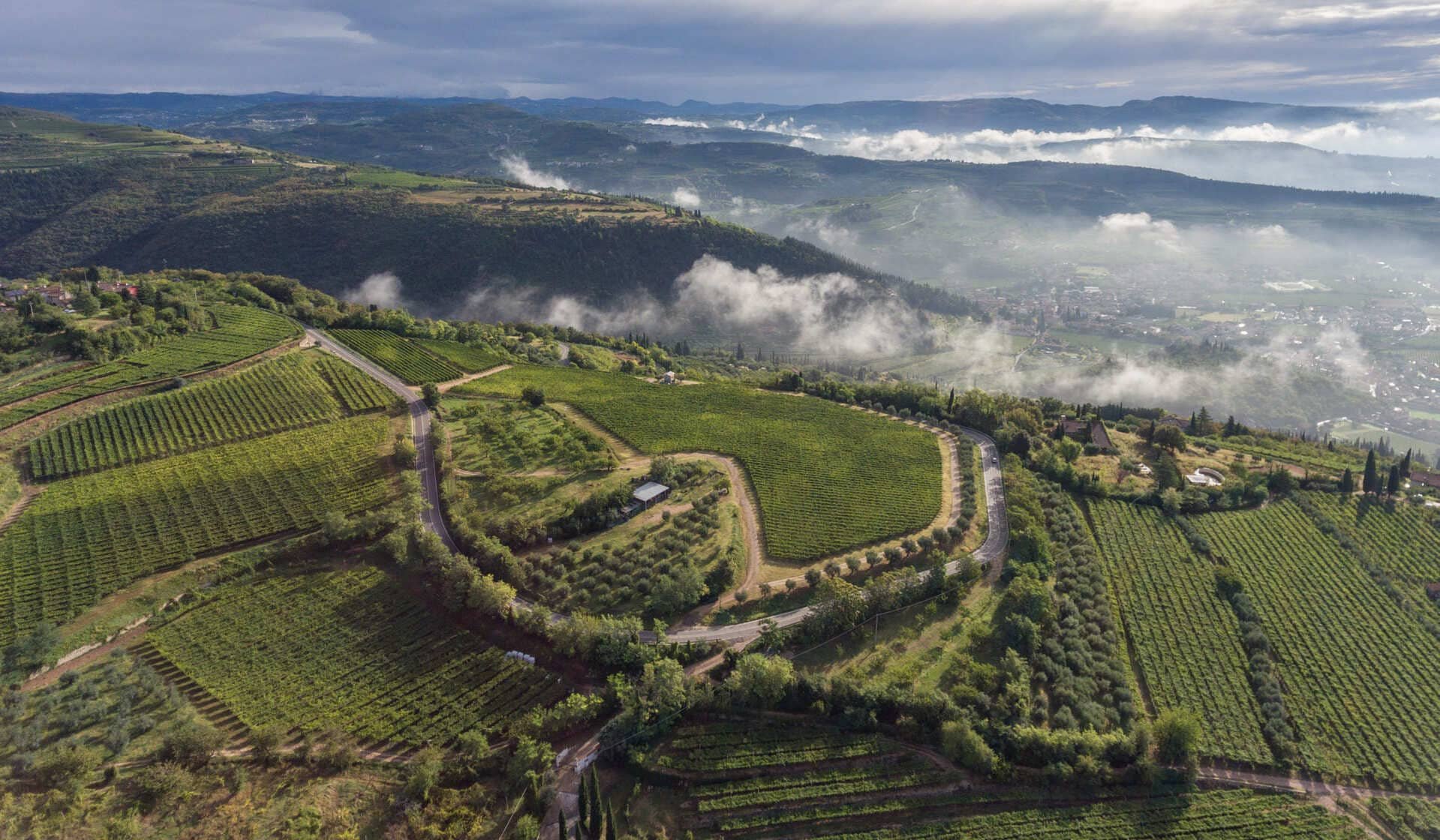
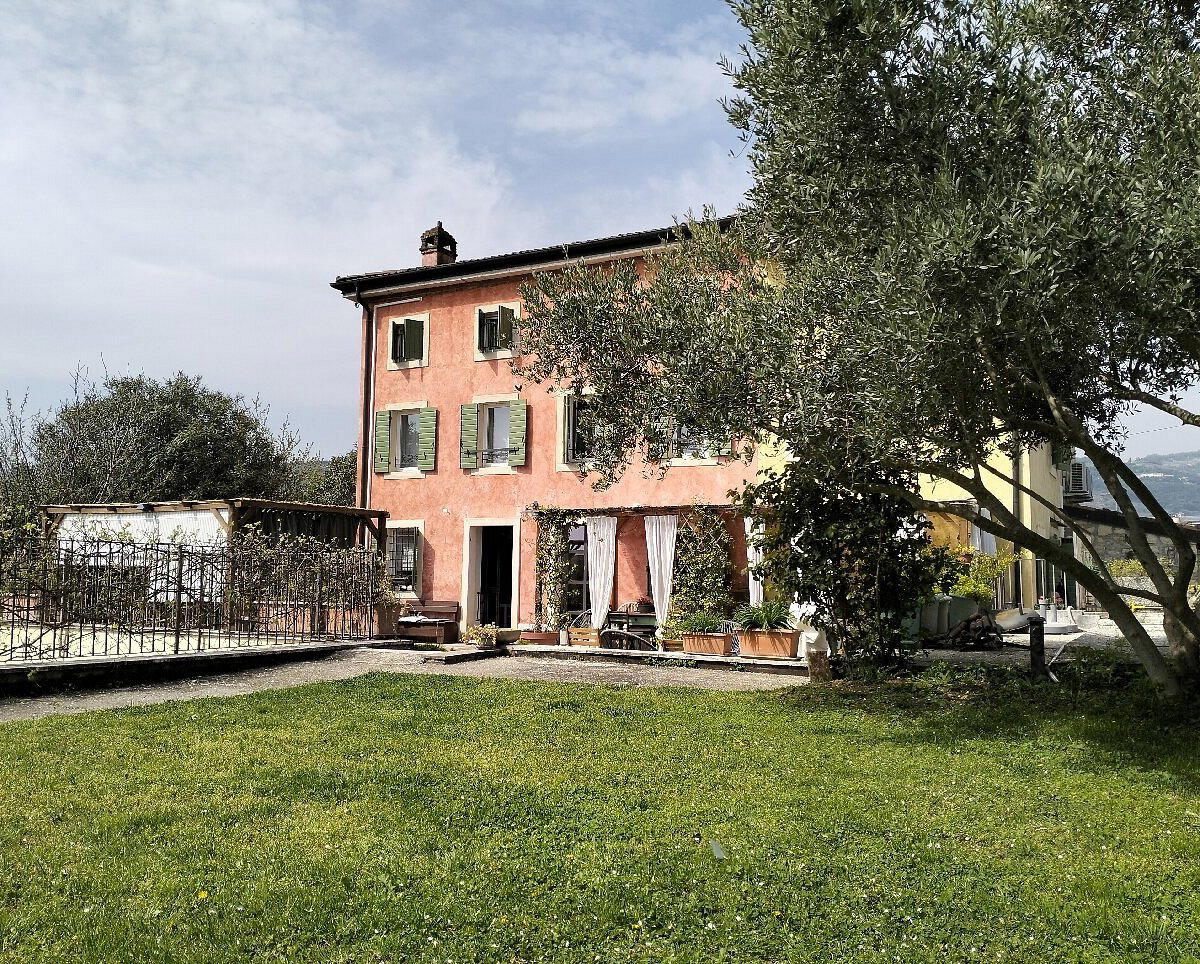
Set in the hills above Verona in the heart of Valpolicella wine country, Enoteca della Valpolicella in Fumane occupies the kind of address that earns its reputation through geography alone. The cellars and surrounding vineyards shape what lands on the table here, placing this enoteca squarely within a regional tradition where the wine list and the kitchen operate as a single argument for terroir-led dining.

Pearl is the En Primeur Club membership app, where members save venues, book tables and use the concierge.
The menu
What to order
- Tagliolini al ragù di cortile
- Petto di anatra con salsa di miele e Recioto
- Local ricotta with apple mustard
Where the Wine Region Sets the Menu
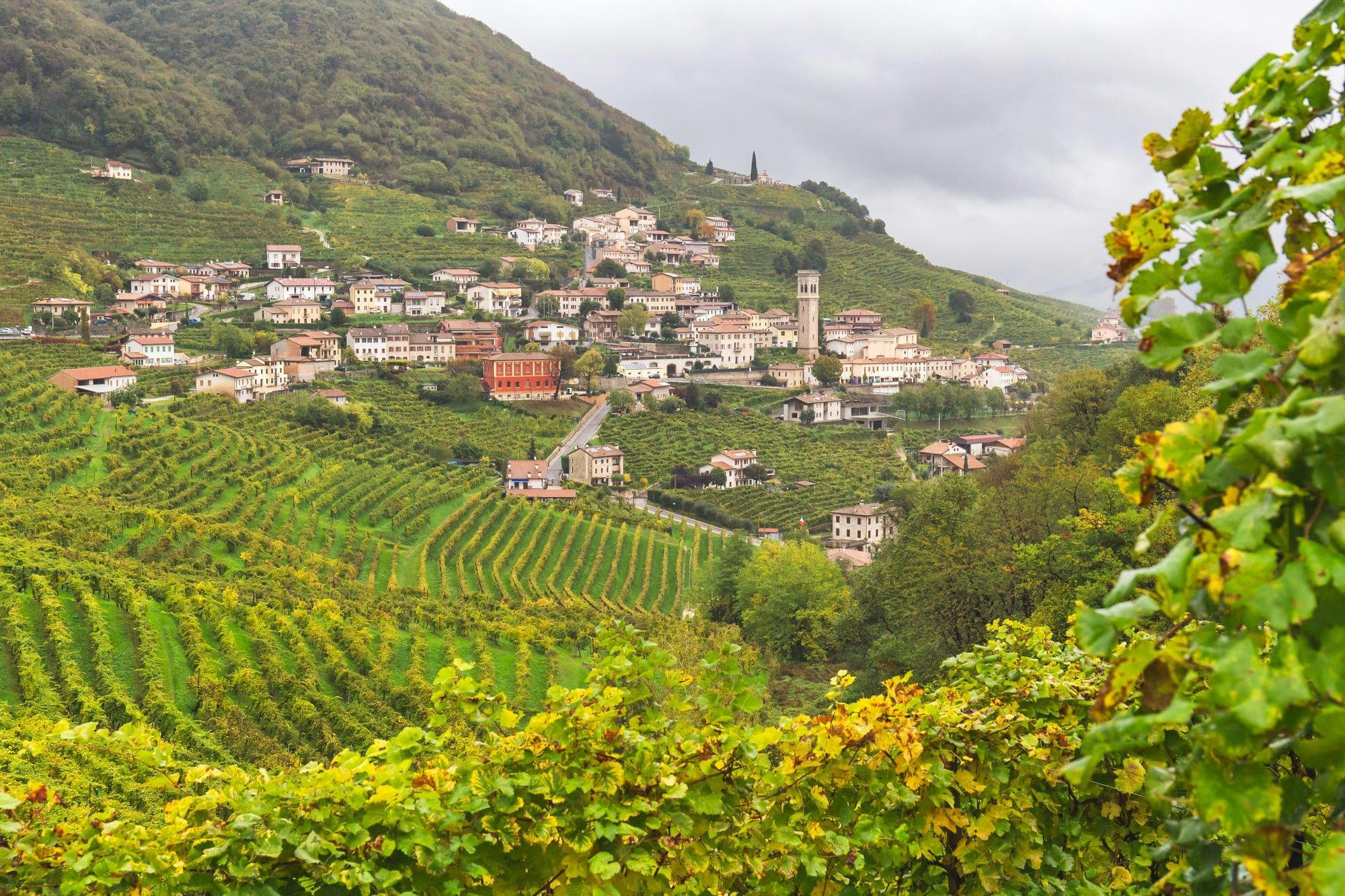
The Valpolicella zone, spreading across the hills northwest of Verona between Lake Garda and the Lessini plateau, produces some of northern Italy's most structurally complex red wines, Amarone, Ripasso, and the lighter Valpolicella Classico, and has done so across centuries of viticultural continuity. Fumane sits at the centre of this zone, a village small enough that its identity is inseparable from the vineyards that run up to its edges. An enoteca here is not a wine shop that also serves food; it is a place where the wine region itself provides the editorial logic for everything on the plate and in the glass. For context on the broader northern Italian fine dining scene, our full Fumane restaurants guide maps where this address sits relative to other options in the area.
Sourced from the Surrounding Hills
Ingredient sourcing in the Valpolicella Classico zone follows a logic that Italian wine regions have long understood but that restaurant culture sometimes forgets: proximity is not a marketing position, it is a practical condition of quality. The Corvina, Rondinella, and Molinara grapes grown across these hillside parcels appear in the glass; the olive groves, market gardens, and small livestock operations that have coexisted with viticulture for generations supply what arrives on the plate. An enoteca positioned within this system operates differently from a city restaurant that sources regionally as a policy. Here, the supply chain is the neighbourhood.
This distinction matters when comparing the dining tradition around Fumane to the more destination-oriented fine dining concentrated in Verona or further south. Tables at Casa Perbellini 12 Apostoli in Verona and the technically precise kitchens at Le Calandre in Rubano operate within a creative-contemporary register that places individual kitchen vision at the centre. The enoteca tradition in wine country places the territory there instead. Both are valid postures; they answer different questions about what a meal in northern Italy is for.
The Enoteca as a Format
The Italian enoteca format occupies a specific position between the osteria and the full-service ristorante. It privileges the wine list as the primary document and treats food as the complementary argument. In practice, at serious enoteca addresses in wine-producing zones, this means the kitchen tends toward preparations that do not fight the wine, slow-braised meats, cured and aged products, cheeses at the right stage of ripeness, and pasta made with enough fat or egg to carry the tannins of an Amarone without friction. The format rewards restraint in the kitchen precisely because it allows the cellar to speak without interruption.
This is a different proposition from the progressive Italian kitchens that have drawn international attention over the past two decades. Restaurants like Osteria Francescana in Modena or Reale in Castel di Sangro are fundamentally about the chef as interpreter and innovator. The enoteca model, particularly one embedded in a specific wine zone, is about the place as interpreter. Neither is a lesser ambition; they are simply different ones.
Valpolicella at the Table
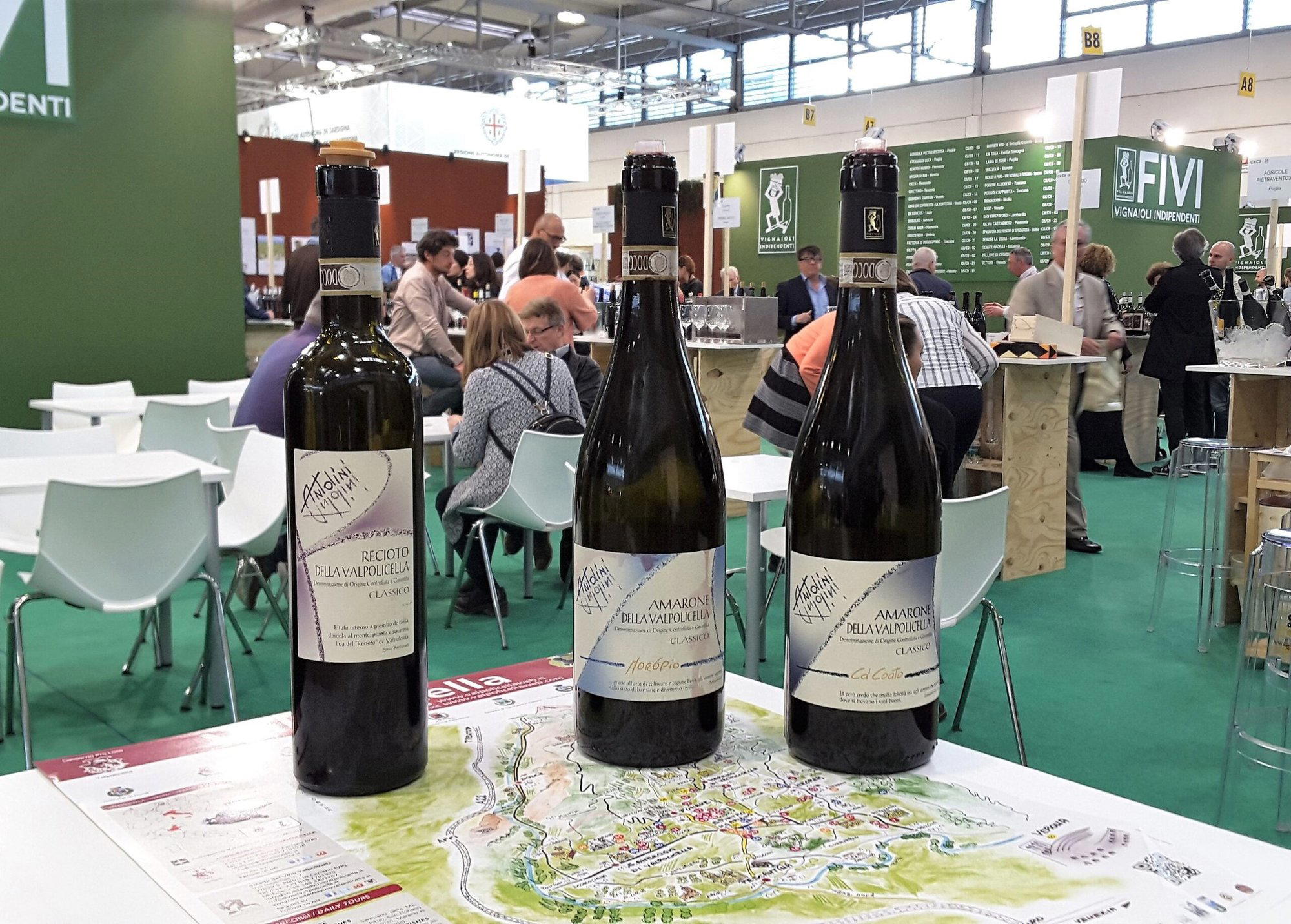
To sit with an Amarone della Valpolicella DOCG from a producer whose vineyards are visible from the dining room is to experience the wine in a register that city tastings cannot replicate. Altitude, humidity, the particular afternoon light across the Fumane valley, these are not romantic abstractions but variables that affect how the wine presents at the moment of service. The Valpolicella Classico zone has held DOCG status for Amarone since 2010, a recognition that codifies what growers here have argued for generations: that the hillside parcels around villages like Fumane, Marano, and Sant'Ambrogio produce wines with a character distinct from flatland production.
For comparison, the ambitious wine programs at Enoteca Pinchiorri in Florence or La Pergola in Rome operate as exhaustive national and international cellars, breadth is the value proposition. An enoteca in Fumane operates on depth and specificity within a defined zone. These are not competing models so much as different answers to the question of what a serious wine program is for.
Getting Here and Planning a Visit
Fumane is accessible from Verona by car in under 30 minutes, following the Valpolicella road northwest through Sant'Ambrogio and into the hills. The village is not served by direct rail, so arriving by private transport or hire car is the practical approach for most visitors. The address on Via Osan places the enoteca within walking distance of the village centre.
The broader northern Italian restaurant circuit worth pairing with a Fumane visit includes Dal Pescatore in Runate for a study in long-form Italian hospitality, and Atelier Moessmer Norbert Niederkofler in Brunico for a contrasting take on how mountain-zone ingredient sourcing shapes a contemporary menu. Further afield, Uliassi in Senigallia, Quattro Passi in Marina del Cantone, Piazza Duomo in Alba, Enrico Bartolini in Milan, Da Vittorio in Brusaporto, Villa Crespi in Orta San Giulio, Gambero Rosso in Marina di Gioiosa Ionica, Lazy Bear in San Francisco, and Le Bernardin in New York City represent the range of registers in which serious food and wine programs operate globally, useful reference points for understanding where the Fumane enoteca tradition sits on the wider map.
Frequently asked questions
Is Enoteca della Valpolicella child-friendly?
The enoteca format in Italy typically centres on a wine-led, unhurried pace that suits adults more naturally than families with young children. That said, Italian dining culture is broadly accommodating of children, and a rural setting in Fumane suggests a relaxed, informal atmosphere rather than a formal dining room. check the venue's official channels to confirm seating arrangements for families.
How would you describe the vibe at Enoteca della Valpolicella?
The enoteca format sits between an osteria and a full-service ristorante: the wine list leads, and the food is built around it rather than the other way around. In Fumane, set among the hills of the Valpolicella Classico zone northwest of Verona, the setting reinforces that unhurried, producer-country character. Expect a room where conversation about the wine in the glass is as central as the food on the plate.
Is Enoteca della Valpolicella a good base for visiting Amarone producers in the Valpolicella Classico zone?
Fumane sits at the heart of the Valpolicella Classico zone, where several of the appellation's most respected Amarone DOCG producers have their cellars and vineyards. Dining at an enoteca in the village means you can pair lunch or dinner with winery visits along the same road, without driving back to Verona between stops. The address on Via Osan places the enoteca within the zone's traditional production area, making it a practical as well as wine-literate stop on any producer itinerary.
What do regulars order at Enoteca della Valpolicella?
The Valpolicella Classico zone is the source of Amarone della Valpolicella DOCG, one of northern Italy's most structured red wines, and an enoteca in Fumane is the natural place to drink it close to the producers who make it. Alongside the wine, regional hill produce from the area between Lake Garda and the Lessini plateau tends to define what appears on the table.
What's Enoteca della Valpolicella's location?
Enoteca della Valpolicella is located at Via Osan, 45, 37022 Fumane VR, Italy, Fumane.
Can I walk in to Enoteca della Valpolicella?
Fumane is a small Valpolicella hill town rather than a high-footfall urban centre, so walk-in availability is more plausible here than at destination restaurants in Verona or larger cities. That said, the enoteca format can draw wine-focused visitors from across the region, and tables at well-regarded local venues fill quickly on weekends during harvest season. Booking ahead, particularly for weekend visits or larger groups, is advisable.
| Venue | Cuisine | Price | Awards | Notes |
|---|---|---|---|---|
| Enoteca della ValpolicellaThis venue (the venue you are viewing) | Valpolicella Italian Trattoria | $50–100 | Gambero Rosso 3 Bottiglie · Falstaff Wine Bar - 92 Falstaff Points | Not listed |
| Atelier Moessmer Norbert Niederkofler | Modern Alpine Fine Dining | $300–500 | 3 Michelin Stars · World's 50 Best #20 | Italian, Creative |
| Dal Pescatore | Classic Italian Fine Dining | $200–300 | 3 Michelin Stars · World's 50 Best #38 | Italian, Italian Contemporary |
| Quattro Passi | Modern Mediterranean Fine Dining | $300–500 | 3 Michelin Stars · World's 50 Best #38 | Italian, Mediterranean Cuisine |
| Reale | Modern Italian Fine Dining | $200–300 | 3 Michelin Stars · World's 50 Best #18 | Progressive Italian, Modern Cuisine |
| Uliassi | Modern Adriatic Italian Fine Dining | $300–500 | 3 Michelin Stars · World's 50 Best #51 | Italian Seafood - Marche, Creative |
Recognition history
Dated appearances from independent guides and award organizations, with the underlying list record or original source where available.
Gambero Rosso 3 Bottiglie
Gambero Rosso
Falstaff Wine Bar - 92 Falstaff Points
Falstaff
Continue exploring
More in Fumane
Restaurants in Fumane
All restaurants in Fumane →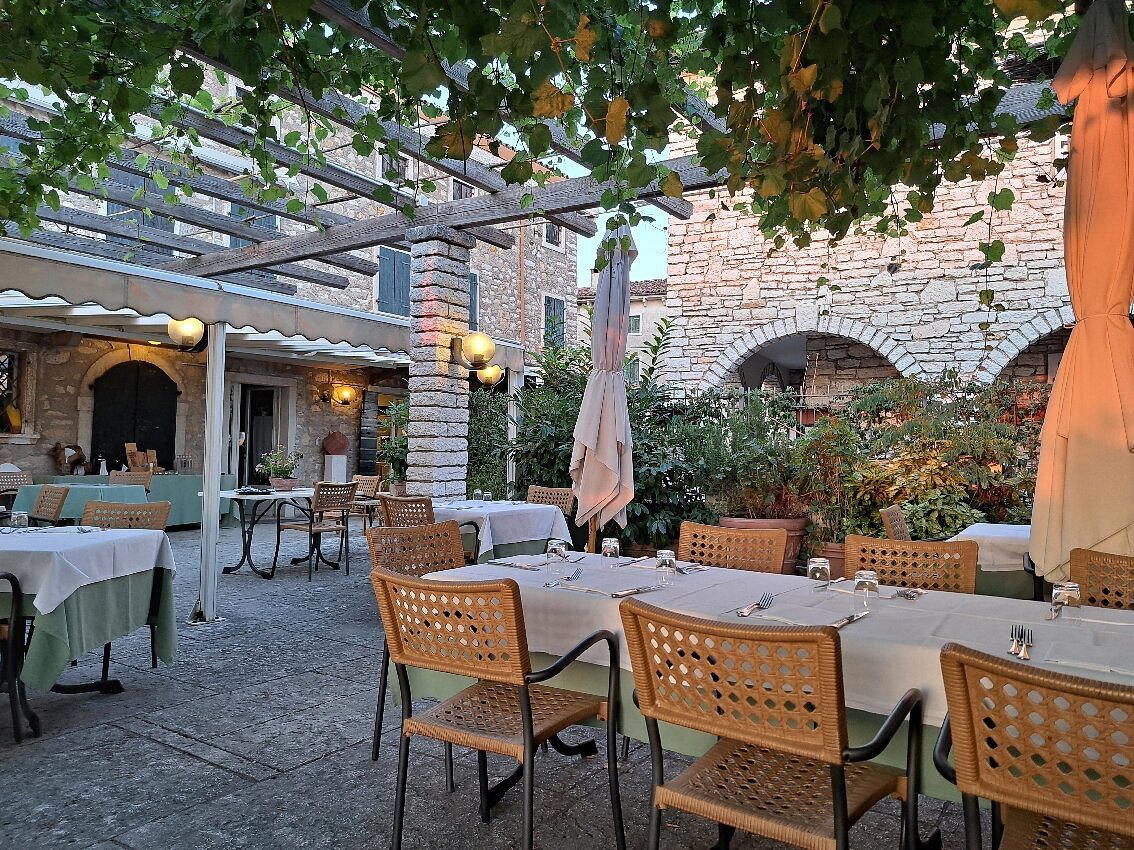
Bars in Fumane
Browse all →
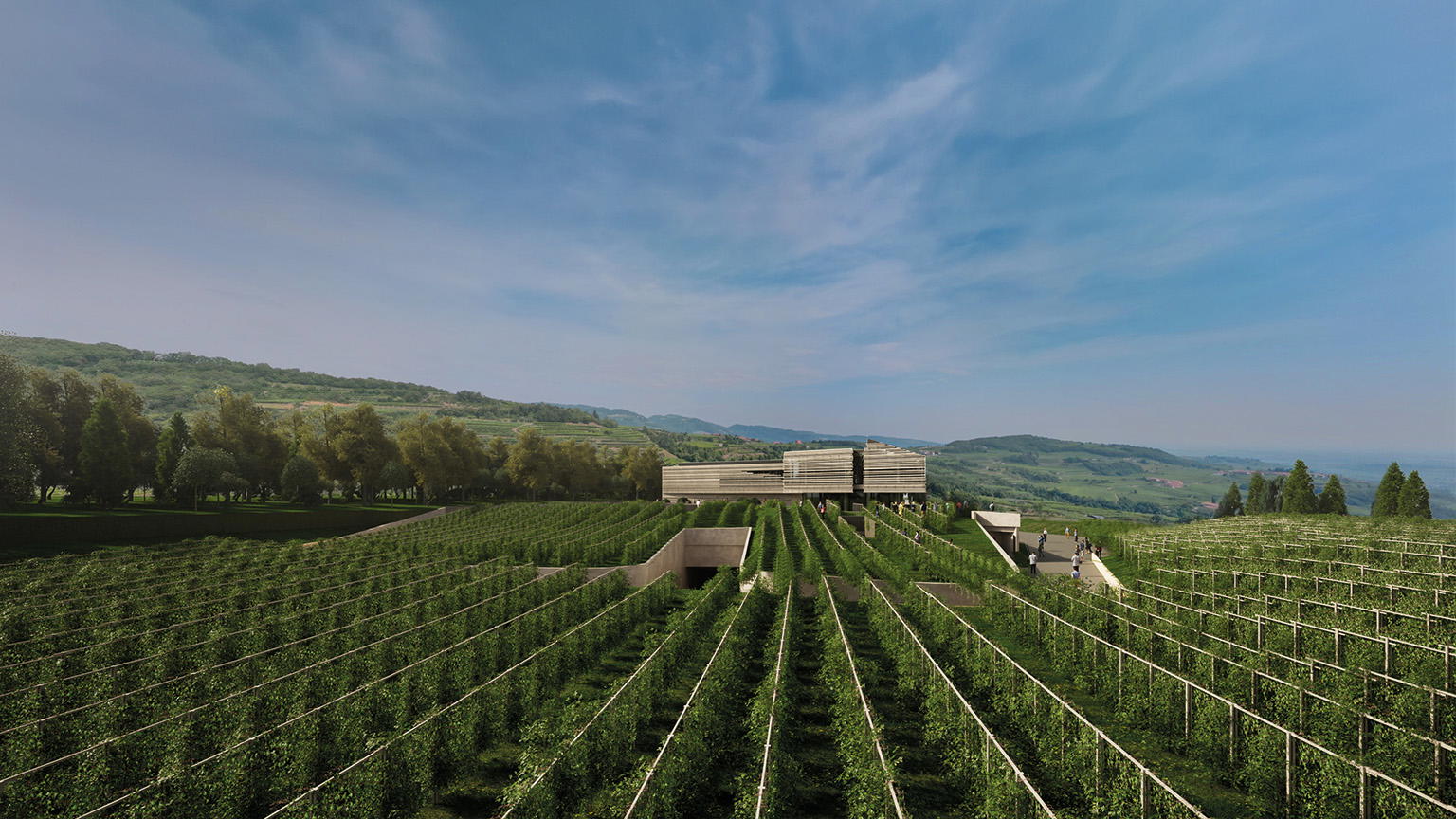
Enoteca della Valpolicella
The wine
- Wine program
- Deep wine list
- Extensive wine list
- Sommelier-led
Details
- Rustic
- Cozy
- Elegant
- Intimate
- Date Night
- Special Occasion
- Wine Cellar
- Extensive Wine List
- Sommelier Led
- Local Sourcing
- Vineyard
- A La Carte
- Wine
- Vegetarian Friendly
- Vegan Options
- Gluten Free Options
Current opening hours
- Monday
- Closed
- Tuesday
- 12–2 PM, 7–9 PM
- Wednesday
- 12–2 PM, 7–9 PM
- Thursday
- 12–2 PM, 7–9 PM
- Friday
- 12–2 PM, 7–9 PM
- Saturday
- 12–2 PM, 7–9 PM
- Sunday
- 12–2 PM
Hours can change for holidays and private events. Hours as of .
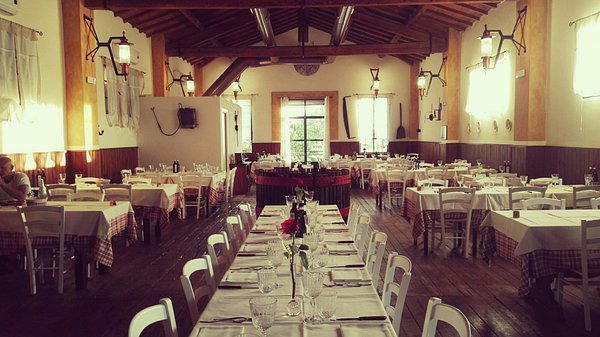
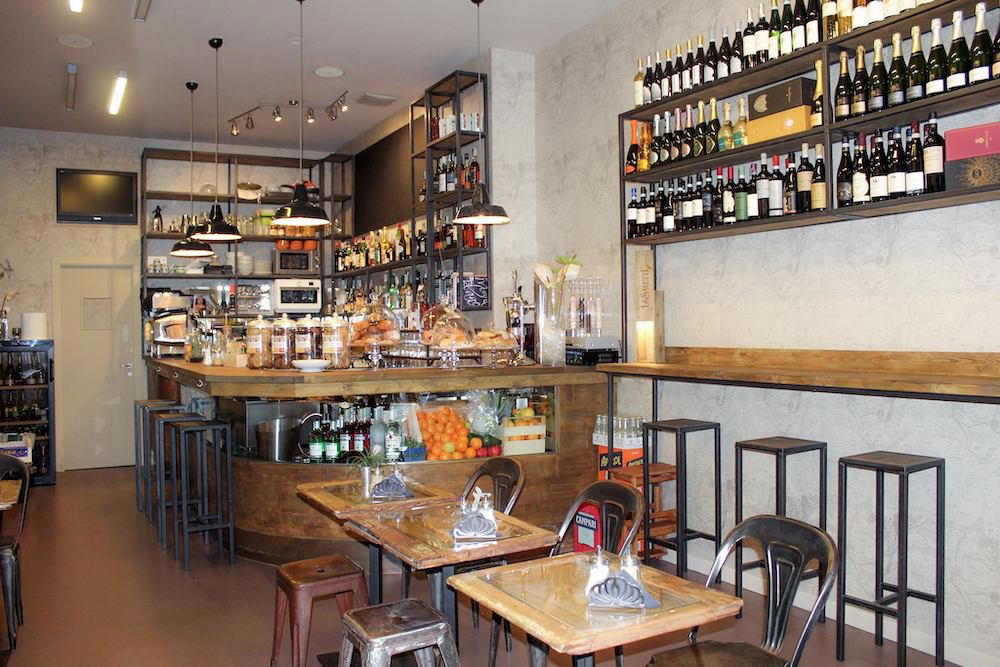
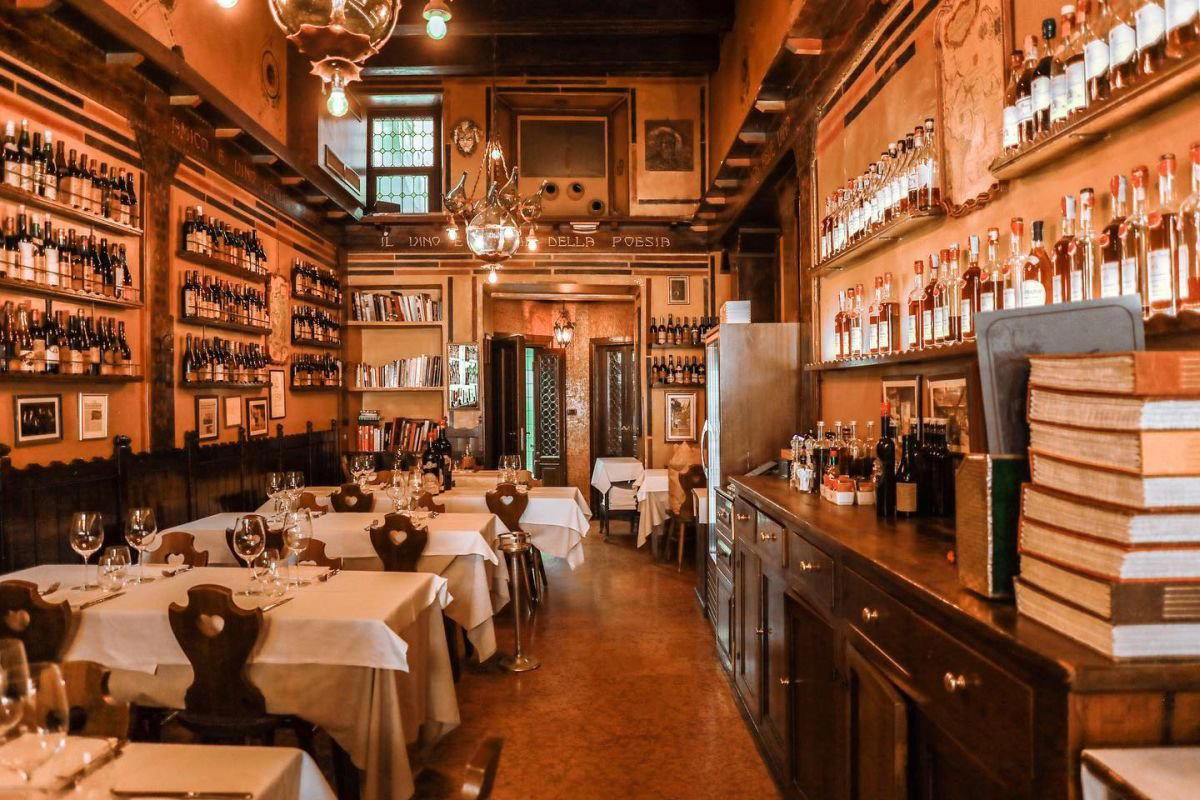
Warm, welcoming rustic atmosphere with friendly service, though some areas have less cozy lighting.