Osteria Del Fil De Fero
An osteria in the quiet Veronese town of Sommacampagna, Osteria Del Fil De Fero occupies the kind of small-town piazza setting that northern Italy does better than almost anywhere. The kitchen draws on the agricultural depth of the Lake Garda hinterland and the Po Valley margins, placing it in a broader tradition of ingredient-led Veneto cooking that rewards the short detour from Verona.
Pearl is the En Primeur Club membership app — saves, bookings, and concierge access live there. Same editors, same standards.
- Address
- Piazza Carlo Alberto, 4, 37066 Sommacampagna VR, Italy
- Phone
- +39458969097
- Directions
- Get directions
 Saves & bookings on Pearl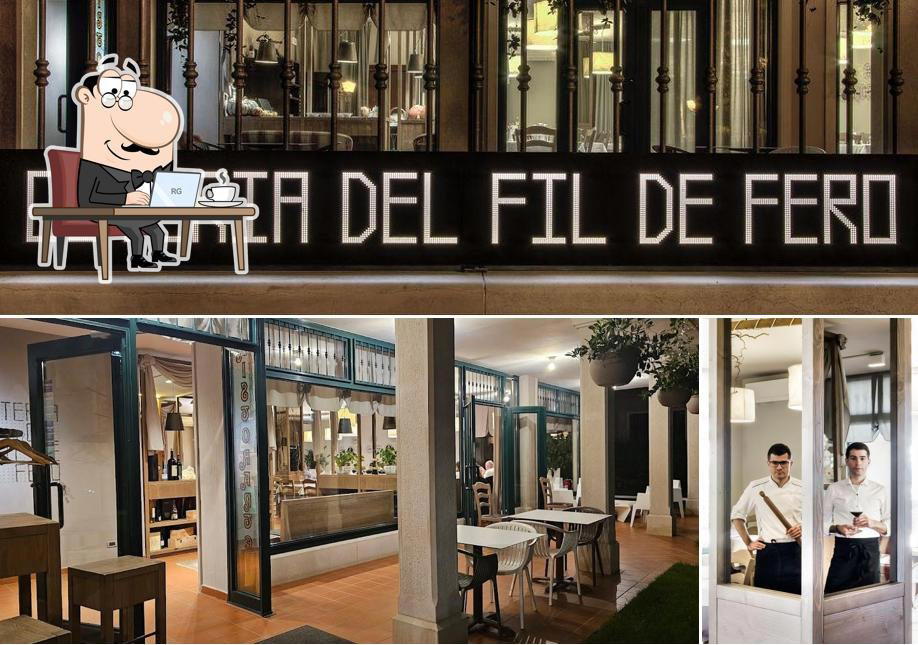
A Piazza, a Province, and What the Land Provides
Sommacampagna sits on the low Veronese plain between Lake Garda and the city of Verona, a stretch of territory where moraine hills give way to vineyards, olive groves, and smallholder farms that have provisioned local tables for centuries. The town's central piazza, Piazza Carlo Alberto, is the kind of square that functions less as a tourist attraction and more as civic furniture: a place where the market still means something, where the bar at the corner does the same aperitivo it has done for decades, and where a restaurant can exist on local reputation rather than passing-trade footfall. Osteria Del Fil De Fero occupies that piazza, and that context shapes everything about how to read it.
In northern Italy, the osteria form has historically been defined by proximity to supply: the kitchen uses what the province grows, raises, and ferments, and the menu shifts accordingly. The Veneto's agricultural range is substantial. Vialone Nano rice from the Veronese lowlands, horse meat from the Valpolicella tradition, freshwater fish from Lake Garda, salt cod rehydrated in the Vicenza style, seasonal produce from the market gardens between Verona and Mantua. An osteria on this plain has access to one of Italy's more varied regional pantries, and the leading practitioners in this tier treat that proximity as a structural principle rather than a marketing point.
Ingredient Sourcing as Structural Logic
The agricultural belt around the southern shore of Lake Garda is one of the more underappreciated food-producing zones in northern Italy. The microclimate that allows olive oil production this far north, Garda olives yield some of the lightest, most aromatic oils on the peninsula, also supports citrus, capers, and a growing season that extends past what the latitude would suggest. The Veneto interior, meanwhile, produces Amarone and Valpolicella grapes whose skins, after pressing, become the base for pearà, the bread and marrow sauce that remains one of the province's more assertive condiments.
In an osteria operating in this territory, the sourcing question is not whether local ingredients appear on the menu but how the kitchen sequences and prioritizes them. The distinction between an osteria that lists provenance as decoration and one that builds its entire rhythm around what arrives from nearby farms and producers is significant, and it is the distinction that separates places worth a detour from places worth a glance. The osteria format in the Veneto, when practiced with seriousness, tends toward shorter menus, honest pricing relative to the tier above, and a reliance on technique that amplifies ingredient quality rather than obscuring it.
Northern Italy's serious dining tier, which includes addresses like Dal Pescatore in Runate, Le Calandre in Rubano, and Casa Perbellini 12 Apostoli in Verona, operates at a different price point and ambition level than the osteria tier. The value of an address like Osteria Del Fil De Fero lies precisely in that gap: the Veneto's ingredient wealth is available at multiple price points, and the osteria tradition exists to keep that cooking accessible without the tasting-menu apparatus that has come to define the upper bracket.
The Veronese Dining Register
Verona and its surroundings have a dining culture that sits somewhat apart from the larger Italian fine-dining conversation. While the country's most discussed restaurants, Osteria Francescana in Modena, Enoteca Pinchiorri in Florence, Enrico Bartolini in Milan, have built international profiles through awards and media coverage, Verona's better tables have historically served a local and regional clientele first. That inward orientation has kept a certain unpretentious seriousness alive: rooms that are not designed for Instagram, menus that reference the seasonal calendar rather than a chef's biographical arc, wine lists that lean heavily on Valpolicella, Soave, and Lugana rather than signaling ambition through Burgundy imports.
Sommacampagna, specifically, sits close enough to Verona to benefit from the city's supplier networks while remaining sufficiently outside the centro storico to operate at a lower cost base. That combination, access without the rent pressure, is why small-town osterie in this zone can sometimes offer more honest cooking than their city counterparts. A comparable dynamic appears in towns like Brusaporto, where Da Vittorio built a serious reputation away from Bergamo's city center, or in the broader Italian pattern of the destination-village restaurant that earns its audience through quality rather than location.
Nearby, Trattoria Ai Colli Storici represents the more established end of Sommacampagna's dining offer, framing the local competitive context for anyone spending time in the area.
How to Approach a Visit
Piazza Carlo Alberto is the town's main square and direct to reach from Verona, approximately fifteen kilometers to the east, by car. Sommacampagna is also served by public transport connections from Verona, though the schedule requires checking against planned meal times. For an osteria in a small Veronese town, the practical rhythm is lunch or dinner. Arriving without a reservation on a Friday or Saturday evening carries risk; a midweek lunch is the lower-friction option for first visits.
The osteria format in this register tends to reward those who eat with the menu rather than against it: ordering the pasta course before the secondo, choosing the house wine before asking for the cellar list, and treating the meal as a sequence rather than a selection of independent dishes. That approach is how this style of cooking was designed to be read, and it is how the sourcing logic becomes legible on the plate.
For those building a wider Veneto or northern Italian itinerary, the region's serious dining tier includes addresses at the other end of the ambition spectrum: Reale in Castel di Sangro, Piazza Duomo in Alba, Atelier Moessmer Norbert Niederkofler in Brunico, Uliassi in Senigallia, Quattro Passi in Marina del Cantone, Villa Crespi in Orta San Giulio, and La Pergola in Rome. Internationally, the precision-sourcing approach finds a different expression at Le Bernardin in New York City and the fermentation-forward techniques at Atomix in New York City, both useful reference points for understanding how ingredient provenance functions differently across culinary traditions.
- tortellini
- polenta
- monkfish
- lamb chops with blueberry sauce
- guinea fowl stuffed with chestnuts
- Tagliolini con i Funghi
Comparable Spots, Quickly
Comparable venues nearby, for context on price, style, and recognition.
| Venue | Cuisine | Price | Notes |
|---|---|---|---|
| Osteria Del Fil De FeroThis venue — the venue you are viewing | Traditional Italian Osteria | $$ | Not listed |
| Trattoria Ai Colli Storici | Traditional Italian Trattoria | $$ | Custoza |
| Arso Trattoria Moderna | Traditional Roman Trattoria | $$ | .null |
| Ristorante da Cherubino | Traditional Venetian Trattoria | $$ | San Marco |
| La Cusineta | Traditional Veneto Trattoria | $$ | Breganze |
| La Dacia | Traditional Italian with Lake Garda influences | $$ | Bardolino |
Continue exploring
More in Sommacampagna
Restaurants in Sommacampagna
Browse all →
Bars in Sommacampagna
Browse all →
Hotels in Sommacampagna
Browse all →
At a Glance
- Rustic
- Cozy
- Elegant
- Date Night
- Family
- Special Occasion
- Standalone
- Extensive Wine List
- Local Sourcing
Current opening hours
- Monday
- Closed
- Tuesday
- 9 AM–2:30 PM, 7:30–10 PM
- Wednesday
- 12–2:30 PM, 7:30–10 PM
- Thursday
- 12–2:30 PM, 7:30–10 PM
- Friday
- 12–2:30 PM, 7:30–10 PM
- Saturday
- 12–2:30 PM, 7–10 PM
- Sunday
- 12–2:30 PM, 7–10 PM
Hours can change for holidays and private events. Last verified .
Pleasant welcoming atmosphere with beautiful interior design and friendly service.