Trashumante by El Baqueano
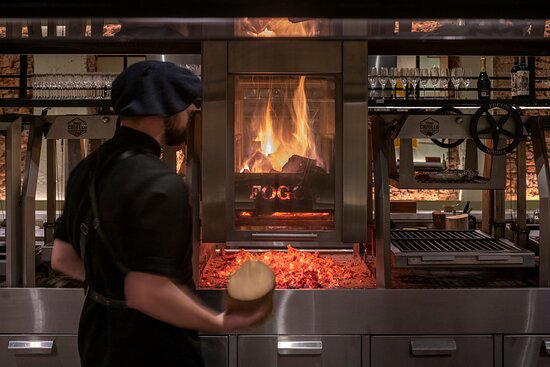
Trashumante by El Baqueano serves Modern Argentine Native Cuisine with local sourcing, an open kitchen, and an extensive wine list for lunch or dinner.
Pearl is the En Primeur Club membership app — saves, bookings, and concierge access live there. Same editors, same standards.
- Address
- Chile 499 esquina, Bolívar, C1064AAU Buenos Aires, Argentina
- Phone
- +54 11 4342 0802
- Directions
- Get directions
 Saves & bookings on Pearl
San Telmo's Corner, Argentina's Interior
The corner of Chile and Bolívar in San Telmo is the kind of address that rewards the walker who slows down. The neighbourhood carries cobblestones, nineteenth-century facades, antique markets spilling onto the pavement on Sundays, and a dining scene distinct from Recoleta and Palermo. Trashumante by El Baqueano occupies that corner, and from the first moment the setting signals intent: this is not a steakhouse, not a bistro, and not another iteration of the parilla tradition that defines so much of how the city eats.
El Baqueano built its reputation on the idea that Argentina's biodiversity, its Patagonian game, Amazonian river fish, Andean tubers, and Chaco herbs are serious cooking subjects. That work put the project in the conversation with particularly research-led restaurants in Latin America, in the same comparable set as operations that treat indigenous ingredient sourcing as the architecture of a menu rather than a garnish on it. Trashumante extends that logic into a format the name announces directly: trashumante is the Spanish word for transhumance, the seasonal movement of livestock across territory. The meal moves too.
The Arc of the Menu
Multi-course tasting formats in Buenos Aires have expanded considerably in the past decade. Where Aramburu established an early template for creative Argentine sequencing, and where Trescha has pushed into more technically demanding territory, Trashumante situates its progression differently: geographically. The meal is structured as a traverse of Argentine ecosystems, moving from one region's ingredients and techniques to another. It determines which proteins appear, which cooking methods are applied, and which native plants frame each plate.
The approach places this restaurant in a small international cohort, alongside places like Lazy Bear in San Francisco or Le Bernardin in New York, where the sequencing logic is as legible as the cooking itself, though the Argentine context is entirely its own. Early courses tend to draw from the littoral and Andean zones: river fish, altitude-grown grains, preparations that read lighter and more mineral. The middle of the progression shifts toward the Patagonian steppe register, where aged meats, smoke, and reduction carry more weight. Late courses pull from the subtropical north, where sweetness, fermentation, and unfamiliar botanicals close the arc.
This is a format that asks something of the diner and rewards a guest who has thought about the duration, the register, and the pace. For those already committed to that style of eating, it sits alongside Anafe and Crizia as part of a Buenos Aires cohort that is doing genuinely substantive work with Argentine ingredients, but the geographic sequencing here is more explicit and more sustained than at either of those addresses.
Ingredients as Argument
What separates research-led Argentine cooking from its more conventional counterparts is not technique alone. The steakhouse tradition, represented at its most serious by addresses like Don Julio, is technically accomplished and deeply embedded in the national food culture. The argument at Trashumante is a different one: that the country's ingredient map extends far beyond the Pampas, and that a meal can be a form of cartography.
The sourcing infrastructure built by El Baqueano gives Trashumante access to materials not available through conventional Buenos Aires supply chains. Yacaré from the Corrientes wetlands, surubí from the Paraná, llama from the northwestern provinces, native corn varieties from Andean communities, these are not pantry additions but primary subjects. This is the same instinct that drives destination dining in Argentina's interior, at places like Azafrán in Mendoza or La Table de House of Jasmines in Salta's Lerma Valley, where regionality is the editorial subject. Trashumante makes that argument from inside the capital.
The San Telmo Setting
San Telmo functions differently from Buenos Aires's other dining neighbourhoods. Palermo hosts most of the city's casual-to-mid-tier restaurant density; Puerto Madero runs the large-format steakhouse and seafood trade; Recoleta carries formal European-influenced dining. San Telmo, by contrast, has a more compressed and historically layered character, where nineteenth-century architecture, street-level antique culture, and a smaller, more specialist restaurant scene sit in unusual proximity. The address at Chile 499 is walkable from the Dorrego antique market and from the neighbourhood's older bar and café circuit, context that shapes who comes here and what they expect from an evening.
For travellers building an Argentina itinerary beyond Buenos Aires, the restaurant sits at an interesting intersection point. The same sourcing networks and regional intelligence that inform the menu here are visible in different formats at properties like Awasi Iguazu in the northeast, Cavas Wine Lodge in Mendoza's Alto Agrelo, or Las Balsas in Villa La Angostura. Trashumante condenses that geographic argument into a single evening in the capital.
Planning Your Visit
The restaurant operates from the San Telmo address at Chile 499, corner of Bolívar, in Buenos Aires's Autonomous City. Given the tasting-menu format and the sourcing work behind each progression, this is an evening commitment rather than a quick dinner. Reservations are recommended. Those travelling deeper into Argentina's wine and food regions after Buenos Aires will find useful comparative context at Agrelo in Luján de Cuyo, Entre Cielos in Luján du Cuyo, Chacras de Coria, or the gaucho-tradition setting of La Bamba de Areco in San Antonio de Areco. For a broader orientation to the city's current dining range, the EP Club Buenos Aires restaurants guide maps the full competitive set. Those wanting the traditional Argentine asado experience alongside more contemporary work might also consider Los Talas del Entrerriano in Greater Buenos Aires for contrast.
At a Glance
Comparable venues nearby, for context on price, style, and recognition.
| Venue | Cuisine | Price | Notes |
|---|---|---|---|
| Trashumante by El BaqueanoThis venue — the venue you are viewing | Not listed | $$ | Not listed |
| Cantina Patio La Boca | La Boca, Argentine Asado & Craft Beer | $$ | Not listed |
| Facon | Torre de Los Ingleses, Argentine | $$ | Not listed |
| Treintasillas | Not listed | $$$ | Colegiales, Contemporary Argentine Tasting Menu |
| Milion | Centro, Polished Argentine Cuisine | $$$ | Not listed |
| La Poesía | San Telmo, Classic Argentine Cafe | $$ | Not listed |
Continue exploring
More in Buenos Aires
Restaurants in Buenos Aires
Browse all →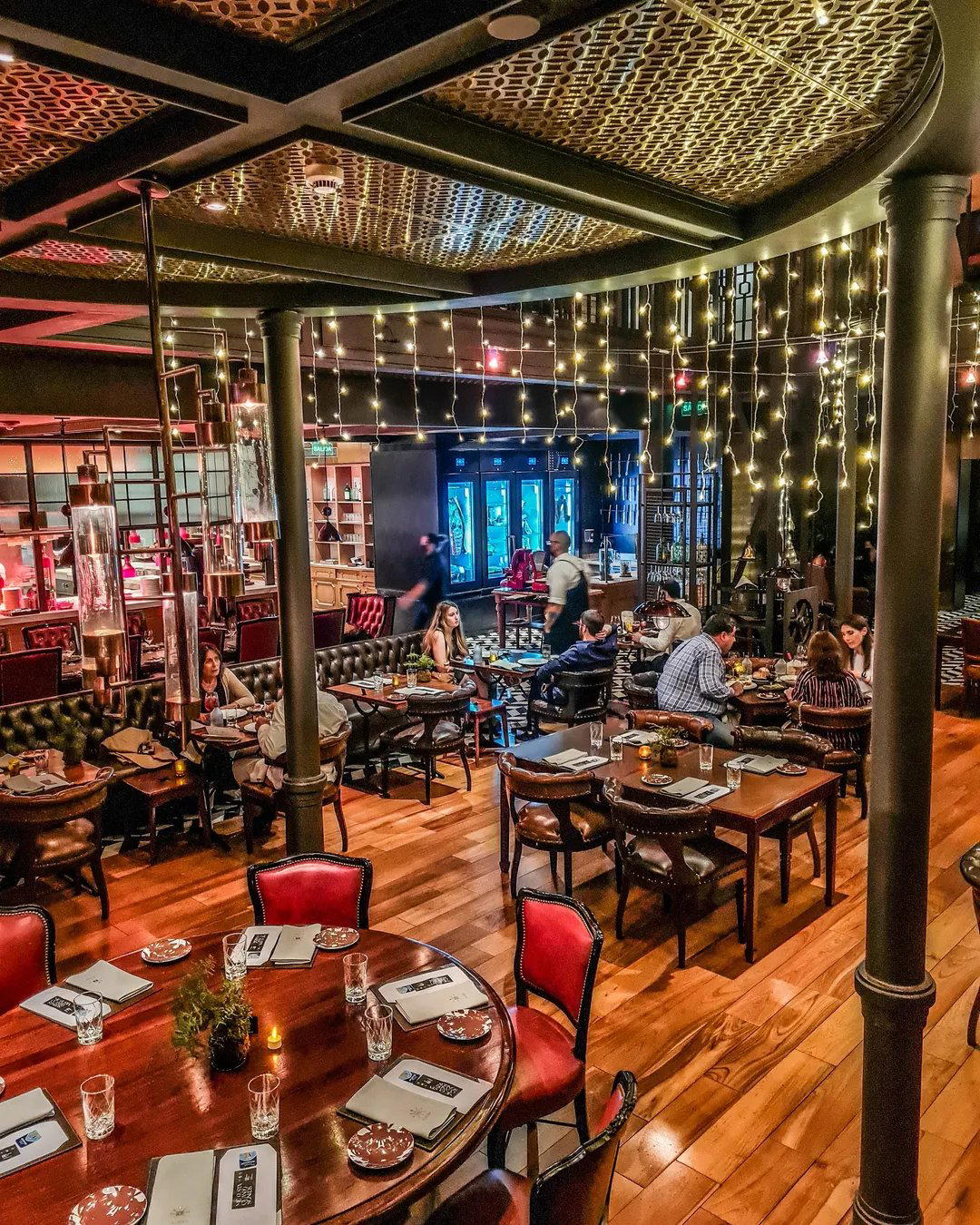
Bars in Buenos Aires
Browse all →
Hotels in Buenos Aires
Browse all →



Wineries in Buenos Aires
Browse all →
At a Glance
- Rustic
- Cozy
- Modern
- Casual Hangout
- Special Occasion
- Open Kitchen
- Extensive Wine List
- Local Sourcing
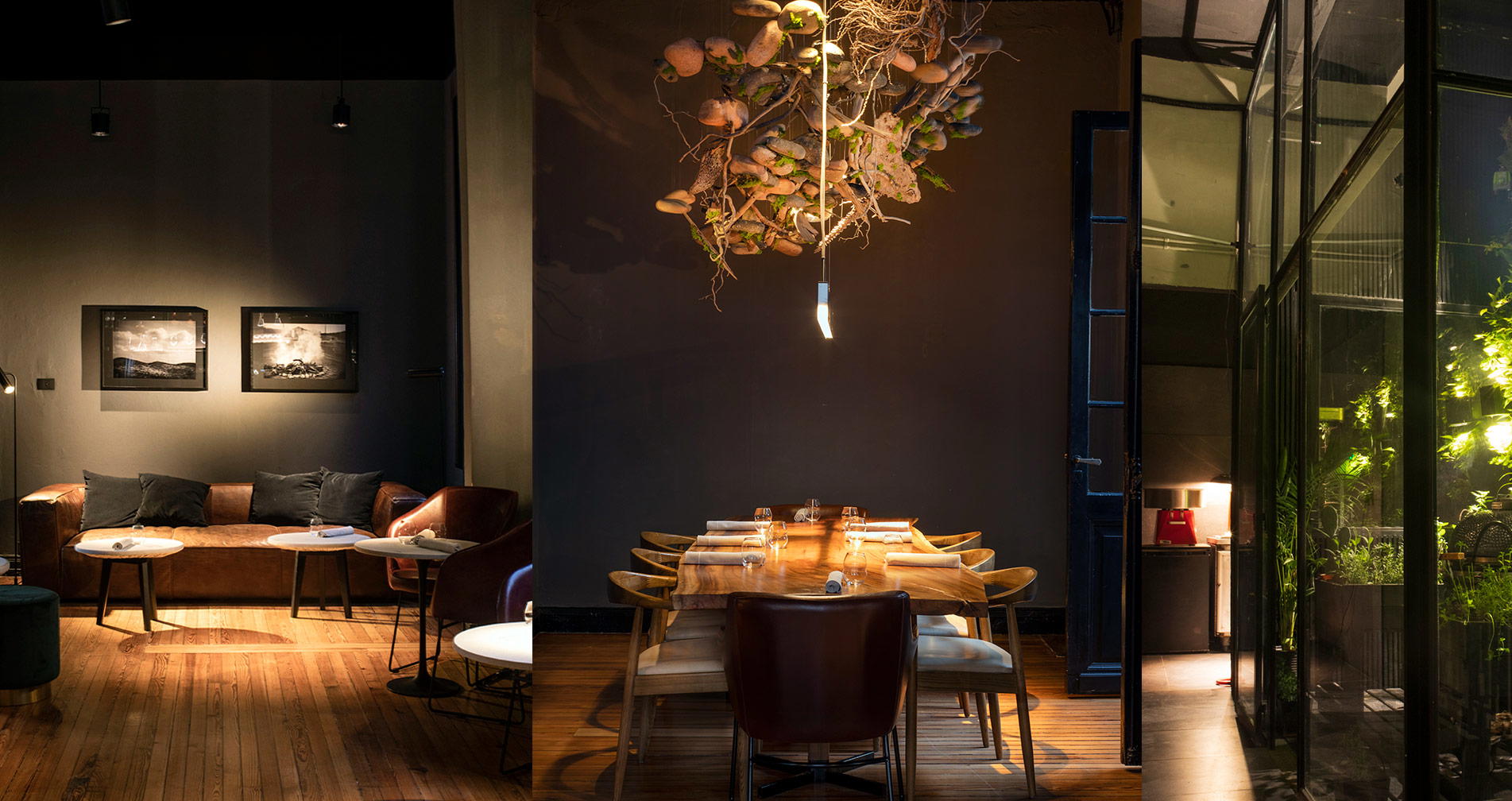
Intimate and casual atmosphere highlighting adventurous, thoughtful anti-parrilla Argentine cuisine.