Facon
On a residential block in Palermo, Facon sits within Buenos Aires's evolving conversation between open-fire tradition and contemporary technique. The address at Nicaragua 4880 places it in a neighbourhood where that tension plays out most productively, and the kitchen's orientation toward local ingredients read through international methods puts it in a distinct tier of the city's modern dining scene.
Pearl is the En Primeur Club membership app — saves, bookings, and concierge access live there. Same editors, same standards.
- Address
- Reconquista 645, C1003 Cdad. Autónoma de Buenos Aires, Argentina
- Phone
- +54 11 4055-7905
- Directions
- Get directions
 Saves & bookings on Pearl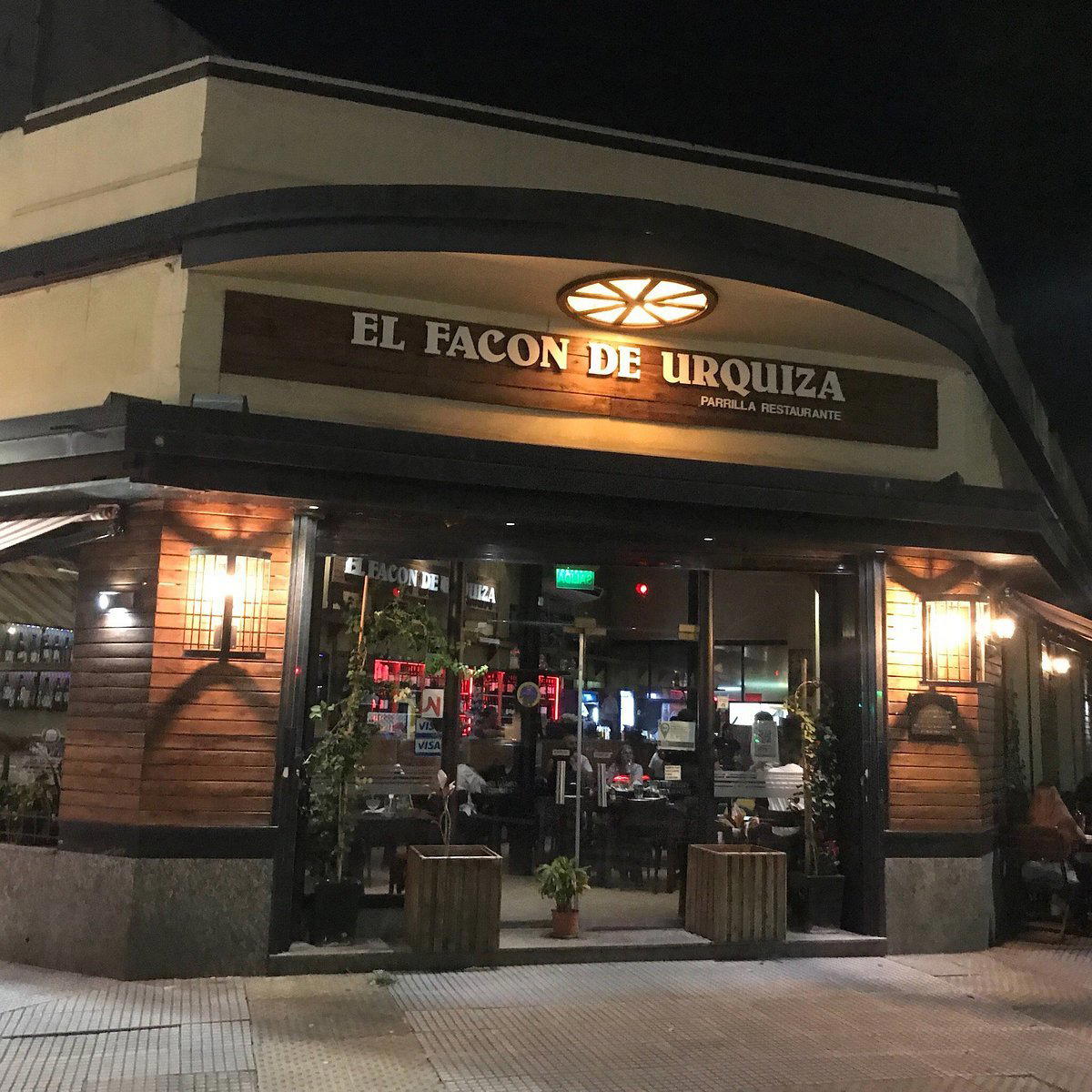
Where Palermo's Streets Meet the Asador Tradition
Palermo's dining grid has a logic to it. The blocks around Nicaragua concentrate a particular kind of restaurant: places that draw on Argentina's cooking inheritance without being bound by it, where the parilla is a reference point rather than a ceiling. Facon, on Nicaragua 4880, sits inside that current. The surrounding neighbourhood carries the low-key energy of a residential quarter that has accumulated good restaurants over two decades, which means the street-level experience is quieter than the tourist corridors further east, and the clientele tends toward locals with specific intentions rather than visitors wandering in.
That address matters for more than atmosphere. Palermo's premium restaurant tier has grown in range and ambition since the early 2010s, and the venues that have lasted are those that found a position: either anchoring to tradition with rigour, as Don Julio does at the top of the Argentinian steakhouse bracket, or working in the space between inherited technique and imported method. Facon occupies the latter position, which places it in conversation with addresses like Anafe and Crizia rather than with the traditional parrillas that dominate the city's broader restaurant count.
Local Ingredients, Borrowed Lenses
The dominant story in Buenos Aires's contemporary dining scene over the past decade has been the application of technique developed in European and North American kitchens to the raw material Argentina produces in unusual abundance. That raw material includes grass-fed beef aged far longer than the city's traditional asadores would permit, Patagonian lamb, river fish from the Paraná delta, and produce from the growing network of small-scale suppliers working the Buenos Aires province. The method, borrowed from the brigade-style kitchens of places like Le Bernardin or the hospitality-forward communal formats pioneered at venues like Lazy Bear, is applied to that local larder with varying results across the city.
What distinguishes the stronger entries in this format is specificity: a clear sense of which imported methods serve Argentine ingredients rather than overwhelm them. Restaurants like Aramburu and Trescha have built identities around that specificity at the progressive end of the market, each using tasting-menu formats to control the pace at which technique and product interact. Facon works in related territory, though the Nicaragua 4880 setting and the neighbourhood's residential character suggest a register that is somewhat less ceremonial than those addresses.
Argentina's wine infrastructure adds a further dimension to this picture. The country's producing regions, from Mendoza's Luján de Cuyo — represented by addresses like Agrelo and Cavas Wine Lodge — to the northern valleys, generate a breadth of styles that Buenos Aires's better restaurants have learned to deploy with real fluency. A kitchen oriented toward local product and global technique almost necessarily develops a wine program that reflects the same logic: domestic Malbec and Torrontés alongside imported references, chosen to illuminate what both sides of the equation can do. Venues in Mendoza like Azafrán and Entre Cielos demonstrate that this pairing logic extends well beyond the capital.
Reading Facon Against the Palermo Field
The competitive set that Facon operates within is worth mapping clearly. At one end of Palermo's dining spectrum sit the traditional parrillas, where price, cut, and fire management are the primary variables. At the other end, the progressive tasting-menu addresses command prices that put them in direct competition with the upper bracket of international fine dining. The middle tier, where most of Palermo's interesting work happens, contains restaurants that use disciplined technique to reframe familiar Argentine ingredients without requiring either the full parrilla ritual or a multi-hour tasting commitment.
Nicaragua 4880 places Facon in walkable distance of several of these mid-tier addresses, which means the choice of where to eat in this part of Palermo is genuinely competitive. What a restaurant in this position needs to do is give a clear answer to why someone would choose it over Anafe or the more casual end of Palermo's contemporary Argentine offering. The intersection of local sourcing and applied international technique is a credible answer, provided the execution is consistent.
For context on what this looks like at other price points and formats across Argentina, the country's lodge and estancia dining tradition offers useful comparison. La Bamba de Areco in San Antonio de Areco and Awasi Iguazu represent the lodge-dining end of the local-ingredient argument, where geography and seasonality are built into the premise. Las Balsas in Villa La Angostura and La Table de House of Jasmines in Salta extend that pattern into regions where the local larder looks quite different from Buenos Aires's. What Palermo's better contemporary restaurants do is bring the same ingredient-led logic into an urban format, without the scenic prop of Patagonia or the Salta valleys to carry the weight.
Planning Your Visit
Facon's Palermo address is reachable by taxi or ride-share from most central Buenos Aires neighbourhoods in under twenty minutes, and the Nicaragua corridor is well-served by the city's bus network. Buenos Aires dining runs late by most international standards: the city's restaurants typically see their first real covers around 9pm, and a table before 8pm in Palermo will usually find a quieter room. The shoulder season months of April, May, September, and October bring the most temperate conditions for walking the neighbourhood before or after dinner, when the streets around Nicaragua and the adjacent plazas are at their most comfortable. For a broader picture of what Buenos Aires's dining scene currently offers across neighbourhoods and price points, the EP Club Buenos Aires restaurants guide covers the full range, from the traditional asadores to the progressive tasting-menu tier. Also worth noting for visitors planning a longer Argentine itinerary: the estancia dining experience at Los Talas del Entrerriano in Greater Buenos Aires offers a contrast to the city's restaurant format that sharpens the appreciation of what urban kitchens are doing with the same raw materials and Chacras de Coria in Las Heras extends the wine-country dining conversation begun in Mendoza.
A quick snapshot of similar venues for side-by-side context.
| Venue | Cuisine | Price |
|---|---|---|
| FaconThis venue — the venue you are viewing | This venue | Not listed |
| Don Julio | Argentinian Steakhouse | $$$$ |
| Aramburu | Modern Argentinian, Creative | $$$$ |
| El Preferido de Palermo | Argentinian, Traditional Cuisine | $$ |
| Elena | South American, Steakhouse | $$$ |
| La Carniceria | Argentinian Steakhouse, Meats and Grills | $$ |
Continue exploring
More in Buenos Aires
Restaurants in Buenos Aires
Browse all →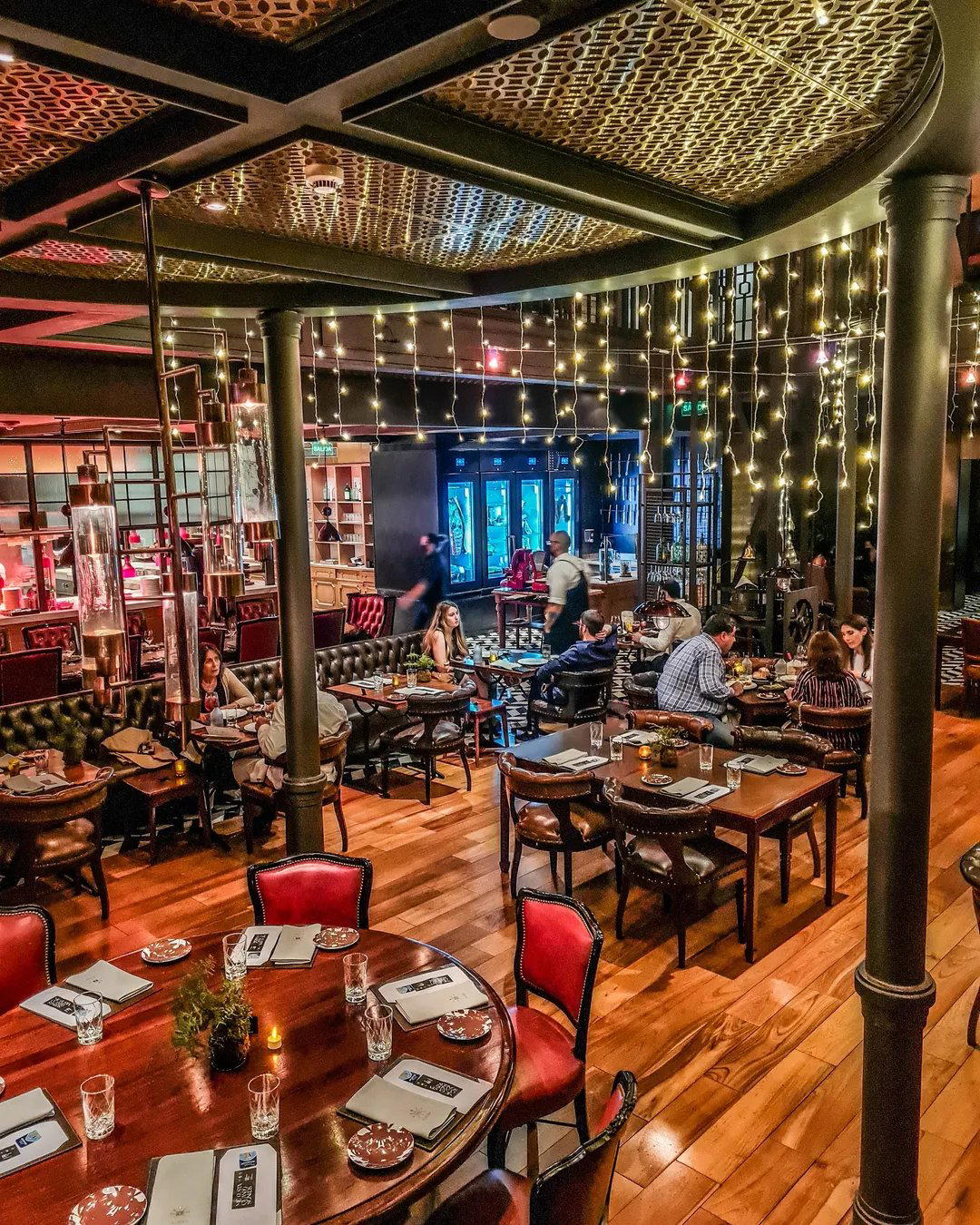
Bars in Buenos Aires
Browse all →
Hotels in Buenos Aires
Browse all →
Wineries in Buenos Aires
Browse all →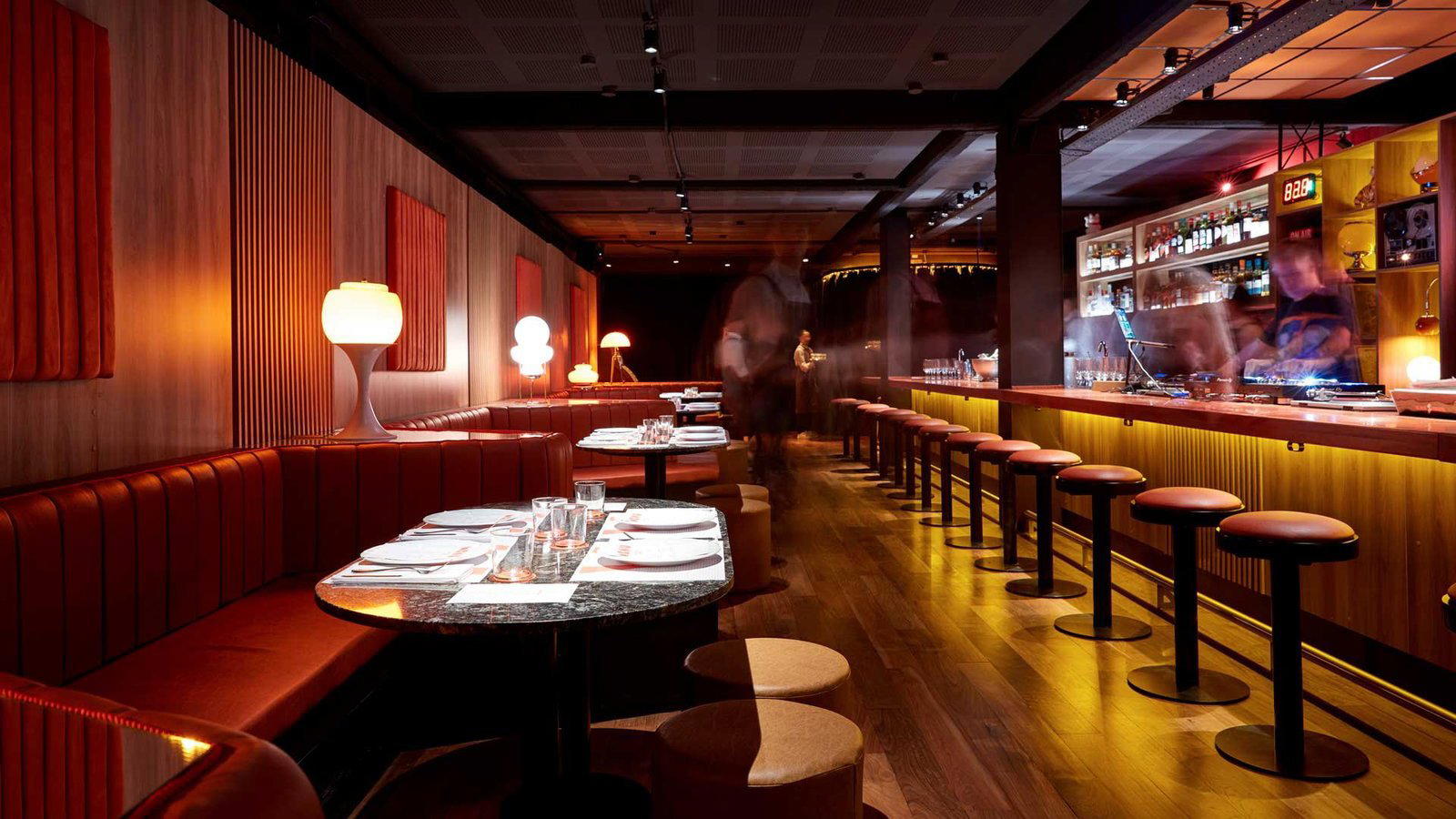
At a Glance
- Classic
- Business Dinner
- Hotel Restaurant
Current opening hours
- Monday
- 7 AM–10 PM
- Tuesday
- 7 AM–10 PM
- Wednesday
- 7 AM–10 PM
- Thursday
- 7 AM–10 PM
- Friday
- 7 AM–10 PM
- Saturday
- 7 AM–10 PM
- Sunday
- 7 AM–10 PM
Hours can change for holidays and private events. Last verified .
Comfortable with nice decor, can be crowded and noisy during lunch.
Know Before You Go
- Getting there
- Reconquista 645, C1003 Cdad. Autónoma de Buenos Aires, Argentina