Alvear Icon Hotel

Michelin Selected
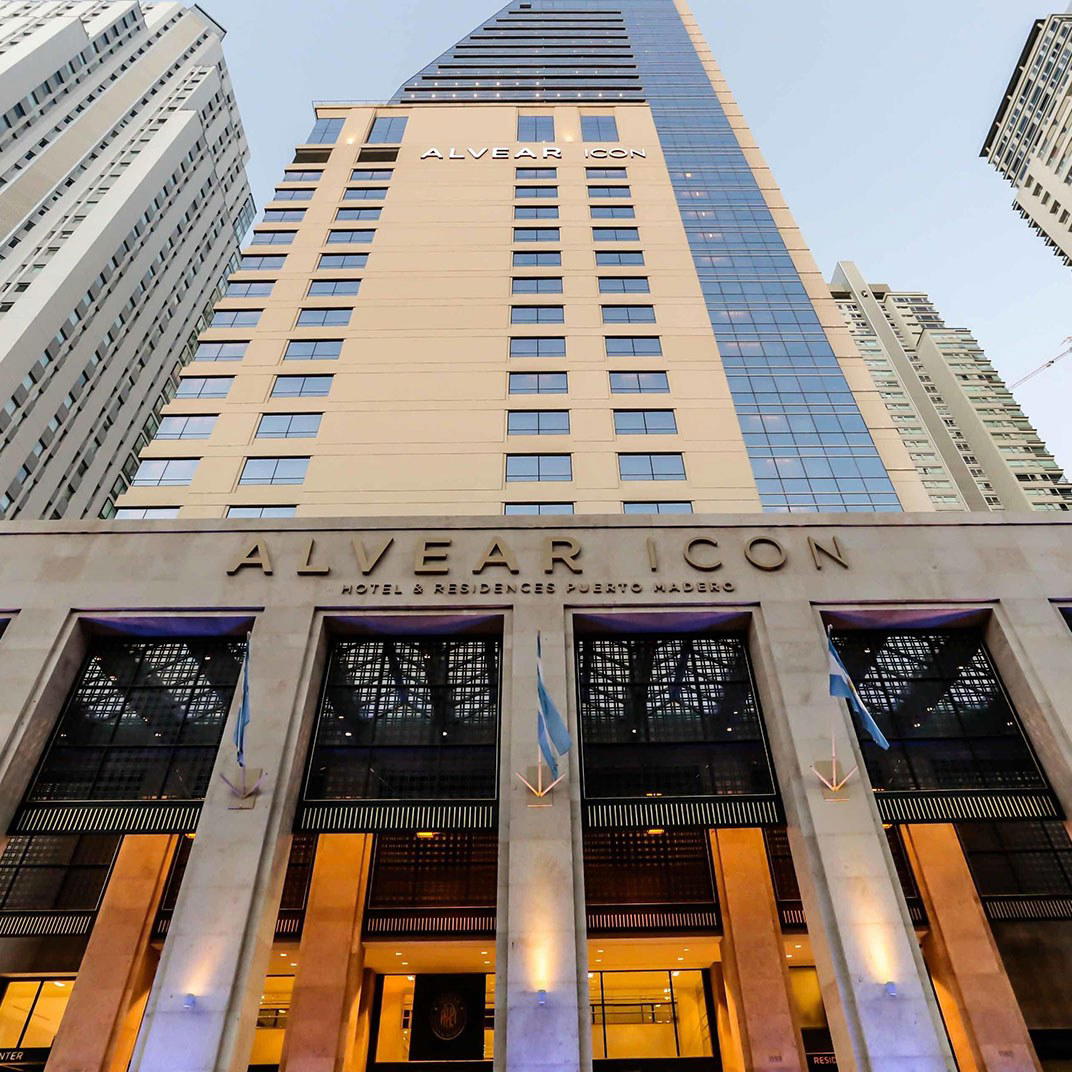
MICHELIN Selected for 2025, Alvear Icon Hotel occupies a purposefully contemporary position on Aime Paine Street in Buenos Aires, distinct from the city's older palace-hotel tradition. Where the Alvear Palace trades in Belle Époque grandeur, the Icon branch operates in a register of architectural modernity, making it a relevant reference point for travellers weighing design-led stays against the capital's historic luxury options.

Pearl is the En Primeur Club membership app — saves, bookings, and concierge access live there. Same editors, same standards.
- Address
- Aimé Painé 1130, C1107 Cdad. Autónoma de Buenos Aires, Argentina
- Phone
- +54 11 4114-0900
- Website
- alvearicon.com
- Directions
- Get directions
A Different Kind of Alvear
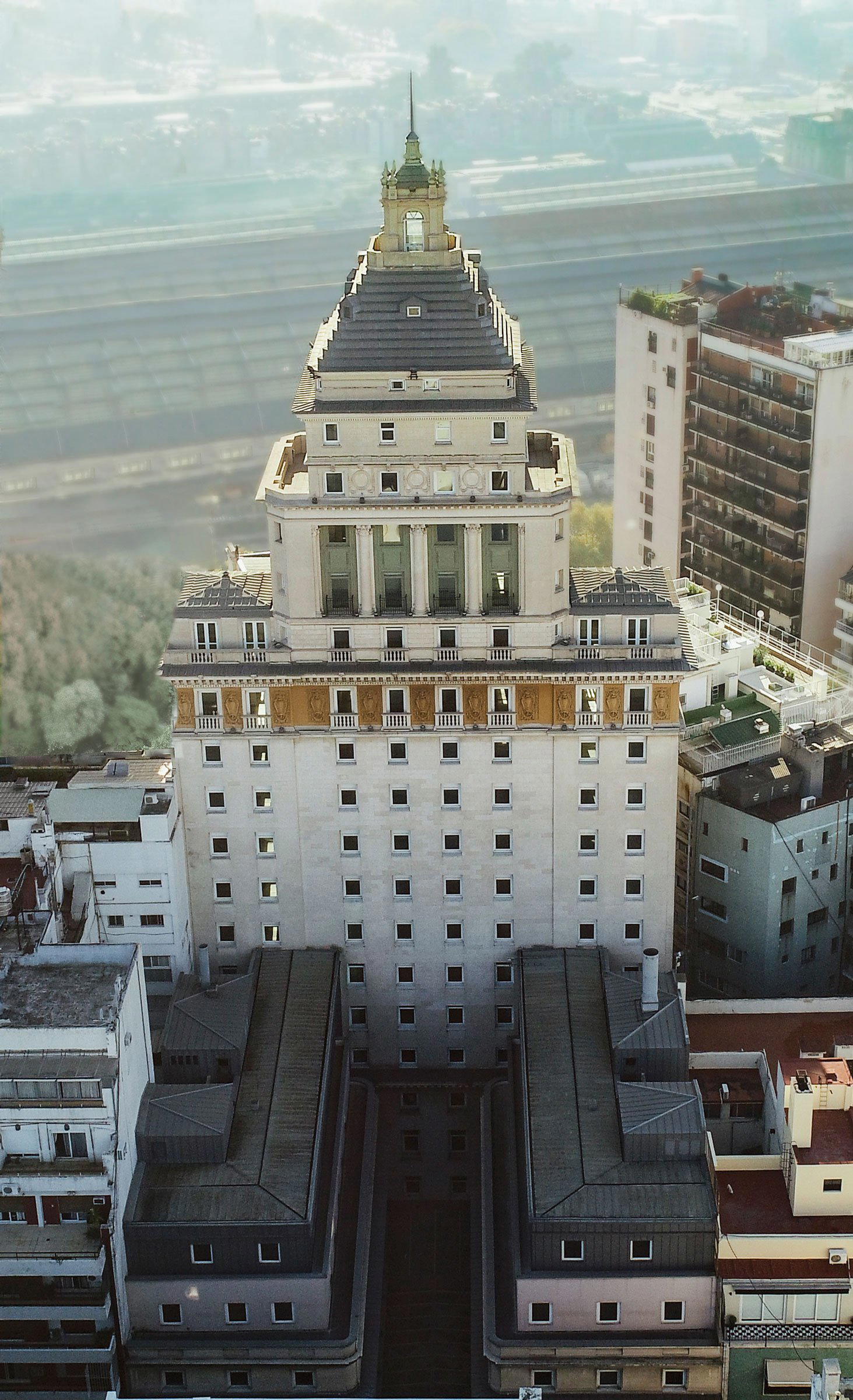
Buenos Aires has long organised its luxury hotel conversation around a handful of monumental addresses: the colonnaded facades of Recoleta, the converted mansions of Palermo Chico, and the tower hotels along the Microcentro corridor. Into this established hierarchy, Alvear Icon Hotel positions itself as something architecturally distinct from its famous sibling, the Alvear Palace Hotel. Where the Palace trades in Louis XV detailing and centenary prestige, the Icon operates in a register of deliberate contemporaneity, a design posture that shapes everything from the lobby volume to the choice of materials throughout the building.
This split between heritage and modernist expression is a pattern visible across South American luxury hospitality. Properties like Faena Buenos Aires chose theatrical maximalism with Philippe Starck and Baz Luhrmann as creative forces. The Algodon Mansion worked within a restored townhouse frame. Alvear Icon's address on Aime Paine Street signals a different urban ambition: a contemporary volume that reads as a statement within the broader Puerto Madero and city skyline context rather than as a preservation exercise.
Architecture as Positioning
In cities where the dominant luxury codes are either historicist or design-by-committee international, a hotel that commits to a strong architectural identity earns a specific kind of traveller attention. Alvear Icon's MICHELIN Selected recognition for 2025 places it within a curated tier of Buenos Aires accommodation that the Guide considers worth the detour, a credential that functions less as a star rating and more as an editorial endorsement of consistent standard across property, service, and hospitality coherence.
The MICHELIN Selected designation, applied under the 2025 Hotels programme, does not differentiate by architectural style, but it does require that a property meet thresholds across multiple categories including room quality, public space experience, and overall character. For a hotel competing in Buenos Aires against long-established names like the Anselmo Buenos Aires, Curio Collection by Hilton and smaller design properties such as Be Jardín Escondido by Coppola, earning that selection confirms competitive standing within the city's premium tier.
The broader Buenos Aires hotel market has been stratified by the city's own architectural biography. Recoleta properties inherit the prestige of a neighbourhood built at the height of Argentine prosperity, roughly between 1880 and 1930, when the country ranked among the wealthiest in the world and its ruling class commissioned European architects to design their urban palaces. Hotels operating in that neighbourhood wear that history as a primary asset. Properties that choose to build or position outside that frame have to generate authority through other means: design ambition, programming, or a distinct service philosophy.
What the Address Communicates
Aime Paine Street is named for the Argentine indigenous singer and activist, and the address itself connects the property to a city that has been renegotiating which histories it chooses to memorialise in its street names and public fabric. This is not incidental context for a traveller reading Buenos Aires at the level of architecture and urban culture. The hotel sits within a city where the built environment is in active conversation with questions of identity, modernity, and patrimony, and where the decision to build new rather than restore old carries meaning beyond aesthetics.
For travellers arriving in Buenos Aires for the first time with architecture as a primary lens, the city rewards both the palace-hotel tradition and its contemporary alternatives. The Casa Lucia and Av. Cnel. Díaz 1736 occupy the intimate, residential end of the design spectrum. The 1828 Smart Hotel works within a different efficiency-led brief. Alvear Icon operates at a scale and register that sits clearly in the upper tier while proposing a modernist vocabulary rather than a historicist one.
Placing Alvear Icon in Argentina's Wider Luxury Map
Buenos Aires is typically the entry and exit point for travellers moving through Argentina's broader geography of exceptional stays. From the city, itineraries commonly extend toward Patagonian properties like Estancia Cristina in El Calafate or the lake-country lodges of the Andean northwest, including the Correntoso Lake and River Hotel in Villa La Angostura. Wine-focused travellers often route through Mendoza, where Awasi Mendoza in Luján de Cuyo and Algodon Wine Estates in San Rafael offer estate-based experiences that connect accommodation directly to viticulture. In the northwest, Colomé Winery in Molinos operates at altitude in the Calchaquí Valleys, one of the world's highest wine-producing regions. Gaucho culture and pampas landscape bring a different kind of traveller to properties like La Bamba de Areco in San Antonio de Areco, Estancia La Bandada in San Miguel del Monte, and Estancia Los Potreros in Rio Ceballos. For jungle-adjacent luxury, Awasi Iguazu in Puerto Iguazu offers a contained, high-service alternative to the larger resort formats near the falls.
Within that national context, a Buenos Aires anchor property's quality matters. Travellers spending their first or last nights in the capital before or after extended regional itineraries want a city hotel that meets the standard set by the experiences beyond it. Alvear Icon's MICHELIN Selected status provides a reliable baseline for that expectation.
For comparative reference at the international level, the hotel occupies territory somewhat analogous to city properties like The Fifth Avenue Hotel in New York City or Badrutt's Palace Hotel in St. Moritz, in the sense that it carries a named identity and a specific design position rather than operating as a generic luxury brand outpost. The Hôtel de Paris Monte-Carlo represents the older model of grandeur-as-authority; Alvear Icon does not compete in that register. House of Jasmines in La Merced Chica and Lodge Atamisque in Tupungato serve different geographic and experiential briefs entirely, but together they sketch the range within which Argentine luxury accommodation now operates.
Planning a Stay
The hotel is located at 1130 Aime Paine Street, Buenos Aires. Given the Alvear brand's market position and the MICHELIN Selected designation, the property sits in the upper pricing tier of the city's hotel market, though exact room rates vary by season and room category. Buenos Aires hotel demand peaks during the Southern Hemisphere summer (December through February) and during major cultural events; advance booking during those windows is advisable. Travellers researching the broader Buenos Aires hotel and dining scene can use our full Buenos Aires restaurants and hotels guide to map the Alvear Icon against the full range of the city's premium options.
In Context: Similar Options
Comparable venues nearby, for context on price, style, and recognition.
| Venue | Cuisine | Price | Awards | Notes |
|---|---|---|---|---|
| Alvear Icon HotelThis venue — the venue you are viewing | Contemporary luxury high-rise tower reflecting modern Buenos Aires energy with cosmopolitan design and premium amenities. | $300–500 | Michelin Selected | Not listed |
| SLS Buenos Aires Puerto Madero | Luxury contemporary design hotel blending Buenos Aires cultural energy with international sophistication, featuring residential towers and curated art collection. | $100–200 | Michelin Selected | Puerto Madero |
| L' Orangerie Alvear Palace Hotel | Belle Époque palace with modern French style suites | Not listed | Not listed | Recoleta |
| Casa Lucia | Elegant townhouse hotel blending historic architecture with modern luxury. | $300–500 | Michelin Guide New Hotels New Hotel · Michelin Selected | Retiro |
| Be Jardín Escondido by Coppola | Contemporary classic boutique hotel designed as a luxury private residence with artistic sensibility and refined taste. | Not listed | 1 Michelin Key · Mr & Mrs Smith Seal of Approval | Palermo |
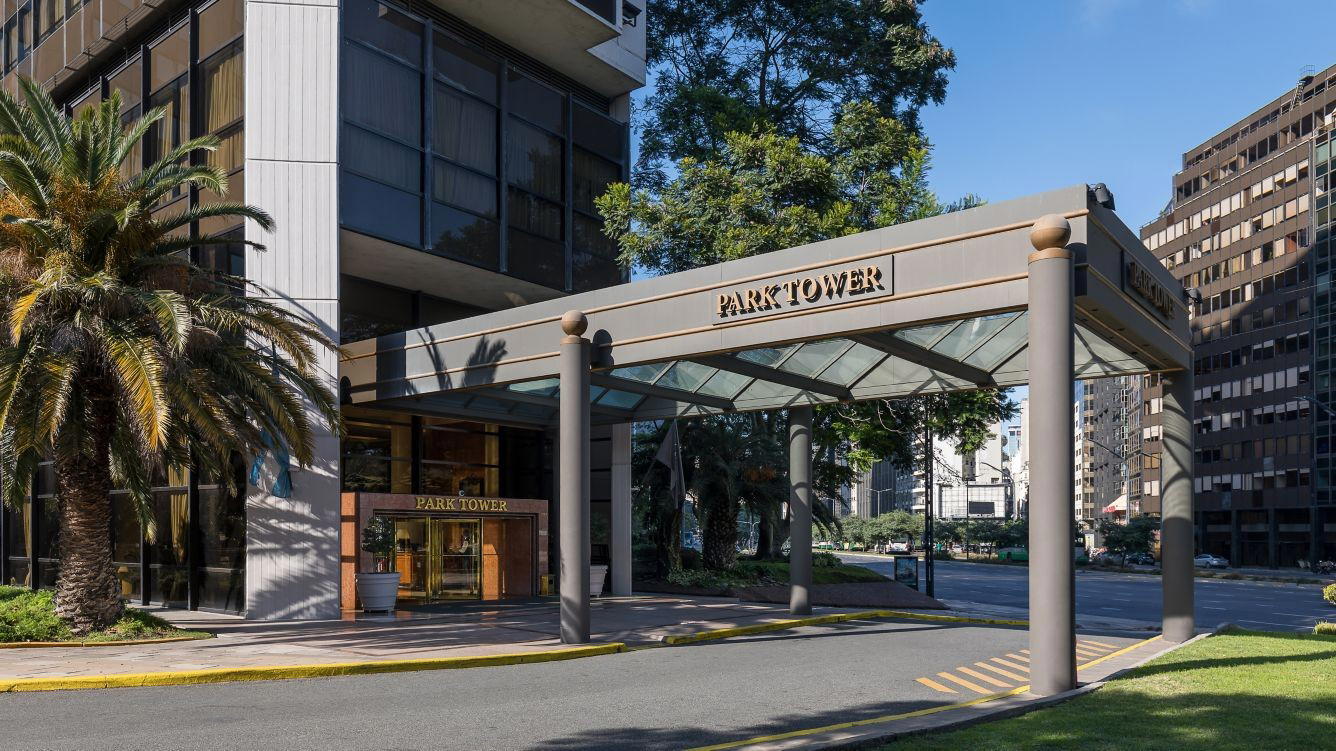
| Park Tower, A Luxury Collection Hotel | Luxury urban tower hotel with sophisticated English-style suites and event spaces. | Not listed | Forbes Recommended | Retiro |
Recognition history
Dated appearances from independent guides and award organizations, with the underlying list record or original source where available.
Michelin Selected
Michelin
Continue exploring
More in Buenos Aires
Hotels in Buenos Aires
Browse all →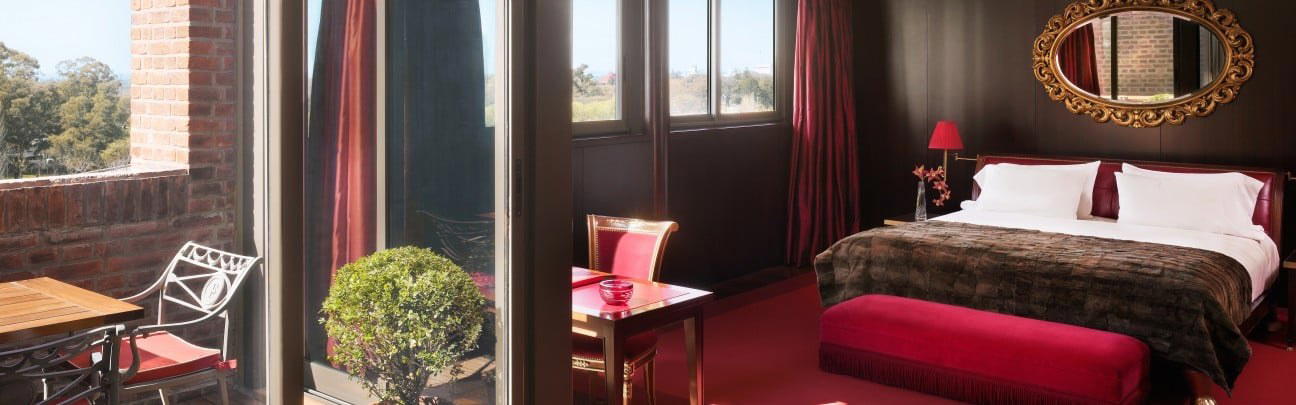
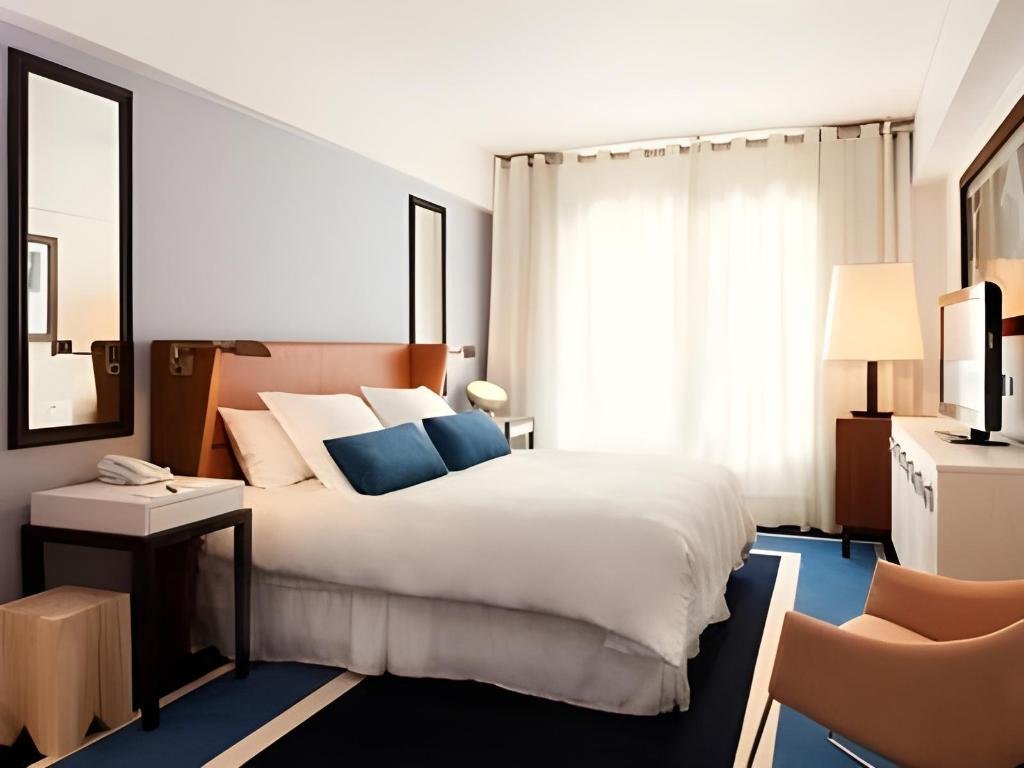
Bars in Buenos Aires
Browse all →
Restaurants in Buenos Aires
Browse all →
Wineries in Buenos Aires
Browse all →
Details
- Modern
- Elegant
- Sophisticated
- Lively
- Romantic Getaway
- Business Trip
- Wellness Retreat
- Celebration
- Rooftop Pool
- Destination Spa
- Panoramic View
- Waterfront
- Terrace
- Design Destination
- Wi Fi
- Pool
- Spa
- Fitness Center
- Room Service
- Concierge
- Business Center
- Valet Parking
- Sauna
- Hot Tub
- Restaurant
- Bar
- Waterfront
- Skyline
- Wheelchair Accessible
- Elevator
- Accessible Restroom
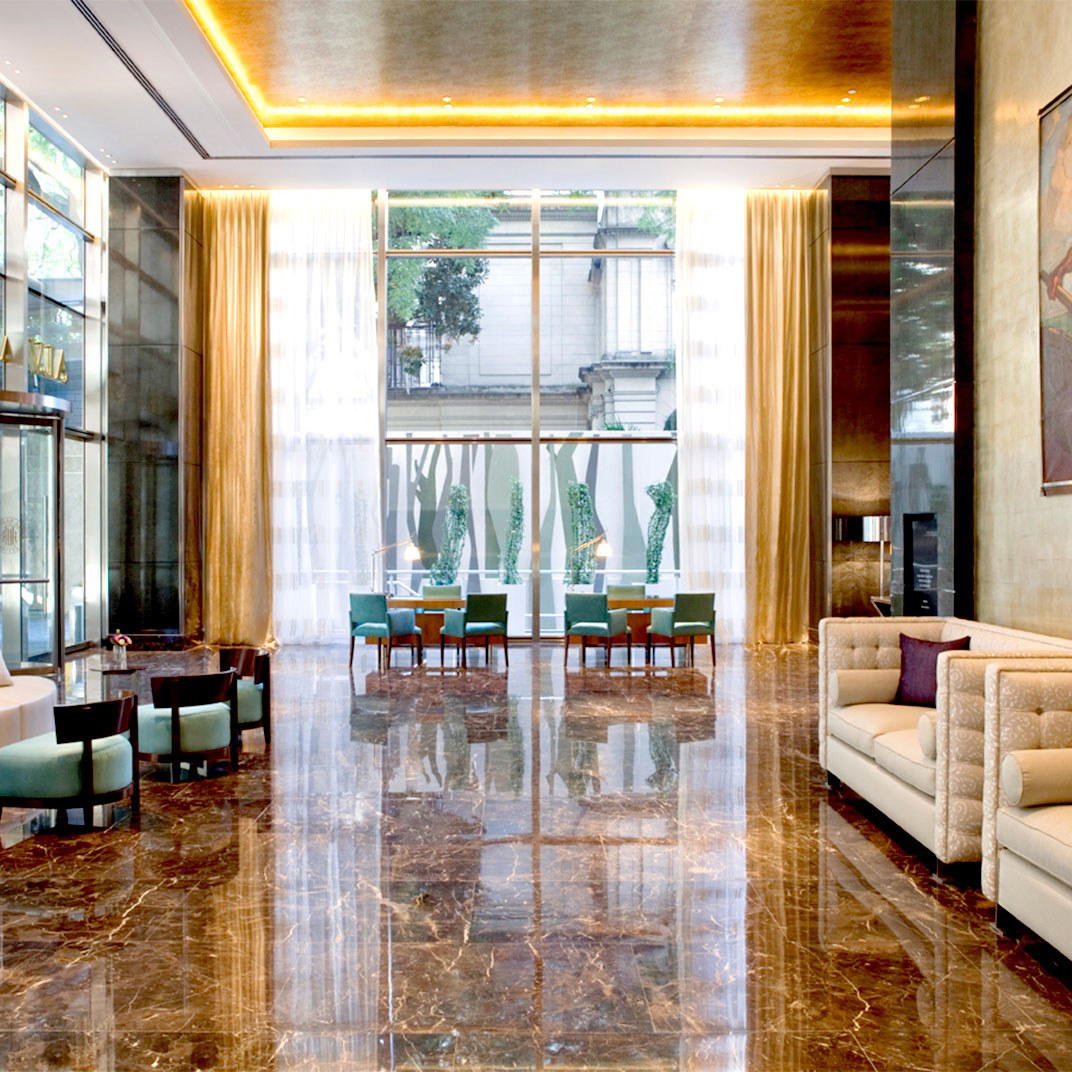
Modern luxury with bright, contemporary design featuring high-shine finishes, polished gold accents, and Carrara marble throughout; panoramic river and city views create an upscale, energetic atmosphere.