Treintasillas
Our verdict
In the Chacarita neighbourhood of Buenos Aires, Treintasillas operates at the crossroads where Argentine pantry staples meet European and global technique. The address on Freire places it away from the polished restaurant corridors of Palermo and Las Cañitas, making it a deliberate choice rather than a casual stumble. For diners tracking the city's evolving creative dining scene, it belongs on the shortlist.

Pearl is the En Primeur Club membership app — saves, bookings, and concierge access live there. Same editors, same standards.
- Address
- Cap. Gral. Ramón Freire 700, C1426 Cdad. Autónoma de Buenos Aires, Argentina
- Phone
- +54 11 4492 7046
- Hours
- Mon–Wed ClosedThu–Sat 8 PM–12 AMSun Closed
- Website
- treintasillas.com
- Directions
- Get directions
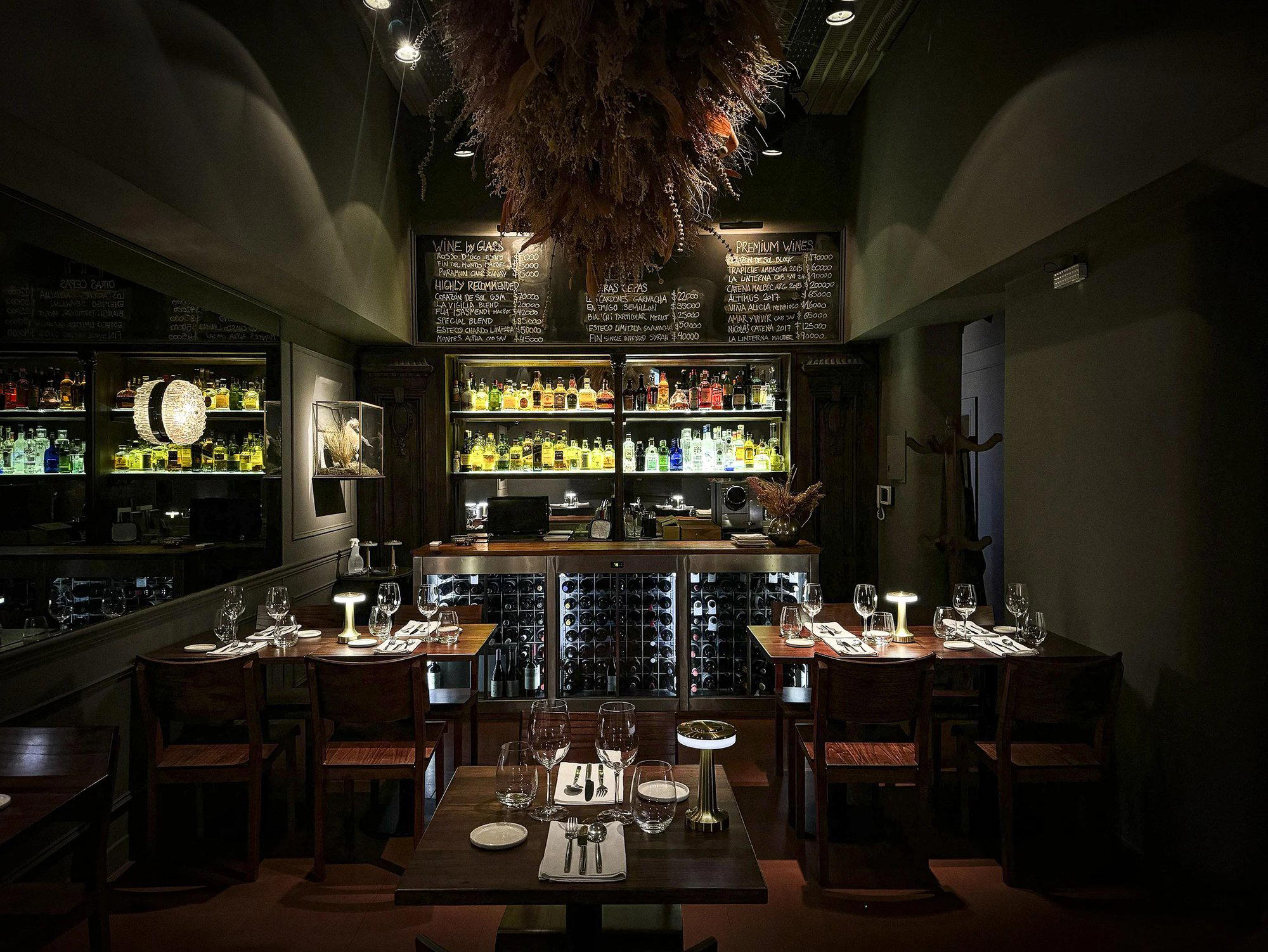
A Neighbourhood Table in Chacarita's Evolving Dining Scene
Buenos Aires has been reorganising its creative restaurant geography for the better part of a decade. Palermo SoHo and Las Cañitas held the centre of gravity for a long time, but quieter barrios have absorbed some of the city's more considered cooking. Chacarita is the clearest example of this shift: a neighbourhood with deep porteño character — traditional rotiserías, neighbourhood bakeries, small bars — that has drawn a second generation of chefs who want lower rents and a less performative crowd. Treintasillas sits within that movement, at Capitán General Ramón Freire 700, close enough to the neighbourhood's main commercial spine to be walkable from multiple directions, far enough from the tourist corridors to be genuinely local in its rhythm.
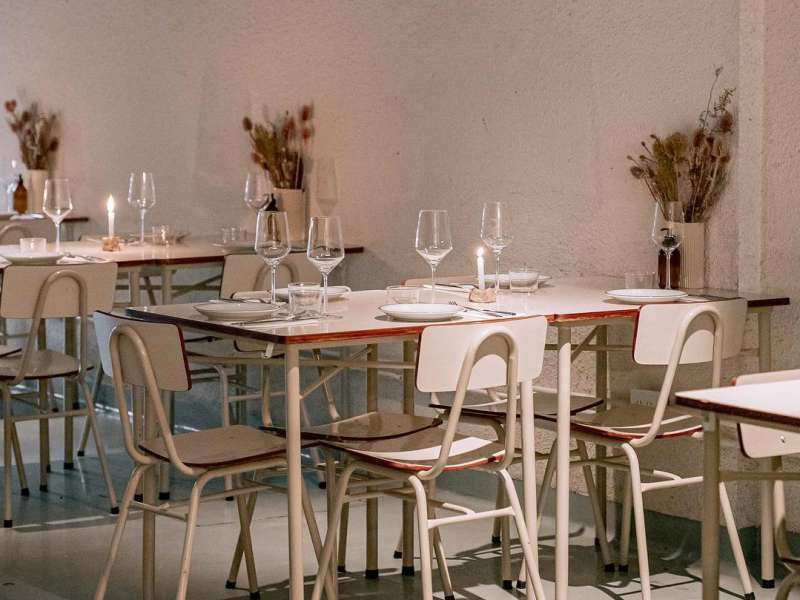
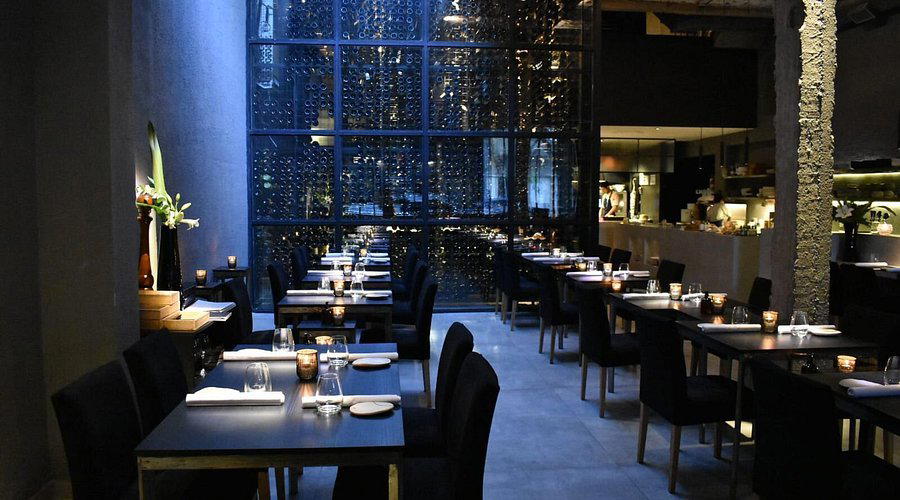
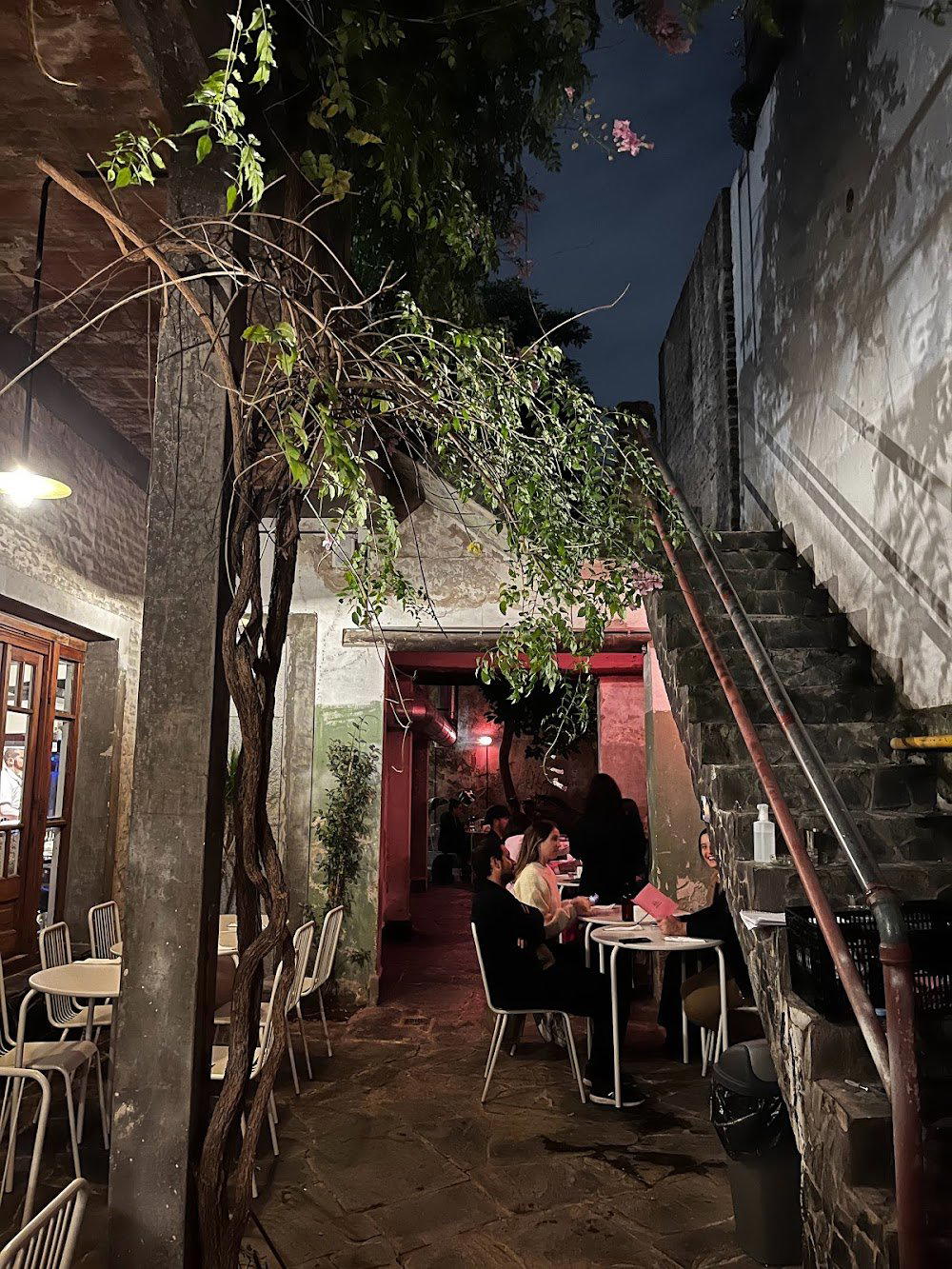
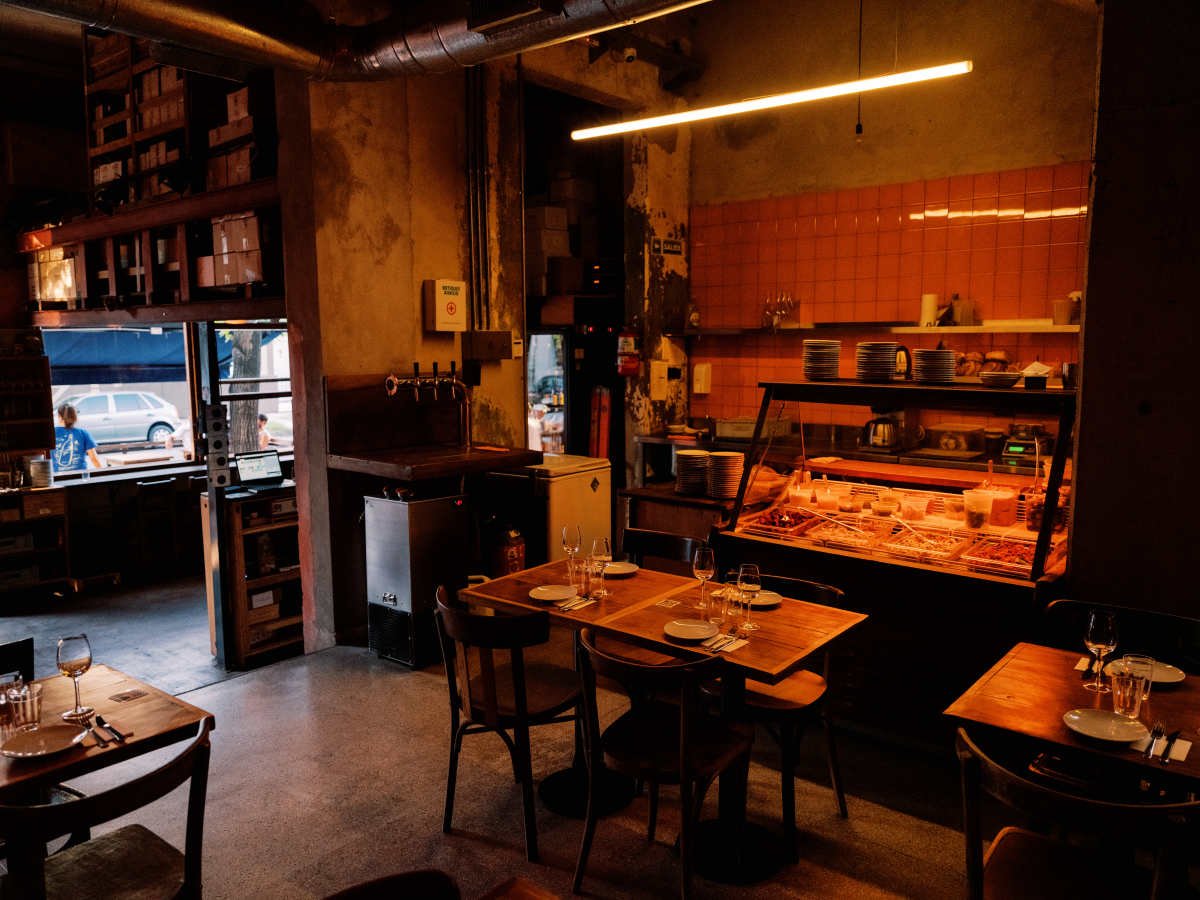
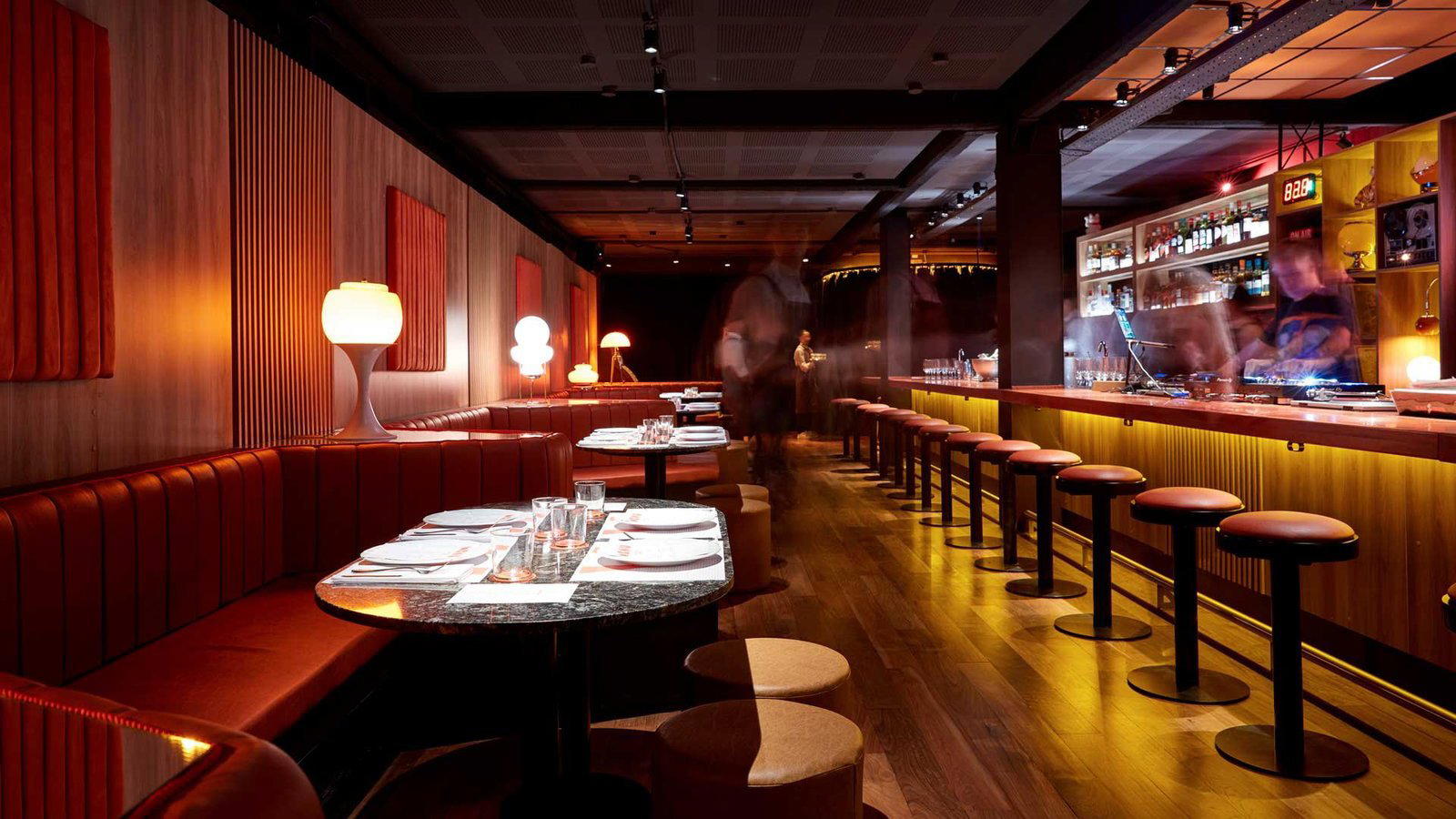
That geographic placement matters editorially. When Buenos Aires fine-dining conversation centres on Palermo landmarks like Don Julio or the tasting-menu tier represented by places like Aramburu, restaurants in Chacarita operate in a different register, less about formal occasion dining, more about what the city's cooks do when the room feels like their own space. The physical environment at Freire 700 carries that sensibility: it reads as a place where the kitchen rather than the décor is the primary statement.
Where Local Ingredients Meet Imported Method
Argentina's food identity has long been shaped by the collision of its agricultural abundance with the cooking traditions that Italian, Spanish, and Central European immigration brought in the late nineteenth and early twentieth centuries. The raw materials are emphatically Argentine: Pampas-raised beef, Patagonian fish and shellfish, Andean vegetables, native herbs from the northwest. The methods that shape those materials increasingly draw from French classical training, Nordic fermentation thinking, and Japanese precision in product handling.
This intersection has become the defining axis of Buenos Aires's emerging creative tier, distinct from the steakhouse tradition that still draws international visitors and equally distinct from the tasting-menu formalism that marks places like Crizia. At Treintasillas, the address in Chacarita rather than a marquee Palermo or Puerto Madero location signals an editorial choice about audience: the room is built for diners who approach the food rather than the status of the reservation.
This dynamic has parallels in other markets. The same local-ingredient, imported-technique tension that drove the evolution of places like Le Bernardin in New York or Lazy Bear in San Francisco plays out differently in Buenos Aires because the Argentine pantry is so distinct, provoleta, chimichurri culture, offal traditions from the asado, dulce de leche as a genuine pantry staple rather than an exotic import. Kitchens that take those materials seriously and apply rigorous technique produce food that reads neither as fusion nor as nostalgic traditionalism, but as something more specific to this city at this moment.
The Broader Buenos Aires Creative Tier
Understanding where Treintasillas sits requires a sense of how Buenos Aires has stratified its restaurant scene in the years following significant economic volatility. High-end dining in the city has had to build trust with a local clientele that is sophisticated but cost-conscious, accustomed to great food at mid-range prices by international standards, and sceptical of restaurants that price above the market without clear justification. The venues that have earned loyalty in this environment tend to be those with genuine kitchen substance rather than imported prestige signals.
The comparison set for a restaurant at Freire 700 is instructive. At one end, the steakhouse tradition, exemplified by Don Julio, with its Palermo location and decades of institutional weight, commands premium pricing on the strength of product quality and room energy. At the contemporary creative end, Aramburu operates a tasting-menu format at the upper price bracket. Between those poles, a cluster of neighbourhood-rooted, technique-driven rooms has developed its own audience: knowledgeable locals, food-serious visitors who do their research, and an increasing number of chefs and industry figures who eat out on their days off. This is the tier where Treintasillas operates, alongside the likes of Anafe.
For visitors mapping a wider Argentina itinerary, the Buenos Aires creative dining scene connects to similar movements in wine country. The kitchen-forward thinking in Chacarita rhymes with what you find at table in Mendoza at places like Azafrán or within estate properties like Cavas Wine Lodge and Entre Cielos in Luján de Cuyo, and at lodge restaurants further south such as Las Balsas in Villa La Angostura. The shared thread is serious engagement with Argentine product allied to technique that has moved well beyond the parrilla.
Planning Your Visit
Chacarita is accessible by subte on Line B (Federico Lacroze station sits close to the neighbourhood's centre) and by ride-share from any central Buenos Aires hotel in under twenty minutes during off-peak hours. The neighbourhood rewards arriving early enough to walk the streets around Freire before sitting down, the combination of traditional storefronts and newer creative businesses gives a useful read on why this part of the city has attracted a second wave of independent restaurants. For visitors also exploring Los Talas del Entrerriano in the broader Buenos Aires metropolitan area or planning a day trip to La Bamba de Areco in San Antonio de Areco, Chacarita makes a logical base for an evening meal before or after those excursions.
Because detailed booking and operational data for Treintasillas is not centrally published, the most reliable approach is to contact the restaurant directly via the address at Freire 700, or to check current status through Google Maps or local Buenos Aires restaurant aggregators. Given that neighbourhood-tier creative restaurants in Buenos Aires often operate without formal reservations systems and can shift hours seasonally, confirming in advance is advisable rather than walking in on assumption. Our full Buenos Aires restaurants guide covers the wider scene across neighbourhoods and price tiers for those building a complete dining itinerary.
Frequently asked questions
Where do I go for Treintasillas?
Treintasillas is located at Cap. Gral. Ramón Freire 700, C1426 Cdad. Autónoma de Buenos Aires, Argentina, Buenos Aires.
How does Treintasillas fit into Buenos Aires's Chacarita dining scene compared to other neighbourhood restaurants?
Chacarita has become the city's most concentrated zone for chef-driven, ingredient-focused restaurants over the past five years, drawing comparisons to the role Palermo SoHo played in Buenos Aires dining a decade earlier. Treintasillas at Freire 700 occupies this scene as a neighbourhood table with a focus on Argentine produce and imported culinary method, which places it alongside rather than above or below the cluster of similarly-minded kitchens that have opened in the area. Diners looking to understand the current direction of Buenos Aires cooking, beyond the steakhouse circuit, will find Chacarita's concentration of restaurants, including Treintasillas, the most informative part of the city to explore.
What's the best thing to order at Treintasillas?
Specific menu details for Treintasillas are not fixed in print, which is partly the point: the kitchen at Freire 700 works with local Argentine produce and shifts its offerings accordingly. Ask the floor staff what came in that day. Restaurants operating on this model in Chacarita's current scene tend to reward diners who order around the seasonal centre of the menu rather than anchoring to a single signature dish.
How far ahead should I plan for Treintasillas?
Chacarita's better tables have been booking further out since the neighbourhood emerged as Buenos Aires's primary creative dining corridor. Walk-in availability varies considerably by season and day of the week.
What makes Treintasillas worth seeking out?
Treintasillas sits at Cap. Gral. Ramón Freire 700 in Chacarita, a neighbourhood that has drawn serious Argentine cooking talent away from Palermo's more saturated dining strips over the past several years. The restaurant represents the current direction of Buenos Aires's creative tier: locally sourced ingredients interpreted through technique that owes as much to European training traditions as to Argentine agricultural identity. That combination is harder to find in the more tourist-facing parts of the city.
Do they accommodate allergies at Treintasillas?
The standard practice at Buenos Aires neighbourhood restaurants of this type is to raise dietary requirements at the time of booking or on arrival, giving the kitchen time to adjust. Contacting them directly before your visit is the most reliable approach.
Is eating at Treintasillas worth the cost?
The neighbourhood's lower rents have historically allowed kitchens there to take more risk on the plate without passing premium costs to diners. That structural advantage is part of why the area has attracted the attention it has.
Recognition, Side-by-Side
Comparable venues nearby, for context on price, style, and recognition.
| Venue | Cuisine | Price | Awards | Notes |
|---|---|---|---|---|
| TreintasillasThis venue — the venue you are viewing | Contemporary Argentine Tasting Menu | $50–100 | Not listed | Not listed |
| El Perón Perón | Argentine Bar & Grill | $20–30 | Not listed | Once |
| Iñaki Restaurante | Mediterranean Spanish Seafood | $30–50 | Not listed | Retiro |
| Facon | Argentine | $20–30 | Not listed | Torre de Los Ingleses |
| Piedra Pasillo Al Fondo | Modern Argentine Contemporary | $30–50 | Michelin Plate | Núñez |
| La Bumon | Wine-focused Fine Dining | Not listed | Not listed | Once |