
Tonkatsu Enraku is a Chidori-Ota tonkatsu address selected for Tabelog 100 - Tonkatsu - 2026, with a 15-seat room and a compact format covering pork cutlet, katsu-don, and curry. Lunch sits in the lower JPY 1,000 range, while dinner moves into JPY 2,000 territory, making the split between daytime value and evening pacing central to how to read the place.
Pearl is the En Primeur Club membership app — saves, bookings, and concierge access live there. Same editors, same standards.
- Address
- 東京都大田区千鳥1-15-14
- Phone
- +81337555641
- Website
- tabelog.com
 Saves & bookings on Pearl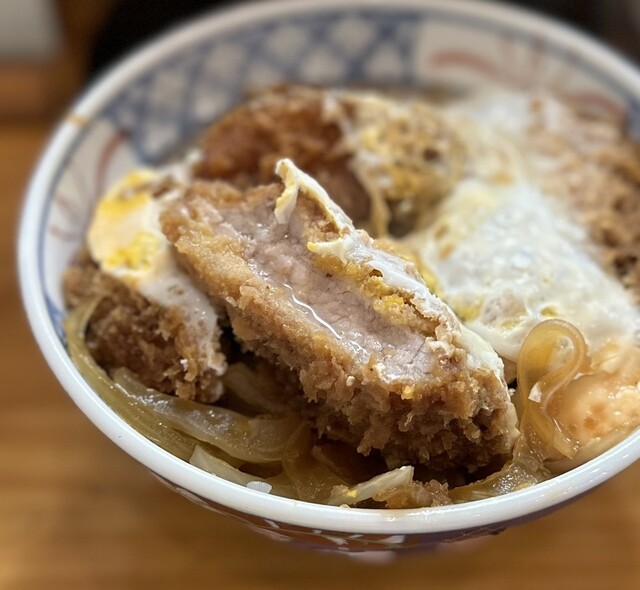
Chidoricho sets Tokyo tonkatsu to a quieter rhythm than station-front department-store counters or destination Ginza rooms: a short walk from the Tokyu Ikegami Line, then a compact residential dining room with counter seats, table seating, and tatami-style space. Here, pork cutlet is not spectacle but neighborhood craft, with enough recognition to draw attention beyond Ota-ku.
Tonkatsu Enraku rewards specificity over scale. The category is narrow, the room small, and the recognition category-specific: selection for Tabelog 100 - Tonkatsu - 2026 places it in Japan’s serious tonkatsu conversation, not the broader fine-dining circuit. That distinction matters. Tokyo tonkatsu has its own hierarchy, separate from sushi counters, tempura houses, and kaiseki rooms, with different metrics: frying discipline, pork selection, rice, cabbage, miso soup, sauce, service tempo, and how well lunch holds its value.
The lunch-dinner split defines the value proposition
Tokyo tonkatsu houses often split into two modes. Lunch compresses the experience: set meal, clear price ceiling, quick decision, and a room that serves solo diners without ceremony. Dinner slows the category down, with alcohol, take-out demand, and small-group meals changing the feel. Enraku’s listed budgets make the divide plain: lunch sits below dinner, while both remain in the everyday-specialist tier rather than the luxury counter bracket.
That gives the daytime sitting unusual weight. In a city where premium dining can turn a simple cutlet into reservation sport, lunch preserves tonkatsu’s democratic core: pork, rice, cabbage, and a defined meal structure. Dinner is better for diners who want the room to feel less transactional, especially because weekday evenings are the only listed window for reservations. The practical read: lunch is the sharper value play; dinner is the calmer social format when planning allows.
The categories also explain the appeal. Tonkatsu is the anchor, while katsu-don and curry keep the kitchen inside a broader Japanese comfort-food register. In Tokyo, specialists often gain authority by narrowing the menu while leaving enough variation for repeat local use. A pork cutlet house that also handles cutlet bowl and curry is not trying to be all things to all diners; it stays within fried-cutlet grammar, letting sauce, rice, egg, and curry shift the mood.
A small-room tonkatsu format, not a luxury performance
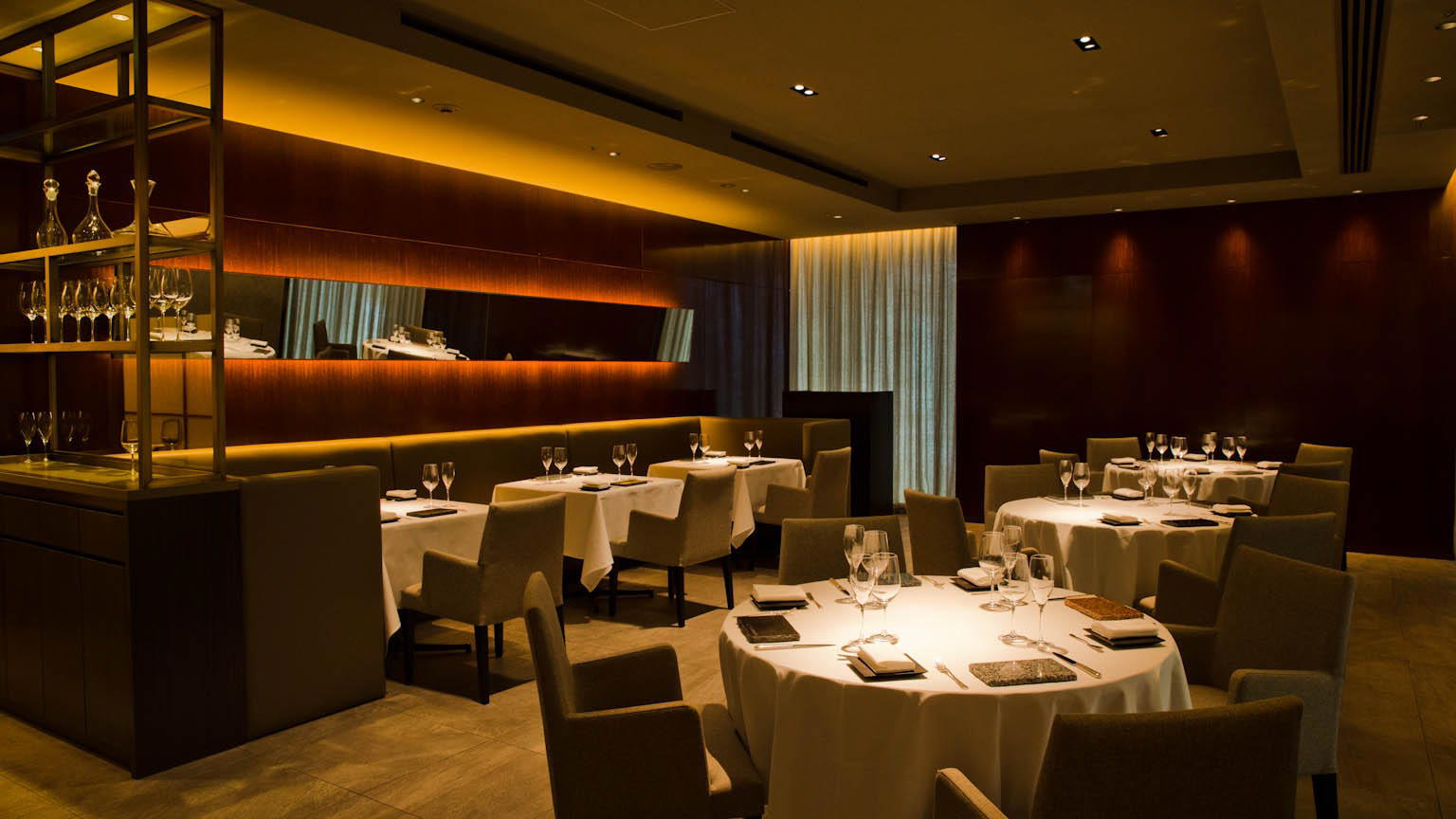
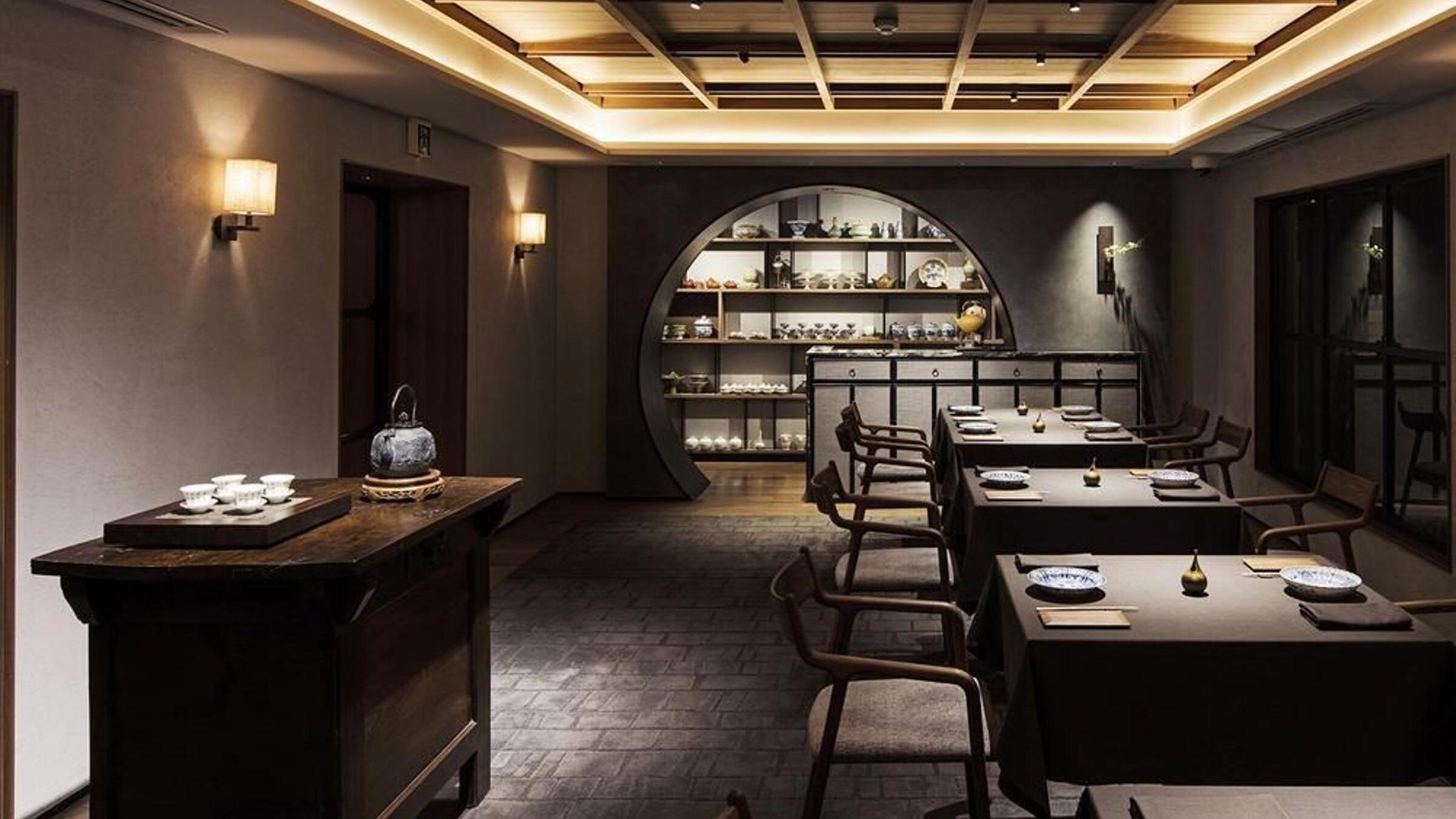
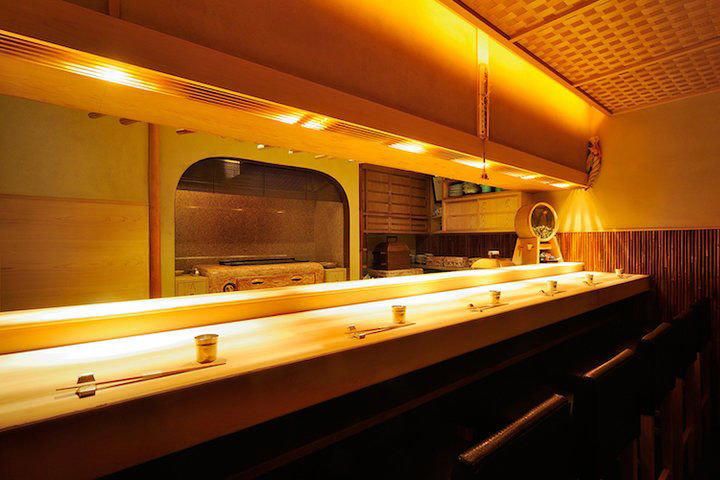
The 15-seat layout sets expectations before ordering. Three counter seats, a small table section, and tatami-room seating make this feel more like a local dining address than a destination tasting-menu restaurant. That intimacy changes the logic. At a counter-only omakase, the chef’s hand becomes the drama. In a tonkatsu room this size, the drama is operational: timing the fry, feeding regulars, handling solo diners, and keeping the set-meal rhythm intact.
Tabelog 100 recognition gives Enraku a different authority from Michelin-starred dining. It signals category confidence inside a Japanese user-review ecosystem especially influential for everyday specialisms: ramen, curry, tonkatsu, soba, and yoshoku-adjacent cooking. A Tabelog score of 3.66 in this genre should be read in context. In Japan, scores above the mid-threes can already indicate serious local approval, particularly in narrow categories where regulars compare tiny differences in frying, texture, and portion structure.
Compared with nearby everyday-price Tokyo references such as THE LIVING, PondyBhavan Musashi nitta, Jinenbo, Natsuya no Chuka Soba, and Okonomiyaki Fukutake, this is more focused: not a broad casual table, not ramen, not okonomiyaki, but a cutlet specialist with award-list validation. That focus is the reason to travel. The meal does not compete with Tokyo’s high-gloss restaurant economy; it competes with the city’s demanding lunch culture, where repeatability is often a tougher test than novelty.
How to place it in a Tokyo itinerary
Ota-ku is not the default dining base for visitors staying in Marunouchi, Shinjuku, or the eastern hotel corridor, and that distance filters the audience. The stronger case is for travelers building a Tokyo food itinerary around genre depth rather than sightseeing adjacency. Tonkatsu Enraku fits a day that treats the Ikegami Line and southern Tokyo neighborhoods as part of the city’s dining map, not a detour from it.
For planning, place it alongside EP Club’s Tokyo coverage rather than treating it as an isolated meal. The city reads more clearly through contrasts: casual Japanese cooking at 3 Chome no Curry Ya San, yakitori at 124. KAGURAZAKA (Yakitori), seafood-and-charcoal formats such as . 鮪と炭火焼き うお炭 秋葉原店, and stylized casual stops like 2D Cafe or 12/10 Shinjuku ten. For the wider city edit, use Our full Tokyo restaurants guide, then cross-check stays, drinks, and cultural planning through Our full Tokyo hotels guide, Our full Tokyo bars guide, Our full Tokyo wineries guide, and Our full Tokyo experiences guide.
Japan’s regional dining map sharpens the comparison. A Tokyo tonkatsu stop sits in a different register from sukiyaki outside the capital at -Grilled beef Sukiyaki- KAMAKURA TANUKIAN 鎌倉 たぬき庵 in Kamakura, cafe culture at.cafe in Osaka, Kumamoto dining at.know in Kumamoto, Vietnamese cooking in Kanagawa at (Shoku) Vietnam in Kawasaki, Sapporo curry at [Curry Senmon Ten] Maruyama Kyoju. in Sapporo, or Kyoto’s contemporary dining at [ki:] in Kyoto. Even overseas Japanese formats, from Jōdo Saké Bar in Los Angeles to Onigiri Time in Pasadena, underline the point: Japanese comfort food travels well, but Tokyo’s specialist rooms retain a density of repetition and scrutiny that is hard to export.
The editorial read is simple. Enraku is strongest for diners who care about tonkatsu as a category, not as a checkbox between sushi and ramen. Its appeal sits in the lunch-versus-dinner decision, the small-room format, and the award-list signal that places a neighborhood cutlet house inside a national conversation. Choose lunch for value and pace; choose dinner when the meal needs more room to breathe.
Cost and Credentials
Comparable venues to anchor price and recognition.
| Venue | Cuisine | Price |
|---|---|---|
| Tonkatsu EnrakuThis venue — the venue you are viewing | Ōta, Traditional Tonkatsu & Katsu-don | $$ |
| Okonomiyaki Fukutake | Ōta, Kansai-style okonomiyaki | $$ |
| Niwa Tori | Shinagawa, Yakitori & Chicken Izakaya | $$ |
| 日本料理 太月 | Shibuya, Japanese Traditional | Not listed |
| Suju Dining Rokkaku | Minato, Modern Shinshu Miso Izakaya | $$ |
| アンディ | Shibuya, Japanese Izakaya Seafood | $$ |
Recognition history
Dated appearances from independent guides and award organizations, with the underlying list record or original source where available.
Tabelog 100 #30
Tabelog











At a Glance
- Classic
- Cozy
- Intimate
- Solo
- Family
- Casual Hangout
- After Work
- Group Dining
- Standalone
- Sake Program