
Okonomiyaki Fukutake places Tokyo’s griddle culture in a compact Ota City room, with table seating, tatami space, shochu, and a price tier that keeps the meal closer to everyday neighborhood dining than destination omakase. Its repeated selection for Tabelog’s Okonomiyaki 100, including 2025, gives the address a clear credibility signal within Japan’s casual-specialist cooking scene.
Pearl is the En Primeur Club membership app — saves, bookings, and concierge access live there. Same editors, same standards.
- Address
- 1 Chome-17-11 Higashiyaguchi, Ota City, Tokyo 146-0094, Japan
- Phone
- +81 3-3739-4064
- Website
- tabelog.com
 Saves & bookings on Pearl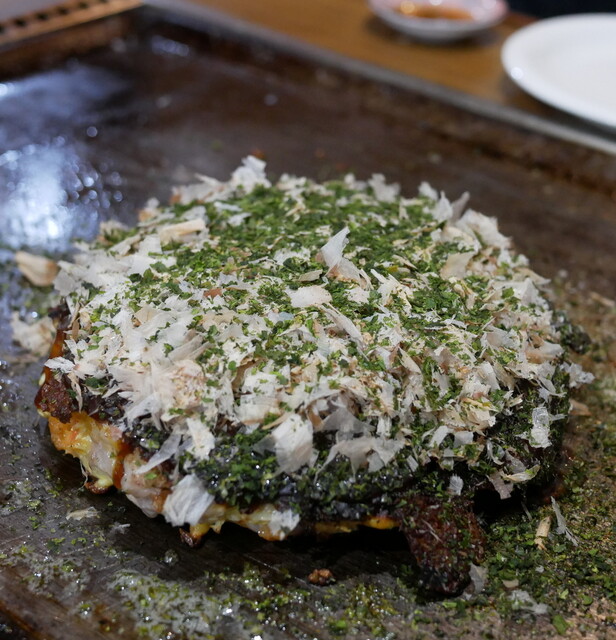
Serious okonomiyaki in Tokyo is rarely theatrical. The cues are smaller: batter meeting a hot plate, groups settling around tables, and a slower meal built for sharing rather than sequencing. In Higashiyaguchi, Okonomiyaki Fukutake fits that tradition: a compact Ota City address whose room explains the cooking as clearly as any chef biography. This is not Tokyo’s counter-dominant luxury grammar. It is griddle food as social architecture.
Okonomiyaki sits apart from the city’s sushi and kaiseki prestige economy. The format rewards repetition, heat management, and the ability to turn humble components into something communal without becoming loose. Tokyo diners often treat it casually, but Tabelog’s Okonomiyaki 100 list has sharpened the map of specialists. Fukutake’s inclusion in the 2025 selection, after appearances in 2024, 2023, 2022, 2019, and 2018, places it in a narrower bracket than the price point suggests.
A griddle menu built around categories, not courses
Okonomiyaki’s menu logic differs from Western tasting-menu design. It does not ask diners to surrender to a fixed progression; it asks the table to choose a base, decide on richness and texture, and pace the meal around the hot plate. That structure explains the category’s durability in Tokyo: groups keep control while the restaurant preserves its technical center of gravity.
Fukutake’s listed category is okonomiyaki, Japanese savory pancake, and that narrowness matters. In a city where casual restaurants often stretch across yakisoba, monjayaki, izakaya plates, and regional side dishes, a specialist identity signals that the griddle is not an accessory. Shochu appears in the drink profile, another clue to the room’s tempo: dinner moves through rounds, conversation, and heat, not the quick turnover of a noodle counter.
The comparison with other Tokyo casual specialists helps. Niboshi Tsukemen Miyamoto operates in a similar JPY 1,000 to JPY 1,999 band but belongs to ramen and tsukemen, where the individual bowl defines the visit. Namake sits higher in the casual price range, while sushi rooms such as Hatsunezushi and 初音鮨 occupy a separate economy of scarcity, countercraft, and ceremony. Okonomiyaki’s value is different: less a single chef’s hand placed before one diner than a table negotiating appetite.
That is why the menu architecture carries the story. A griddle restaurant succeeds when ordering feels self-explanatory without becoming generic. The format must support first-time visitors, regulars, pairs, and groups while keeping the central object clear. Fukutake’s repeated Tabelog recognition suggests Japanese diners read the execution as more than inexpensive comfort food. The award is not a Michelin-style luxury marker; it is a category-specific signal in a cuisine where repeat local approval matters.
Ota City gives the meal its real context
Tokyo food coverage often overweights Ginza, Aoyama, Ebisu, and station-adjacent zones that suit hotel itineraries. Ota City moves differently, with dining tied to residential streets, neighborhood stations, and practical evening routines. That context suits okonomiyaki better than a polished retail district would. The dish depends on conviviality and heat, not grand arrival.
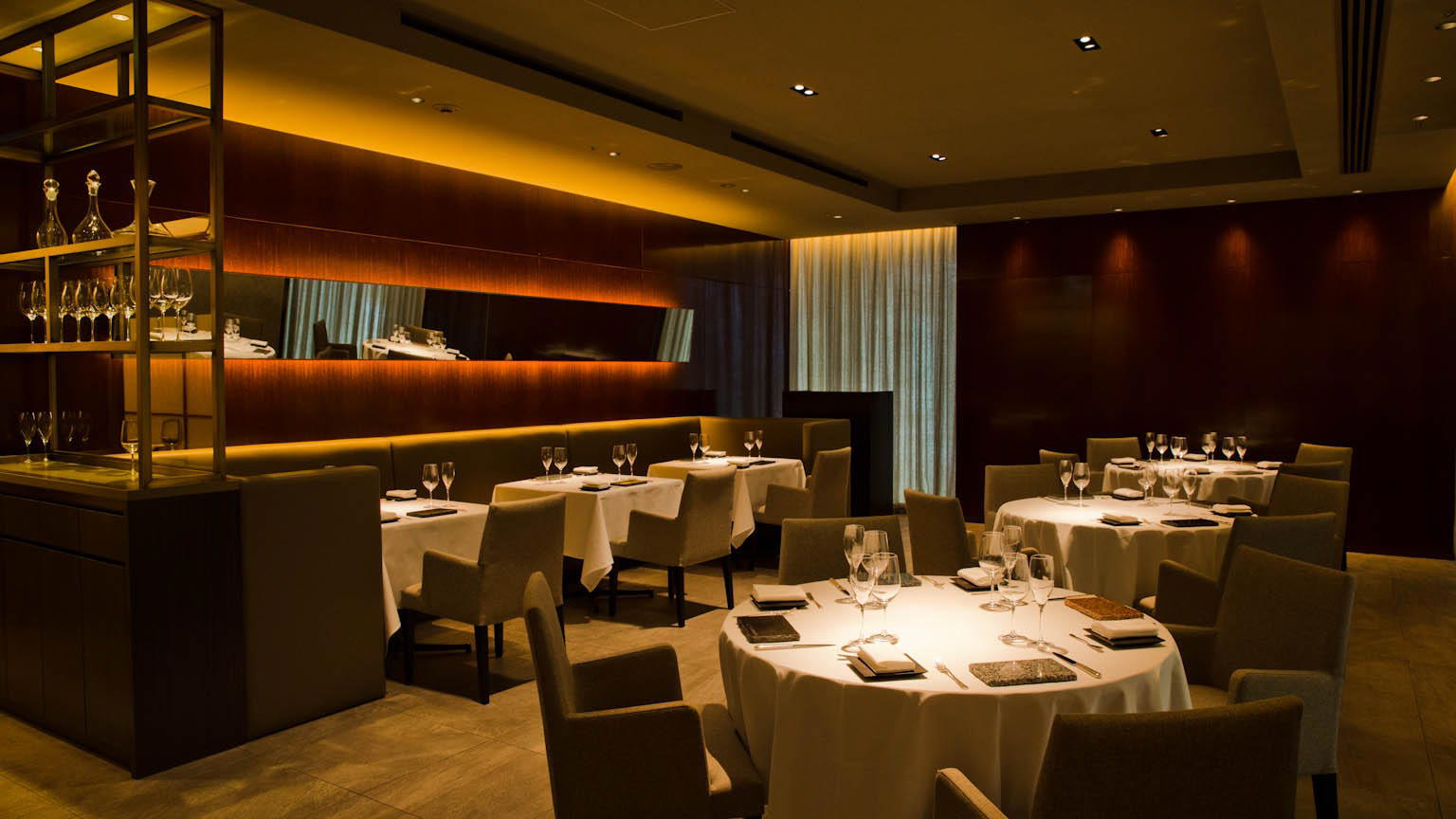
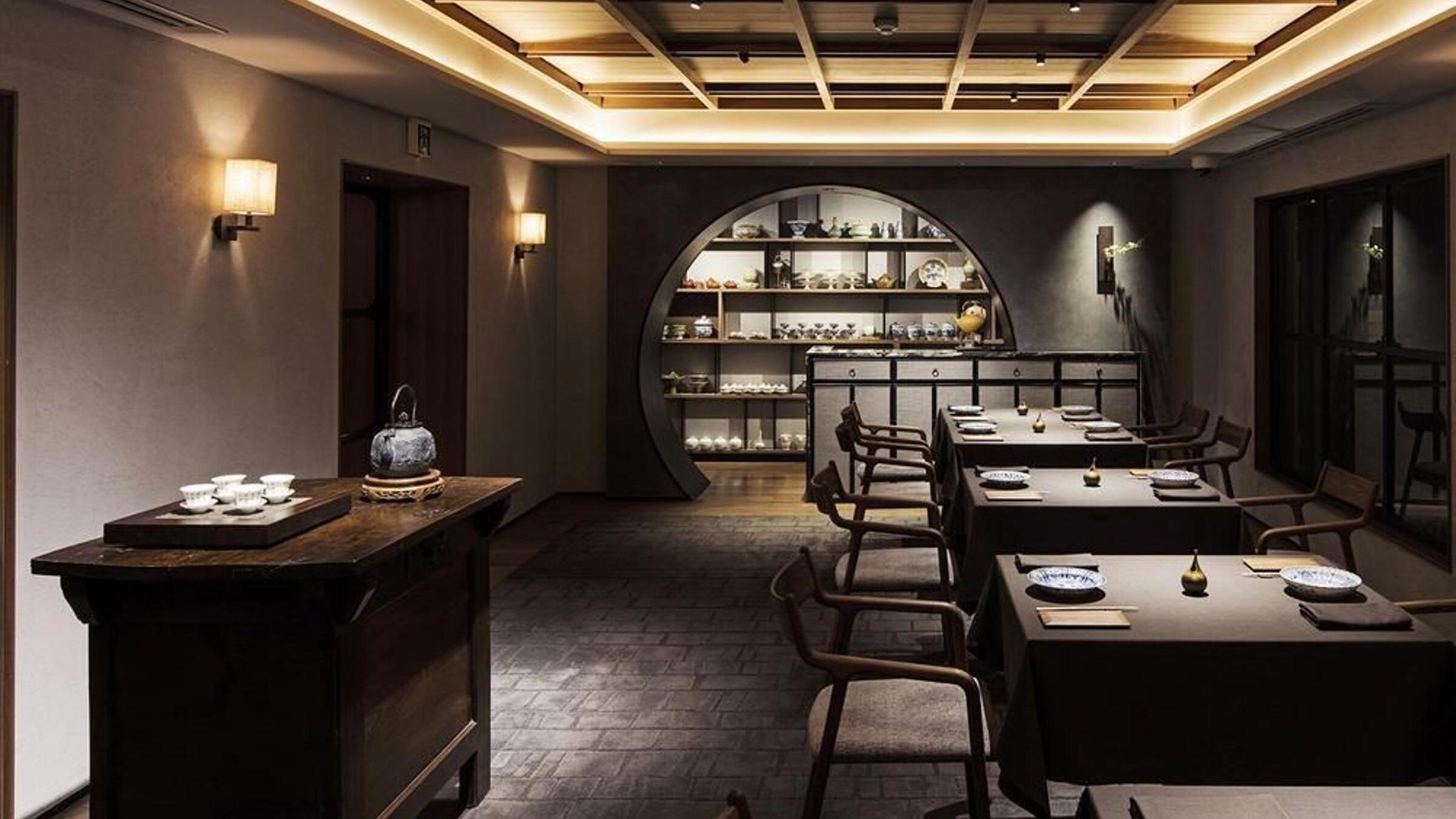
The room reinforces that point. Twenty table seats and a tatami facility place Fukutake in a compact, group-friendly category rather than the chef-counter format that dominates international attention. Private rooms and private use are not part of the setup, and the non-smoking policy gives the evening a cleaner frame than older-school griddle rooms sometimes offered. The result is a restaurant built for friends, matching the occasion most associated with the venue.
Pricing changes the lens. The listed average price is JPY 1,000 to JPY 1,999, while review-based spending is JPY 4,000 to JPY 4,999. That gap is familiar in shared-format dining: the nominal category looks modest, while final table spend depends on drinks, extra orders, and group appetite. For travelers used to Tokyo’s premium counters, it shows that serious food culture is not limited to expensive omakase or tasting menus.
There is a practical edge. Payment is cash-oriented, with credit cards, electronic money, and QR code payments not accepted. For a low-to-mid-priced specialist outside the central tourist circuit, that matters more than dress codes or wine lists. The logistics are part of the genre: small room, neighborhood station, shared plates, and a bill structure that rewards prepared diners.
Where Fukutake fits in a Tokyo itinerary
Fukutake is a category stop, not a trophy reservation. The reason to go is not luxury cues but to understand how Tokyo treats okonomiyaki when a specialist has sustained local recognition. For a wider food itinerary, it contrasts with sushi counters, yakitori rooms, curry shops, and contemporary cafés.
That contrast is useful across the city. Readers mapping casual and specialist dining can pair this address mentally with 3 Chome no Curry Ya San for focused comfort cooking, or with 124. KAGURAZAKA (Yakitori) for another fire-led tradition. The broader Tokyo field also includes 12/10 Shinjuku ten, 2D Cafe, and . 鮪と炭火焼き うお炭 秋葉原店, each showing how tightly Tokyo segments dining by format and mood.
For planning beyond one meal, Our full Tokyo restaurants guide gives the cleanest route through the city’s dining range, while Our full Tokyo hotels guide, Our full Tokyo bars guide, Our full Tokyo wineries guide, and Our full Tokyo experiences guide place the meal inside a wider trip. Travelers extending the comparison across Japan can look to -Grilled beef Sukiyaki- KAMAKURA TANUKIAN 鎌倉 たぬき庵 in Kamakura.cafe in Osaka.know in Kumamoto, (Shoku) Vietnam in Kawasaki, [Curry Senmon Ten] Maruyama Kyoju. in Sapporo, and [ki:] in Kyoto. For Japanese casual formats abroad, Jōdo Saké Bar in Los Angeles and Onigiri Time in Pasadena show how differently these ideas travel.
The editorial call is simple: Fukutake is a small-format okonomiyaki specialist whose credibility comes from category recognition, a clear griddle-led identity, and a neighborhood setting that suits the food. In Tokyo, that combination can reveal more than another polished room with a longer bill.
Similar Picks
Nearby venues at a similar price tier for orientation.
| Venue | Cuisine | Price | Notes |
|---|---|---|---|
| Okonomiyaki FukutakeThis venue — the venue you are viewing | Kansai-style okonomiyaki | $$ | Not listed |
| Hana Goori Kakigori | Japanese Kakigori (Shaved Ice) | $$ | Roppongi |
| Swastika | Japanese Cafeteria / Yoshoku / Curry | $$ | Shinagawa |
| Teuchi Soba Yakko | Handmade soba & izakaya | $$ | Meguro |
| Teuchi Shimada | Udon & soba izakaya with handmade noodles | $$ | Minato |
| Suju Dining Rokkaku | Modern Shinshu Miso Izakaya | $$ | Minato |
Recognition history
Dated appearances from independent guides and award organizations, with the underlying list record or original source where available.
Tabelog 100 #43 · No. 43
Tabelog · Tabelog 100 - Okonomiyaki - 2025











At a Glance
- Cozy
- Classic
- Intimate
- Casual Hangout
- Group Dining
- After Work
- Solo
- Standalone
Current opening hours
- Monday
- Closed
- Tuesday
- 5:30–10 PM
- Wednesday
- 5:30–10 PM
- Thursday
- 5:30–10 PM
- Friday
- 5:30–10 PM
- Saturday
- 5:30–10 PM
- Sunday
- 5:30–10 PM
Hours can change for holidays and private events. Last verified .
A classic, non-smoking neighborhood okonomiyaki joint in a quiet residential area near Hasunuma Station, with simple table seating for about 20 people and a relaxed, friendly atmosphere suited to casual meals with friends.