
A seven-seat counter in Kamata puts Tokyo’s everyday curry culture into a sharper frame: pork cutlet, curry rice, tight lunch hours, no reservations, and a price band that keeps the meal firmly in local-regular territory. Recognition on Tabelog’s Curry TOKYO 100 list in 2024 gives this compact shop a credential beyond neighbourhood convenience.
Pearl is the En Primeur Club membership app — saves, bookings, and concierge access live there. Same editors, same standards.
- Address
- 102, 5 Chome-43-7 Kamata, Ota City, Tokyo 144-0052, Japan
- Phone
- +81 3-3733-0022
- Website
- tonkatsu-aoki.com
 Saves & bookings on Pearl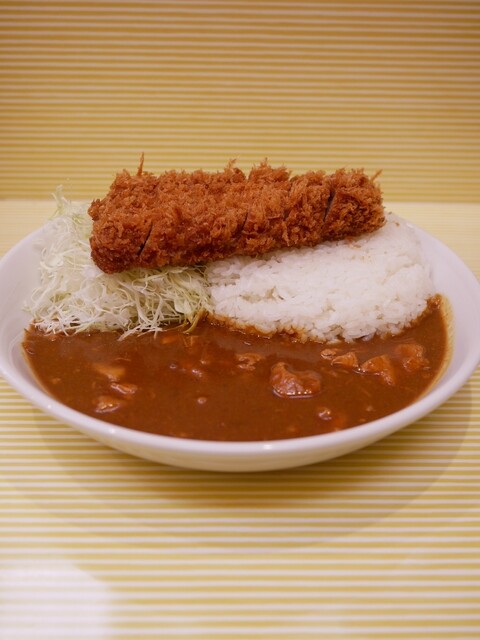
Kamata’s eating rhythm is practical before theatrical: station exits, narrow shopfronts, counter seats, and lunch services for people who know exactly what they came to eat. Tonkatsu Aoki no Curry Ya Ippekoppe Kamata honten fits a Tokyo category that rewards focus over ceremony. The room is counter-only, the format small, and the cooking sits between Japanese curry and tonkatsu, two comfort-food traditions that become more revealing without hotel polish or tasting-menu staging.
Tokyo curry is broader than shorthand suggests: old-school yoshoku curry, spice-forward independent curry, cutlet curry, café curry, and railway-adjacent lunch curry built for speed. Kamata gives the genre a working-neighbourhood context rather than destination-dining gloss. The shop’s 2024 selection for Tabelog Curry TOKYO 100 places it in a competitive citywide conversation, but the appeal stays grounded: a low-price, counter-led meal where the cutlet-and-curry pairing makes the argument.
Cutlet curry treated as a specialist format, not a fallback lunch
Japanese curry is often misread as simple because it is familiar, affordable, and widespread. Better to read it like ramen or soba: a democratic format with serious specialists, even when the bill remains modest. Tonkatsu Aoki no Curry Ya Ippekoppe Kamata honten works in that gap. Its listed categories are curry and tonkatsu, and that dual identity matters. The cutlet is not an accessory to rice and sauce; it is the meal’s structure.
That explains why the venue differs from a general curry shop such as 3 Chome no Curry Ya San, where curry carries the identity. Here, the tonkatsu connection pulls the experience toward texture, portion, and timing, closer to Tokyo counter precision than café lingering. The comparison with Tonkatsu Aoki Kamata honten is useful because both occupy Kamata’s pork-cutlet orbit, though the curry shop’s lower listed price band makes it a tighter, more casual proposition.
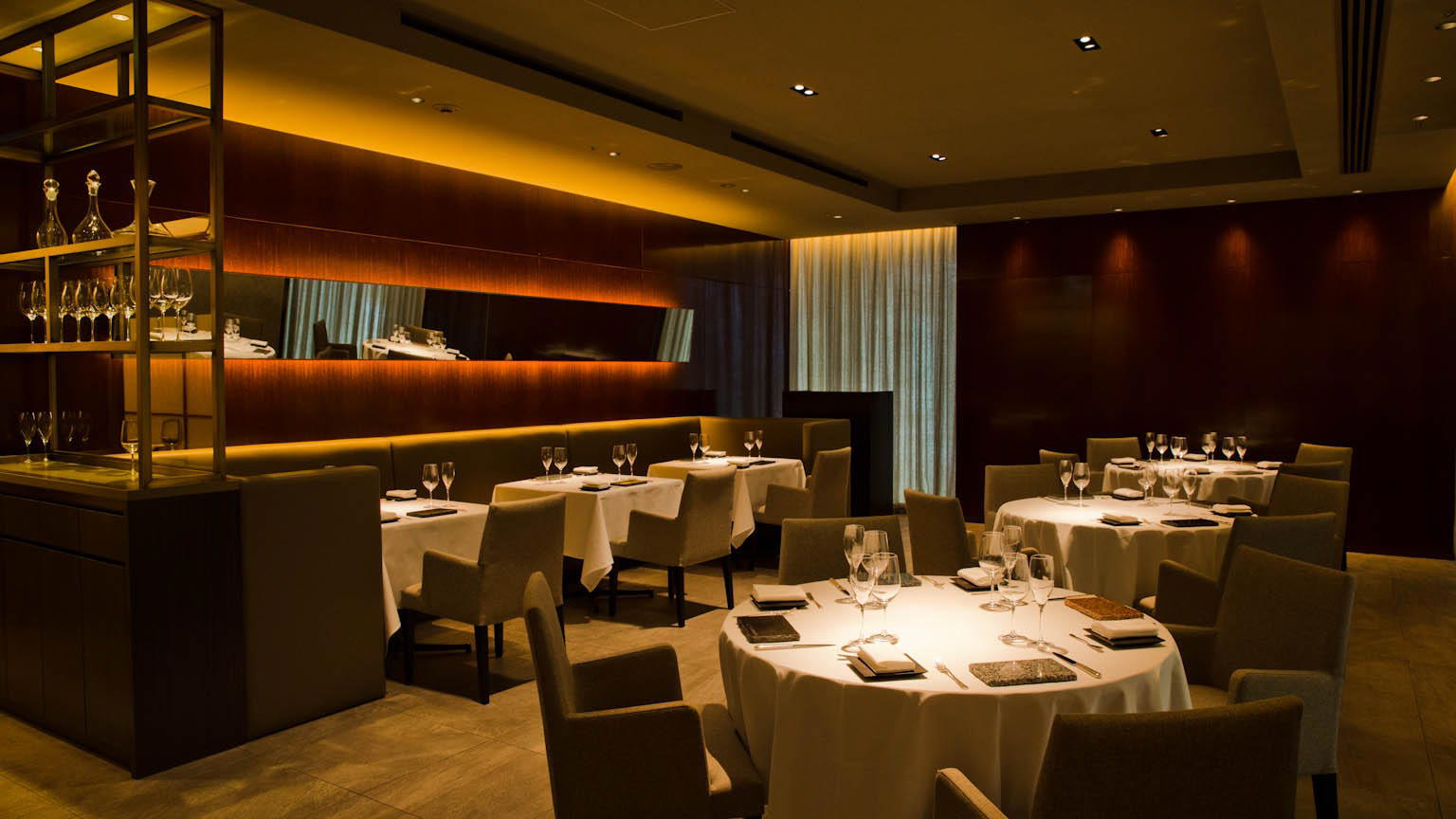
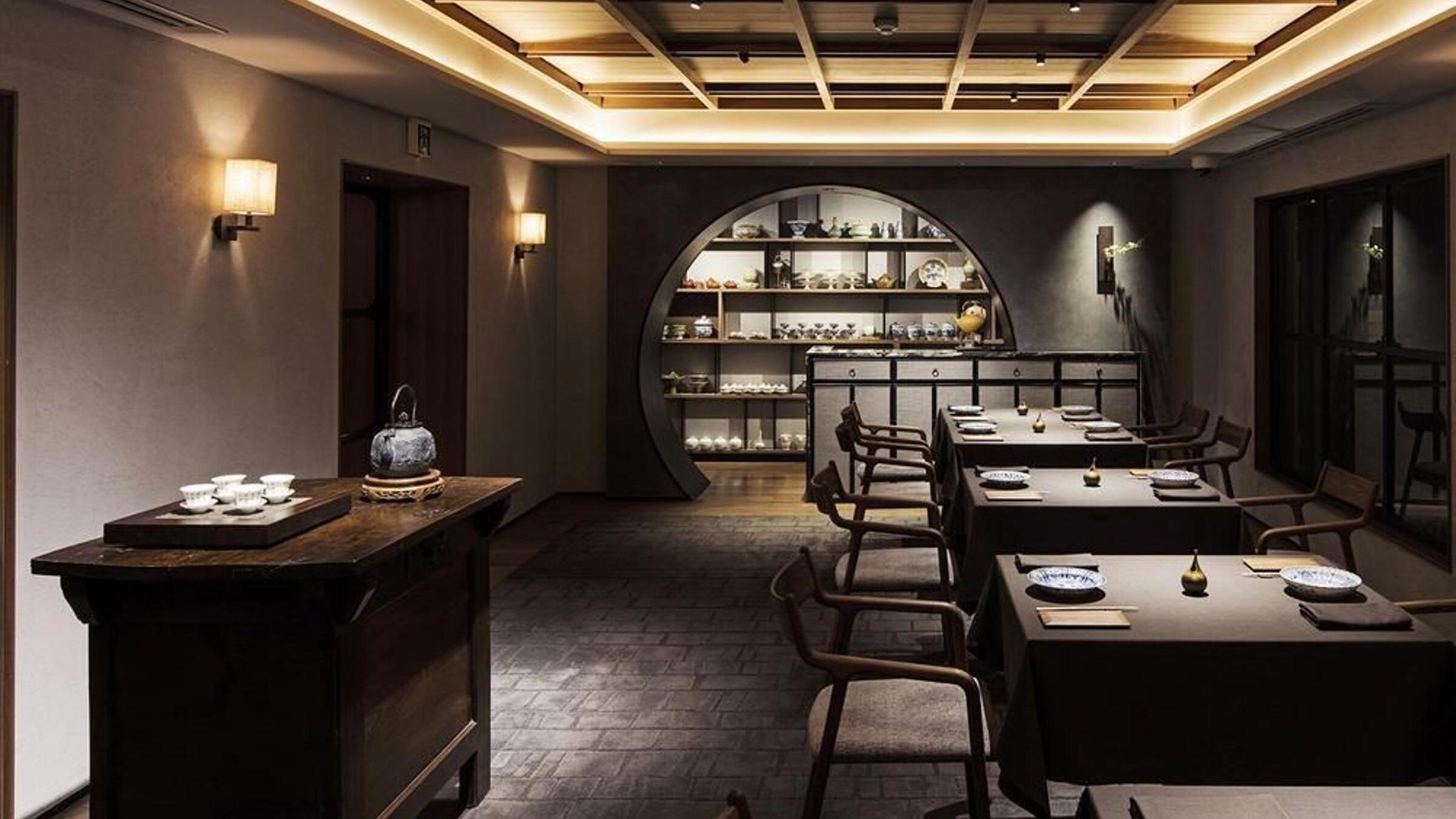
The wine-list assignment is almost a category mismatch, which is telling. This is not a cellar-driven restaurant, and there is no sommelier narrative to dress up the plate. The relevant curation is food-first: compact format, counter seating, no private rooms, take-out availability, and a menu identity narrow enough that choosing is less browsing than committing to a style. In Tokyo, that discipline can say more than a long beverage program.
Kamata's value equation is the point
Kamata is not Ginza, Aoyama, or Ebisu, and should not be judged by those scripts. Its strength is everyday eating density: quick counters, family-friendly rooms, small operators, and prices that let regulars return. Within the comparison set, Ocha to Okashi Mayanchi, Grill Suzukou, and CIVITAS all sit in accessible price territory, but each belongs to a different local habit, from sweets and tea to grill cooking and café culture. This curry counter fits the area’s lunch-and-early-day pattern with unusual clarity.
The JPY 1,000 to JPY 1,999 price band is central. Tokyo’s premium tier is expanding, but casual specialist restaurants often give the sharper measure of the city’s food intelligence. A seven-seat counter with Curry TOKYO 100 recognition is not competing with omakase counters or French dégustation rooms. It competes with focused, affordable rooms where the question is whether a narrow format earns repeat attention.
Kamata also matters logistically. The shop is tied to Kamata Station, with walkable access from JR, Tokyu, and Keikyu approaches, so it works better as a south-Tokyo food stop than a full-evening anchor. Travellers building a wider Tokyo dining map can use it as the casual counterpoint to planned meals elsewhere: . 鮪と炭火焼き うお炭 秋葉原店 for seafood and charcoal cooking, 12/10 Shinjuku ten for a different Shinjuku register, or 124. KAGURAZAKA (Yakitori) for skewers in a more composed neighbourhood frame. For a broader sweep, use Our full Tokyo restaurants guide alongside Our full Tokyo hotels guide, Our full Tokyo bars guide, Our full Tokyo wineries guide, and Our full Tokyo experiences guide.
Small-room logistics shape the experience
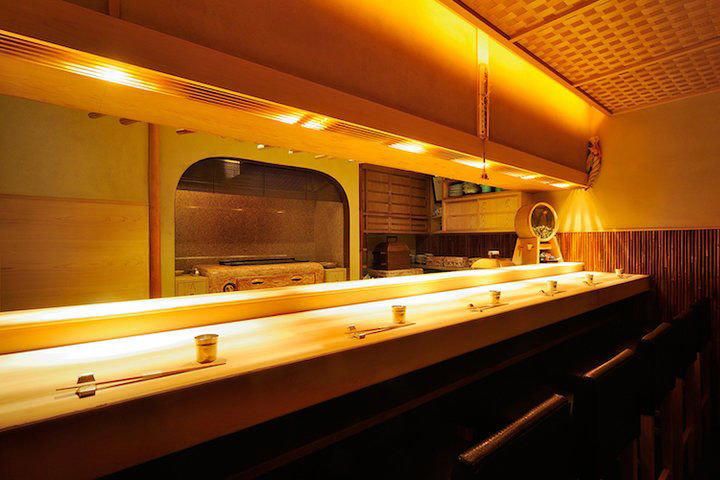
Seven seats change the meal before ordering. Counter-only restaurants in Tokyo often reward solo diners and pairs because turnover, spacing, and pacing matter. Reservations are unavailable, so treat the meal as a focused lunch stop rather than a flexible social plan. The schedule is narrow, with daytime service and midweek closures, making timing part of the decision.
Payment and access are unfussy but specific. Credit cards and electronic money are not accepted, while PayPay is accepted; coin parking is nearby rather than on site. The room is non-smoking, children are possible, and take-out is part of the model. These details place the counter firmly in Tokyo’s everyday dining system: compact, rules-forward, and efficient.
For travellers comparing food formats across Japan, this address explains more than another luxury reservation. It sits closer to the practical pleasures of (Shoku) Vietnam in Kawasaki, [Curry Senmon Ten] Maruyama Kyoju. in Sapporo, or [ki:] in Kyoto than to destination dining built around long reservations. Regional and overseas contrasts sharpen the point: -Grilled beef Sukiyaki- KAMAKURA TANUKIAN 鎌倉 たぬき庵 in Kamakura reads as a beef-focused excursion.cafe in Osaka as café culture.know in Kumamoto as another regional register, while Jōdo Saké Bar in Los Angeles and Onigiri Time in Pasadena show how Japanese formats change once they leave Japan. In Kamata, the lesson is local and precise: curry and tonkatsu need little ceremony when the format is this concentrated.
2D Cafe offers a useful Tokyo counter-image, built around visual novelty and café pacing. The Kamata curry counter moves opposite: few seats, brief hours, no reservation cushion, and a dish category with enough local competition that recognition must be earned through repetition rather than spectacle.
Accolades, Compared
Comparable venues at the same tier for side-by-side context.
| Venue | Cuisine | Price | Notes |
|---|---|---|---|
| Tonkatsu Aoki no Curry Ya Ippekoppe Kamata hontenThis venue — the venue you are viewing | Japanese Curry & Tonkatsu | $$ | Not listed |
| Kajitsuen Riberu | Fruit Parlor | $$ | Meguro |
| Age Fuku | Specialist Tonkatsu Restaurant | $$ | Shinagawa |
| Azabu Shogetsudo | Japanese Traditional Sweets (Wagashi) | $$ | Minato |
| Tonkatsu Hasegawa Higashi ginza ten | Tonkatsu | $$ | Chūō |
| 六雁 | japanese | Not listed | Chūō |
Recognition history
Dated appearances from independent guides and award organizations, with the underlying list record or original source where available.
Tabelog 100 #85 · No. 85
Tabelog · Tabelog 100 - Curry - TOKYO - 2024









At a Glance
- Casual
- Classic
- Cozy
- Solo
- Casual Hangout
- Family
- Group Dining
- Standalone
Current opening hours
- Monday
- 11 AM–3 PM
- Tuesday
- Closed
- Wednesday
- Closed
- Thursday
- 11 AM–3 PM
- Friday
- 11 AM–3 PM
- Saturday
- 11 AM–3 PM
- Sunday
- 11 AM–3 PM
Hours can change for holidays and private events. Last verified .
Small, no-frills, casual tonkatsu-and-curry shop with a simple counter setup and a neighborhood feel.