
Age Fuku puts Tokyo tonkatsu into a compact Gotanda format: counter-led, lunch-friendly, and serious enough to have been selected for Tabelog 100 Tonkatsu in 2018, 2019, 2021, 2022, 2024, and 2026. The draw is the way a familiar fried-cutlet meal changes by service, from efficient daytime value to a slower evening table with sake, shochu, or wine in play.
Pearl is the En Primeur Club membership app — saves, bookings, and concierge access live there. Same editors, same standards.
- Address
- Japan, 〒141-0031 Tokyo, Shinagawa City, Nishigotanda, 2 Chome−15−13 ニューハイツ西五反田 1F
- Phone
- +81 3-5719-4129
- Website
- valuet.co.jp
 Saves & bookings on Pearl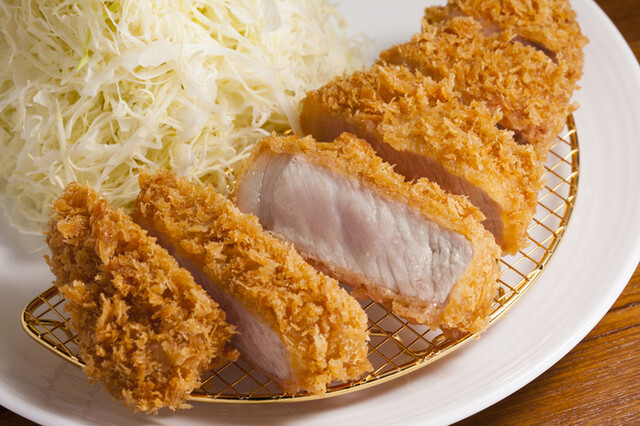
Gotanda is not theatrical Tokyo. Around the station, office workers, residents, commuter traffic, and small dining rooms set a practical rhythm of quick lunches, after-work meals, and specialist counters that need no Ginza polish. Tonkatsu fits: a dish of clarity, not ceremony, built from pork, breading, heat control, cabbage, rice, sauce, and disciplined repetition.
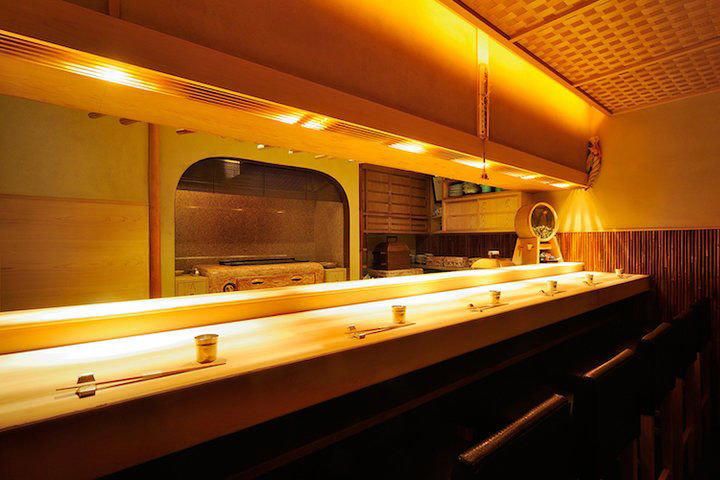
Age Fuku belongs to Tokyo’s narrow, purpose-built restaurant category, where the room tells diners how to behave before the first plate. The format is compact: 19 seats, split between 15 counter seats and one table for four, so the meal feels closer to a workshop than a dining room. That matters for tonkatsu. Unlike sushi or tempura, it is not always treated internationally as serious craft, yet in Tokyo it has ranking culture, fans, and price tiers. Selection for Tabelog 100 Tonkatsu across 2018, 2019, 2021, 2022, 2024, and 2026 places this address inside that specialist conversation, not the broader casual-fry category.
Lunch turns tonkatsu into a value calculation; dinner makes it a slower Gotanda meal
The restaurant is best understood through its lunch-dinner divide. Daytime tonkatsu in Tokyo is judged by efficiency and value: counter speed, precision under rush, and price against other station-area lunches. Evening service changes the reading. The same cutlet format becomes a fuller meal, with drinks moving beyond soft drinks into sake, shochu, and wine. That shift changes how diners use the room. Lunch is timing and clarity. Dinner gives the format more air.
That distinction is useful in Gotanda, where meat restaurants occupy several price positions. Meat Yazawa Gotanda honten sits nearby with a higher dinner bracket, while TEPPANYAKI SOUTHERN reaches a far more expensive evening tier. ARALIYA LANKA Gotanda honten plays in a lower lunch band. Against that spread, Age Fuku reads as a specialist pork-cutlet stop, not a splurge restaurant or generic station meal. The value is not only the bill; it is eating a focused Tokyo comfort dish in a room scaled for attention.
Tokyo’s tonkatsu culture rewards small differences. Pork cutlet can look simple, but serious shops separate themselves through procurement, thickness, frying temperature, resting, and the crust-meat balance. The public description connects the restaurant to wholesale meat handling and Yazawa Meat expertise, relevant because tonkatsu depends less on embellishment than raw material and timing. Chef biography is not the point; the credential explains why a neighbourhood counter can compete in a city where fried pork has an obsessive audience.
The counter format keeps the focus on pork, curry, and the rhythm of service
The listed categories are tonkatsu and curry, a natural pairing in Tokyo’s everyday dining grammar. Curry gives the menu a second register without pulling it away from fried-cutlet identity. The counter suits solo diners and pairs; the single table adds limited group flexibility without changing the pace. Private rooms and private use are not part of the format, consistent with the genre: the energy belongs to the shared counter, not seclusion.
There is a family-friendly note, but scale matters. Children are welcome, including babies and preschoolers, yet stroller space is restricted. That is a practical reminder of many serious Tokyo restaurants: hospitality may be open, but floor plans are unforgiving. Non-smoking status also fits contemporary compact dining, where oil, steam, and close seating leave little tolerance for distractions.
For a wider Tokyo food itinerary, this is not reservation-led fine dining or a bar program. It sits in the everyday-specialist lane: precise, compact, price-conscious, and rooted in one dish family. Compare it with broader Tokyo dining options in Our full Tokyo restaurants guide, then separate that from hotel planning in Our full Tokyo hotels guide, cocktail research in Our full Tokyo bars guide, winery browsing in Our full Tokyo wineries guide, and cultural planning in Our full Tokyo experiences guide.
How to place it within a Tokyo eating day
The smart use case is not treating tonkatsu as a consolation prize between sushi and ramen. In Tokyo, pork cutlet has enough depth to anchor a meal, and Gotanda frames it with less tourism than the usual central circuits. Station access makes it easy to fold into a day across the Yamanote side, but the no-reservation format changes the calculation: party size, timing, and willingness to wait matter more than advance planning.
Payment flexibility is broader than at many small Japanese counters, with credit cards, transit IC cards, several electronic-money options, and PayPay listed. Take-out and delivery make the operation less rigid than old-school counter-only tonkatsu shops, though the counter remains the clearest expression. End-of-year closures are December 31 through January 2, worth noting because Tokyo dining around New Year often requires tighter planning than visitors expect.
Seen critically, the appeal is not luxury. It is compression: a small Gotanda room, specialist dish, Tabelog 100 Tonkatsu track record, and service pattern that changes meaning between lunch and dinner. Lunch makes the case for value and speed. Dinner makes the case for lingering over a cutlet meal with Japanese spirits or wine. Both show why Tokyo’s everyday dining categories often carry more craft than their casual reputation suggests.
For itinerary contrast, Tokyo diners can move from meat and fry-focused rooms to izakaya, yakitori, café, and curry addresses such as. 鮪と炭火焼き うお炭 秋葉原店, 12/10 Shinjuku ten, 124. KAGURAZAKA (Yakitori), 2D Cafe, and 3 Chome no Curry Ya San. Outside Tokyo, Japan-focused planning can extend to -Grilled beef Sukiyaki- KAMAKURA TANUKIAN 鎌倉 たぬき庵 in Kamakura.cafe in Osaka.know in Kumamoto, (Shoku) Vietnam in Kawasaki, [Curry Senmon Ten] Maruyama Kyoju. in Sapporo, and [ki:] in Kyoto. For Japanese dining threads abroad, compare the sake-bar and onigiri formats at Jōdo Saké Bar in Los Angeles and Onigiri Time in Pasadena.
A Credentials Check
Comparable venues for cuisine and category context.
| Venue | Cuisine | Price | Notes |
|---|---|---|---|
| Age FukuThis venue — the venue you are viewing | Specialist Tonkatsu Restaurant | $$ | Not listed |
| Muromachi Sunaba (室町砂場) | Traditional Edo-style Soba | $$ | Nihonbashi Muromachi |
| Akasaka Musashi | Japanese Shabu-shabu & Sukiyaki | $$ | Minato |
| Umezu | Japanese Izakaya | $$ | Minato |
| Kusa Makura | Japanese Kissaten / Coffee Shop | $$ | Minato |
| Mentokoro Ginzasa | Japanese Ramen | $$ | Chūō |
Recognition history
Dated appearances from independent guides and award organizations, with the underlying list record or original source where available.
Tabelog 100 #33 · No. 33
Tabelog · Tabelog 100 - Tonkatsu - 2026










At a Glance
- Cozy
- Lively
- Classic
- Solo
- Casual Hangout
- After Work
- Family
- Chefs Counter
- Standalone
- Local Sourcing
Current opening hours
- Monday
- 11:30 AM–2 PM, 5–9 PM
- Tuesday
- 11:30 AM–2 PM, 5–9 PM
- Wednesday
- 11:30 AM–2 PM, 5–9 PM
- Thursday
- 11:30 AM–2 PM, 5–9 PM
- Friday
- 11:30 AM–2 PM, 5–9 PM
- Saturday
- 11:30 AM–2 PM, 5–9 PM
- Sunday
- 11:30 AM–2 PM, 5–9 PM
Hours can change for holidays and private events. Last verified .
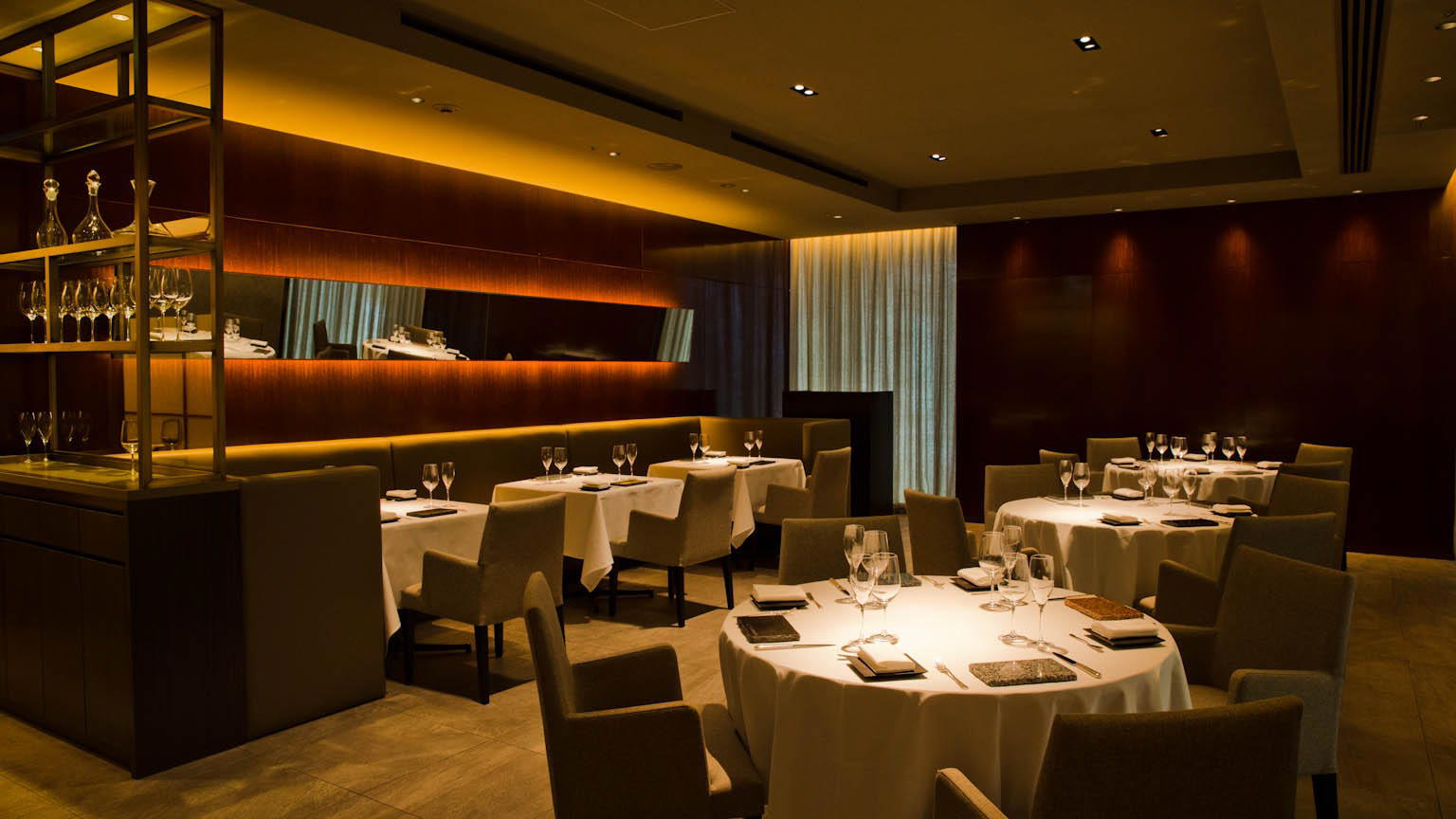
Small, counter-centered tonkatsu shop with a simple, classic interior; the atmosphere is bustling at peak times but relaxed, with guests closely watching freshly fried cutlets being prepared in a bright, no-frills space.